Infectious waste is the most common type of waste in hospitals, accounting for the largest volume of medical waste generated daily. This includes items contaminated with blood, body fluids, and potentially infectious materials from patient care, surgery, and laboratory work. Understanding hospital waste categories helps facilities implement proper hospital waste management protocols for safety and compliance.
What are the main categories of hospital waste?
Hospital waste falls into four primary categories: infectious waste, pathological waste, pharmaceutical waste, and general non-hazardous waste. Each category requires specific handling, storage, and disposal methods in accordance with healthcare regulations and environmental safety standards.
Infectious waste represents the largest category, including blood-soaked materials, surgical gloves, bandages, and laboratory specimens. This waste poses potential infection risks and must be treated before disposal. Pathological waste consists of human tissues, organs, and body parts and requires specialized incineration or burial methods.
Pharmaceutical waste encompasses expired medications, unused drugs, and chemotherapy agents that require controlled disposal to prevent environmental contamination. General waste includes non-contaminated materials such as food packaging, administrative papers, and standard office waste that can follow regular municipal disposal routes.
Regulatory frameworks govern each category differently. Infectious and pathological waste fall under strict medical waste regulations, while pharmaceutical disposal follows controlled-substance protocols. Understanding these distinctions helps healthcare facilities develop appropriate waste separation systems for compliance and safety.
Why is infectious waste the most prevalent type in hospitals?
Infectious waste dominates hospital waste streams because virtually every patient interaction generates potentially contaminated materials. From routine examinations to complex surgeries, healthcare activities continuously produce items that come into contact with blood, body fluids, or infectious agents, making this the most voluminous waste category.
Patient care activities generate infectious waste through multiple touchpoints. Routine procedures require disposable gloves, gauze, syringes, and protective equipment that become contaminated during use. Emergency departments handle trauma cases that produce blood-soaked materials, while intensive care units generate continuous streams of contaminated supplies from monitoring and treatment procedures.
Surgical operations significantly contribute to infectious waste volumes. Operating theatres produce contaminated drapes, instruments, sutures, and protective clothing. Laboratory work adds specimen containers, culture plates, and testing materials. Even routine housekeeping in patient areas creates infectious waste through contaminated cleaning supplies and linens.
The precautionary principle amplifies infectious waste volumes. Healthcare facilities classify potentially contaminated items as infectious waste to ensure safety, even when the actual contamination risk may be minimal. This conservative approach protects staff and patients but increases the overall volume of materials requiring specialized disposal.
How does pharmaceutical waste impact hospital waste management?
Pharmaceutical waste creates complex disposal challenges due to environmental regulations, controlled-substance laws, and specialized treatment requirements. This waste cannot be mixed with regular medical waste streams and often requires separate collection, storage, and disposal protocols that significantly affect hospital waste management systems.
Expired medications accumulate regularly across hospital departments, from patient rooms to pharmacy storage areas. These drugs require careful inventory tracking and secure disposal to prevent diversion or environmental contamination. Controlled substances require witnessed destruction with detailed documentation, adding administrative complexity to waste management processes.
Chemotherapy waste presents particular challenges due to its hazardous nature. These cytotoxic materials require specialized incineration at high temperatures and cannot be autoclaved like typical infectious waste. Hospitals must maintain separate collection systems and arrange specialized disposal services, increasing both complexity and costs.
Key pharmaceutical waste management considerations include:
- Segregation at the point of generation to prevent cross-contamination
- Secure storage to prevent unauthorized access or diversion
- Documentation requirements for controlled substances
- Environmental protection through proper treatment methods
- Cost management through efficient collection and disposal scheduling
What makes pathological waste disposal so critical in healthcare?
Pathological waste disposal requires the highest level of care due to ethical considerations, infection control requirements, and strict regulatory oversight. This waste category includes human tissues, organs, body parts, and anatomical specimens that demand respectful handling and specialized disposal methods beyond standard medical waste protocols.
Concerns about human dignity drive pathological waste management requirements. Healthcare facilities must treat human remains with respect throughout the disposal process, often requiring cremation or burial rather than standard waste treatment methods. Many jurisdictions mandate specific handling procedures that honor the human origin of these materials.
Infection control remains paramount for pathological waste. These materials may harbor pathogens that require immediate containment and treatment. Unlike other medical waste that can await scheduled pickup, pathological waste often needs prompt removal to prevent decomposition and potential health hazards within healthcare facilities.
Regulatory compliance for pathological waste involves multiple agencies and standards. Health departments oversee infection control aspects, while environmental agencies regulate disposal methods. Some regions require permits for pathological waste incineration, and transportation between facilities requires specialized licensing and documentation.
The specialized nature of pathological waste disposal creates logistical challenges. Hospitals must maintain relationships with qualified disposal services, ensure proper packaging and labeling, and coordinate timely removal. These requirements make pathological waste one of the most complex categories in hospital waste management systems.
How do sharps and medical devices contribute to hospital waste volumes?
Sharps and medical devices represent a significant portion of hospital waste volume while requiring specialized handling due to injury risks and contamination potential. These items require puncture-resistant containers and careful segregation to protect healthcare workers, waste handlers, and the environment from both physical injury and infectious exposure.
The variety of sharps in hospitals extends beyond needles and syringes. Surgical instruments, scalpel blades, broken glass from medication vials, and lancets all contribute to sharps waste streams. Each department generates different types and volumes, from operating rooms producing surgical sharps to laboratories contributing broken glassware and specimen collection devices.
Medical device waste includes both sharp and non-sharp items requiring special consideration. Electronic medical equipment contains valuable materials but may have contaminated surfaces. Single-use devices such as catheters, tubing, and monitoring equipment add volume to infectious waste streams, while reusable instruments require decontamination before potential disposal.
Safety protocols for sharps management directly affect waste volumes and handling procedures:
- Immediate disposal in puncture-resistant containers at the point of use
- Never overfilling containers to prevent injury during handling
- Segregation of different sharps types when required by disposal facilities
- Regular container replacement to maintain safety standards
- Staff training on proper handling and disposal techniques
Container management becomes crucial for sharps waste control. Hospitals must strategically place sharps containers throughout facilities, monitor fill levels, and coordinate regular replacement. The rigid containers themselves add to waste volumes but provide essential protection throughout the disposal chain.
How BINBIN helps with hospital waste management
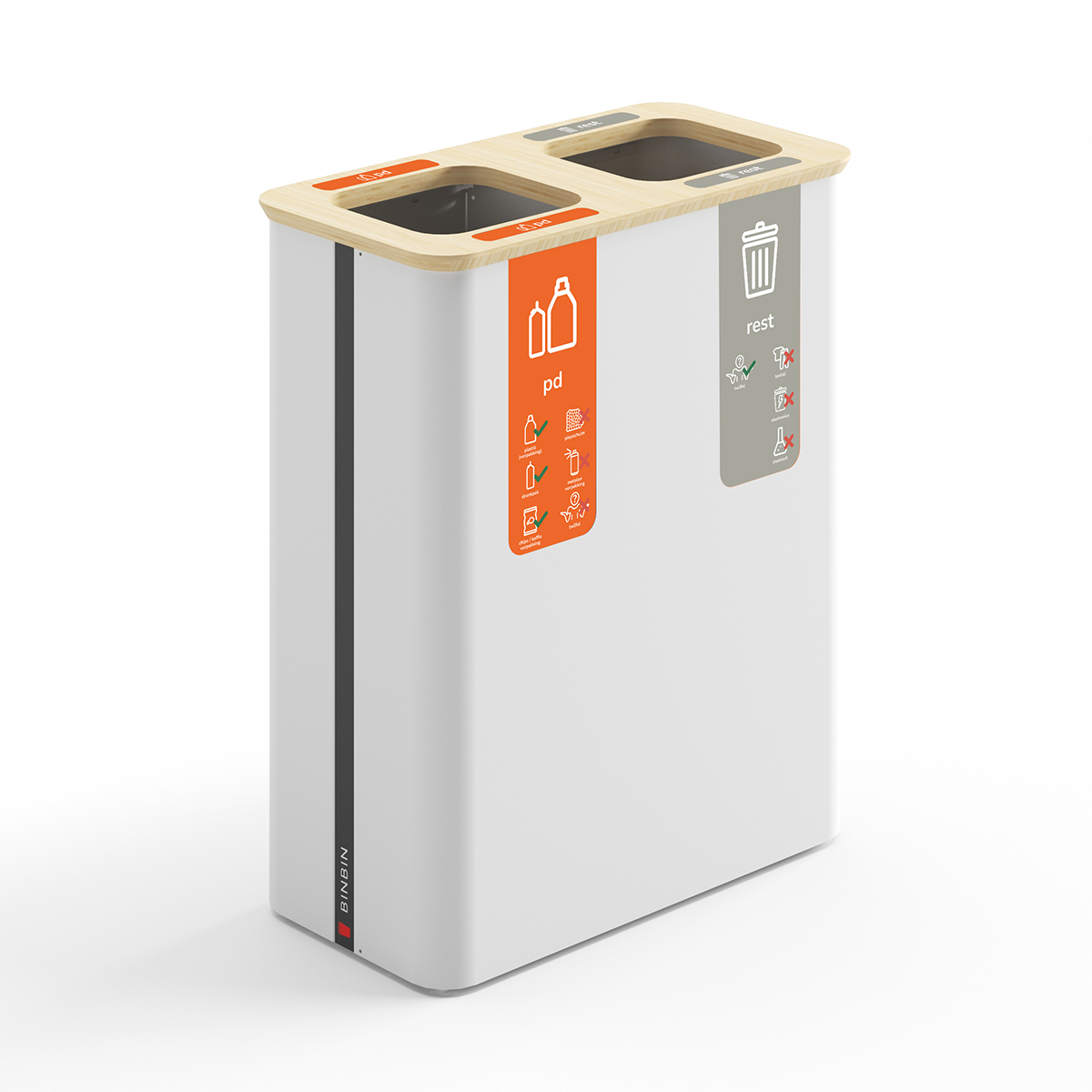
BINBIN's modular waste separation solutions address the complex requirements of hospital waste management through specialized compartments designed for different medical waste streams. Our systems help healthcare facilities achieve regulatory compliance while maintaining the clean, professional appearance essential in medical environments.
Our healthcare waste management solutions include:
- Modular compartments specifically designed for infectious, pharmaceutical, and general waste separation
- Secure, easy-to-clean surfaces that meet healthcare hygiene standards
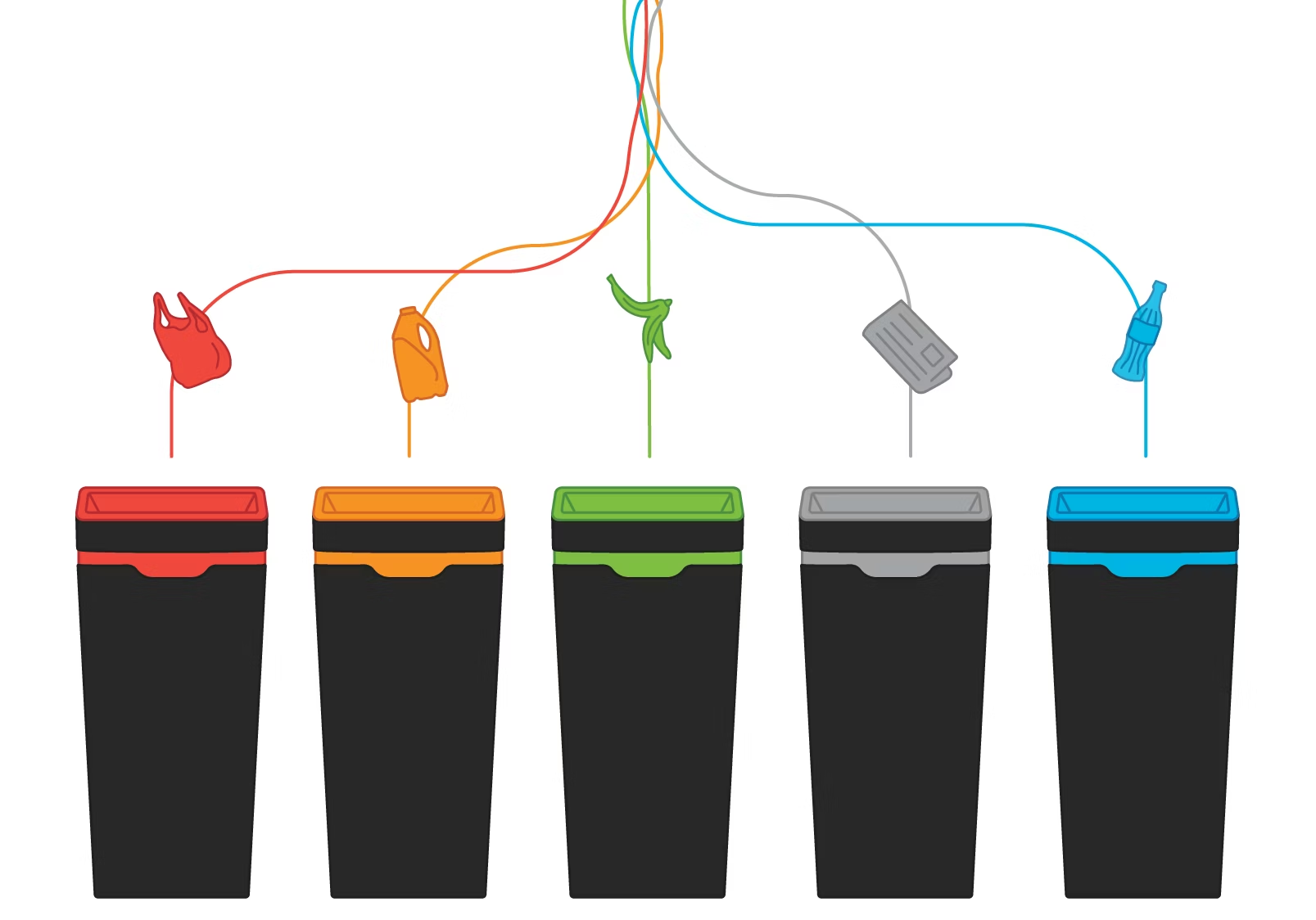
- Clear labeling and color-coding systems for proper waste segregation
- Flexible configurations that adapt to different department needs and space constraints
- Durable construction from recycled materials that supports hospital sustainability goals
We provide comprehensive implementation support, including facility assessments, staff training materials, and ongoing consultation to optimize your waste management processes. Our team understands the unique challenges of healthcare waste management and works with you to develop solutions that improve compliance, reduce costs, and enhance safety.
Ready to improve your hospital's waste management system? Contact us for a customized assessment and discover how our modular solutions can streamline your waste separation processes while meeting all regulatory requirements.