Improper waste separation causes serious environmental damage, increases disposal costs, and can lead to legal penalties for organisations. When waste isn’t separated correctly, recyclable materials end up in landfills, contaminating ecosystems and contributing to greenhouse gas emissions. This comprehensive guide outlines the key consequences of poor waste separation practices and their impact on businesses, the environment, and society.
What are the immediate environmental consequences of not separating waste?
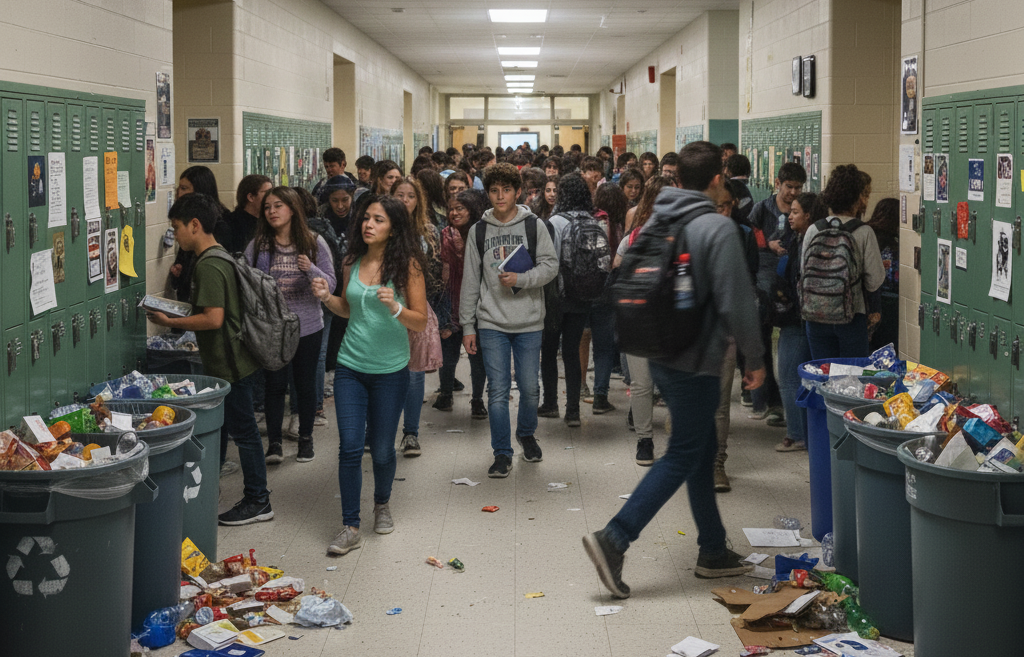
Unseparated waste directly contributes to landfill overflow and environmental contamination by preventing recyclable materials from being properly processed. When different waste types mix, organic materials decompose alongside non-biodegradable plastics and chemicals, creating toxic leachate that seeps into soil and groundwater.
The environmental impact extends far beyond simple disposal issues. Mixed waste generates significantly more methane because organic materials decompose anaerobically in landfills, producing greenhouse gases that contribute to climate change. Meanwhile, valuable materials such as paper, glass, and metals become contaminated and unusable for recycling.
Natural ecosystems are disrupted when contaminated materials enter the environment. Microplastics from improperly disposed packaging infiltrate food chains, while chemical residues from mixed waste streams affect wildlife habitats. This cycle of contamination perpetuates environmental degradation and makes restoration efforts more challenging and expensive.
How does improper waste separation affect recycling systems?
Contaminated waste streams make recycling processes inefficient or completely impossible, forcing valuable materials into landfills instead of being transformed into new products. When recyclables are mixed with food waste, chemicals, or non-recyclable materials, entire batches become unusable for manufacturing.
Recycling facilities face significant operational challenges when processing contaminated materials. Sorting equipment can be damaged, processing lines require frequent cleaning, and worker safety risks increase when hazardous materials appear in supposedly clean waste streams. These complications drive up operational costs and reduce facility efficiency.
The broader circular economy suffers when recycling systems cannot function effectively. Manufacturers struggle to source recycled materials, leading to increased reliance on virgin resources. This disruption affects supply chains, increases production costs, and undermines sustainability goals across multiple industries.
What are the legal and financial penalties for organisations that don't separate waste?
Organisations face regulatory compliance requirements for waste separation in most jurisdictions, with penalties ranging from warning notices to substantial fines for non-compliance. Environmental protection agencies regularly inspect business waste management practices and impose sanctions on companies that fail to meet separation standards.
Financial penalties vary by location and the severity of the violation, but typically include:
- Initial warning notices with mandatory correction timelines
- Progressive fines that increase with repeated violations
- Operational restrictions or temporary business closure orders
- Legal liability for environmental damage caused by improper disposal
- Increased waste collection fees from service providers
Corporate responsibility extends beyond immediate penalties to include potential litigation related to environmental damage. Companies may face civil lawsuits if their waste management practices contribute to pollution or ecosystem harm, creating long-term financial liabilities that far exceed basic compliance costs.
Why do higher waste disposal costs result from poor separation practices?
Poor waste separation leads to higher disposal fees because mixed waste requires more expensive processing methods and cannot generate revenue through recycling programmes. Waste management companies charge higher rates for unseparated materials due to increased handling, sorting, and disposal requirements.
Contamination charges represent a significant cost factor when recyclable materials become unusable. Service providers impose penalties when waste streams contain inappropriate materials, reflecting the additional labour and equipment needed to process contaminated loads. These charges accumulate quickly and substantially increase monthly waste management expenses.
Organisations miss valuable revenue opportunities when they fail to separate waste properly. Many materials have market value when properly sorted, including metals, paper, and certain plastics. Companies with effective waste separation can often negotiate reduced collection fees or even receive payments for high-quality recyclable materials.
How does inadequate waste separation damage corporate reputation and sustainability goals?
Brand reputation suffers when companies demonstrate poor environmental stewardship through inadequate waste management practices. Modern consumers, employees, and business partners increasingly evaluate organisations based on their environmental responsibility and sustainability commitments.
Employee engagement decreases when staff observe that their workplace doesn’t prioritise environmental responsibility. Workers want to feel proud of their employer’s values, and visible waste management failures can reduce morale, increase turnover, and make recruitment more challenging, particularly among environmentally conscious talent.
Sustainability reporting becomes problematic when waste separation practices don’t align with stated environmental goals. Investors, customers, and regulatory bodies scrutinise corporate sustainability claims, and poor waste management undermines credibility across all environmental initiatives. This disconnect can affect business relationships, investment opportunities, and market positioning.
The following areas suffer when waste separation practices are inadequate:
- Customer perception and brand loyalty
- Employee satisfaction and retention rates
- Investor confidence in sustainability commitments
- Partnership opportunities with environmentally focused organisations
- Compliance with corporate social responsibility standards
How BINBIN helps with proper waste separation implementation
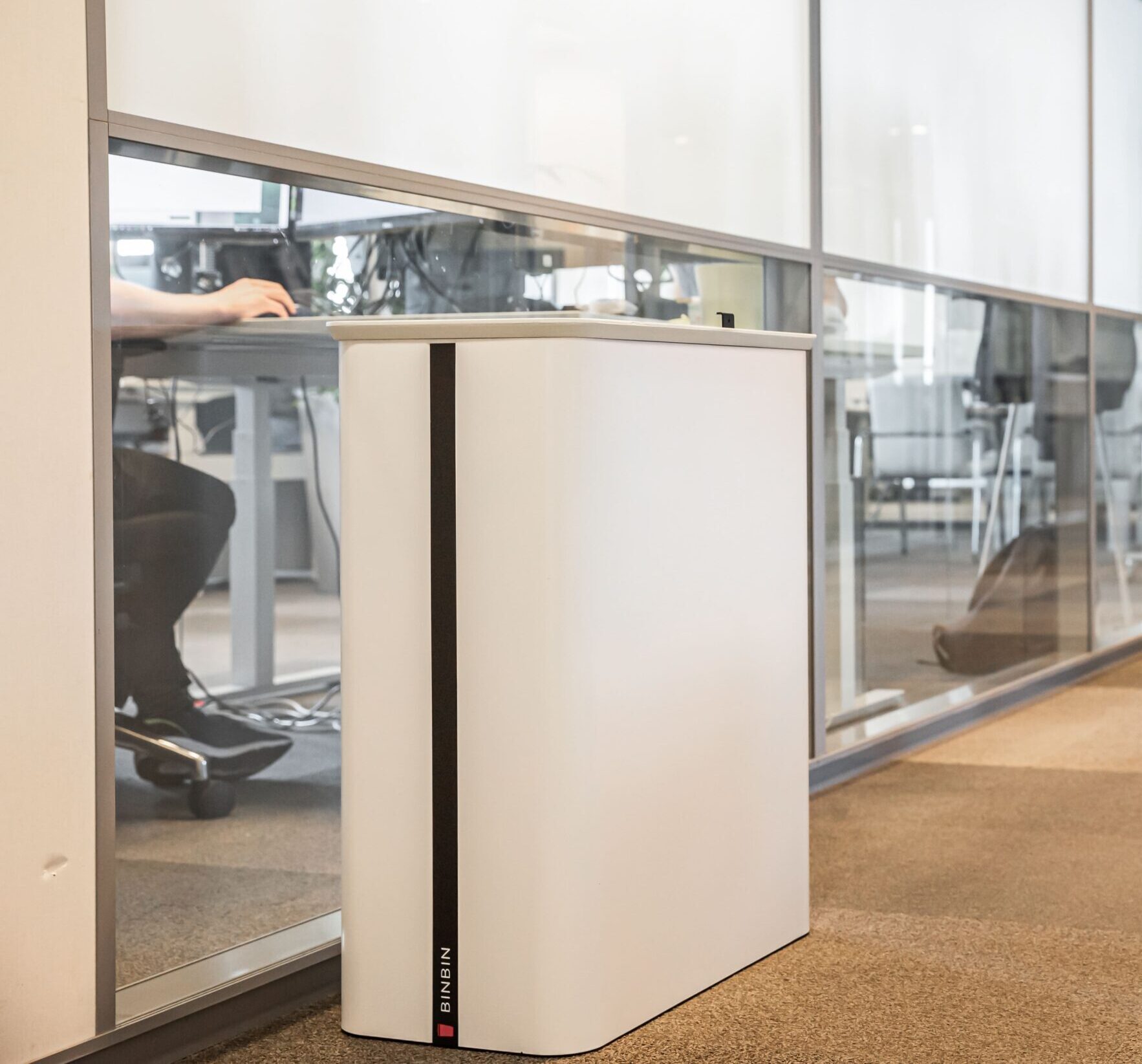
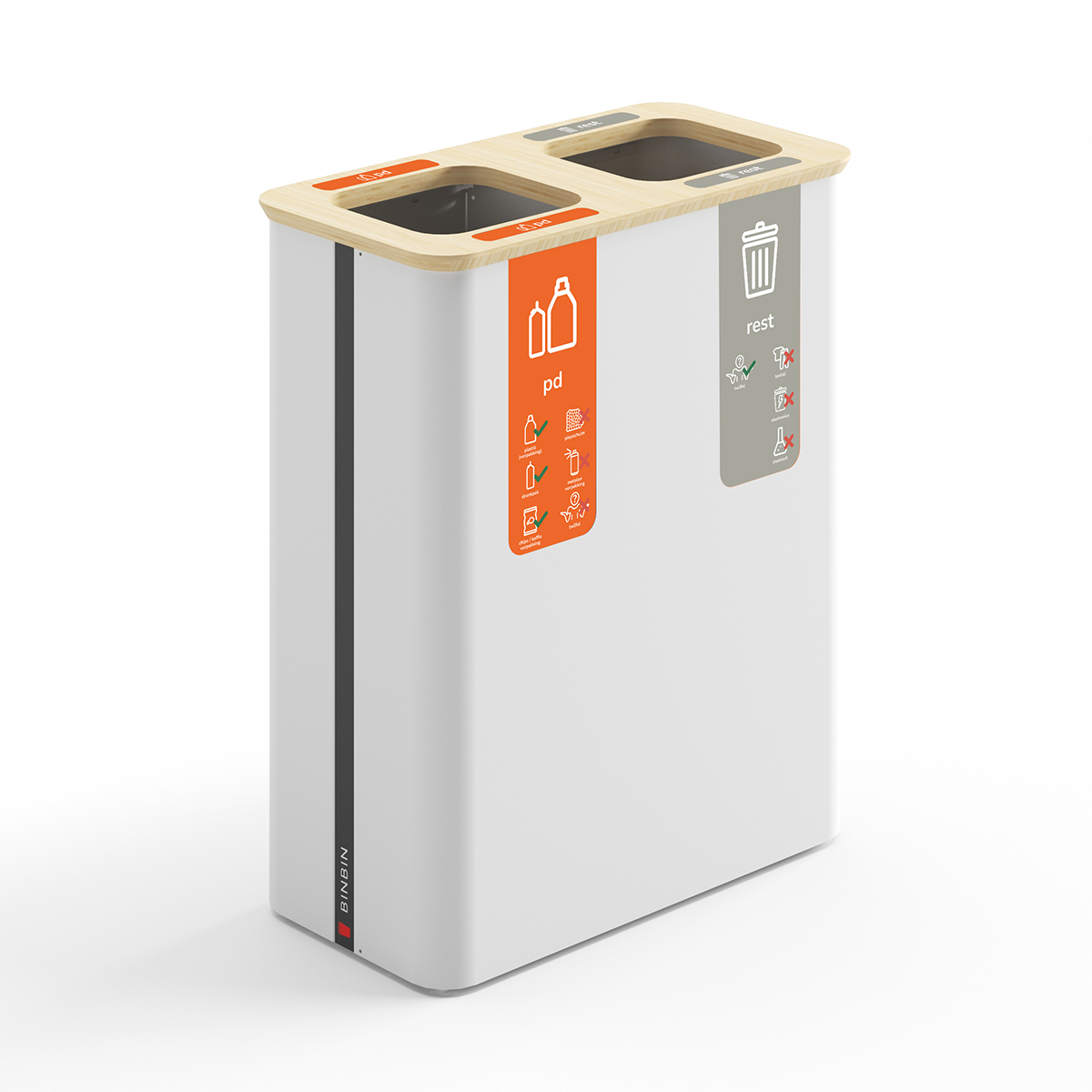
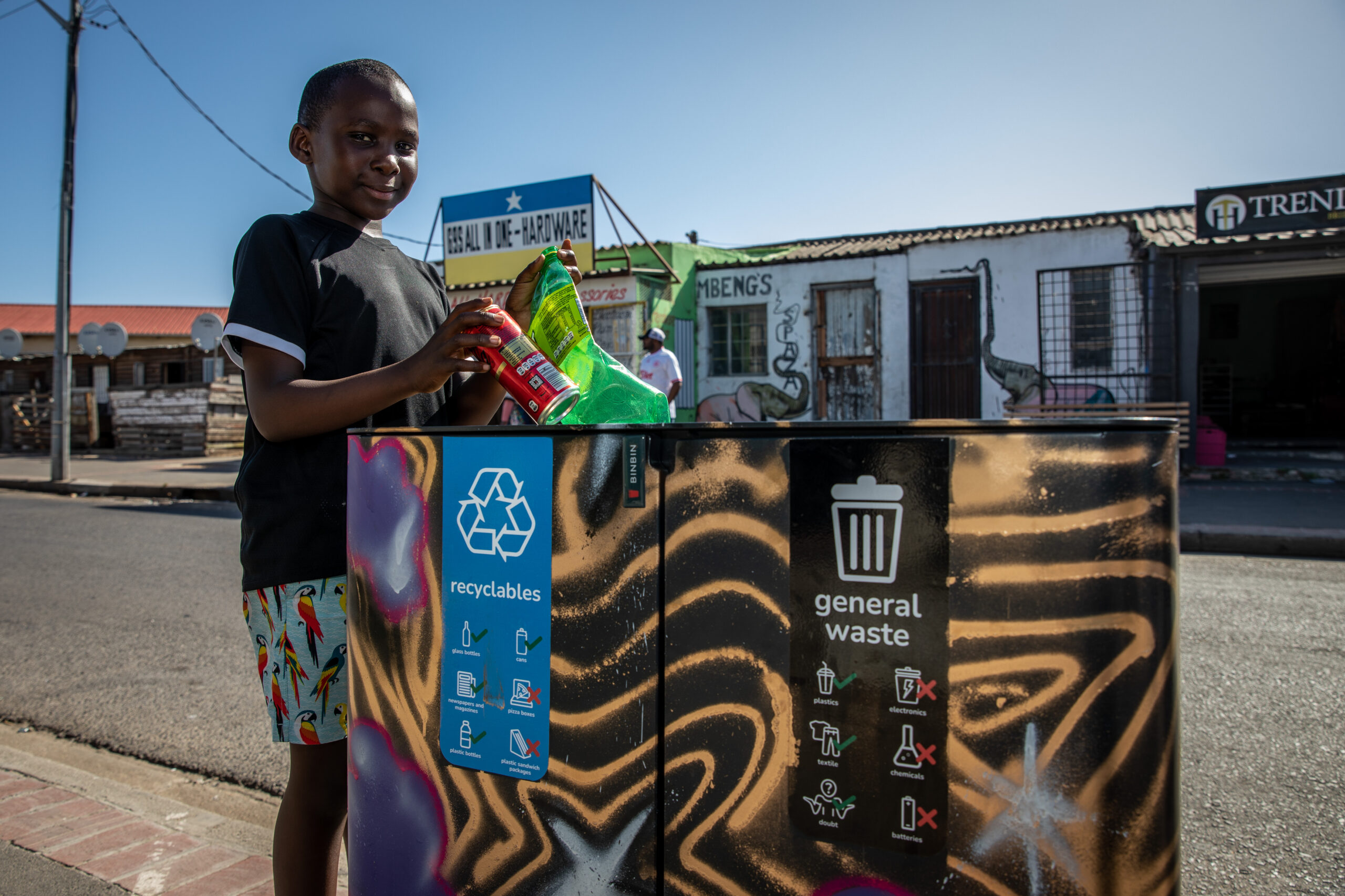
We provide comprehensive waste separation solutions that address compliance requirements while creating an organised, professional workplace environment. Our modular systems adapt to changing needs, ensuring long-term effectiveness and cost efficiency for organisations of all sizes.
Our approach includes:
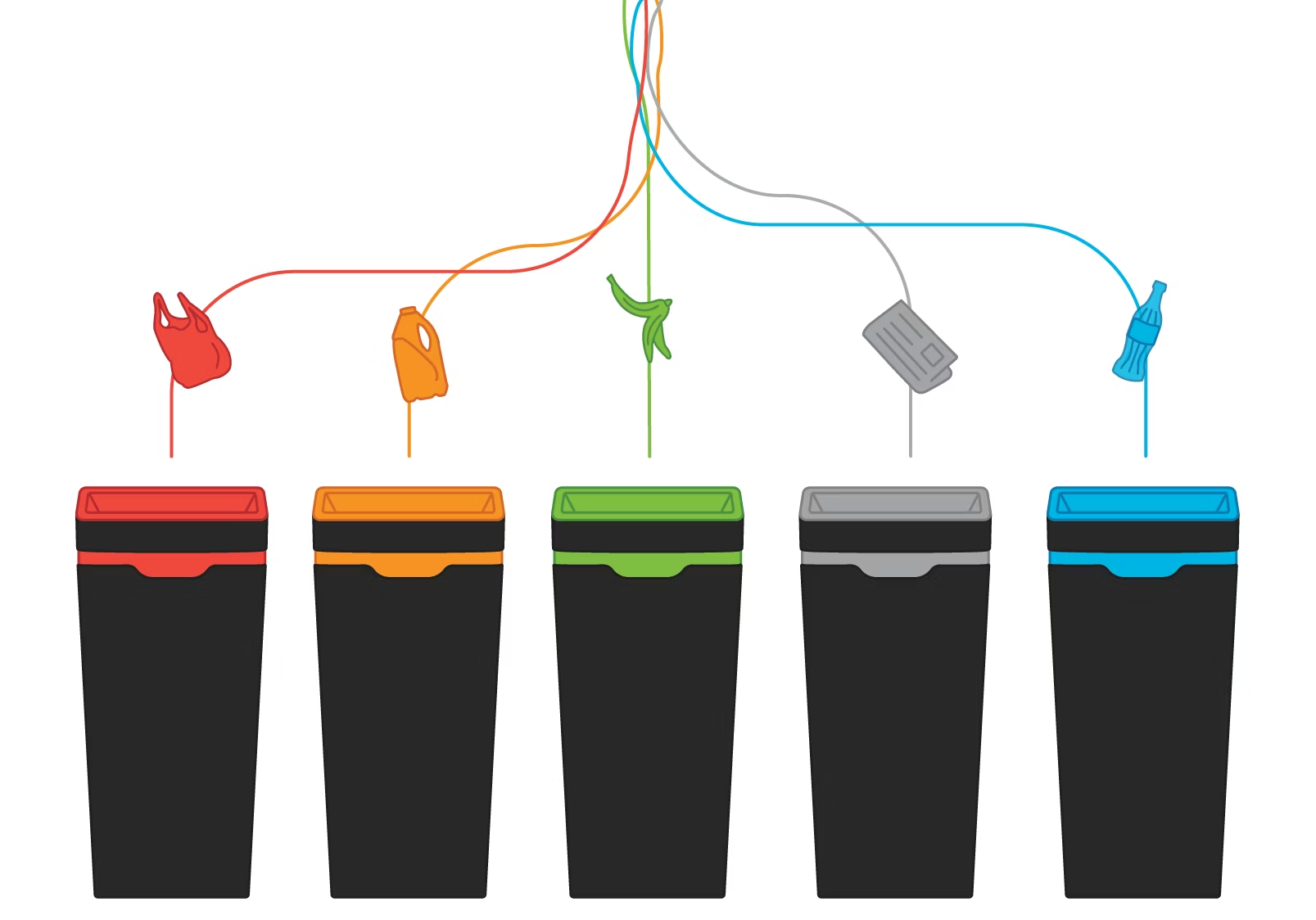
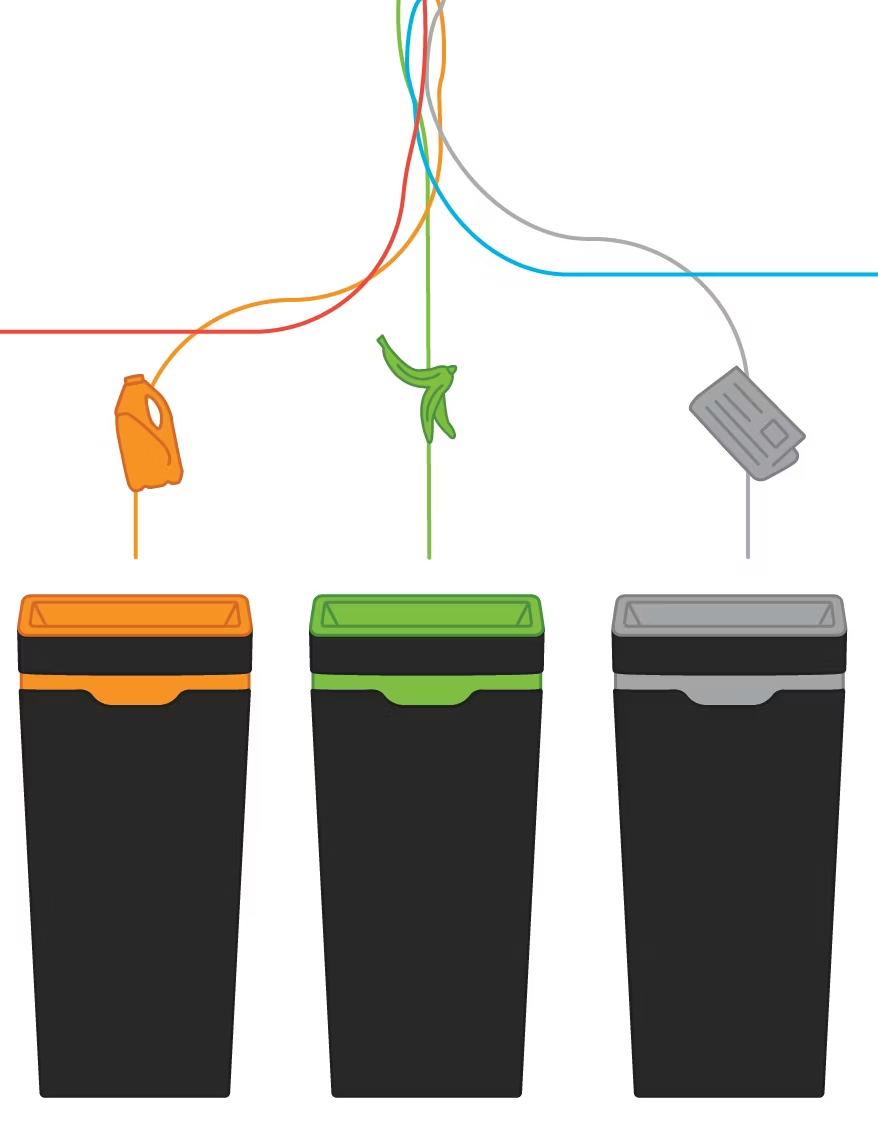
- Modular configurations that accommodate 1–8 different waste streams
- 99% circular materials that support genuine sustainability goals
- Customisable designs that integrate seamlessly with existing office aesthetics
- Comprehensive implementation support, including staff training materials
- Flexible systems that adapt as waste separation requirements evolve
Ready to transform your waste management approach? Contact our team for a personalised consultation and discover how proper waste separation can reduce costs, ensure compliance, and support your sustainability objectives. We’ll help you implement an effective system that works for your specific industry requirements and organisational needs.