Hospital waste follows carefully regulated pathways from generation to final disposal, with different waste types requiring specific treatment methods. Infectious waste undergoes sterilization through autoclaving or incineration, pharmaceutical waste requires high-temperature destruction, and regular waste follows municipal disposal routes. Proper hospital waste management relies on specialized collection services, licensed treatment facilities, and strict regulatory compliance to protect public health and the environment.
What types of waste do hospitals actually generate?
Hospitals generate five distinct categories of waste that require different handling and disposal methods. Infectious waste includes blood-soaked materials, cultures, and pathological specimens. Pharmaceutical waste consists of expired medications and chemotherapy drugs. Regular municipal waste includes non-contaminated items such as food packaging and office materials.
The most critical category is infectious waste, which poses contamination risks and must be segregated immediately. This includes used syringes, surgical instruments, laboratory cultures, and any materials contaminated with bodily fluids. Proper classification prevents dangerous materials from entering regular waste streams.
Pathological waste requires special handling due to its sensitive nature. This category encompasses human tissues, organs, and body parts removed during surgery or autopsy. These materials require immediate refrigeration and disposal at specialized incineration facilities.
Chemotherapy waste demands the highest level of protection because these drugs remain toxic even after patient treatment. Any materials that have come into contact with chemotherapy agents require specialized disposal to prevent environmental contamination and protect waste handlers from exposure.
How is medical waste different from regular garbage?
Medical waste contains potential infectious agents and toxic substances that make it fundamentally different from household garbage. Contamination risks from bloodborne pathogens, bacteria, and viruses require specialized handling procedures. Regular garbage can go directly to landfills, while medical waste needs sterilization or incineration before disposal.
Regulatory requirements create another major distinction. Medical waste must be tracked through detailed documentation from generation to final disposal. This includes manifests, treatment certificates, and disposal records that regular waste doesn't require.
Handling procedures differ significantly between waste types. Medical waste requires trained personnel wearing protective equipment, specialized containers, and licensed transportation. Regular waste can be handled by standard sanitation workers using conventional collection methods.
Treatment costs reflect these differences, with medical waste disposal costing significantly more than regular garbage collection. Specialized facilities, equipment, and regulatory compliance drive higher expenses that hospitals must budget for as part of their operational costs.
What happens to infectious waste after it leaves the hospital?
Infectious waste follows a strictly regulated journey from hospital collection through specialized treatment facilities. Licensed haulers transport the waste in marked vehicles to approved treatment sites, where it undergoes sterilization through autoclaving, incineration, or chemical treatment. The treated waste can then enter regular municipal disposal systems.
The transportation phase requires specific protocols to ensure public safety. Waste containers must be properly sealed, labeled, and transported by licensed medical waste haulers. These vehicles follow designated routes and carry emergency response equipment in case of accidents or spills.
Treatment facilities use several methods to neutralize infectious materials:
- Autoclaving uses high-pressure steam at 250°F to kill all microorganisms.
- Incineration burns waste at temperatures exceeding 1,800°F.
- Chemical treatment uses disinfectants to neutralize pathogens.
- Microwave treatment combines steam and heat for sterilization.
After treatment, the sterilized waste residue typically goes to regular landfills. However, some facilities grind the treated waste to make it unrecognizable before final disposal, preventing any potential reuse of medical items.
Where do pharmaceutical and chemotherapy drugs go when disposed of?
Pharmaceutical and chemotherapy waste requires high-temperature incineration at specialized facilities designed to completely destroy drug compounds. These facilities operate at temperatures exceeding 2,000°F to ensure complete molecular breakdown. The process prevents drugs from entering water systems or being diverted for illegal use.
The disposal process begins with secure collection and storage at the hospital. Expired medications and chemotherapy waste are kept in locked containers until pickup by licensed pharmaceutical waste disposal companies. These companies maintain strict chain-of-custody documentation throughout the process.
Environmental protection measures are critical during pharmaceutical waste disposal. Incineration facilities use advanced emission control systems to prevent drug compounds from being released into the atmosphere. Ash residue is tested to confirm complete drug destruction before final disposal.
Regulatory oversight ensures proper handling through multiple checkpoints. The Drug Enforcement Administration monitors controlled-substance disposal, while environmental agencies oversee the incineration process. This dual oversight prevents both drug diversion and environmental contamination.
Who regulates hospital waste disposal and what are the rules?
Multiple agencies regulate hospital waste management, including the Environmental Protection Agency (EPA), Department of Transportation (DOT), and Occupational Safety and Health Administration (OSHA). Each agency oversees different aspects of medical waste management, from generation through final disposal. Hospitals must comply with federal regulations, as well as additional state and local requirements.
Key regulatory requirements include proper waste classification, segregation at the point of generation, and the use of approved containers. Hospitals must train staff on waste-handling procedures and maintain detailed records of all waste disposal activities.
Documentation requirements are extensive and include the following mandatory records:
- Waste generation logs with quantities and types
- Transportation manifests for each waste shipment
- Treatment facility certificates confirming proper disposal
- Staff training records and safety protocols
- Emergency response procedures and incident reports
Non-compliance penalties can be severe, including fines of up to £25,000 per violation and potential criminal charges for serious breaches. Repeat violations may result in facility closure or loss of operating licenses. Regular inspections ensure hospitals maintain proper waste management protocols.
How BINBIN helps with hospital waste management
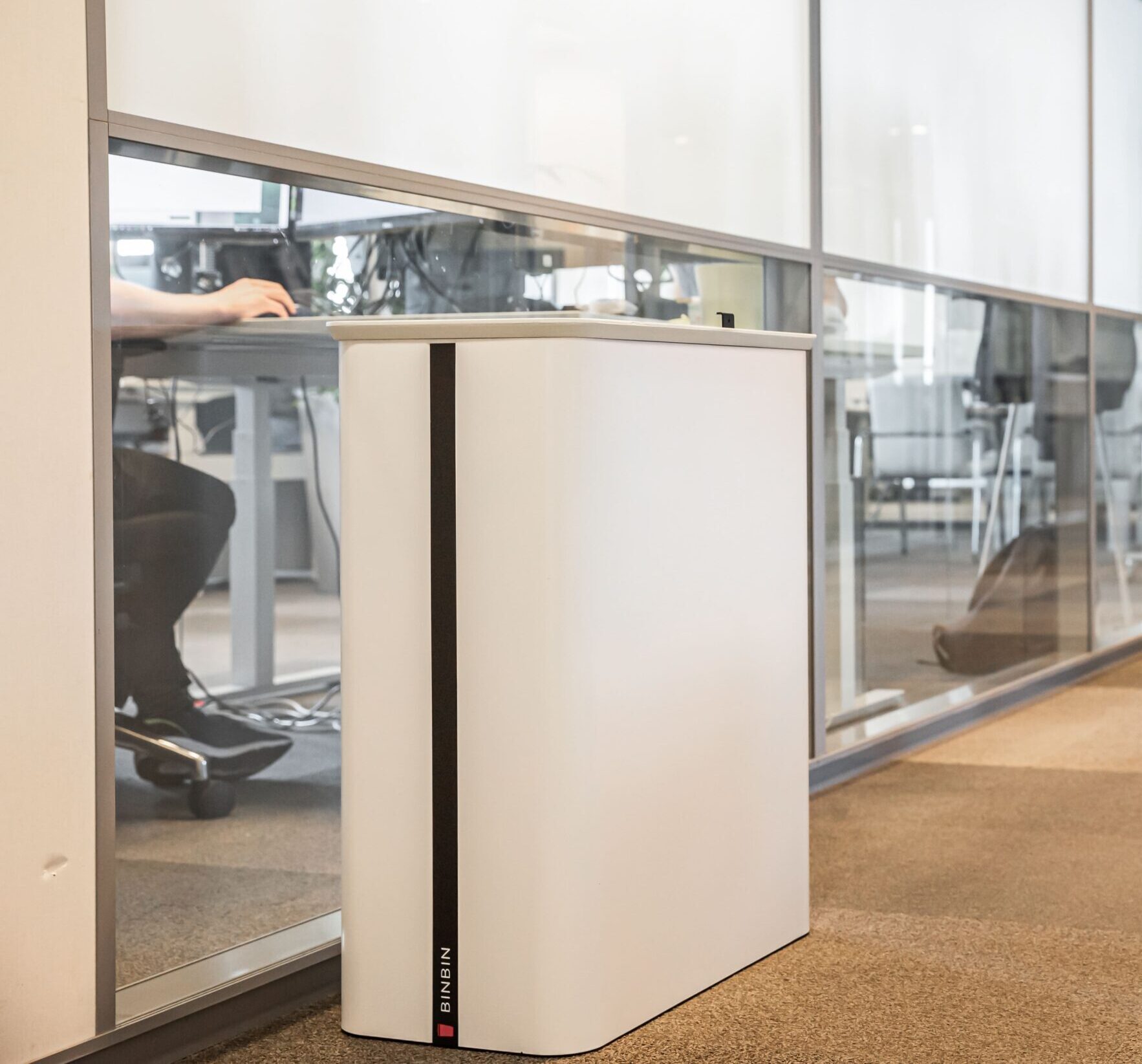
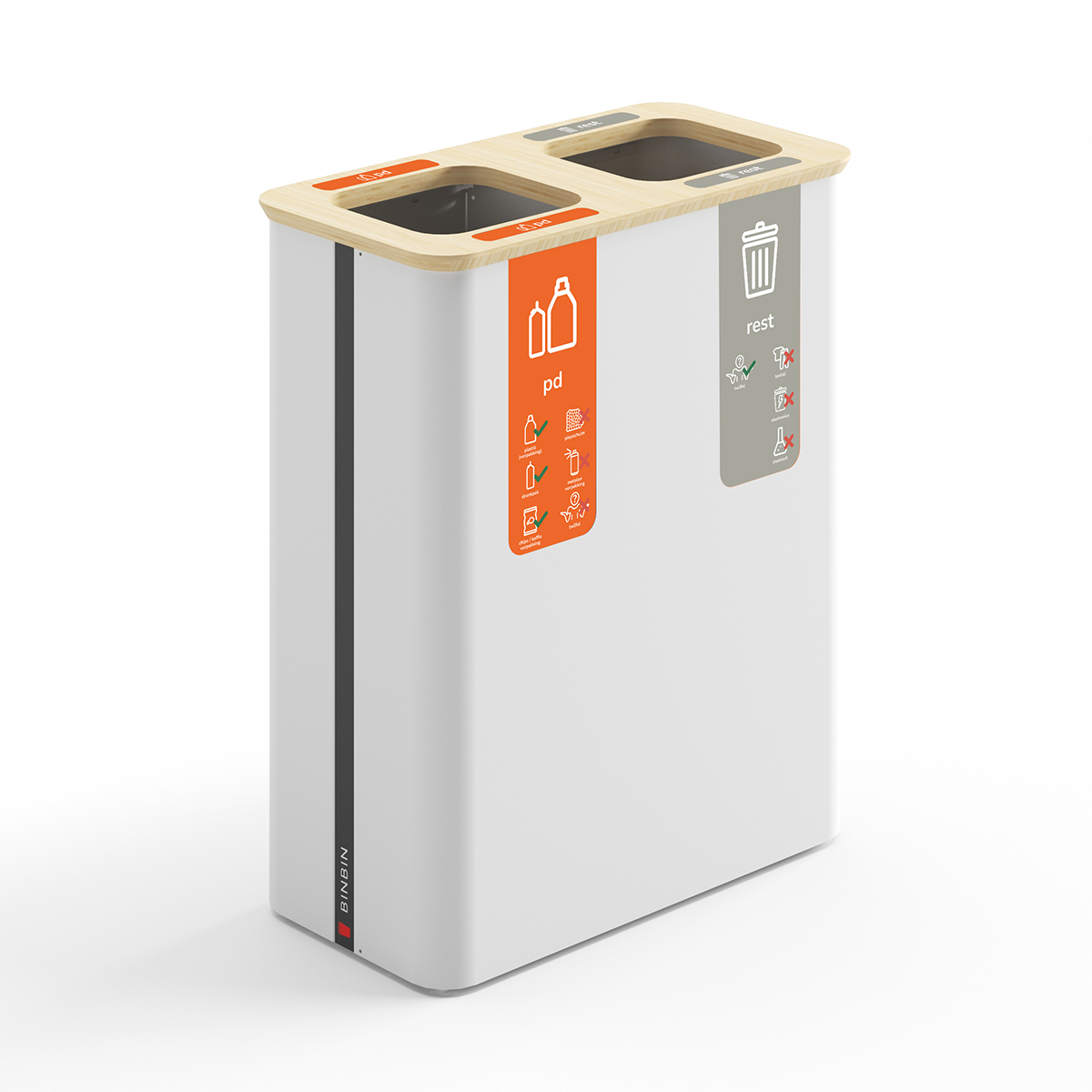
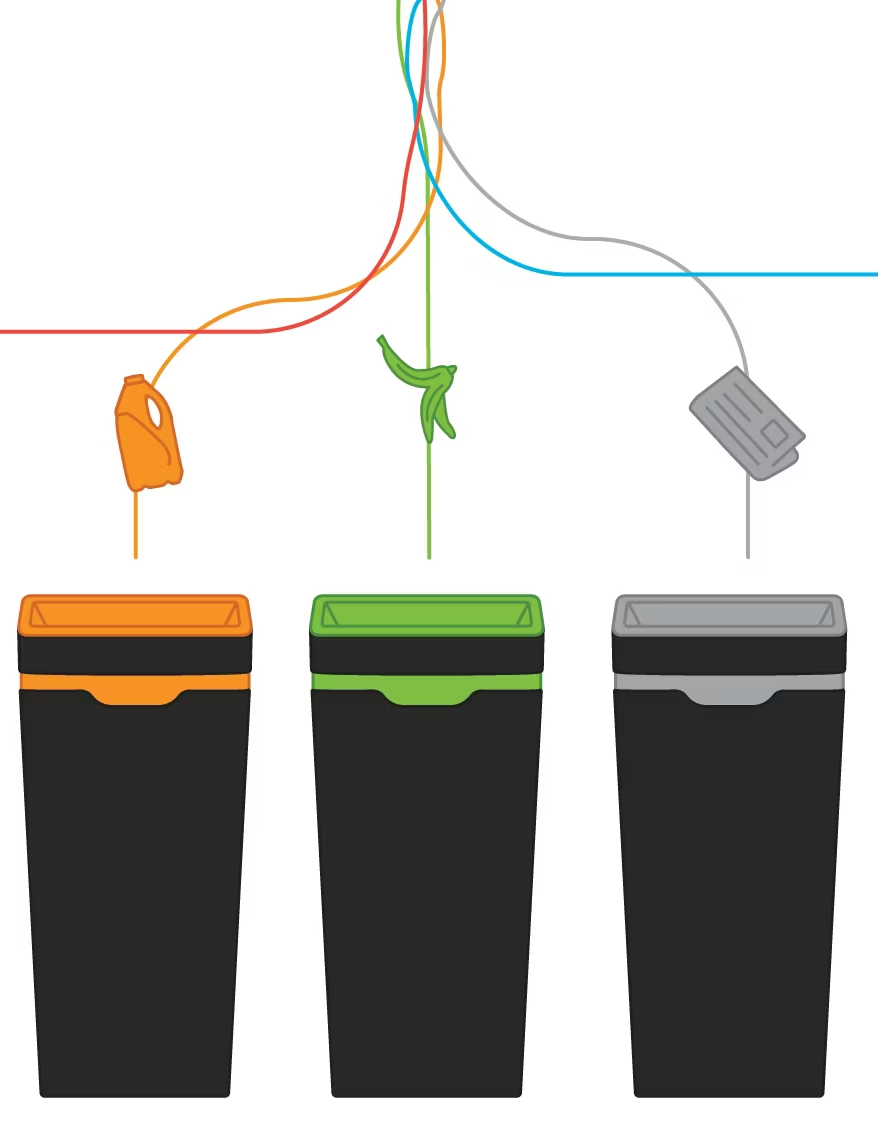
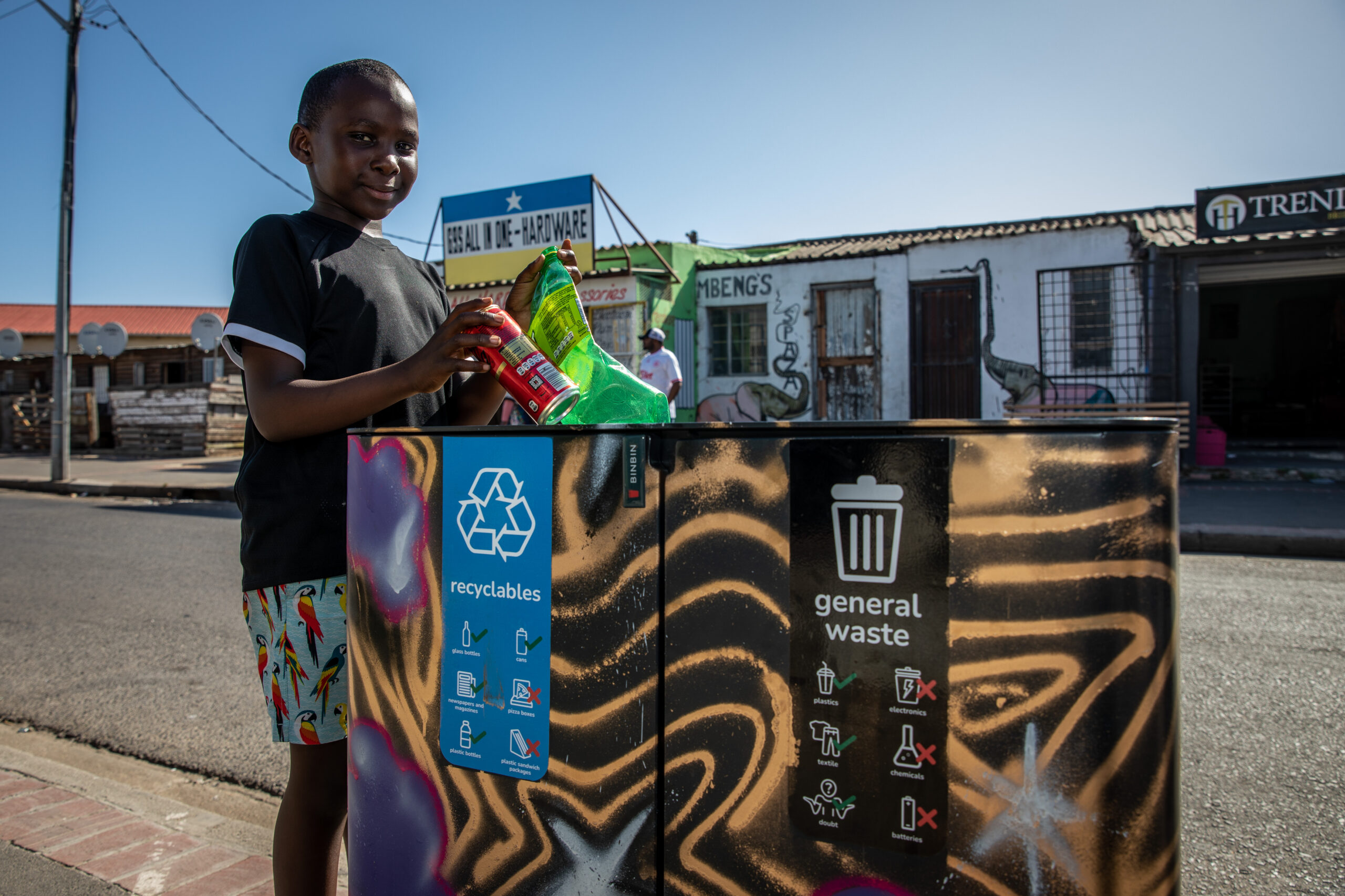
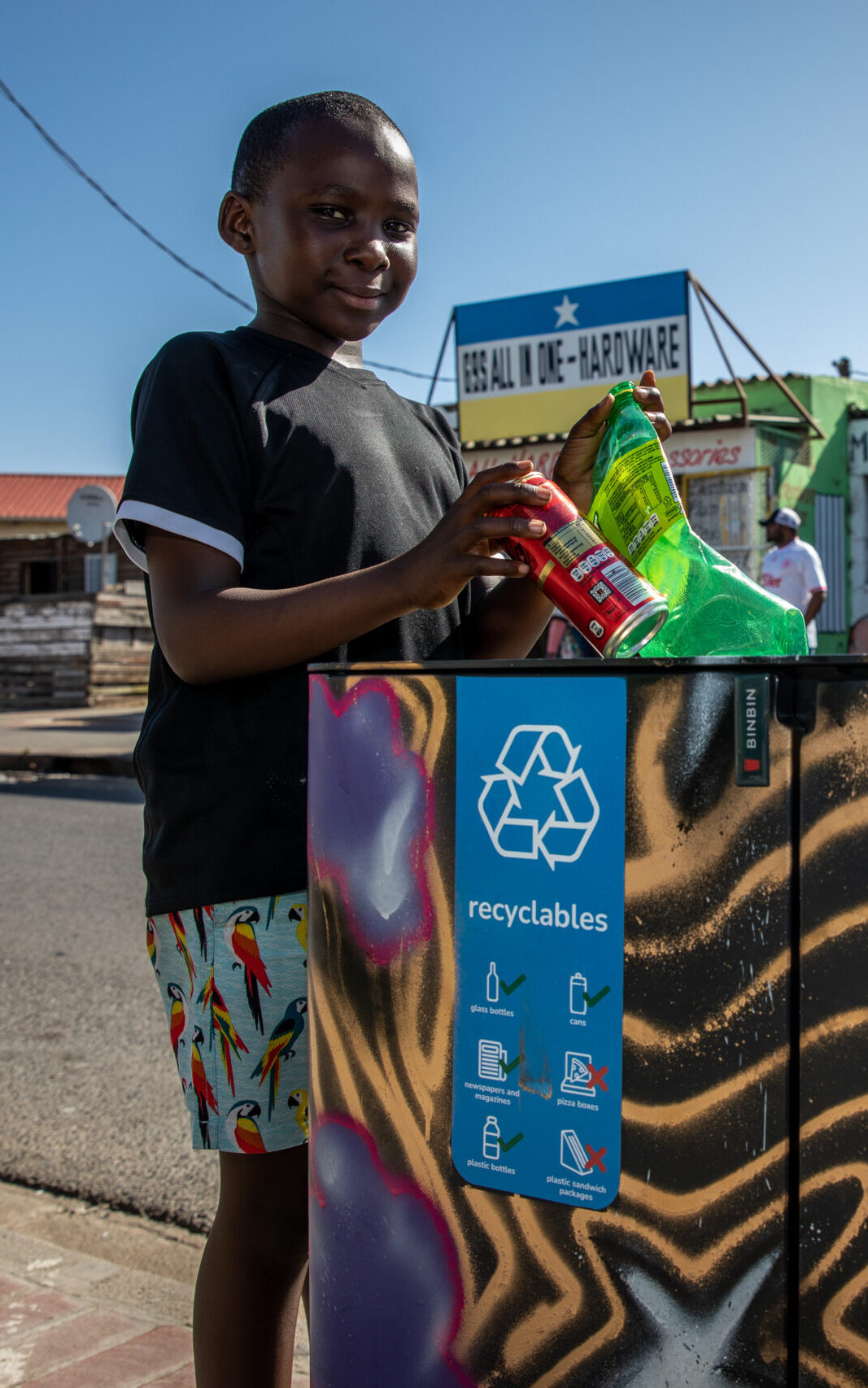
BINBIN's modular waste separation systems support hospitals in properly segregating different waste streams at the source, ensuring regulatory compliance while reducing disposal costs. Our specialized healthcare solutions provide clear visual identification for different waste types, helping staff make correct disposal decisions and maintain the clean, professional environment hospitals require.
Our healthcare waste management solutions offer several key benefits:
- Modular design allows customization for 1-8 different waste streams per station
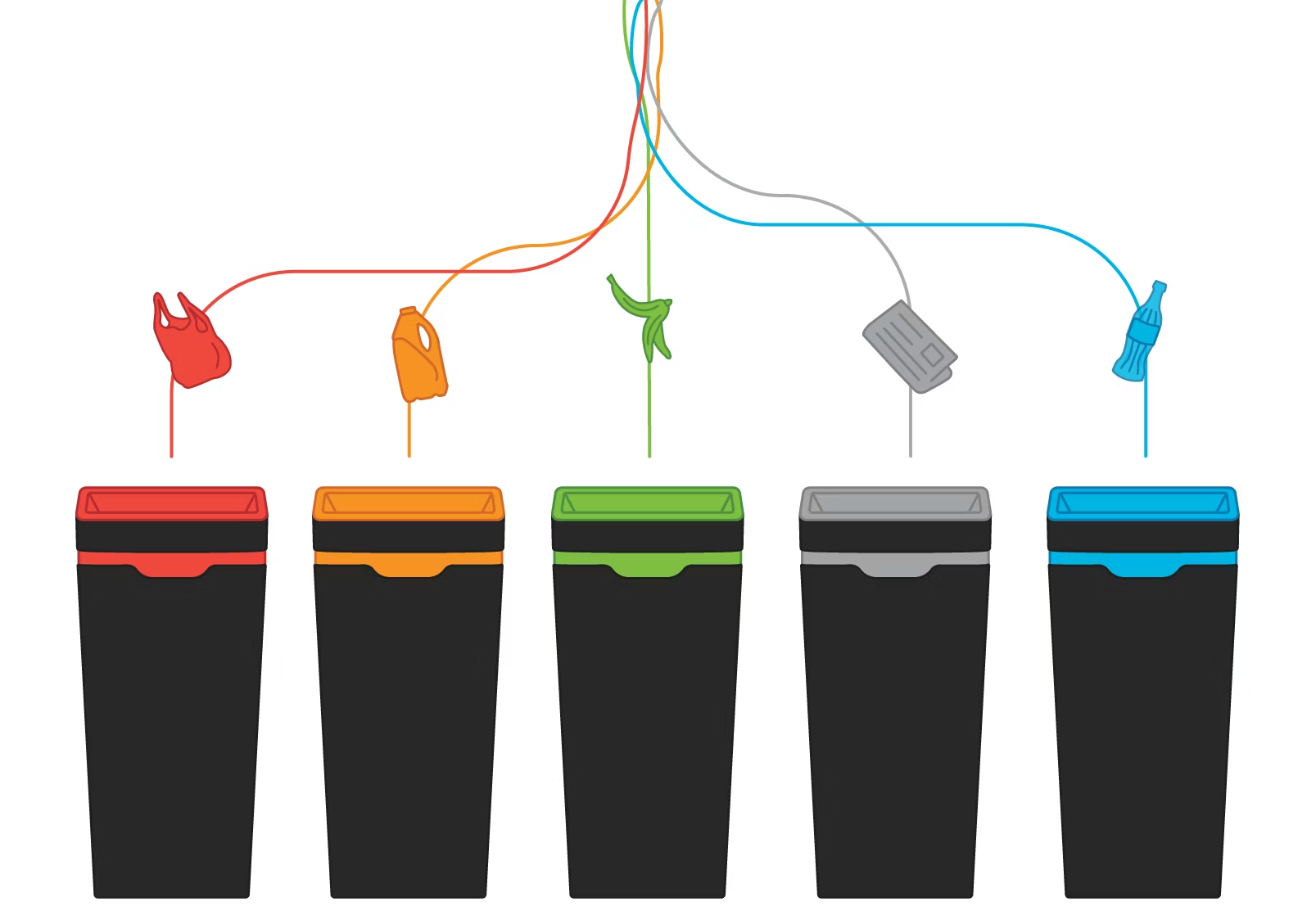
- Clear labeling and color coding reduces disposal errors
- Durable construction withstands frequent cleaning and disinfection
- Flexible configuration adapts to changing hospital waste requirements
We provide comprehensive support, including waste stream analysis, custom labeling solutions, and staff training materials. Our industry-specific approach ensures your hospital receives a waste management system tailored to healthcare regulations and operational needs.
Ready to improve your hospital's waste management efficiency? Request a quote for a customized assessment of your facility's waste separation requirements and discover how our modular systems can enhance compliance while reducing operational costs.