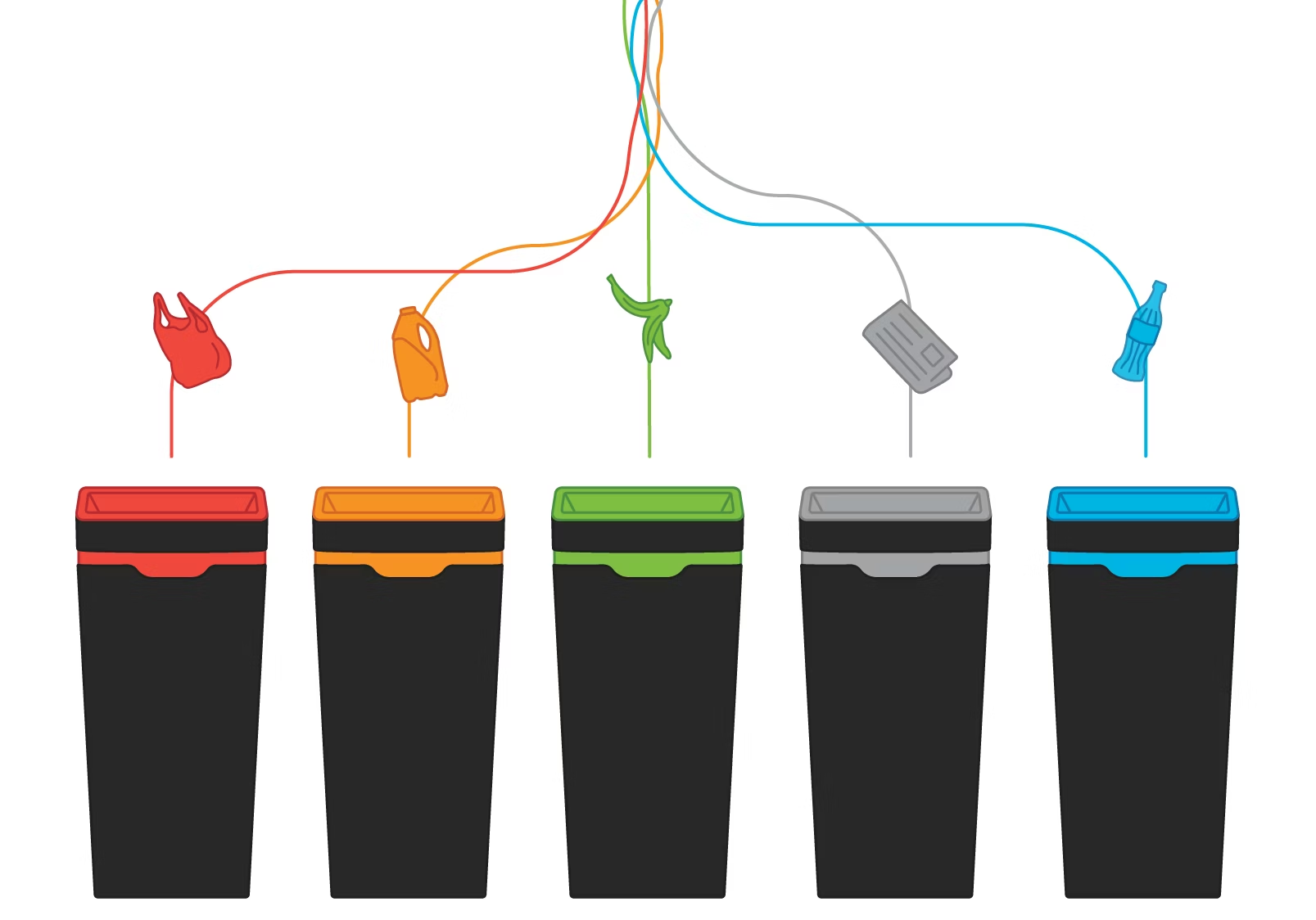
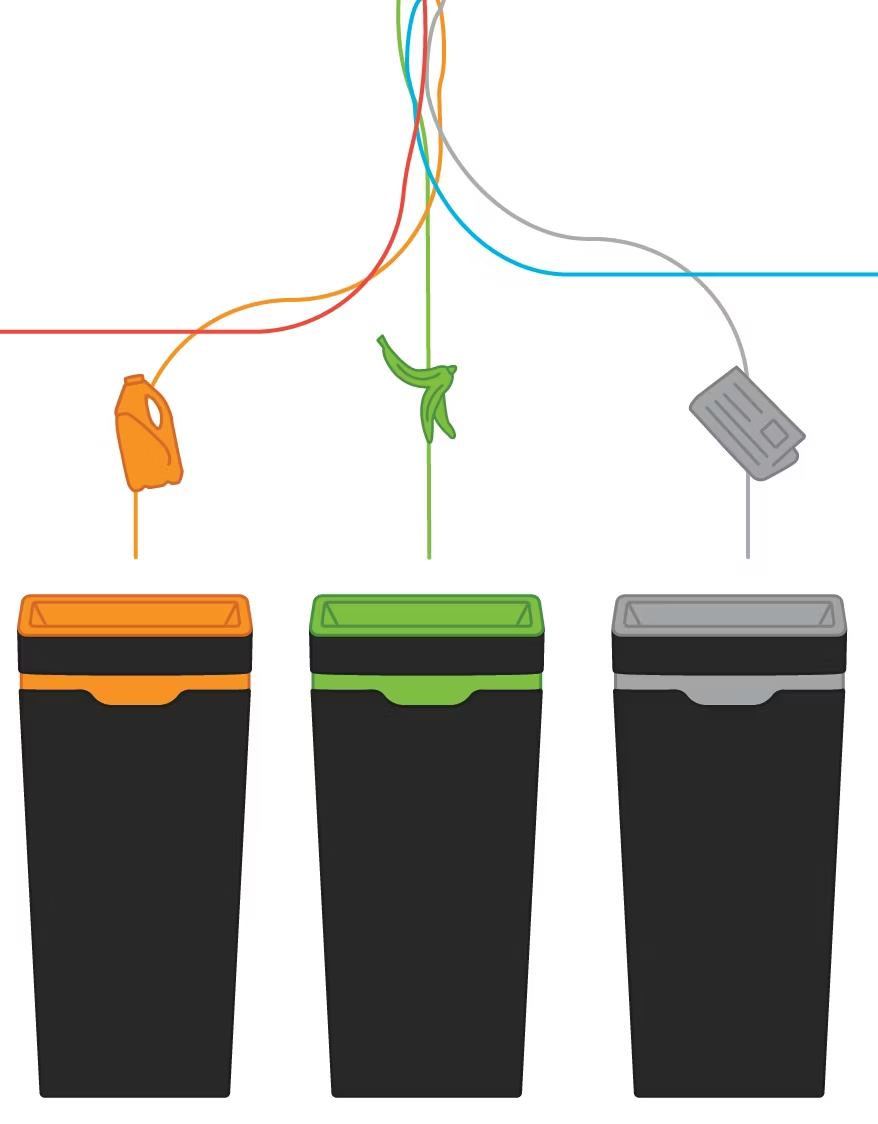
Many items that appear recyclable actually cannot be processed through standard recycling programs and can contaminate entire batches of material. Common non-recyclables include greasy food containers, mixed-material products, electronics, certain plastics, and items smaller than a credit card. Understanding what cannot be recycled helps improve waste management efficiency and prevents costly contamination at recycling facilities.
What items are commonly mistaken for recyclables?
Several everyday items fool people into thinking they belong in recycling bins, when they actually cause serious problems for recycling facilities. Pizza boxes with grease stains, plastic shopping bags, broken glass, and polystyrene containers are among the most frequent culprits that contaminate recycling streams.
Greasy pizza boxes cannot be recycled because food residue interferes with the paper recycling process. Oils soak into the cardboard fibres, making them unusable for new paper products. Even small amounts of grease can ruin entire batches of otherwise recyclable cardboard.
Plastic shopping bags jam sorting machinery at recycling facilities, causing expensive downtime and equipment damage. These bags require special collection programs, typically found at supermarkets rather than through kerbside recycling.
Broken glass poses safety hazards to workers and can contaminate other materials. Additionally, items like light bulbs and drinking glasses are made from different types of glass that melt at different temperatures than bottle glass.
Why can't certain plastics be recycled in regular programs?
Plastic recycling depends on polymer types, and only plastics numbered 1, 2, and sometimes 5 are widely accepted in standard programs. Numbers 3, 4, 6, and 7 require specialized processing that most facilities cannot handle economically.
The recycling codes on plastic containers indicate the polymer type, not recyclability. Each plastic melts at a different temperature and has different chemical properties. Mixing incompatible plastics creates unusable material that cannot be reformed into new products.
Plastic number 6 (polystyrene) breaks into small pieces that contaminate other recyclables. Number 3 (PVC) releases toxic chemicals when heated. Number 7 includes various mixed plastics and bioplastics that interfere with standard recycling processes.
Black plastic containers present additional challenges because sorting equipment cannot detect them with infrared scanners. This technical limitation means black plastic often gets missed during automated sorting, regardless of the plastic type.
What happens when non-recyclable items end up in recycling bins?
Contamination from non-recyclable items increases processing costs, damages equipment, and reduces the quality of recycled materials. When facilities cannot efficiently separate contaminants, entire loads may be sent to landfill instead of being recycled.
Sorting facilities must employ additional workers to manually remove contaminants, significantly increasing operational costs. These expenses often get passed on to municipalities and, ultimately, taxpayers through higher waste management fees.
Certain contaminants damage expensive machinery. Plastic bags wrap around sorting equipment gears, while hazardous materials like batteries can cause fires. Equipment breakdowns lead to costly repairs and facility downtime.
Quality degradation occurs when contaminants mix with good recyclables. For example, paper contaminated with food waste cannot be processed into high-grade recycled paper products, limiting market value and end-use applications.
How do you identify non-recyclable materials in office environments?
Office environments contain many items that require special handling rather than standard recycling, including electronics, batteries, ink cartridges, and mixed-material products like binders with metal rings.
Electronic waste requires specialized recycling due to toxic components and valuable metals. Items to watch for include:
- Computer equipment and peripherals
- Mobile phones and tablets
- Batteries of all types
- Fluorescent light bulbs
- Printer cartridges and toner
Mixed-material products cannot be recycled because different components require separate processing. Ring binders, laminated documents, and items with adhesive backing require alternative disposal methods.
Small items present problems regardless of material type. Anything smaller than a credit card falls through sorting machinery and contaminates the system. This includes bottle caps, paper clips, and shredded pieces of paper.
What are the alternatives for disposing of non-recyclable items?
Non-recyclable items have several disposal options, including manufacturer take-back programs, specialized collection events, and waste-to-energy facilities. Many retailers and manufacturers accept their products for proper disposal or refurbishment.
Electronics retailers often accept old devices regardless of where you purchased them. Major manufacturers run take-back programs for computers, phones, and appliances. These programs recover valuable materials and ensure proper handling of toxic components.
Local councils organize hazardous waste collection days for items like batteries, paint, and chemicals. These events provide safe disposal methods for materials that cannot go in regular bins.
Here are proper disposal methods for common non-recyclables:
- Take electronics to certified e-waste recyclers
- Return batteries to collection points at shops
- Compost food-contaminated paper if facilities allow
- Use manufacturer programs for ink cartridges
- Send textiles to clothing recycling programs
Waste-to-energy facilities can process many non-recyclable materials, converting them into electricity while reducing landfill volume. This option works well for clean, non-hazardous waste that cannot be recycled.
How BINBIN helps with proper waste separation
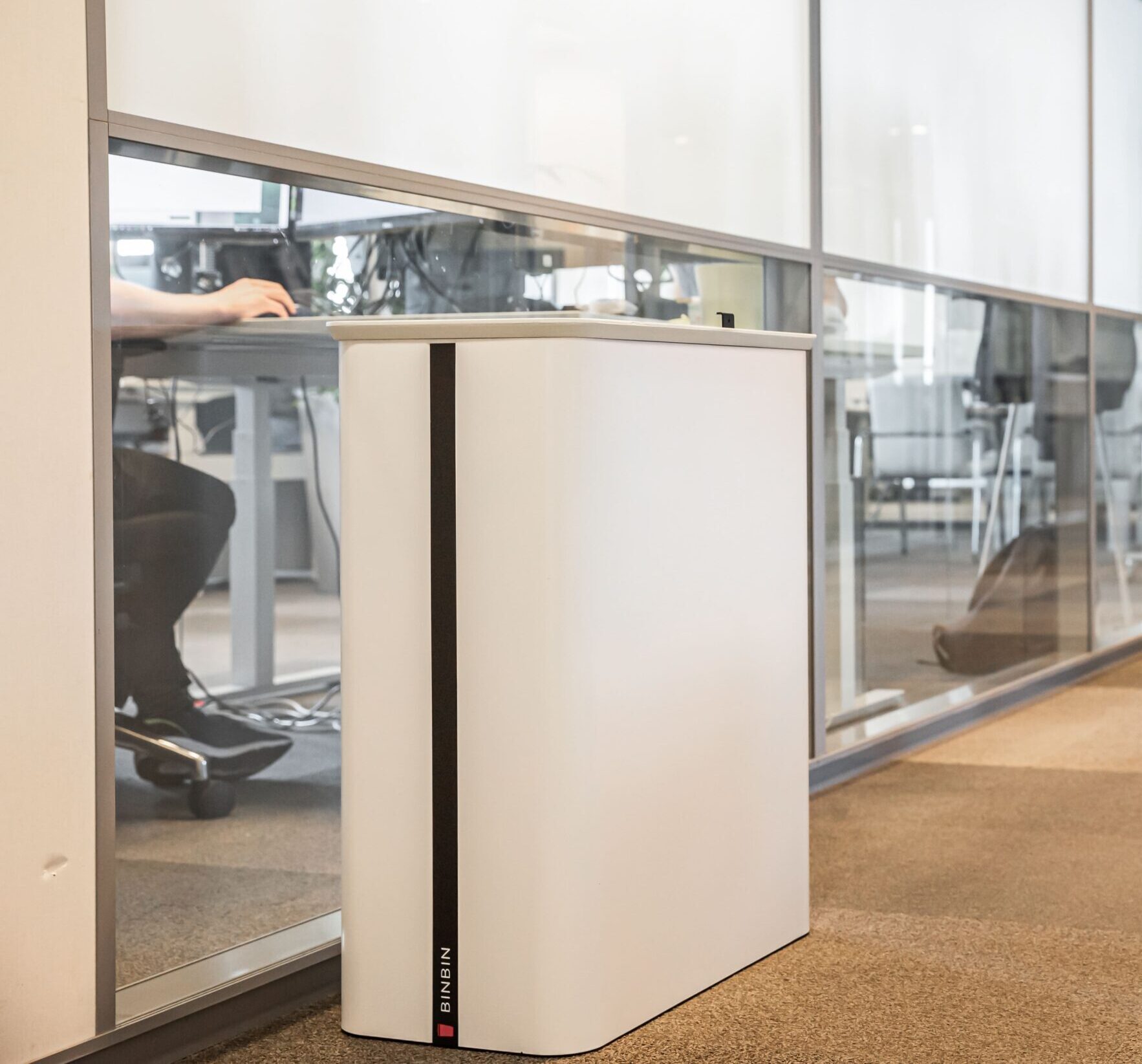
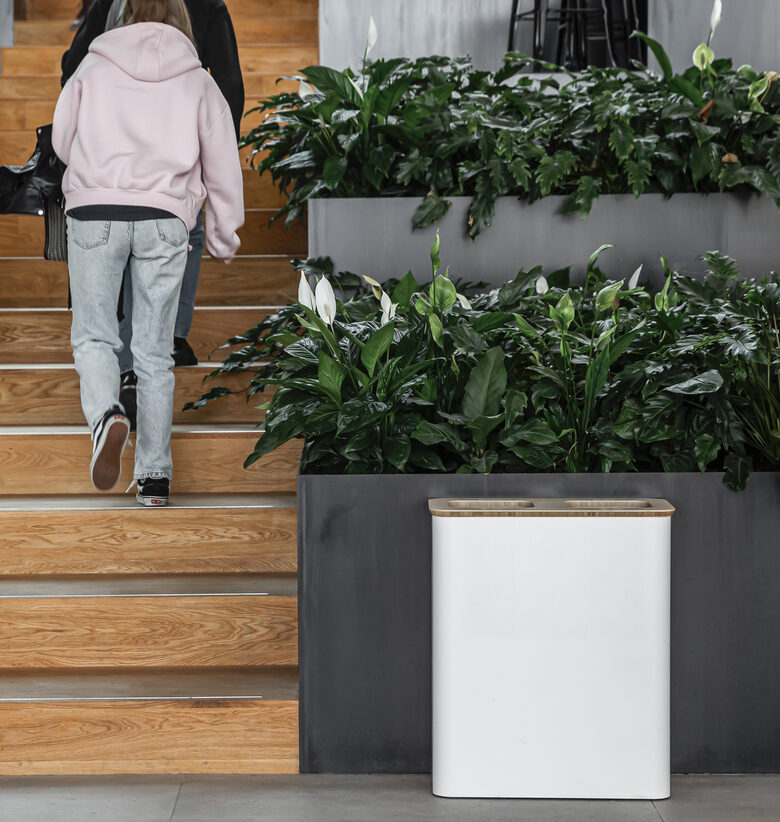
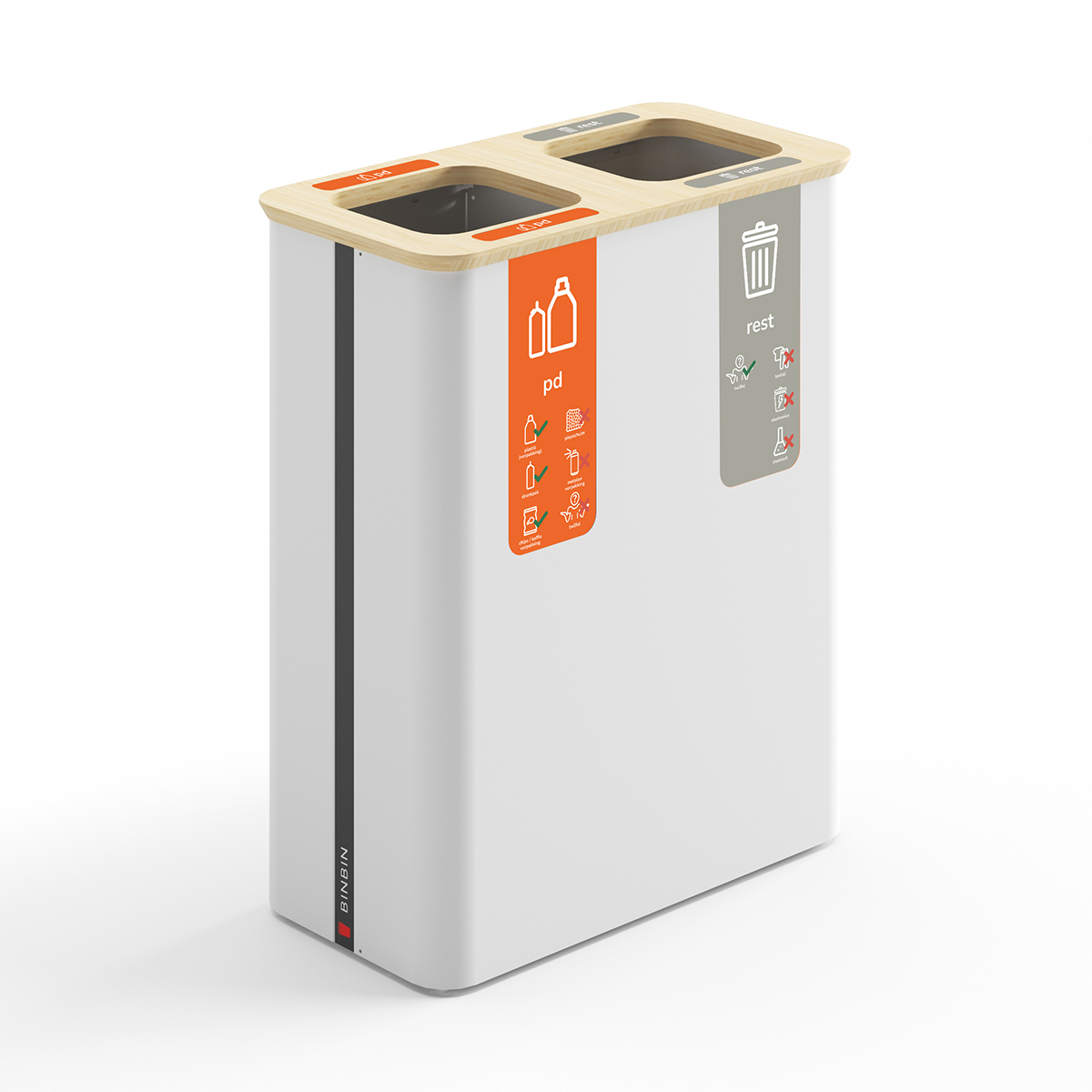
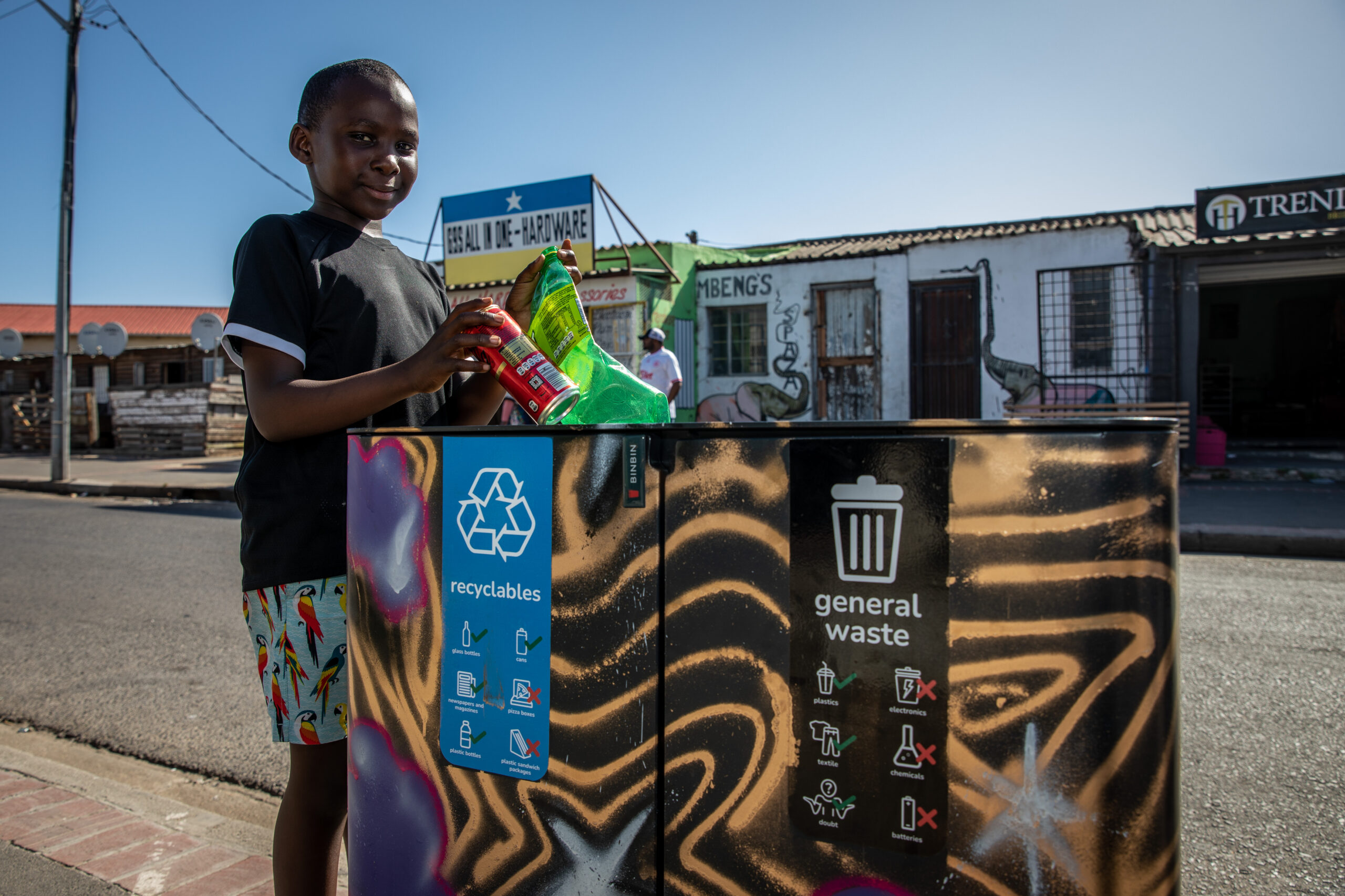
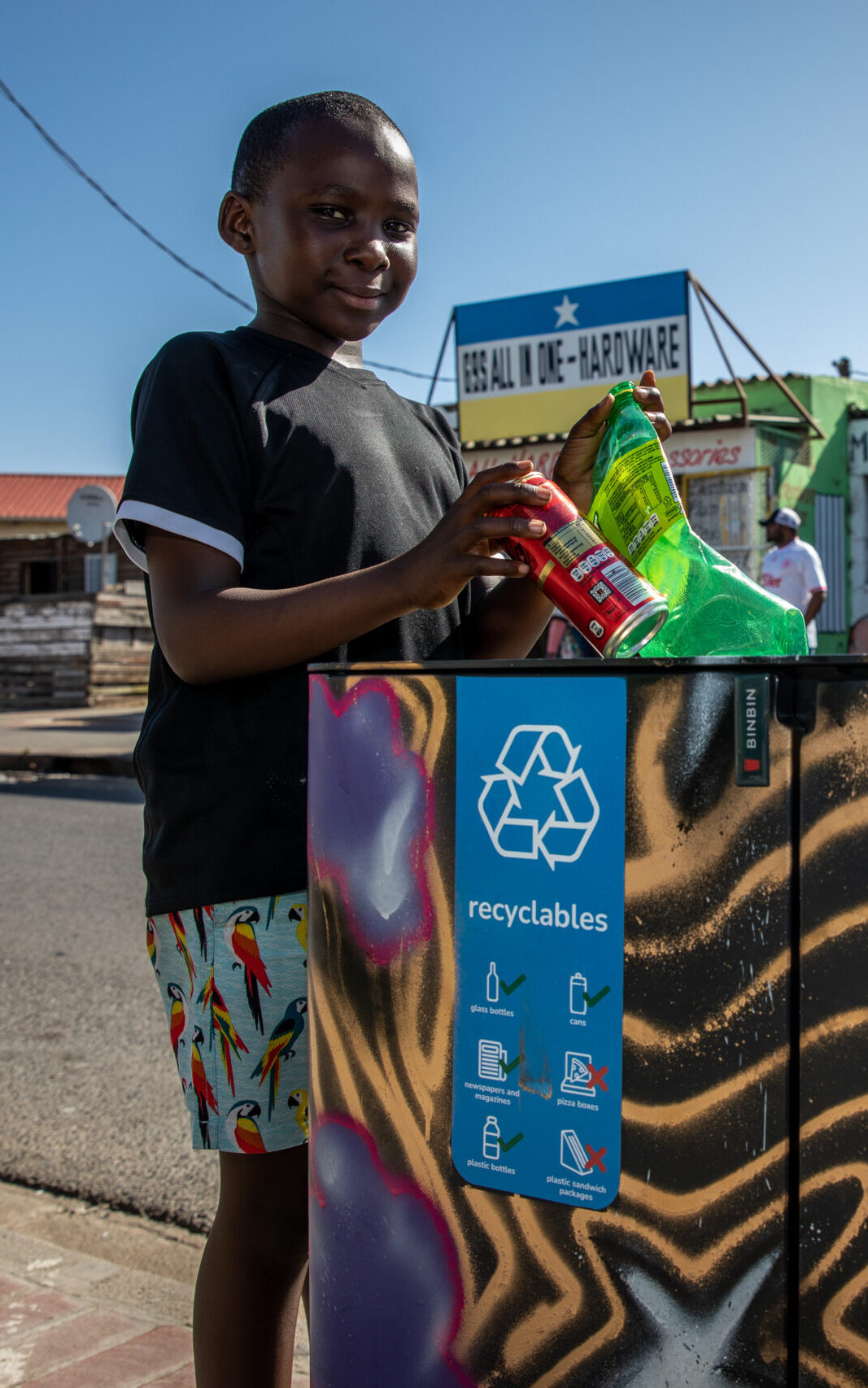
BINBIN's modular waste separation systems make it simple for organizations across different industries to correctly sort recyclable and non-recyclable materials. Our configurable compartments clearly separate waste streams, preventing contamination and improving recycling efficiency.
Our solutions address common workplace waste management challenges:
- Clear labelling systems that eliminate confusion about what goes where
- Modular design allowing 1-8 waste streams in a single system
- Internal compartment splitting for specialized waste types
- Professional guidance on implementing effective separation strategies
We provide comprehensive support, including waste audits, custom pictograms, and communication materials, to ensure successful implementation. Our proven systems help organizations comply with waste separation regulations while reducing disposal costs.
Ready to improve your waste separation? Try our systems risk-free or request a customized quote for your specific requirements. Let us help you create an efficient, compliant waste management system that works for your organization.