Medical waste management is crucial for protecting public health, preventing environmental contamination, and ensuring legal compliance in healthcare settings. Proper handling and disposal of infectious materials, sharps, and pharmaceutical waste prevent disease transmission, reduce injury risks, and help keep communities safe. Healthcare facilities must implement comprehensive waste management systems to meet regulatory requirements while protecting staff, patients, and the environment from potentially dangerous medical materials.
What is medical waste, and why is it different from regular waste?
Medical waste consists of potentially infectious or hazardous materials generated during healthcare activities that require special handling and disposal methods. Unlike regular commercial waste, medical waste poses significant health risks and environmental hazards that demand strict containment and treatment protocols.
The main categories of medical waste include infectious waste, such as blood-soaked bandages and laboratory cultures; pathological waste, including human tissues and body parts; sharps, such as needles and scalpels; and pharmaceutical waste containing expired or unused medications. Each category presents unique risks that distinguish it from standard office or commercial waste streams.
Regular waste management for non-medical materials follows standard collection and landfill procedures. Medical waste, however, requires colour-coded containers, specialised labelling, tracking documentation, and treatment through autoclaving, incineration, or other approved methods before final disposal. This segregation prevents contamination of regular waste streams and protects waste handlers throughout the disposal chain.
What are the main health risks of improper medical waste disposal?
Improper medical waste disposal creates serious health hazards, including infection transmission, needlestick injuries, toxic exposure, and potential disease outbreaks. Healthcare workers, waste handlers, and community members face increased risks when medical materials are not managed according to safety protocols.
Infection transmission occurs when pathogens from blood, body fluids, or contaminated materials spread to healthy individuals through direct contact or airborne particles. Common infections include hepatitis B and C, HIV, tuberculosis, and various bacterial infections that can cause severe illness or death.
Needlestick injuries represent a particularly serious risk, with used syringes and sharp instruments potentially transmitting bloodborne pathogens instantly upon contact. These injuries affect thousands of healthcare workers annually and require immediate medical intervention, including post-exposure prophylaxis.
- Direct contact with infectious materials leading to skin or wound contamination
- Inhalation of airborne pathogens from improperly stored waste
- Accidental ingestion through contaminated surfaces or food
- Vector-borne transmission when pests access medical waste
- Community exposure through improper disposal in regular waste systems
How does medical waste management protect the environment?
Proper medical waste management prevents environmental contamination by ensuring hazardous materials are treated and disposed of safely rather than entering ecosystems. Effective systems protect groundwater, air quality, and soil from pharmaceutical residues, infectious agents, and toxic substances that could harm wildlife and human populations.
Groundwater protection occurs when medical waste undergoes appropriate treatment before disposal, preventing pharmaceutical compounds and pathogens from leaching into water supplies. Untreated medical waste in landfills can contaminate underground water sources that communities depend on for drinking water.
Air quality preservation results from proper incineration or autoclaving processes that neutralise harmful substances before they can become airborne pollutants. Modern treatment facilities include emission controls that prevent toxic gases and particulates from entering the atmosphere.
Treatment methods such as autoclaving use steam sterilisation to kill pathogens while maintaining environmental safety. Incineration at controlled temperatures destroys organic compounds completely, while chemical treatment neutralises pharmaceutical residues. These processes ensure medical waste becomes harmless before final disposal, protecting ecosystems from long-term contamination.
What legal requirements govern medical waste management?
Medical waste management is regulated by comprehensive legal frameworks that establish mandatory procedures for healthcare facilities. Compliance requirements include proper segregation, packaging, labelling, tracking, and disposal through licensed waste management companies, with severe penalties for violations.
Regulatory frameworks typically require healthcare facilities to classify waste correctly, use approved containers and labelling systems, maintain detailed tracking records, and partner with licensed disposal companies. Many jurisdictions mandate regular training for staff who handle medical waste and periodic audits of waste management procedures.
Documentation requirements include waste manifests that track materials from generation to final disposal, staff training records, and incident reports for any breaches in protocol. These records must be maintained for specified periods and made available for regulatory inspections.
Penalties for violations can include substantial fines, facility closure, loss of operating licences, and criminal charges for serious breaches. The financial and reputational costs of non-compliance far exceed the investment required for proper waste management systems. Legal protection comes from documented compliance with all applicable regulations and regular system updates to meet evolving requirements.
How do healthcare facilities implement effective waste management systems?
Healthcare facilities implement effective waste management through comprehensive systems that include proper segregation procedures, staff training programmes, appropriate container selection, organised collection schedules, and partnerships with licensed disposal companies. Success depends on clear protocols and consistent execution across all departments.
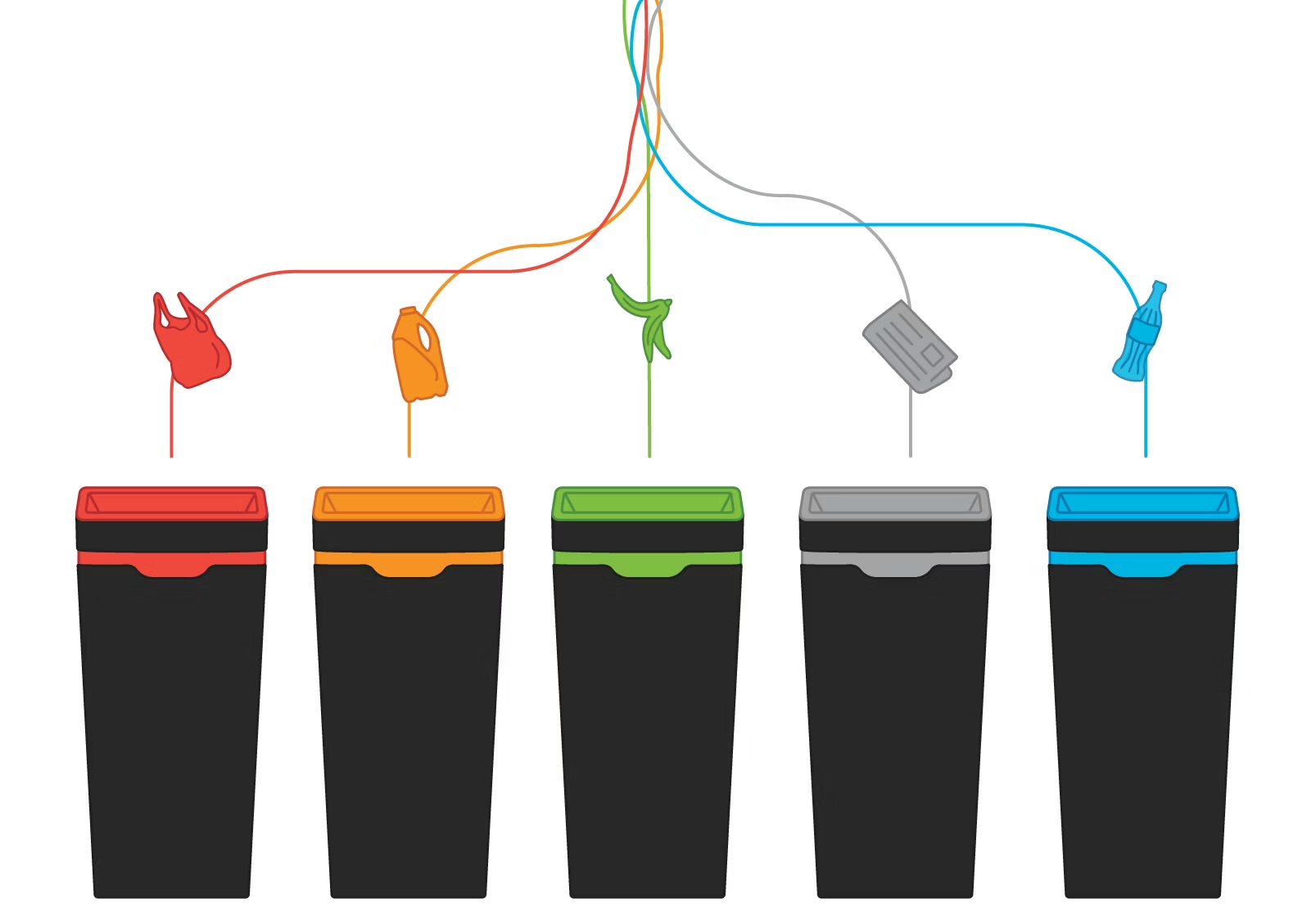
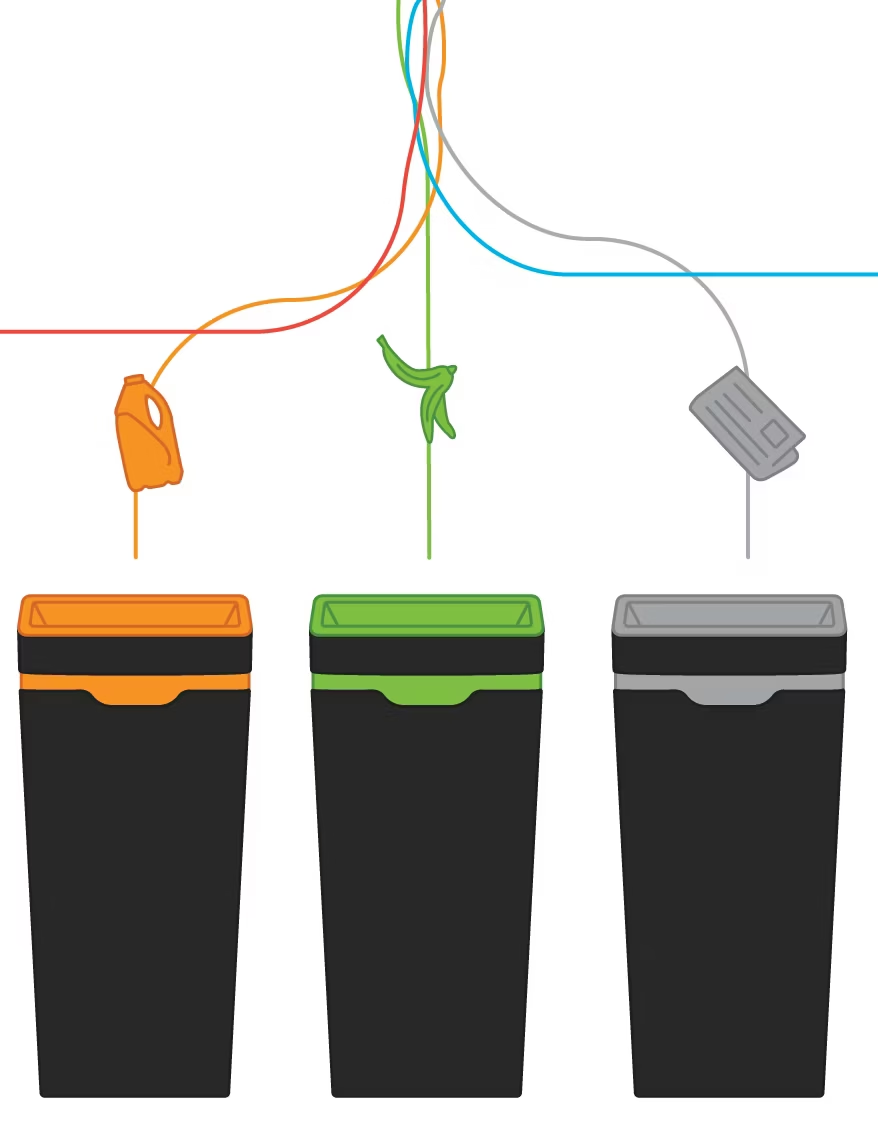
Waste segregation begins at the point of generation, with staff trained to identify different waste categories and place materials in correctly colour-coded containers. Red containers typically hold infectious waste, yellow containers store pathological materials, and puncture-resistant sharps containers secure needles and blades.
Staff training programmes ensure all personnel understand waste categories, handling procedures, safety protocols, and emergency responses. Regular refresher sessions keep knowledge current and address any procedural changes or regulatory updates.
Effective implementation follows these essential steps:
- Conduct a facility assessment to identify waste types and volumes
- Develop written procedures for each waste category
- Select appropriate containers and storage areas
- Train all staff on proper procedures and safety measures
- Establish collection schedules and storage protocols
- Partner with licensed waste management companies
- Implement tracking and documentation systems
- Schedule regular audits and system reviews
What are the financial benefits of proper medical waste management?
Proper medical waste management delivers significant financial benefits through compliance cost avoidance, operational efficiency gains, reduced insurance premiums, and prevention of expensive contamination incidents. Well-managed systems typically cost less than dealing with violations, accidents, or regulatory penalties.
Compliance versus violation costs show dramatic differences, with proper systems requiring predictable monthly expenses while violations can result in fines reaching hundreds of thousands of pounds, legal fees, and facility closure costs. The investment in compliant systems pays for itself through penalty avoidance alone.
Efficiency gains come from organised waste handling procedures that reduce staff time, minimise container waste through proper sizing, and streamline collection processes. Facilities often discover significant savings when they eliminate oversized containers or reduce collection frequency through better volume management.
Reduced liability insurance costs reflect insurers’ recognition that proper waste management systems lower risk exposure. Many insurance providers offer premium discounts for facilities with documented waste management programmes and strong safety records.
Long-term savings from preventing contamination incidents include avoided cleanup costs, reduced workers’ compensation claims, and maintained operational continuity. A single serious incident can cost more than years of proper waste management system operation.
How BINBIN helps with medical waste management solutions
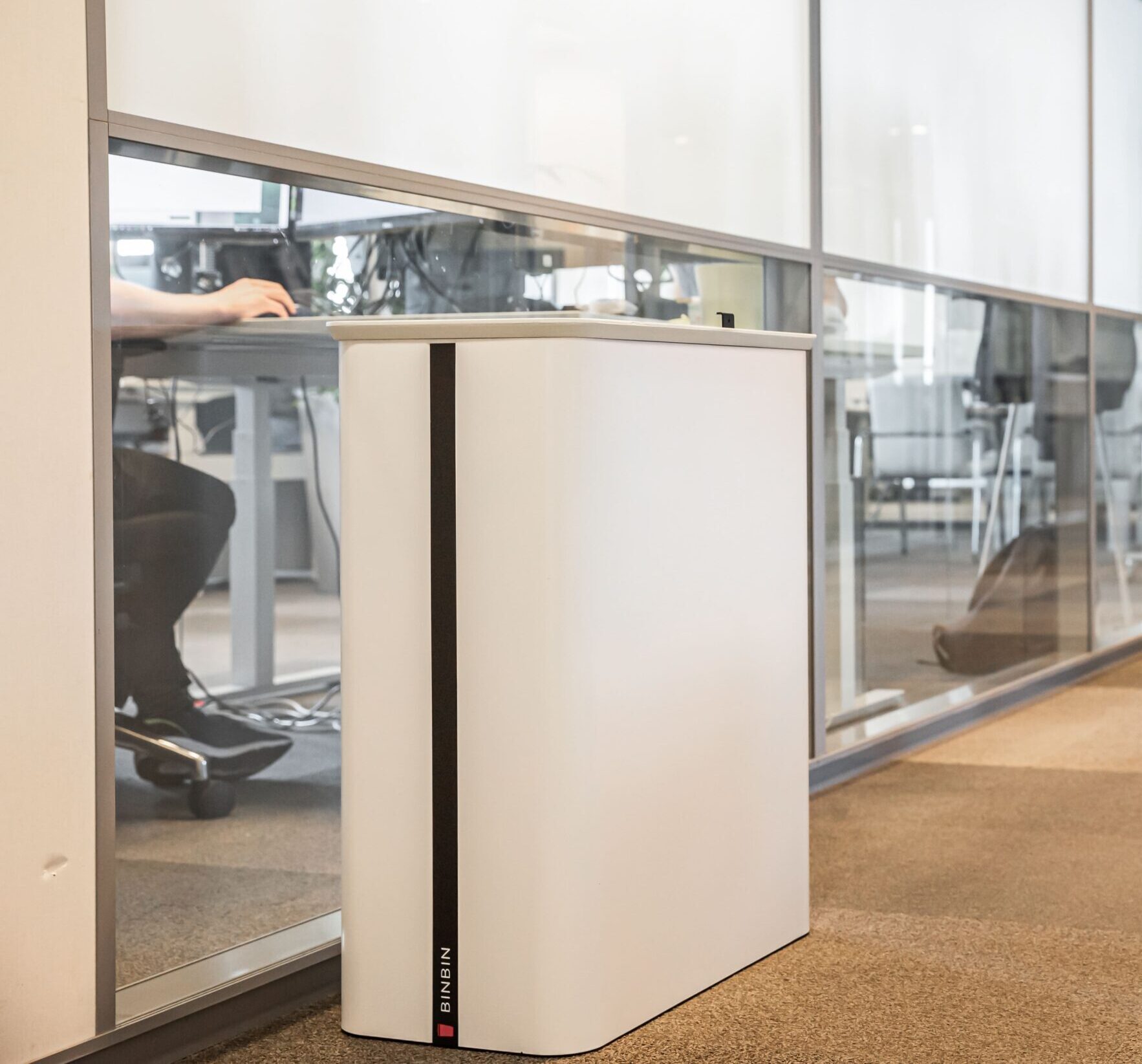
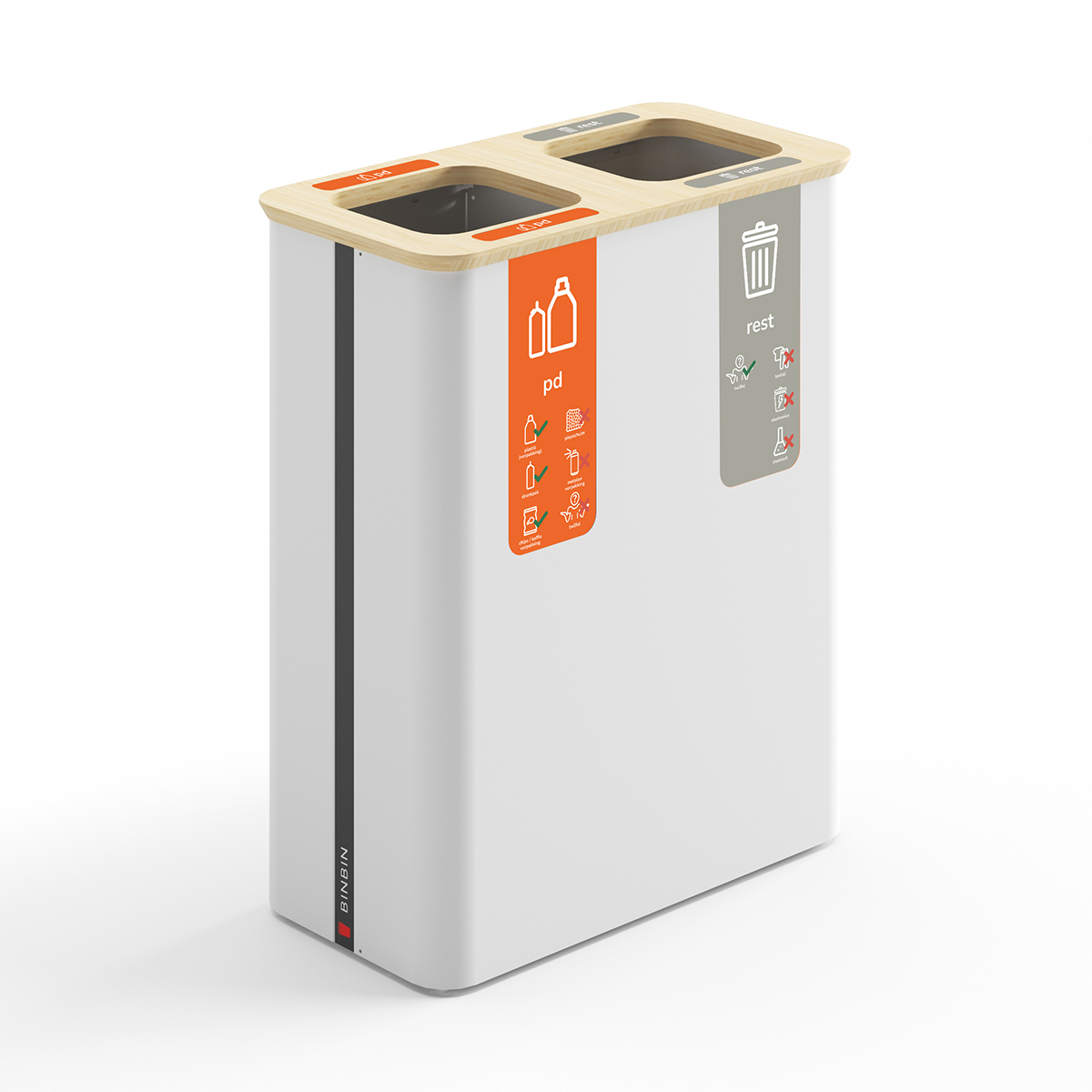
BINBIN provides specialised medical waste management solutions through modular container systems designed specifically for healthcare environments. Our approach combines compliance support, flexible configurations, and professional guidance to help healthcare facilities implement effective waste management programmes that meet regulatory requirements while maintaining operational efficiency.
Our medical waste solutions include:
- Modular container systems that accommodate 1–8 different waste streams with colour-coded segregation
- Puncture-resistant sharps containers and infectious-waste storage designed for healthcare settings
- Customisable configurations that adapt to different departments’ needs and space constraints
- Compliance support features, including proper labelling systems and documentation assistance
- Professional consultation to assess facility needs and recommend optimal waste management strategies
Healthcare facilities benefit from our circular design approach, in which containers are built for long-term use and can be reconfigured as needs change. This flexibility ensures your waste management system grows with your facility while maintaining compliance and cost-effectiveness.
Ready to implement a comprehensive medical waste management solution for your healthcare facility? Contact us today to discuss your specific requirements and discover how our modular systems can streamline your waste management while ensuring full regulatory compliance.