Blogs
News updates
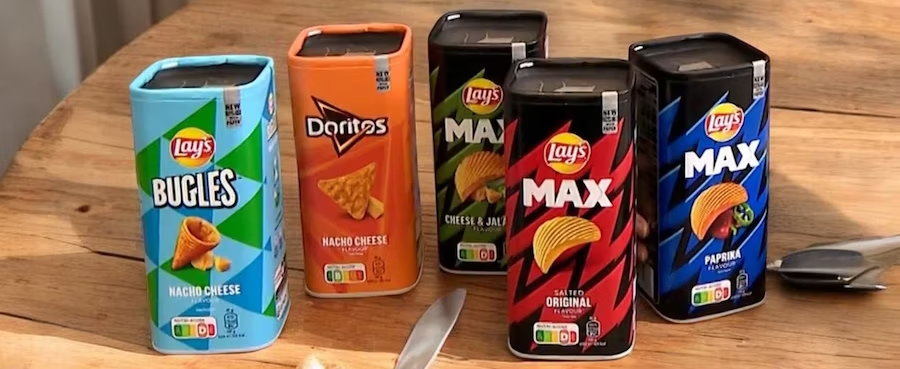
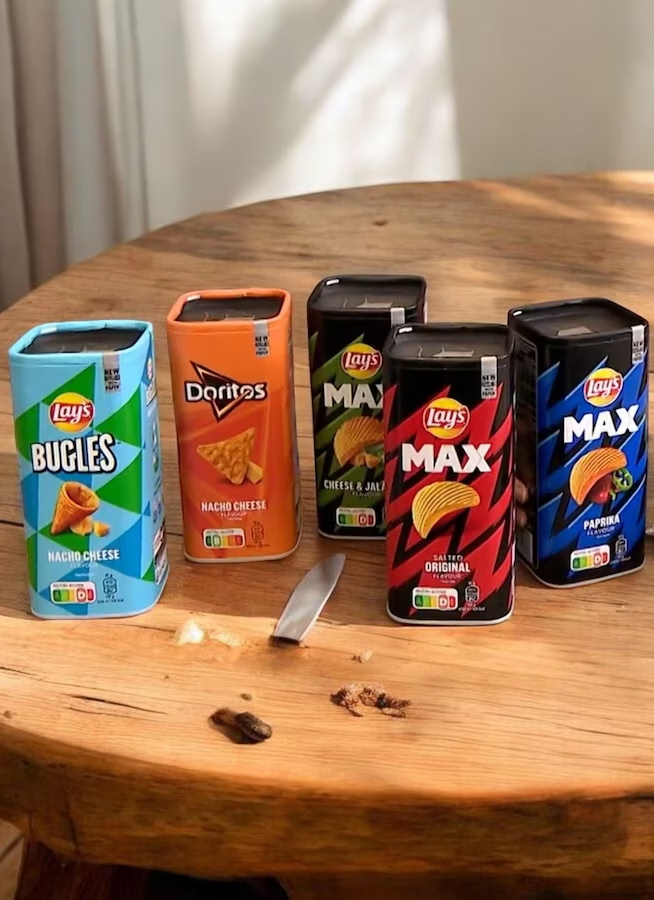
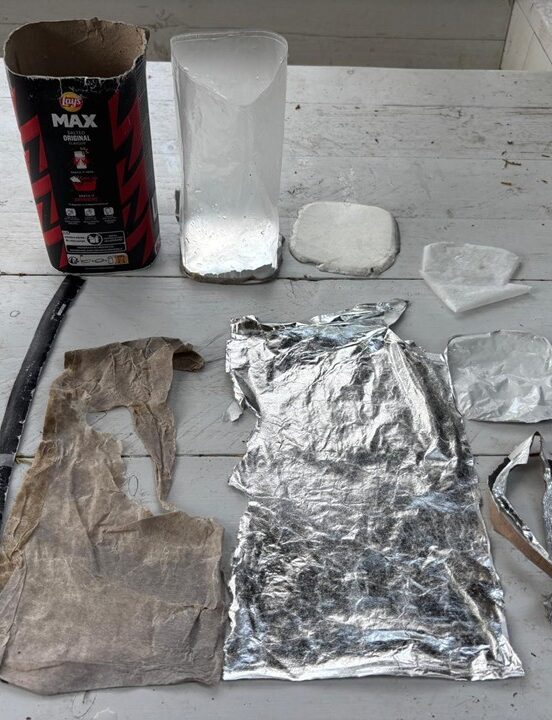
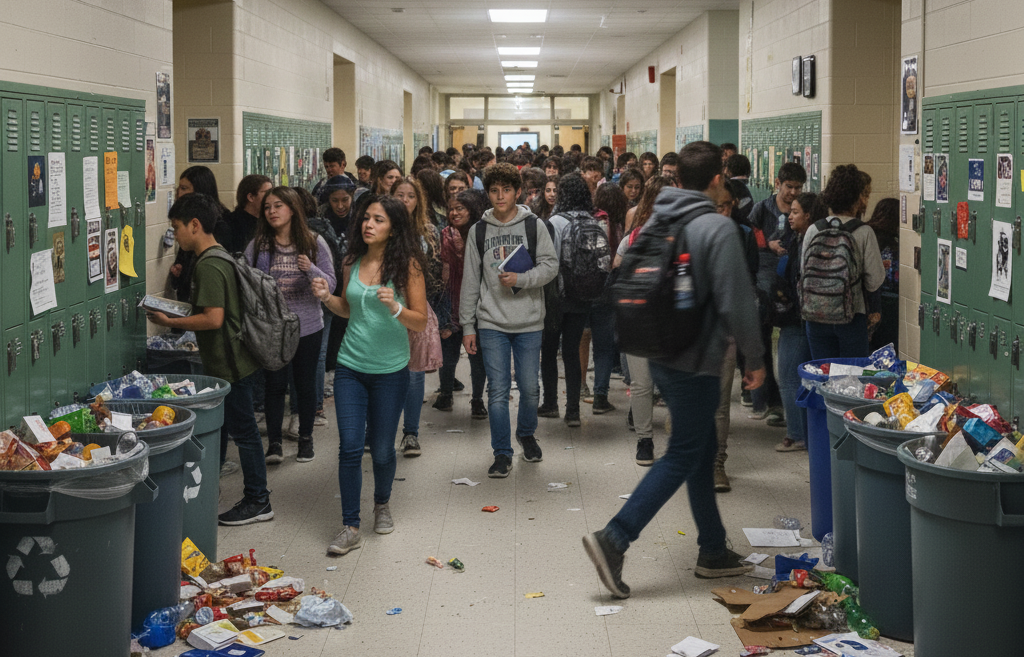
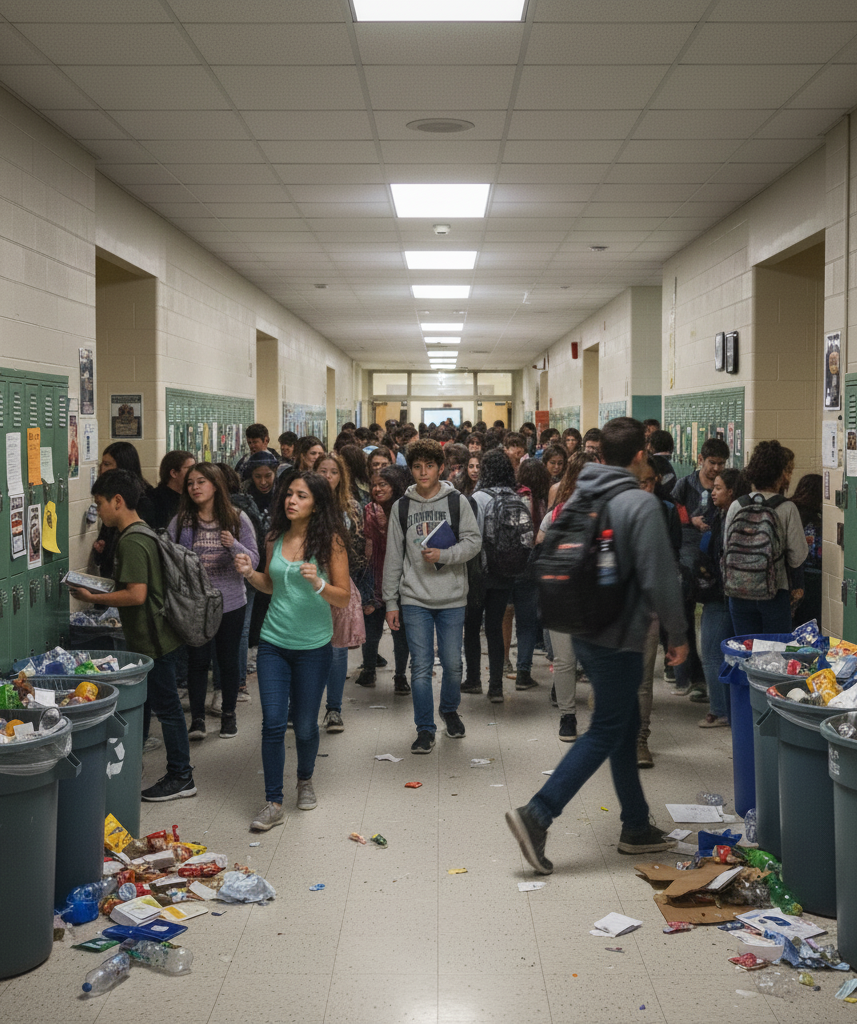
Many crisp packets and similar packaging end up in nature, causing pollution and harming the environment. Lay’s packaging, made from multiple materials, is often not collected properly. This issue isn’t limited to chip boxes, either, other types of packaging, such as pizza boxes and drink cartons, are often disposed of incorrectly, too. Pizza boxes, for example, are often contaminated with food residues, which makes them difficult to recycle. This leads to significant environmental pollution.
At BINBIN, we recognise our responsibility for effective waste management.
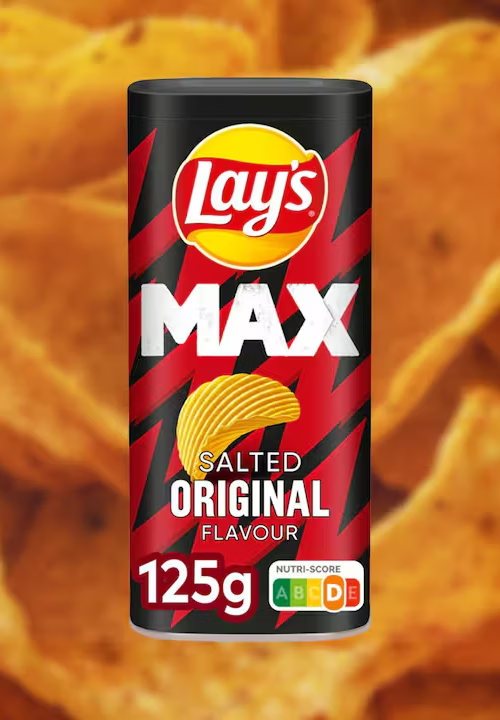
In today’s world, waste management and recycling are crucial topics. Recently, Dirk Groot, better known as the Zwerfinator, wrote an important article about the environmental impact of Lays’ chip boxes.
So, what’s the problem? Lay’s current packaging approach isn’t sustainable. It seems to be more focused on maximising profits than on genuinely protecting the planet, since they use multiple materials in their boxes. This makes it much harder for consumers to recycle and creates confusion when it comes to waste separation.
How it works
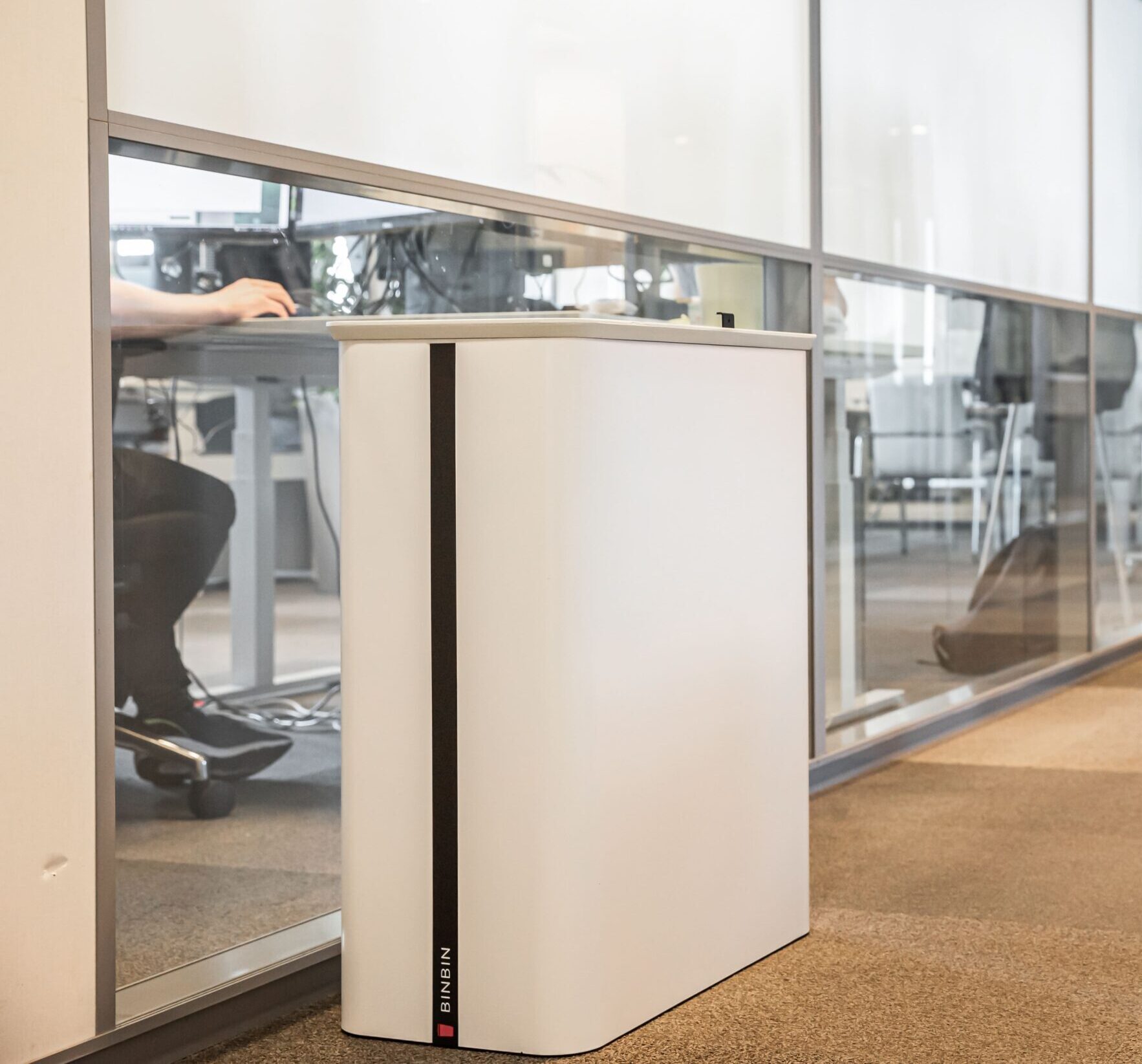
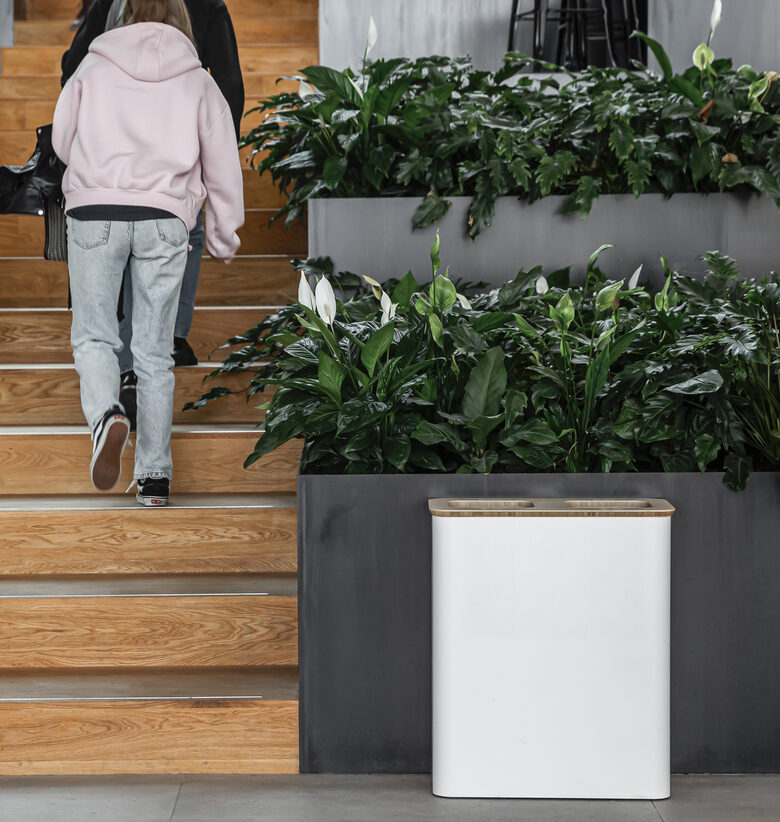
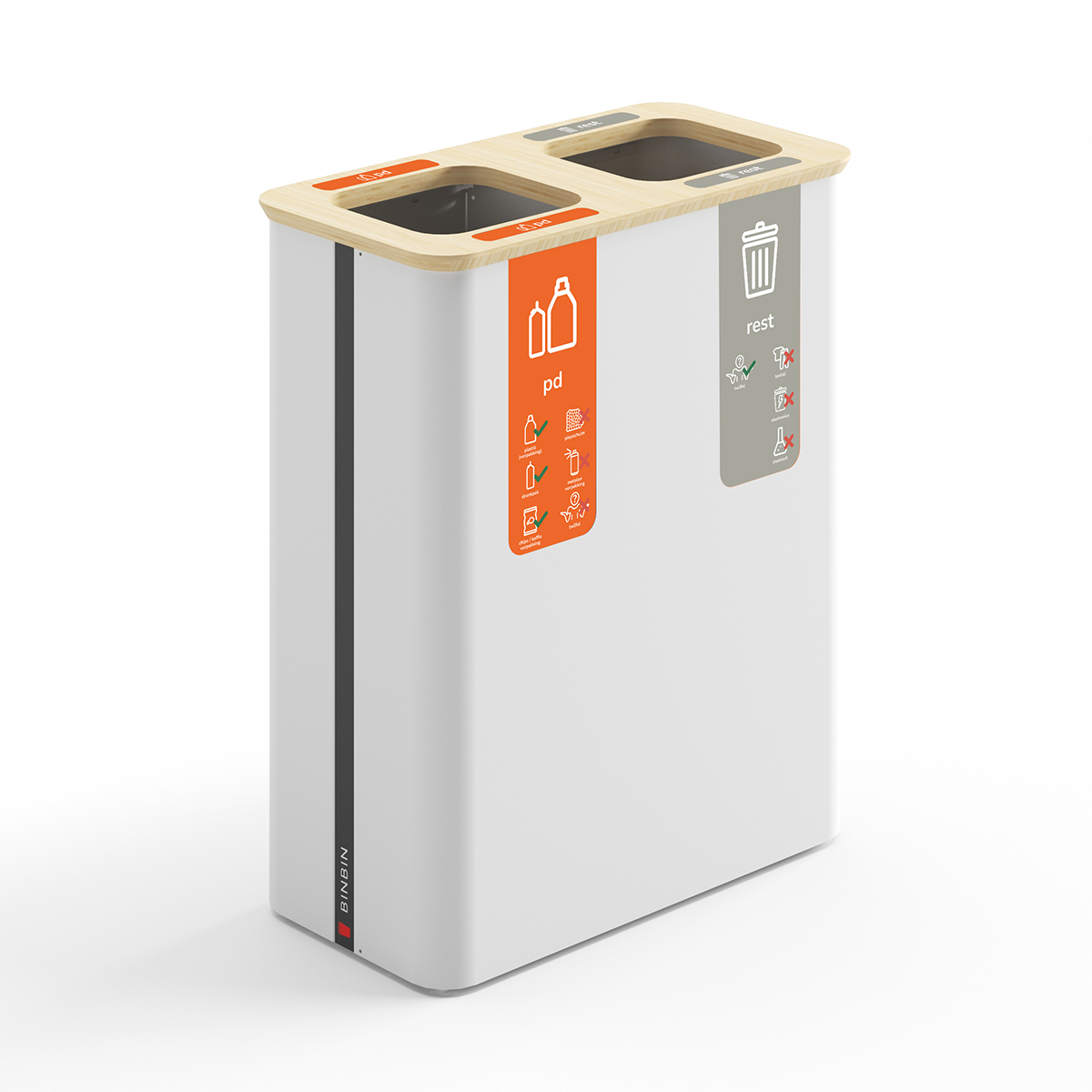
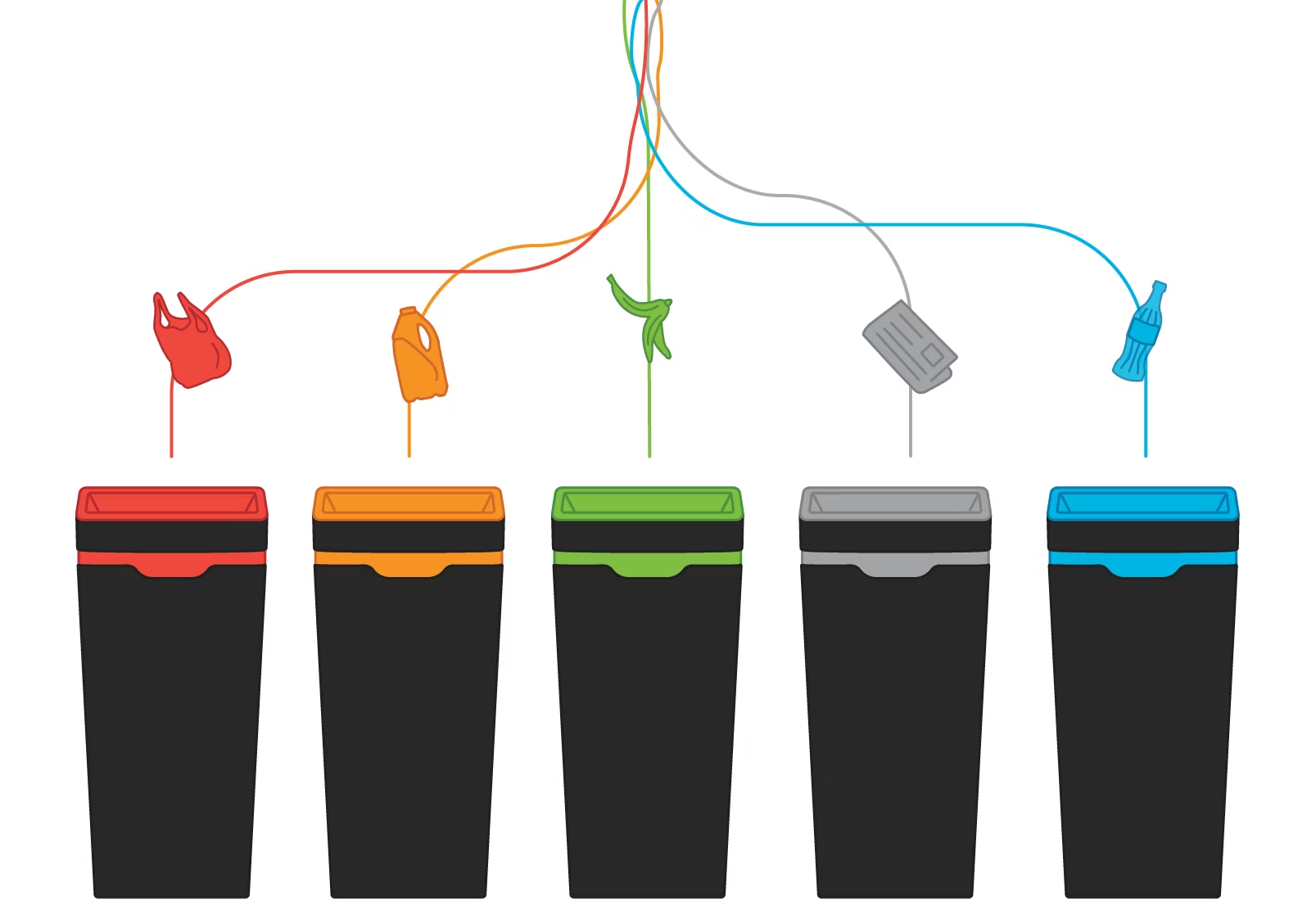
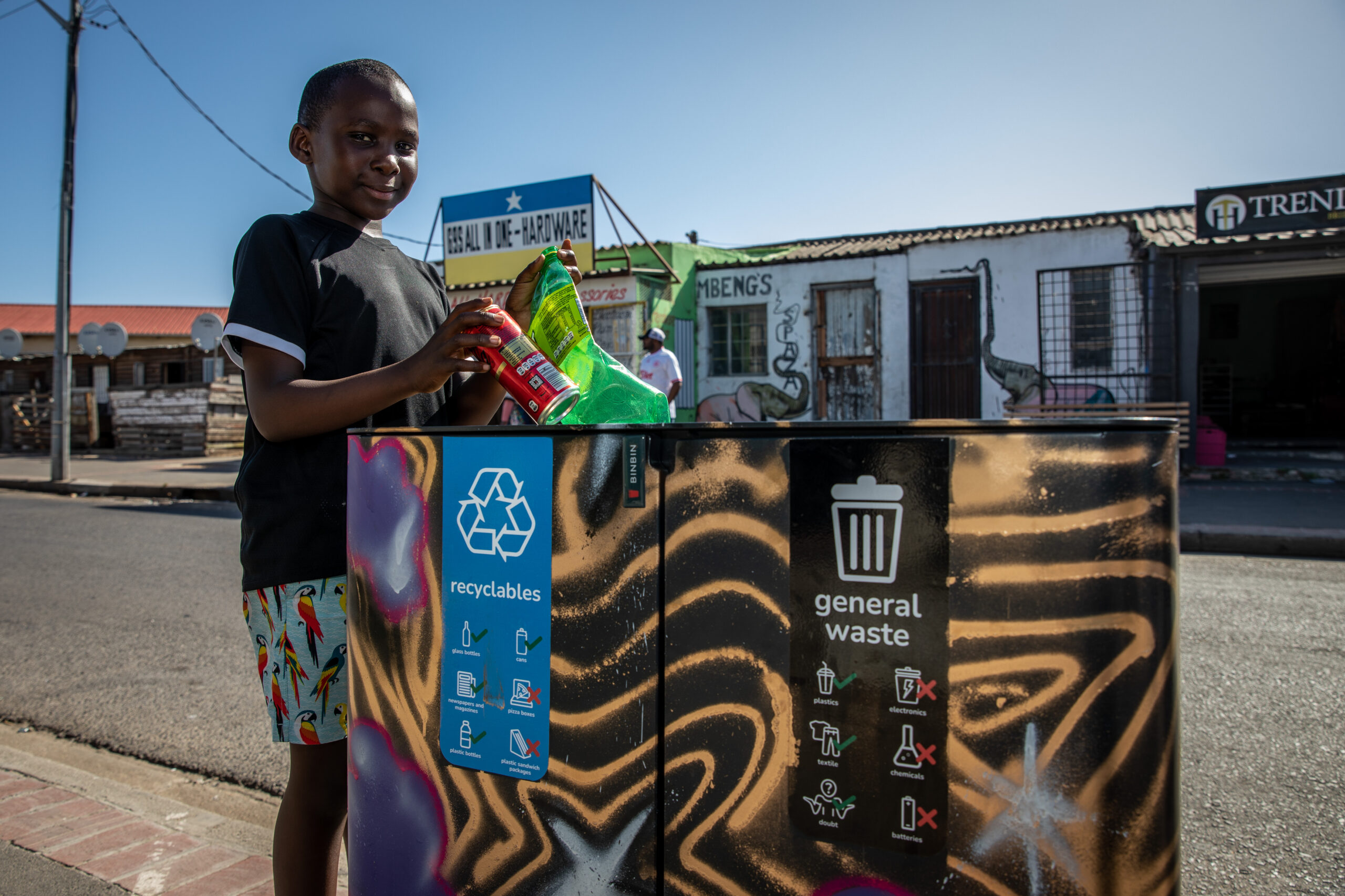
Our modular, circular waste sorting systems offer an innovative solution to the growing challenges of waste management. They are specially designed to make it easy to separate different waste streams, such as plastic, metal and drink cartons (PMD) and residual waste. By using recycled materials and focusing entirely on recyclability, we actively support the circular economy.
Working together for a more sustainable future
As a consumer, you can make a big difference. By making conscious choices, such as properly separating and disposing of packaging like chip and pizza boxes correctly, you can help to create a cleaner environment. Get involved in waste separation, join local clean-up campaigns and inspire those around you to make sustainable choices, too. Together, we can work towards a future without litter.

At BINBIN, we believe that collaboration is key to promoting eco-friendly initiatives. Dirk Groot and his work are a great example of this. We’re proud to support his mission and look forward to more collaborations aimed at improving our environment.
Want to learn more about this topic? Read Dirk Groot’s original article here.
Other articles