Healthcare facilities can significantly improve waste separation through strategic training, proper system implementation, and clear protocols. Effective waste separation in healthcare reduces costs, ensures regulatory compliance, and protects public health. The key lies in addressing unique challenges such as infection control requirements, diverse waste streams, and staff time constraints while implementing tailored solutions for different departments.
What makes waste separation challenging in healthcare facilities?
Healthcare facilities face unique obstacles that make waste separation more complex than in typical office environments. Infection control requirements often prioritise speed over sorting accuracy, while stringent safety protocols can complicate traditional waste-sorting approaches.
The diverse nature of healthcare waste creates additional complexity. Medical facilities generate everything from general office waste to highly regulated pharmaceutical and pathological materials. Each waste stream requires specific handling protocols, colour-coded containers, and disposal methods in accordance with South African regulations, including the National Health Act regulations on healthcare waste management.
Staff time constraints present another significant challenge. Healthcare workers operate under intense pressure, where patient care takes absolute priority. During emergencies or busy periods, proper waste sorting can seem secondary to immediate medical needs. This creates inconsistent separation practices across different shifts and departments.
Regulatory compliance adds another layer of complexity. Healthcare facilities must navigate both general waste management regulations and specific medical waste requirements. Non-compliance can result in substantial penalties and pose serious health risks to staff and the broader community.
How can healthcare facilities improve staff compliance with waste separation?
Strong staff compliance relies on comprehensive training programmes that address both the importance of proper waste separation and practical implementation techniques. Training should be role-specific, recognising that nurses, doctors, and support staff interact with waste streams differently throughout their workdays.
Visual communication systems are highly effective in healthcare environments. Clear, colour-coded signage with pictorial guides helps staff make quick decisions during busy periods. These systems should be consistent throughout the facility and regularly updated to reflect any changes in protocols or regulations.
Simplified sorting processes encourage better compliance. The more complex the system, the more likely staff are to make errors under pressure. Streamlined waste management solutions that require minimal decision-making while maintaining regulatory compliance work best in fast-paced healthcare environments.
Regular feedback and recognition programmes help maintain momentum. Departments that consistently demonstrate good waste separation practices should be acknowledged, while areas showing poor compliance need additional support rather than punishment. This positive-reinforcement approach builds sustainable behavioural change.
What types of waste streams should healthcare facilities separate?
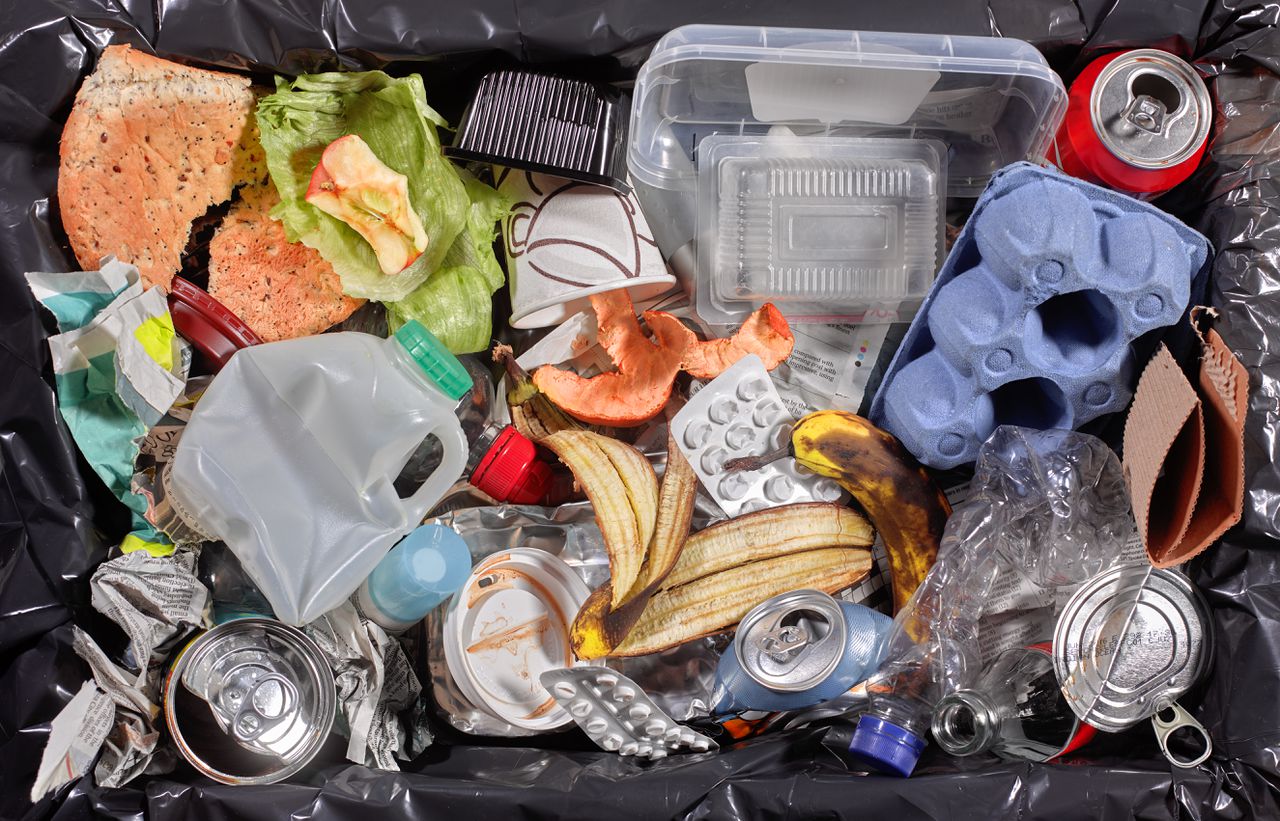
Healthcare facilities must separate multiple distinct waste categories, each requiring specific handling and disposal methods. General waste includes non-contaminated materials such as food packaging, office paper, and administrative materials that pose no health risks.
Recyclable materials in healthcare settings include clean cardboard, paper, and certain plastics that have not been contaminated with bodily fluids or chemicals. These materials can often generate revenue while reducing disposal costs when properly separated and kept clean.
Risk healthcare waste requires the most careful separation and includes:
- Pathological waste containing human tissues and body parts
- Infectious waste contaminated with blood or bodily fluids
- Sharps, including needles, scalpels, and broken glass
- Pharmaceutical waste from expired or unused medications
- Chemotherapy waste requiring special handling procedures
Each category must be placed in the appropriate colour-coded containers at the point of generation, as required by the South African National Standard (SANS) 452. Proper identification prevents cross-contamination and ensures compliance with health regulations while protecting staff and waste handlers throughout the disposal chain.
Which waste separation systems work best for different healthcare departments?
Patient rooms require compact, easily accessible systems that do not impede medical care or create infection risks. Mobile units with clearly marked compartments allow for quick disposal while maintaining proper separation. These systems should be easy to clean and replaced frequently.
Operating theatres need specialised solutions that accommodate high volumes of contaminated materials while maintaining sterile environments. Hands-free disposal systems with foot pedals or sensor activation prevent contamination while enabling proper sorting during procedures.
Laboratories generate unique waste streams that require dedicated separation systems. These areas need solutions that handle chemical waste, biological specimens, and contaminated equipment separately. Ventilated storage areas may be necessary for certain chemical waste categories.
Administrative offices within healthcare facilities can utilise standard recycling systems similar to those in corporate environments. These areas typically generate paper, cardboard, and general waste that does not require medical waste protocols.
Common areas such as cafeterias and waiting rooms need user-friendly systems that patients and visitors can navigate easily. Clear signage and simple sorting options work best in these high-traffic areas, where people may have limited time or attention for complex waste separation.
How do you measure waste separation success in healthcare settings?
Contamination rates provide the most direct measure of waste separation effectiveness. Regular audits of separated waste streams reveal how often materials end up in incorrect containers. Successful programmes typically achieve contamination rates below 10% for general recyclables and near-zero contamination for medical waste categories.
Tracking diversion percentages shows how much waste avoids landfill disposal through recycling and proper treatment. Healthcare facilities should monitor both recyclable diversion rates and the percentage of waste properly categorised for appropriate treatment methods.
Cost metrics demonstrate the financial impact of improved separation:
- Reduced medical waste disposal fees through better general waste separation
- Lower contamination penalties from waste management companies
- Potential revenue from clean recyclable materials
- Decreased regulatory compliance costs and penalties
- Improved operational efficiency, reducing staff time spent on waste-related issues
Staff engagement indicators include participation in training programmes, consistent use of separation systems, and the quality of feedback during waste management meetings. Regular surveys can gauge staff understanding and identify areas needing additional support or system improvements.
What are the cost benefits of improved waste separation in healthcare?
Medical waste disposal costs significantly more than general waste treatment, making proper separation financially crucial. Healthcare facilities can reduce disposal expenses by ensuring only truly contaminated materials enter expensive medical waste streams while directing clean materials to standard recycling or general waste disposal.
Regulatory compliance benefits include avoiding substantial penalties for improper waste handling. South African healthcare facilities face significant fines for non-compliance with medical waste regulations, making effective separation systems a protective investment rather than merely an operational expense.
Operational efficiencies emerge from streamlined waste handling processes. When staff understand and follow clear separation protocols, less time is spent correcting mistakes, dealing with contaminated recycling, or managing regulatory issues. This allows healthcare workers to focus on patient care rather than waste management problems.
Revenue opportunities exist through clean recyclable materials. Healthcare facilities generate substantial amounts of cardboard, paper, and clean plastics that can provide income when properly separated. While not the primary goal, this revenue can offset programme implementation costs.
Risk-reduction benefits include decreased liability from improper waste disposal and improved staff safety through better handling protocols. Proper separation reduces the likelihood of accidents, exposure incidents, and regulatory violations that could result in costly legal or remediation issues.
How BINBIN helps healthcare facilities with waste separation
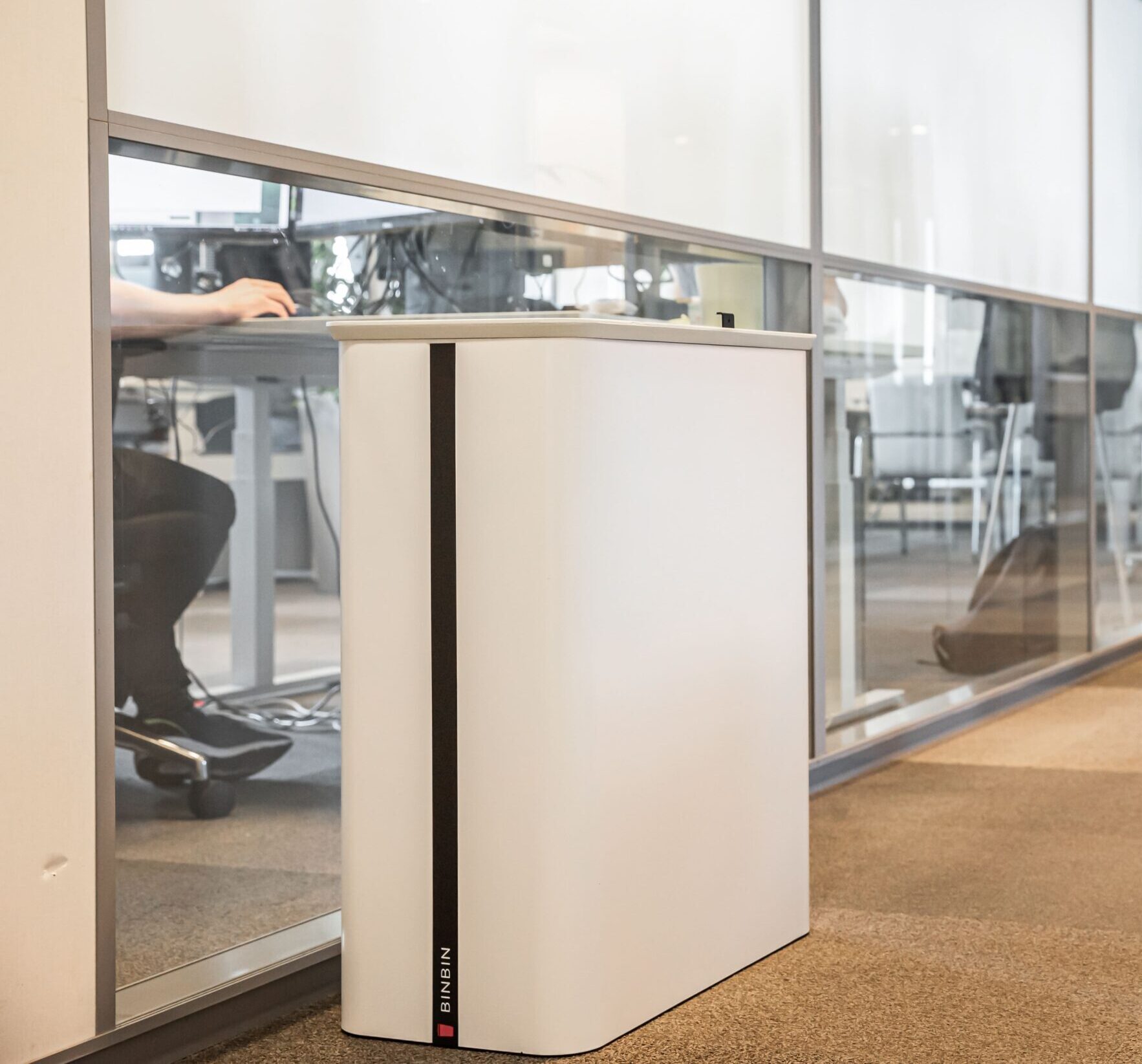
BINBIN provides modular waste separation solutions specifically designed for healthcare environments, where flexibility, hygiene, and regulatory compliance are essential. Our systems address the unique challenges healthcare facilities face while supporting efficient waste separation practices.
Our healthcare-focused features include:
- Infection control-compatible designs that support easy cleaning and sanitisation
- Modular configurations allowing 1 to 8 waste streams in a single system
- Quick reconfiguration capabilities to adapt to changing department needs
- Colour-coded compartments supporting South African medical waste regulations
- Hands-free operation options for sterile environments
The Globular series enables healthcare facilities to start with basic separation and expand as programmes develop. Internal splitting options mean departments can increase waste-stream separation without purchasing new equipment, making implementation cost-effective and sustainable.
We support healthcare facilities throughout the implementation process with staff training materials, compliance guidance, and ongoing system optimisation. Our 99% circular design philosophy ensures your waste separation investment supports both operational efficiency and environmental responsibility.
Ready to improve your healthcare facility's waste separation? Contact us for a trial placement and discover how our modular solutions can transform your waste management while supporting regulatory compliance and cost-reduction goals.