Healthcare facilities implement waste sorting through comprehensive protocols that separate different waste types at the point of generation. This involves establishing clear procedures, training staff in proper segregation techniques, and using specialised, colour-coded containers. Successful implementation requires ongoing education, regulatory compliance, and systematic monitoring to ensure patient safety and environmental protection.
What types of waste do healthcare facilities need to sort?
Healthcare facilities must segregate waste into distinct categories based on risk levels and disposal requirements. Infectious waste includes materials contaminated with blood or body fluids; pathological waste contains human tissues and organs; and pharmaceutical waste comprises expired medications and chemotherapy drugs. Sharps require separate handling due to injury risks, and general waste encompasses non-hazardous materials.
In South Africa, healthcare waste regulations under the National Health Act define two primary categories: general healthcare waste and risk healthcare waste. Risk healthcare waste must be separated and containerised at the point of generation, in accordance with the South African National Standard (SANS) 452 for non-reusable medical devices.
Each waste category requires specific handling protocols:
- Red containers for infectious and pathological waste
- Yellow containers for pharmaceutical and chemotherapy waste
- Sharps containers for needles, scalpels, and broken glass
- Black bags for general, non-hazardous waste
Understanding these classifications ensures proper segregation and prevents cross-contamination between waste streams, protecting both healthcare workers and the environment.
Why is proper waste sorting critical in healthcare environments?
Proper waste sorting in healthcare environments prevents infection transmission, protects staff and patients from exposure to hazardous materials, and ensures regulatory compliance. Incorrect segregation can lead to serious health risks, environmental contamination, and significant financial penalties for non-compliance with waste management regulations.
Patient safety depends on effective waste segregation, as contaminated materials pose infection risks throughout the facility. Healthcare-associated infections can spread rapidly when infectious waste mixes with general waste streams. Staff protection is equally crucial, as healthcare workers handle waste materials daily and require clear protocols to minimise exposure risks.
Environmental considerations include preventing toxic substances from entering water systems and soil. Pharmaceutical waste requires special treatment to avoid the development of antibiotic resistance in environmental bacteria. Cost implications are substantial, as improper sorting can result in all waste being treated as hazardous, significantly increasing disposal expenses.
Regulatory compliance ensures facilities meet legal requirements and maintain operating licences. In South Africa, healthcare establishments that generate medical waste must register with the relevant environmental and health authorities, and transport and processing facilities must hold the appropriate licences.
How do healthcare facilities establish waste sorting protocols?
Healthcare facilities establish waste sorting protocols by developing comprehensive policies that define waste categories, segregation procedures, and staff responsibilities. The process begins with conducting waste audits to identify all waste streams, followed by creating detailed procedures for each waste type and implementing systematic training programmes.
The protocol development process follows these essential steps:
- Assess current waste generation patterns and volumes
- Identify all waste categories produced within the facility
- Develop written procedures for each waste stream
- Establish clear responsibility assignments for staff roles
- Create monitoring and compliance verification systems
- Implement regular review and update procedures
Documentation requirements include maintaining waste-tracking records, staff training certificates, and incident reports. Clear procedures must specify container types, labelling requirements, storage locations, and collection schedules for each waste category.
Regular policy reviews ensure protocols remain current with changing regulations and facility needs. Successful implementation requires management commitment, adequate resources, and ongoing monitoring to maintain compliance standards.
What equipment and containers are essential for healthcare waste sorting?
Essential equipment for healthcare waste sorting includes colour-coded containers, sharps containers, leak-proof bags, and proper labelling systems. Specialised containers must meet regulatory standards for durability, puncture resistance, and secure closure mechanisms while clearly identifying waste categories through standardised colour-coding.
Container specifications vary by waste type. Red containers are used for infectious waste and must be leak-proof with secure lids. Yellow containers for pharmaceutical waste require chemical resistance. Sharps containers need puncture-proof construction with one-way openings to prevent retrieval.
Labelling requirements include waste category identification, date of generation, department of origin, and hazard symbols where applicable. Labels must be durable, clearly legible, and permanently attached to containers. Proper labelling ensures traceability throughout the disposal process.
Infrastructure considerations include adequate storage space, proper ventilation, temperature control for certain waste types, and secure access restrictions. Storage areas must prevent unauthorised access while allowing efficient collection procedures.
Additional equipment includes personal protective equipment for staff handling waste, spill-cleanup materials, and documentation systems for tracking waste volumes and disposal records.
How do you train healthcare staff on proper waste sorting procedures?
Training healthcare staff in waste sorting procedures requires comprehensive education programmes covering waste categories, segregation techniques, safety protocols, and regulatory requirements. Effective training combines initial orientation sessions with ongoing education, hands-on demonstrations, and regular competency assessments to ensure consistent compliance.
Training methodologies should include visual aids, practical exercises, and department-specific scenarios. New staff require detailed orientation covering all waste types encountered in their work areas. Experienced staff need regular refresher training to maintain competency and learn about regulatory changes.
Key training components encompass waste identification techniques, proper container selection, safety procedures, incident reporting, and emergency response protocols. Staff must understand the consequences of improper sorting and their individual responsibilities in maintaining compliance.
Competency assessment involves practical demonstrations in which staff correctly identify and segregate various waste types. Regular testing ensures knowledge retention and identifies areas requiring additional training. Documentation of training completion is essential for regulatory compliance.
Ongoing education programmes address new regulations, equipment updates, and lessons learned from incidents. Regular communication through newsletters, posters, and team meetings reinforces proper procedures and maintains awareness of the importance of waste sorting.
What are the biggest challenges healthcare facilities face with waste sorting?
Healthcare facilities face significant challenges, including staff compliance issues, space limitations, cost-management pressures, and keeping pace with changing regulations. Staff compliance remains the most persistent challenge, as busy healthcare workers may prioritise patient care over proper waste segregation, leading to contamination and regulatory violations.
Space limitations create practical difficulties in placing adequate containers throughout facilities while maintaining accessibility and safety standards. Many facilities struggle with insufficient storage areas for segregated waste, particularly in older buildings not designed for modern waste management requirements.
Cost-management pressures arise from the expense of specialised containers, training programmes, and compliant disposal services. Healthcare facilities must balance cost control with regulatory compliance, and proper waste management often requires significant ongoing investment.
Regulatory changes present ongoing challenges, as facilities must continuously update procedures, retrain staff, and modify systems to maintain compliance. Keeping current with evolving regulations requires dedicated resources and expertise that many facilities find difficult to sustain.
Contamination issues occur when different waste types mix, requiring entire batches to be treated as hazardous waste. This significantly increases disposal costs and creates additional safety risks for handling personnel.
How BINBIN helps with healthcare waste sorting implementation
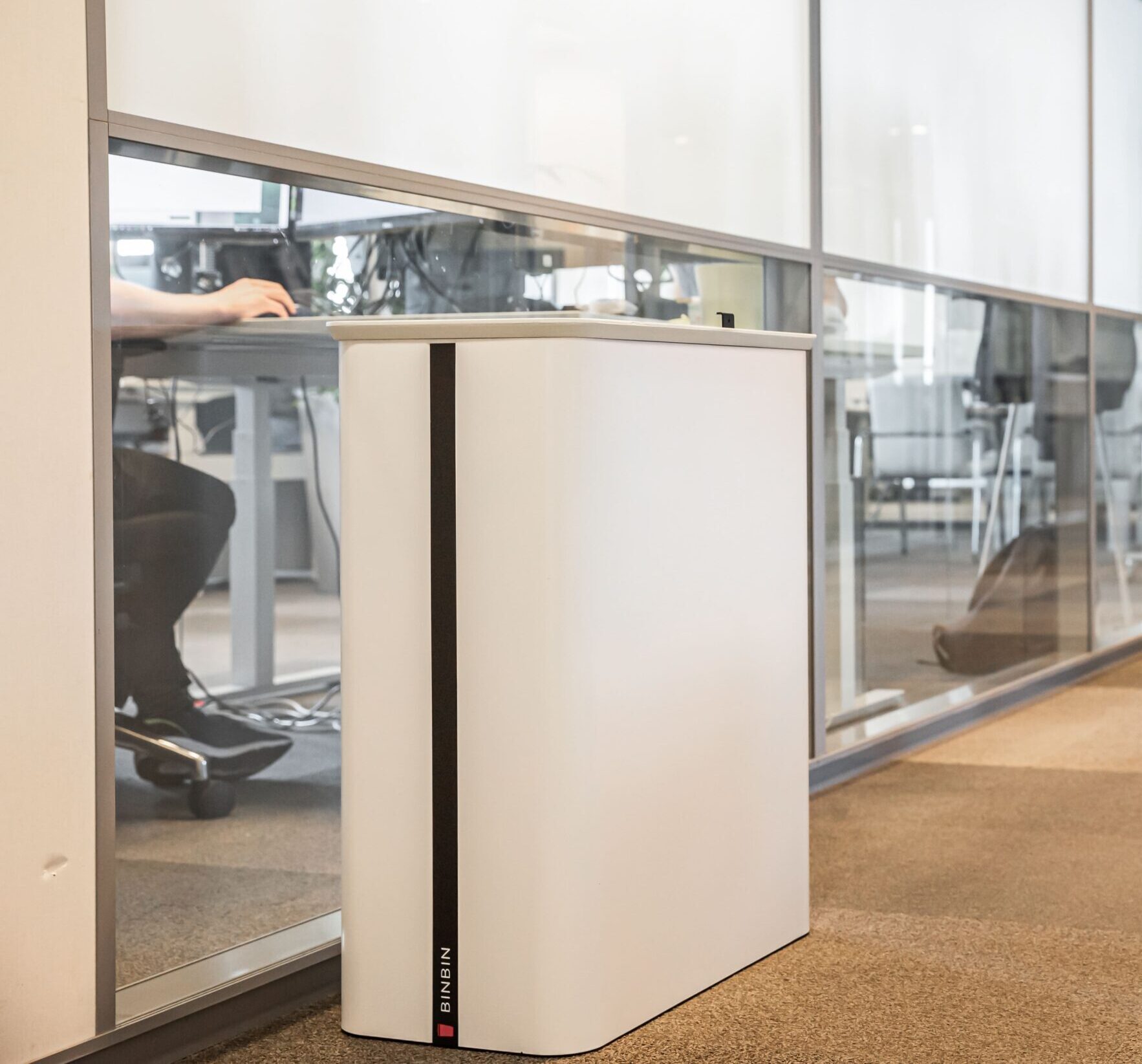
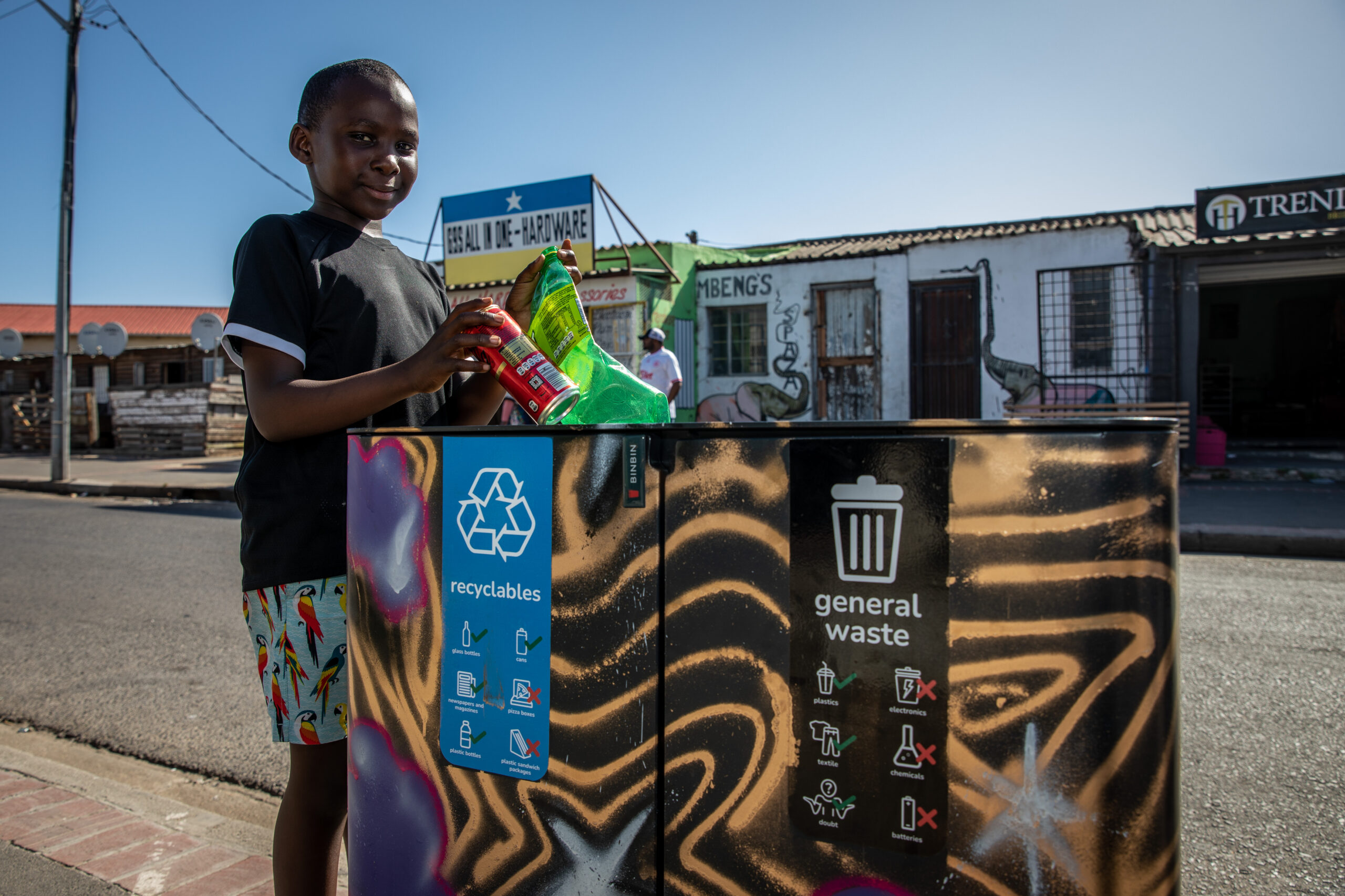
BINBIN provides comprehensive solutions for healthcare waste sorting through modular waste management systems specifically designed for medical environments. Our Globular series enables facilities to configure one to eight waste streams in a single system, with internal compartment-splitting capabilities that adapt to changing waste segregation requirements without requiring new equipment.
Our healthcare waste sorting solutions include:
- Modular containers that can be combined or separated based on facility needs
- Colour-coded systems that meet South African healthcare waste regulations
- Durable, easy-to-clean surfaces suitable for medical environments
- Customisable labelling and branding options for clear waste identification
- A 99% circular design that supports sustainable waste management practices
BINBIN's modular approach means healthcare facilities never need to purchase new containers when waste streams change. Internal splitters can be removed to combine streams or added to create additional segregation, providing maximum flexibility for evolving regulatory requirements.
Ready to implement effective waste sorting in your healthcare facility? Contact us for a trial placement and discover how our modular solutions can streamline your waste management while ensuring full regulatory compliance.