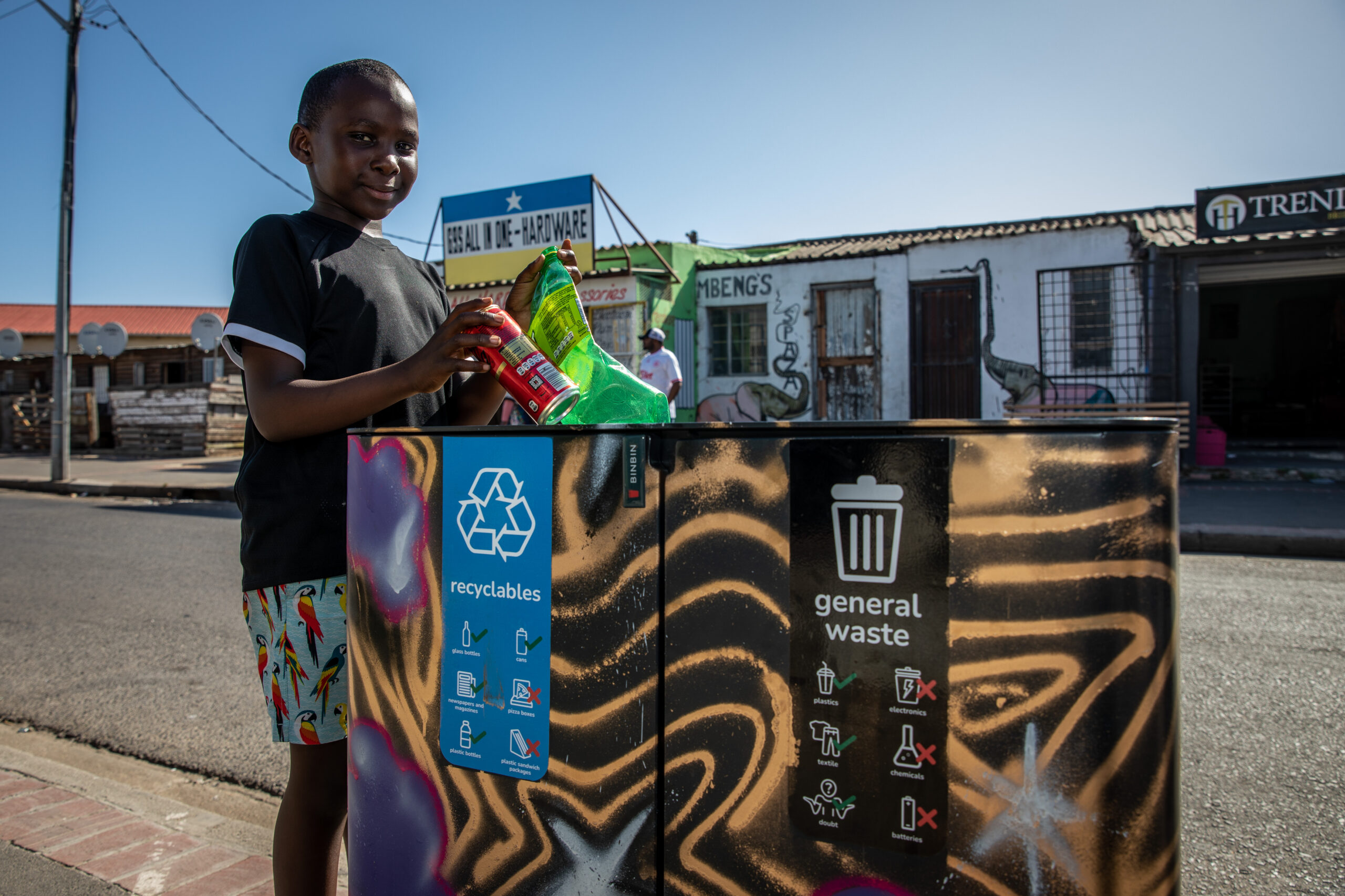
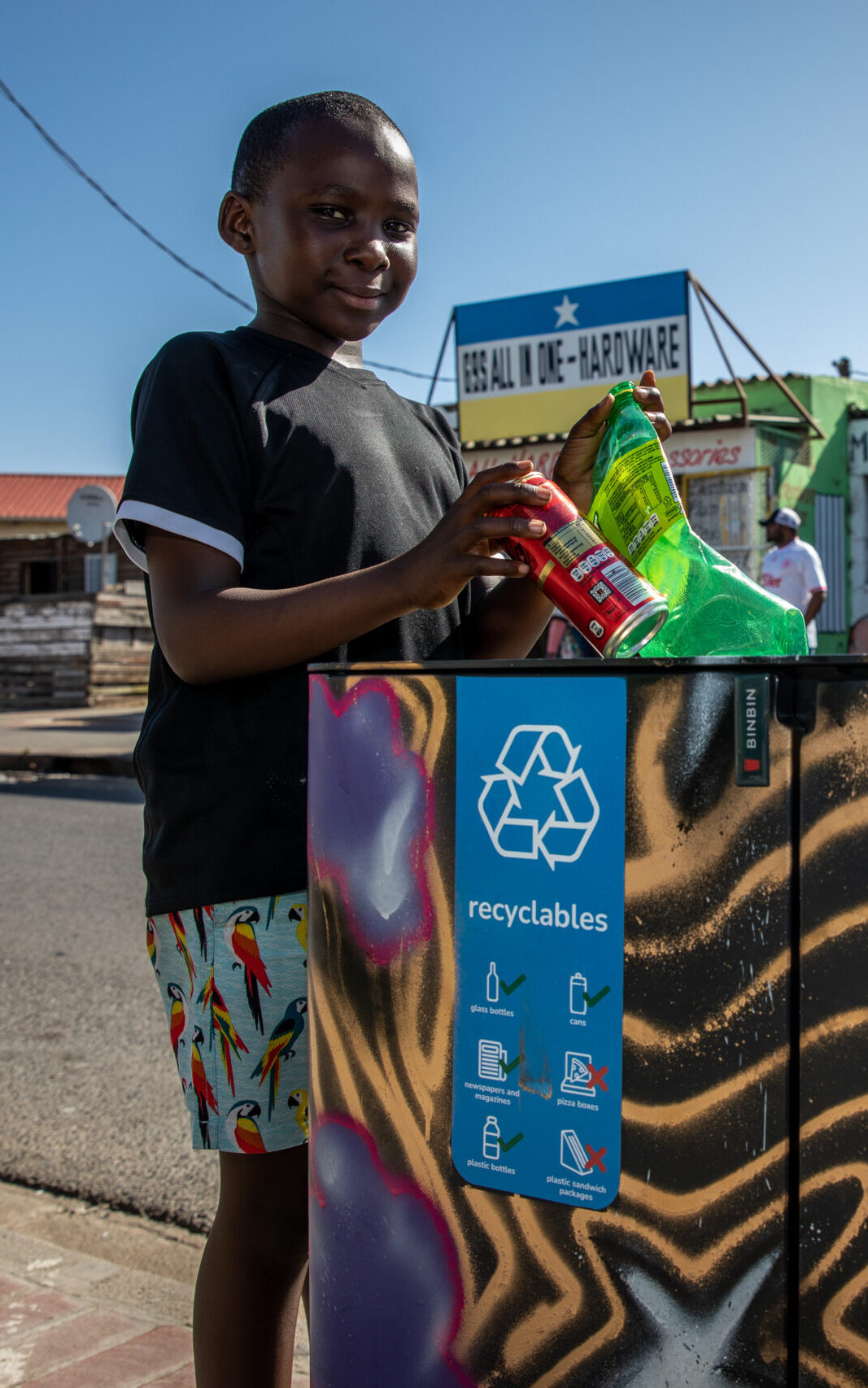
Effective school waste programmes combine comprehensive education, proper infrastructure, and sustained engagement to create lasting environmental impact. These initiatives go beyond basic recycling bins by implementing systematic approaches that teach students waste separation skills while building environmentally conscious habits. Successful programmes address common implementation challenges through strategic planning and community involvement.
What makes a school waste programme truly effective?
A truly effective school waste programme integrates education, infrastructure, and community engagement to create sustainable behavioural change. Unlike basic recycling efforts that simply place bins around campus, effective programmes educate students about waste hierarchy principles, provide clear separation systems, and measure environmental impact consistently.
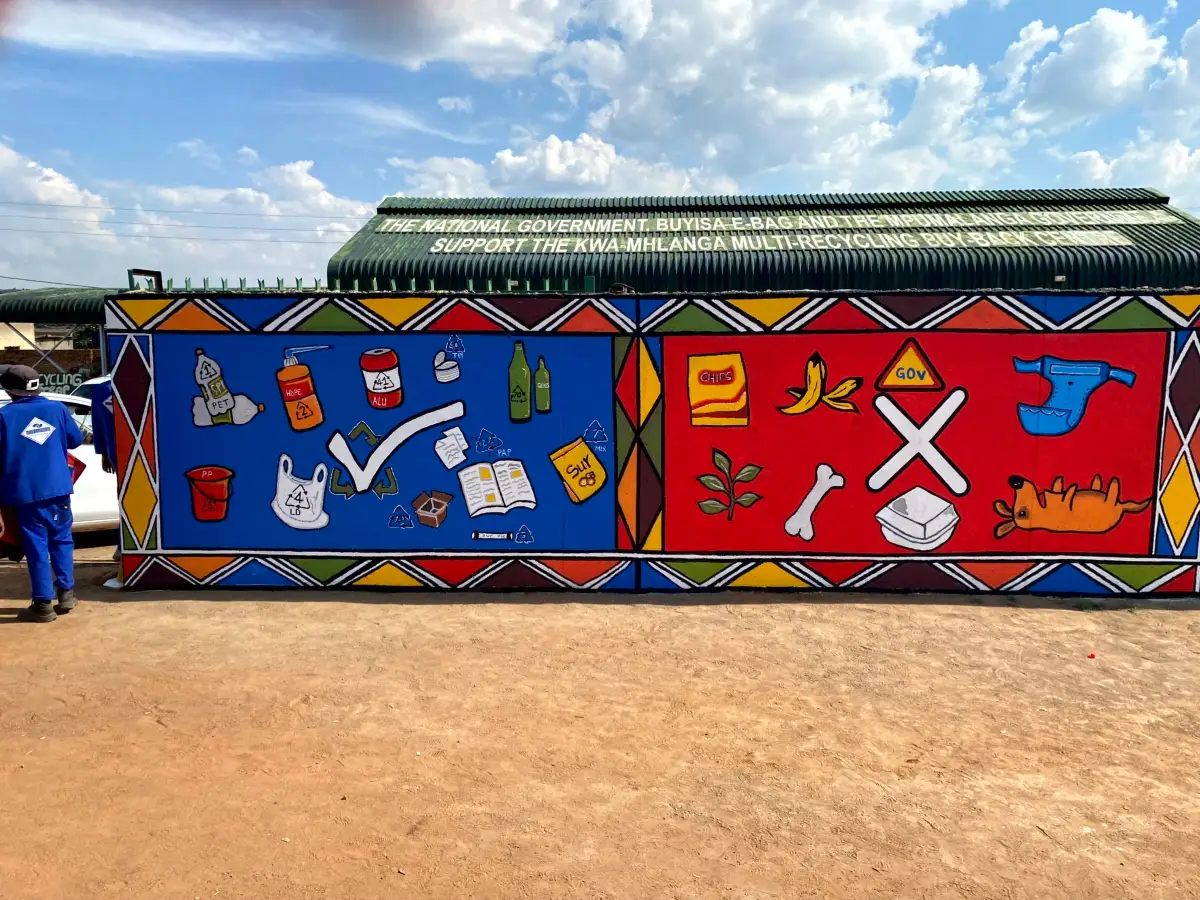
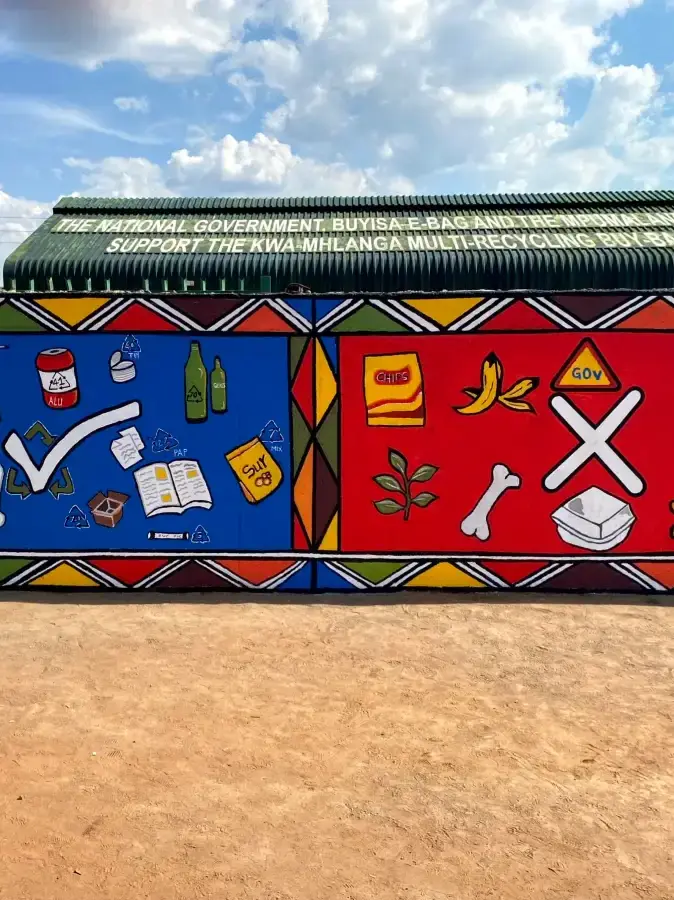
The most successful initiatives establish clear waste separation protocols that students can easily understand and follow. This includes colour-coded systems, simple visual guides, and strategically placed collection points throughout the school environment. Effective programmes also incorporate waste education into the curriculum, making environmental responsibility part of daily learning rather than an afterthought.
Long-term sustainability requires strong administrative support and regular programme evaluation. Schools that maintain successful waste initiatives typically designate programme coordinators, train staff members thoroughly, and celebrate achievements to maintain momentum. These programmes also adapt to changing needs, expanding or modifying their approach based on participation levels and waste audit results.
Why do most school recycling programmes fail to achieve their goals?
Most school recycling programmes fail due to inadequate infrastructure, insufficient education, and a lack of ongoing support. Common problems include poorly placed bins, confusing labelling systems, and contamination from incorrect waste sorting that renders entire collections unusable.
Infrastructure challenges often stem from purchasing standard bins without considering student behaviour patterns or facility maintenance requirements. Many schools place recycling bins in convenient locations for cleaning staff rather than where students naturally dispose of waste. Additionally, contamination issues arise when students receive minimal training in proper sorting techniques.
Administrative challenges compound these problems when schools launch programmes without designated coordinators or long-term planning. Staff turnover, budget constraints, and competing priorities often cause initial enthusiasm to fade. Without consistent reinforcement and programme evaluation, even well-intentioned initiatives gradually decline in effectiveness and participation.
How do you get students actively involved in waste separation?
Active student involvement requires age-appropriate engagement strategies that make waste separation intuitive and rewarding. Successful approaches include gamification, peer leadership opportunities, and hands-on learning experiences that connect environmental action to real-world impact.
Gamification works particularly well with younger students through classroom competitions, point systems, and recognition programmes. Schools can create waste reduction challenges between classes, track progress on visible charts, and reward improvements with privileges or celebrations. Older students respond better to leadership roles such as waste audit teams, environmental clubs, and peer education programmes.
Educational campaigns should focus on practical skills rather than abstract concepts. Students learn more effectively through:
- Hands-on sorting activities with real waste examples
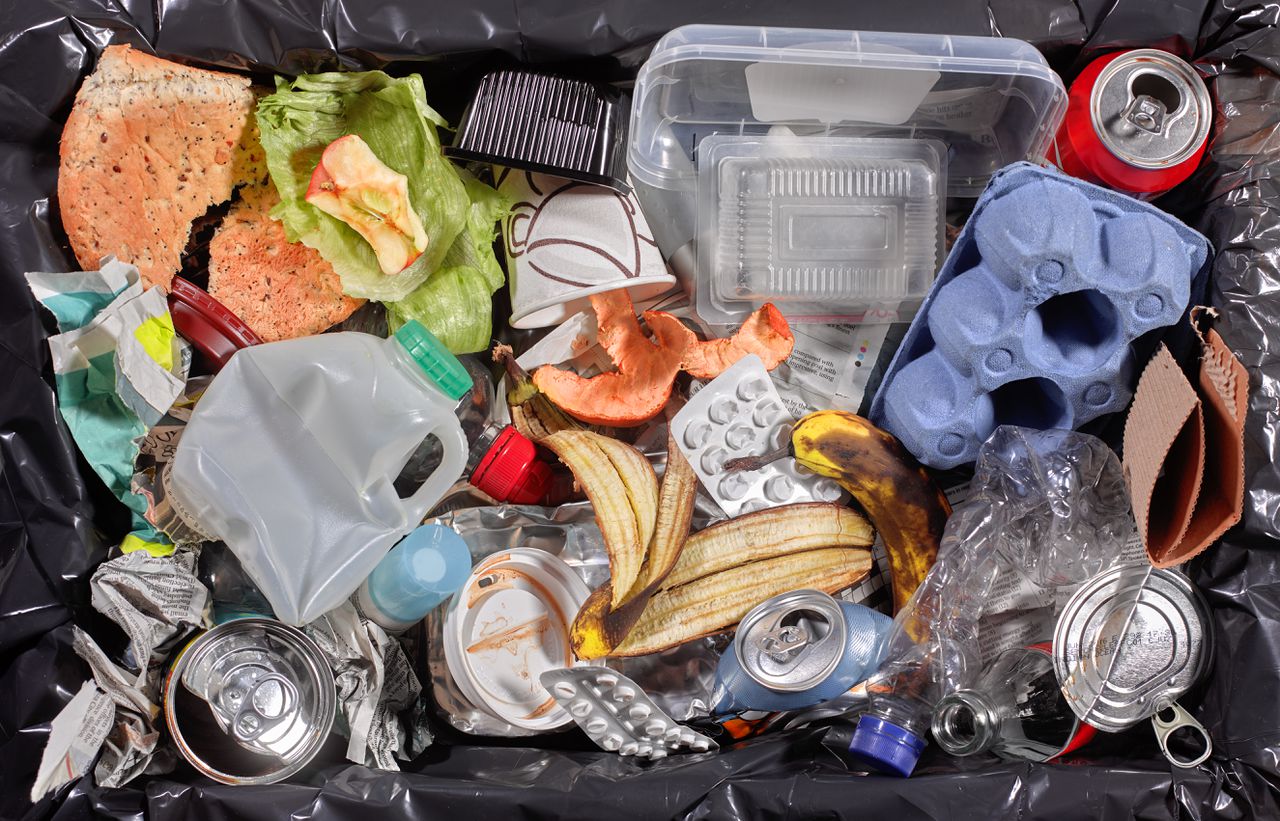
- School-wide waste audits that reveal actual disposal patterns
- Guest speakers from recycling facilities or environmental organisations
- Projects that transform waste materials into useful items
- Regular feedback about programme achievements and environmental impact
What infrastructure do schools need for successful waste management?
Successful school waste management requires strategically placed collection points, clear labelling systems, and adequate storage facilities that support effective separation across different campus environments. Essential infrastructure includes appropriately sized bins, visual guidance materials, and efficient collection logistics.
Bin placement should prioritise high-traffic areas where students naturally dispose of waste, including cafeterias, corridors, classrooms, and outdoor spaces. Each collection point needs clear visual indicators showing which materials are accepted for each waste stream. Consistent colour coding and simple graphics work better than text-heavy instructions, particularly for younger students.
Storage and collection logistics require careful planning to maintain programme effectiveness. Schools need:
- Adequate storage space for separated materials until collection
- Clear pathways for maintenance staff to empty bins efficiently
- Weather-protected storage for outdoor collection points
- Appropriate bin sizes that match waste generation patterns
- Easy-to-clean containers that maintain hygiene standards
- Backup systems for peak waste periods or collection delays
How can schools measure and improve their waste programme performance?
Schools can measure waste programme performance through regular waste audits, contamination monitoring, and participation tracking that provides actionable data for continuous improvement. Effective measurement combines quantitative metrics with qualitative feedback from students and staff.
Waste audits provide the most reliable performance data by measuring actual waste generation, diversion rates, and contamination levels. Monthly audits help identify trends and problem areas, while quarterly comprehensive reviews inform programme adjustments. Schools should track total waste volume, recycling percentages, and contamination rates for each waste stream.
Performance improvement requires systematic analysis of audit results and targeted interventions. Common improvement strategies include additional education for high-contamination areas, bin relocations based on usage patterns, and enhanced signage where confusion occurs. Regular surveys of students and staff provide insights into programme barriers and potential solutions that data alone might miss.
What role should teachers and staff play in waste management initiatives?
Teachers and staff should serve as programme champions who integrate waste management into daily routines, curriculum activities, and school culture development. Their consistent participation and enthusiasm significantly influence student engagement and programme sustainability.
Curriculum integration works best when teachers connect waste management to existing subjects rather than treating it as separate content. Science classes can explore recycling processes, mathematics lessons can analyse waste data, and art projects can incorporate recycled materials. Cross-curricular approaches reinforce learning while demonstrating practical applications of academic concepts.
Staff training requirements include proper sorting techniques, programme goals, and troubleshooting procedures for common problems. Administrative staff need clear protocols for managing collection schedules, vendor relationships, and programme evaluation. Regular staff meetings should include waste programme updates to maintain awareness and address emerging challenges collaboratively.
How BINBIN helps schools implement effective waste programmes
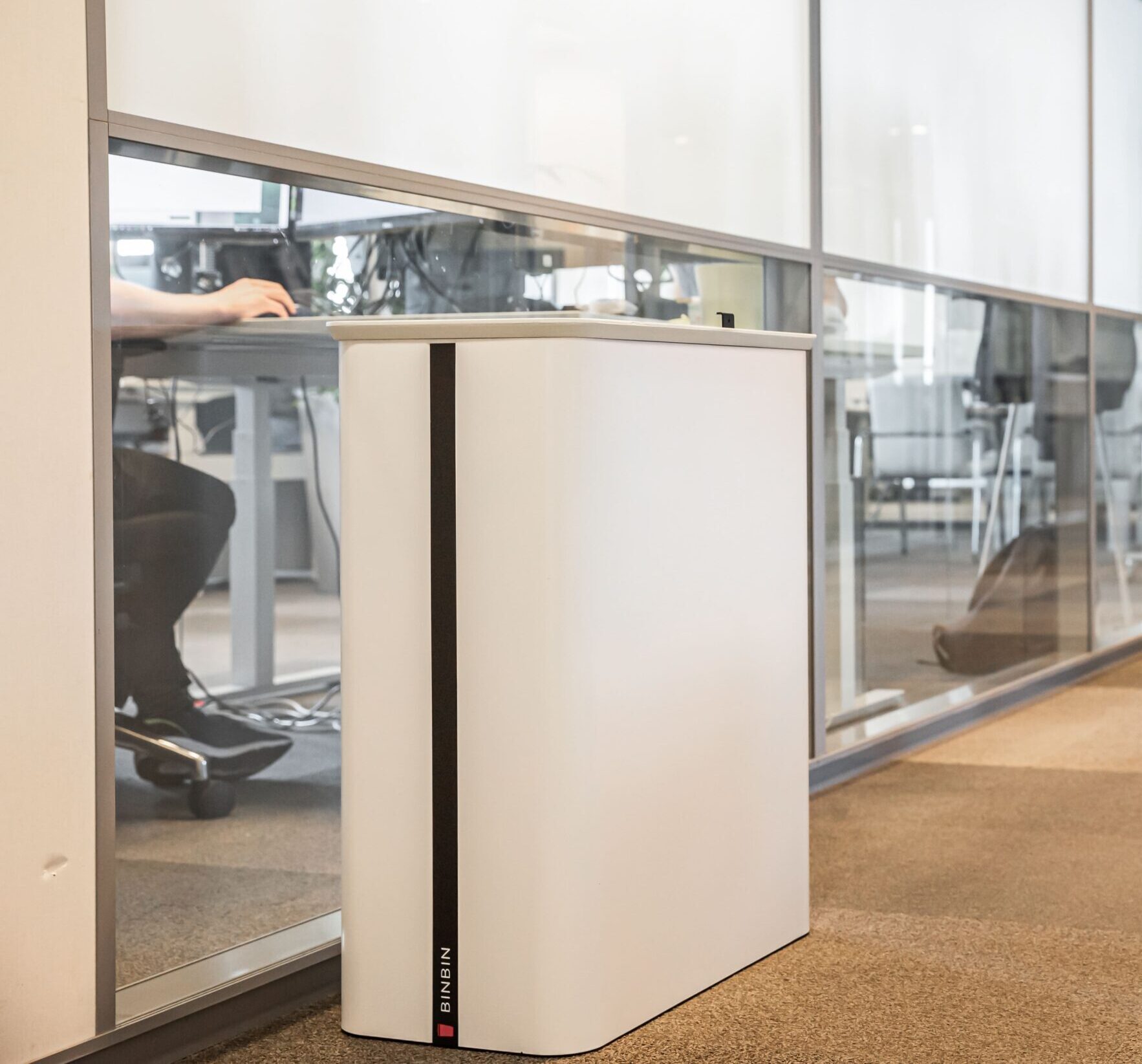
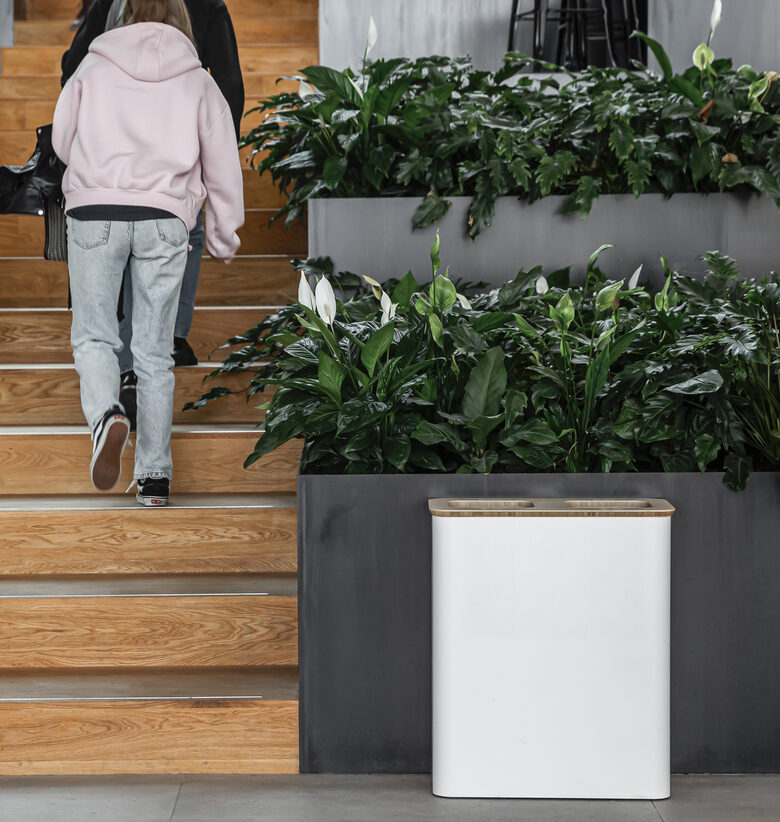
We provide comprehensive modular waste separation systems specifically designed for educational environments, combining user-friendly features with flexible configurations that adapt to changing school needs. Our solutions address the infrastructure challenges that cause many school programmes to fail.
Our educational waste management solutions include:
- Modular systems that separate 1 to 8 waste streams with clear visual guidance
- Durable, easy-to-clean containers designed for high-traffic school environments
- Flexible configurations that adapt as programmes expand or requirements change
- Intuitive colour-coding and labelling systems that reduce contamination
- Comprehensive implementation support, including staff training and programme guidance
Ready to transform your school's waste management programme? Contact us for a trial placement to experience how our solutions can engage students while creating lasting environmental impact. Our team provides complete support from initial planning through programme implementation, ensuring your school achieves its sustainability goals effectively.