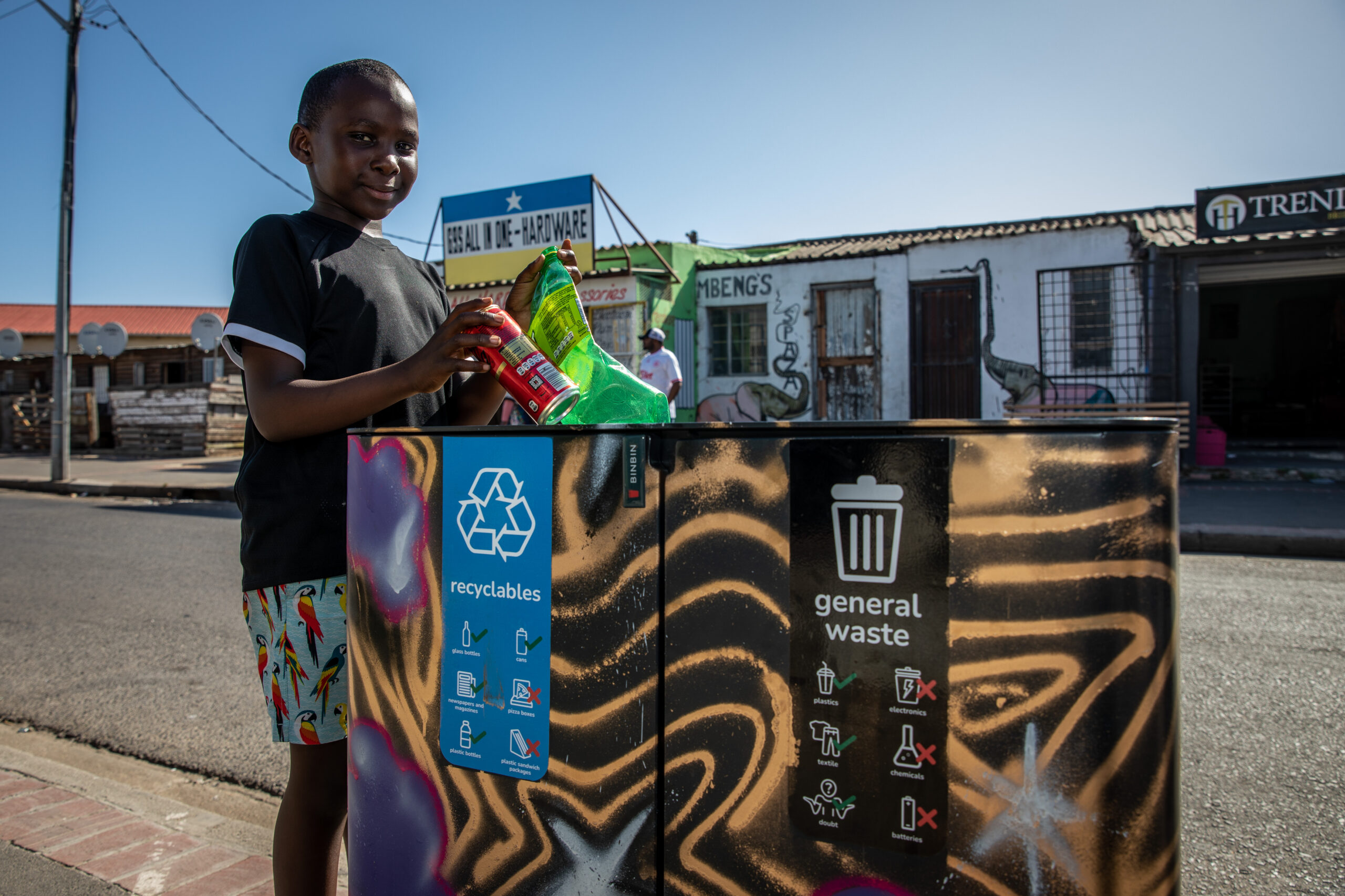
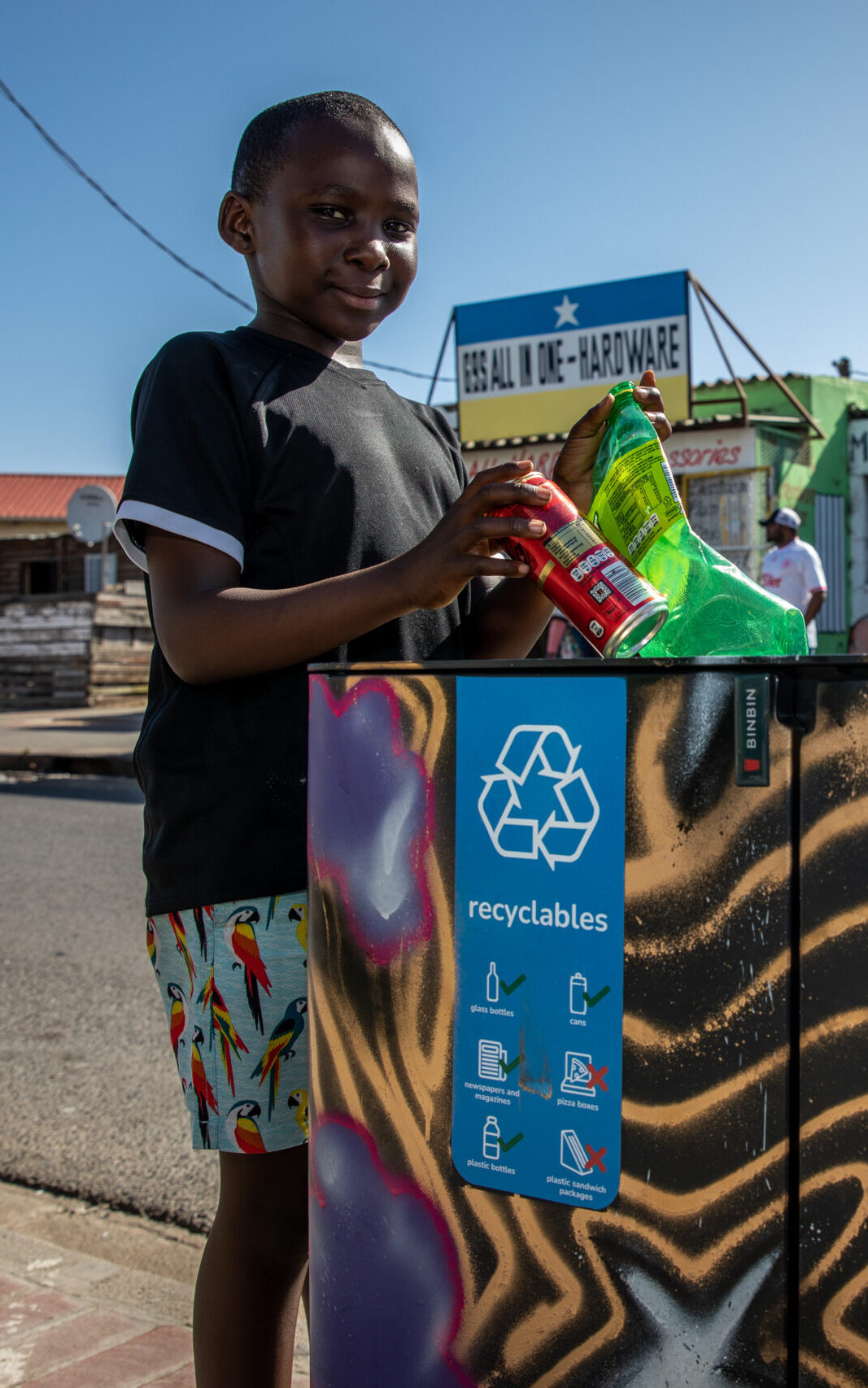
Choosing appropriate waste bins for schools requires careful consideration of durability, safety, capacity, and educational value. The right waste management system should handle high student traffic while supporting environmental education goals. Educational institutions need bins that are robust enough for daily use, safe for various age groups, and designed to encourage proper waste separation habits among students and staff.
What makes waste bins suitable for educational environments?
Educational waste bins must combine exceptional durability with child-friendly design features to withstand constant use by hundreds of students daily. School-appropriate bins require rounded edges for safety, clear visual indicators for different waste streams, and materials that can handle frequent cleaning and sanitisation.
Safety considerations are paramount in educational settings. Bins should feature smooth surfaces without sharp edges to prevent injuries during busy periods. Heavy-duty construction prevents tipping, while secure lids contain odours and deter pests. The design should accommodate wheelchair access and the varying heights of students from reception through to secondary school.
Size appropriateness varies significantly between different areas of the school. Classroom bins typically need smaller capacities with quiet-closing mechanisms to avoid disrupting lessons. Common areas like cafeterias and playgrounds require larger-capacity solutions that can handle peak usage during break times without overflowing.
How many waste streams should schools separate?
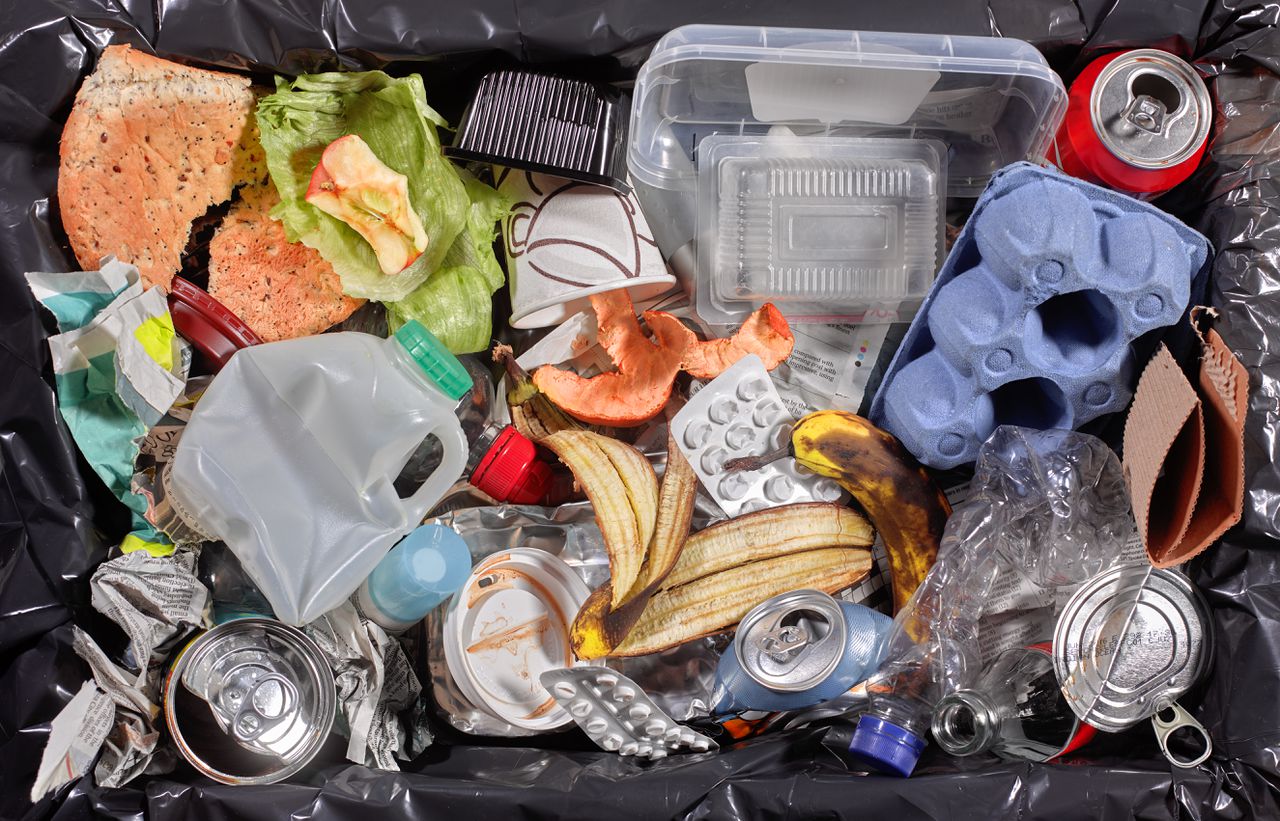
Most educational institutions benefit from a three- to four-stream separation system that balances educational value with practical management capabilities. This typically includes general waste, recyclables (paper and plastic combined), organic waste, and sometimes a dedicated paper stream for schools with high paper usage.
Primary schools often succeed with simpler two- to three-stream systems focusing on general waste and recyclables. This prevents confusion among younger children while establishing fundamental recycling habits. Secondary schools can handle more complex four- to five-stream systems that mirror real-world waste management practices.
The optimal number depends on several factors:
- Local recycling infrastructure and available collection services
- Staff capacity to manage multiple waste streams effectively
- Student age groups and their ability to follow separation guidelines
- Available storage space for different waste categories
- Integration with curriculum goals and environmental education programmes
What capacity and placement considerations matter most in schools?
Bin sizing should reflect usage patterns, with high-traffic areas like cafeterias requiring significantly larger capacities than individual classrooms. Strategic placement near natural disposal points maximises usage while maintaining clear pathways for student movement and emergency access.
Classroom bins typically need a 20–30 litre capacity for general waste, with smaller recycling bins sufficient for paper and packaging. Common areas require 60–120 litre bins to handle peak periods without frequent emptying. Cafeteria areas may need even larger solutions or multiple units to manage mealtime waste volumes effectively.
Placement strategy significantly impacts programme success. Position bins where students naturally pause or gather, such as near doorways, water fountains, and seating areas. Ensure adequate spacing to prevent crowding during busy periods while maintaining visibility for supervision.
Accessibility requirements include appropriate heights for different age groups and wheelchair users. Consider maintenance access for cleaning staff, with bins positioned to facilitate efficient collection routes without disrupting educational activities.
Why is durability crucial when choosing school waste bins?
School environments demand exceptional durability due to constant use, potential mishandling, and exposure to various weather conditions for outdoor installations. Quality bins prevent frequent replacements, reducing long-term costs while maintaining consistent waste management standards throughout the academic year.
Material requirements focus on impact-resistant plastics or metals that withstand accidental kicks, drops, and general rough handling by energetic students. UV-resistant materials are essential for outdoor bins to prevent cracking and fading under South Africa’s sun.
Weather considerations extend beyond sun damage to include wind resistance for lightweight bins and drainage features to prevent water accumulation. Outdoor bins need secure mounting systems to prevent theft or displacement during storms.
Long-term cost implications favour a higher initial investment in quality bins over frequent replacements of cheaper alternatives. Durable bins maintain their appearance and functionality for years, supporting consistent environmental messaging while reducing maintenance disruptions to school operations.
How do you create an effective waste education program with the right bins?
Successful waste education programmes integrate bin selection with curriculum objectives, using clear visual systems and hands-on learning opportunities to develop lifelong environmental awareness. The physical waste management system becomes a teaching tool that reinforces classroom lessons about sustainability and resource conservation.
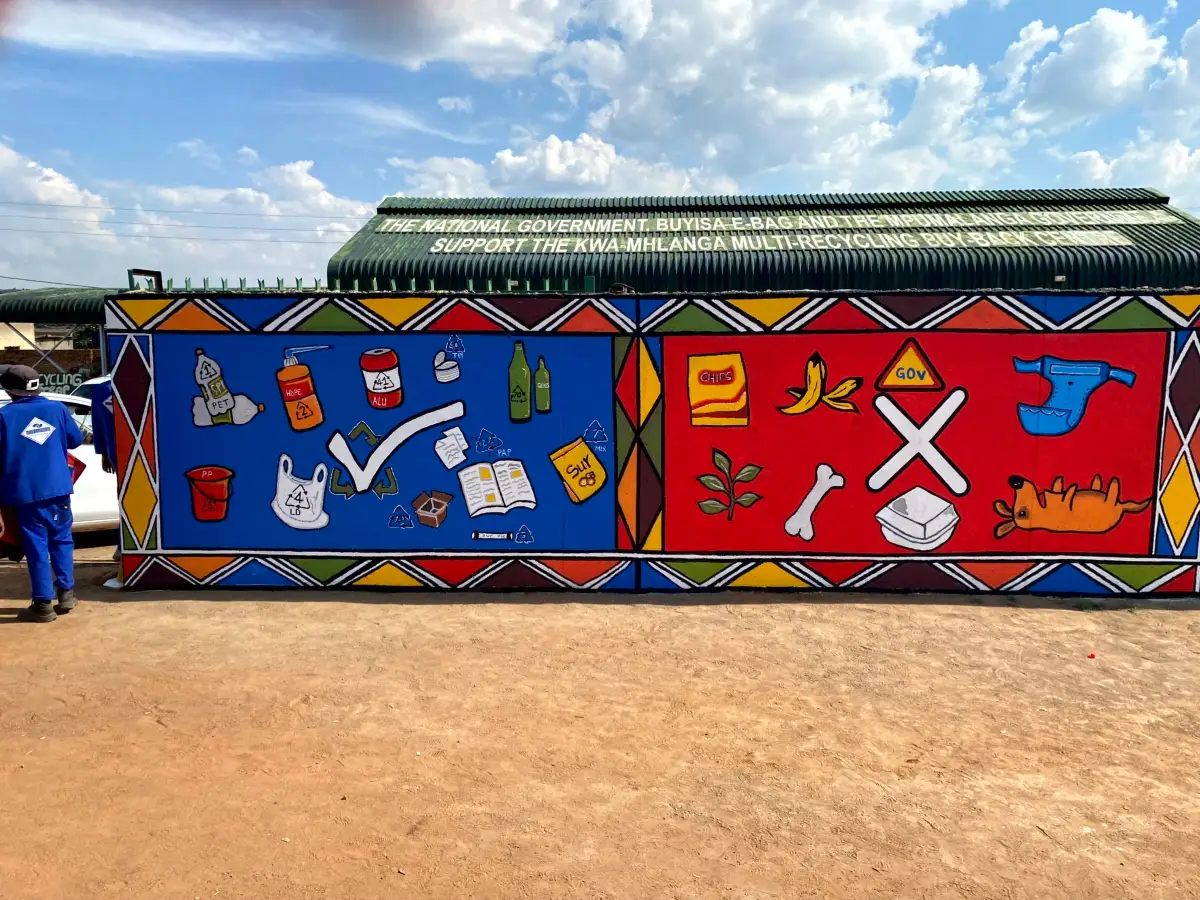
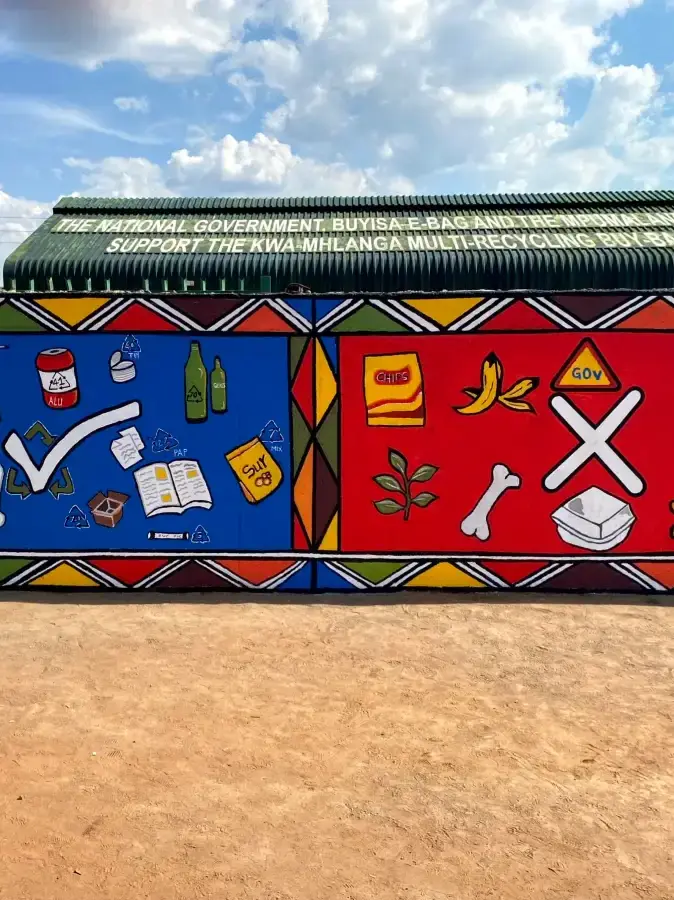
Clear labelling and colour-coding systems help students quickly identify the correct disposal options. Use consistent colours throughout the school—typically green for organics, blue for recyclables, and black for general waste. Include both text and pictorial guides to accommodate different literacy levels and learning styles.
Engaging students requires involving them in programme development and monitoring. Consider student-led waste audits, recycling competitions between classes, and peer education programmes where older students mentor younger ones in proper waste separation techniques.
Measuring programme success involves tracking key metrics:
- Contamination rates in recycling streams through regular bin audits
- Overall waste reduction through weight measurements
- Student participation levels through observation and surveys
- Knowledge retention through periodic assessments
- Behaviour changes extending beyond school to home environments
What budget considerations should schools keep in mind?
Educational institutions should evaluate total cost of ownership rather than initial purchase price alone, considering maintenance requirements, replacement frequency, and potential savings through effective waste management programmes. Quality bins often provide better long-term value despite higher upfront investment.
Initial investment varies significantly based on bin quality, features, and quantity required. Budget for complete coverage, including classrooms, common areas, outdoor spaces, and administrative areas. Consider phased implementation if budget constraints limit immediate full deployment.
Maintenance costs include regular cleaning supplies, occasional repairs, and eventual replacements. Higher-quality bins typically require less frequent maintenance and last longer, reducing these ongoing expenses. Factor in staff time for emptying, cleaning, and maintaining the waste management system.
Potential cost savings through effective waste management include reduced general waste collection fees, possible income from recyclable materials, and educational benefits that support environmental curriculum requirements without additional programme costs.
How BINBIN helps with school waste management solutions
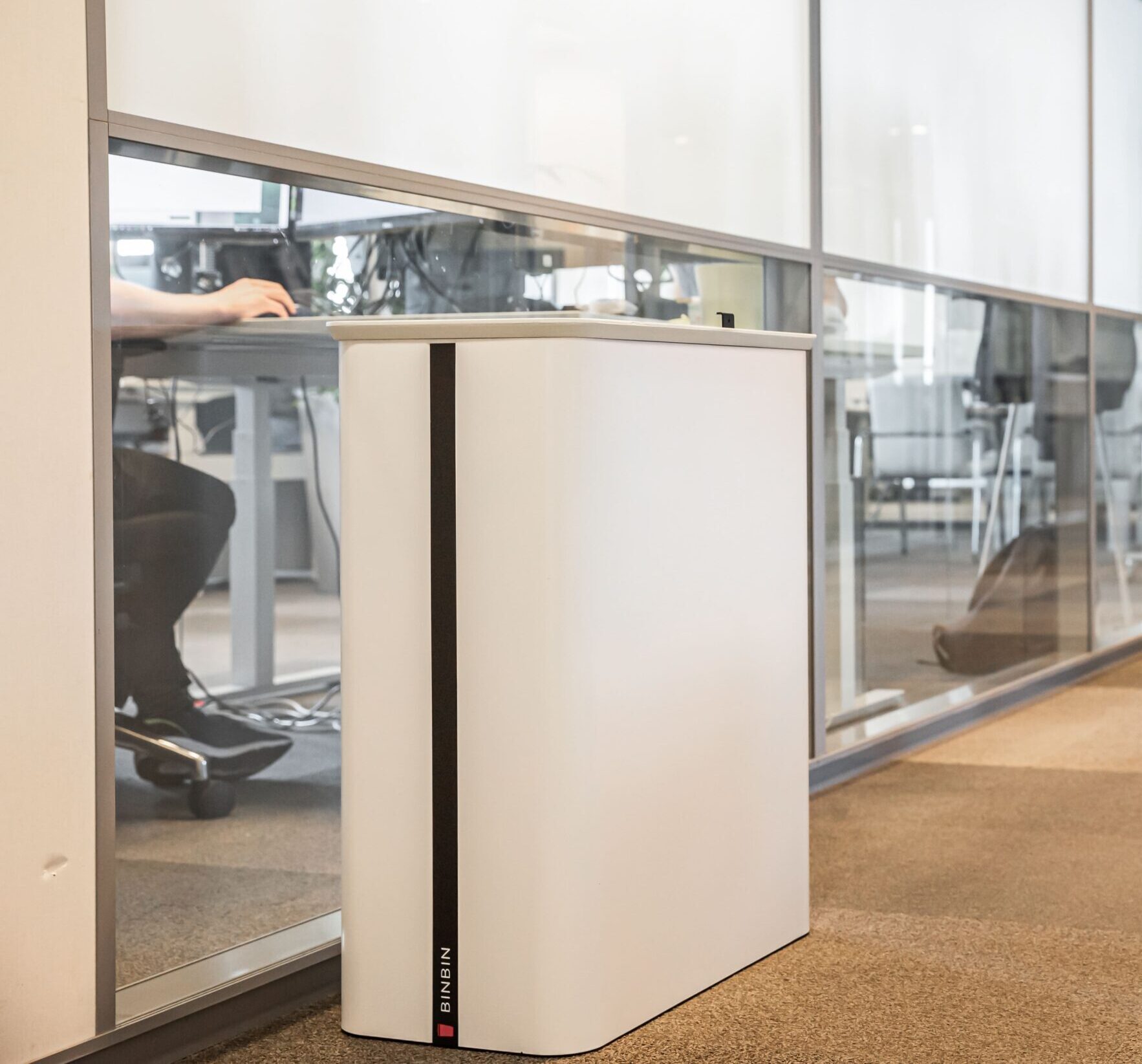
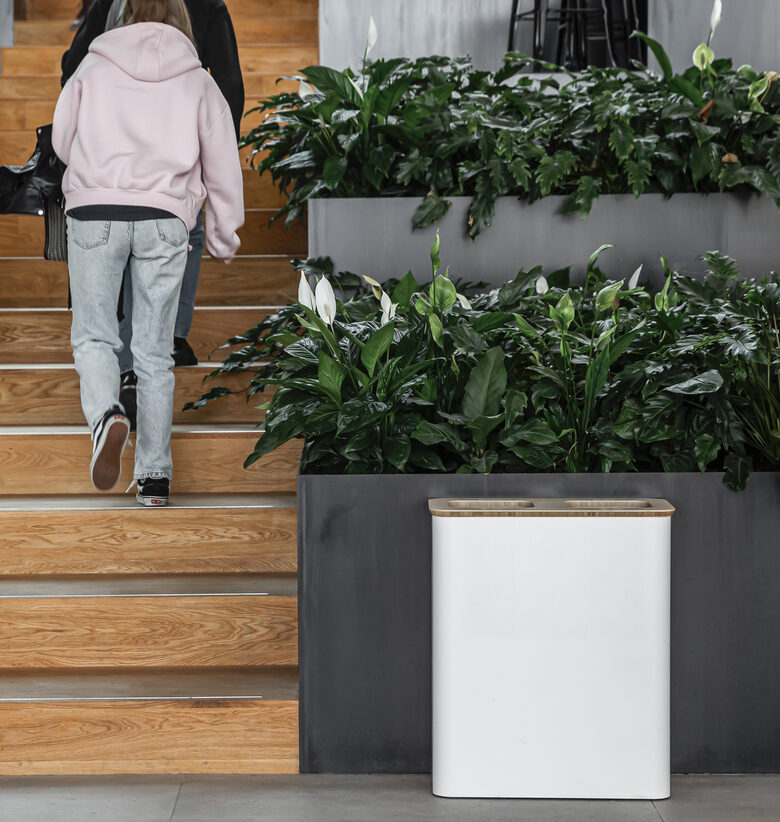
BINBIN's modular educational waste solutions provide schools with flexible, durable systems that grow and adapt to changing needs throughout the academic year. Our Globular series enables institutions to start with basic separation and expand to more complex systems as students develop better waste management habits.
Key benefits for educational institutions include:
- Modular flexibility allowing 1–8 waste streams that can be reconfigured as programmes evolve
- 99% circular construction from recycled materials, supporting sustainability curriculum goals
- Child-safe design with rounded edges and secure, quiet-closing mechanisms
- Customisation options including school branding and educational messaging
- Internal splitting capabilities that eliminate the need for additional bins as programmes expand
Our solutions serve educational institutions across primary and secondary levels, with specific configurations designed for classroom, cafeteria, and outdoor applications. The modular design means schools can start with simple systems and add complexity as students demonstrate mastery of waste separation principles.
Ready to implement an effective waste management system that supports your educational goals? Explore our trial placement programme to experience how BINBIN's modular solutions can transform your school's approach to waste management while supporting environmental education objectives.