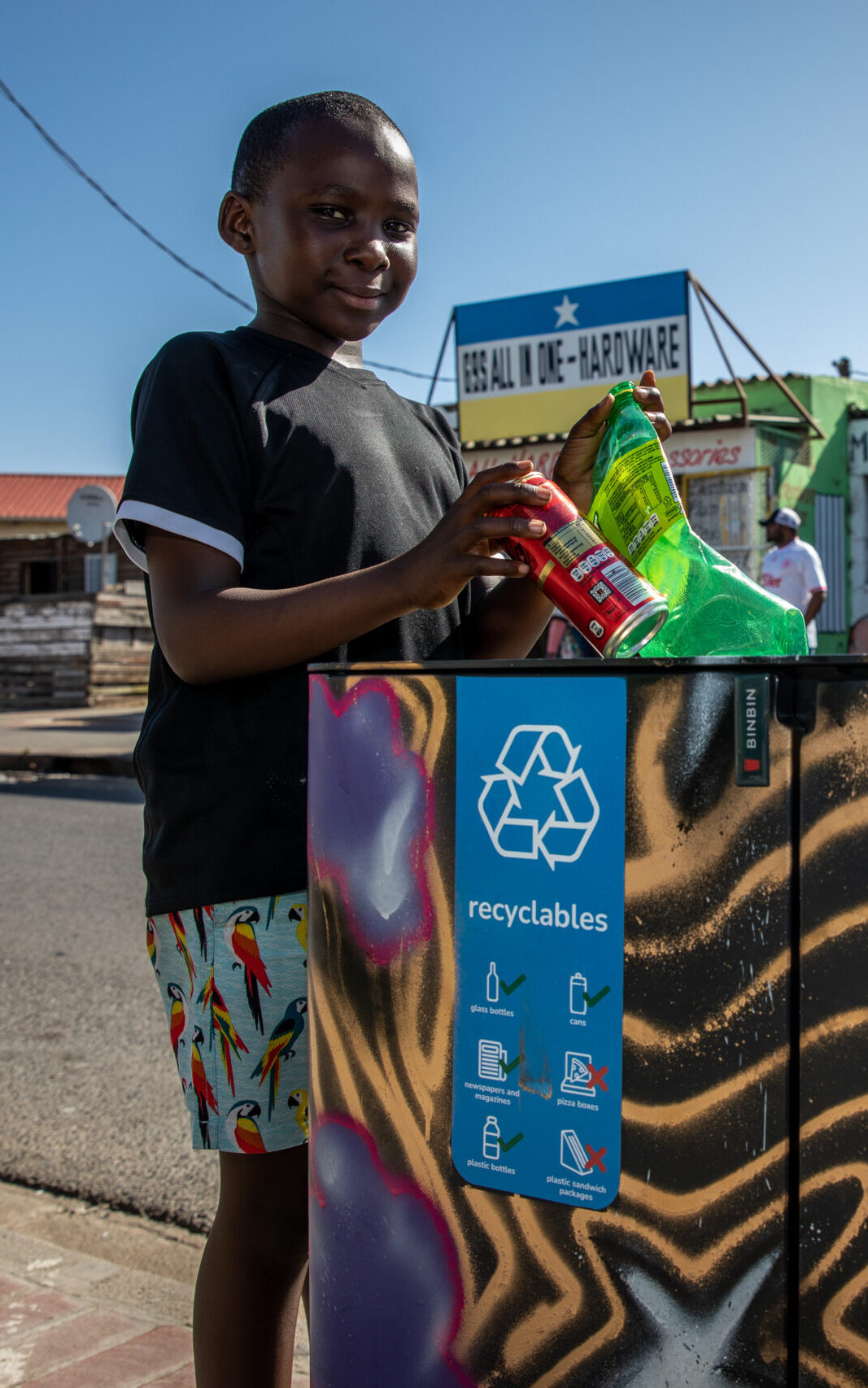
Creating waste separation awareness involves developing employees’ understanding of proper waste-sorting techniques and building organisational systems that support consistent recycling behaviour. This requires combining educational initiatives with clear communication strategies and strong leadership commitment. Effective awareness programmes address both knowledge gaps and behavioural barriers while making waste-disposal practices intuitive for all team members.
What is waste separation awareness and why does it matter for businesses?
Waste separation awareness is the understanding and knowledge employees need to sort waste materials properly into designated categories such as recyclables, general waste, and organic materials. This awareness includes knowing which materials belong in each stream and understanding the environmental and business benefits of proper sorting.
The business benefits of strong waste separation awareness are substantial. Cost reduction occurs when properly separated recyclables reduce general waste-disposal fees, which can be significant given that waste-management costs continue to rise across South Africa. Regulatory compliance becomes achievable when employees understand sorting requirements, helping organisations meet environmental legislation without constant oversight.
Improvements in environmental impact build corporate reputation and support sustainability goals. When employees understand how their actions contribute to circular-economy principles, they become active participants in reducing landfill waste. This awareness also enhances employee engagement, as team members feel they are contributing meaningfully to environmental protection through daily workplace actions.
How do you assess current waste separation knowledge in your workplace?
Assessing current waste separation knowledge requires systematic observation and measurement to identify knowledge gaps and establish baseline performance levels. Start with direct observation of existing waste-disposal behaviour, noting common sorting mistakes and areas where confusion occurs.
Conduct anonymous employee surveys that ask specific questions about waste categories and sorting procedures. Include visual examples of common office items and ask respondents to identify the correct disposal method. This reveals knowledge gaps without prompting defensive responses about current practices.
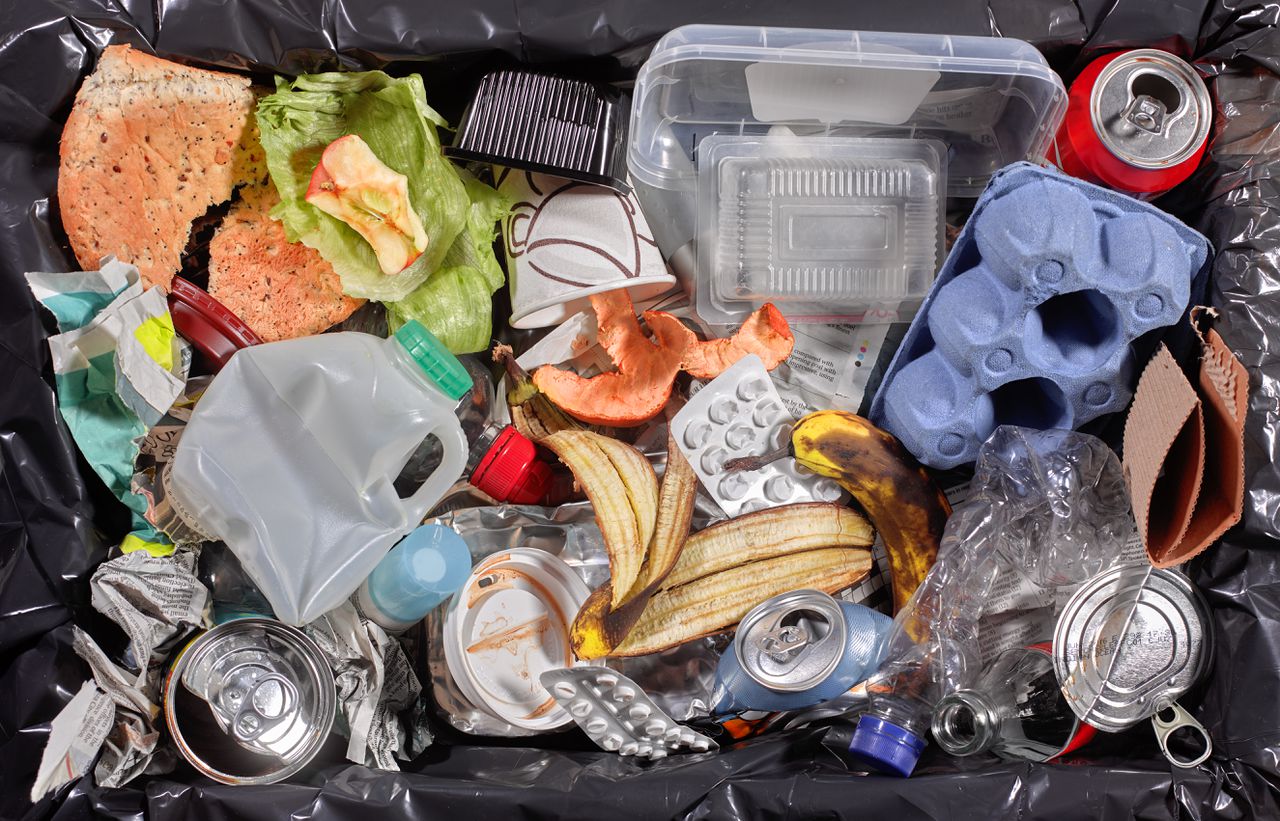
Perform regular waste audits by examining bin contents across different areas of your workplace. Document contamination levels in recycling streams and identify frequently misplaced items. These audits provide objective data about actual behaviour versus stated knowledge.
Observe behavioural patterns across different times and locations. Notice whether confusion increases in areas with poor signage or inadequate bin placement. Track whether certain waste streams consistently show higher contamination rates, indicating specific educational needs.
What are the most effective communication strategies for waste separation education?
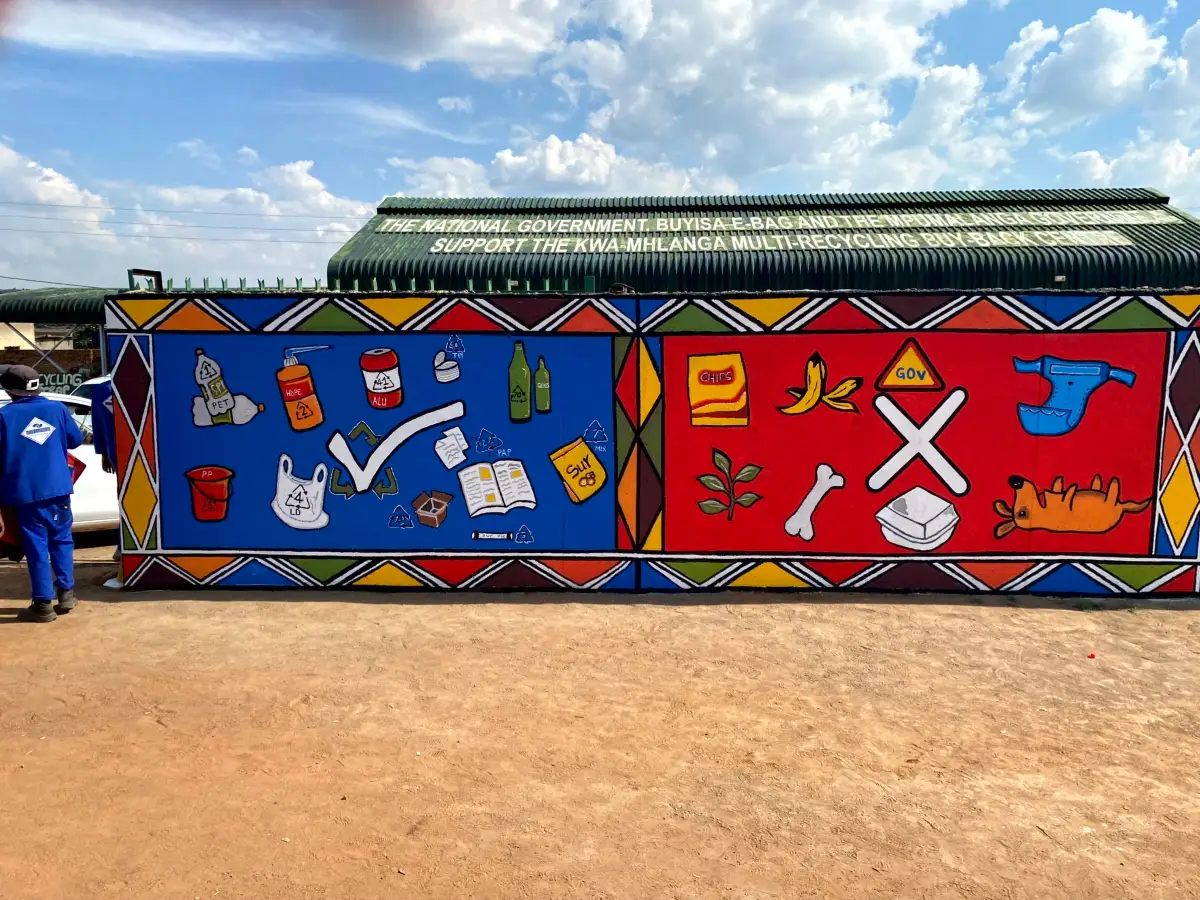
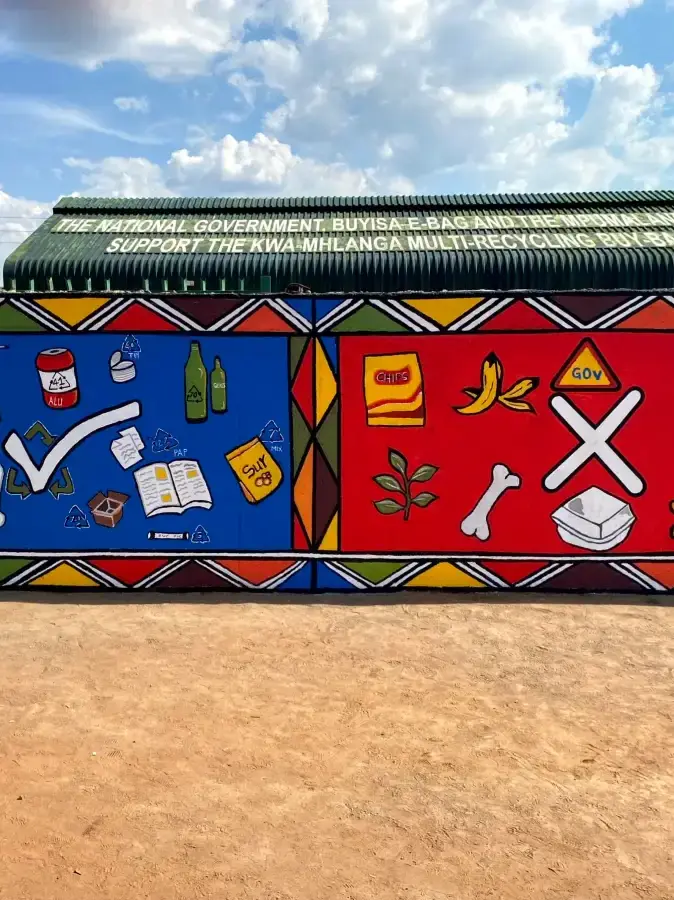
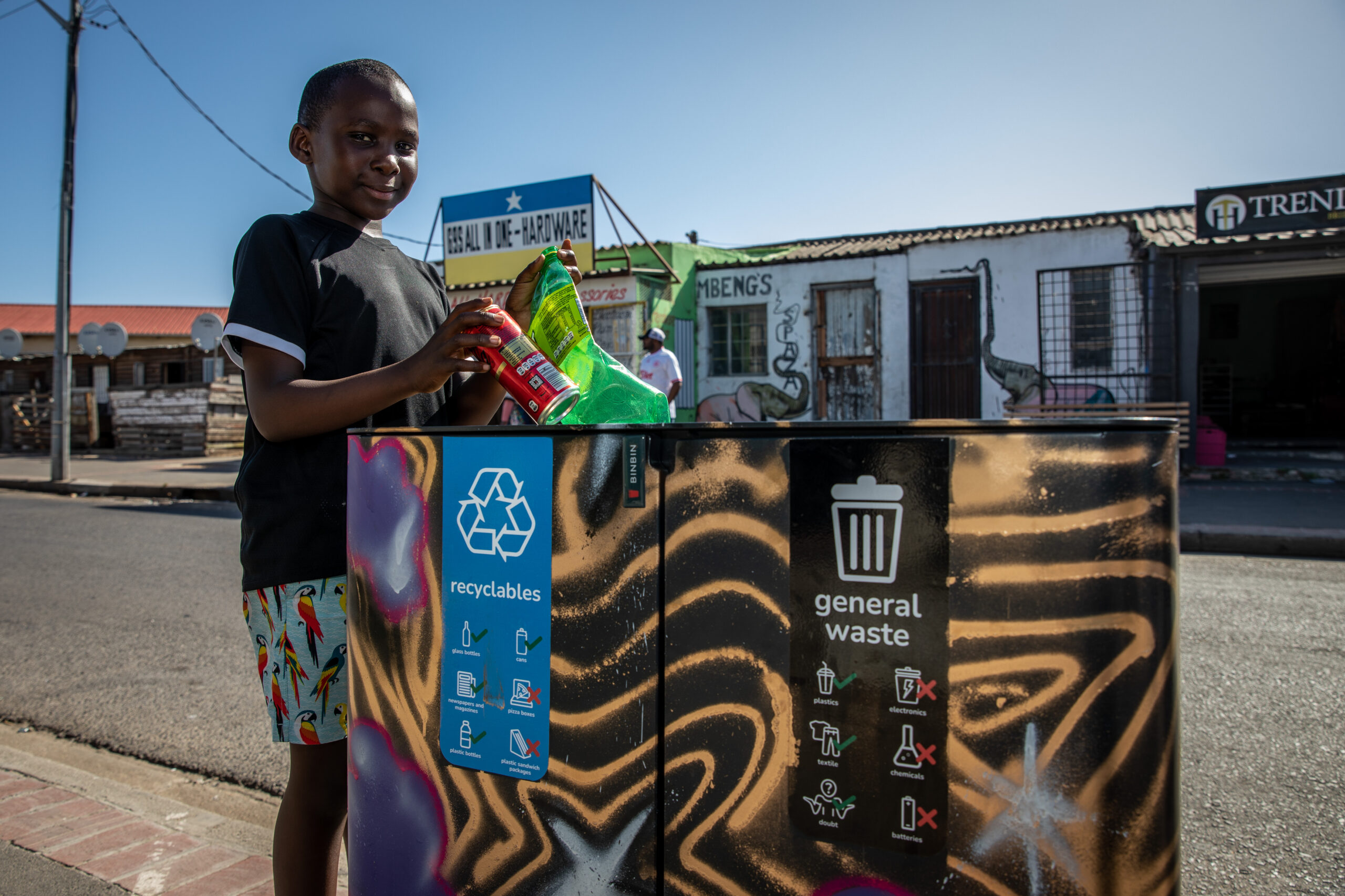
Effective communication strategies combine visual clarity with consistent messaging across multiple channels to reinforce proper waste-separation practices. Visual signage remains the most immediate intervention, using clear pictorial guides that show exactly which items belong in each waste stream.
Digital campaigns through email newsletters, intranet posts, and screen savers maintain awareness between formal training sessions. Share brief tips, highlight success stories, and address common sorting mistakes with friendly reminders rather than criticism.
Interactive workshops allow hands-on learning, where employees can ask questions and practise sorting real workplace items. These sessions work best when they are brief, practical, and held in small groups that encourage participation.
Peer-to-peer education creates lasting impact through office waste management champions who support colleagues and answer questions informally. Train enthusiastic volunteers to become workplace recycling ambassadors who can provide ongoing guidance and encouragement.
Message framing should emphasise positive outcomes rather than focusing on mistakes. Highlight environmental benefits, cost savings, and collective achievement rather than individual compliance failures. Regular communication maintains momentum without overwhelming busy employees.
How do you create engaging training programs that change recycling behavior?
Creating engaging training programmes requires interactive elements that make waste separation education memorable and immediately applicable. Design sessions that combine information with hands-on practice using actual workplace waste items.
Structure your training programme using these key elements:
- Interactive demonstrations where participants sort real office waste into appropriate categories
- Gamification elements such as team challenges or knowledge quizzes with small prizes
- Practical exercises using items commonly found in your specific workplace
- Clear visual aids showing correct and incorrect sorting examples
- Brief sessions lasting 15–20 minutes to respect busy schedules
Make training relevant by addressing specific items employees encounter daily. Include problem items that frequently cause confusion, such as coffee cups with plastic lids, food packaging, or electronic components. Address common misconceptions and explain the reasoning behind sorting decisions.
Follow up training with practical support materials such as desk-side reference cards or mobile-friendly sorting guides. Provide multiple learning formats to accommodate different preferences and ensure key information remains accessible when needed.
What role does leadership play in building waste separation awareness?
Leadership commitment provides the foundation for successful waste separation awareness by demonstrating organisational priority and allocating the necessary resources. When management visibly participates in waste-separation practices, it signals genuine commitment rather than superficial compliance.
Effective leadership involvement includes policy development that clearly outlines expectations and procedures. Leaders must allocate adequate resources for proper waste-management infrastructure, training programmes, and ongoing support systems.
Visible participation means managers actively demonstrate proper sorting behaviour and engage in awareness initiatives. This includes attending training sessions, participating in waste audits, and discussing sustainability achievements in team meetings.
Create accountability systems through regular progress reviews and recognition programmes. Leaders should celebrate improvements, address challenges constructively, and maintain consistent messaging about the importance of proper waste separation.
Resource allocation demonstrates commitment through investment in appropriate waste-disposal infrastructure, quality signage, and adequate training time. Leaders must also support ongoing initiatives rather than treating awareness as a one-time project.
How do you maintain long-term engagement with waste separation initiatives?
Maintaining long-term engagement requires regular reinforcement through varied approaches that prevent awareness fatigue while keeping waste-separation practices visible and relevant. Develop a communication calendar that provides consistent reminders without overwhelming employees.
Progress tracking creates ongoing motivation by sharing achievements such as recycling volumes, cost savings, or environmental impact measurements. Display progress visually through charts, infographics, or regular updates that demonstrate collective success.
Recognition programmes acknowledge both individual champions and team achievements. This might include:
- Monthly recognition for departments with excellent sorting practices
- Highlighting employee suggestions that improve waste-management systems
- Celebrating milestones such as waste-reduction targets or contamination improvements
- Sharing success stories that connect daily actions to broader environmental benefits
Continuous improvement keeps initiatives fresh through regular system updates, new educational materials, and responses to changing workplace needs. Conduct periodic reviews to identify emerging challenges and adapt awareness strategies accordingly.
Prevent awareness fatigue by varying communication methods and focusing on positive progress rather than constant reminders about requirements. Integrate waste separation awareness into broader sustainability initiatives to maintain relevance and interest.
How BINBIN helps with waste separation awareness
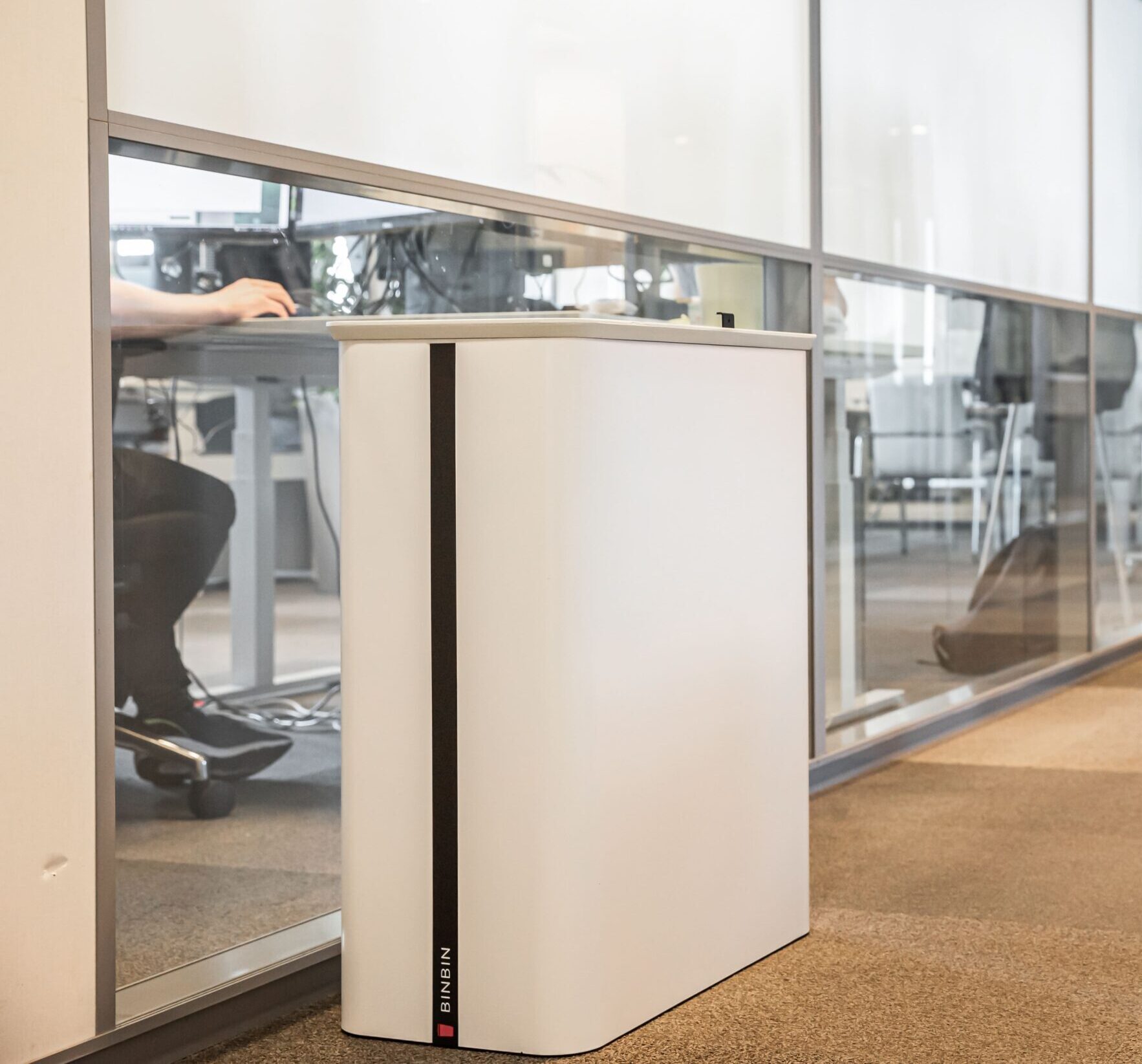
BINBIN’s modular waste separation solutions directly support awareness-building through intuitive design features that make proper sorting obvious and accessible. Our systems eliminate confusion by providing clear visual guidance and flexible configurations that adapt to your specific workplace needs.
Our comprehensive approach to awareness-building includes:
- Intuitive waste separation systems with clear visual indicators for different waste streams
- Customisable signage and educational materials tailored to your workplace
- Professional guidance on optimal placement and configuration for maximum employee engagement
- Ongoing support through our personalised advice and implementation service
We provide educational support materials, including pictograms, stickers, and communication resources, that reinforce proper sorting behaviour. Our trial placement programme allows you to test our solutions and gather employee feedback before full implementation.
Our team works with you to develop effective communication strategies that support your awareness initiatives. We understand that successful waste separation depends on both proper infrastructure and employee engagement, which is why our approach addresses both technical and educational needs.
Ready to build effective waste separation awareness in your workplace? Explore our modular solutions and discover how BINBIN can support your sustainability goals with systems designed for lasting employee engagement.