Developing effective waste policies requires clear objectives, stakeholder engagement, and practical implementation strategies that align with regulatory requirements. Successful policies combine waste hierarchy principles with measurable outcomes, appropriate infrastructure, and ongoing monitoring. The key lies in creating comprehensive frameworks that address current waste management needs while ensuring employee compliance and continuous improvement through data-driven adjustments.
What makes a waste policy truly effective in practice?
Effective waste policies combine clear objectives with measurable outcomes while engaging all stakeholders in practical implementation. They establish specific targets for waste reduction, recycling rates, and disposal methods that align with regulatory requirements and organisational sustainability goals.
The most successful waste policies incorporate the waste hierarchy principle, prioritising waste avoidance, reduction, reuse, recycling, recovery, treatment, and, as a last resort, safe disposal. This approach, fundamental to South Africa's National Environmental Management: Waste Act, 2008, ensures systematic waste management that minimises environmental impact.
Strong policies also feature comprehensive stakeholder engagement from development through implementation. They address practical concerns such as infrastructure requirements, staff training needs, and budget considerations. Regular review mechanisms allow policies to adapt to changing waste streams, regulatory updates, and operational improvements.
How do you assess your organisation's current waste management needs?
Comprehensive waste assessment begins with conducting detailed waste audits to identify all waste streams, volumes, and current disposal methods. This baseline analysis reveals opportunities for improvement and establishes metrics for measuring policy effectiveness.
Start by mapping your organisation's waste generation patterns across different areas and activities. Document current practices, including:
- Types and quantities of waste produced daily, weekly, and monthly
- Existing separation and storage methods
- Current disposal costs and service providers
- Staff behaviour and compliance levels with existing procedures
- Available space and infrastructure for waste management systems
Analyse this data to identify problem areas where waste separation is poor, costs are high, or compliance is lacking. Consider seasonal variations and special circumstances that might affect waste patterns. This thorough assessment provides the foundation for developing targeted policy interventions that address your organisation's specific challenges.
What are the essential components every waste policy should include?
Every effective waste policy must include clear roles and responsibilities alongside detailed procedures for handling different waste types. Essential components ensure comprehensive coverage of waste management activities while maintaining regulatory compliance.
Your policy framework should incorporate these critical elements:
- Waste hierarchy principles defining the priority order for waste management decisions
- Specific procedures for each waste stream, including separation, storage, and disposal methods
- Clear assignment of responsibilities for managers, employees, and cleaning staff
- Compliance requirements aligned with local and national regulations
- Training protocols ensuring all staff understand their obligations
- Monitoring and reporting mechanisms for tracking performance
- Emergency procedures for handling hazardous or unusual waste situations
Include practical details such as container specifications, labelling requirements, and collection schedules. Address both routine waste management and special circumstances. Ensure your policy covers legal obligations while providing clear guidance that employees can easily follow in their daily activities.
How do you ensure employee buy-in and compliance with waste policies?
Employee engagement requires comprehensive training programmes combined with clear communication about the benefits and importance of proper waste management. Success depends on making compliance easy and rewarding while addressing resistance through education and support.
Develop multi-layered engagement strategies that address different learning styles and motivations. Provide initial training sessions explaining policy requirements, environmental benefits, and individual responsibilities. Follow up with regular refresher training and updates on performance improvements.
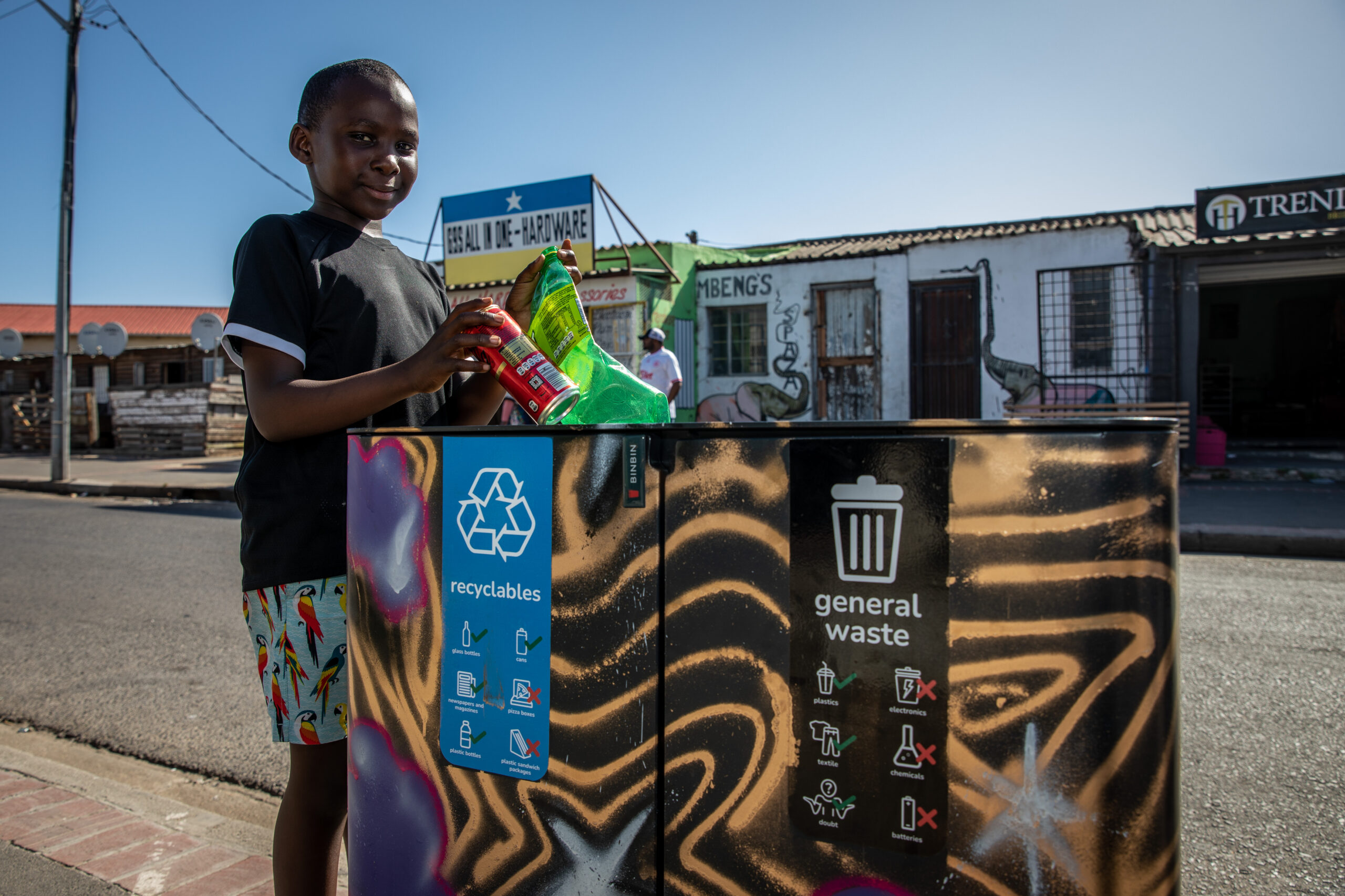
Create incentive systems that recognise good performance and positive behaviour changes. This might include team challenges, recognition programmes, or linking waste management performance to broader sustainability goals. Make compliance convenient by ensuring adequate infrastructure, clear signage, and accessible waste separation systems.
Address resistance proactively by listening to employee concerns and adapting systems based on feedback. Communicate success stories and progress updates to maintain momentum. Regular surveys and feedback sessions help identify problems before they become widespread compliance issues.
What common mistakes should you avoid when implementing waste policies?
The most frequent implementation failures stem from setting unrealistic targets without providing adequate infrastructure or training support. Organisations often underestimate the time and resources needed for successful policy adoption.
Avoid these critical mistakes that undermine policy effectiveness:
- Implementing policies without sufficient waste separation infrastructure
- Setting targets that are too ambitious for current organisational capacity
- Failing to communicate clearly why changes are necessary
- Neglecting ongoing monitoring and performance measurement
- Ignoring employee feedback and resistance to change
- Assuming compliance will happen automatically without reinforcement
Poor communication creates confusion and non-compliance. Ensure all stakeholders understand not just what they need to do, but why it matters. Inadequate monitoring means problems go undetected until they become serious issues. Regular assessment and adjustment prevent small problems from becoming major obstacles to policy success.
How do you measure and improve waste policy effectiveness over time?
Effective measurement requires establishing key performance indicators that track both quantitative outcomes and qualitative improvements in waste management practices. Regular monitoring provides data for continuous policy refinement and demonstrates progress towards sustainability goals.
Develop comprehensive monitoring systems that capture:
- Waste diversion rates from landfill to recycling and recovery
- Contamination levels in separated waste streams
- Cost savings from improved waste management practices
- Employee compliance rates and engagement levels
- Regulatory compliance status and audit results
- Environmental impact reductions and sustainability metrics
Conduct quarterly reviews to assess progress against targets and identify areas needing attention. Gather feedback from employees, cleaning staff, and waste service providers to understand practical challenges. Use this information to make targeted improvements to procedures, training, or infrastructure.
Annual comprehensive reviews should evaluate overall policy effectiveness and identify opportunities for major improvements. Consider changes in business operations, regulatory requirements, or waste management technologies that might require policy updates.
How BINBIN helps with effective waste policy implementation
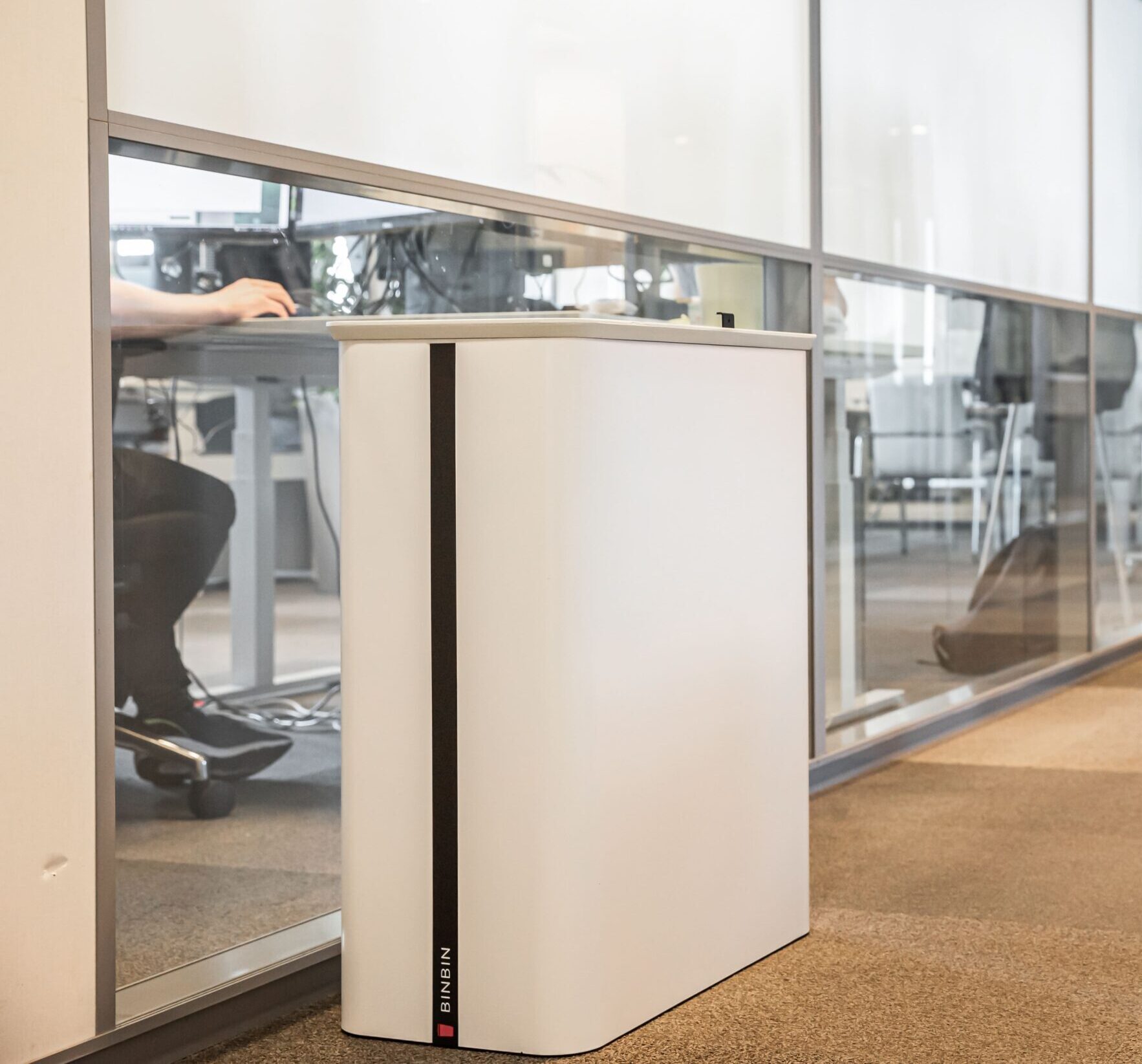
BINBIN's modular waste separation solutions provide the flexible infrastructure foundation that successful waste policies require. Our systems support policy implementation through adaptable configurations that grow with your organisation's needs while ensuring compliance with South African waste management regulations.
Our comprehensive support includes:
- Free waste assessments to identify optimal separation strategies for your organisation
- Modular systems that can separate 1-8 waste streams, with easy reconfiguration as needs change
- Professional guidance on implementation strategies and staff communication
- Custom branding and signage materials to reinforce policy messaging
- Ongoing support for monitoring and optimising waste separation performance
The office waste management solutions are specifically designed to integrate seamlessly into professional environments while encouraging employee participation. Our 99% circular design demonstrates your organisation's commitment to sustainability principles.
Ready to transform your waste policy from paper to practice? Contact us for a free trial placement and discover how our solutions can support your waste management objectives while enhancing your workplace environment.