Implementing waste separation at work involves establishing systematic processes to sort different waste types at their source, ensuring legal compliance while reducing environmental impact and operational costs. This requires assessing your current waste situation, choosing appropriate separation systems, engaging employees through training and clear communication, and measuring success through consistent monitoring. The approach must address common challenges such as contamination and space constraints while maintaining employee participation.
What is workplace waste separation and why is it essential?
Workplace waste separation is the systematic sorting of different waste types at their source within office environments, dividing materials into categories such as recyclables, organic waste, and general refuse. This practice has become legally mandatory under South Africa's National Environmental Management: Waste Act, 2008, which requires all property owners and occupants to separate waste to minimise environmental impact.
The legal framework mandates that recyclable waste must be stored separately from non-recyclable waste, with specific requirements for proper storage in approved containers until collection by accredited service providers. Metro municipalities are required to implement source separation by 2023, making compliance essential for all businesses.
Beyond legal compliance, workplace waste separation delivers significant environmental and financial benefits. It reduces the volume of waste sent to landfills, supports South Africa's circular economy goals, and can substantially lower waste disposal costs. Businesses often discover that properly separated recyclable materials can generate revenue streams while demonstrating corporate environmental responsibility to stakeholders and clients.
How do you assess your current office waste situation?
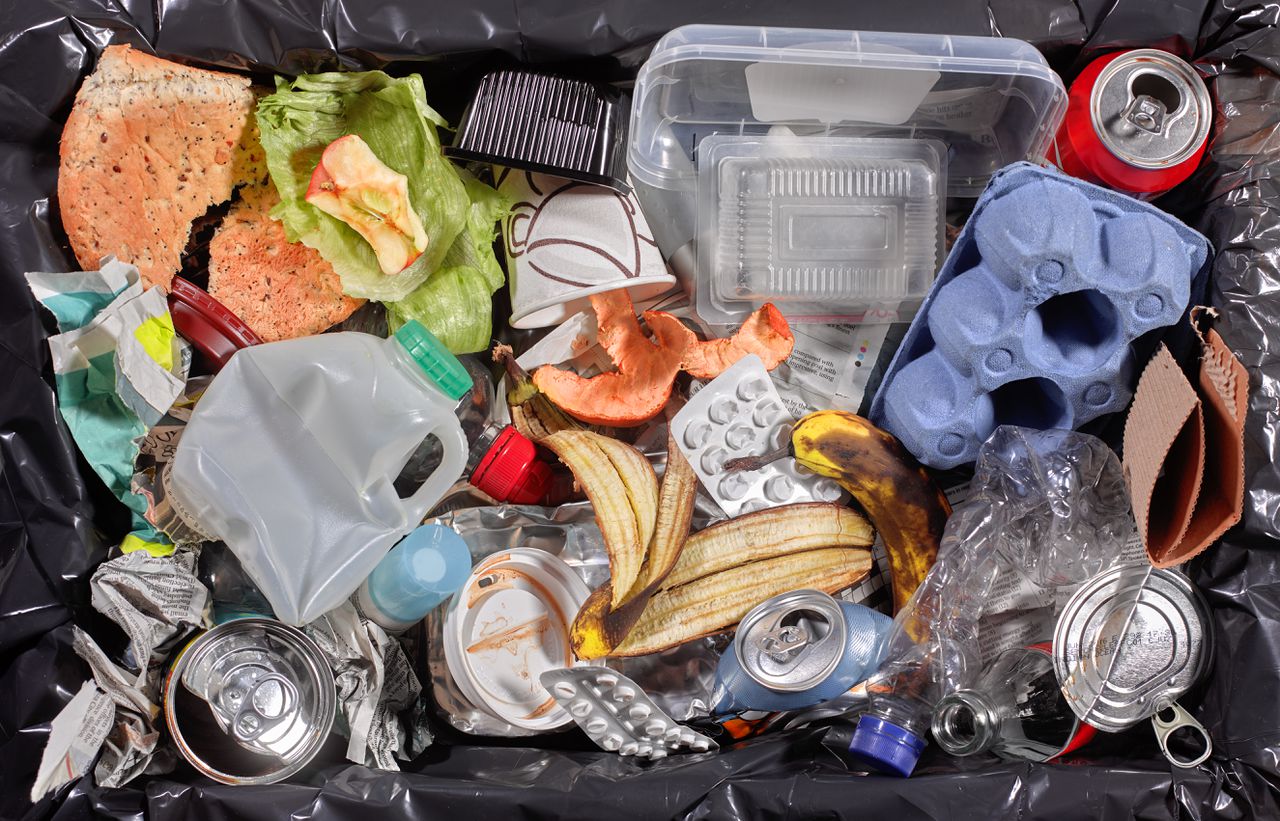
Conducting a comprehensive waste audit involves tracking all waste streams generated in your workplace over a representative period, typically one to two weeks. This assessment identifies the types and volumes of waste produced, current disposal costs, and employee waste habits that form your baseline metrics.
Start by documenting existing waste disposal arrangements, including container sizes, collection frequencies, and associated costs. For offices, this typically involves examining the standard 240-litre wheeled bins used in formal neighbourhoods or larger bulk containers ranging from 5 m³ to 30 m³ for bigger operations.
The audit process should include:
- Measuring waste volumes by category over multiple days
- Identifying peak waste generation times and locations
- Documenting current employee disposal behaviours
- Calculating total waste management costs, including collection and disposal fees
- Noting contamination levels in existing waste streams
This baseline data becomes crucial for designing effective separation systems and measuring improvement over time.
What types of waste separation systems work best in offices?
Office waste separation systems range from simple two-stream approaches separating recyclables from general waste to comprehensive multi-stream solutions handling paper, plastics, organic waste, and electronic materials separately. The most effective systems use modular designs that can adapt as business needs change.
Two-stream systems work well for smaller offices or organisations beginning their waste separation journey. These typically separate recyclable materials from general waste, making compliance straightforward while building employee habits. However, multi-stream systems offer greater environmental benefits and cost savings by enabling more precise material recovery.
Modular systems provide the greatest flexibility, allowing organisations to start with basic separation and expand capabilities over time. These systems can accommodate between one and eight different waste streams, with internal compartments that can be adjusted without requiring new containers. This adaptability proves particularly valuable as office waste management requirements evolve.
The choice depends on available space, employee readiness, and waste volume. Offices larger than 5,000 m² may require static compactors for efficient waste management, while smaller operations can manage effectively with strategically placed multi-compartment systems.
How do you get employees engaged with waste separation?
Employee engagement succeeds through comprehensive training, clear visual communication, and establishing waste champions who promote proper separation practices. Successful programmes combine initial education with ongoing reinforcement and recognition systems that maintain long-term participation.
Training programmes should explain the legal requirements, environmental benefits, and specific procedures for your waste separation system. Employees need to understand which materials belong in each stream and the consequences of contamination. This training works best when delivered in multiple formats, including presentations, written guides, and hands-on demonstrations.
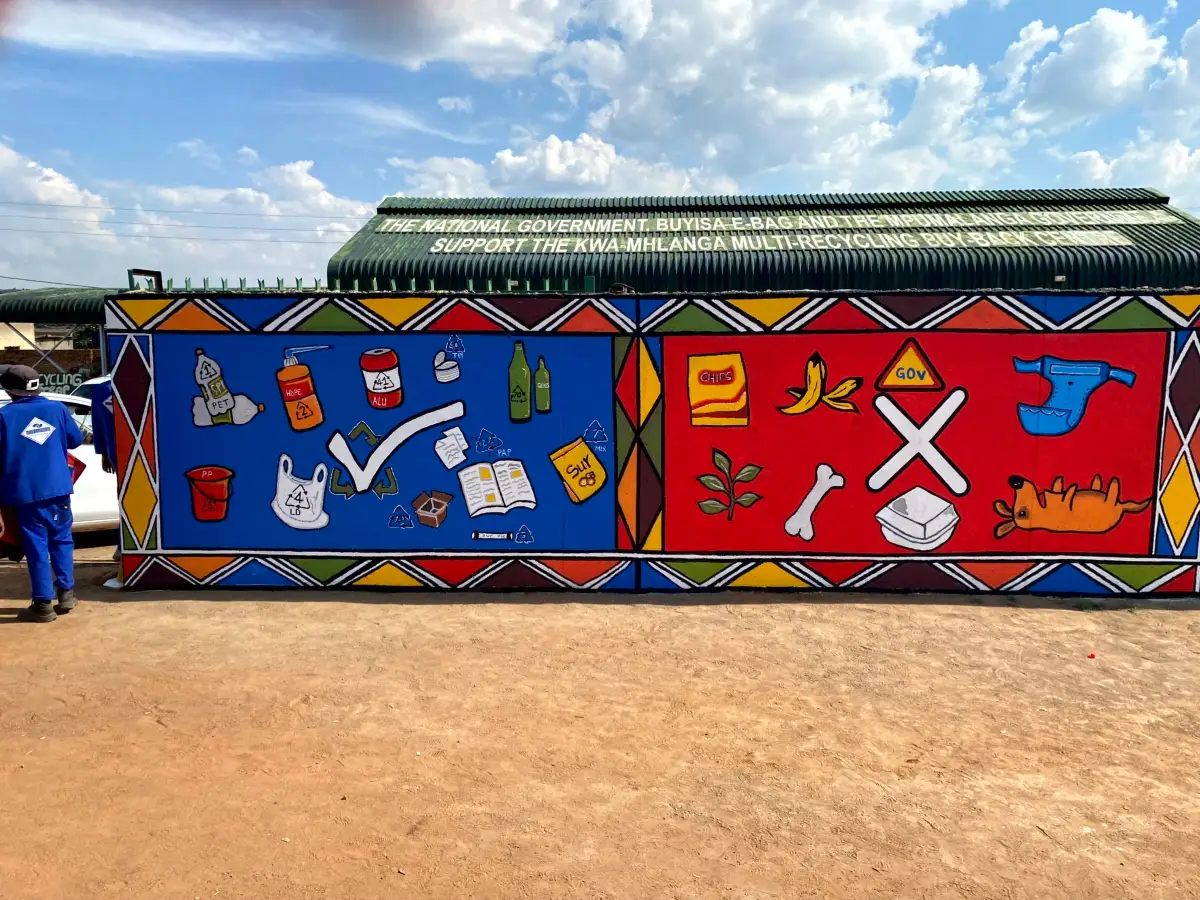
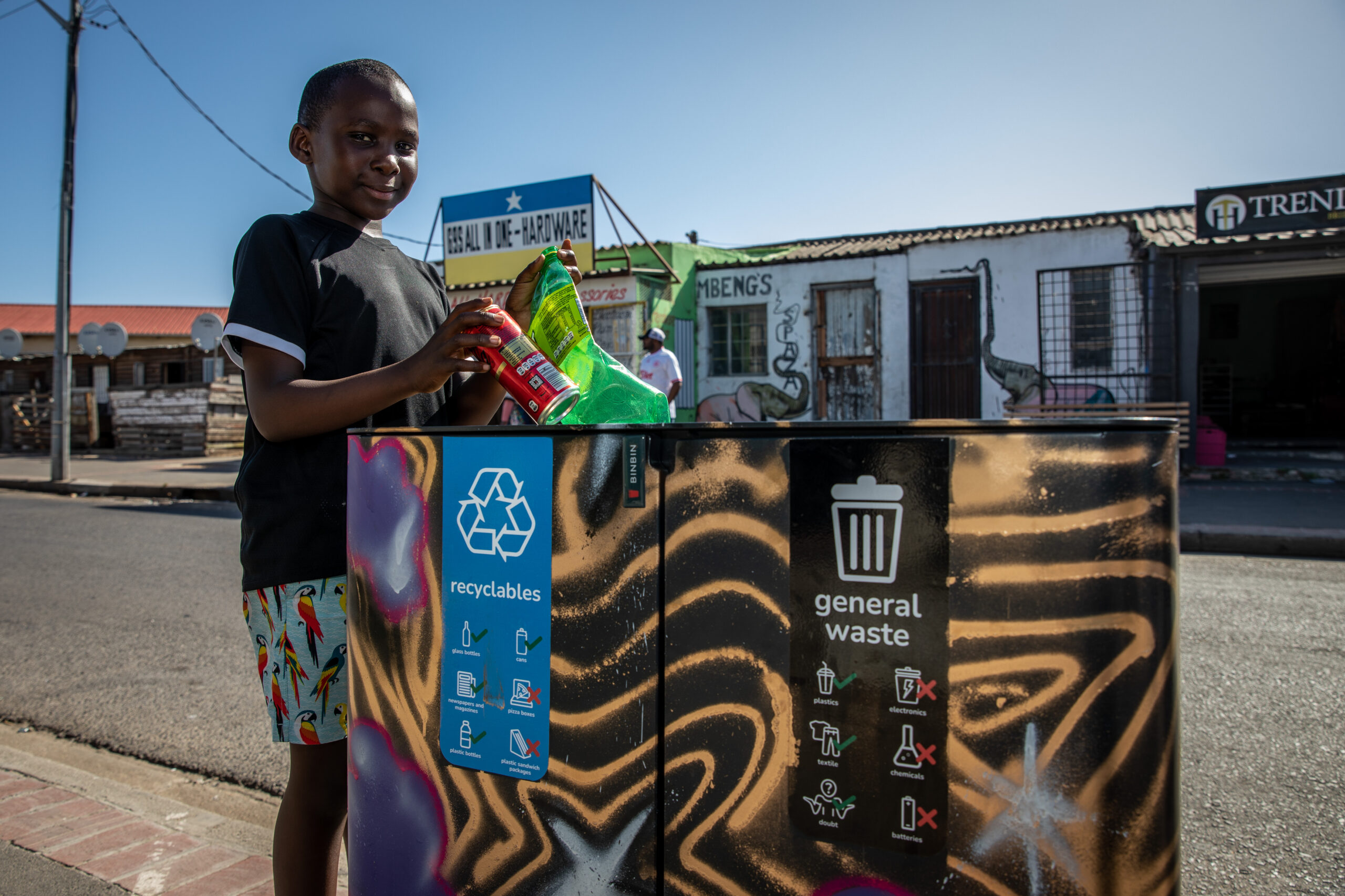
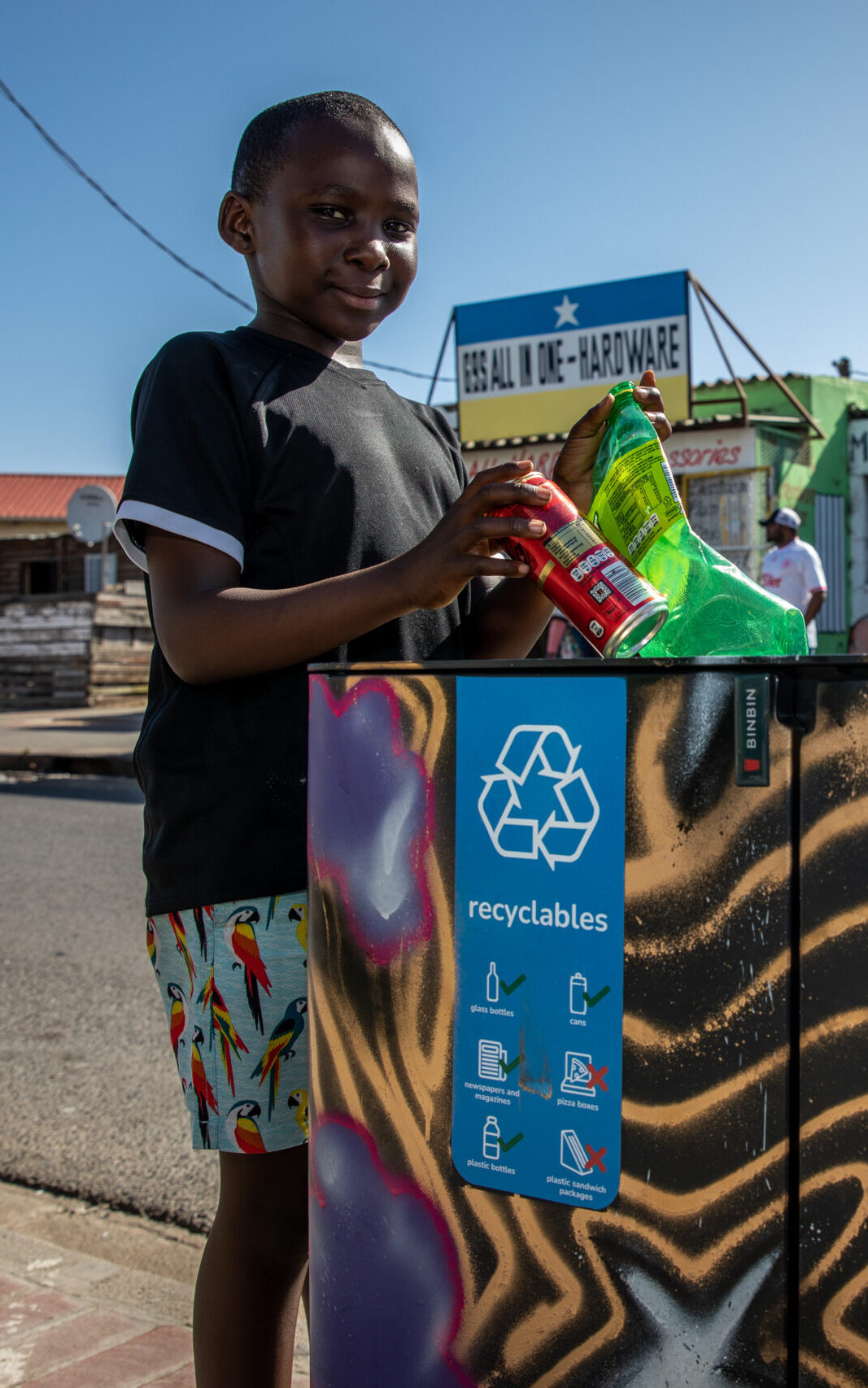
Clear signage and visual aids are essential for maintaining proper separation. Use pictograms and colour-coding that clearly indicate which materials belong in each container. Position these visual guides prominently at waste collection points and in common areas where employees make disposal decisions.
Establishing waste champions creates peer-to-peer support systems that sustain engagement. These volunteers can:
- Monitor separation quality and provide gentle corrections
- Answer colleagues’ questions about proper procedures
- Report system issues or improvement opportunities
- Celebrate successes and maintain momentum
- Gather feedback for continuous programme improvement
Regular feedback about programme performance, including waste diversion rates and cost savings, helps maintain employee motivation and demonstrates the impact of their efforts.
What are the common challenges when implementing waste separation?
The most frequent implementation challenges include contamination of separated waste streams, space constraints for multiple containers, initial setup costs, and employee resistance to changing established habits. Understanding these obstacles enables proactive solutions that ensure a successful programme launch.
Contamination occurs when materials are placed in incorrect waste streams, potentially rendering entire batches unsuitable for recycling. This happens most often during the initial implementation period, when employees are learning new procedures. Combat contamination through clear labelling, regular monitoring, and immediate feedback when mistakes occur.
Space constraints challenge many offices, particularly those with limited storage areas or narrow corridors. Modular systems address this by maximising separation options within compact footprints. Strategic placement in high-traffic areas where space permits, combined with smaller collection points throughout the office, creates effective coverage without overwhelming available space.
Employee resistance typically stems from concerns about increased complexity or time requirements. Address this by:
- Demonstrating that proper separation takes minimal additional time
- Explaining legal requirements and potential penalties for non-compliance
- Highlighting environmental and cost benefits
- Starting with simple systems before introducing more complex separation
- Gathering employee input on system design and placement
Initial costs for separation systems and training can concern budget-conscious organisations, but these investments typically generate returns through reduced waste disposal fees and potential revenue from recyclable materials.
How do you measure the success of your waste separation program?
Success measurement relies on key performance indicators, including waste diversion rates, contamination levels, cost savings, and employee participation metrics. Tracking these indicators consistently enables continuous improvement and demonstrates programme value to stakeholders.
Waste diversion rates measure the percentage of total waste diverted from landfills through recycling and other recovery methods. Calculate this by comparing volumes of separated materials against total waste generated. Successful programmes typically achieve diversion rates of 60–80%, depending on waste types and local recycling infrastructure.
Monitor contamination levels by regularly inspecting separated waste streams and documenting incorrect materials. Contamination rates below 5% indicate effective employee training and system design, while higher rates suggest the need for additional education or system modifications.
Financial tracking should include:
- Reduced general waste collection costs
- Revenue from recyclable material sales
- Avoided landfill disposal fees
- Programme implementation and maintenance costs
Employee participation metrics gauge engagement levels through surveys, waste champion feedback, and observation of proper separation behaviours. High participation rates correlate strongly with programme success and long-term sustainability.
Regular reporting to management and employees maintains visibility and support for continued programme investment and improvement.
How BINBIN helps with workplace waste separation implementation
BINBIN provides comprehensive support for successful workplace waste separation through modular systems, customised implementation guidance, and ongoing programme support. Our approach covers the entire journey, from initial assessment to long-term programme success.
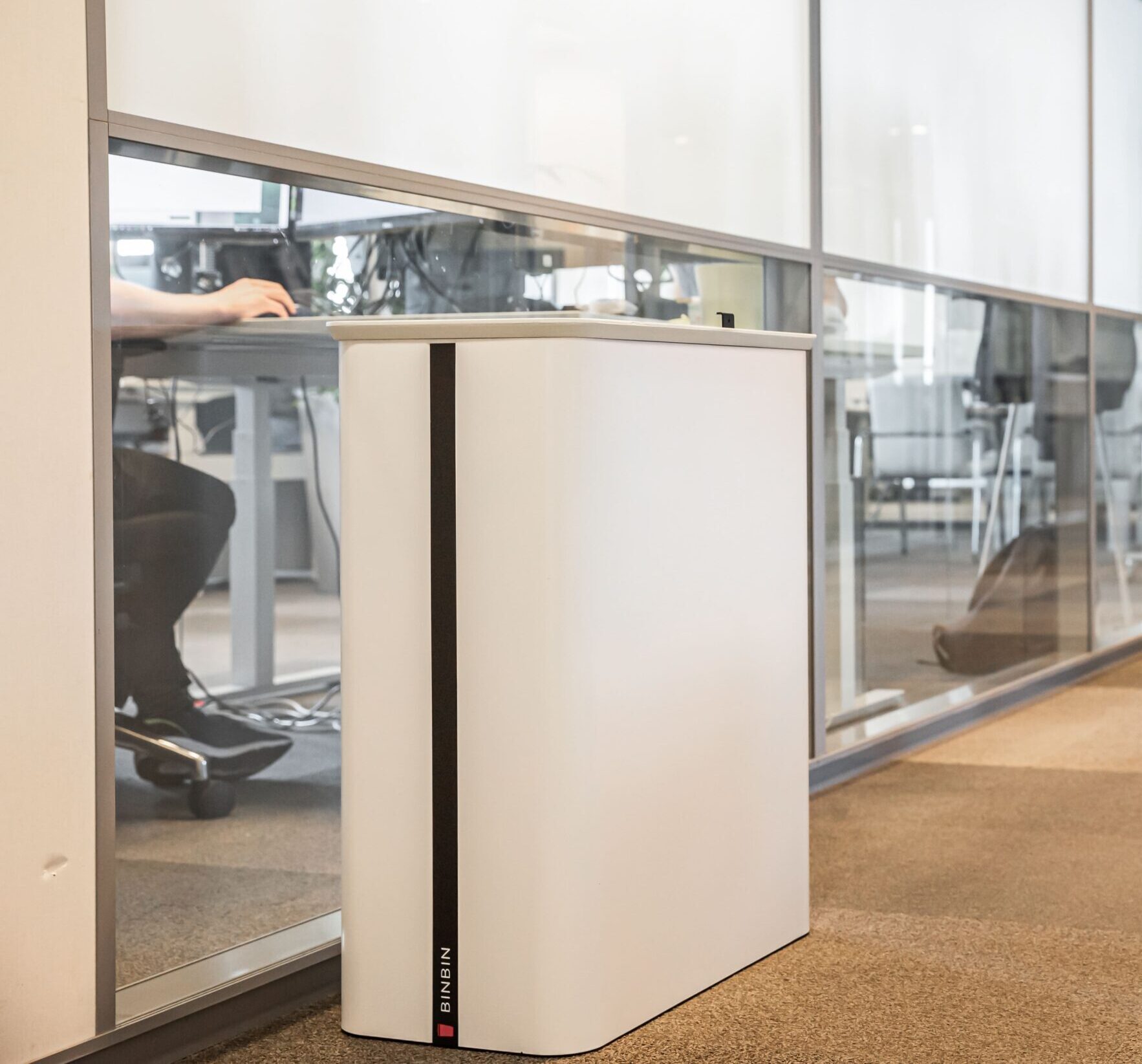
Our modular Globular series enables organisations to implement separation systems that grow with changing needs. These 99% circular systems can handle one to eight different waste streams, with internal compartments that adjust without requiring new containers. This flexibility is essential as organisations expand their separation capabilities over time.
BINBIN's implementation support includes:
- Free business scans and digital waste assessments to identify specific requirements
- Customised advice matching optimal separation solutions to your space and needs
- Communication materials, including pictograms, stickers, and signage, to support employee engagement
- Personalisation options with company branding to integrate seamlessly with office environments
- Ongoing support for system adjustments and programme optimisation
Our trial placement programme allows organisations to test systems before making a full commitment, ensuring an optimal fit and employee acceptance. This approach reduces implementation risks while building confidence in long-term success.
Ready to implement effective waste separation in your workplace? Contact BINBIN today to schedule your free business scan and discover how our modular solutions can help you achieve legal compliance while reducing costs and environmental impact.