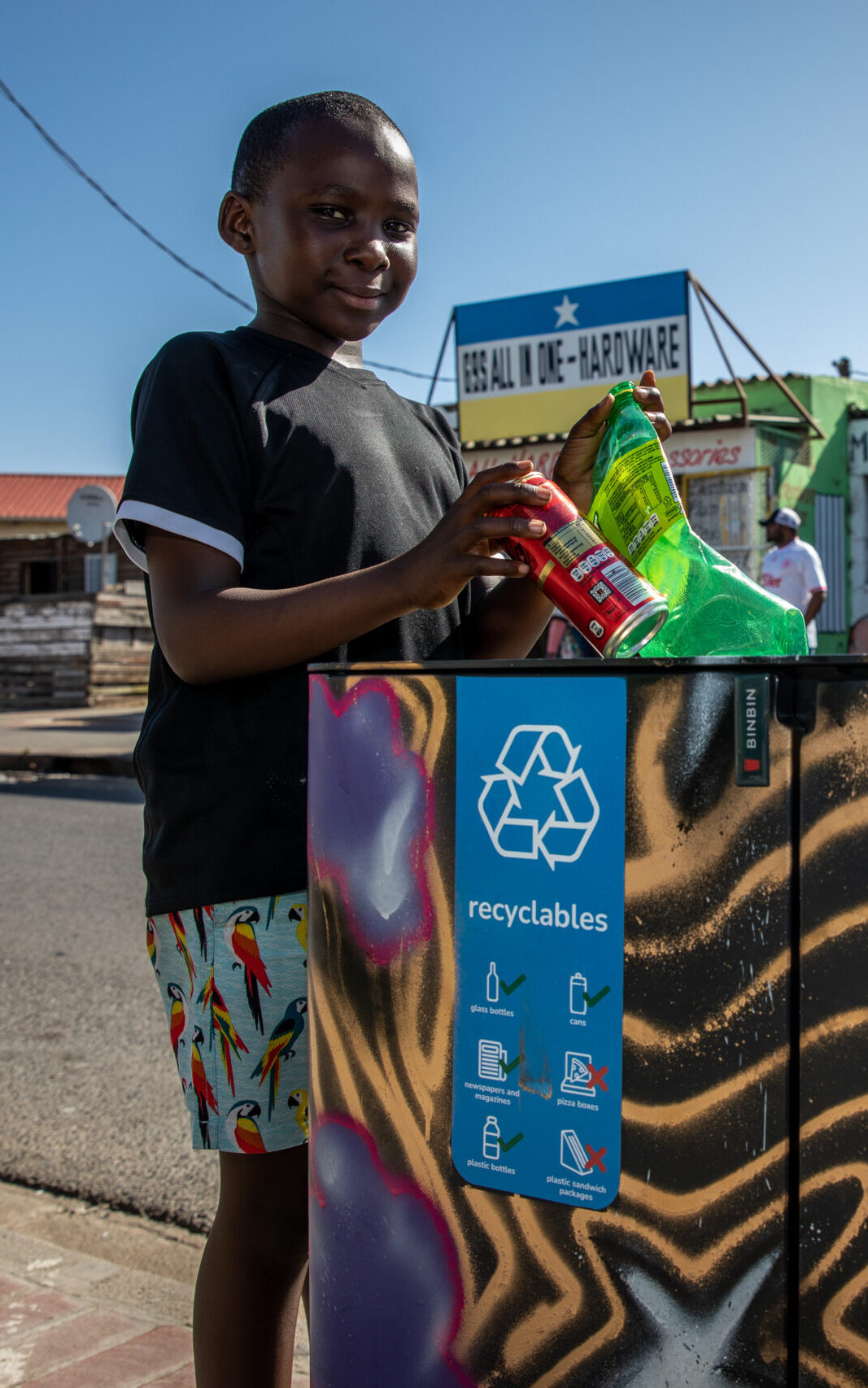
Improving employee waste separation habits requires addressing common barriers while creating convenient systems and meaningful incentives. Most workplace recycling failures stem from unclear processes, inconvenient bin placement, and a lack of proper training. Success comes from combining education, strategic infrastructure, positive reinforcement, and regular progress tracking to build lasting sustainable behaviours.
Why do employees struggle with proper waste separation at work?
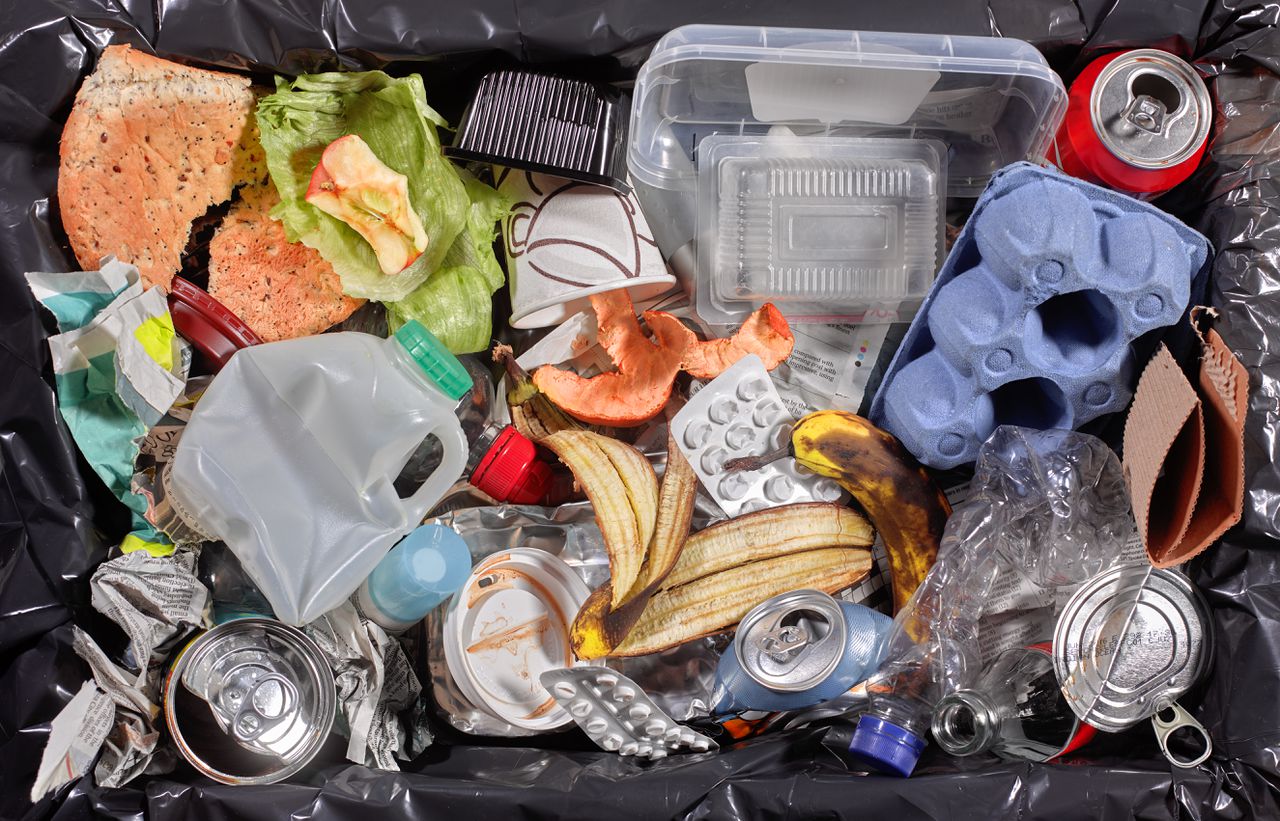
Employees struggle with workplace waste separation primarily due to unclear systems and inconvenient processes that make proper disposal more difficult than simply throwing everything into one bin. Without clear visual guidance and accessible infrastructure, even well-intentioned workers default to the easiest option.
Common barriers include poor bin placement that requires employees to walk across the office to dispose of specific waste types. When recycling bins are tucked away in corners while general waste bins sit conveniently at every desk, the choice becomes obvious. Unclear labelling compounds this problem, leaving employees uncertain about what goes where.
Insufficient training creates another significant hurdle. Many employees genuinely want to recycle properly but lack an understanding of contamination rules or local waste management requirements. Without proper education about why separation matters and how to do it correctly, compliance remains inconsistent.
The absence of accountability measures means there are no consequences for poor separation habits. When individual actions aren't tracked or acknowledged, employees may assume their efforts don't matter in the bigger picture.
What are the most effective ways to educate employees about waste separation?
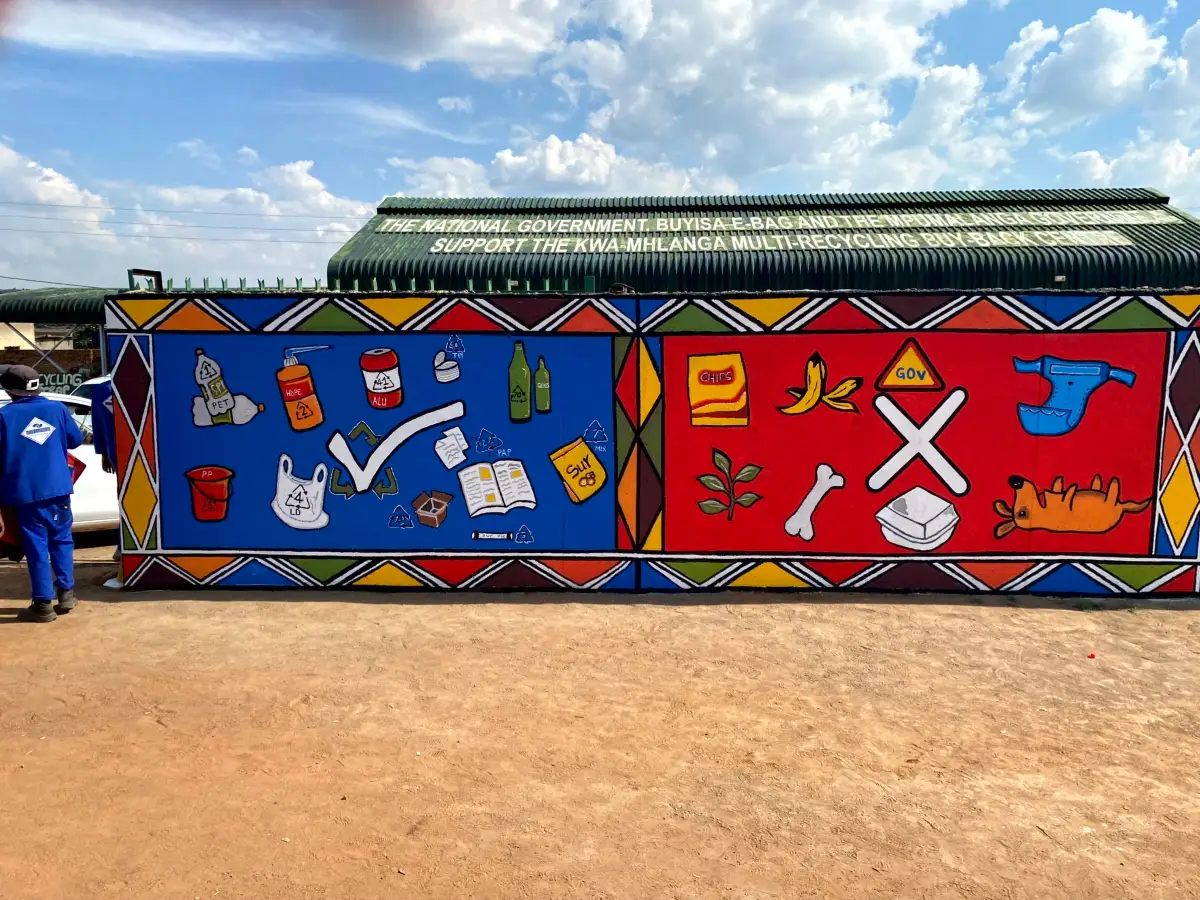
The most effective employee education combines visual communication strategies with hands-on learning experiences that make waste separation rules immediately clear and memorable. Visual guides placed directly on bins eliminate guesswork and provide instant reference points.
Interactive training sessions work better than passive presentations. Organise workshops where employees practise sorting common office waste items into appropriate categories. This hands-on approach helps people understand contamination rules and builds confidence in their sorting decisions.
Digital resources support ongoing learning through:
- Email reminders with quick tips and common mistakes
- Intranet pages featuring local recycling guidelines
- Short video tutorials showing proper sorting techniques
- Mobile apps that help identify where specific items belong
Peer-to-peer learning programmes create sustainability champions who can answer questions and model good behaviour. These informal educators often prove more effective than top-down mandates because they provide accessible, non-judgmental guidance.
Regular reinforcement through brief team meeting discussions or newsletter features keeps waste separation visible in workplace conversations without creating training fatigue.
How do you make waste separation convenient and intuitive for office workers?
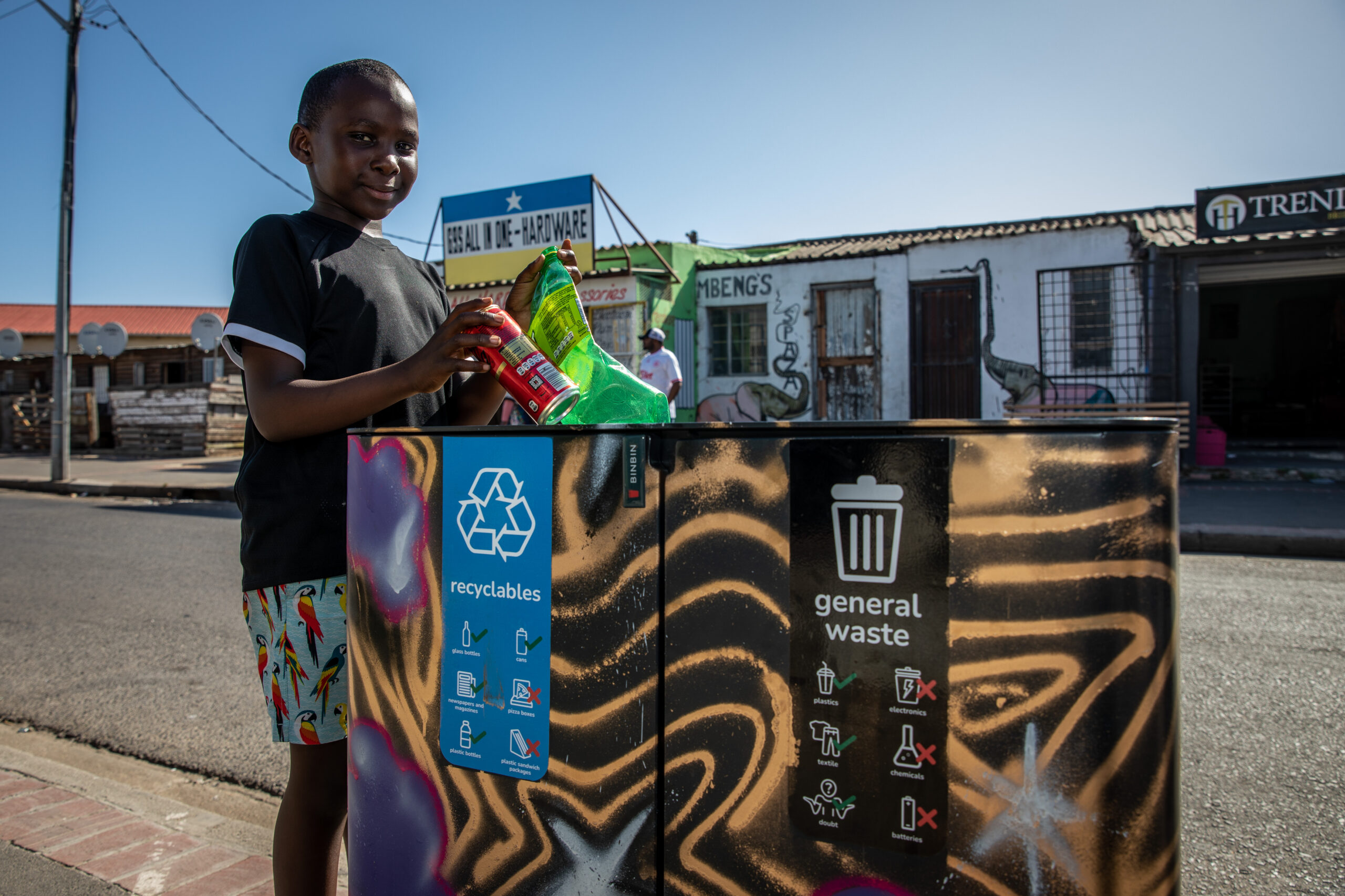
Strategic bin placement and clear visual signage are fundamental to making waste separation feel effortless rather than burdensome. Convenience drives behaviour more than good intentions, so infrastructure must support the desired actions.
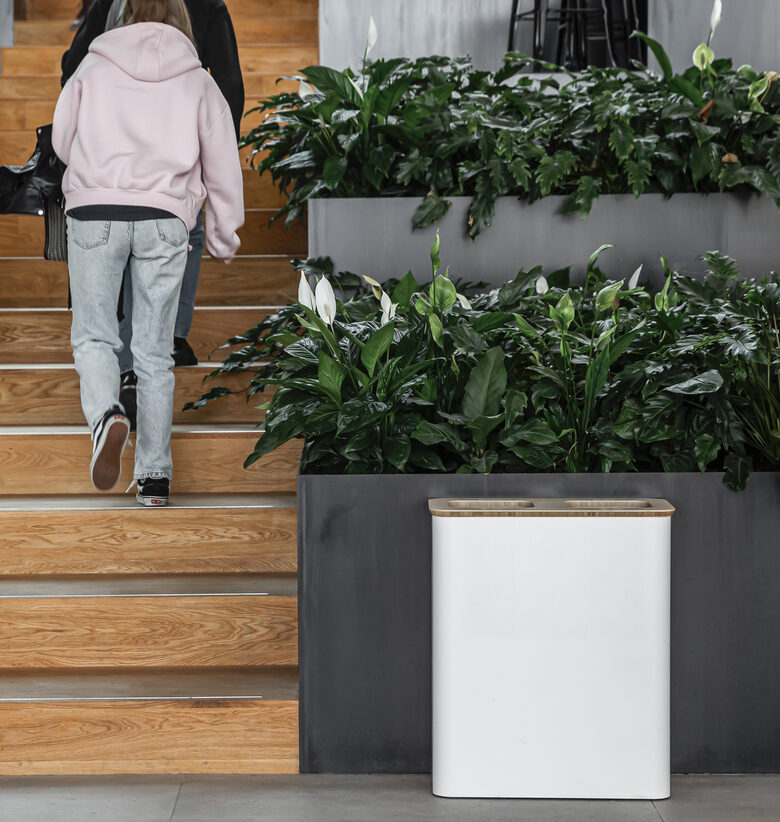
Place recycling stations at natural gathering points like kitchens, printer areas, and main corridors where employees naturally dispose of waste. Ensure every general waste bin has corresponding recycling options nearby to eliminate the excuse of inconvenience.
User-friendly container design includes:
- Clear colour coding that matches local waste management systems
- Large, easy-to-read labels with pictures showing acceptable items
- Appropriately sized openings that guide correct disposal
- Regular emptying schedules that prevent overflow and contamination
- Consistent placement throughout the office for predictable access
Create seamless workflows by integrating recycling into daily routines. Position paper recycling bins next to printers, place food waste options in kitchen areas, and ensure desk-side bins are paired with nearby recycling stations.
Consider the psychology of choice architecture by making recycling the easiest option rather than an additional burden that requires extra effort or decision-making.
Which workplace incentives actually motivate better recycling behaviour?
Recognition programmes and team challenges create positive reinforcement that sustains long-term behaviour change more effectively than penalties or mandates. People respond better to feeling good about their actions than avoiding negative consequences.
Effective motivation strategies include departmental competitions that track waste separation rates and celebrate improvements. Monthly recognition for teams showing the best recycling habits creates friendly competition while building collective responsibility.
Sharing sustainability metrics helps employees understand their impact through regular updates about waste diversion rates, cost savings, and environmental benefits. When people see concrete results from their efforts, motivation increases naturally.
Positive reinforcement approaches that work include:
- Thank-you notes from management highlighting good separation practices
- Small rewards like extra break time for high-performing teams
- Public acknowledgement in company communications
- Connection to broader company sustainability goals and achievements
Avoid overly complex point systems or individual monitoring that feels punitive. Focus on making good waste separation habits feel appreciated and socially valued within the workplace culture.
How do you measure and track employee waste separation progress?
Regular waste audits provide the most accurate measurement of actual separation quality and contamination levels in workplace waste streams. These assessments reveal both progress and specific areas needing improvement.
Contamination tracking identifies common mistakes and helps target additional training efforts. Monitor which waste streams show the highest contamination rates and address these through focused education programmes.
Participation metrics include tracking the volume of materials diverted from general waste into recycling streams. Increased diversion rates typically indicate improved employee engagement with separation systems.
Effective feedback systems include:
- Monthly dashboards showing waste diversion percentages
- Visual displays highlighting improvements and achievements
- Regular communication about cost savings and environmental impact
- Surveys measuring employee awareness and satisfaction with systems
Establish baseline measurements before implementing new programmes to demonstrate clear progress over time. Track both quantitative data like contamination rates and qualitative feedback about system usability and employee satisfaction.
How BINBIN helps improve employee waste separation habits
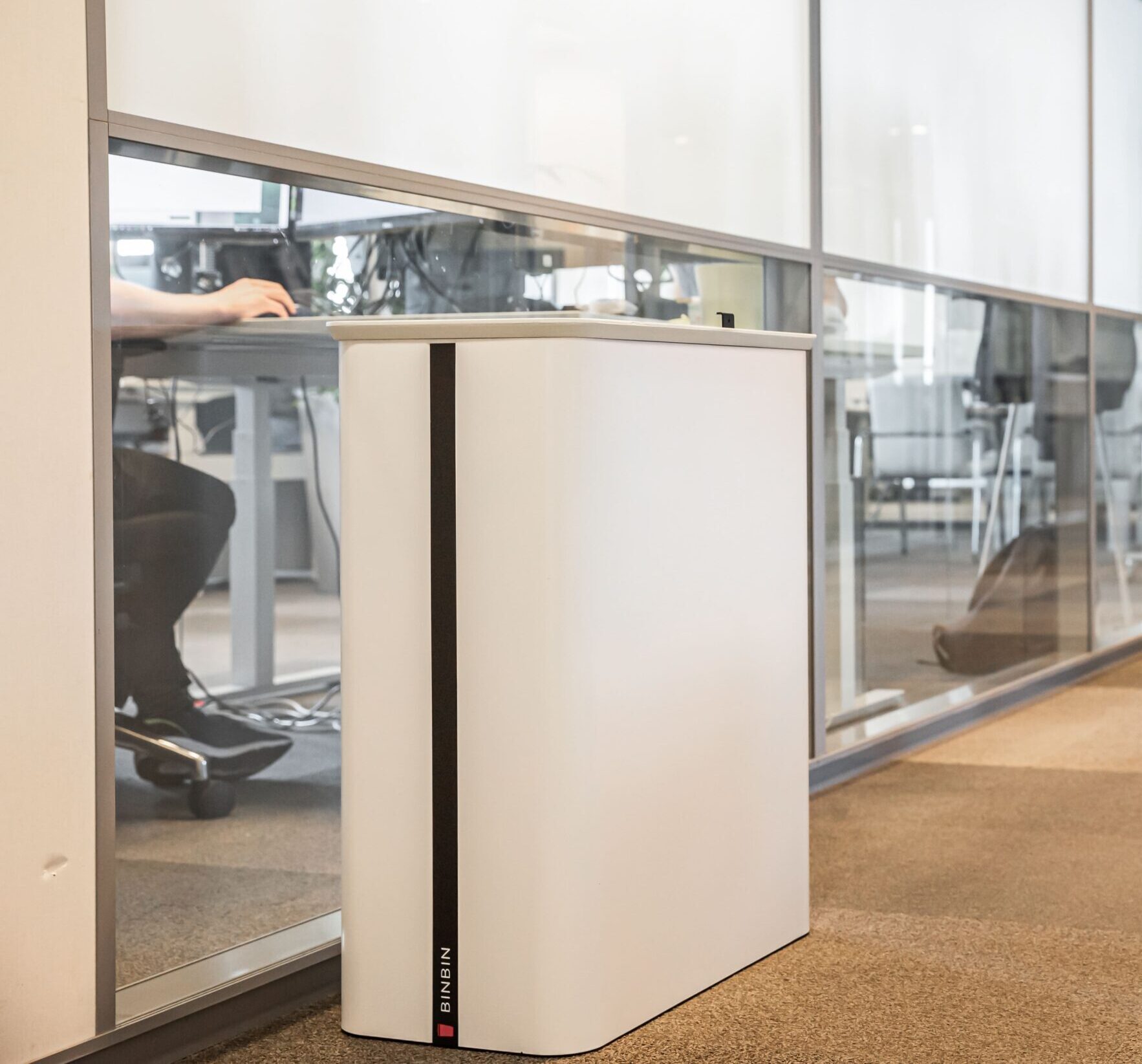
BINBIN's modular waste separation solutions address the core challenges that prevent effective workplace recycling through intuitive design and comprehensive support systems. Our approach combines smart infrastructure with practical implementation guidance to create lasting behaviour change.
Our office waste management systems feature:
- Clear visual signage and colour coding that eliminates sorting confusion
- Modular design allowing 1-8 waste streams with flexible reconfiguration
- Strategic placement options that integrate seamlessly into office workflows
- Customisable branding that reinforces company sustainability commitments
- 99% circular materials supporting authentic environmental messaging
We provide comprehensive implementation support, including personalised advice, communication materials, and ongoing optimisation guidance. Our team helps organisations develop effective training programmes and measurement systems that drive genuine employee engagement.
Ready to transform your workplace waste separation habits? Explore our trial placement programme to experience how BINBIN solutions create effortless recycling compliance while supporting your sustainability goals.