Effective waste disposal planning involves conducting thorough waste audits, implementing proper separation systems, ensuring regulatory compliance, and optimising costs through strategic collection schedules. A well-designed system reduces environmental impact whilst meeting legal requirements and controlling expenses. This comprehensive approach addresses the key challenges organisations face when developing sustainable waste management strategies.
What makes a waste disposal system truly effective?
An effective waste disposal system combines operational efficiency with environmental responsibility and regulatory compliance. It goes beyond simple collection to create a structured approach that minimises waste generation, maximises resource recovery, and reduces overall disposal costs.
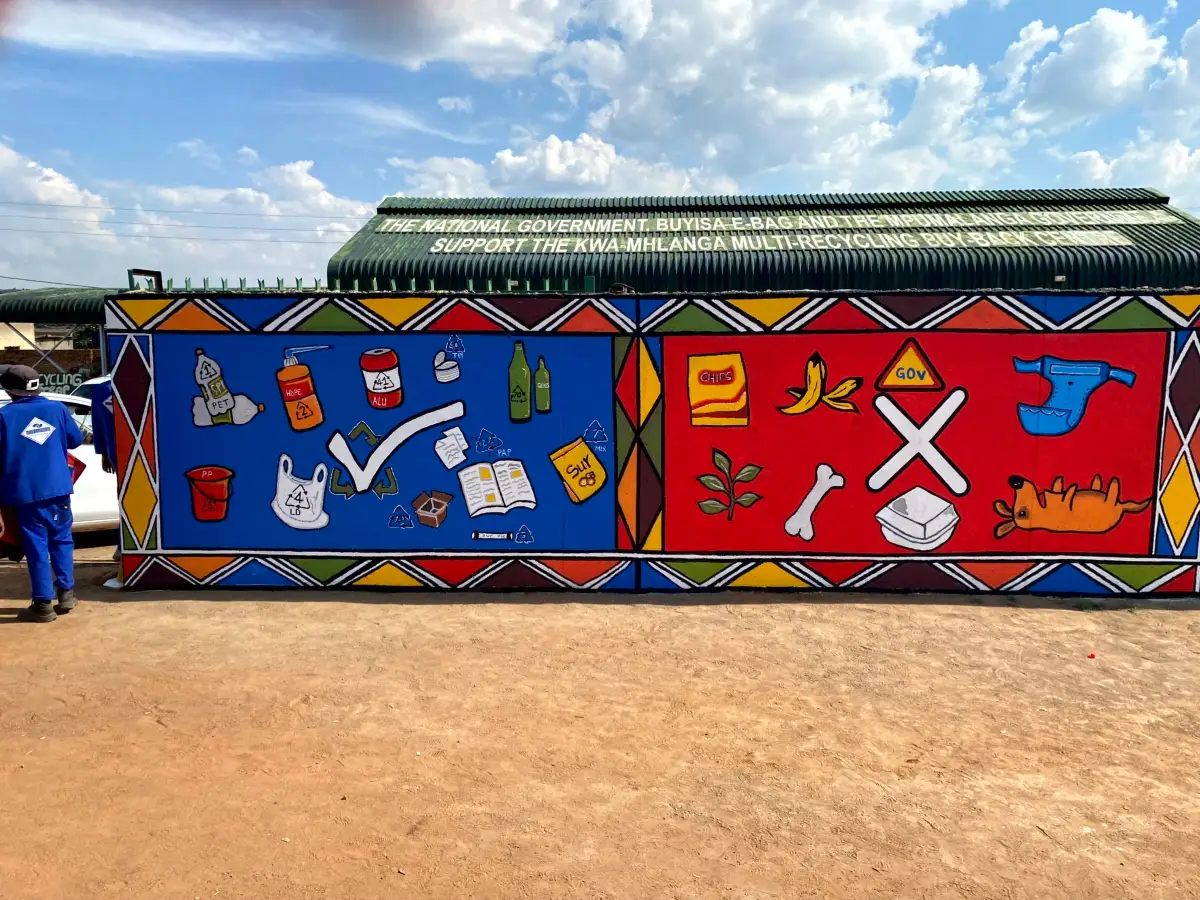
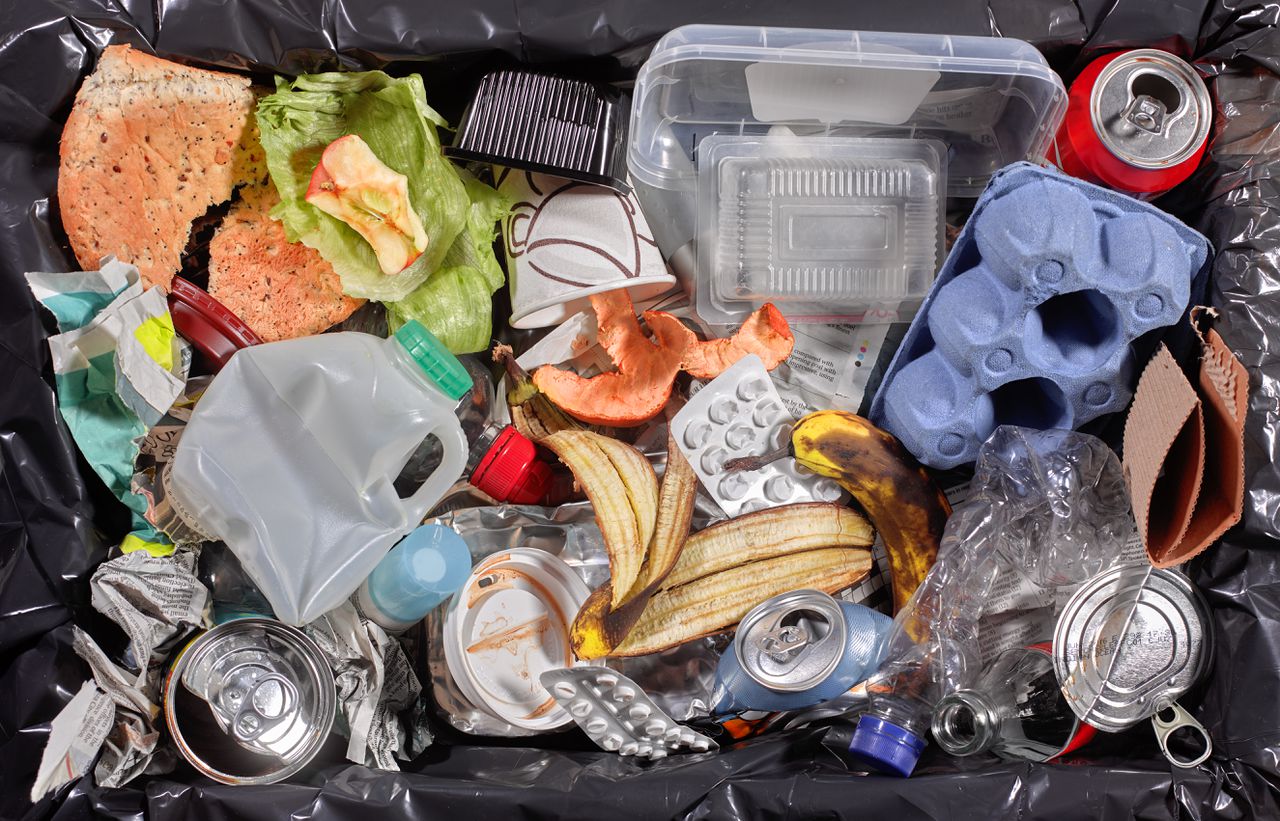
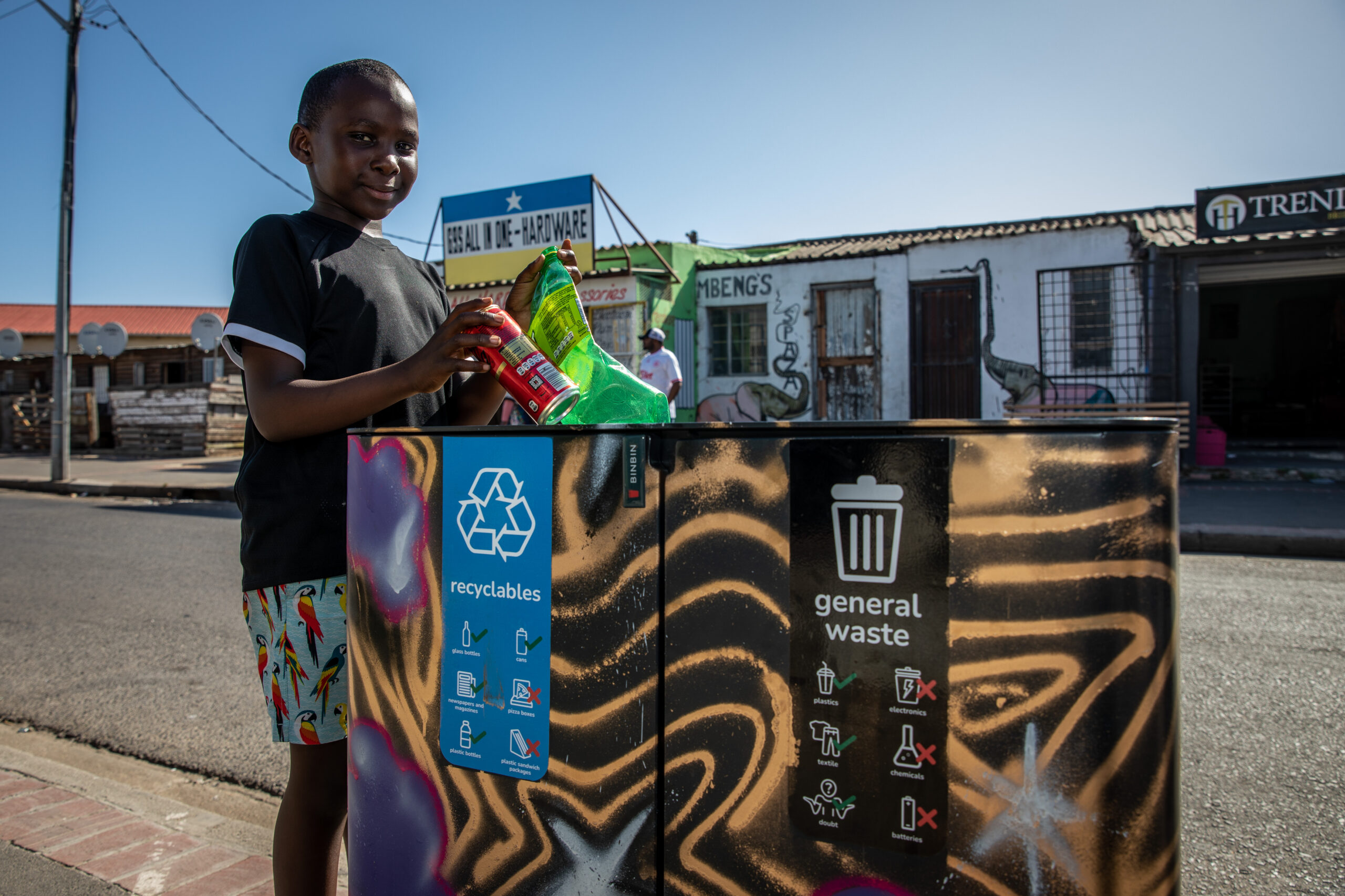
The foundation of effectiveness lies in proper waste stream separation at source. This means providing clearly labelled containers for different waste types, from recyclables to organic waste and general refuse. When waste is separated correctly from the start, it significantly reduces contamination and increases the value of recyclable materials.
Sustainability plays a crucial role in modern waste disposal systems. Effective systems prioritise the waste hierarchy: reduce, reuse, recycle, recover, and dispose. This approach ensures that disposal becomes the last option rather than the default choice, supporting circular economy principles.
Cost-effectiveness emerges through strategic planning rather than simply choosing the cheapest options. This includes optimising collection frequencies, selecting appropriate container sizes, and negotiating favourable contracts with waste service providers. Regular monitoring and adjustment ensure the system continues to deliver value over time.
How do you assess your current waste disposal needs?
A comprehensive waste audit forms the cornerstone of effective disposal planning. This systematic evaluation identifies the waste your organisation generates, in what quantities, and how it is currently being managed. The audit reveals opportunities for improvement and provides baseline data for measuring progress.
Begin your assessment by conducting a waste characterisation study over at least one week, ideally under typical operating conditions. Document each waste stream separately, measuring volumes and weights whilst noting contamination levels. This data reveals patterns in waste generation and highlights areas where separation could be improved.
Key assessment steps include:
- Cataloguing all waste types currently generated
- Measuring daily and weekly volumes for each stream
- Identifying peak generation periods and seasonal variations
- Evaluating current storage capacity and collection frequencies
- Assessing staff knowledge and compliance with existing procedures
Consider conducting assessments quarterly to capture seasonal variations in waste generation. Many organisations find that waste patterns change significantly throughout the year, affecting both volumes and composition. This information proves invaluable when negotiating service contracts and planning storage requirements.
What are the essential components of a modern waste disposal plan?
A comprehensive waste disposal plan integrates multiple components that work together seamlessly. Waste stream identification and separation systems form the operational foundation, whilst staff training and monitoring ensure consistent implementation across the organisation.
Infrastructure requirements include appropriate containers for each waste stream, positioned strategically throughout your facility. Container selection depends on waste types, generation volumes, and collection logistics. Consider factors such as durability, ease of cleaning, and visual appeal when choosing equipment.
Collection scheduling requires a careful balance between cost efficiency and operational needs. Over-servicing wastes money, whilst under-servicing creates hygiene issues and storage problems. Optimal schedules consider waste generation patterns, container capacities, and service provider availability.
Essential plan components include:
- Clear waste stream definitions and separation protocols
- Strategic container placement and sizing
- Optimised collection schedules for each waste type
- Staff training programmes and ongoing education
- Performance monitoring and reporting systems
- Emergency procedures for unusual waste situations
- Regular review and improvement processes
Technology integration enhances modern waste disposal plans through digital monitoring systems, route optimisation software, and automated reporting tools. These systems provide real-time visibility into waste generation patterns and collection performance, enabling data-driven decision-making.
How do you ensure compliance with waste disposal regulations?
Regulatory compliance in waste disposal requires understanding both national legislation and local municipal requirements. In South Africa, the National Environmental Management: Waste Act forms the primary legal framework, with additional regulations varying by province and municipality. Source separation has become mandatory in metropolitan municipalities, making compliance essential for most organisations.
Documentation plays a critical role in demonstrating compliance. Maintain detailed records of waste generation, collection schedules, disposal methods, and service provider credentials. These records prove invaluable during regulatory inspections and help identify compliance gaps before they become problems.
Key compliance requirements typically include proper waste classification, appropriate storage methods, licensed service providers, and accurate record-keeping. Healthcare facilities face additional requirements for medical waste management, whilst industrial operations may need permits for hazardous waste disposal.
Stay current with regulatory changes by subscribing to municipal updates, joining industry associations, and maintaining regular contact with waste service providers. Regulations evolve frequently, and non-compliance can result in significant penalties and reputational damage.
Regular compliance audits help identify potential issues before they become violations. These audits should review documentation, inspect storage areas, verify service provider licences, and confirm staff understanding of procedures. Address any gaps immediately to maintain continuous compliance.
What's the most cost-effective approach to waste disposal planning?
Cost-effective waste disposal planning focuses on waste minimisation and resource recovery rather than simply managing disposal costs. The most significant savings come from reducing waste generation and maximising the value of materials that can be recycled or reused.
Analyse your waste streams to identify high-volume, low-value materials that could be eliminated or reduced through operational changes. Often, simple modifications to purchasing, packaging, or processes can dramatically reduce waste disposal costs whilst improving environmental performance.
Collection optimisation offers immediate cost savings without compromising service quality. Right-sizing containers prevents paying for unused capacity, whilst optimising collection frequencies eliminates unnecessary service calls. Many organisations discover they are over-serviced in some areas and under-serviced in others.
Revenue generation through recyclable materials can offset disposal costs significantly. Clean, well-separated recyclables command higher prices than contaminated mixed materials. Investing in proper separation systems and staff training often pays for itself through improved material values.
Negotiate service contracts strategically by obtaining multiple quotes, understanding pricing structures, and securing favourable terms for contract duration and service modifications. Long-term contracts often offer better rates, but ensure they include flexibility for changing needs and performance standards.
How BINBIN helps with effective waste disposal planning
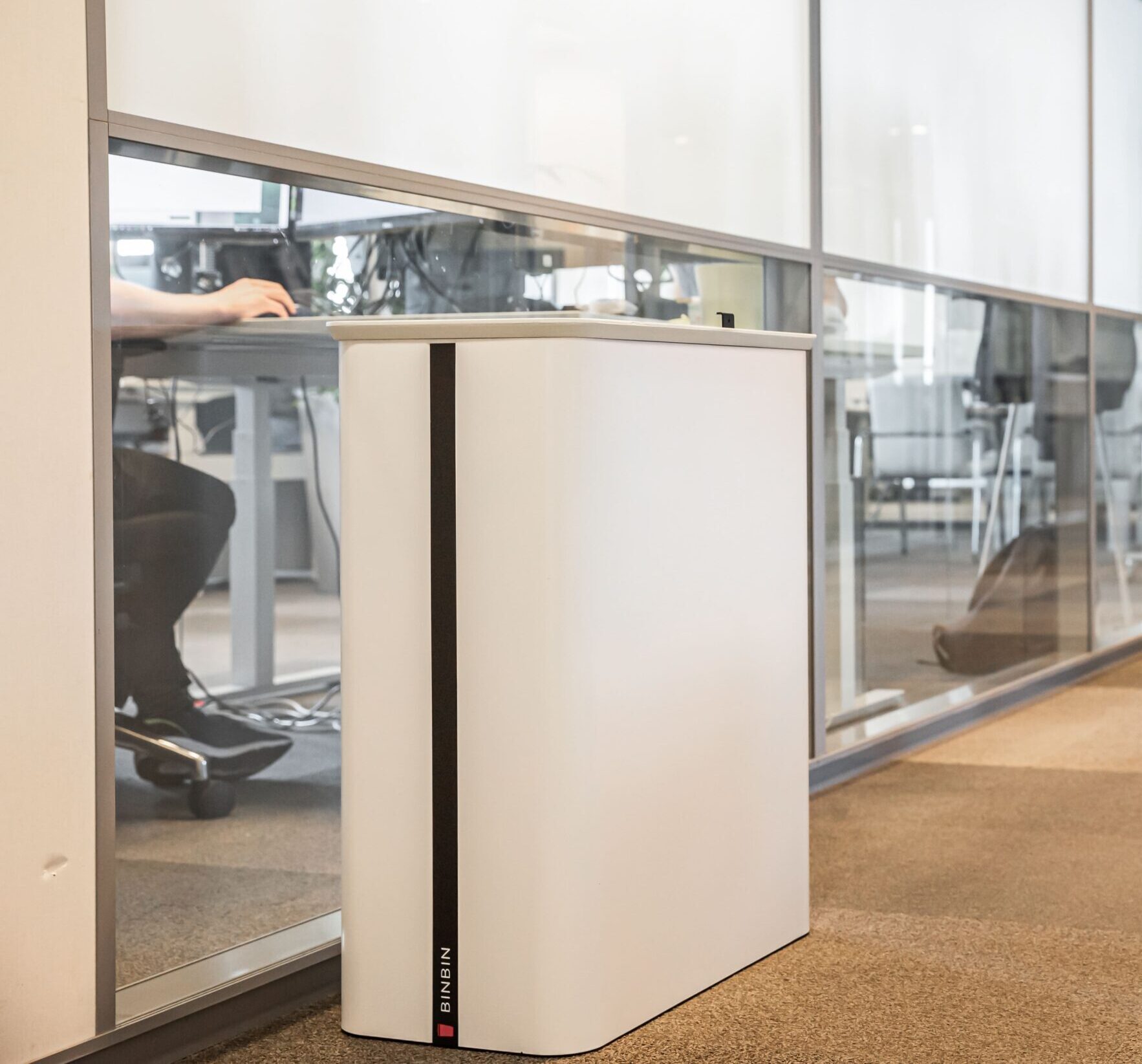
BINBIN's modular waste separation solutions address the core challenges of effective waste disposal planning through innovative design and circular sustainability principles. Our systems enable organisations to implement proper source separation whilst maintaining aesthetic appeal and operational efficiency in any environment.
Our office waste management solutions provide the flexibility needed for effective disposal planning. The Globular series accommodates 1 to 8 different waste streams, with internal compartment splitting that eliminates the need for additional containers as requirements change. This modularity ensures your system evolves with your waste disposal needs.
Key benefits for waste disposal planning include:
- Modular design that adapts to changing waste stream requirements
- 99% circular construction supporting sustainability objectives
- Clean, professional aesthetics that encourage proper waste separation
- Customisable branding and labelling for clear waste stream identification
- Comprehensive implementation support, including staff training materials
Our personalised consultation service includes comprehensive waste assessments and implementation planning. We provide pictograms, stickers, and communication materials to ensure successful adoption across your organisation. This support addresses the critical human element that determines the success of a waste disposal system.
Ready to transform your waste disposal planning? Request a trial placement to experience how BINBIN's modular solutions can improve your waste management efficiency whilst supporting your sustainability goals. Our team provides ongoing support to ensure your system delivers optimal results from day one.