Training employees in effective waste practices requires a structured approach that combines clear communication, practical demonstrations, and ongoing reinforcement. Successful programmes address both the technical aspects of waste separation and the behavioural changes needed for long-term compliance. This involves understanding common challenges, implementing proven training methods, and maintaining engagement through continuous support and recognition systems.
Why is employee waste training essential for workplace sustainability?
Employee waste training forms the foundation of effective workplace waste management, ensuring legal compliance while reducing operational costs and environmental impact. Without proper training, even the best waste disposal infrastructure fails to deliver meaningful results.
The National Environmental Management: Waste Act, 2008 in South Africa requires organisations to implement waste separation at source, making employee training a legal necessity rather than an optional initiative. Metro municipalities were required to implement source separation by 2023, creating urgent compliance requirements for businesses across all sectors.
Beyond legal obligations, trained employees directly affect your organisation's bottom line. Proper waste separation reduces disposal costs, as recyclable materials often cost less to process than general waste. When employees understand which materials belong in specific streams, contamination rates drop significantly, making your waste more valuable to recycling partners.
Training also builds environmental awareness that extends beyond waste management. Employees who understand sustainability principles often become advocates for broader environmental initiatives, creating a culture that supports your organisation's sustainability goals while improving employee engagement and retention.
What are the most common challenges when training staff in waste practices?
The biggest challenge in waste training is overcoming ingrained habits and resistance to change. Many employees have developed automatic disposal behaviours that require conscious effort to modify, particularly when new systems seem more complex than existing practices.
Confusion about sorting rules creates significant obstacles, especially when guidelines seem inconsistent or overly complicated. Employees often struggle with borderline items that could fit multiple categories, leading to frustration and eventual abandonment of proper sorting practices. This confusion multiplies when different areas of the workplace have varying requirements or when guidelines change without clear communication.
Infrastructure limitations compound training challenges. Even well-trained employees cannot succeed without accessible, clearly labelled waste stations positioned conveniently throughout the workplace. Poor signage, inadequate container capacity, or inconvenient locations undermine the best training efforts.
Maintaining long-term engagement proves particularly difficult as initial enthusiasm wanes. Without regular reinforcement and feedback, employees gradually revert to old habits, especially during busy periods when convenience takes priority over proper procedures.
Management inconsistency also undermines training effectiveness. When leadership doesn't visibly support waste initiatives or fails to follow procedures themselves, employees quickly lose motivation to maintain proper practices.
How do you create an effective waste training programme for employees?
Creating effective waste training begins with a comprehensive needs assessment that evaluates your current waste streams, existing employee knowledge, and specific compliance requirements. This foundation ensures your programme addresses actual challenges rather than assumed problems.
Start by conducting a waste audit to identify the types and volumes of materials your organisation generates. Document current employee behaviours through observation and surveys to understand knowledge gaps and points of resistance. Review legal requirements specific to your industry and location to ensure complete compliance coverage.
Develop training content that addresses three key areas: the why, the what, and the how. Explain the business case and environmental benefits to build motivation, clearly define what materials belong in each waste stream, and demonstrate practical sorting techniques for common workplace items.
Structure your programme delivery in phases:
- Leadership engagement - Train managers and supervisors first to ensure visible support and consistent messaging
- Champion identification - Select enthusiastic employees from each department to become waste separation advocates
- Department-specific sessions - Tailor training to address unique waste streams and challenges in different work areas
- Hands-on practice - Provide opportunities to sort actual workplace items during training sessions
- Follow-up reinforcement - Schedule regular refresher sessions and ongoing communication
Include practical elements such as sample sorting exercises using real workplace materials, clear visual guides that employees can reference later, and simple decision trees for challenging items. Make training interactive rather than lecture-based to improve retention and engagement.
What practical methods work best for teaching waste separation skills?
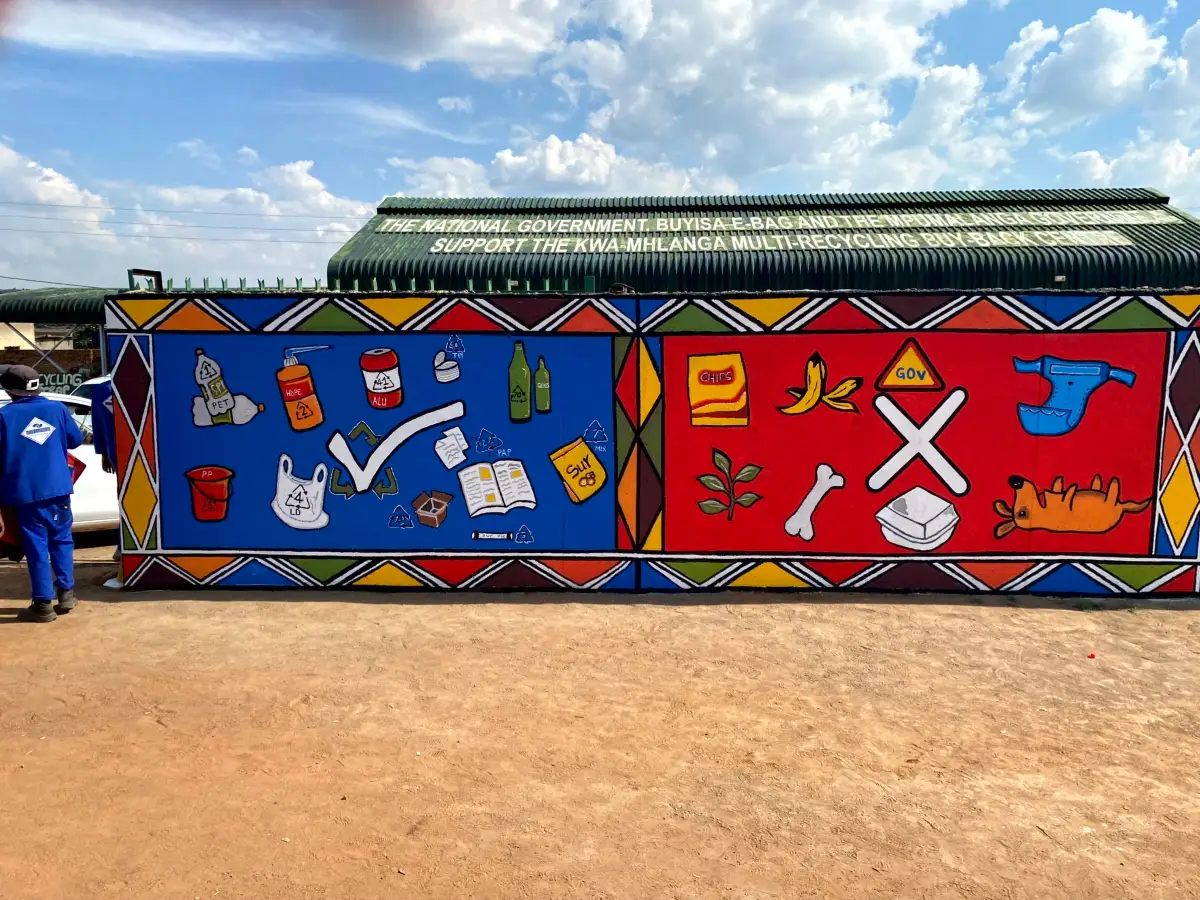
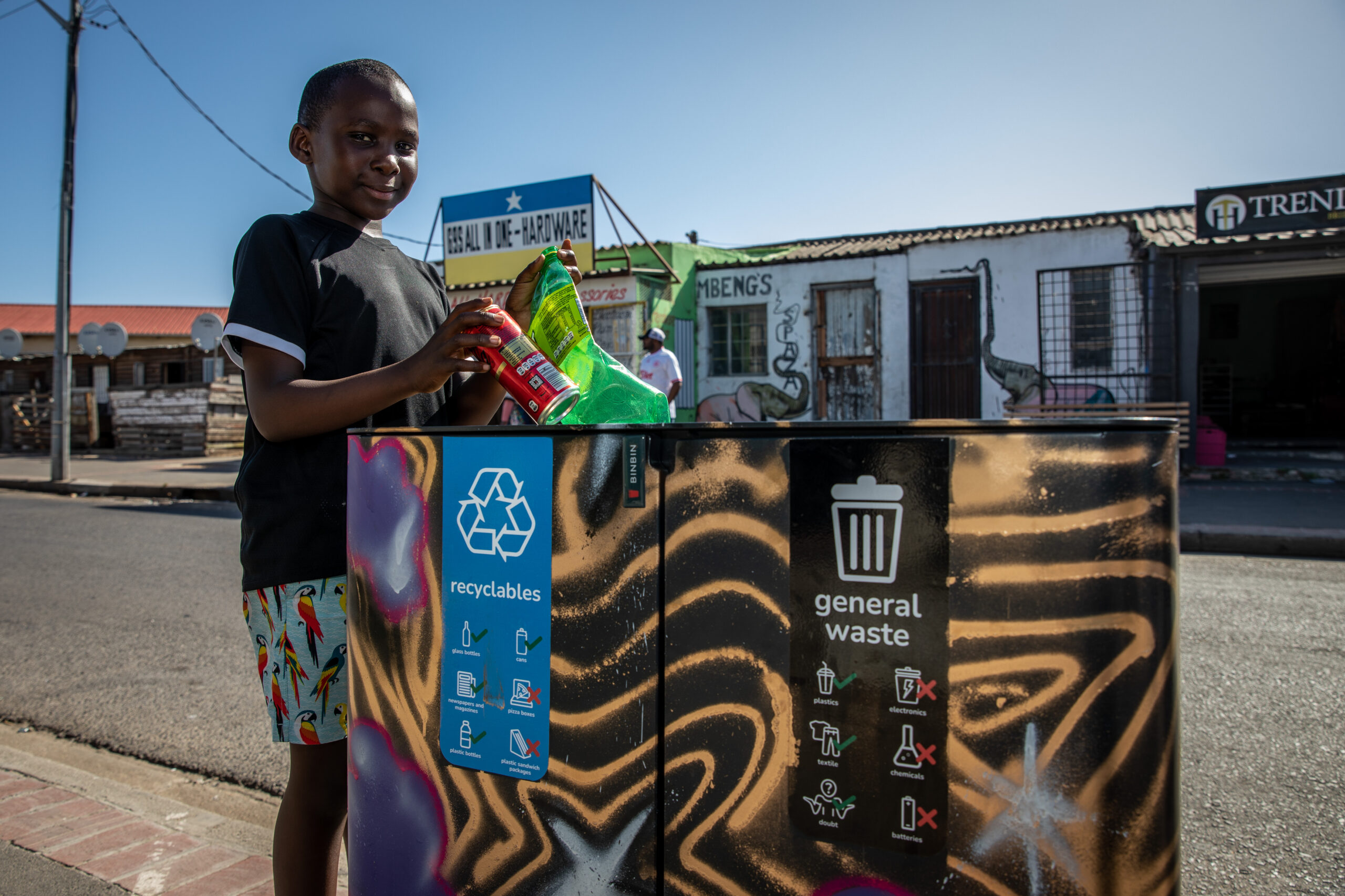
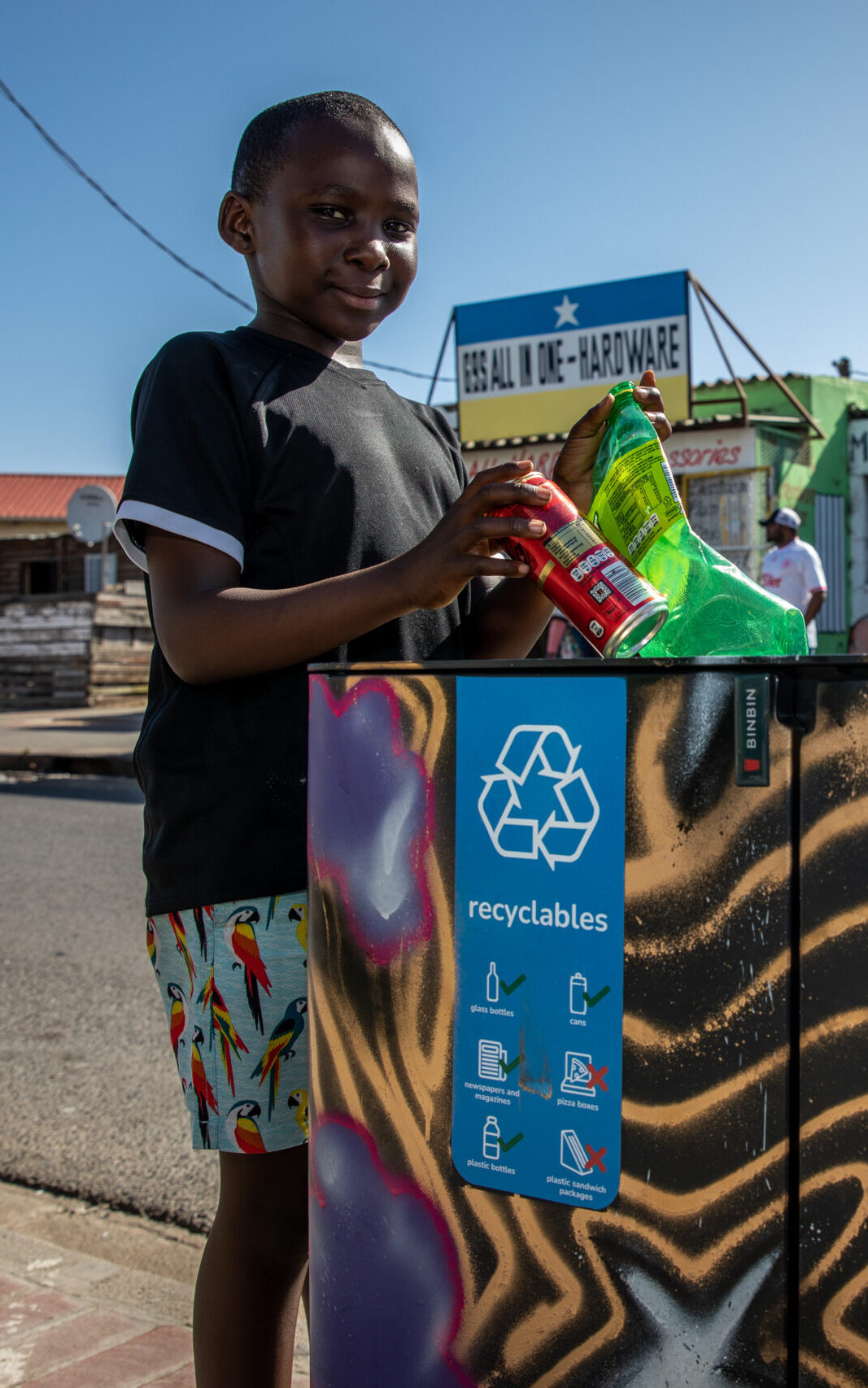
Visual learning techniques prove most effective for waste separation training, as they provide immediate, memorable references that employees can apply during daily work. Clear, colour-coded signage with pictures of acceptable items eliminates guesswork and reduces contamination rates significantly.
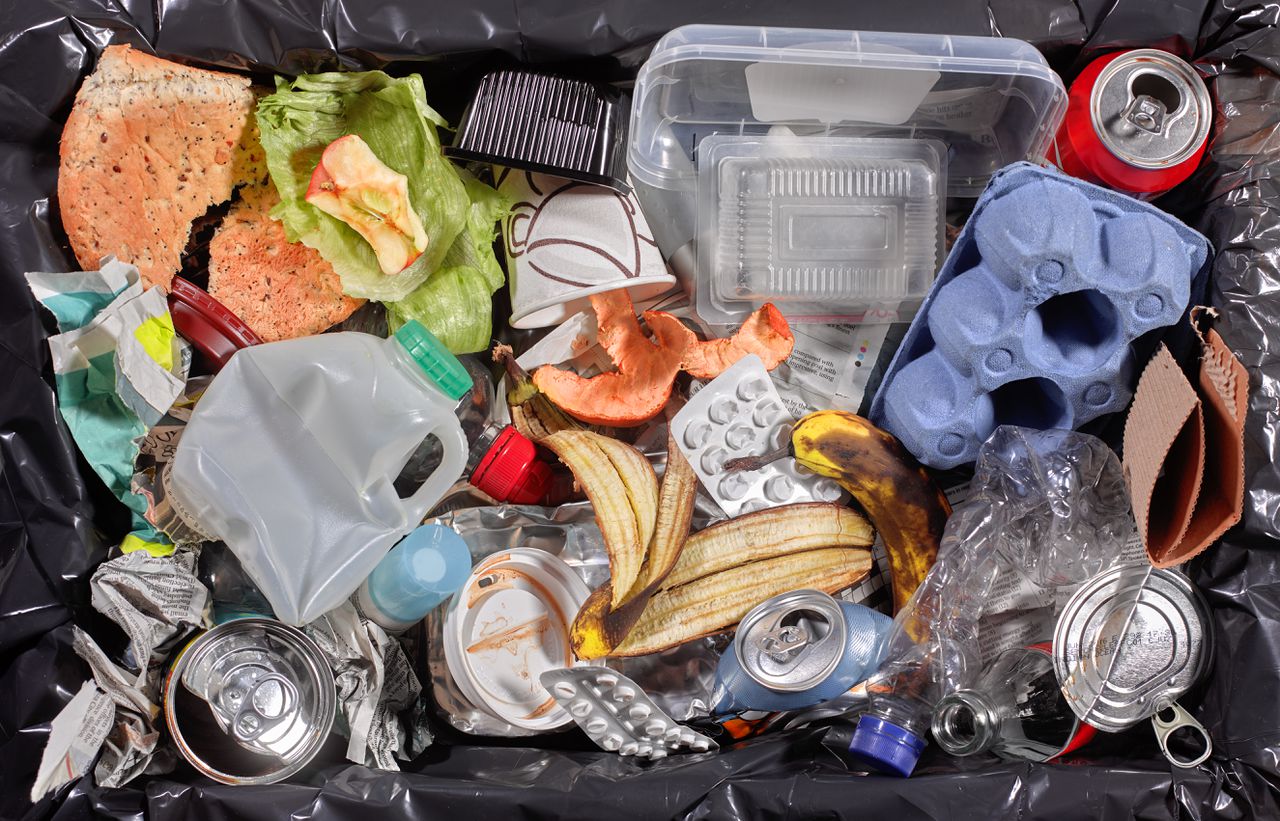
Hands-on demonstrations using actual workplace waste items create the strongest learning connections. Set up sorting stations during training sessions where employees practise with real materials they encounter daily, such as coffee cups, food packaging, office supplies, and electronic components. This practical approach builds muscle memory and confidence.
Gamification elements maintain engagement while reinforcing learning objectives. Create sorting challenges between departments, track contamination rates as team scores, or implement reward systems for consistent compliance. These approaches tap into natural competitiveness while making learning enjoyable.
Peer mentoring programmes leverage social learning principles effectively. Pair experienced employees with newcomers, creating accountability partnerships that support both initial learning and long-term habit formation. This approach also distributes training responsibility across the organisation.
Interactive workshops that address specific scenarios work better than generic presentations. Focus sessions on common dilemmas: "What do you do with a yoghurt container that still has food residue?" or "Where does laminated paper belong?" These targeted discussions build practical decision-making skills.
Mobile learning tools, such as quick-reference apps or QR codes linking to sorting guides, provide just-in-time support when employees encounter unfamiliar items. This immediate access reduces hesitation and maintains momentum in proper sorting practices.
How do you maintain employee engagement with waste practices long-term?
Long-term engagement requires systematic reinforcement through regular communication, feedback systems, and recognition programmes that keep waste separation visible and valued within your organisation's culture.
Implement monthly refresher sessions focusing on specific challenges or new waste streams. Keep these brief and targeted rather than repeating entire programmes. Address seasonal changes, new products, or updated regulations through focused communications that maintain awareness without overwhelming employees.
Establish feedback loops that show employees the impact of their efforts. Share monthly statistics about waste diversion rates, cost savings, or environmental benefits achieved through proper separation. Visual displays showing progress towards sustainability goals make individual contributions feel meaningful and valued.
Recognition programmes should celebrate both individual excellence and team achievements. Highlight departments with the lowest contamination rates, recognise employees who suggest improvements, or feature success stories in company communications. Public acknowledgement reinforces positive behaviours while encouraging others to participate actively.
Regular monitoring and gentle correction maintain standards without creating punitive environments. Conduct periodic waste audits, provide constructive feedback when contamination occurs, and use mistakes as teaching opportunities rather than disciplinary moments.
Continuous improvement approaches keep programmes fresh and responsive. Regularly survey employees about challenges, gather suggestions for improvements, and implement changes based on feedback. This participatory approach maintains ownership and engagement over time.
How BINBIN helps with employee waste training implementation
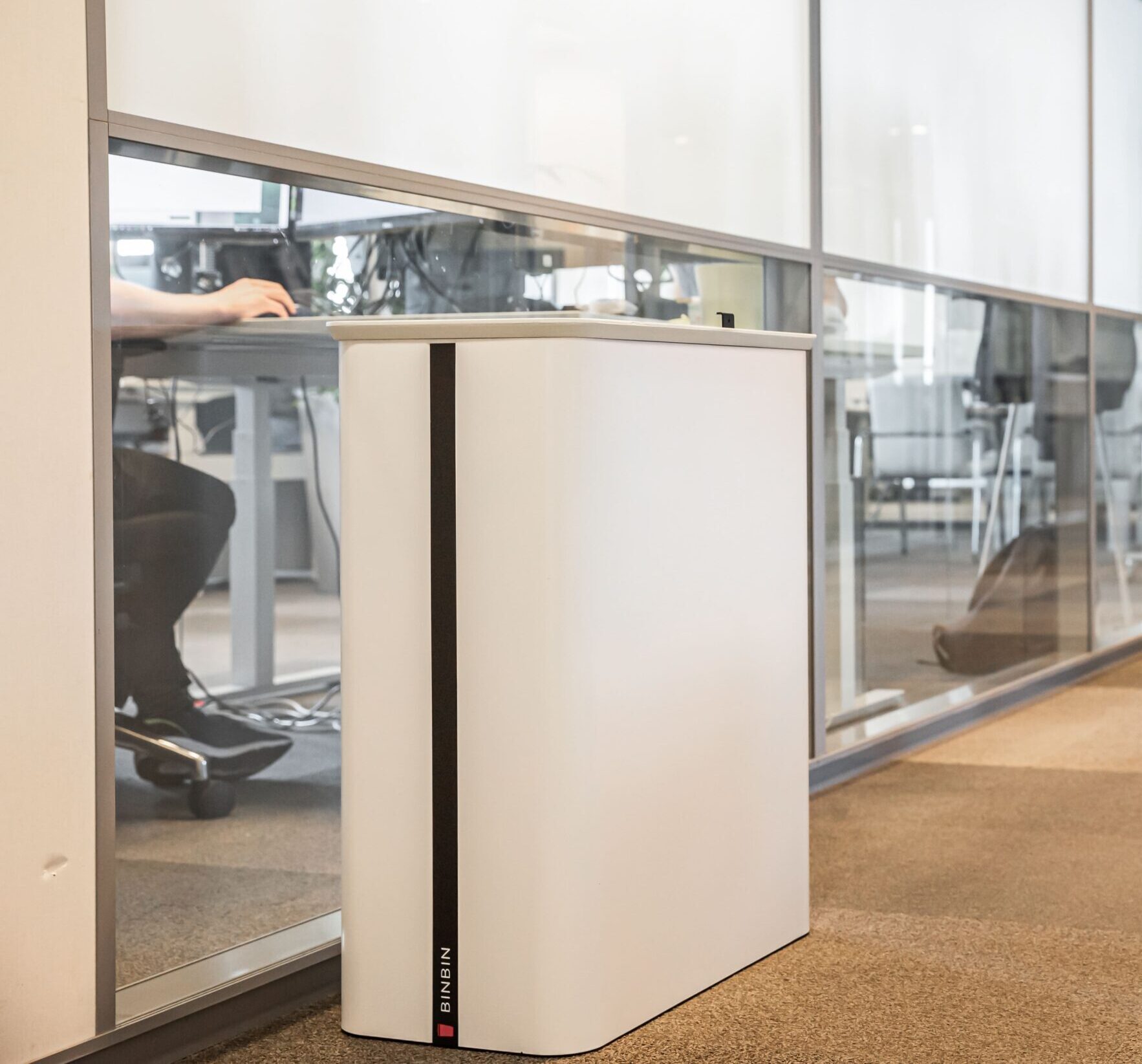
We support comprehensive employee waste training through intuitive design features and educational resources that simplify implementation while ensuring long-term success. Our modular office waste management systems are specifically designed to eliminate confusion and support proper separation practices.
Our training support includes:
- Clear visual guidance - Colour-coded systems with pictorial instructions that eliminate sorting confusion
- Customisable educational materials - Branded signage, sorting guides, and communication templates tailored to your organisation
- Hands-on demonstration support - Sample units and training materials for practical learning sessions
- Implementation guidance - Expert consultation on placement, configuration, and rollout strategies
- Ongoing monitoring tools - Digital waste scanning and assessment services to track progress
Our trial placement programme allows your team to experience proper waste separation before full implementation, building confidence and identifying potential challenges. This practical approach ensures successful adoption while demonstrating clear value to all stakeholders.
Ready to transform your workplace waste practices? Contact our team for a personalised consultation and discover how our solutions can support your employee training success.