Waste management consulting services provide expert guidance to help organisations optimise their waste disposal processes, ensure regulatory compliance, and reduce environmental impact. These specialised consultants conduct comprehensive assessments, develop customised strategies, and support the implementation of sustainable waste management systems. Understanding how to use these services effectively can transform your organisation's approach to waste management while delivering significant cost savings and environmental benefits.
What exactly are waste management consulting services?
Waste management consulting services encompass professional advisory support that helps organisations develop and implement effective waste disposal and recycling strategies. These services include comprehensive waste audits, regulatory compliance guidance, sustainability planning, and cost optimisation strategies tailored to specific business needs.
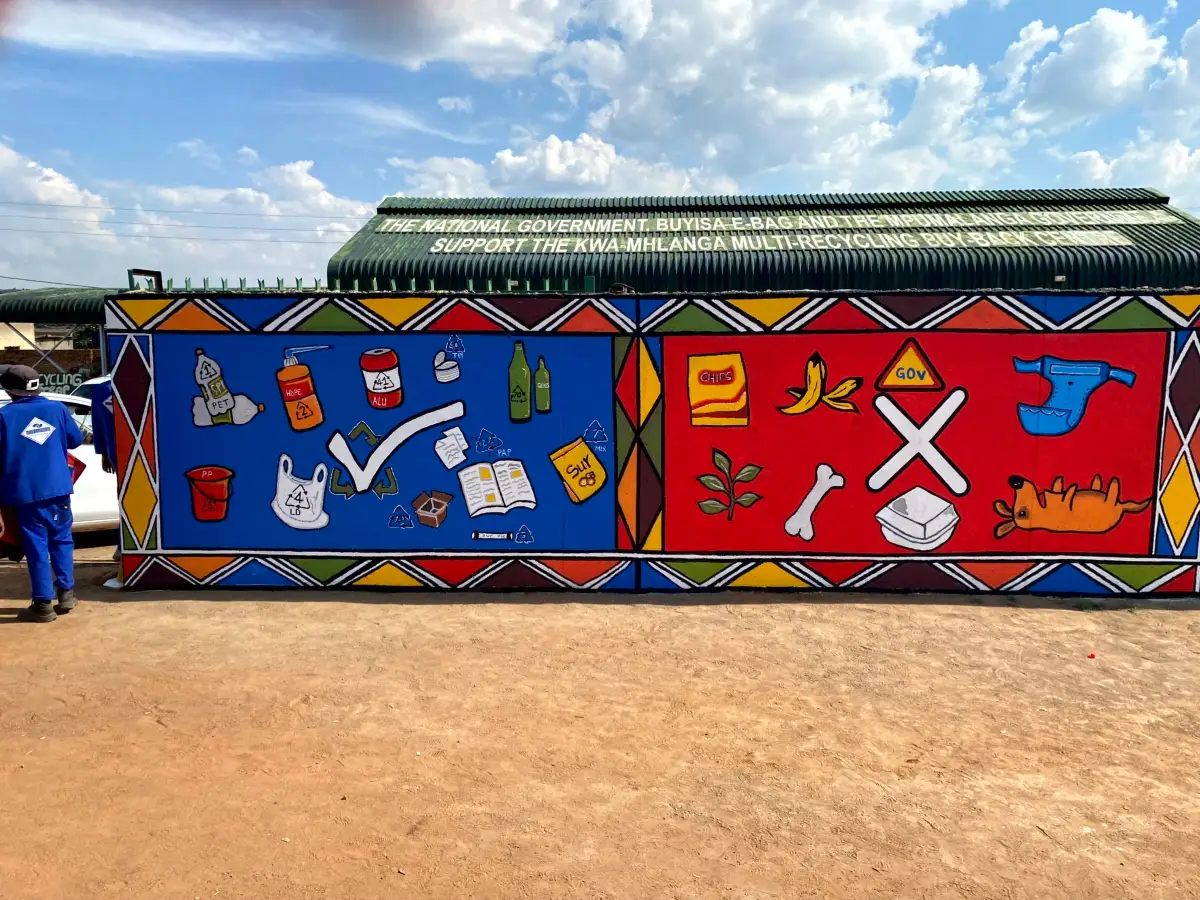
Professional waste consultants bring specialised expertise across multiple areas. They conduct detailed waste stream analyses to identify opportunities for reduction and improved separation. Compliance guidance ensures organisations meet all relevant environmental regulations, which is particularly important in South Africa, where the National Environmental Management: Waste Act requires specific waste separation protocols.
The scope extends beyond basic waste disposal to include circular economy strategies, employee training programmes, and ongoing monitoring systems. Consultants also provide sustainability reporting support, helping organisations track progress towards environmental goals and communicate achievements to stakeholders.
Why should your business consider hiring waste management consultants?
Businesses benefit from waste management consultants through improved regulatory compliance, significant cost reductions, enhanced environmental performance, and operational efficiency gains. Expert consultants provide access to specialised knowledge that most organisations lack internally, ensuring optimal waste management strategies.
Regulatory compliance is a critical driver, particularly as environmental legislation evolves. In South Africa, metropolitan municipalities must implement source separation by 2023, making expert guidance essential for compliance. Cost savings often justify consulting investments through reduced waste disposal fees, increased recycling revenue, and operational efficiencies.
Reducing environmental impact supports corporate sustainability goals while improving public reputation. Consultants identify opportunities to minimise waste generation, increase recycling rates, and implement circular economy principles. They also provide measurable sustainability metrics that support environmental reporting requirements.
Operational benefits include streamlined waste processes, reduced staff time spent on waste management issues, and improved workplace organisation. Professional guidance ensures waste systems integrate seamlessly with existing operations without disrupting productivity.
How do you choose the right waste management consulting firm?
Selecting the appropriate waste management consulting firm requires evaluating industry experience, relevant certifications, comprehensive service offerings, proven track records, and cultural compatibility. The right consultant should demonstrate expertise in your specific sector and understand local regulatory requirements.
Industry experience is crucial for effective consulting outcomes. Look for firms with demonstrated success in your sector, whether healthcare, education, hospitality, or corporate offices. Sector-specific knowledge ensures consultants understand the unique challenges and regulatory requirements affecting your organisation.
Essential evaluation criteria include:
- Professional certifications and environmental credentials
- Local regulatory knowledge and compliance expertise
- A comprehensive service portfolio, from assessment to implementation
- A proven methodology for waste auditing and strategy development
- Strong references from similar organisations
- A clear communication style and collaborative approach
Cultural fit matters significantly for successful partnerships. The consulting team should align with your organisation's values, communication preferences, and working style. This compatibility ensures smooth collaboration throughout the engagement process.
What should you expect during the waste management consulting process?
The waste management consulting process typically follows a structured approach, beginning with a comprehensive assessment, followed by data collection and analysis, strategy development, implementation support, and ongoing monitoring. Most engagements span 3–6 months, depending on organisational complexity and scope.
The process begins with detailed site assessments and waste audits. Consultants examine current waste streams, disposal methods, costs, and compliance status. This baseline assessment identifies improvement opportunities and establishes measurement benchmarks for tracking success.
Key process stages include:
- Initial consultation and goal-setting discussions
- Comprehensive waste audit and data collection
- Analysis of findings and identification of opportunities
- Strategy development with an implementation roadmap
- Pilot programme testing and refinement
- Full implementation support and training
- Ongoing monitoring and optimisation
Throughout the process, consultants provide regular progress updates, involve key stakeholders in decision-making, and ensure solutions align with organisational objectives. Implementation support includes staff training, system setup, and initial monitoring to ensure successful adoption.
How do you prepare your organisation for waste management consulting?
Preparing your organisation involves gathering existing waste data, identifying key stakeholders, establishing clear objectives, allocating appropriate budgets, and developing internal communication strategies. Proper preparation maximises consulting value and ensures smooth project execution.
Data preparation is essential for effective consulting outcomes. Collect current waste disposal costs, volumes, contractor information, and any previous audit results. Baseline data helps consultants understand the current situation and measure improvement potential accurately.
Stakeholder identification ensures all relevant parties participate in the process. Include facilities management, procurement, sustainability teams, and employee representatives. Clear stakeholder mapping prevents communication gaps and ensures buy-in across the organisation.
Establish specific, measurable objectives before engaging consultants. Whether focusing on cost reduction, compliance, or sustainability improvements, clear goals guide consultant recommendations and success measurement. Budget planning should account for both consulting fees and potential implementation costs.
What are the most common challenges when working with waste consultants?
Common challenges include employee resistance to new processes, implementation costs exceeding expectations, difficulties managing timelines, comprehensive staff training requirements, and maintaining long-term commitment to recommended changes. Understanding these challenges enables proactive management and successful outcomes.
Resistance to change is the most frequent obstacle. Employees may resist new waste separation requirements or modified disposal processes. Change management strategies, including clear communication, training programmes, and gradual implementation, help overcome resistance and ensure adoption.
Implementation costs can surprise organisations that are unprepared for infrastructure investments. New waste separation systems, signage, training materials, and monitoring tools require budget allocation beyond consulting fees. Proper financial planning prevents project delays and ensures complete implementation.
Timeline management challenges arise when organisations underestimate implementation complexity. Staff training, system installation, and behaviour change require adequate time. Rushing implementation often compromises long-term success and sustainability.
Maintaining momentum after initial implementation requires ongoing commitment. Without continued focus, waste management improvements may deteriorate over time. Establishing monitoring systems and regular review processes ensures sustained benefits.
How BINBIN helps with waste management consulting implementation
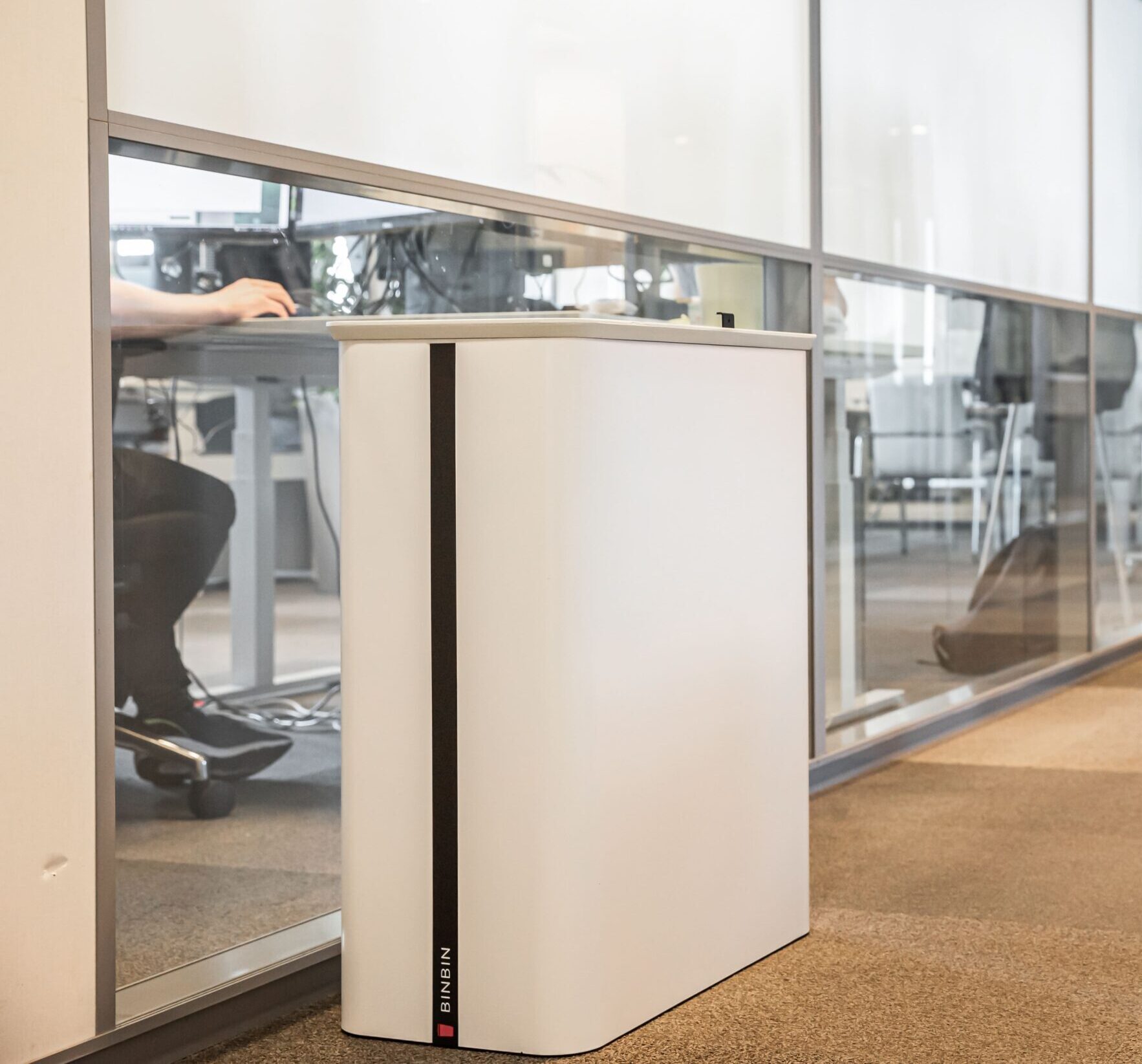
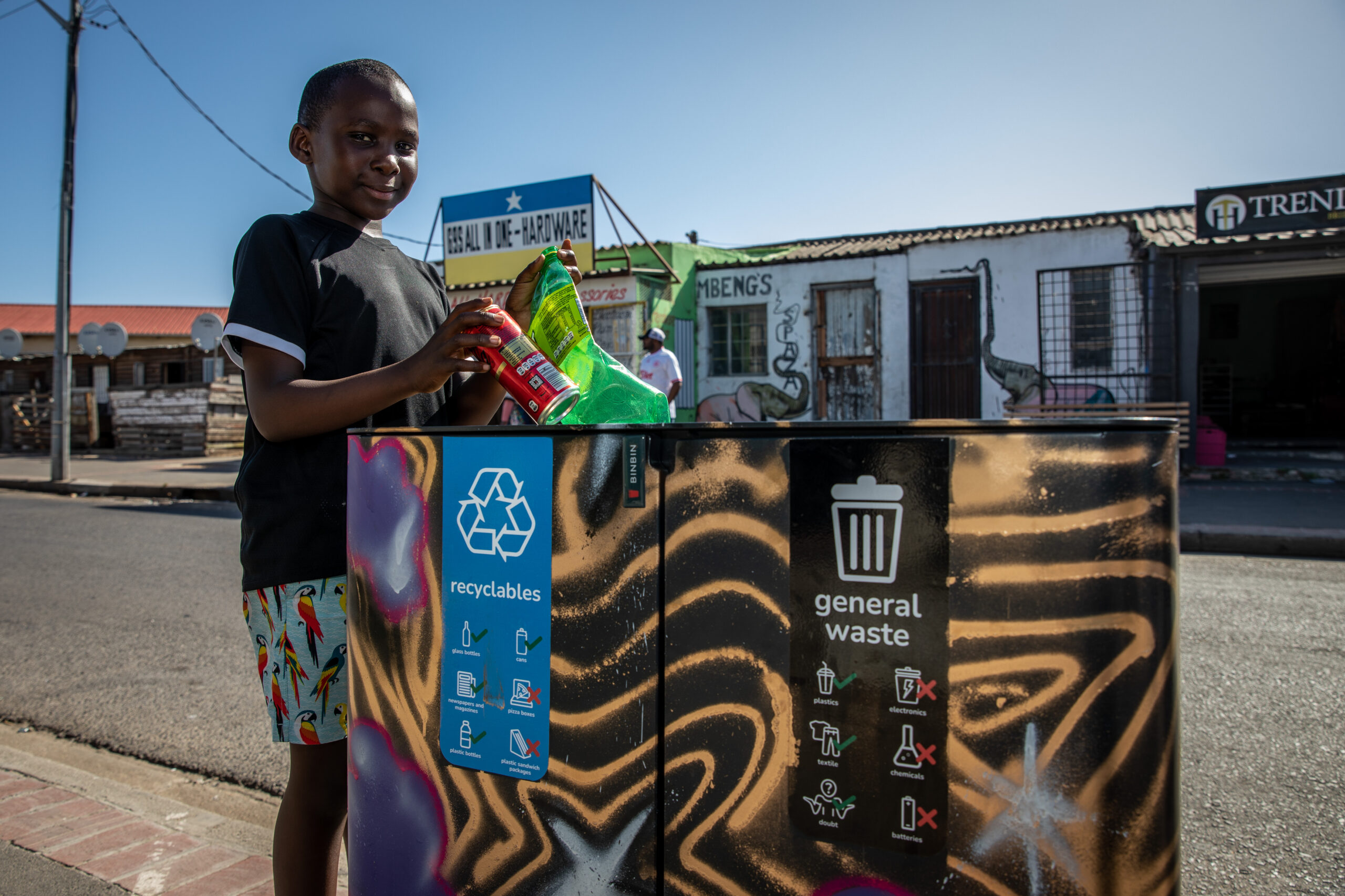
BINBIN supports waste management consulting recommendations through our modular waste separation solutions, comprehensive implementation guidance, and ongoing optimisation support. Our systems seamlessly integrate consultants’ recommendations into practical, sustainable waste management solutions.
Our approach to supporting consulting implementations includes:
- Customised waste separation systems that match consultant specifications
- Flexible configurations that adapt to evolving organisational needs
- Comprehensive training and communication materials
- Trial placements that allow testing before full commitment
- Ongoing support to ensure sustained performance
We work closely with waste management consultants to ensure seamless implementation of their recommendations. Our office waste management solutions provide the practical infrastructure needed to achieve consulting objectives while maintaining workplace aesthetics and functionality.
Ready to implement your waste management consulting recommendations? Explore our modular solutions designed specifically for sustainable waste separation success.