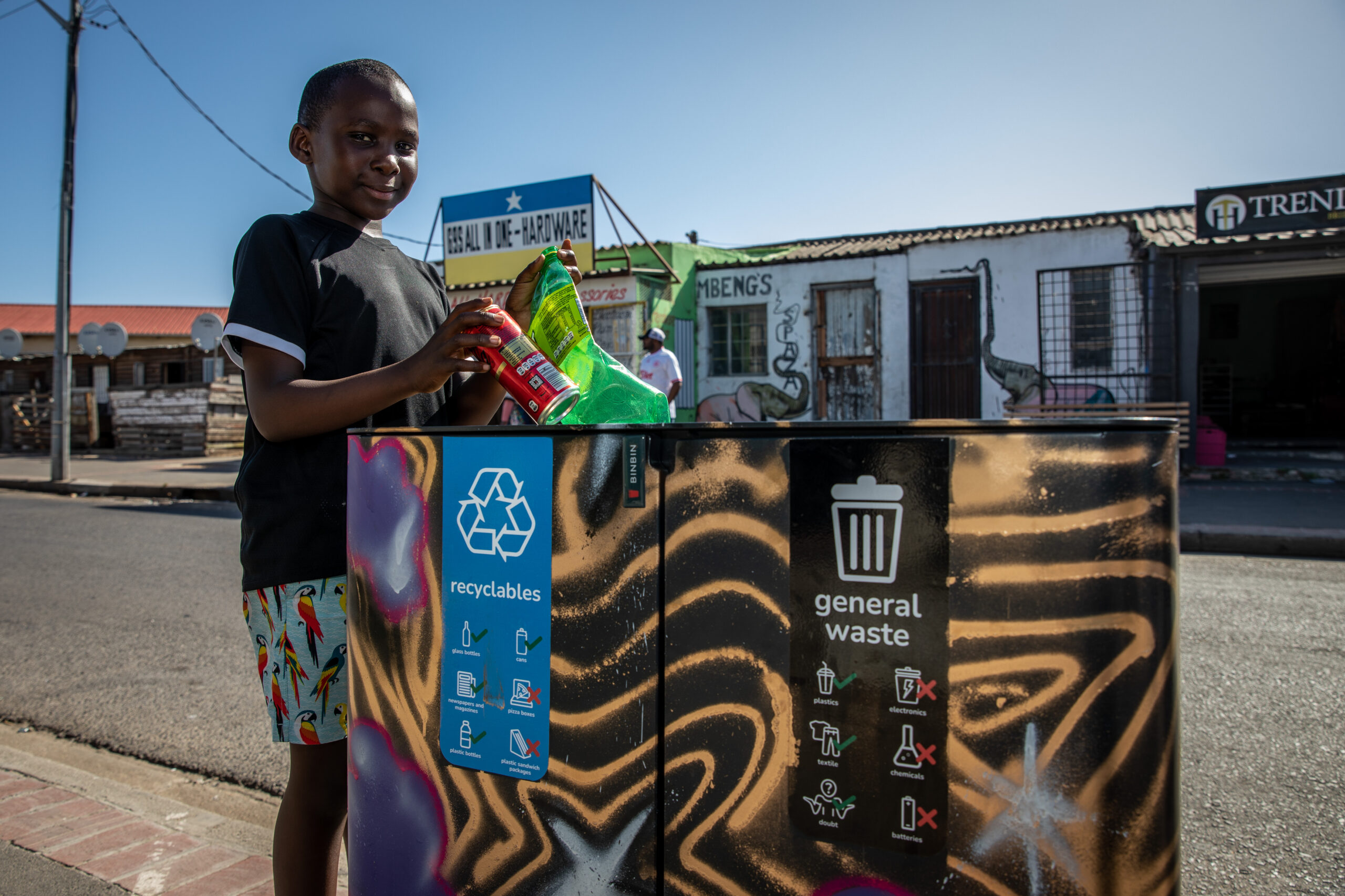
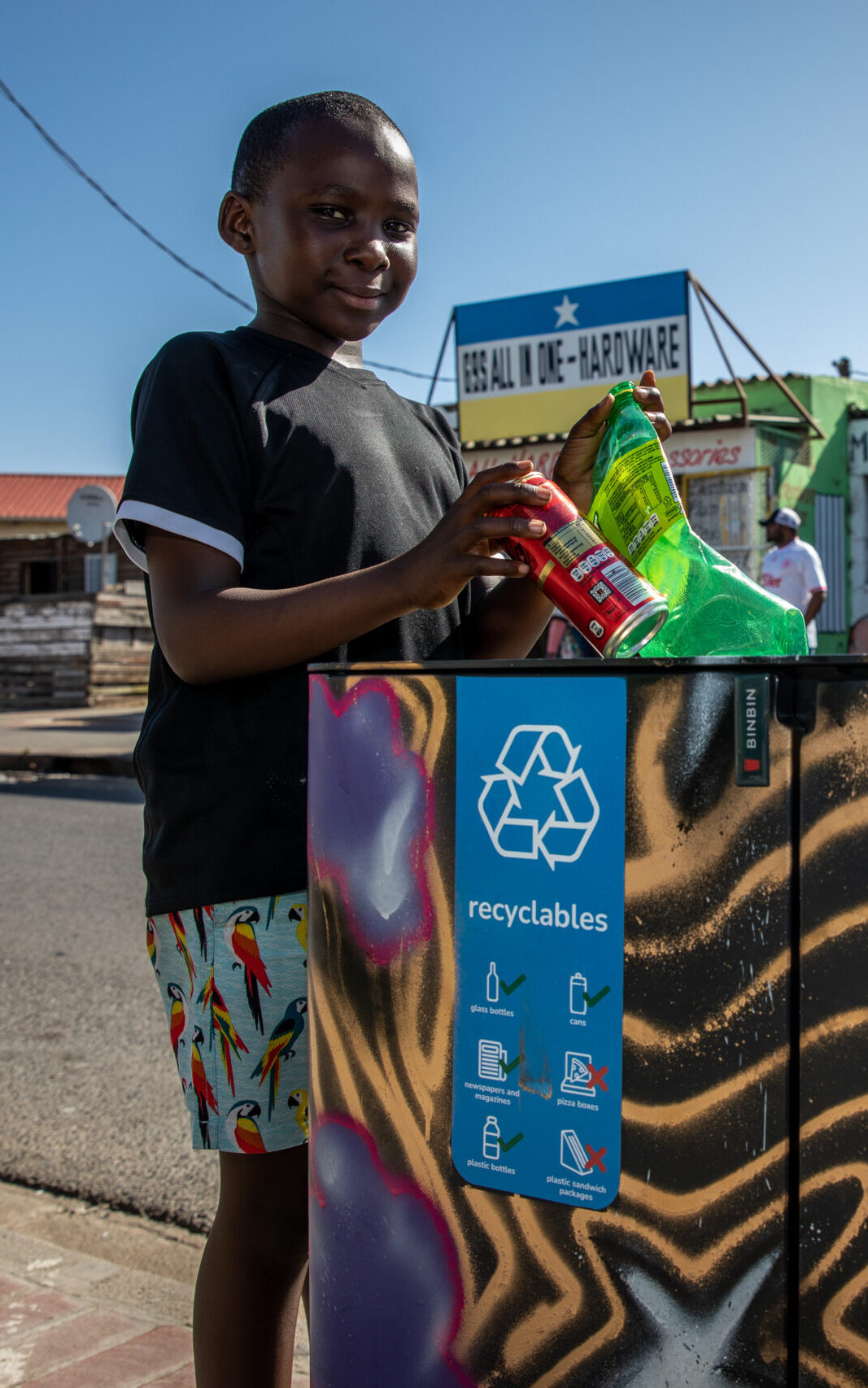
Waste separation systems organise different types of waste into designated containers to enable proper recycling, treatment, and disposal. These systems typically include multiple bins or compartments for categories such as recyclables, organic waste, and general refuse. Proper implementation reduces environmental impact, supports circular economy goals, and helps organisations comply with waste management regulations while creating cleaner, more sustainable workplaces.
What are waste separation systems and why do they matter?
Waste separation systems are organised collections of containers and processes that sort different waste types at the point of disposal. These systems enable materials to be directed towards appropriate treatment methods, whether recycling, composting, energy recovery, or safe disposal.
The importance of waste separation extends far beyond basic organisation. In South Africa, the National Environmental Management: Waste Act requires property owners to separate recyclable from non-recyclable waste, with metropolitan municipalities mandated to implement source separation by 2023. Currently, 75% of South Africa's 111 megatons of annual waste ends up in landfills, highlighting the urgent need for effective separation systems.
These systems play a crucial role in the circular economy by keeping materials in productive use for longer. When waste is properly separated, valuable resources such as paper, plastic, metals, and organic matter can be recovered and reprocessed into new products. This reduces demand for virgin materials, conserves natural resources, and minimises environmental impact.
For organisations, effective waste separation demonstrates environmental responsibility, often reduces waste management costs, and helps meet sustainability targets. Many businesses find that a visible commitment to waste separation also improves employee engagement with environmental initiatives.
How do you set up an effective waste separation system?
Setting up an effective waste separation system begins with conducting a waste audit to understand the types and volumes of waste your facility generates. This assessment determines how many containers you need and which waste categories are most relevant to your specific situation.
The implementation process follows these key steps:
- Assess your space and waste streams - Identify high-traffic areas where bins should be placed and determine which waste categories are most common.
- Choose appropriate containers - Select bins that are the right size for your volume and clearly distinguish different waste types through colour coding or labelling.
- Plan strategic placement - Position containers in convenient locations where people naturally dispose of waste, ensuring easy access without creating obstacles.
- Arrange collection services - Coordinate with waste management providers who can handle your separated waste streams appropriately.
- Create clear signage - Develop visual guides that show exactly what belongs in each container.
Consider starting with basic categories such as recyclables, organic waste, and general refuse before adding more specialised streams. The system should feel intuitive to users while providing enough separation to make a meaningful environmental impact.
What types of waste should go in which bins?
Proper waste categorisation prevents contamination and ensures materials reach appropriate treatment facilities. The most common separation categories include recyclables, organic waste, hazardous materials, and general refuse, though specific requirements vary by location and waste management services.
Here's a breakdown of typical waste categories:
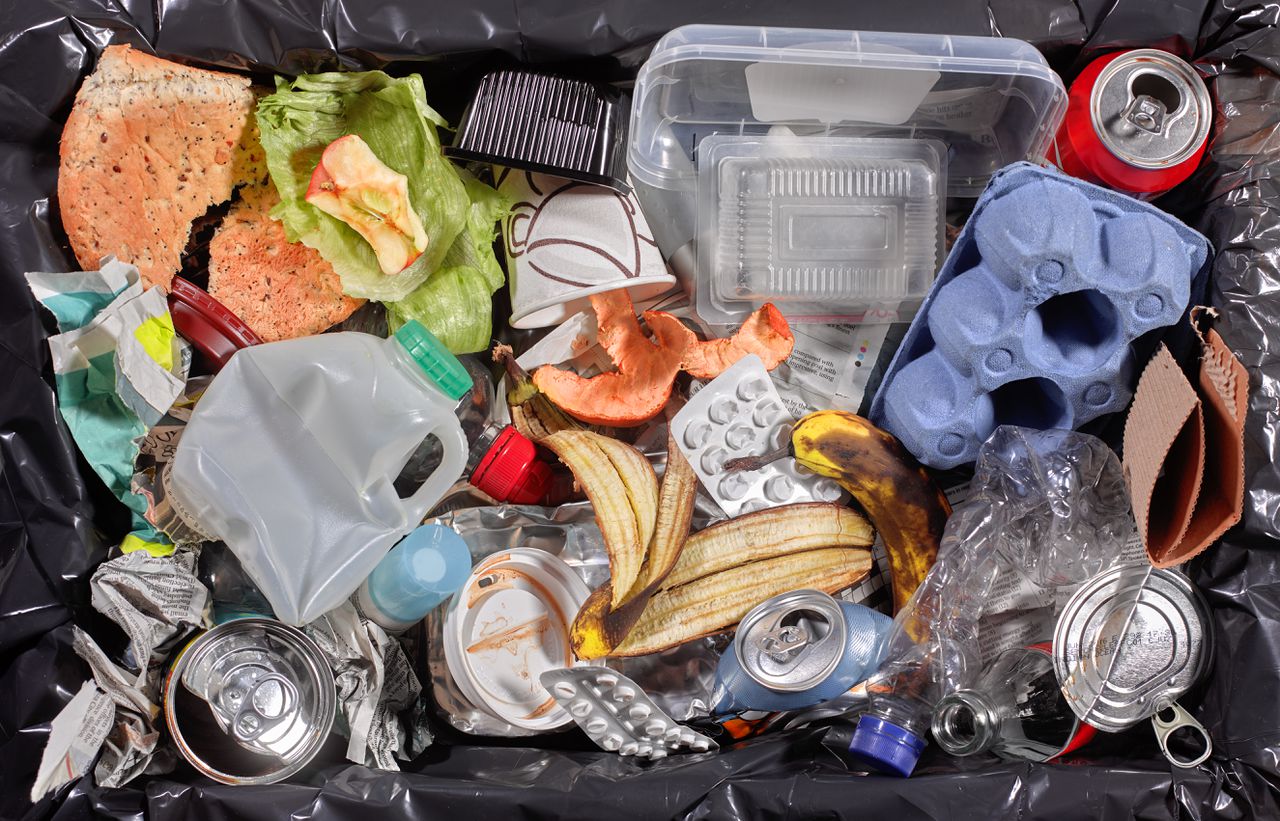
Recyclables include clean paper, cardboard, plastic bottles and containers, glass bottles and jars, and metal cans. These materials must be empty and reasonably clean to avoid contaminating entire recycling batches.
Organic waste encompasses food scraps, coffee grounds, tea bags, and biodegradable packaging. This category is particularly important, as organic matter in landfills produces methane, a potent greenhouse gas.
General refuse contains items that cannot be recycled or composted, such as contaminated packaging, certain plastics, and mixed materials that are difficult to separate.
Hazardous waste requires special handling and includes batteries, electronics, fluorescent bulbs, and chemical containers. These items need designated collection points and certified disposal methods.
In healthcare settings, additional categories such as pharmaceutical waste, sharps, and clinical waste require colour-coded containers and strict separation protocols, as mandated by South African health regulations.
How do you train people to use waste separation systems correctly?
Successful training combines clear visual communication with consistent reinforcement to build proper waste separation habits. People need to understand not just what goes where, but why proper separation matters for environmental and operational success.
Effective training strategies include:
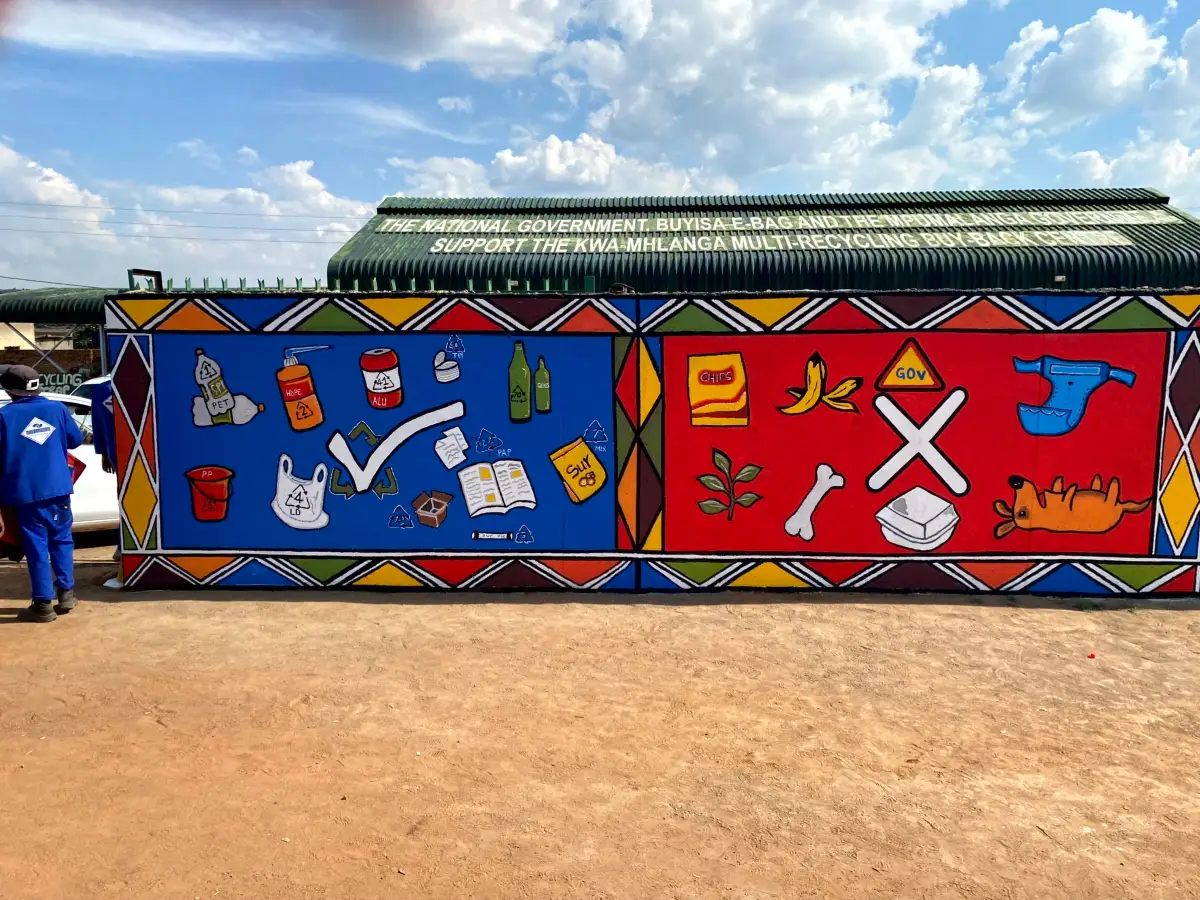
Start with comprehensive signage that uses both text and images to show acceptable items for each bin. Visual guides work better than text-only instructions, especially in diverse workplaces where language preferences vary.
Conduct brief orientation sessions for new employees or facility users, demonstrating the system and explaining the reasoning behind different categories. When people understand the purpose, they are more likely to participate consistently.
Position waste separation champions throughout your organisation who can answer questions and provide gentle reminders about proper sorting.
Share regular updates about the positive impact of your waste separation efforts, such as recycling volumes or waste reduction achievements. This reinforcement helps maintain engagement over time.
Address common questions proactively by creating FAQ resources that cover tricky items or situations people encounter regularly.
What are the most common mistakes people make with waste separation?
Contamination through wishful recycling is the most frequent waste separation error. This occurs when people place items in recycling bins hoping they are recyclable, even when uncertain, which can contaminate entire batches of otherwise good recyclable material.
Common mistakes include:
- Putting dirty containers in recycling without rinsing them first
- Mixing different plastic types or including non-recyclable plastics
- Placing items in bags before putting them in recycling bins
- Including paper towels or tissues with clean paper recycling
- Disposing of electronics or batteries in general waste bins
Another frequent issue is inconsistent participation, where some users ignore the separation system entirely during busy periods or when convenient disposal options are not immediately visible.
Size-related mistakes also occur when people try to force large items into inappropriate containers or fail to break down cardboard boxes properly.
The solution involves making the correct choice the easy choice through strategic bin placement, clear labelling, and regular gentle reminders about proper procedures. When mistakes happen, treat them as learning opportunities rather than enforcement issues.
How do you maintain and optimise your waste separation system?
Regular monitoring and adjustment ensure your waste separation system continues to meet your facility's evolving needs. This involves tracking contamination rates, adjusting bin sizes and locations based on usage patterns, and updating procedures as waste streams change.
Maintenance best practices include conducting monthly audits of bin contents to identify contamination trends or capacity issues. Look for patterns such as consistently overflowing bins in certain locations or high contamination rates in specific waste streams.
Monitor collection schedules to ensure bins are emptied before overflowing, which often leads to improper disposal in whichever container has space available.
Update signage and training materials based on common mistakes you observe. If people consistently misplace certain items, your communication might need clarification.
Gather feedback from users about system convenience and clarity. Sometimes small adjustments, such as moving a bin location or adding an extra container, can significantly improve participation.
Track key metrics such as recycling rates, waste reduction volumes, and cost savings to demonstrate system effectiveness and identify optimisation opportunities.
Stay informed about changes in local recycling capabilities or waste management regulations that might require system updates.
How BINBIN helps with waste separation implementation
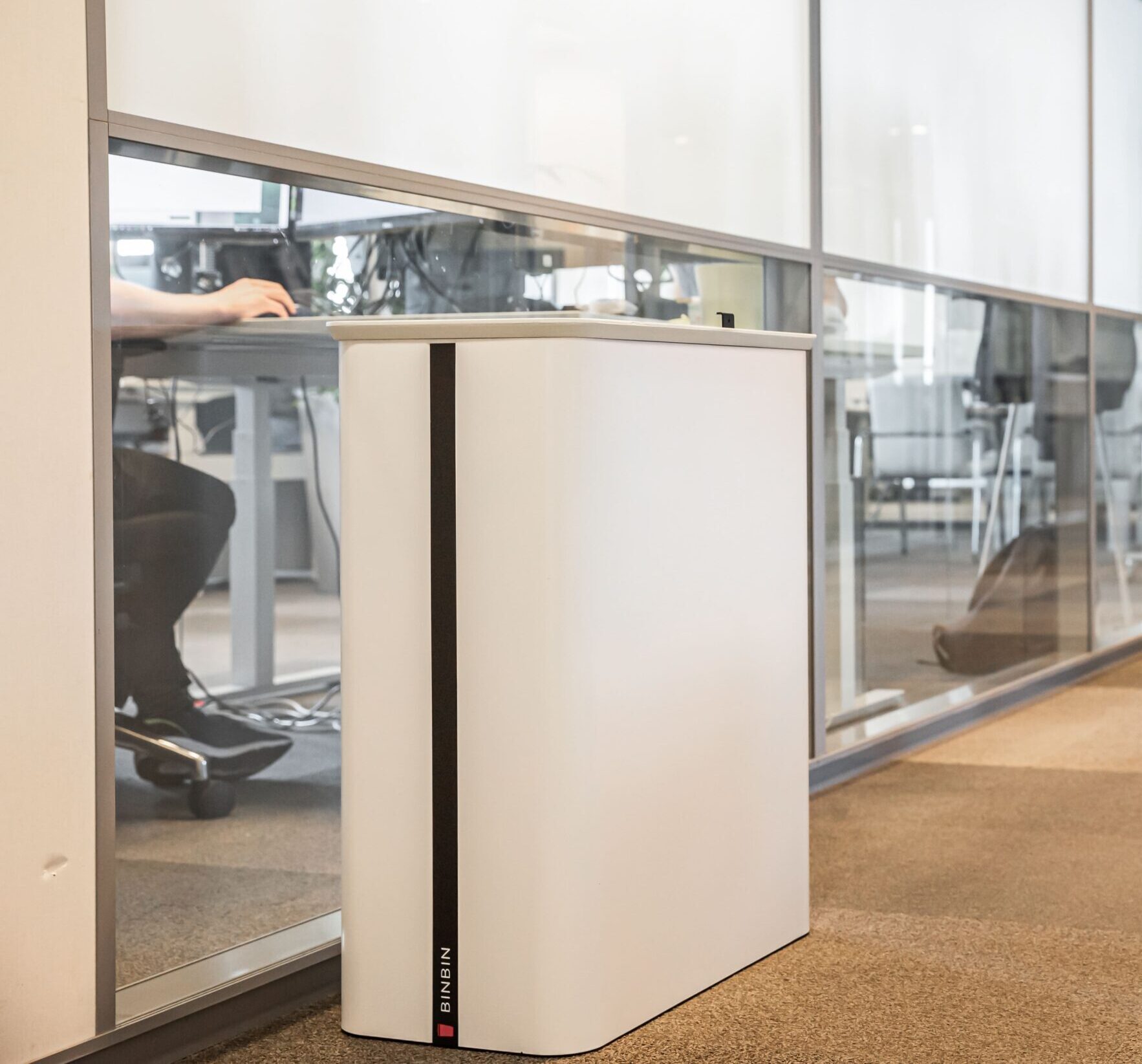
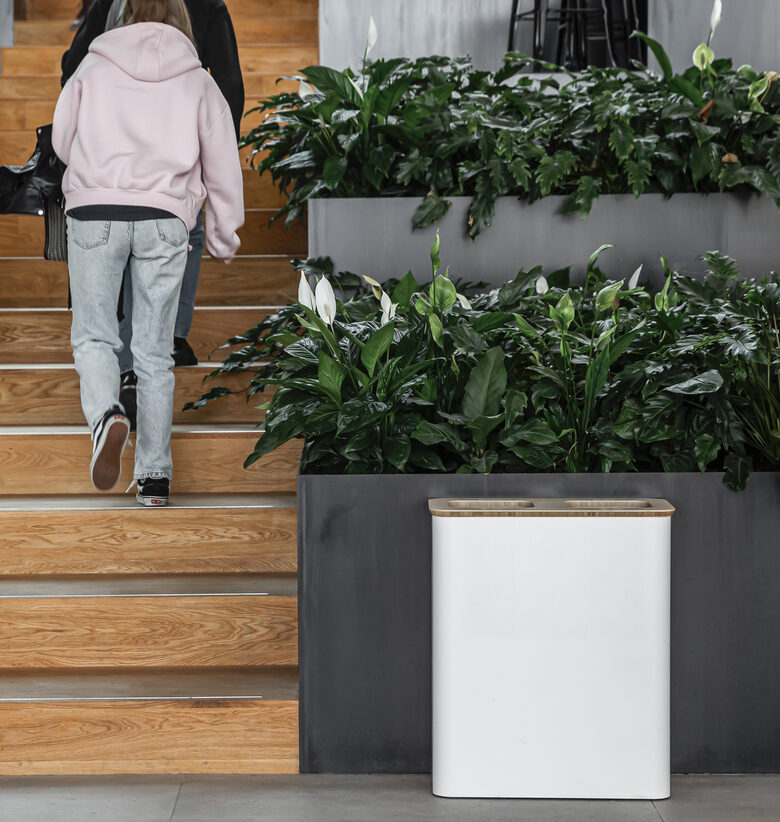
BINBIN provides comprehensive modular waste separation solutions designed specifically for South African organisations transitioning to circular waste management. Our Globular series offers complete flexibility, allowing you to configure systems for one to eight different waste streams that can be easily recombined or separated as your needs change.
Key benefits of BINBIN's approach include:
- Modular flexibility - Internal compartment splitting means you never need new bins as requirements evolve
- Circular design - 99% circular construction using recycled materials that can be fully reprocessed at end-of-life
- Professional aesthetics - Clean, functional design that enhances rather than detracts from your workspace
- Custom branding - Personalisation options that align with your organisation's visual identity
- Comprehensive support - From initial planning through ongoing optimisation
Whether you need office waste management systems, educational facility solutions, or public space installations, BINBIN's modular approach adapts to your specific requirements while supporting South Africa's waste separation mandates.
Ready to implement an effective waste separation system? Contact BINBIN to discuss your requirements and explore how our modular solutions can support your organisation's circular economy transition.