Effective waste management in healthcare facilities protects patient safety, ensures regulatory compliance, and prevents dangerous infections through proper segregation and disposal of medical waste. Healthcare facilities generate multiple hazardous waste streams that require specialised handling, from infectious materials to pharmaceutical waste. Proper waste management systems reduce disposal costs while maintaining strict safety standards essential for medical environments.
What is healthcare waste management and why is it critical for medical facilities?
Healthcare waste management is the systematic collection, segregation, treatment, and disposal of all waste generated in medical facilities. This includes both general healthcare waste and hazardous medical waste that poses risks to public health and the environment.
Medical facilities generate several distinct waste categories that require different handling protocols. Infectious waste includes items contaminated with blood or body fluids, while pathological waste consists of human tissues and organs. Pharmaceutical waste encompasses expired medications and chemotherapy drugs, and sharps waste includes needles, scalpels, and other cutting instruments.
Regulatory compliance forms the backbone of healthcare waste management. In South Africa, regulations under the National Health Act govern healthcare waste management across all private and public health establishments. These regulations apply to facilities providing inpatient or outpatient treatment, diagnostic services, nursing care, rehabilitation, and other health services. Healthcare facilities must register with the relevant environmental and health authorities, while transporters and processing facilities require proper licensing.
The critical nature of proper waste management extends beyond compliance. Poor waste handling practices can lead to healthcare-associated infections, environmental contamination, and serious legal consequences for medical facilities.
How does proper waste segregation prevent infections in healthcare settings?
Proper waste segregation at the point of generation significantly reduces cross-contamination risks by ensuring infectious materials never mix with general waste. This separation protects healthcare workers, patients, and cleaning staff from exposure to dangerous pathogens while maintaining the sterile environments essential for patient care.
When medical waste is correctly separated immediately after use, it prevents the spread of bloodborne pathogens and other infectious agents throughout the facility. Healthcare workers who handle unsegregated waste face increased exposure to hepatitis, HIV, and other serious infections that can be transmitted through contaminated materials.
The segregation process works by using colour-coded containers at every point where waste is generated. This system ensures that infectious materials go directly into appropriate containers without contaminating surrounding areas or general waste streams. Proper segregation also prevents dangerous items like sharps from injuring staff members who might encounter them in regular waste bins.
Maintaining sterile environments becomes much easier when waste segregation is performed correctly. Clean areas remain uncontaminated because infectious materials are immediately contained, reducing the need for extensive decontamination procedures and helping preserve the controlled environments necessary for patient recovery.
What are the different types of medical waste streams healthcare facilities must manage?
Healthcare facilities must manage five primary medical waste streams, each requiring specific handling protocols and disposal methods. These include red bag waste for infectious materials, yellow bag waste for clinical waste, sharps containers for cutting instruments, pharmaceutical waste for medications, and chemotherapy waste for cancer treatment materials.
Red bag waste contains infectious materials such as blood-soaked items, cultures, and pathological waste. This waste requires incineration or autoclaving before disposal and must be stored in leak-proof, puncture-resistant containers marked with biohazard symbols.
Yellow bag waste encompasses clinical waste, including anatomical waste, soiled dressings, and other materials that may contain infectious agents. This category requires similar treatment to red bag waste but may have different storage and transport requirements depending on local regulations.
Sharps containers hold needles, scalpels, broken glass, and other items that can cause cuts or punctures. These containers must be puncture-proof and filled only to designated levels before sealing and disposal through licensed medical waste handlers.
The remaining categories include:
- Pharmaceutical waste requiring specific disposal methods to prevent environmental contamination
- Chemotherapy waste needing specialised treatment due to its toxic properties
- Radioactive materials requiring decay time before disposal
- Laboratory cultures requiring decontamination before leaving the facility
How can healthcare facilities reduce waste disposal costs while maintaining compliance?
Healthcare facilities can significantly reduce waste disposal costs through proper staff training, waste minimisation techniques, and strategic vendor negotiations while maintaining full regulatory compliance. Effective cost reduction focuses on reducing waste volumes and improving segregation accuracy rather than compromising safety standards.
Waste minimisation starts with purchasing decisions and inventory management. Facilities can reduce pharmaceutical waste by implementing better inventory rotation systems and ordering smaller quantities of medications with shorter shelf lives. Single-use items should be evaluated for necessity, and reusable alternatives considered where safe and appropriate.
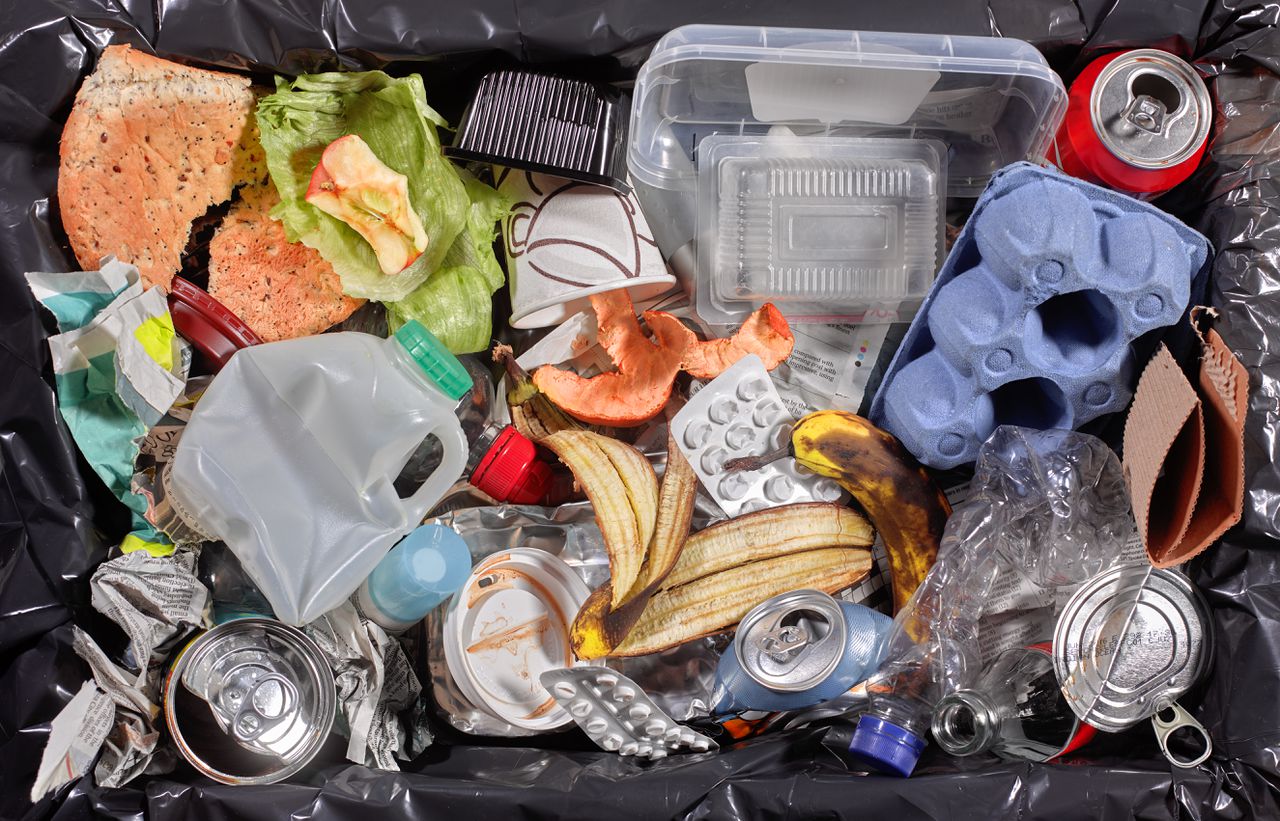
Proper segregation training directly impacts costs because incorrectly segregated waste often requires treatment as hazardous medical waste regardless of its actual content. When general waste contaminates medical waste streams, entire containers may require costly medical waste disposal rather than standard waste handling.
Vendor negotiations become more effective when facilities can demonstrate consistent waste volumes and proper segregation practices. Many waste management companies offer volume discounts and may provide equipment or training in exchange for long-term contracts.
Sustainable practices that reduce overall waste volumes include:
- Implementing reusable items where regulations permit
- Reducing packaging waste through supplier negotiations
- Establishing recycling programmes for non-contaminated materials
- Optimising inventory management to reduce expired products
- Training staff to identify truly hazardous waste versus general waste
What role does staff training play in effective healthcare waste management?
Comprehensive staff training forms the foundation of effective healthcare waste management by ensuring every team member can properly identify waste types, follow disposal procedures, and maintain safety protocols. Consistent training across all departments prevents costly mistakes and maintains regulatory compliance throughout the facility.
Staff education must cover waste identification skills because proper segregation depends on workers recognising different waste categories at the point of generation. Training programmes should include visual guides, hands-on practice, and regular updates on changing regulations or procedures.
Safety protocols require ongoing reinforcement because healthcare workers face daily exposure to potentially dangerous materials. Training must emphasise the use of personal protective equipment, proper handling techniques, and emergency procedures for spills or exposures.
Ongoing education programmes ensure compliance remains consistent over time. New employees need comprehensive orientation training, while existing staff require regular refresher sessions and updates on regulatory changes. Many facilities find success with monthly safety meetings that include waste management topics.
Training effectiveness improves when programmes address specific roles and responsibilities. Nursing staff need different training from housekeeping personnel, and laboratory workers require specialised knowledge of chemical and biological waste streams. Tailored training approaches help ensure each department understands its specific waste management responsibilities.
How does sustainable waste management benefit healthcare facilities long-term?
Sustainable waste management provides healthcare facilities with significant environmental and economic advantages through reduced disposal costs, improved regulatory compliance, and an enhanced community reputation. Long-term benefits include lower operational expenses, reduced environmental impact, and alignment with growing sustainability expectations from patients and regulators.
Environmental benefits extend beyond immediate cost savings to include reduced carbon footprints and decreased landfill contributions. Healthcare facilities that implement comprehensive recycling programmes and waste reduction initiatives often see substantial decreases in their overall environmental impact while maintaining safety standards.
Economic advantages accumulate over time through reduced waste disposal fees, lower purchasing costs from waste reduction initiatives, and potential revenue from recyclable materials. Facilities that invest in sustainable waste management often recover initial costs within two to three years while building long-term operational efficiency.
Circular economy principles in healthcare settings focus on extending product lifecycles and reducing single-use items where safety permits. This might include reusable surgical instruments, refillable containers for non-hazardous materials, and partnerships with suppliers that accept returned packaging for reuse.
Waste reduction programmes that maintain safety standards include source reduction through better inventory management, reuse of non-contaminated materials, and recycling programmes for items like cardboard, plastics, and metals that have not been exposed to infectious agents.
How BINBIN helps with healthcare waste management solutions
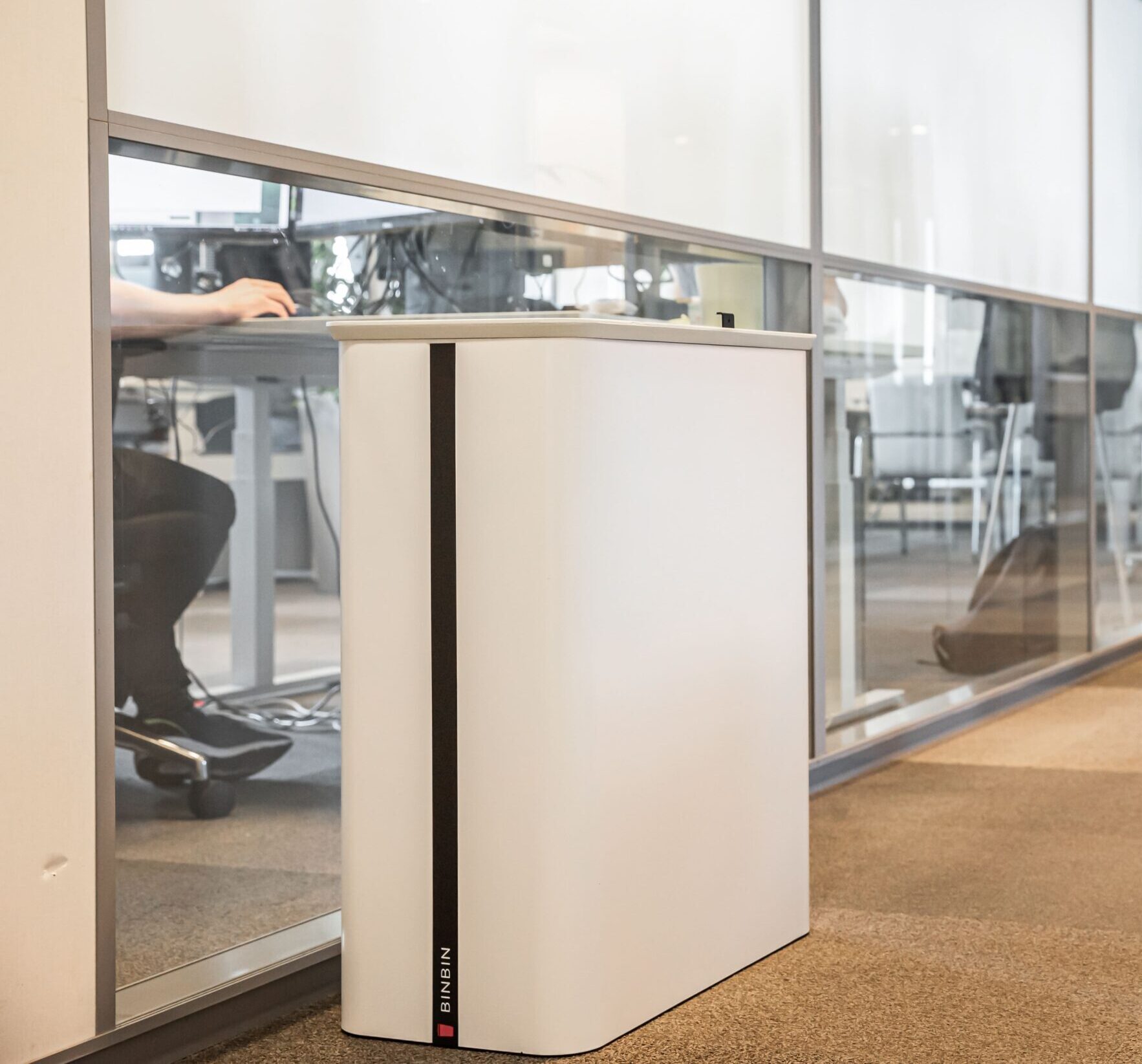
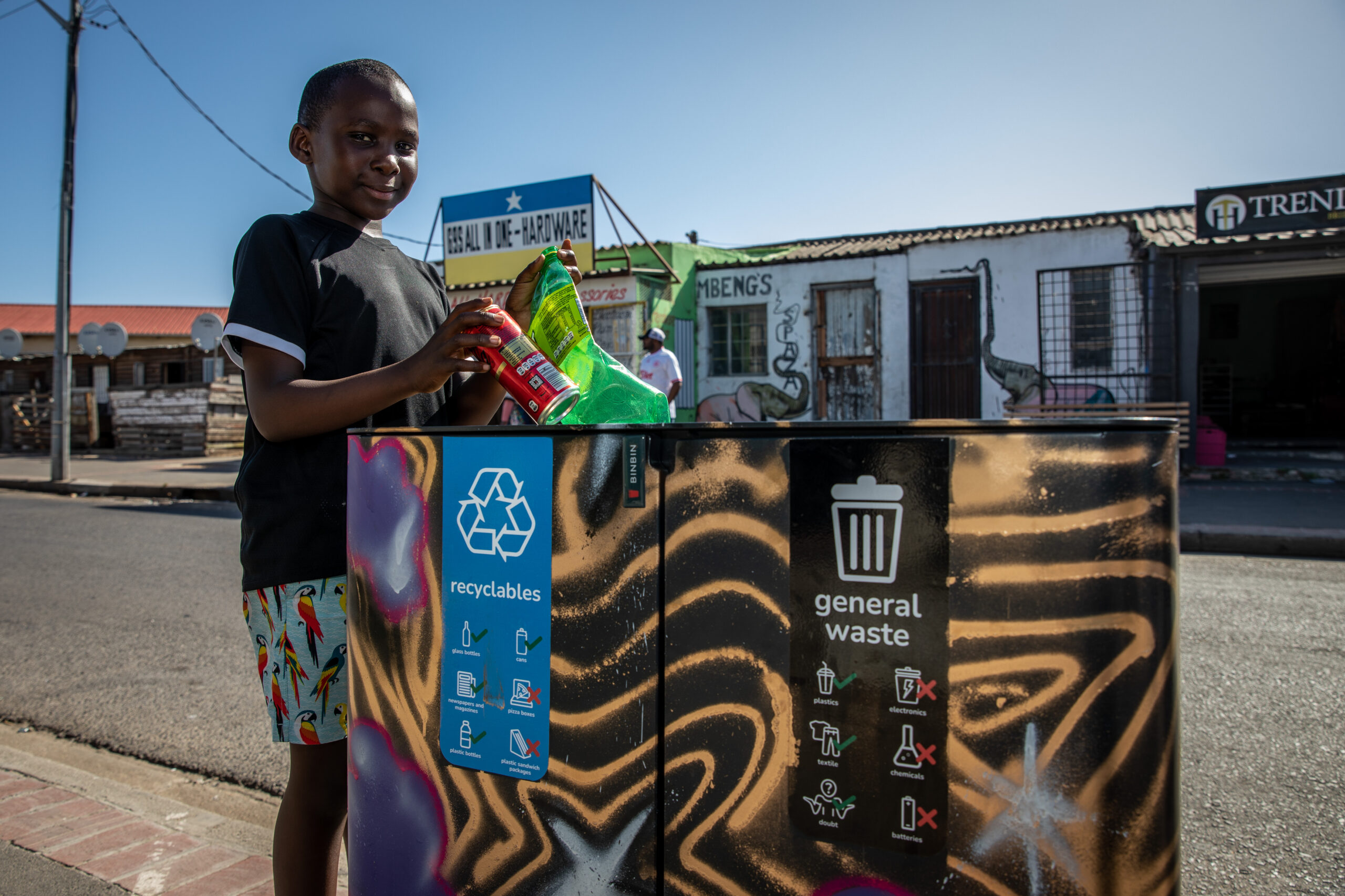
BINBIN provides comprehensive modular waste segregation systems specifically designed for healthcare environments, offering infection control benefits through proper waste separation while maintaining the flexibility to adapt to changing facility needs. Our healthcare waste management solutions support regulatory compliance through clear waste stream identification and customisable configurations that grow with your facility.
Our modular approach allows healthcare facilities to configure waste management systems for multiple waste streams simultaneously. The Globular series enables facilities to separate 1 to 8 different waste types using a single system, with the flexibility to combine or divide containers as needs change. Each sorting compartment can be internally split, ensuring facilities never need entirely new systems when waste streams evolve.
Key benefits for healthcare facilities include:
- Colour-coded compartments that support proper waste segregation protocols
- Modular design allowing easy reconfiguration as regulations or needs change
- Durable construction suitable for frequent cleaning and disinfection
- Professional appearance that maintains healthcare facility aesthetics
- Compliance support through clear waste stream identification
Our healthcare waste management solutions integrate seamlessly into medical environments while providing the flexibility to adapt to changing requirements. Explore our complete range of modular waste management systems designed for healthcare facilities, or arrange a trial placement to experience how our solutions can improve your facility's waste management efficiency while maintaining full regulatory compliance.