Office waste management involves systematically collecting, sorting, and disposing of workplace waste through structured processes and infrastructure. Effective systems reduce costs, ensure legal compliance, and support environmental goals while maintaining professional office environments. Modern offices require strategic waste separation approaches that engage employees and integrate seamlessly into daily operations.
What exactly is office waste management, and why is it essential?
Office waste management is a comprehensive system for handling all waste generated in workplace environments through proper collection, separation, and disposal methods. It encompasses everything from paper recycling and electronic waste to food scraps and general refuse, ensuring each waste stream receives appropriate treatment while maintaining workplace efficiency and compliance with environmental regulations.
The importance extends far beyond simple rubbish removal. Legal compliance drives much of the need, as South African businesses must adhere to the National Environmental Management: Waste Act, 2008, which promotes integrated waste management based on waste hierarchy principles. This legislation requires organisations to minimise waste through avoidance, reduction, reuse, recycling, and recovery before considering disposal.
Environmental benefits include reducing landfill contributions and supporting circular economy principles. When offices implement proper waste separation, recyclable materials remain in productive use rather than becoming environmental burdens. Cost benefits emerge through reduced waste disposal fees, potential revenue from recyclable materials, and improved operational efficiency.
Professional image considerations also matter significantly. Modern employees and clients expect organisations to demonstrate environmental responsibility through visible sustainability practices, making effective waste management both an operational necessity and a brand asset.
How does waste separation work in modern office environments?
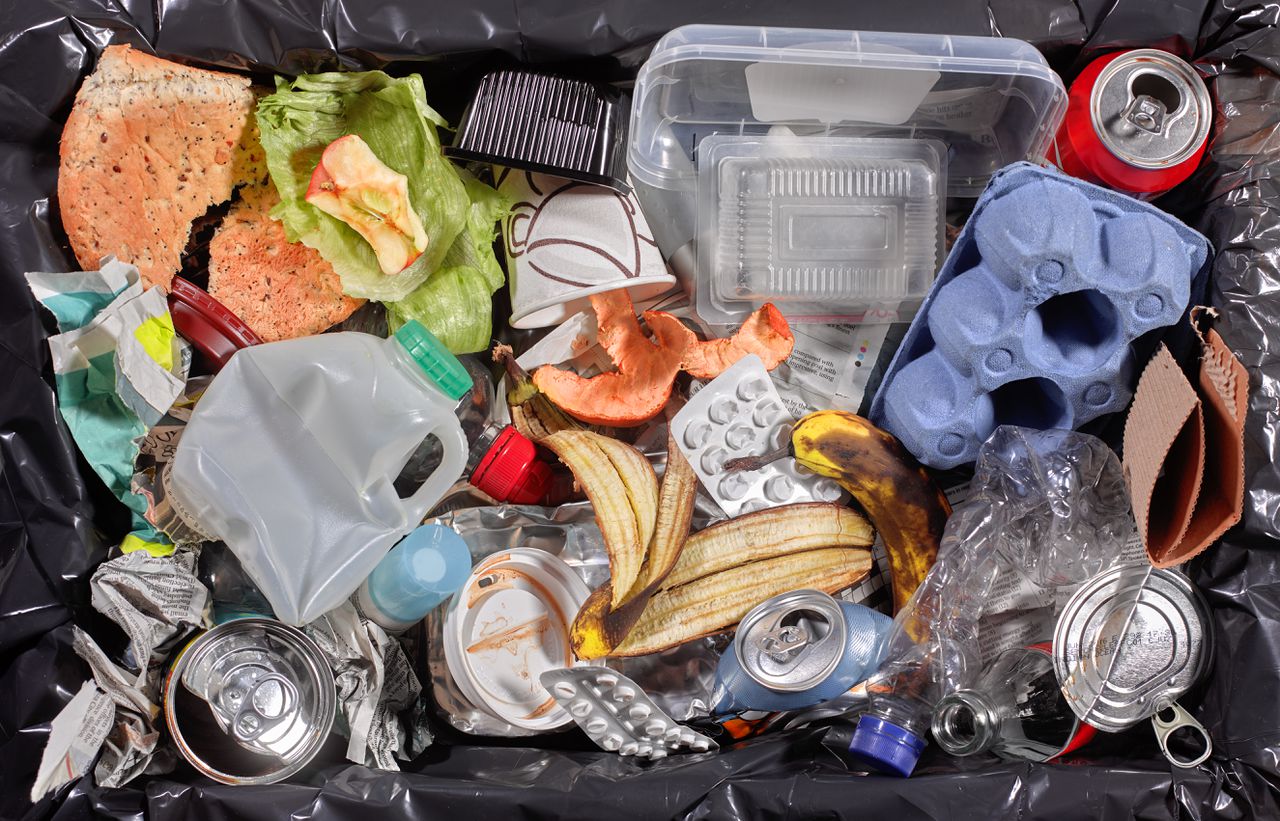
Waste separation in offices operates through designated collection points where different waste streams are sorted at the source. The most common streams include paper and cardboard, plastic containers, organic waste from kitchens, and general refuse, with each requiring specific handling procedures and collection schedules to maintain workplace cleanliness and efficiency.
The process begins with strategically placed separation stations throughout office spaces. These typically include:
- Paper and cardboard bins for documents, packaging, and printed materials
- Plastic and metal containers for bottles, cans, and food packaging
- Organic waste collection for kitchen scraps and food waste
- General waste for items that cannot be recycled
- Specialised collection for electronics, batteries, and hazardous materials
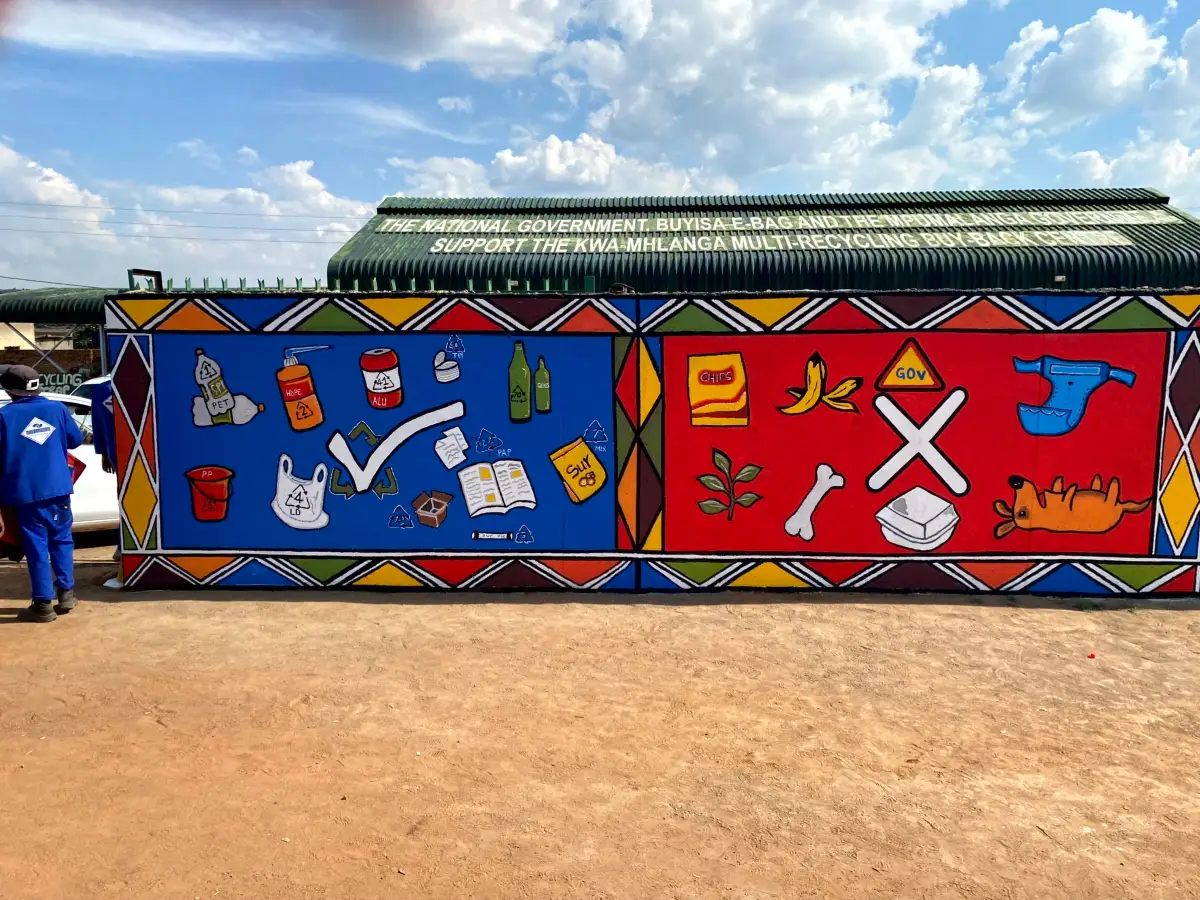
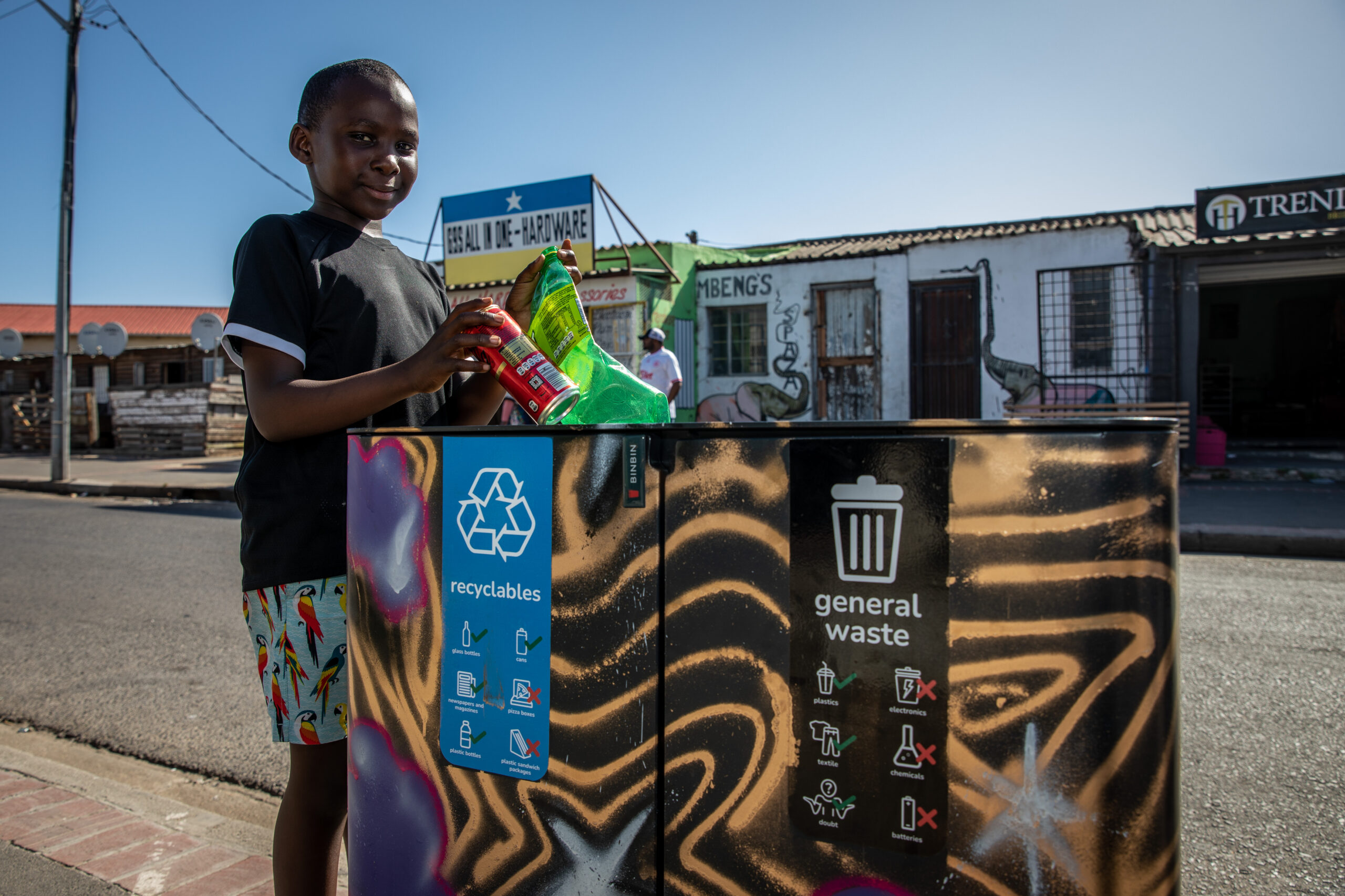
Employee participation requires clear communication about what belongs in each stream. Visual guides, colour-coded systems, and regular reminders help maintain separation quality. Infrastructure requirements include adequate bin capacity, convenient placement near workstations and common areas, and regular collection schedules that prevent overflow or contamination.
Collection methods vary based on office size and layout. Smaller offices might use individual desk bins that are emptied into central collection points, while larger facilities often employ distributed stations across different floors or departments.
What are the main challenges offices face with waste management?
Employee compliance represents the biggest challenge, as successful waste separation requires consistent participation from all staff members. Many employees default to convenience over proper sorting, particularly when separation systems are unclear, inconveniently located, or when they lack an understanding of the environmental benefits and proper procedures.
Space constraints frequently limit implementation options. Modern offices prioritise aesthetics and functionality, making it difficult to accommodate multiple waste streams without compromising design elements or workflow efficiency. Traditional waste bins often clash with contemporary office aesthetics, creating resistance from management and design teams.
Contamination problems occur when incorrect items end up in recycling streams, potentially compromising entire batches of otherwise recyclable materials. Common issues include food residue on packaging, non-recyclable items mixed with recyclables, and confusion about which materials belong in specific streams.
Cost considerations include initial setup expenses, ongoing collection fees, and potentially increased labour for monitoring and maintenance. Some organisations worry about higher costs without understanding the long-term savings potential through reduced general waste disposal fees and improved efficiency.
Integration with existing workflows requires careful planning to avoid disrupting productivity. Poorly planned systems can create bottlenecks, increase cleaning requirements, or interfere with daily operations, leading to system abandonment.
Which waste management systems work best for different office sizes?
Small offices with fewer than 50 employees typically benefit from distributed collection systems, with individual desk bins feeding into central separation stations. This approach minimises infrastructure requirements while maintaining convenience, though it requires strong employee education and consistent monitoring to prevent contamination between waste streams.
Medium-sized offices (50–200 employees) often find success with strategically placed separation stations throughout different zones or floors. These centralised points reduce maintenance requirements while providing adequate access for all employees. Modular systems work particularly well at this scale, allowing adjustments as needs change or employee numbers fluctuate.
Large offices (200+ employees) require comprehensive waste management infrastructure with multiple collection points, dedicated storage areas, and often compaction systems for high-volume streams like cardboard. Static compactors are recommended for office developments larger than 5,000 square metres, as they significantly reduce collection frequency and associated costs.
The choice between centralised and distributed approaches depends on office layout, employee behaviour patterns, and maintenance capabilities. Centralised systems reduce infrastructure costs but may decrease participation if they are inconveniently located. Distributed systems increase participation but require more equipment and monitoring.
Scalability considerations become crucial for growing organisations. Systems should accommodate expansion without complete replacement, making modular approaches increasingly attractive for businesses expecting growth or change.
How do you implement an effective office waste management programme?
Implementation begins with a comprehensive needs assessment that examines current waste generation patterns, employee behaviour, available space, and specific regulatory requirements. This analysis identifies optimal placement for collection points, required capacity for different waste streams, and potential obstacles that might affect the system’s success.
The systematic approach follows these key steps:
- Conduct a waste audit to understand current generation patterns and identify improvement opportunities
- Select appropriate infrastructure based on space, aesthetics, and functional requirements
- Develop employee education materials, including visual guides and clear instructions
- Plan a placement strategy that ensures convenient access without workflow disruption
- Establish collection schedules and maintenance procedures
- Create monitoring systems to track participation and contamination levels
- Implement feedback mechanisms for continuous improvement
Employee training is critical for long-term success. This includes explaining environmental benefits, demonstrating proper sorting techniques, and addressing common questions about specific materials. Regular refresher sessions help maintain engagement and support new-employee onboarding.
Monitoring procedures should track both participation rates and contamination levels. Regular bin audits help identify problem areas, while employee feedback provides insights into system usability and potential improvements. Successful programmes adapt based on real-world usage patterns rather than theoretical ideals.
What results can offices expect from proper waste management?
Well-implemented office waste management systems typically achieve significant waste diversion from landfills while reducing overall disposal costs. Most offices see improved employee engagement with sustainability initiatives and an enhanced professional image, though specific outcomes depend on system design, employee participation, and initial waste generation patterns.
Cost benefits emerge through multiple channels. Reduced general waste volumes lower disposal fees, as recyclable materials often cost less to process than mixed waste. Some recyclable streams may generate revenue, particularly high-quality paper and cardboard. Operational efficiency improvements reduce staff time spent managing waste-related issues.
Environmental benefits include reduced landfill contributions and support for circular economy principles. Offices with effective separation systems contribute to material recovery rather than resource waste, supporting broader environmental goals while meeting corporate sustainability commitments.
Employee engagement typically improves when staff understand their environmental impact and see tangible results from their efforts. This often extends beyond waste management to other sustainability initiatives, creating broader cultural shifts toward environmental responsibility.
Compliance achievements ensure adherence to South African waste management legislation, reducing regulatory risks while demonstrating corporate responsibility. This becomes increasingly important as environmental regulations evolve and enforcement increases.
Professional image benefits include an enhanced reputation with environmentally conscious clients, improved employee attraction and retention, and stronger corporate sustainability credentials for marketing and business development purposes.
How BINBIN helps with office waste management
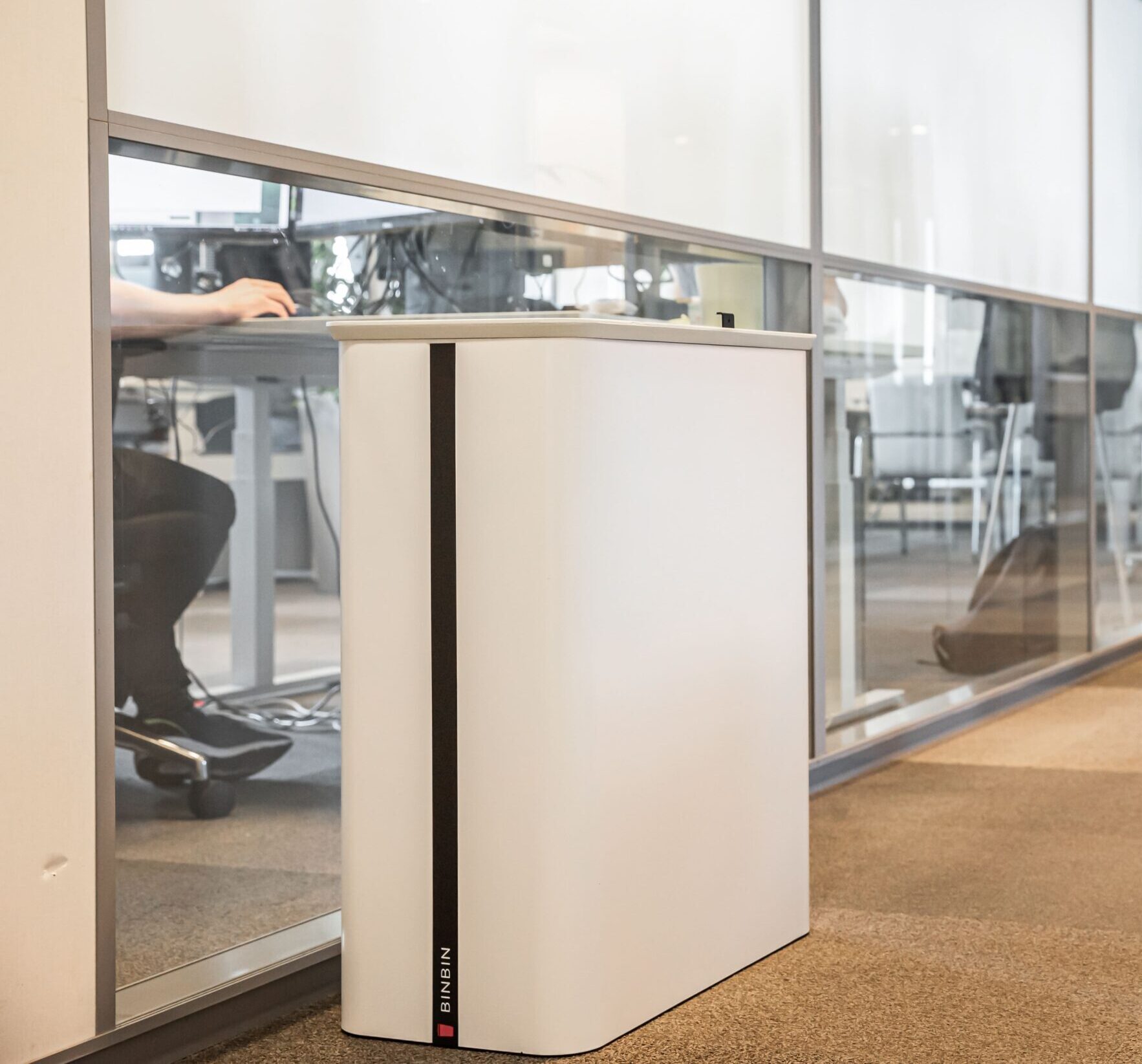
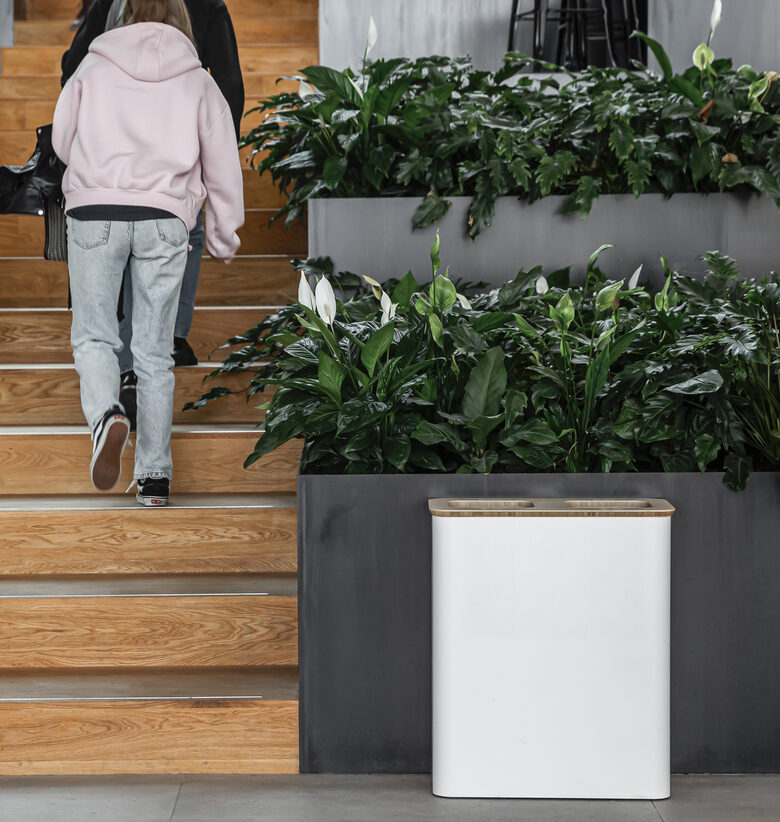
BINBIN provides comprehensive office waste management solutions through modular systems designed specifically for professional environments. Our Globular series enables the separation of 1 to 8 waste streams, with flexible configuration options that adapt as your needs change, ensuring your investment remains valuable throughout your organisation’s growth and evolution.
Our solutions address common office challenges through:
- Modular design that allows easy reconfiguration without purchasing new equipment
- Clean, professional aesthetics that integrate seamlessly with modern office environments
- Customisation options, including company branding and colour coordination
- 99% circular construction using recycled and recyclable materials
- Comprehensive implementation support, including needs assessment and employee training materials
We provide personalised guidance throughout the implementation process, helping you select optimal configurations, placement strategies, and employee engagement approaches. Our modular systems grow with your organisation, ensuring long-term value while supporting your sustainability goals.
Ready to transform your office waste management? Contact us for a consultation and discover how our solutions can improve your workplace efficiency while supporting environmental responsibility.