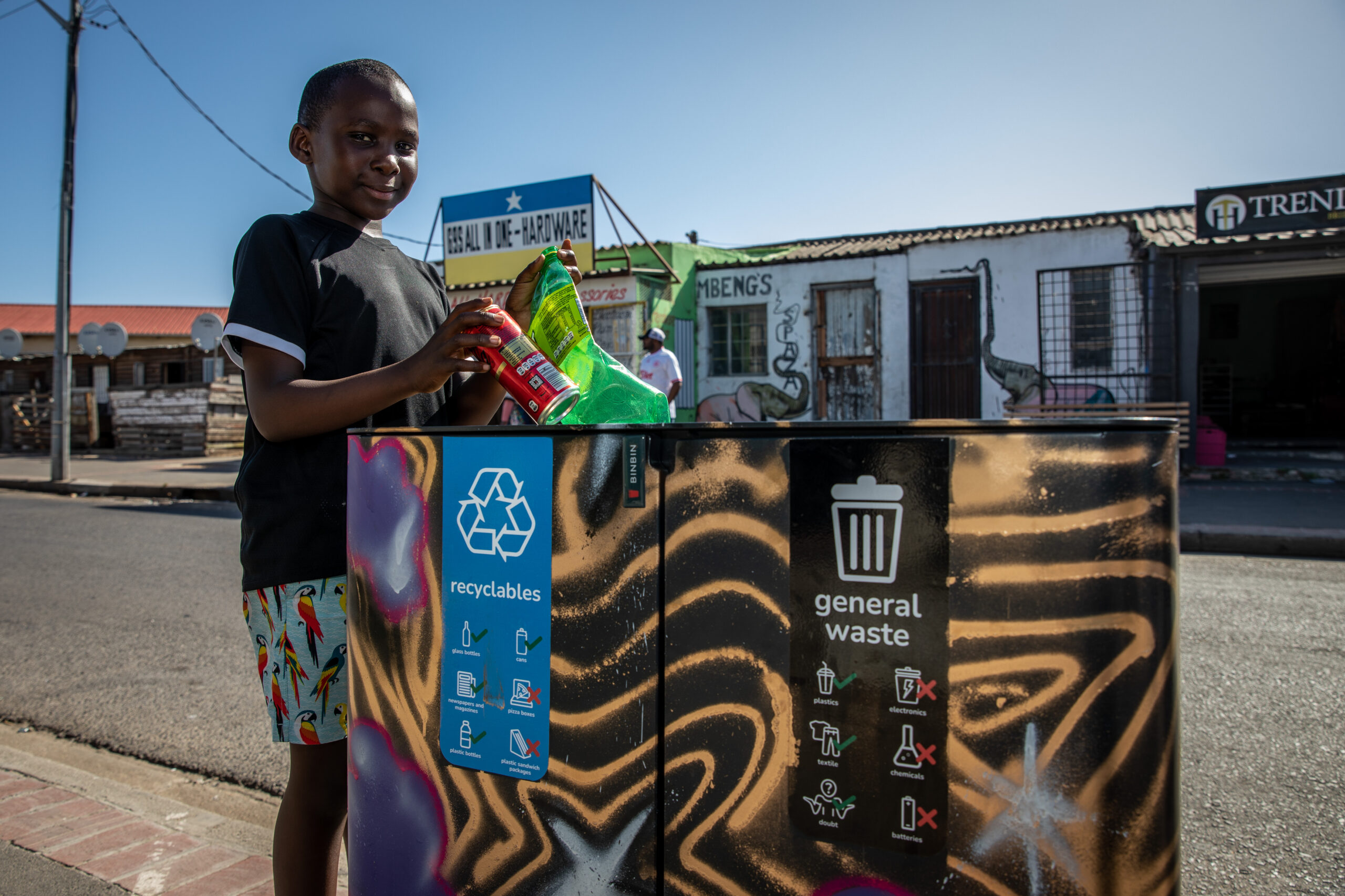
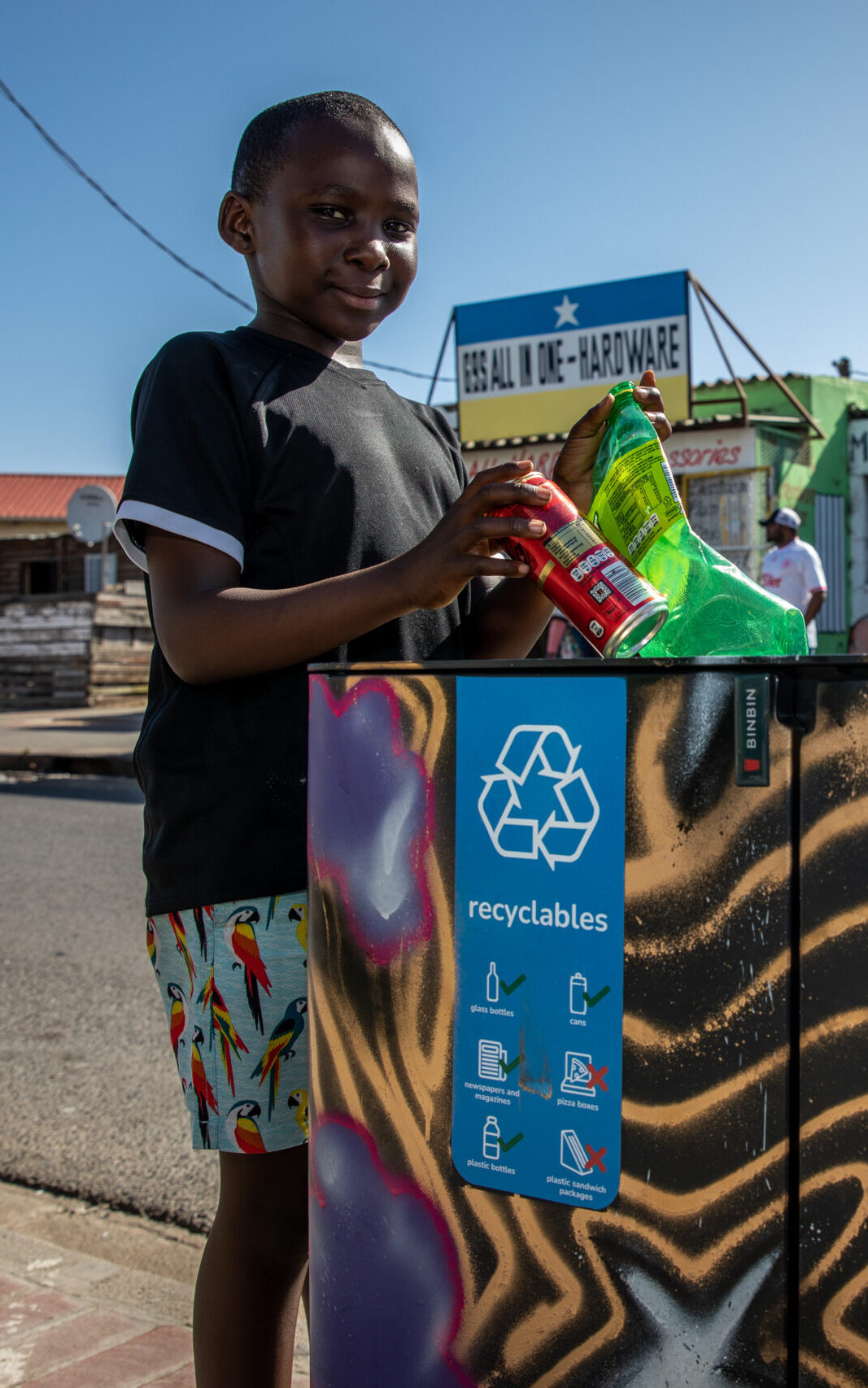
Proper waste handling in schools creates healthier learning environments, reduces operational costs, and provides valuable educational opportunities for students. Effective school waste management involves the systematic separation, collection, and disposal of different waste streams while teaching environmental responsibility. Schools that implement comprehensive waste programs see improvements in student health, facility cleanliness, and community engagement while developing environmentally conscious citizens.
What is proper waste handling and why does it matter for schools?
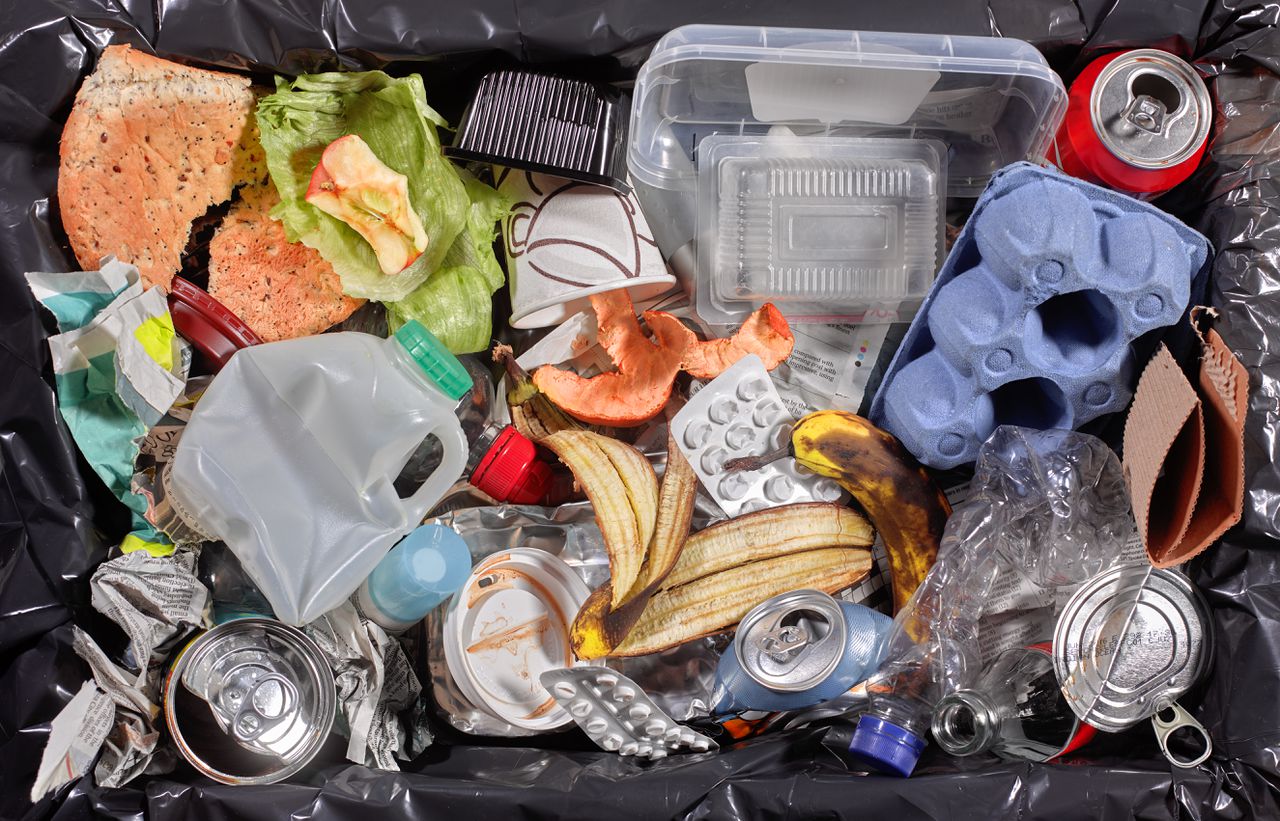
Proper waste handling in schools involves the systematic separation, collection, storage, and disposal of different waste streams, including recyclables, organic matter, and general refuse. This approach minimises environmental impact while maintaining hygiene standards and creating educational opportunities for students to learn about sustainability and environmental stewardship.
Schools are uniquely positioned to benefit from structured waste management systems because they serve as community hubs where habits are formed and knowledge is transferred. Educational institutions generate diverse waste streams throughout daily operations, from classroom materials and food service waste to maintenance and administrative refuse.
This systematic approach to waste handling creates a foundation for environmental education while addressing practical facility management needs. When students observe and participate in proper waste separation, they develop lifelong habits that extend beyond the school environment into their homes and future workplaces.
How does proper waste handling improve student health and safety?
Effective waste management directly improves student health by reducing contamination risks, controlling pest populations, and maintaining cleaner air quality throughout school facilities. Proper separation and regular collection prevent the accumulation of organic waste that attracts insects and rodents while reducing odours and bacterial growth.
Clean, well-managed waste systems contribute to better indoor air quality by preventing the release of harmful gases from decomposing organic matter. This is particularly important in enclosed classroom environments where students spend extended periods learning and engaging in physical activities.
Safety protocols improve when waste is properly categorised and contained. Sharp objects are safely disposed of in designated containers, hazardous materials are handled according to regulations, and slip hazards from scattered refuse are eliminated. These improvements create a more focused learning environment where students can concentrate on their studies rather than navigating waste-related distractions.
What educational benefits do students gain from school waste programs?
School waste programs provide hands-on environmental education opportunities that integrate sustainability concepts across multiple subjects, including science, geography, mathematics, and social studies. Students learn about resource cycles, environmental impact, and personal responsibility through direct participation in waste separation and monitoring activities.
These programs develop critical thinking skills as students analyse waste generation patterns, calculate recycling rates, and explore connections between consumption and environmental impact. Mathematics lessons incorporate data collection and analysis of waste streams, while science classes examine decomposition processes and material properties.
Participation in waste management develops citizenship skills and personal responsibility as students contribute to their school community's environmental goals. Students learn that individual actions have a collective impact, fostering a sense of agency and environmental stewardship that extends beyond the classroom.
How can schools reduce costs through effective waste management?
Schools can significantly reduce operational costs through effective waste management by decreasing waste collection fees, generating revenue from recyclable materials, and reducing facility cleaning and maintenance expenses. Proper separation reduces the volume of general waste requiring expensive disposal while maximising materials that can be recycled or composted.
Many waste collection services offer reduced fees for schools that effectively separate recyclables from general waste. Some facilities generate modest revenue by selling clean recyclable materials such as paper, cardboard, and metals to local recycling centres or waste management companies.
Long-term facility maintenance costs decrease when waste is properly managed. Regular collection and proper storage prevent pest infestations that require professional treatment, reduce deep cleaning requirements, and minimise damage to buildings and grounds from improper waste disposal.
What impact does school waste handling have on the broader community?
School waste programs influence family behaviours as students bring environmental awareness and waste separation practices home, creating a ripple effect that extends proper waste handling beyond the educational institution. Children often become advocates for environmental practices within their households, encouraging family members to adopt similar separation and recycling habits.
Educational institutions serve as community sustainability leaders by demonstrating effective waste management practices that other organisations can observe and adopt. Schools often partner with local environmental groups, waste management companies, and government agencies to support broader community recycling and waste reduction initiatives.
The environmental education provided through school waste programs creates informed citizens who understand the connections between individual actions and community environmental health. These students become adults who support environmental policies, make conscious consumption choices, and continue sustainable practices throughout their lives.
How do you implement a successful waste handling program in schools?
Implementing a successful school waste program begins with conducting a waste audit to understand current generation patterns, followed by developing a comprehensive plan that includes infrastructure requirements, staff training, and student engagement strategies. Success depends on clear communication, consistent implementation, and regular monitoring of program effectiveness.
Essential infrastructure requirements include:
- Clearly labelled separation containers for different waste streams
- Convenient collection points throughout school facilities
- Adequate storage areas for separated materials
- Regular collection schedules that prevent overflow
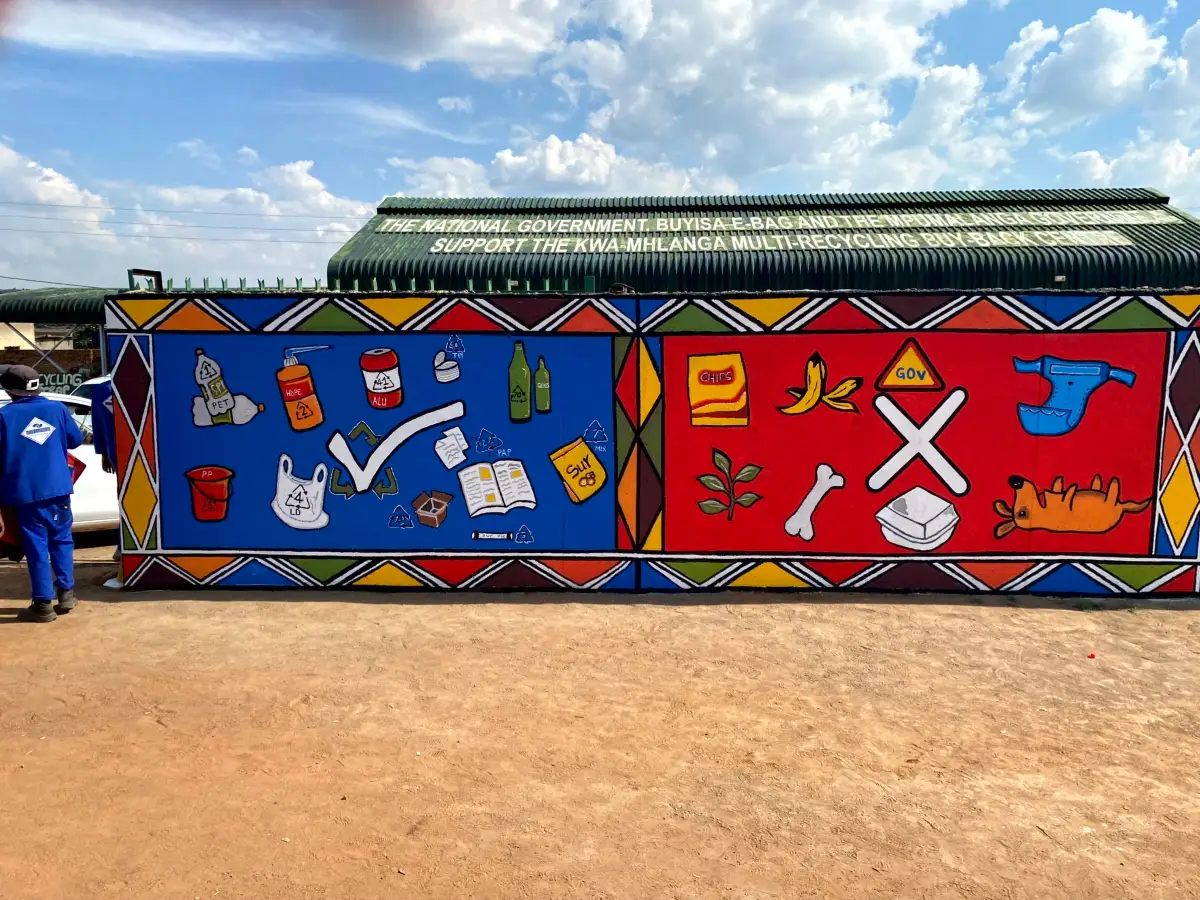
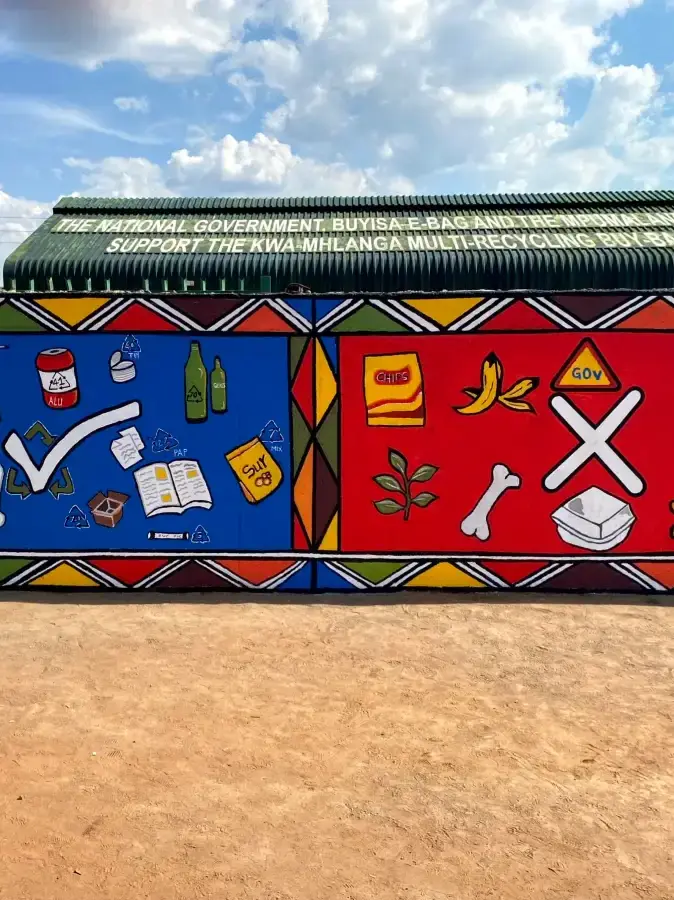
- Educational signage explaining proper separation procedures
Staff training ensures consistent program implementation across all school departments. Custodial staff, teachers, administrators, and food service workers need clear guidance on separation procedures, collection schedules, and their role in supporting student participation.
Student engagement strategies should include:
- Interactive educational sessions explaining waste separation procedures
- Regular monitoring and feedback on program participation rates
- Recognition programs celebrating environmental achievements
- Integration of waste management concepts into curriculum activities
- Student leadership opportunities in program management and promotion
Measuring success involves tracking waste diversion rates, cost savings, student participation levels, and community engagement. Regular assessment allows for program adjustments and demonstrates the value of continued investment in waste management infrastructure and education.
How BINBIN helps with educational waste management solutions
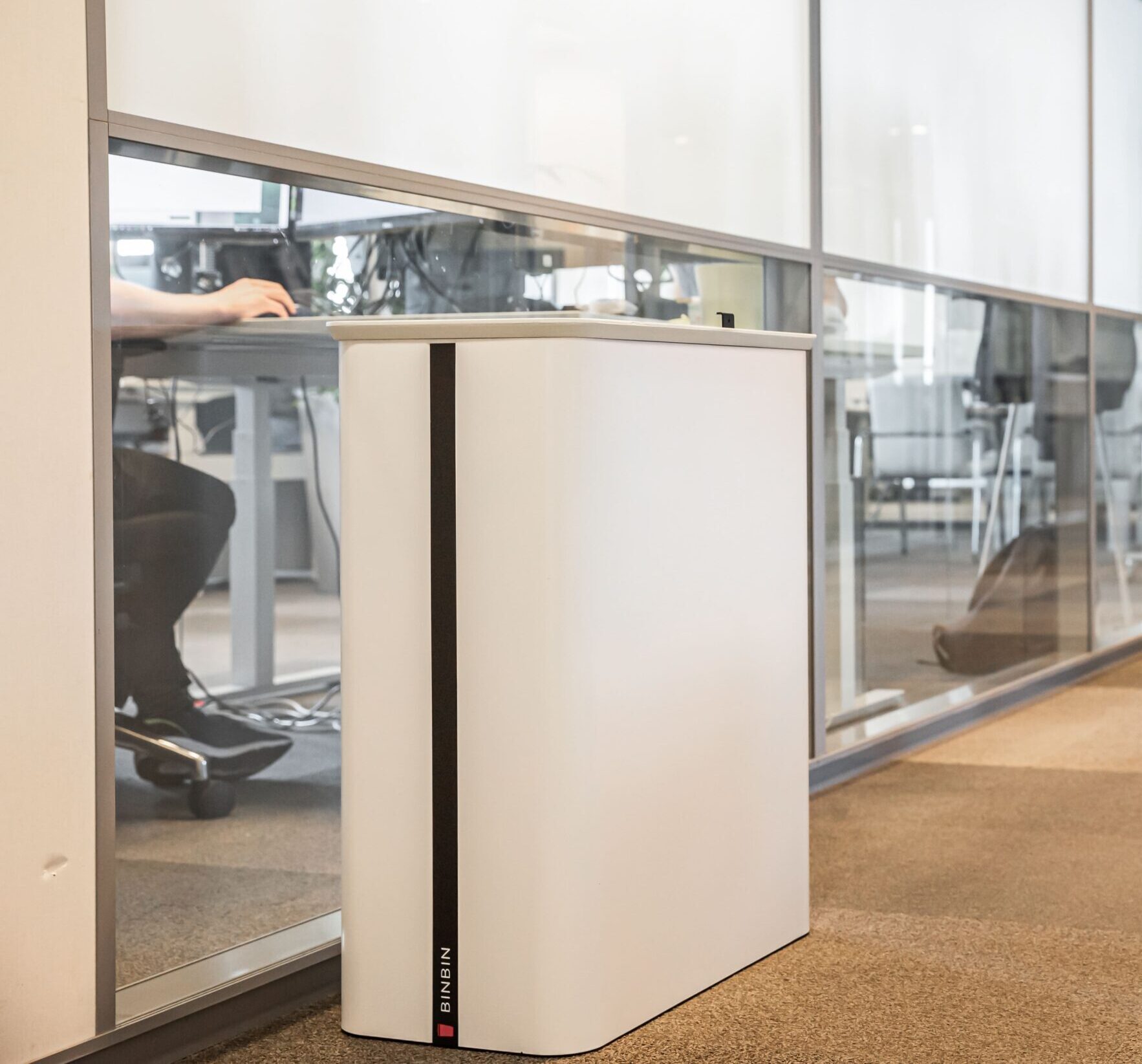
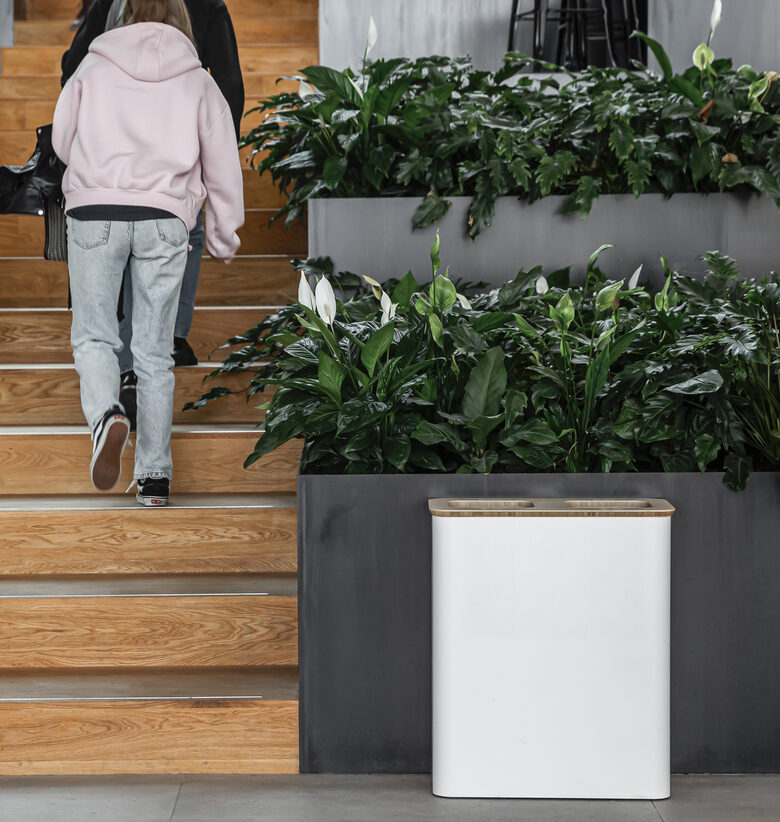
BINBIN provides modular waste separation systems specifically designed for educational environments, offering flexible solutions that adapt to changing school needs while supporting effective environmental education programs. Our Globular series enables schools to separate 1 to 8 different waste streams using configurable containers that can be combined or divided as requirements change.
Our educational waste management solutions offer:
- User-friendly separation systems that make recycling intuitive for students and staff
- Durable, easy-to-clean containers designed for high-traffic educational environments
- Clear labelling and educational signage that supports learning objectives
- Modular design allowing schools to start small and expand programs over time
- 99% circular construction supporting schools' sustainability commitments
Schools interested in implementing comprehensive waste management programs can explore our range of educational solutions or arrange a trial placement to experience how modular waste separation transforms educational environments while supporting both operational efficiency and environmental education goals.