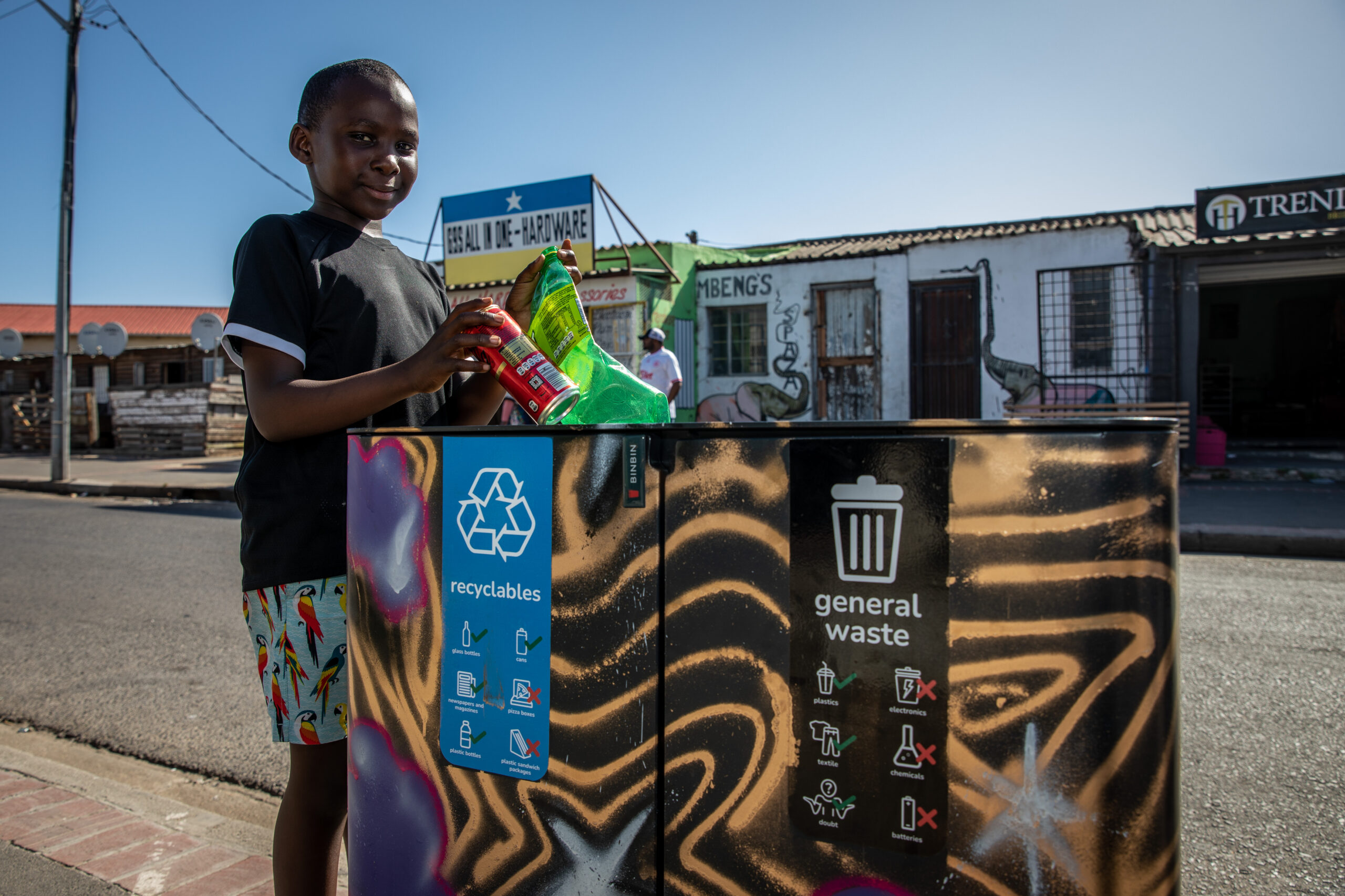
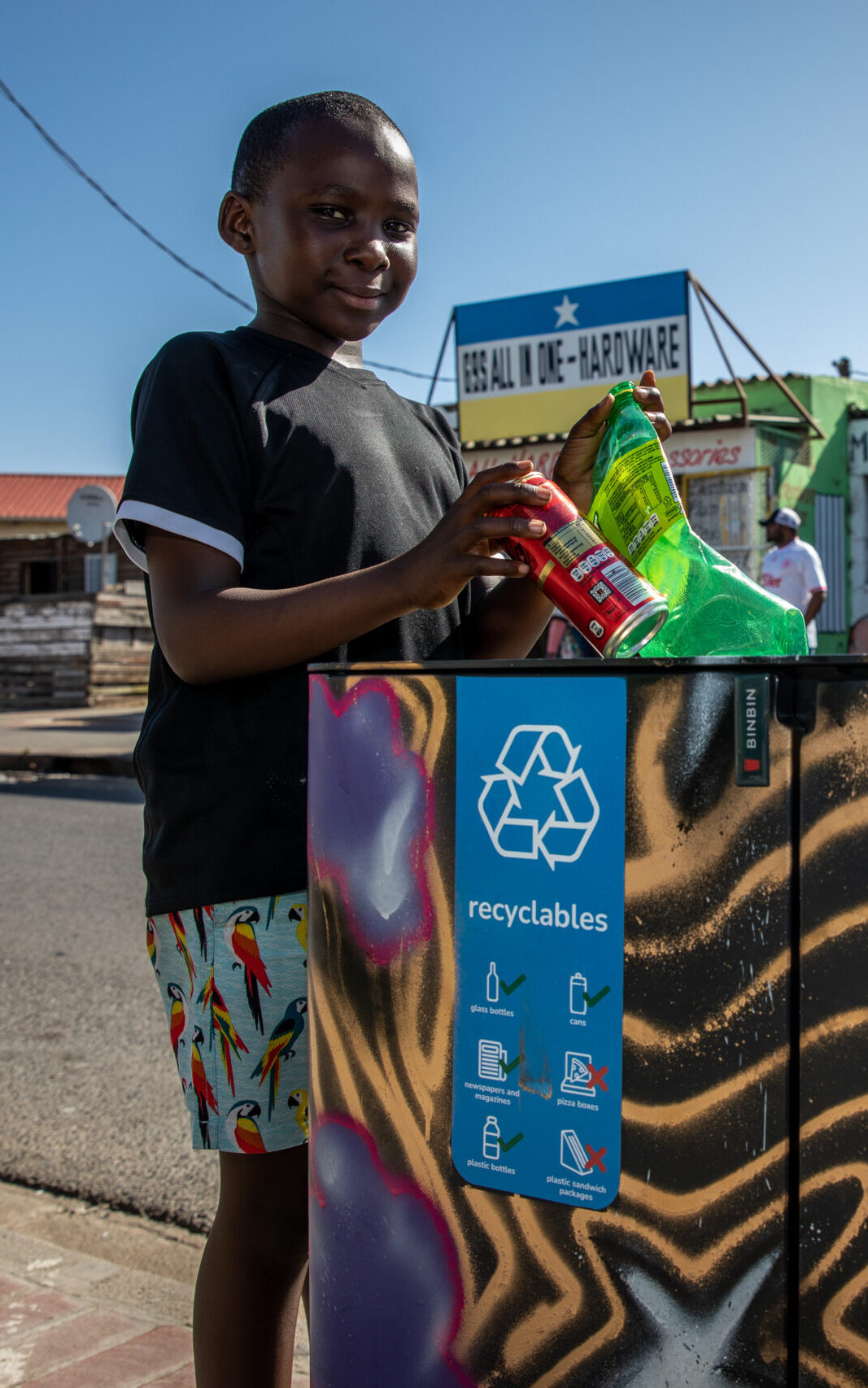
Recycling in educational institutions involves implementing systematic waste separation programmes that accommodate diverse user groups while creating learning opportunities. Schools generate significant volumes of mixed waste streams that require specialised collection systems, clear signage, and ongoing education to ensure proper participation. Educational recycling programmes differ from those in other settings because of their unique combination of high traffic, varied age groups, and potential for integrating environmental education.
What makes recycling in educational institutions different from other settings?
Educational institutions face unique challenges, including diverse user groups spanning different ages and levels of understanding, high-volume waste generation from hundreds or thousands of daily users, and the need for systems that work consistently across varied spaces, from classrooms to cafeterias. Unlike office environments with consistent adult users, schools must accommodate everyone from young children to teenagers and staff.
The educational setting also presents exceptional opportunities that other environments lack. Schools can integrate waste separation into the curriculum, creating environmental awareness that students carry home. The institutional structure allows for systematic implementation across multiple buildings and departments, while the presence of dedicated maintenance staff enables consistent monitoring and management.
Educational institutions generate waste throughout extended hours, from early morning preparations through evening activities. This requires robust systems that remain effective regardless of supervision levels, making durability and intuitive design essential considerations for any recycling infrastructure.
How do you set up an effective recycling system in schools?
Begin with a comprehensive waste audit to identify the primary waste streams and high-generation areas across your institution. Place collection points strategically in locations with the heaviest foot traffic, including cafeterias, main corridors, libraries, and near photocopying areas where paper waste concentrates.
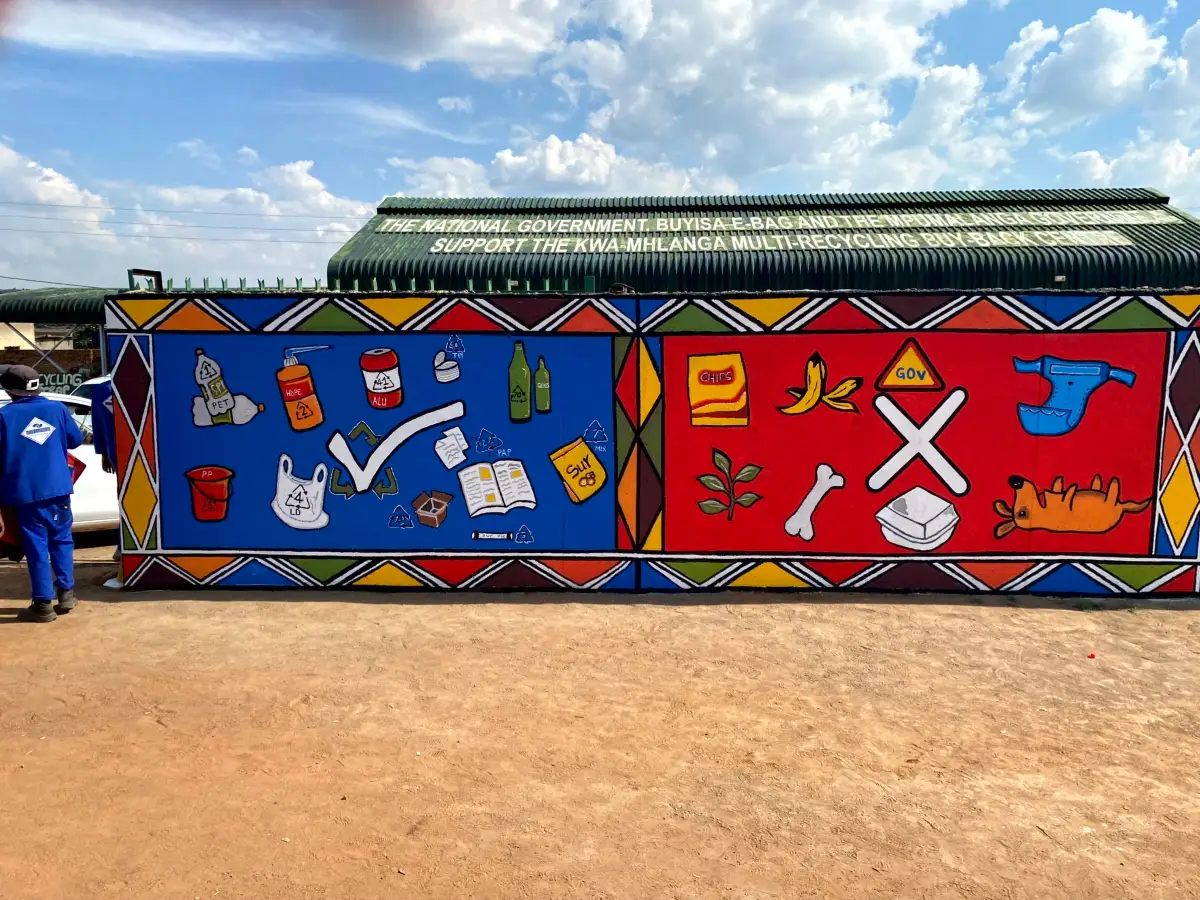
Select containers with clear, visual identification systems that work for all literacy levels. Use colour coding, pictorial labels, and simple text to ensure immediate recognition. Position bins at consistent heights that are accessible to all users, and ensure regular collection schedules prevent overflow, which leads to contamination.
Create clear processes by establishing:
- Designated collection routes and schedules
- Staff responsibilities for monitoring and maintenance
- Student leadership roles in programme management
- Regular cleaning and sanitisation protocols
- Backup procedures for high-volume periods
Implement the system gradually, starting with high-impact areas before expanding institution-wide. This allows for troubleshooting and refinement based on actual usage patterns and user feedback.
What are the most common types of waste generated in educational institutions?
Paper products dominate educational waste streams, including office paper, notebooks, worksheets, and cardboard packaging from supplies and deliveries. Most paper waste can be recycled if kept dry and free from food contamination, though laminated materials and carbon paper require separate disposal.
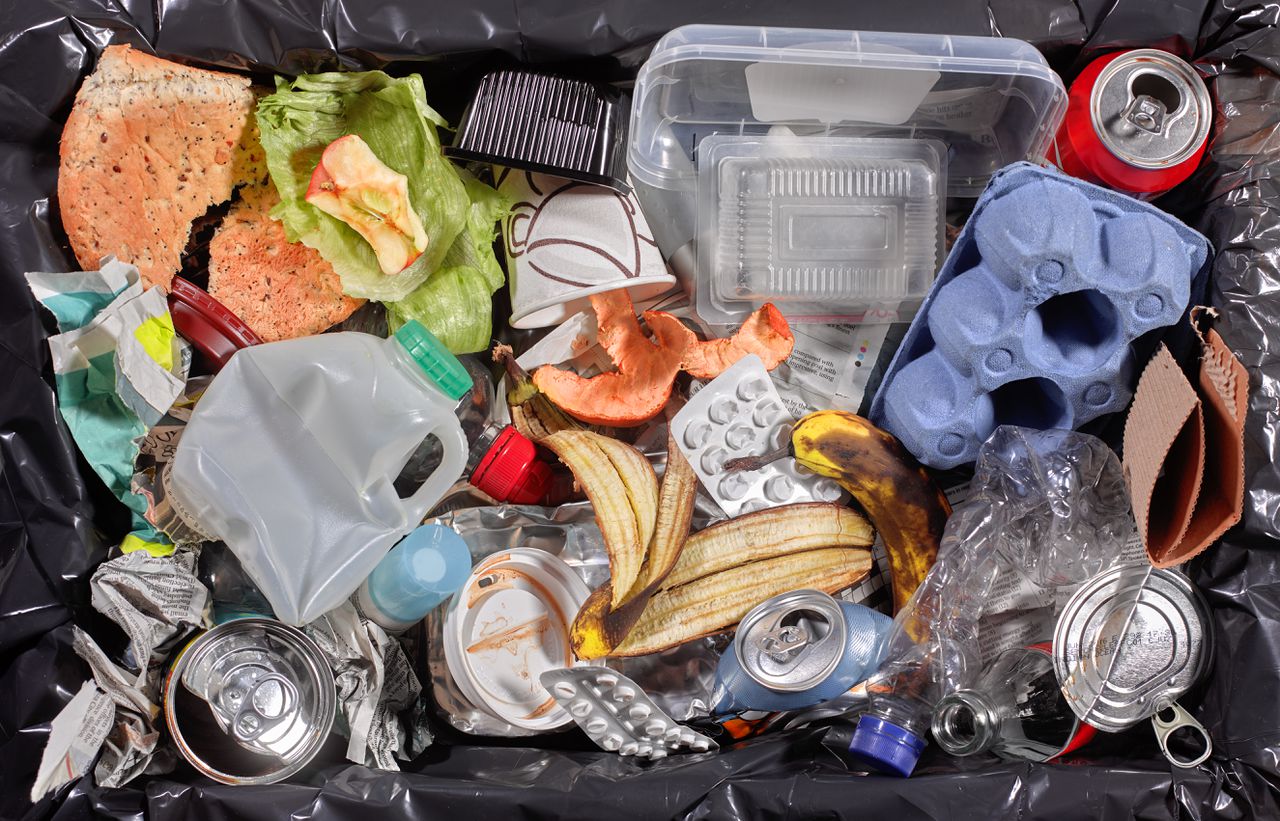
Food-related waste forms the second-largest category, encompassing organic food scraps from cafeterias, plastic bottles and containers from packed lunches, and disposable utensils. Plastic bottles and clean food containers are typically recyclable, while organic waste may qualify for composting programmes where available.
Educational institutions also generate significant electronic waste from outdated computers, printers, and teaching equipment. These materials require specialised handling through certified e-waste recyclers because of potentially hazardous components.
Art and craft supplies create unique waste streams, including paint containers, adhesive tubes, and mixed-material projects. Many of these items contain non-recyclable components, requiring careful separation or alternative disposal methods through appropriate waste management channels.
How can schools engage students in recycling and waste reduction?
Transform recycling into hands-on learning by integrating waste reduction concepts into science, geography, and citizenship curricula. Students can conduct waste audits, calculate environmental impact, and research local recycling processes, making abstract concepts tangible through direct experience.
Establish student leadership programmes with environmental monitors or green teams responsible for programme oversight in different areas. These roles provide ownership and peer-to-peer education opportunities that often prove more effective than adult-led initiatives.
Create awareness campaigns using student-generated content, including posters, announcements, and social media posts. Students respond well to messages created by their peers, and the creative process reinforces learning about environmental responsibility.
Implement recognition systems celebrating classes or individuals who demonstrate excellent recycling practices. This might include competitions between year groups, certificates for consistent participation, or showcasing successful initiatives during assemblies.
Connect recycling efforts to broader environmental projects such as school gardens using compost, art projects incorporating recycled materials, or fundraising through recyclable collection programmes that benefit school activities.
What challenges do educational institutions face with recycling programmes?
Contamination represents the primary challenge, occurring when non-recyclable materials mix with recyclable waste or when food residue contaminates paper and cardboard. High traffic and varied levels of user understanding make maintaining separation quality particularly difficult in educational settings.
Inconsistent participation stems from the diverse user base, with different levels of environmental awareness and commitment. Unlike workplaces with consistent adult behaviour patterns, schools must manage participation across age groups with varying attention spans and levels of responsibility.
Budget constraints limit infrastructure investment and ongoing maintenance capacity. Schools often operate with tight budgets, making it difficult to purchase adequate bins, signage, and replacement equipment, or to fund regular waste audits and programme improvements.
Maintenance requirements include regular emptying, cleaning, and monitoring that strain existing custodial resources. Educational institutions need systems that minimise additional workload while maintaining effectiveness throughout busy school days.
Addressing these challenges requires selecting robust, low-maintenance systems with clear visual guidance, implementing gradual rollouts with adequate training, and securing administrative support for long-term programme sustainability. Regular evaluation and adjustment help maintain effectiveness as user needs and institutional requirements evolve.
How do you measure success in school recycling programmes?
Track quantitative metrics through regular waste audits measuring total waste diverted from general disposal, contamination rates in recycling streams, and participation levels across different school areas. These measurements provide concrete data demonstrating programme effectiveness and identifying opportunities for improvement.
Monitor participation rates by observing usage patterns at different times and in various locations. This includes measuring which waste streams show the highest compliance and identifying areas requiring additional support or different approaches.
Assess programme impact through:
- Monthly waste volume comparisons between recyclable and general waste
- Tracking contamination levels in recycling containers
- Cost analysis comparing disposal expenses before and after implementation
- Student and staff feedback through surveys and focus groups
- Environmental impact calculations showing resource conservation achievements
Document behavioural changes through observation and feedback, noting increased environmental awareness and waste reduction practices extending beyond recycling to overall consumption patterns. Success often manifests in students questioning packaging choices, suggesting programme improvements, or advocating for environmental initiatives.
Use these metrics to demonstrate value to school administrators, parents, and the broader community while identifying areas for programme refinement and expansion. Regular reporting maintains momentum and secures ongoing support for recycling initiatives.
How BINBIN helps with educational recycling solutions
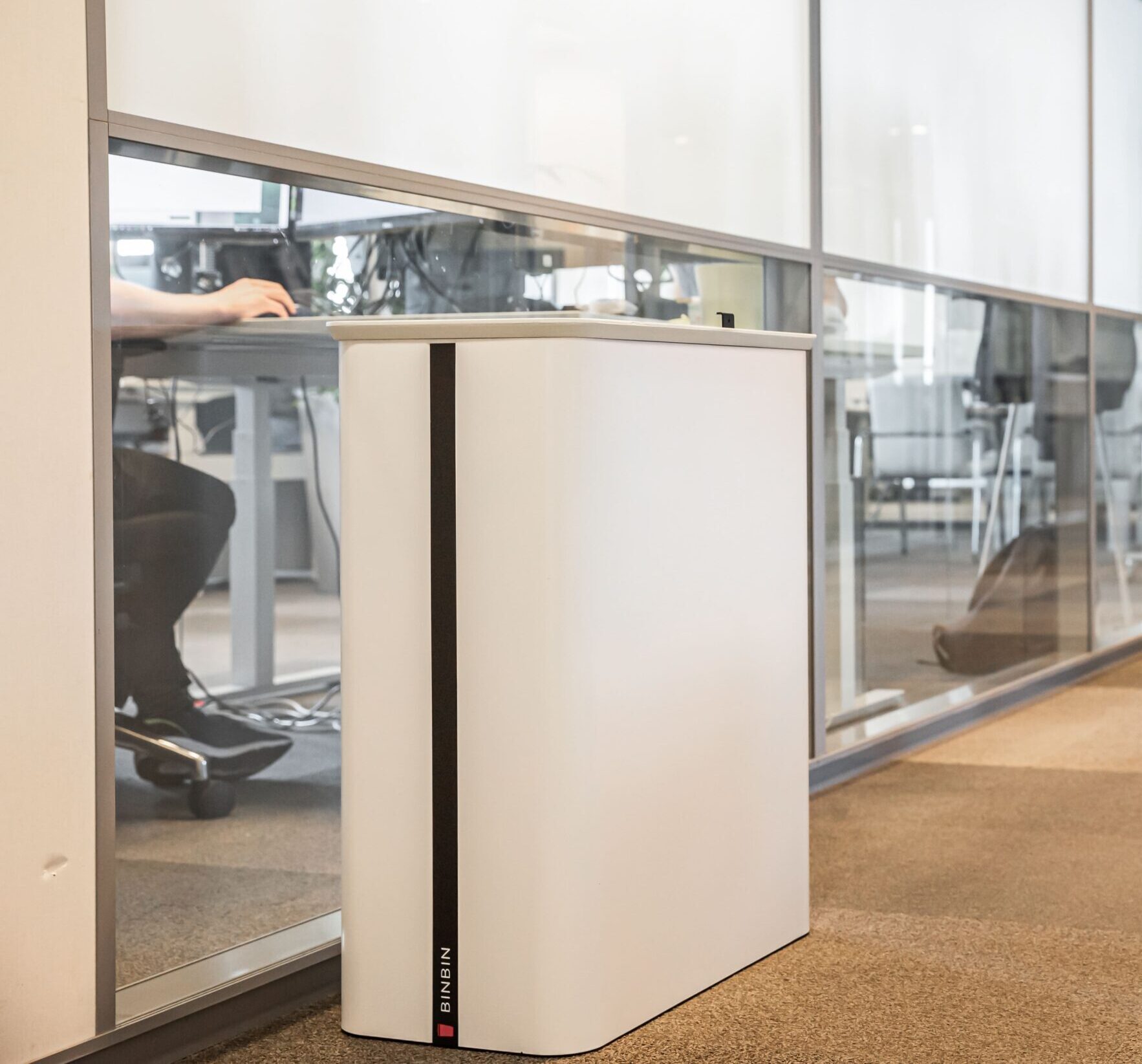
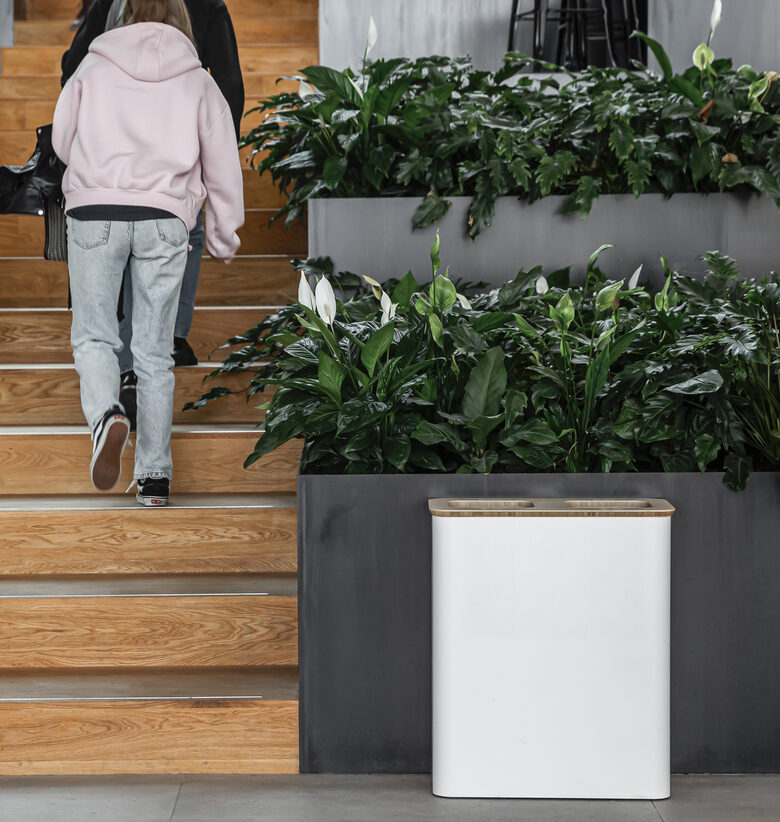
BINBIN's modular waste separation systems address the unique challenges educational institutions face through flexible, intuitive design that accommodates diverse user groups and changing needs. Our Globular series enables schools to configure 1 to 8 different waste streams within single units, allowing easy adaptation as programmes develop and requirements change.
Our educational recycling solutions feature:
- Visual identification systems suitable for all age groups and literacy levels
- Durable construction that withstands high-traffic institutional environments
- Internal splitting capabilities that allow stream customisation without new equipment
- Easy reconfiguration enabling programme expansion or modification
- A clean, professional appearance that maintains institutional aesthetics
The modular design means schools can start with basic separation and expand systematically as users become comfortable with recycling processes. Internal compartments adjust easily, while the ability to combine or separate units provides maximum flexibility for different spaces and requirements.
Ready to transform your educational institution's waste management approach? Explore our trial placement programme to experience how BINBIN's modular solutions can create effective, sustainable recycling systems that engage your entire school community while supporting environmental education goals.