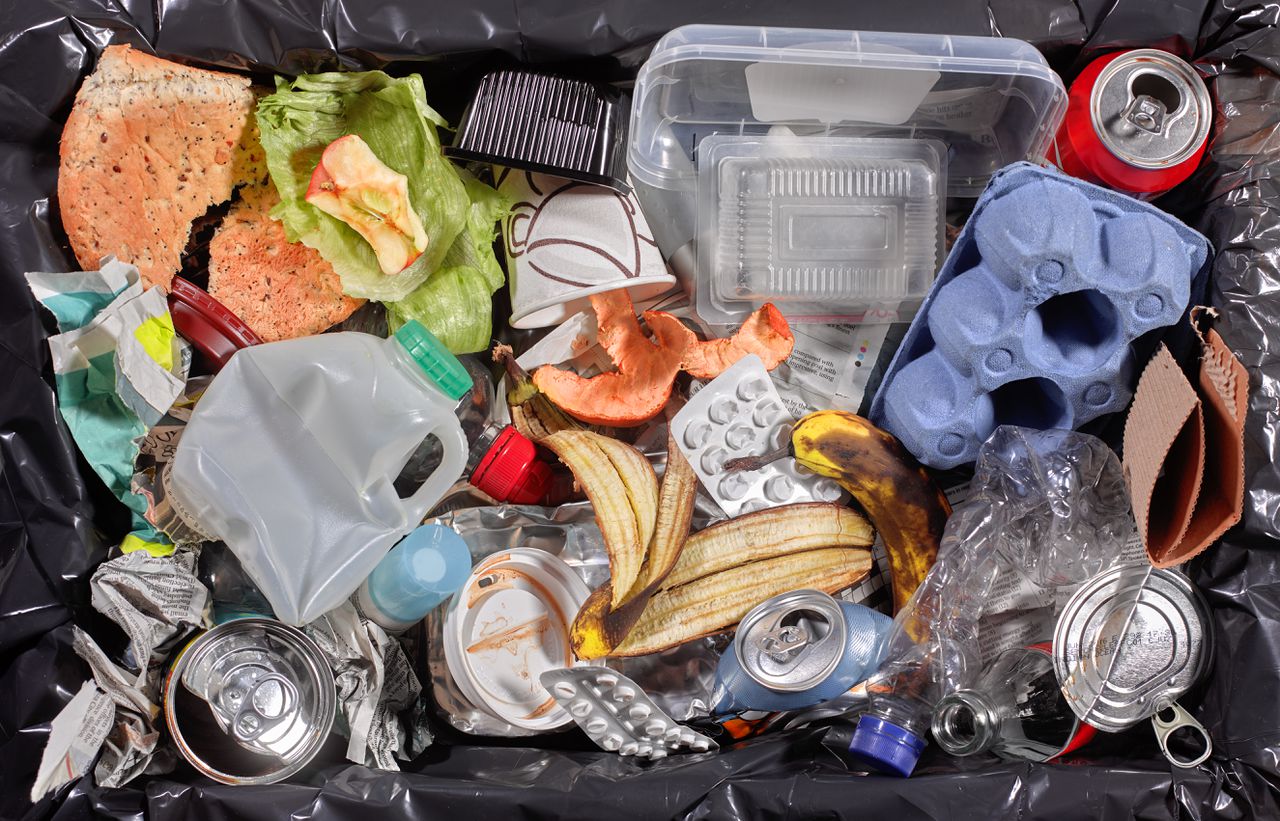
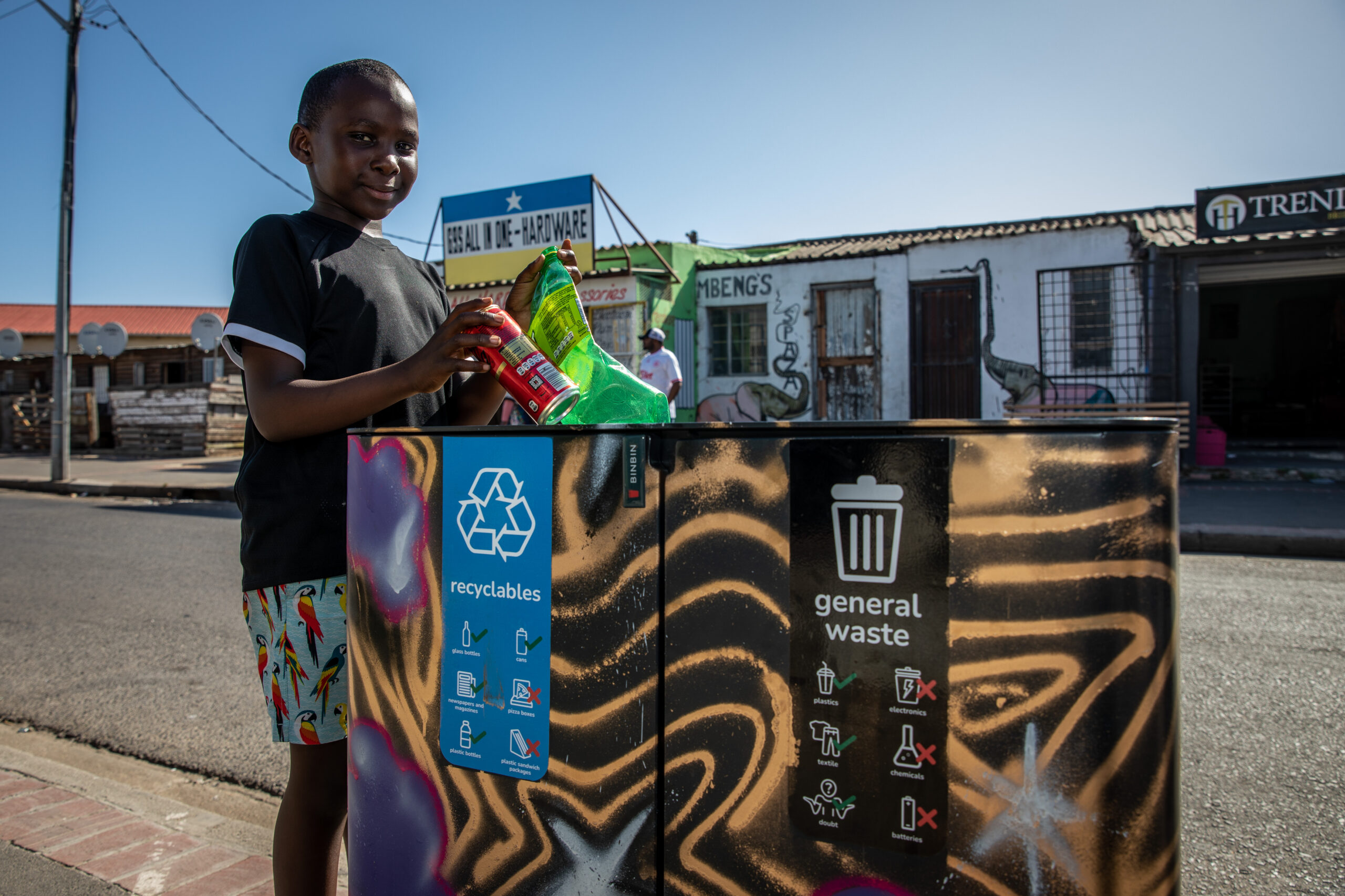
Waste management reduces costs through strategic disposal fee savings, recycling revenue generation, and operational efficiency improvements. Proper waste segregation can decrease disposal expenses by up to 40% while creating new revenue streams from recyclable materials. Additionally, effective waste management systems help businesses avoid compliance penalties and reduce collection frequency, delivering substantial long-term savings.
What are the main ways waste management reduces operational costs?
Effective waste management reduces operational costs through four primary mechanisms: disposal fee savings, recycling revenue generation, operational efficiency improvements, and compliance cost avoidance. These cost-reduction strategies work together to create significant financial benefits for businesses.
The most immediate savings come from reduced disposal fees. When businesses properly segregate waste, they pay lower rates for recyclable materials than for general waste disposal. Landfill fees in South Africa continue to rise, making proper waste segregation increasingly valuable for cost control.
Revenue generation through recycling creates additional value streams. Materials such as paper, cardboard, metals, and plastics can be sold to recycling facilities rather than disposed of at a cost. This dual benefit of avoiding disposal costs while generating income significantly improves the financial equation.
Operational efficiency improvements reduce labour costs and collection frequency. Well-designed waste management systems require less staff time for sorting and handling, while optimised collection schedules reduce service fees. These efficiency gains compound over time, creating substantial long-term savings.
How does proper waste segregation lower disposal expenses?
Proper waste segregation lowers disposal expenses by separating recyclable materials from general waste, reducing landfill fees and creating revenue opportunities. Segregated recyclables typically cost 50–70% less to process than mixed waste, while contamination-free materials command higher resale prices.
The cost structure for waste disposal varies dramatically based on material type and contamination levels. Clean recyclables such as paper, cardboard, and metals often generate revenue rather than costs. Mixed or contaminated waste incurs premium disposal charges due to additional sorting and processing requirements.
Contamination penalties represent a significant hidden cost of poor segregation practices. When recyclable materials are contaminated with food waste or hazardous substances, entire loads may be rejected or charged at premium rates. This can increase disposal costs by 200–300% compared to properly segregated materials.
Volume reduction through segregation also decreases collection frequency and container requirements. When recyclables are removed from general waste streams, businesses need fewer collections and smaller containers, reducing ongoing service costs. This creates a compounding effect in which better segregation leads to multiple cost savings simultaneously.
Why do businesses save money with circular waste solutions?
Circular waste solutions save money by extending material lifecycles, reducing raw material purchases, and creating closed-loop systems that eliminate waste disposal costs. These solutions focus on reuse and regeneration rather than disposal, fundamentally changing the cost equation from an expense to an investment.
Material reuse represents the most direct savings opportunity. When businesses can reuse packaging materials, office supplies, or production inputs, they avoid both the purchase costs of new materials and the disposal fees for waste materials. This dual saving creates an immediate return on investment for circular initiatives.
Extended product lifecycles reduce replacement frequency and associated costs. Durable, repairable products require fewer replacements over time, reducing both procurement costs and disposal expenses. This approach particularly benefits businesses with high-volume equipment or furniture requirements.
Long-term sustainability benefits include:
- Reduced dependency on volatile raw material markets
- Lower transportation costs through local material loops
- Decreased regulatory compliance costs as environmental standards tighten
- Enhanced brand value and customer loyalty through sustainability leadership
What hidden costs does ineffective waste management create?
Ineffective waste management creates hidden costs, including compliance fines, increased collection frequency, contamination penalties, wasted staff time, and missed recycling revenue opportunities. These overlooked expenses often exceed visible disposal costs by 150–250%, making proper waste management essential for cost control.
Compliance fines represent a growing financial risk as South African waste management regulations become more stringent. The National Environmental Management: Waste Act requires proper waste segregation, and non-compliance can result in substantial penalties that far exceed the costs of implementing a proper system.
Increased collection frequency occurs when poor segregation leads to overflowing bins and contaminated materials. Service providers may implement additional collections at premium rates, or businesses may face hygiene and pest control issues that require expensive remediation.
Staff productivity losses accumulate when employees spend time managing inefficient waste systems. Poor bin placement, unclear segregation guidelines, and overflowing containers create daily frustrations that reduce overall workplace efficiency. These productivity costs are rarely measured but can significantly impact operational expenses.
The following hidden costs frequently impact businesses:
- Emergency waste removal services at premium rates
- Pest control and cleaning costs resulting from poor waste management
- Wasted storage space due to inefficient container systems
- Lost employee time spent dealing with waste management issues
- Missed opportunities for recycling revenue generation
How do modular waste systems reduce long-term expenses?
Modular waste systems reduce long-term expenses by eliminating replacement costs, reducing maintenance requirements, optimising space utilisation, and scaling efficiently with changing business needs. These adaptable systems provide flexibility that traditional waste containers cannot match, creating substantial cost savings over time.
Replacement cost elimination occurs because modular systems can be reconfigured rather than replaced when needs change. Traditional waste containers become obsolete when businesses modify their waste streams or relocate, requiring complete system replacement. Modular systems adapt to new requirements through simple reconfiguration.
Maintenance expenses decrease with modular designs because individual components can be serviced or replaced without affecting the entire system. This targeted maintenance approach reduces both parts costs and service downtime, keeping systems operational while minimising repair expenses.
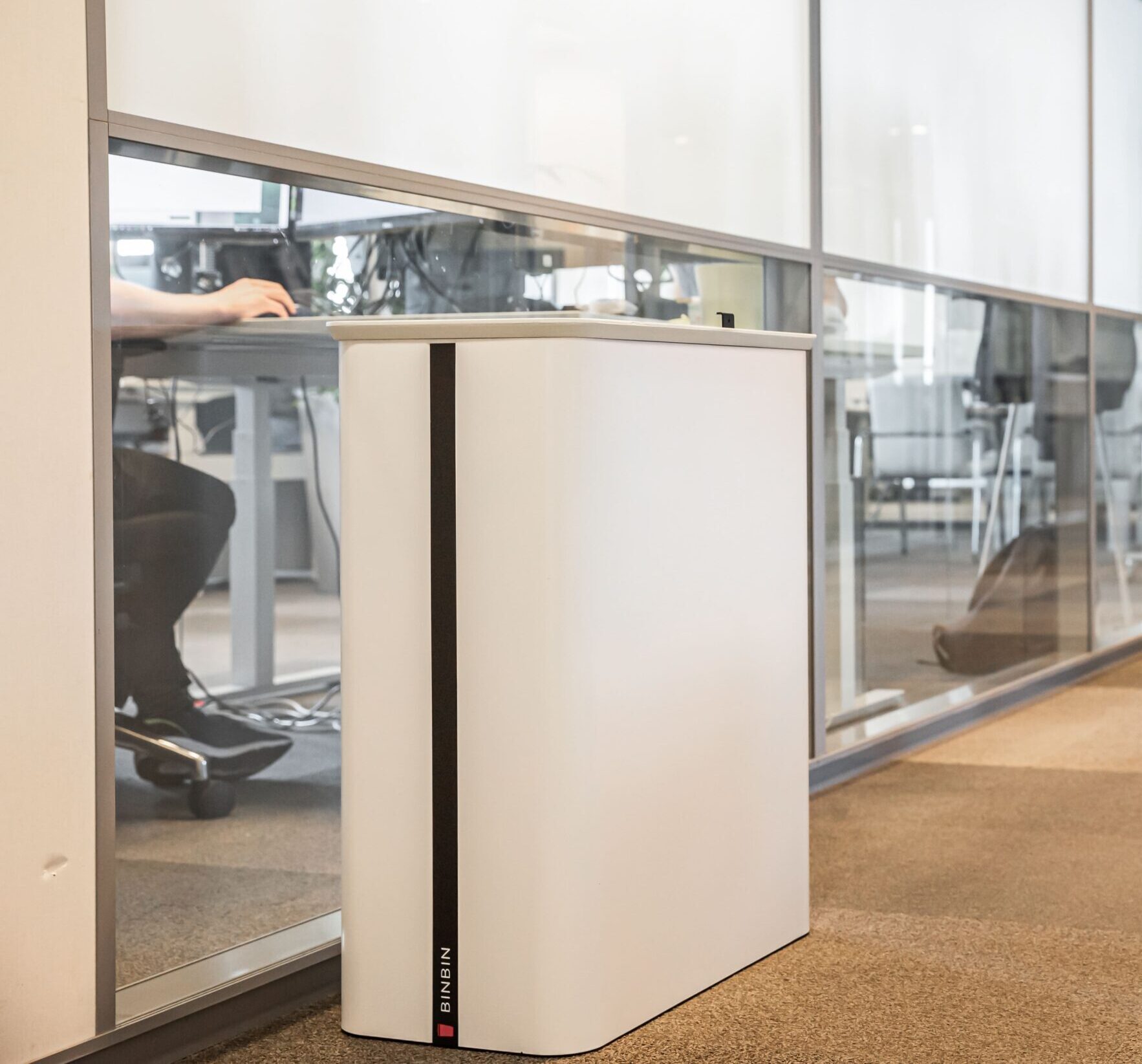
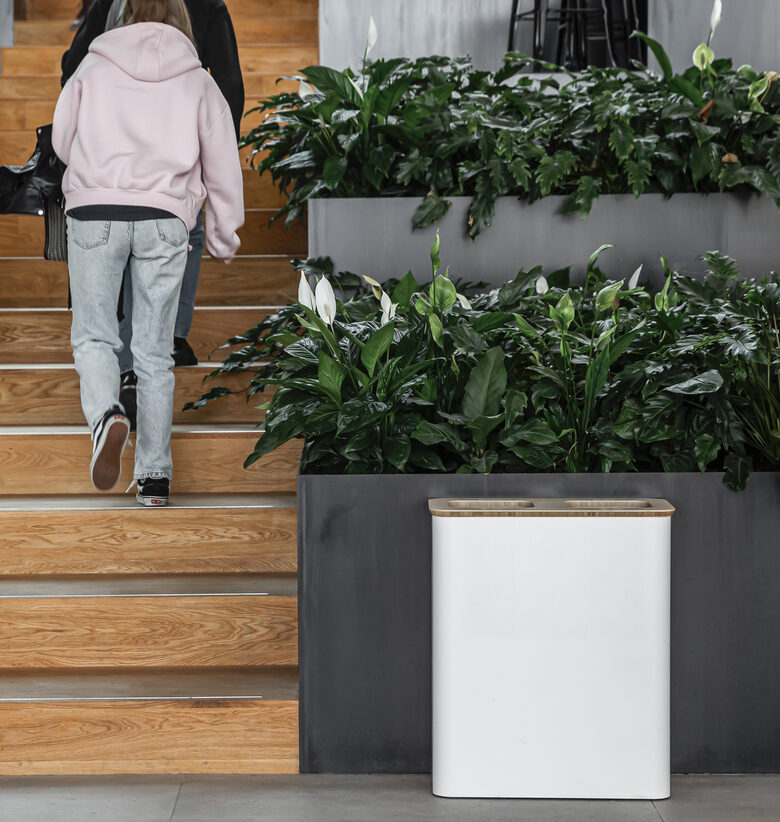
Space optimisation allows businesses to maximise their waste management efficiency within existing footprints. Modular office waste management systems can be configured to fit specific spaces perfectly, eliminating wasted floor area and improving workplace flow.
Scalability benefits include the ability to add or remove capacity without system replacement. Growing businesses can expand their waste management capabilities incrementally, avoiding large capital expenditures and ensuring systems match actual needs rather than projected requirements.
How BINBIN helps with waste management cost reduction
BINBIN provides comprehensive waste management cost reduction through our modular, 99% circular waste segregation systems that eliminate replacement costs while maximising recycling revenue. Our solutions deliver proven ROI through improved waste segregation, reduced disposal expenses, and long-term system durability that eliminates frequent replacements.
Our cost reduction approach includes:
- Modular flexibility that adapts to changing needs without replacement costs
- 99% circular design that maintains value throughout the product lifecycle
- Customisable configurations that optimise space and efficiency
- Professional implementation guidance to maximise segregation effectiveness
- Comprehensive support, including pictograms and communication materials
We offer personalised consultation and implementation services to identify the most cost-effective waste management solution for your specific needs. Our comprehensive range of modular systems ensures an optimal fit for any environment, from offices to public spaces.
Ready to reduce your waste management costs while improving sustainability? Contact us for a free consultation and discover how our modular waste segregation systems can deliver immediate cost savings and long-term value for your organisation.