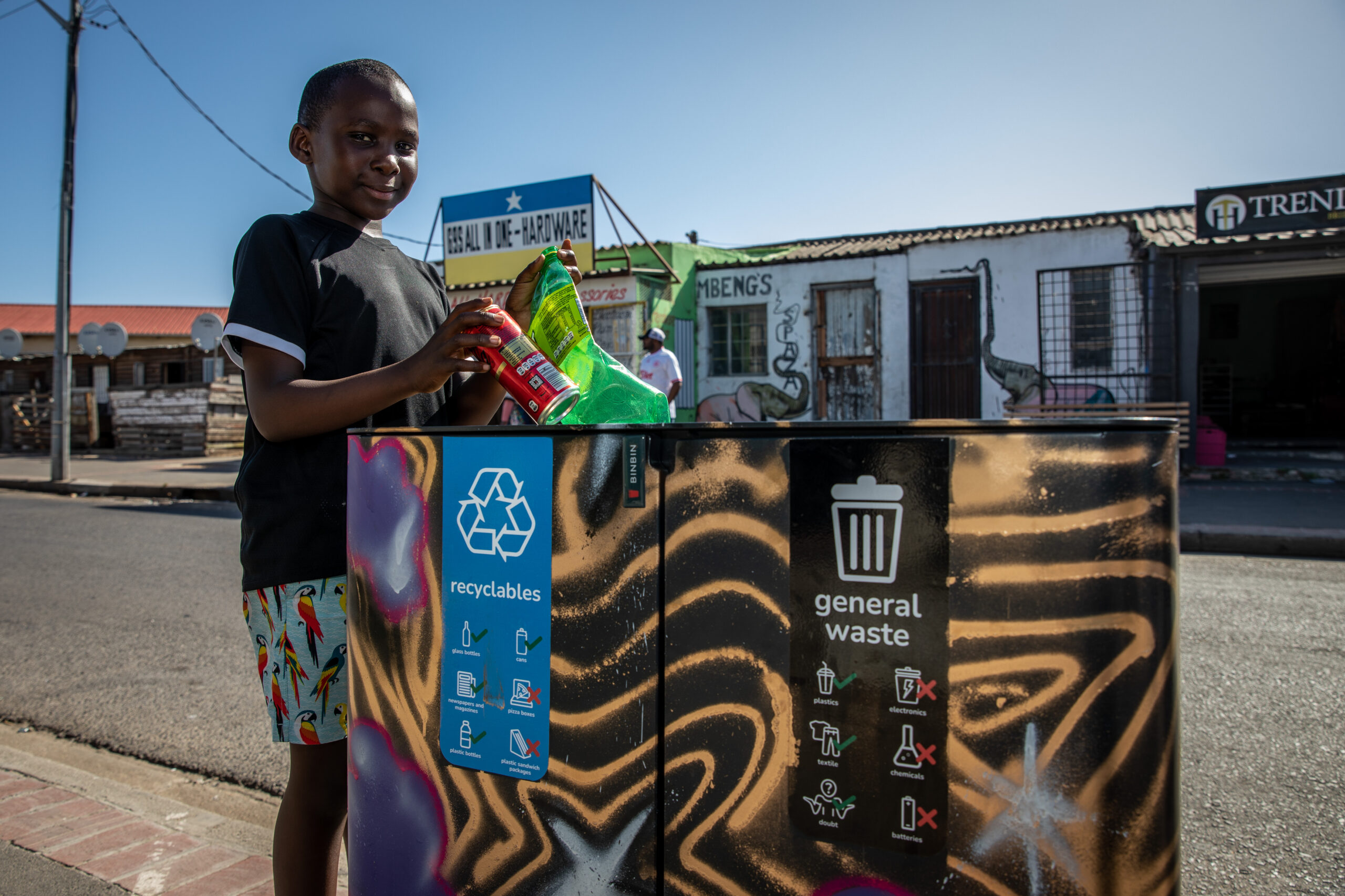
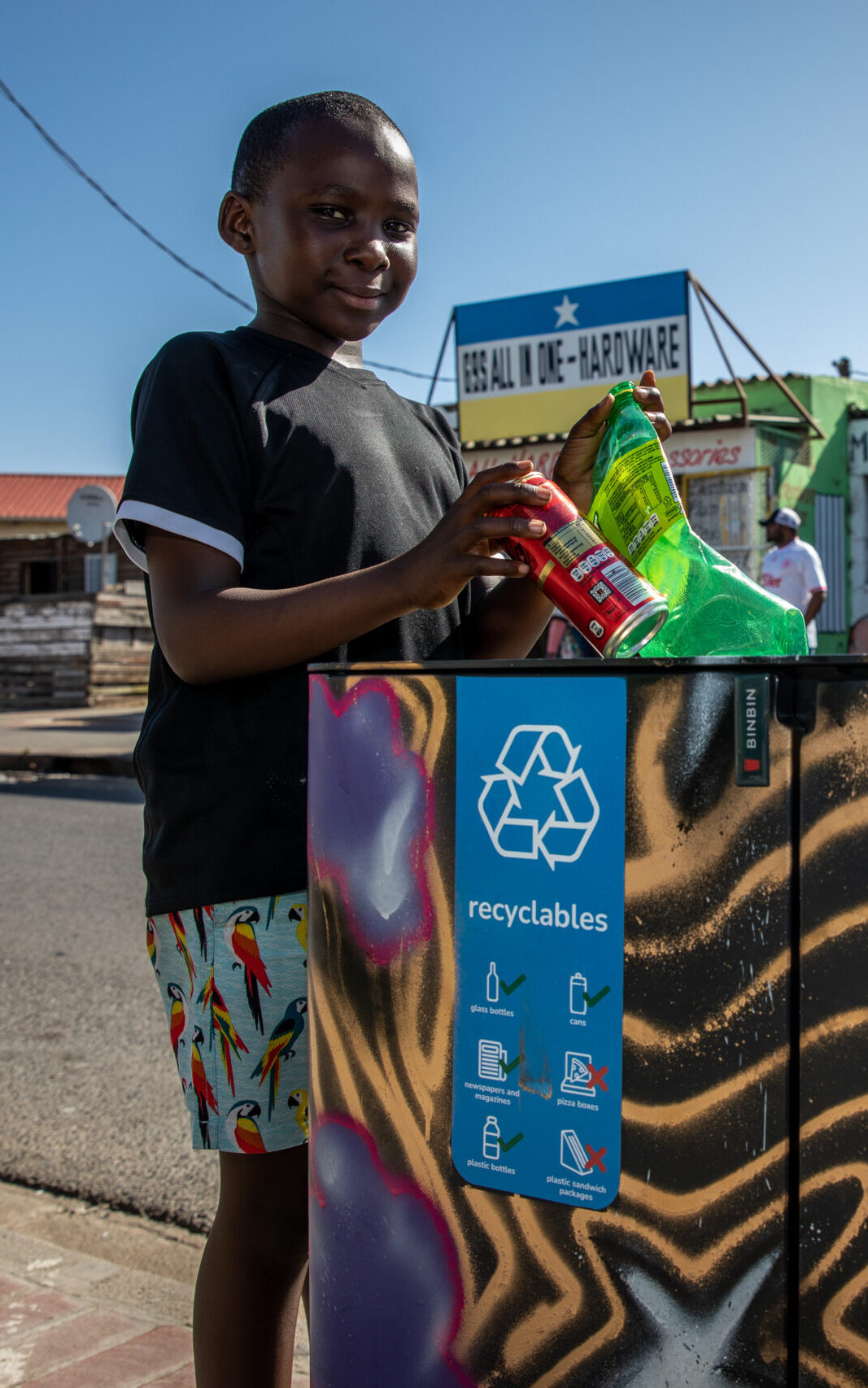
Waste separation in educational facilities involves systematically sorting different types of waste materials at their source, creating distinct streams for recycling, composting, and disposal. This practice transforms schools and universities into environmental learning hubs while significantly reducing operational costs and environmental impact. Educational institutions benefit from cost savings, enhanced sustainability credentials, and valuable hands-on learning opportunities for students and staff.
What is waste separation, and why does it matter in schools?
Waste separation is the systematic process of sorting waste materials into different categories at the point of disposal, allowing recyclable materials to be diverted from landfills and properly processed. In educational contexts, this typically involves separating paper, plastic, organic waste, and general refuse into designated containers throughout the facility.
Schools and universities generate substantial amounts of waste daily through classroom activities, food services, administrative functions, and maintenance operations. Without proper separation, valuable recyclable materials end up in landfills, increasing disposal costs and environmental impact. Educational facilities have a unique opportunity to demonstrate environmental responsibility while creating practical learning experiences.
The significance extends beyond waste management to encompass educational value, community leadership, and long-term sustainability goals. When schools implement comprehensive waste separation systems, they model responsible environmental behaviour for students, families, and the broader community. This creates a ripple effect of awareness and action that extends far beyond the school gates.
How does proper waste separation reduce costs for educational institutions?
Educational institutions can reduce waste management expenses by up to 30% through effective separation systems that divert recyclable materials from expensive general waste streams. Lower disposal fees represent the most immediate financial benefit, as recycling collection typically costs significantly less than mixed-waste removal services.
Revenue generation becomes possible when schools accumulate sufficient quantities of valuable recyclables such as paper, cardboard, and certain plastics. Many waste management companies offer rebates or revenue-sharing arrangements for clean, separated materials. Additionally, reduced waste volume means fewer collection services are required, further decreasing operational expenses.
Long-term cost benefits include extended equipment lifespan through reduced contamination, decreased cleaning and maintenance requirements, and potential grants or funding opportunities available to institutions demonstrating environmental leadership. Schools often qualify for sustainability grants when they can document waste reduction achievements and environmental education programmes.
The financial impact compounds over time as separation becomes routine and efficiency improves. Administrative costs decrease when systems are well established, and staff training investments pay dividends through consistent, proper waste-handling practices.
What environmental benefits do schools gain from effective waste sorting?
Effective waste sorting in educational facilities can divert 60–80% of materials from landfills, dramatically reducing the institution's environmental footprint while contributing to circular economy principles. Reduced landfill dependency means less methane generation, groundwater contamination, and habitat destruction associated with waste disposal sites.
Carbon footprint reduction occurs through multiple pathways when schools separate waste effectively. Recycling materials requires significantly less energy than producing new items from raw materials. Transportation efficiency improves when waste streams are properly sorted, reducing fuel consumption and emissions from collection vehicles.
Resource conservation becomes tangible as separated materials re-enter manufacturing cycles rather than depleting virgin resources. Paper separation saves trees and water, plastic recycling reduces petroleum consumption, and organic waste composting creates nutrient-rich soil amendments while preventing methane emissions.
The environmental benefits extend to air and water quality improvements in the surrounding community. Proper separation prevents contamination of recyclable streams, ensuring materials can be successfully processed rather than rejected at recycling facilities. This creates a positive environmental impact that reaches beyond the school's immediate vicinity.
How does waste separation create valuable learning opportunities for students?
Waste separation transforms daily routines into hands-on environmental education experiences, allowing students to understand resource cycles, environmental impact, and personal responsibility through direct participation. Practical sustainability education becomes embedded in school culture rather than confined to textbook learning.
Students develop critical thinking skills by analysing waste streams, measuring reduction progress, and problem-solving separation challenges. These activities integrate naturally with science curricula covering ecosystems, chemistry, and environmental studies. Mathematics lessons can incorporate data collection and analysis of waste reduction metrics.
Leadership opportunities emerge as students take ownership of separation programmes through environmental clubs, peer education initiatives, and school-wide awareness campaigns. These experiences develop communication skills, project management abilities, and civic responsibility that extends beyond environmental topics.
The learning extends to understanding economic principles through cost-benefit analysis of waste management decisions, supply chain concepts through material flow tracking, and social responsibility through community impact assessment. Students gain practical life skills that influence behaviour at home and in future educational or professional environments.
What challenges do educational facilities face when implementing waste separation?
Educational institutions commonly encounter initial setup costs, staff training requirements, variability in student engagement, and ongoing system maintenance as primary obstacles to successful waste separation implementation. Budget constraints often limit the number and quality of separation containers that can be purchased initially.
Staff training presents ongoing challenges, as personnel turnover requires continuous education about proper separation procedures. Custodial staff, teachers, and administrative personnel all need a consistent understanding of the system to maintain effectiveness. Inconsistent application by any group can compromise the entire programme.
Student engagement varies significantly across age groups and individual motivation levels. Younger students may struggle with complex separation rules, while older students might resist changing established habits. Maintaining enthusiasm requires creative approaches and regular reinforcement of the programme's importance and impact.
Contamination issues arise when separation guidelines are not followed consistently, potentially rendering entire batches of recyclables unusable. Space limitations in older buildings can restrict optimal container placement, and seasonal variations in waste types require system flexibility that may not have been planned initially.
Which waste separation systems work best in different educational settings?
Primary schools benefit most from simple, colour-coded systems with clear visual indicators and minimal separation categories to match young students' developmental capabilities. Three-stream systems typically work well, separating recyclables, organic waste, and general refuse into bright, easily distinguishable containers.
Secondary schools can implement more sophisticated systems with additional streams for specific materials such as electronics, batteries, and textiles. Students at this level can handle more complex separation rules and take leadership roles in programme management and peer education initiatives.
Universities require comprehensive systems accommodating diverse waste streams from laboratories, food services, dormitories, and administrative areas. Modular systems that can be customised for different campus locations work most effectively, allowing for specialised separation in science buildings while maintaining consistent basic separation throughout campus.
The following systems work particularly well in different contexts:
- Nursery schools: Two-stream systems with picture-based identification
- Primary schools: Three-stream colour-coded systems with simple sorting rules
- Secondary schools: Four- to five-stream systems with student-led monitoring
- Universities: Modular systems adaptable to specific building requirements
- Specialised facilities: Custom solutions accommodating unique waste streams
How BINBIN helps with educational waste separation
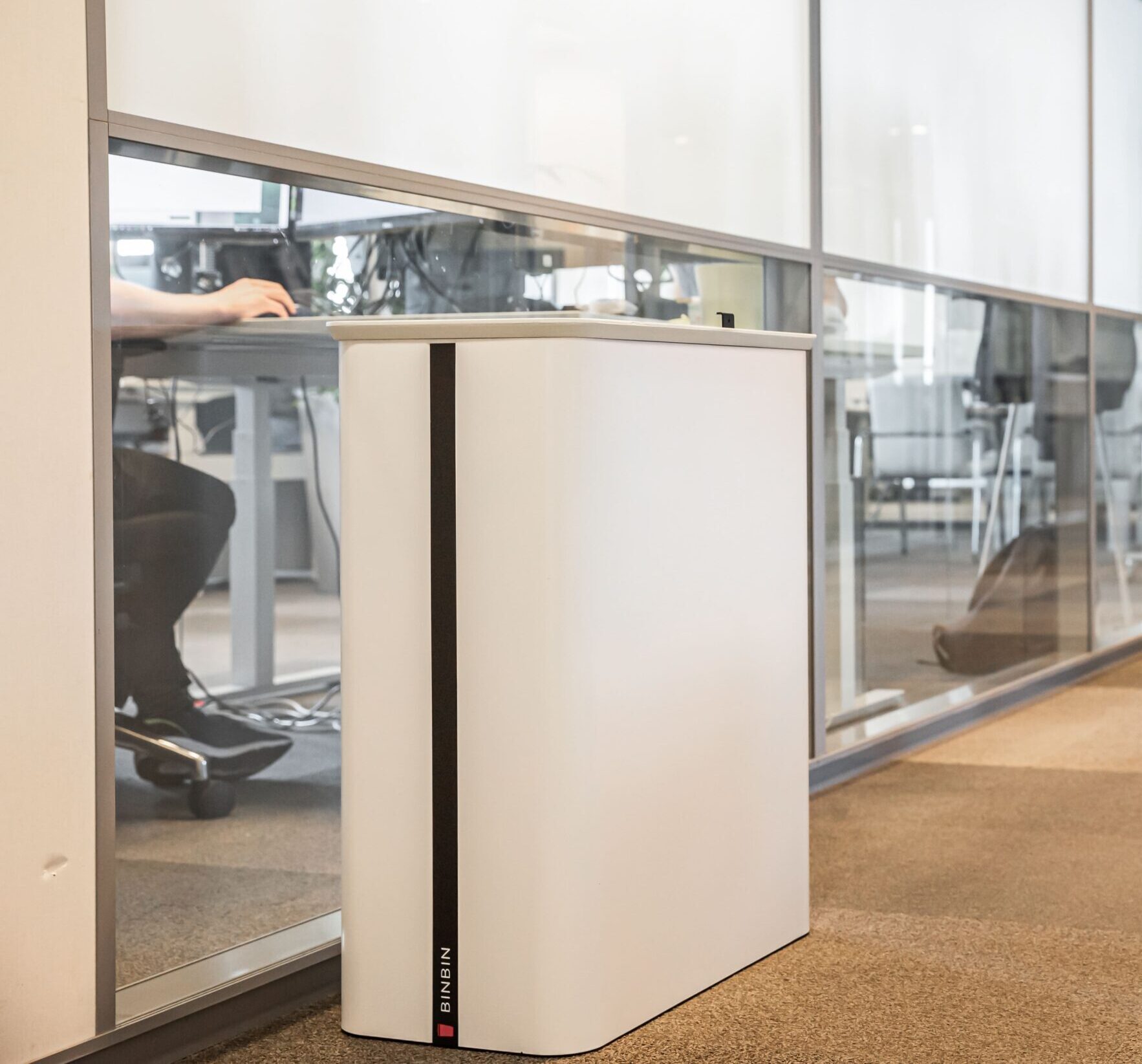
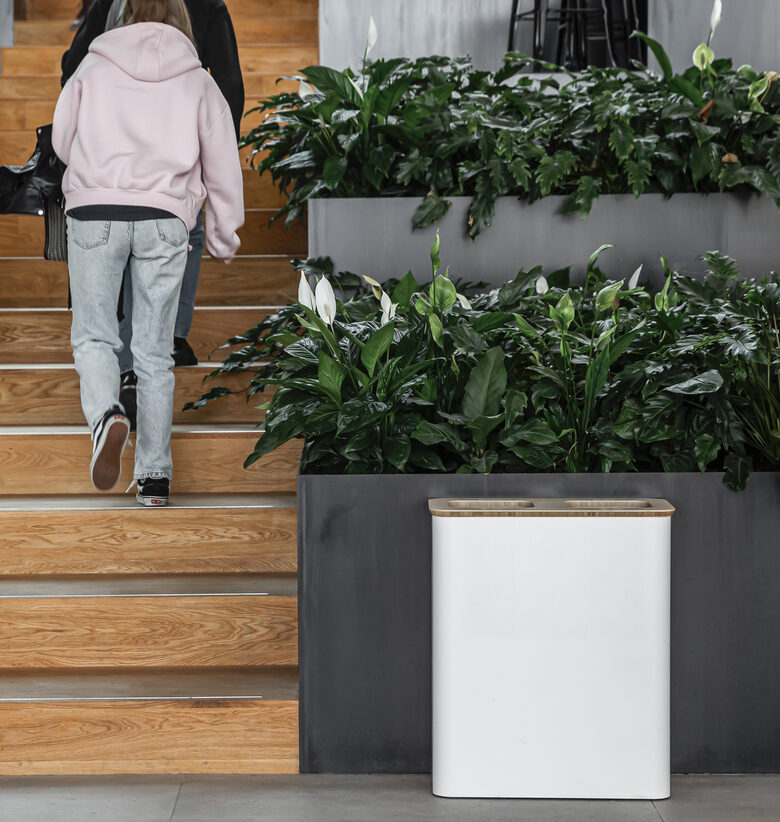
BINBIN's modular waste separation solutions are specifically designed to meet the evolving needs of educational institutions through flexible, durable, and educationally focused systems. Our Globular series enables schools to start with basic separation and expand to accommodate up to eight different waste streams as programmes develop and student engagement grows.
Key benefits for educational facilities include:
- Modular design allowing system expansion without replacing existing containers
- Internal splitting capabilities that adapt to changing waste stream requirements
- 99% circular construction demonstrating sustainability principles to students
- Clean, intuitive design that encourages proper use across all age groups
- Customisable branding options to reinforce school identity and programme ownership
- Durable construction that withstands high-traffic educational environments
Our educational waste separation systems grow with your institution's needs while providing tangible examples of circular economy principles. Contact us for a trial placement to experience how BINBIN's modular solutions can transform your facility's approach to waste management and environmental education.