Office waste sorting involves separating different types of workplace waste into designated categories at the point of disposal. This systematic approach reduces environmental impact, cuts disposal costs, and helps businesses comply with local regulations. Effective office waste sorting requires proper equipment, clear labelling, employee training, and ongoing monitoring to ensure materials such as paper, plastic, and organic waste are correctly separated for recycling or appropriate disposal.
What is office waste sorting and why does it matter for businesses?
Office waste sorting is the systematic separation of different waste materials generated in workplace environments into specific categories for appropriate disposal, recycling, or reuse. This process involves identifying various waste streams—such as paper, cardboard, plastic containers, organic materials, electronic equipment, and general refuse—and placing each type into designated collection points.
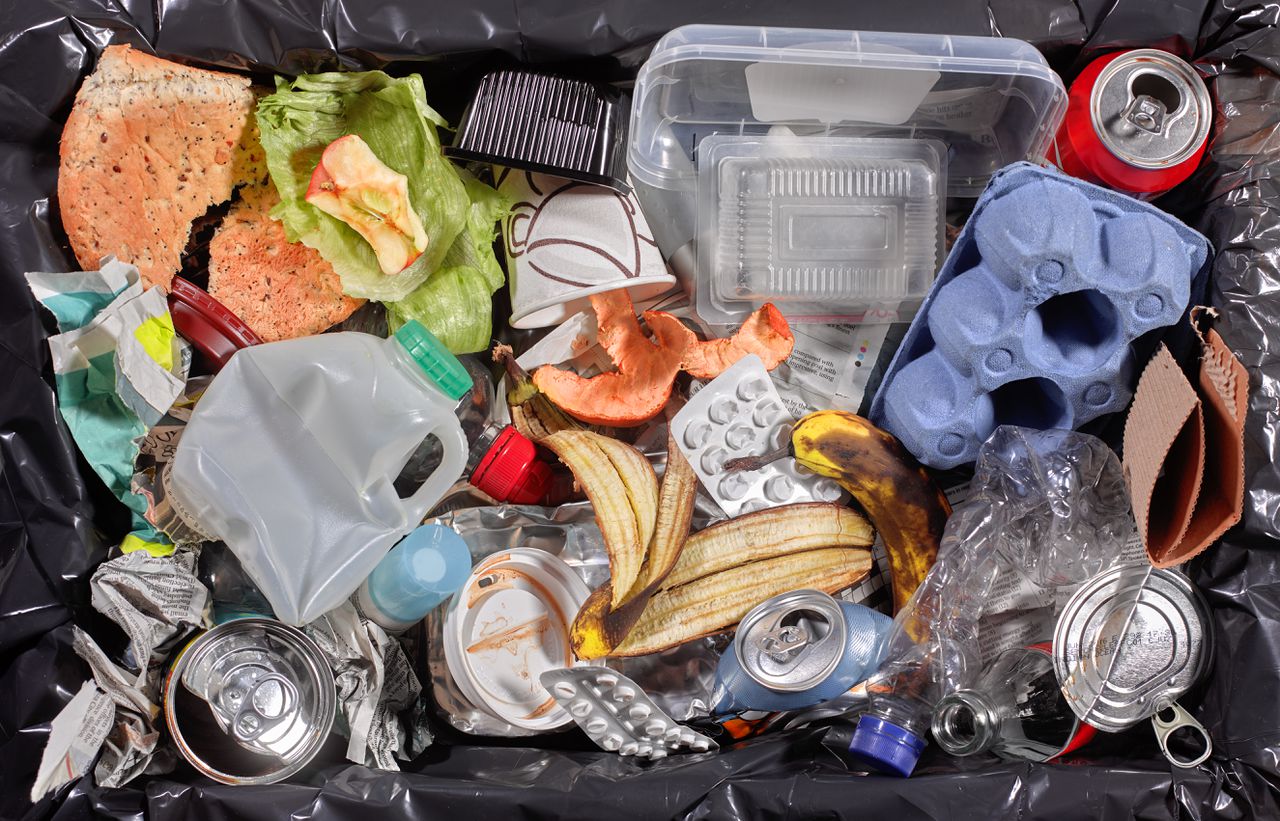
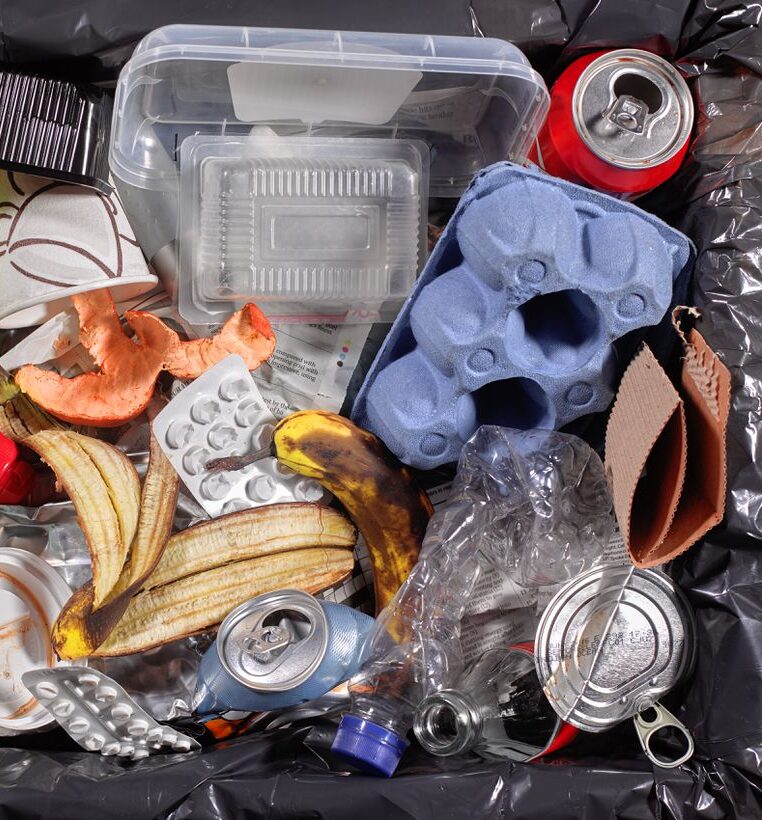
Modern offices generate multiple waste streams throughout daily operations. Paper and cardboard typically represent the largest volume, including documents, packaging materials, and printed materials. Plastic waste includes food containers, bottles, and packaging from office supplies. Organic waste comes from kitchen areas, staff meals, and food preparation activities. Electronic waste includes outdated equipment, batteries, and IT components that require specialised disposal.
The business case for implementing systematic waste separation extends beyond environmental responsibility. Cost savings can result from reduced general waste collection fees, as separated recyclable materials often cost less to dispose of than mixed waste. Many regions now require businesses to separate waste at source, making compliance a legal necessity rather than an optional practice. Additionally, effective waste sorting demonstrates corporate social responsibility, which can enhance brand reputation and employee satisfaction.
How do you identify different waste streams in office environments?
Identifying office waste streams requires understanding the materials commonly generated in workplace settings and their proper categorisation. The most effective approach involves conducting a waste audit to observe actual disposal patterns and material types over a typical working period.
Paper waste includes office documents, newspapers, magazines, and clean cardboard packaging. This stream typically represents 40–60% of total office waste volume. Contaminated paper with food residue or excessive ink coverage may require separate handling.
Key waste categories to identify include:
- Paper and cardboard: Documents, packaging, newspapers, clean cardboard boxes
- Plastic containers: Food packaging, bottles, cups, and clean plastic wrapping
- Organic waste: Food scraps, coffee grounds, fruit peels, and biodegradable materials
- Electronic waste: Computers, phones, batteries, cables, and IT equipment
- General waste: Non-recyclable items, contaminated materials, and mixed refuse
- Glass: Bottles, jars, and clean glass containers
Accurate identification involves checking material composition labels, understanding local recycling guidelines, and training staff to recognise contamination issues that might affect proper sorting. Regular waste stream analysis helps offices adapt their sorting systems as business operations change.
What are the essential components of an effective office waste sorting system?
An effective office waste sorting system requires multiple coordinated elements working together to ensure consistent, accurate waste separation. The foundation is appropriate collection containers strategically positioned throughout the workplace.
Container selection involves choosing bins with adequate capacity for each waste stream while fitting within available space constraints. Clear, durable labelling systems help employees quickly identify the correct disposal option. Visual indicators such as colour coding, pictorial guides, and multilingual labels reduce sorting errors and contamination.
Essential system components include:
- Strategically placed collection points near waste generation areas
- Clear labelling systems with visual and text indicators
- Appropriate container sizes that match waste volumes
- Regular collection schedules to prevent overflow
- Staff training programs covering proper sorting techniques
- Monitoring systems to track effectiveness and contamination
- Maintenance protocols for cleaning and replacing equipment
Strategic placement involves positioning containers where waste is naturally generated—near printers for paper waste, in kitchen areas for organic materials, and at workstations for general office refuse. The system must be intuitive enough that employees can sort waste correctly without extensive thought or effort.
How do you implement waste sorting in offices step by step?
Implementing office waste sorting requires a structured approach that begins with assessment and progresses through planning, installation, training, and ongoing optimisation. The process typically takes 4–8 weeks for full implementation, depending on office size and complexity.
Begin with a comprehensive waste audit to understand current disposal patterns, waste volumes, and material types. This baseline assessment reveals which waste streams are most significant and where sorting efforts will have the greatest impact. Document findings to inform system design decisions.
The implementation process follows these key phases:
Planning and design: Map optimal container locations based on waste generation patterns. Calculate required container capacities for each waste stream. Design labelling systems appropriate to your workforce’s language needs and literacy levels.
Equipment procurement: Source appropriate containers, labels, and collection tools. Consider modular systems that can adapt as needs change. Ensure containers meet local health and safety requirements.
Staff engagement: Communicate the program’s benefits and expectations clearly. Address concerns about additional effort or confusion. Involve employees in system design decisions where practical.
Training delivery: Provide hands-on demonstrations of proper sorting techniques. Use real examples of commonly misclassified items. Create quick reference guides for ongoing support.
Monitoring and adjustment: Track contamination rates and participation levels. Adjust container placement, sizing, or labelling based on observed usage patterns. Celebrate successes and address problems promptly.
What challenges do offices face with waste sorting and how can they be overcome?
Office waste sorting programs encounter predictable challenges that can undermine effectiveness if not addressed proactively. Employee resistance often emerges as the primary obstacle, particularly when staff perceive sorting as additional work without clear benefits.
Contamination issues frequently occur when employees sort materials incorrectly or when food residue contaminates recyclable items. This problem can render entire batches of separated waste unusable for recycling, negating the program’s environmental and cost benefits.
Common challenges and solutions include:
- Employee resistance: Address this through clear communication about benefits, making sorting convenient, and recognising participation
- Contamination problems: Provide better training, clearer labelling, and regular feedback on common mistakes
- Space constraints: Use modular systems that adapt to available areas, consider vertical solutions, or consolidate collection points
- Cost concerns: Demonstrate long-term savings through reduced disposal fees and potential revenue from recyclable materials
- Maintenance difficulties: Establish clear responsibilities, regular cleaning schedules, and replacement protocols
- Inconsistent participation: Create accountability systems, provide ongoing reminders, and integrate sorting into workplace culture
Success requires treating implementation as a change management process rather than simply installing new equipment. Regular communication, feedback mechanisms, and system adjustments based on user experience help overcome initial resistance and build lasting habits.
How do you measure the success of office waste sorting programs?
Measuring waste sorting program success requires tracking multiple metrics that reflect both operational effectiveness and broader organisational goals. Quantitative measurements provide objective data, while qualitative feedback reveals user experience and areas for improvement.
Contamination rates are the primary indicator of sorting accuracy. Effective programs typically achieve contamination levels below 10% for recyclable streams. Regular waste audits reveal which materials are most commonly misclassified and where additional training might be needed.
Key performance indicators include:
- Diversion rates showing the percentage of waste redirected from general disposal
- Contamination levels in each separated waste stream
- Cost savings from reduced general waste collection fees
- Employee participation rates and engagement levels
- Volume measurements for each waste category
- Training completion rates and knowledge retention
Environmental impact measurements track carbon footprint reduction through increased recycling and waste diversion. Many organisations find that quantifying environmental benefits helps maintain employee engagement and demonstrates corporate responsibility commitments.
Regular measurement intervals allow for timely adjustments to improve performance. Monthly contamination checks, quarterly cost analysis, and annual comprehensive reviews provide different perspectives on program effectiveness while identifying optimisation opportunities.
How BINBIN helps with office waste sorting solutions
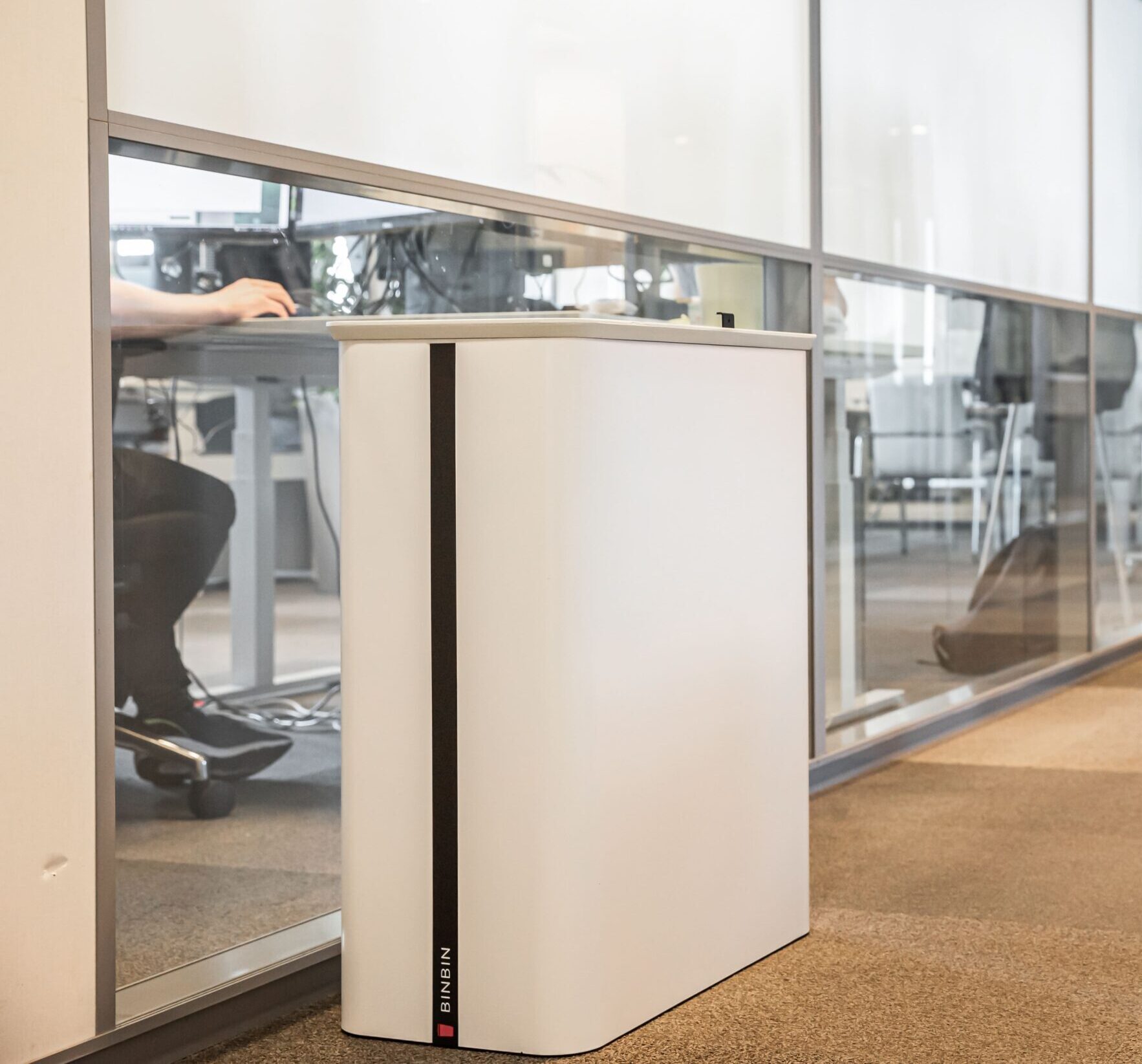
BINBIN provides comprehensive office waste management solutions through modular systems designed specifically for workplace environments. Our Globular series enables offices to sort 1 to 8 different waste streams using adaptable containers that can be combined or separated as needs change.
Our office waste sorting solutions offer:
- Modular containers that adapt from single-stream to multi-stream sorting without purchasing new equipment
- Internal splitting capabilities that allow compartments to be subdivided or merged by removing splitters
- A 99% circular design using recycled materials that can be reprocessed at end of life
- Clean, functional aesthetics that complement professional office environments
- Customisable labelling and branding options to match corporate identity
- Strategic placement flexibility for optimal waste collection efficiency
The modular approach means offices never outgrow their waste sorting system. As business needs evolve, containers can be reconfigured in minutes to accommodate new waste streams or changing volumes. This flexibility eliminates the need for complete system replacement when organisational requirements change.
Ready to implement effective waste sorting in your office? Request a trial placement to experience how our modular solutions can transform your workplace waste management while supporting your sustainability goals.