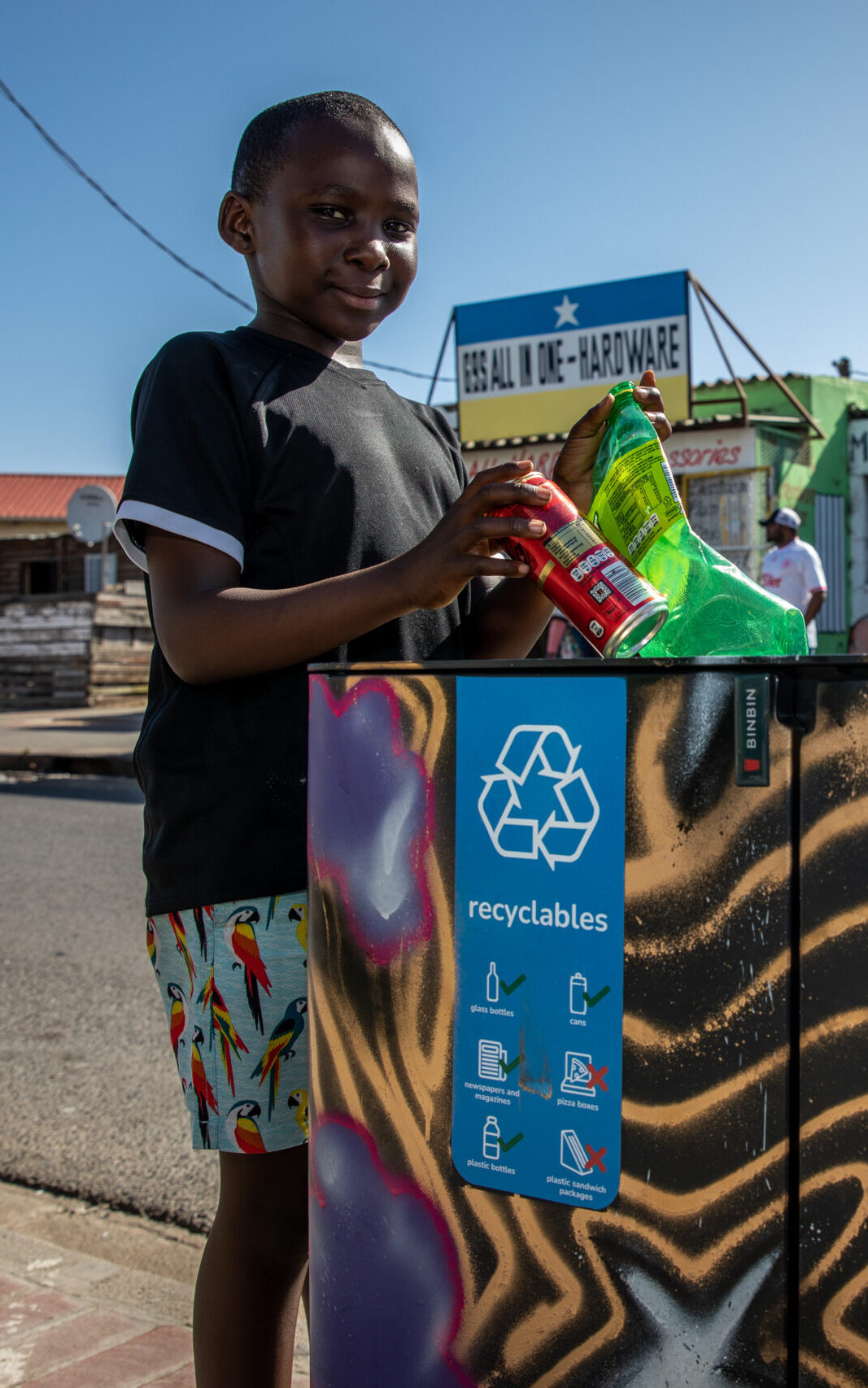
Sustainable waste practices begin with implementing proper waste separation systems and creating employee engagement programmes that make recycling simple and effective. These practices reduce costs, ensure regulatory compliance, and demonstrate environmental responsibility. The key is choosing the right systems and building habits that support long-term waste reduction goals.
What are sustainable waste practices and why do they matter for businesses?
Sustainable waste practices involve implementing systematic approaches to reduce, reuse, and recycle materials whilst minimising environmental impact. These practices follow circular economy principles, where waste becomes a resource—keeping materials in productive use for as long as possible rather than sending them to landfill.
The circular economy model transforms traditional “take-make-dispose” thinking into regenerative systems. Instead of viewing waste as an end product, businesses treat discarded materials as inputs for new processes. This approach reduces raw material consumption, lowers disposal costs, and creates value from what was previously considered rubbish.
Business benefits extend far beyond environmental impact. Cost savings emerge through reduced waste disposal fees, lower purchasing costs due to decreased material consumption, and potential revenue from selling recyclable materials. Regulatory compliance becomes more manageable when proper systems are established, helping businesses avoid penalties and maintain smooth operations.
Reducing environmental impact strengthens corporate reputation and attracts environmentally conscious employees and customers. Companies with strong sustainability practices often experience improved staff morale and enhanced brand perception in the marketplace.
How much does implementing sustainable waste management actually cost?
Initial investment costs for sustainable waste management typically range from basic separation containers at a modest expense to comprehensive modular systems requiring a higher upfront investment. The scale depends on your facility size, employee count, and waste stream complexity.
Basic implementations might involve simple recycling stations throughout your office, whilst comprehensive solutions include modular separation systems that can accommodate multiple waste streams. Equipment costs vary significantly based on capacity requirements and design preferences that align with your office aesthetic.
Ongoing operational expenses include staff training, waste collection services, and system maintenance. However, these costs are often offset by reduced general waste collection fees, as properly separated recyclables typically cost less to dispose of than mixed waste streams.
Return on investment timelines vary by business size and implementation scope. Smaller offices might see payback within 12–18 months through reduced waste disposal costs, whilst larger organisations often achieve faster returns due to economies of scale and greater waste-volume savings.
The financial benefits compound over time as employees become more efficient at waste separation and material recovery rates improve. Many businesses discover additional savings through reduced purchasing, as waste reduction practices naturally lead to more conscious consumption patterns.
What are the legal requirements for waste separation in South African businesses?
South African businesses must comply with the National Environmental Management: Waste Act, 2008, which requires property owners to separate recyclable waste from non-recyclable materials. This legislation forms the primary legal framework for waste management across the country.
The Waste Act promotes integrated waste management based on the waste hierarchy, prioritising waste avoidance, reduction, reuse, recycling, and recovery before disposal. Metro municipalities are required to implement separation at source by 2023, with 111 megatons of waste generated annually and 75% currently ending up in landfill.
Specific compliance obligations vary by business type and location. Office developments larger than 5,000 m² require static compactors, whilst all commercial properties must store separated waste in approved containers at secure locations until collection by accredited service providers.
Municipal by-laws supplement national legislation, with each metropolitan and local municipality required to specify waste management services and resident obligations. Penalties for non-compliance can include fines and operational restrictions, making proper implementation essential for business continuity.
Healthcare facilities face additional requirements, including registration with environmental and health authorities for medical waste generation. The regulatory framework continues to evolve, with stricter enforcement expected as separation-at-source requirements take full effect.
How do you get employees to actually participate in waste separation programmes?
Employee participation succeeds through clear communication, convenient systems, and consistent reinforcement rather than complex rules or punitive measures. The key is making sustainable choices the easiest option available.
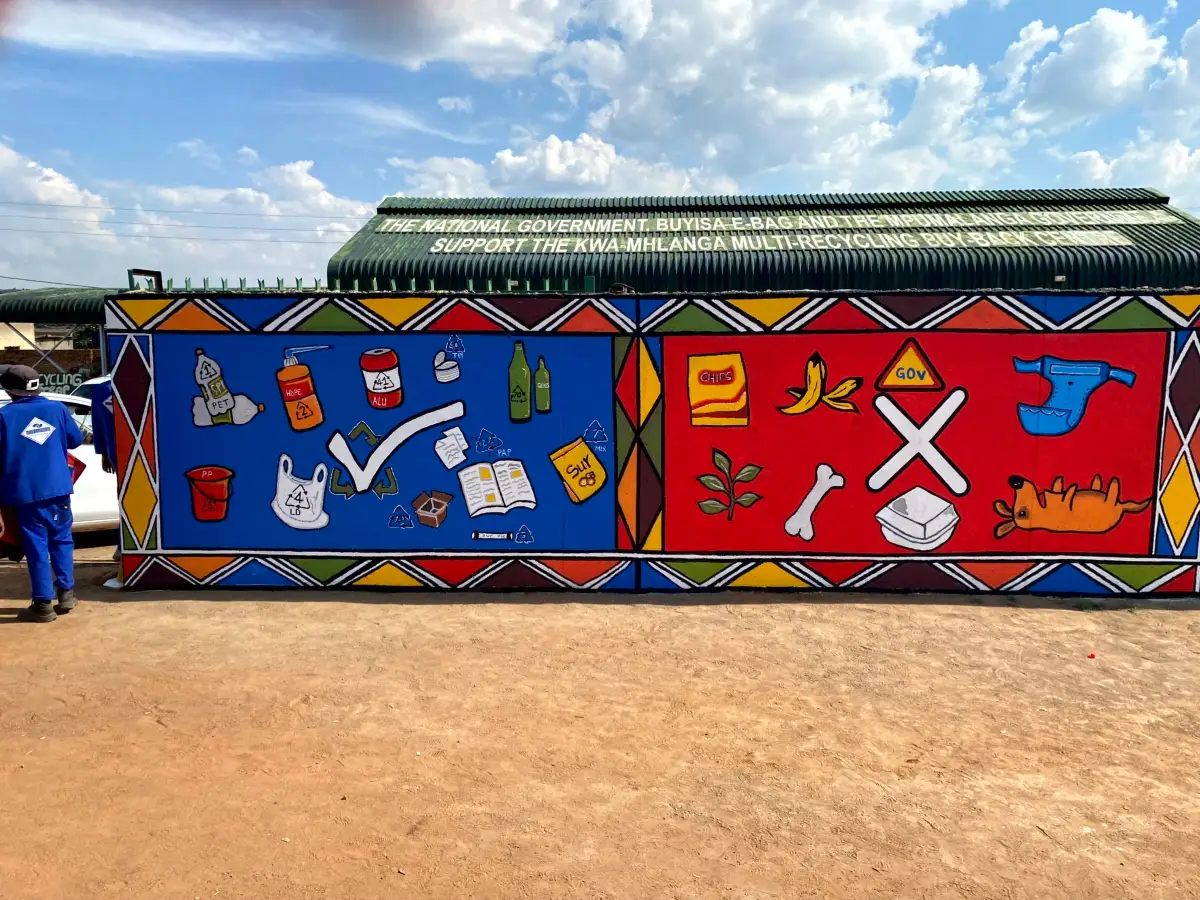
Effective communication starts with explaining the “why” behind waste separation. Share cost-savings data, environmental benefits, and legal compliance requirements. Use visual aids such as infographics and clear signage to reinforce messages and make waste-stream identification intuitive.
Training approaches should be practical and hands-on. Consider these strategies:
- Brief demonstration sessions showing proper separation techniques
- Visual guides posted near waste stations with clear examples
- Regular email reminders highlighting programme benefits
- Feedback sessions addressing common questions or confusion
- Recognition programmes celebrating departments with high participation rates
Overcoming resistance requires addressing practical concerns. Ensure waste stations are conveniently located, clearly labelled, and regularly maintained. When systems are user-friendly and visible, participation naturally increases as sustainable behaviours become routine.
Incentive programmes can accelerate adoption, but focus on recognition rather than rewards. Celebrate achievements through internal communications, highlight environmental impact metrics, and acknowledge teams that demonstrate consistent participation in waste reduction efforts.
What types of waste separation systems work best in office environments?
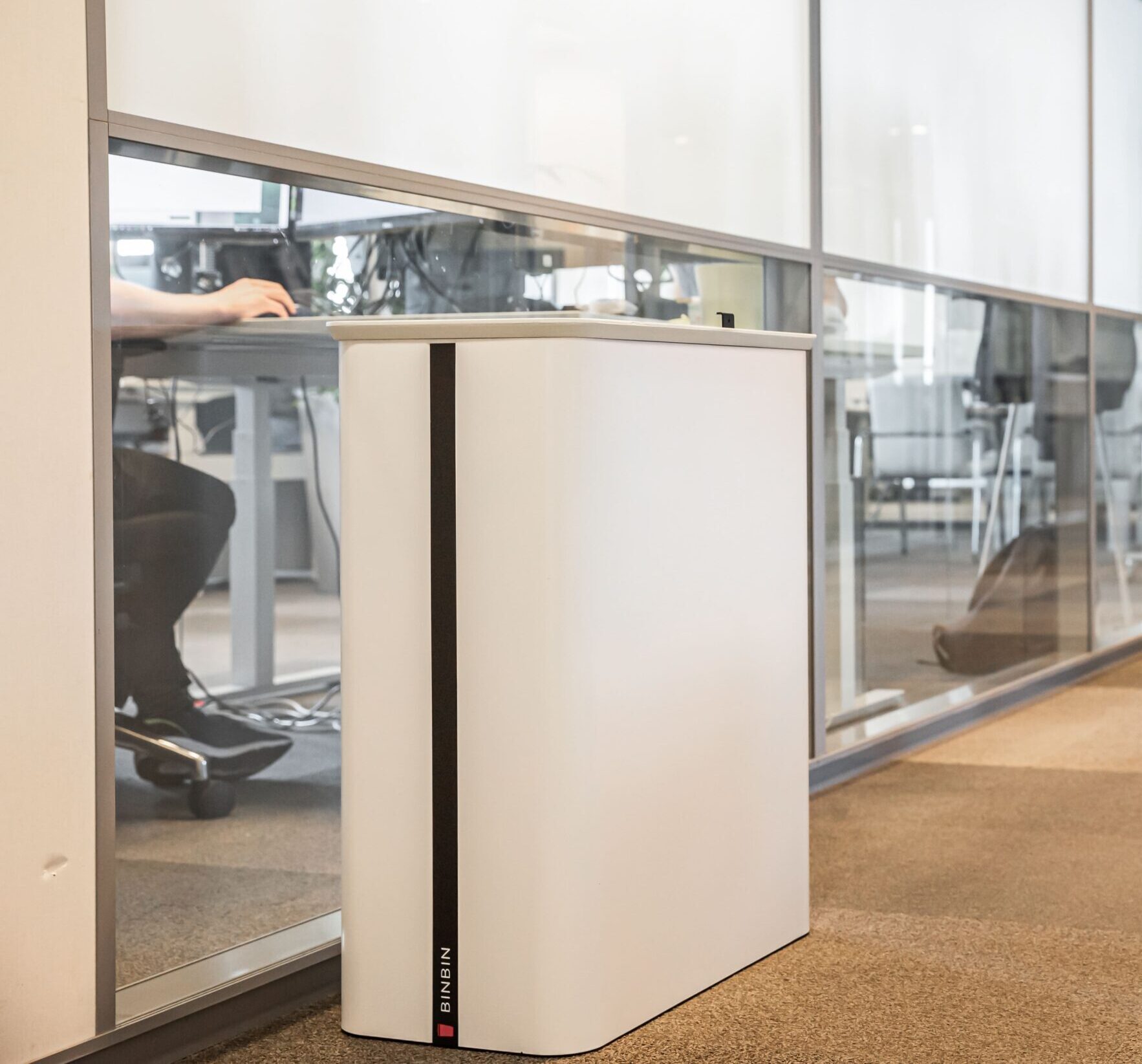
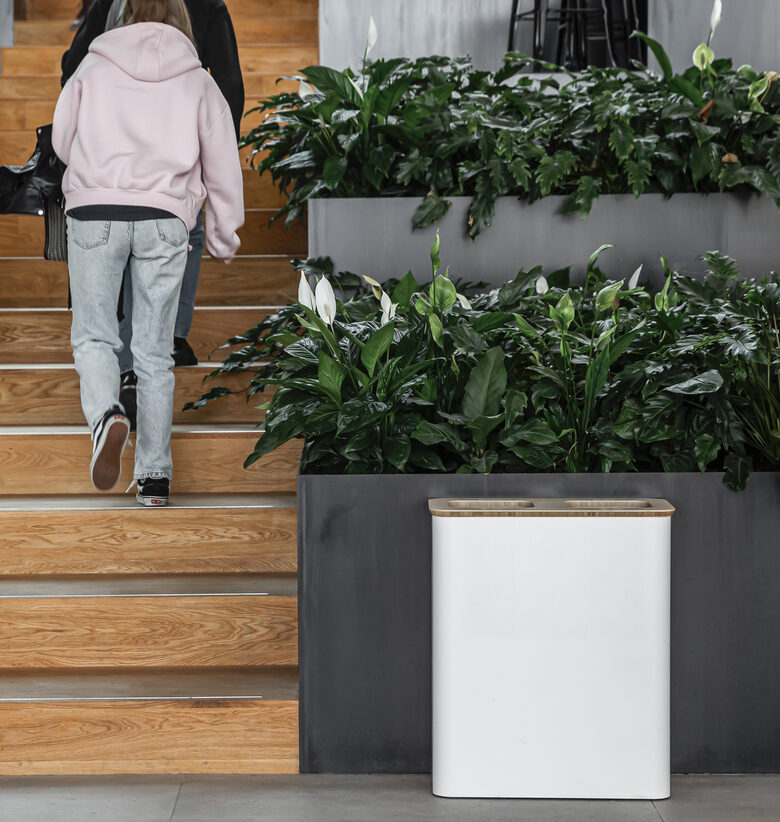
Modular waste separation systems perform best in office environments because they adapt to changing needs whilst maintaining professional aesthetics. These systems allow businesses to start with basic separation and expand as requirements evolve.
Space considerations are crucial for system selection. Compact designs work well in smaller offices, whilst larger facilities benefit from multiple separation stations strategically positioned throughout the workspace. The goal is to ensure employees never need to walk far to dispose of waste properly.
Capacity requirements depend on employee count and waste generation patterns. Systems should handle daily waste volumes without overflowing whilst remaining manageable for cleaning staff. Modular designs allow capacity adjustments as business needs change.
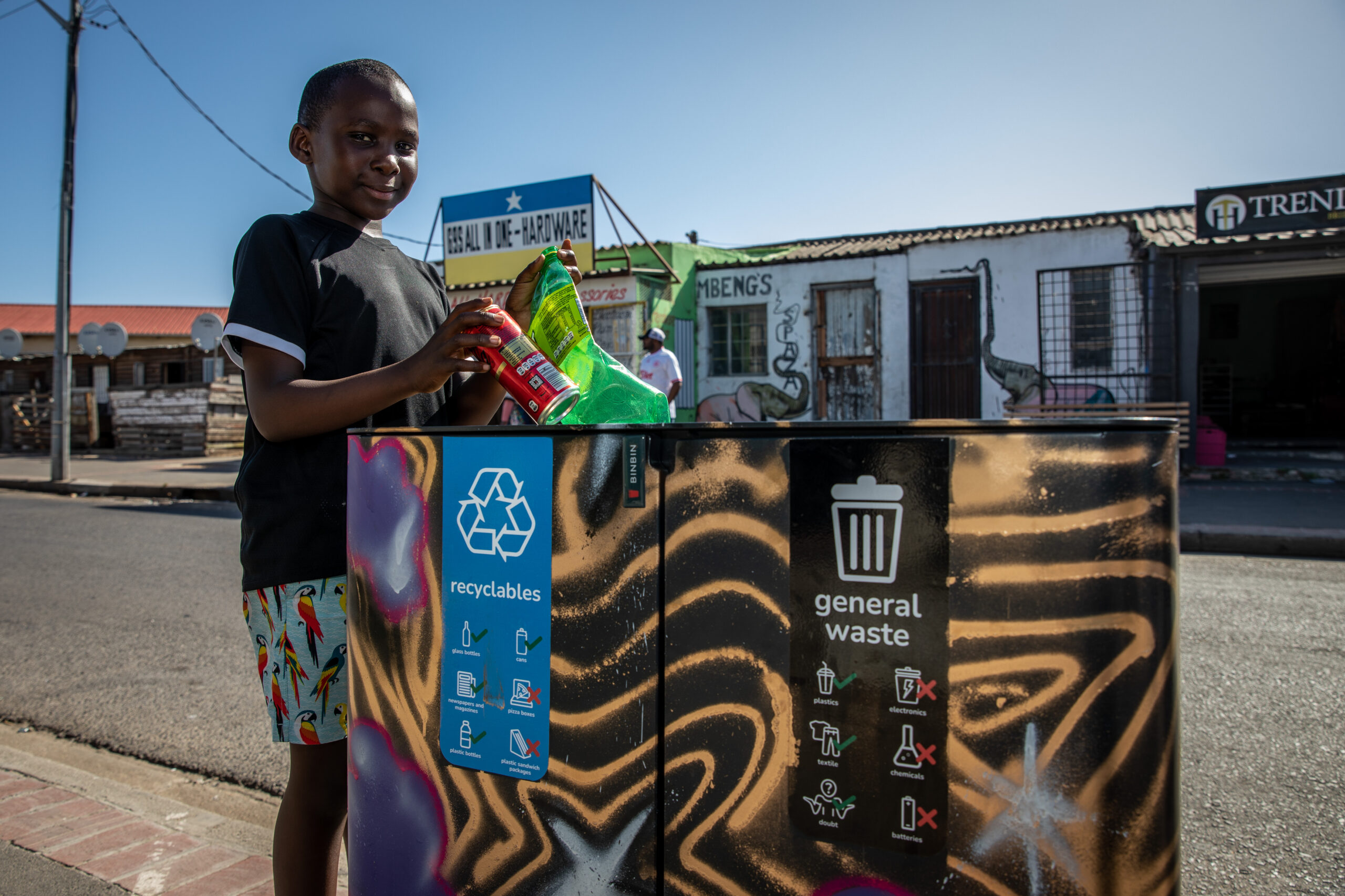
User-friendly features make the difference between programme success and failure. Clear labelling, intuitive opening mechanisms, and appropriate sizing for common waste items encourage proper use. Visual cues and colour coding help employees quickly identify the correct disposal streams.
Integration with office aesthetics ensures systems complement rather than detract from professional environments. Clean, contemporary designs maintain workplace appeal whilst serving functional requirements. Customisation options allow branding integration and seamless visual coordination with existing décor.
How do you measure the success of your sustainable waste initiatives?
Success measurement requires tracking specific metrics that demonstrate both environmental impact and business value. Key performance indicators should be simple to monitor and directly related to programme objectives.
Essential tracking methods include:
- Waste diversion rates measuring the percentage of materials recycled versus sent to landfill
- Cost reduction calculations comparing disposal expenses before and after implementation
- Employee participation rates measured through observation and feedback surveys
- Contamination levels in recycling streams indicating programme effectiveness
- Overall waste generation trends showing reductions in total materials consumed
Reporting frameworks should present data in formats that resonate with different stakeholders. Financial reports emphasise cost savings and return on investment, whilst sustainability reports highlight environmental benefits and compliance achievements.
Cost-benefit analysis approaches help justify continued investment and identify improvement opportunities. Compare programme costs against savings from reduced disposal fees, potential revenue from recyclable materials, and avoided regulatory penalties.
Continuous improvement strategies use measurement data to refine systems and enhance performance. Regular reviews identify bottlenecks, address contamination issues, and optimise waste station placement based on usage patterns and employee feedback.
How BINBIN helps with sustainable waste practices
We provide comprehensive modular waste separation solutions designed specifically for South African businesses seeking effective, stylish waste management systems. Our approach combines circular design principles with practical functionality that makes sustainable practices simple and effective.
Our modular systems adapt to your specific needs:
- Scalable configurations accommodating 1–8 waste streams that can be combined or separated as requirements change
- Circular materials that are 99% recyclable, extending product lifecycles whilst supporting environmental goals
- Professional aesthetics that integrate seamlessly with modern office environments without compromising functionality
- Customisation options including branded elements that reinforce your corporate sustainability messaging
Our implementation support includes personalised guidance on finding optimal solutions, communication strategies supported by visual materials, and comprehensive business assessments to identify specific waste management needs. We provide pictograms, stickers, and communication materials that ensure clear waste-stream identification.
Ready to transform your waste management approach? Contact us for a free business assessment and discover how modular waste separation can reduce costs whilst supporting your sustainability objectives.