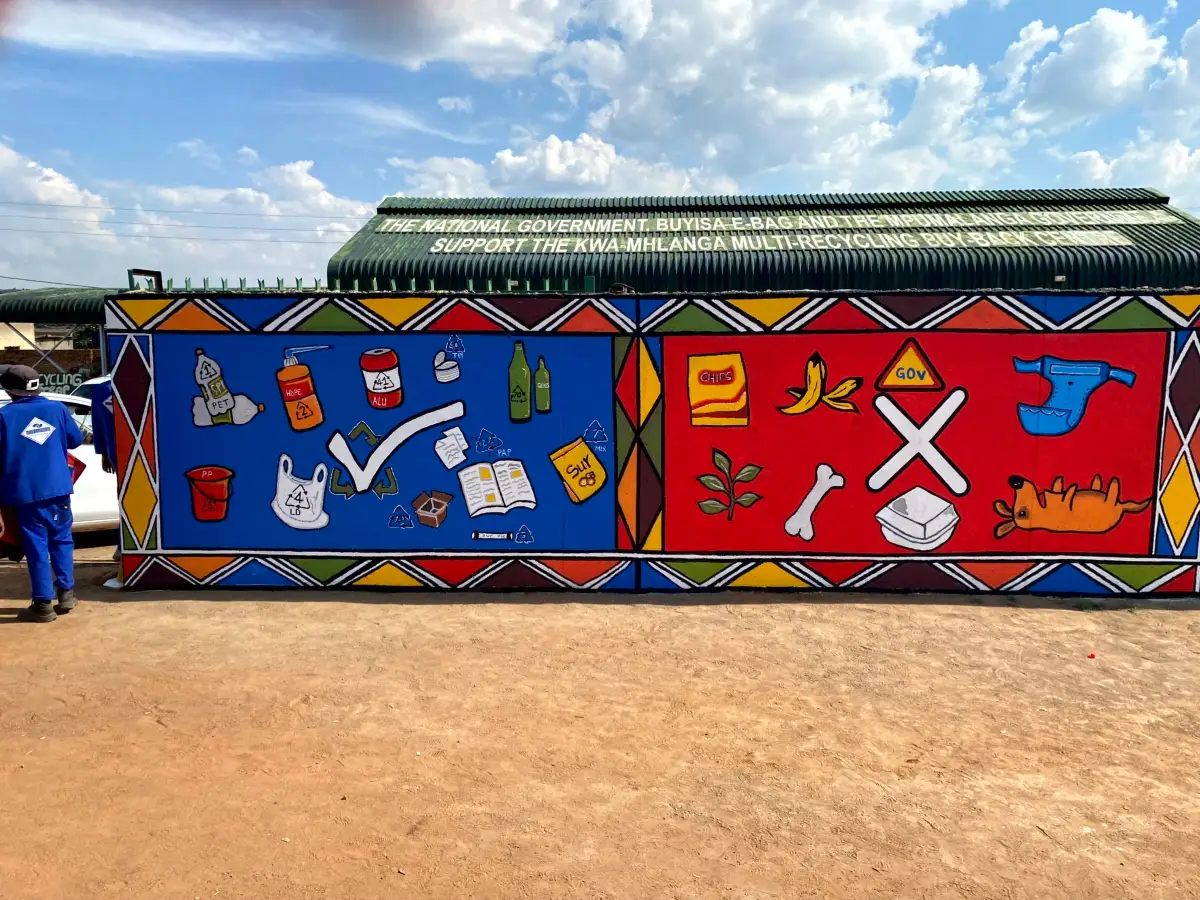
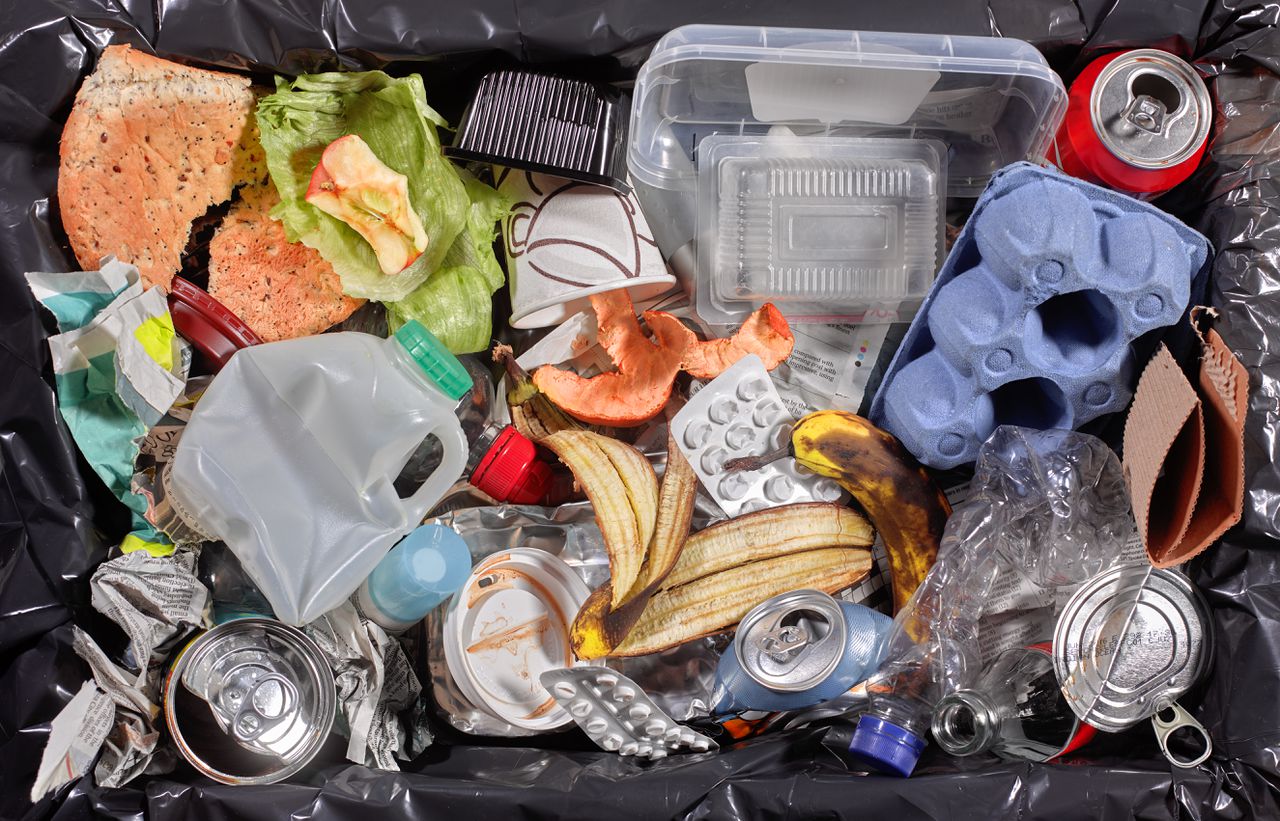
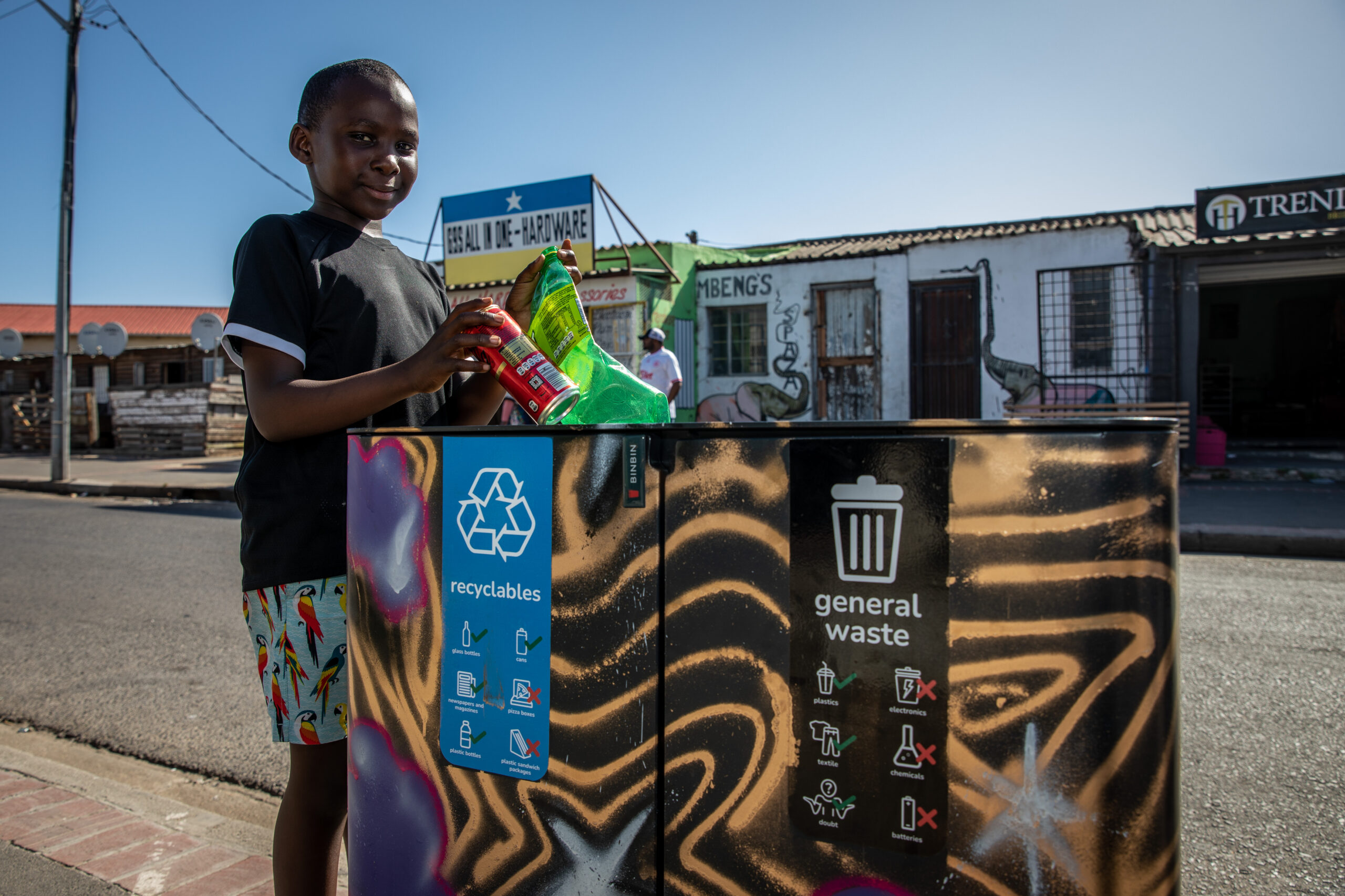
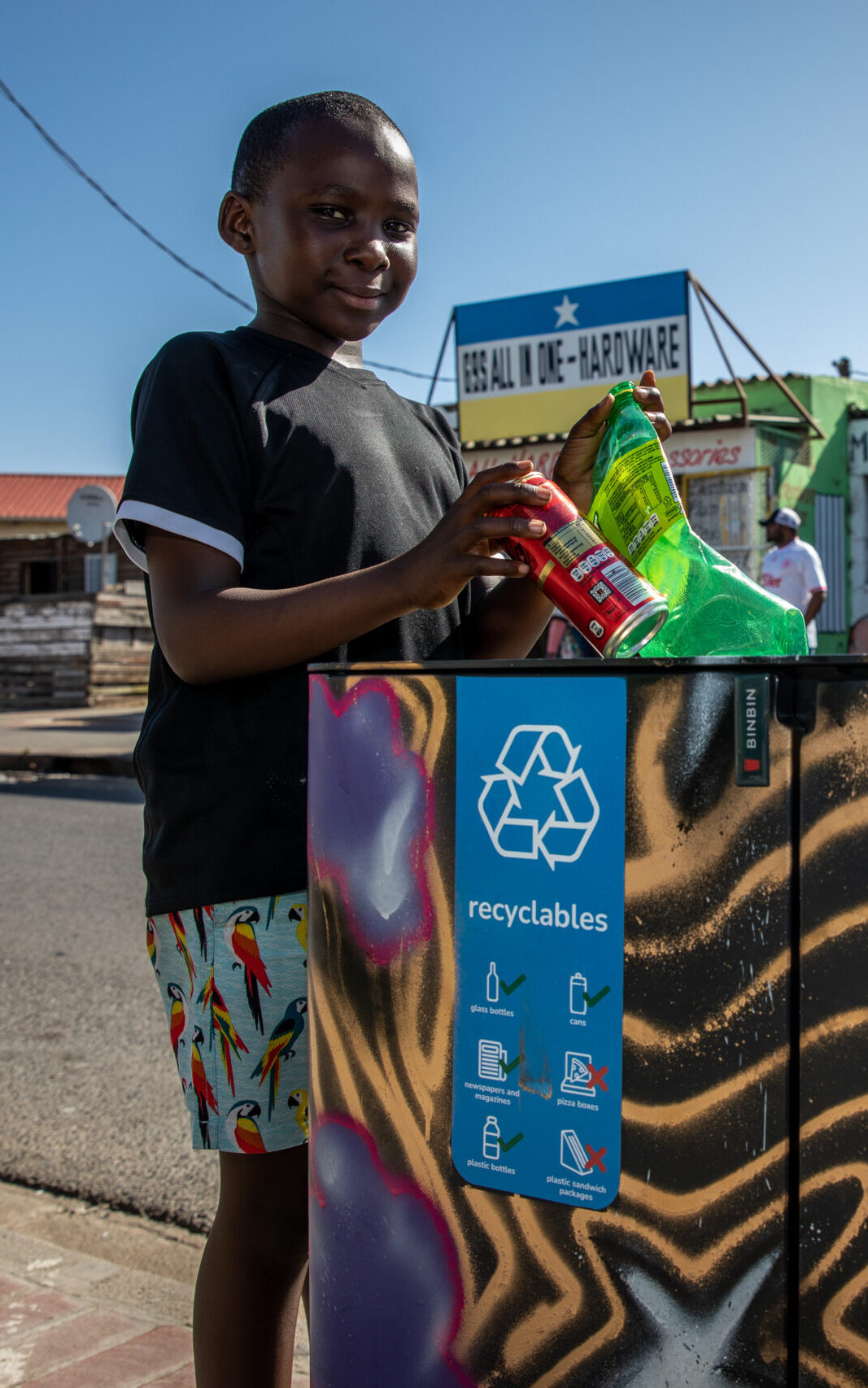
Schools should invest in advanced waste separation systems because they deliver significant environmental benefits, educational value, and long-term cost savings. Modern waste separation systems help educational institutions reduce their environmental footprint while teaching students practical sustainability skills. These systems also support compliance with South African waste management regulations and demonstrate an institutional commitment to environmental responsibility.
What exactly is advanced waste separation in educational settings?
Advanced waste separation in schools involves comprehensive systems designed to handle multiple waste streams from classrooms, cafeterias, laboratories, and administrative areas. Unlike basic single-bin systems, advanced separation includes dedicated containers for paper, plastic, organic waste, hazardous materials, and general refuse. These systems feature clear labelling, appropriate sizing for different areas, and integration with collection schedules.
The key difference between basic and advanced systems lies in their scope and functionality. Basic systems typically separate only recyclables from general waste, while advanced systems can handle up to eight different waste streams. Educational environments generate diverse waste types, including food scraps from cafeterias, paper from classrooms, electronic waste from computer labs, and chemical waste from science facilities.
Advanced systems integrate seamlessly into educational environments through strategic placement, age-appropriate design, and curriculum integration. They are positioned in high-traffic areas such as corridors, cafeterias, and classrooms, with visual cues that help students and staff make correct sorting decisions quickly and consistently.
Why should schools prioritise waste separation over traditional disposal methods?
Schools benefit significantly from prioritising waste separation because it reduces environmental impact, creates educational opportunities, and often decreases long-term disposal costs. Traditional single-stream disposal sends valuable materials to landfills, missing opportunities for recycling and composting that advanced separation systems capture effectively.
Environmental benefits include substantial reductions in landfill contributions and carbon footprint. Educational institutions in South Africa are increasingly expected to demonstrate environmental responsibility, and proper waste separation helps meet these expectations while contributing to broader sustainability goals.
The educational value cannot be overstated. Students learn practical environmental stewardship through daily interaction with separation systems. This hands-on experience reinforces classroom lessons about sustainability and creates lasting behavioural changes that students carry into their communities.
Economic advantages develop over time through reduced waste collection fees, potential revenue from recyclable materials, and decreased need for general waste containers. Many schools find that initial investment costs are offset by these ongoing savings within two to three years.
What are the main challenges schools face when implementing waste separation systems?
The primary challenges schools encounter include budget constraints, space limitations, staff training requirements, and maintaining student engagement over time. Initial costs for comprehensive systems can strain educational budgets, particularly when schools need multiple units across large campuses.
Budget considerations extend beyond initial purchase costs to include ongoing maintenance, replacement bags or liners, and staff time for management. However, many schools find that starting with pilot programmes in high-impact areas helps demonstrate value before full implementation.
Space limitations present practical challenges, especially in older buildings not designed with modern waste management in mind. Schools must balance accessibility with available floor space, ensuring systems do not obstruct corridors or create safety hazards.
Staff training is crucial for success but requires a time investment. Teachers, cleaners, and administrators need a clear understanding of the system to provide consistent guidance to students. Without proper training, well-intentioned systems can become ineffective due to contamination or misuse.
Student engagement often starts strong but may decline without ongoing reinforcement. Successful programmes incorporate regular education, peer leadership opportunities, and recognition systems to maintain enthusiasm for proper waste separation practices.
How do you choose the right waste separation system for different school sizes?
Selecting an appropriate waste separation system depends on student population, available space, waste volume, and specific institutional needs. Primary schools typically require simpler, more visual systems with fewer compartments, while secondary schools can manage more complex separation with additional waste streams.
Small schools (under 300 students) often benefit from modular systems that can grow with their needs. Starting with basic paper and general waste separation, they can add compartments for plastic, organic waste, or other streams as programmes develop and budgets allow.
Medium schools (300-800 students) require more robust systems with higher capacity and durability. These institutions typically need multiple units strategically placed throughout buildings, with consideration for high-traffic areas such as cafeterias and main corridors.
Large schools (over 800 students) need comprehensive solutions with multiple waste streams and various container sizes. They benefit from systems that can handle different volumes in different areas—larger-capacity units in cafeterias and smaller units in individual classrooms.
Scalability considerations are essential for all school sizes. Systems that allow schools to add or reconfigure compartments provide flexibility as programmes evolve and institutional needs change. This adaptability is particularly valuable for growing schools or those expanding their sustainability initiatives.
What educational benefits can schools gain from advanced waste separation?
Advanced waste separation systems serve as powerful teaching tools that provide hands-on learning experiences in environmental science, personal responsibility, and systems thinking. Students learn practical skills while developing an understanding of resource cycles, environmental impact, and community responsibility through daily interaction with these systems.
The systems create natural opportunities for cross-curricular learning. Science classes can study decomposition and recycling processes, mathematics lessons can incorporate waste audit data, and social studies can explore environmental justice and community impact. This integration reinforces learning across multiple subjects.
Students develop critical thinking skills by learning to categorise materials, understand the consequences of their choices, and solve problems when encountering unfamiliar waste items. These cognitive skills transfer to other areas of learning and decision-making.
Leadership opportunities emerge naturally as students take ownership of waste separation programmes. Peer education, monitoring systems, and improvement suggestions help develop communication skills, responsibility, and environmental advocacy abilities.
The visible nature of waste separation creates ongoing reminders about consumption choices and environmental impact. Students begin questioning packaging decisions, food waste, and resource use in ways that extend far beyond the school environment into their homes and communities.
How much does it cost to implement advanced waste separation in schools?
Implementation costs vary significantly based on school size, system complexity, and local factors, but schools typically invest between R15,000 and R75,000 in comprehensive waste separation systems. Initial costs include containers, signage, training materials, and setup time, while ongoing expenses cover maintenance, replacement supplies, and programme management.
Small schools might start with basic modular systems costing R15,000-R25,000, covering essential areas such as cafeterias and main corridors. Medium schools often invest R30,000-R50,000 for more comprehensive coverage, while large institutions may spend R50,000-R75,000 for campus-wide implementation.
Ongoing costs include replacement bags or liners, maintenance, and staff time for programme management. However, many schools offset these expenses through reduced general waste collection fees and potential revenue from recyclable materials.
Funding options help make implementation more accessible. Many schools use environmental education grants, parent fundraising initiatives, or partnerships with local businesses interested in supporting sustainability programmes. Some municipalities offer incentives for institutions that demonstrate a commitment to waste reduction.
The return on investment extends beyond financial considerations to include educational value, regulatory compliance, and institutional reputation benefits that are difficult to quantify but add substantial long-term value.
How BINBIN helps with school waste separation implementation?
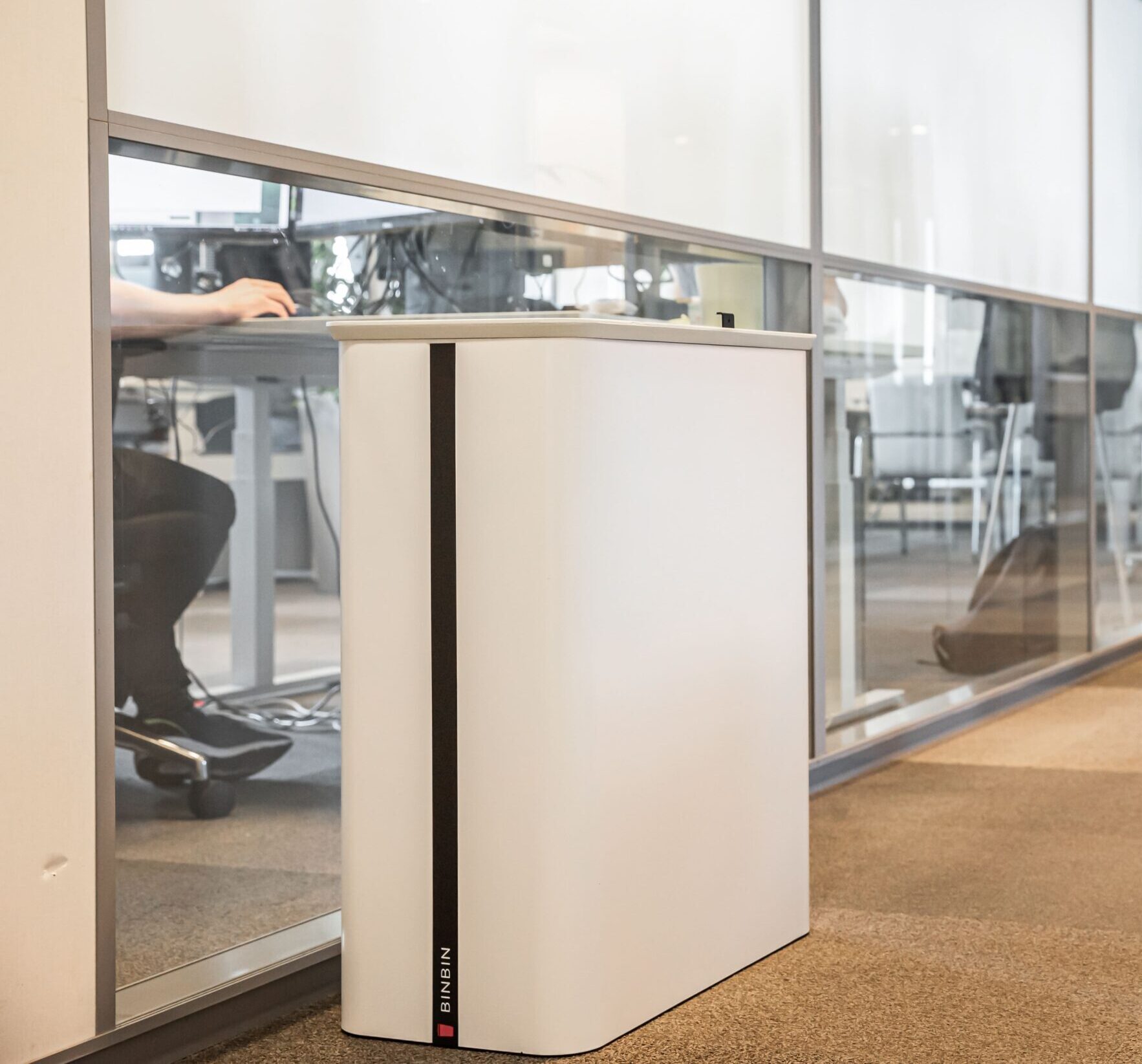
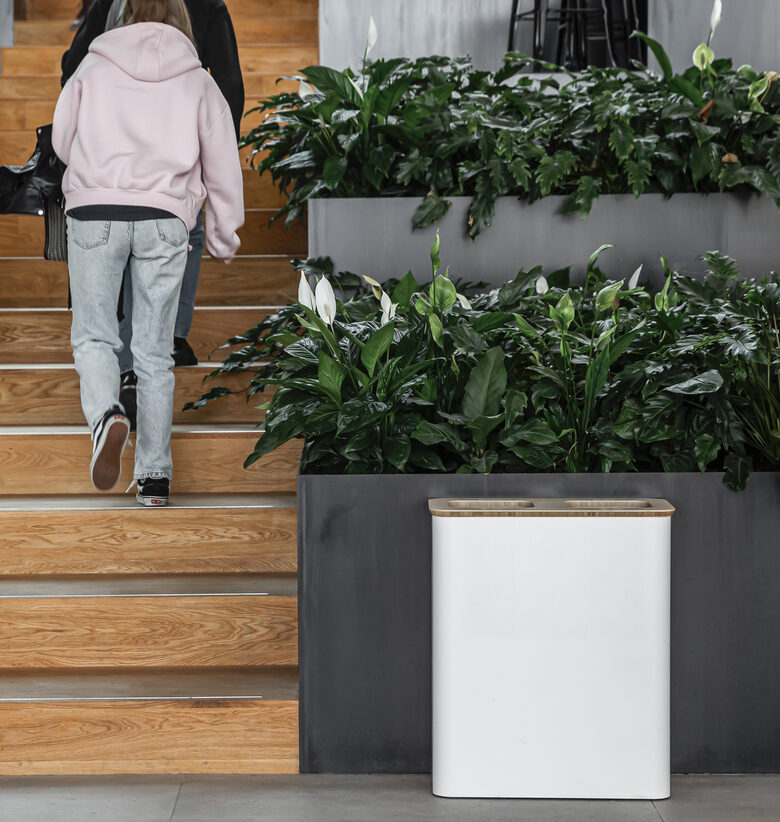
We provide comprehensive modular waste separation solutions specifically designed for educational environments, helping schools implement effective systems that serve both practical and educational purposes. Our Globular series offers the flexibility schools need, allowing configuration from one to eight waste streams that can be easily recombined or separated as requirements change.
Our educational support includes:
- Customisable systems that adapt to different school sizes and specific needs
- Clear visual guidance and labelling appropriate for different age groups
- Modular design that allows schools to start small and expand their programmes
- Durable construction suitable for high-traffic educational environments
- Internal compartment dividers that eliminate the need for additional containers
We work closely with schools to assess their specific needs, space constraints, and educational goals. Our systems integrate seamlessly into existing environments while providing the flexibility to evolve with changing requirements and growing sustainability programmes.
Ready to transform your school's approach to waste management? Visit our trial placement page to explore how our modular solutions can support your educational and environmental goals. Contact us today to discuss your school's specific needs and discover how advanced waste separation can enhance both your sustainability efforts and student learning experiences.