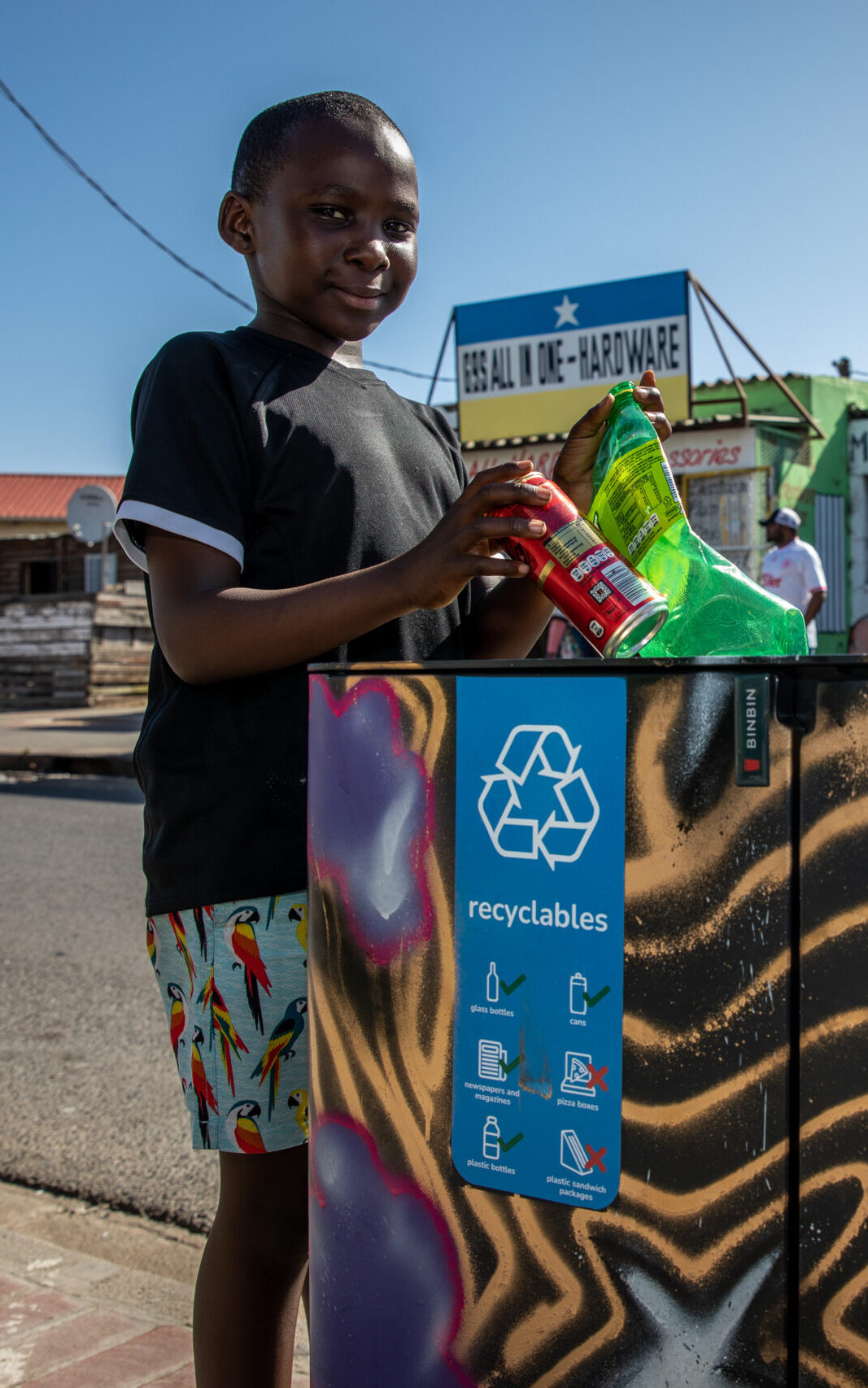
Organic waste recycling transforms food scraps, yard waste, and other biodegradable materials into valuable resources such as compost and biogas. This process reduces methane emissions from landfills, creates nutrient-rich soil amendments, and supports circular economy principles. Understanding how to implement effective organic waste systems supports both environmental sustainability and economic efficiency while addressing common questions about materials, processes, and benefits.
What is organic waste recycling and why does it matter for the environment?
Organic waste recycling is the process of collecting, processing, and transforming biodegradable materials into useful products through composting, anaerobic digestion, or other biological treatments. This practice diverts organic matter from landfills, where it would otherwise decompose anaerobically and produce harmful methane gas.
The environmental significance extends far beyond waste reduction. When organic materials decompose in controlled recycling environments, they produce significantly fewer greenhouse gases than they do in landfills. The resulting compost improves soil health by enhancing water retention, providing essential nutrients, and supporting beneficial microorganisms that create healthier growing conditions.
Organic waste recycling also conserves natural resources by reducing the need for chemical fertilisers and synthetic soil amendments. The process closes nutrient loops, returning valuable organic matter to agricultural and landscaping applications rather than losing these resources to the waste stream.
How does organic waste recycling actually reduce greenhouse gas emissions?
Organic waste recycling reduces greenhouse gas emissions by preventing methane production that occurs when organic materials decompose in oxygen-poor landfill environments. Controlled composting uses aerobic decomposition, which produces carbon dioxide instead of methane—a gas that is significantly less harmful to climate stability.
Methane has approximately 25 times the global warming potential of carbon dioxide over a 100-year period. When organic waste decomposes in landfills, anaerobic bacteria break down materials without oxygen, creating methane as a primary byproduct. Properly managed organic recycling facilities maintain oxygen levels that support aerobic bacteria, fundamentally changing the chemistry of decomposition.
The carbon footprint reduction extends beyond direct emissions. Compost produced through organic waste recycling can replace synthetic fertilisers, which require energy-intensive manufacturing processes. Additionally, improved soil health from compost application increases carbon sequestration in agricultural and landscaping soils, creating long-term climate benefits.
What are the main economic benefits of implementing organic waste recycling?
Organic waste recycling delivers substantial economic benefits through reduced disposal costs, revenue-generation opportunities, and job creation in the green economy. Organisations typically save money by diverting organic materials from expensive landfill disposal while potentially earning income from compost sales or benefiting from lower waste management fees.
Cost savings can begin immediately through reduced waste collection frequency and lower tipping fees at disposal facilities. Many waste management companies offer reduced rates for organisations that separate organic materials, recognising the value these materials bring to recycling operations.
Revenue-generation opportunities include:
- Direct compost sales to landscaping companies and gardeners
- Biogas production for energy generation
- Reduced fertiliser purchases for organisations with landscaping needs
- Carbon credit opportunities in some jurisdictions
The organic recycling sector creates employment opportunities in collection, processing, and distribution roles. These jobs often provide stable, local employment that cannot be outsourced, contributing to community economic development while supporting environmental goals.
Which types of organic waste can and cannot be recycled?
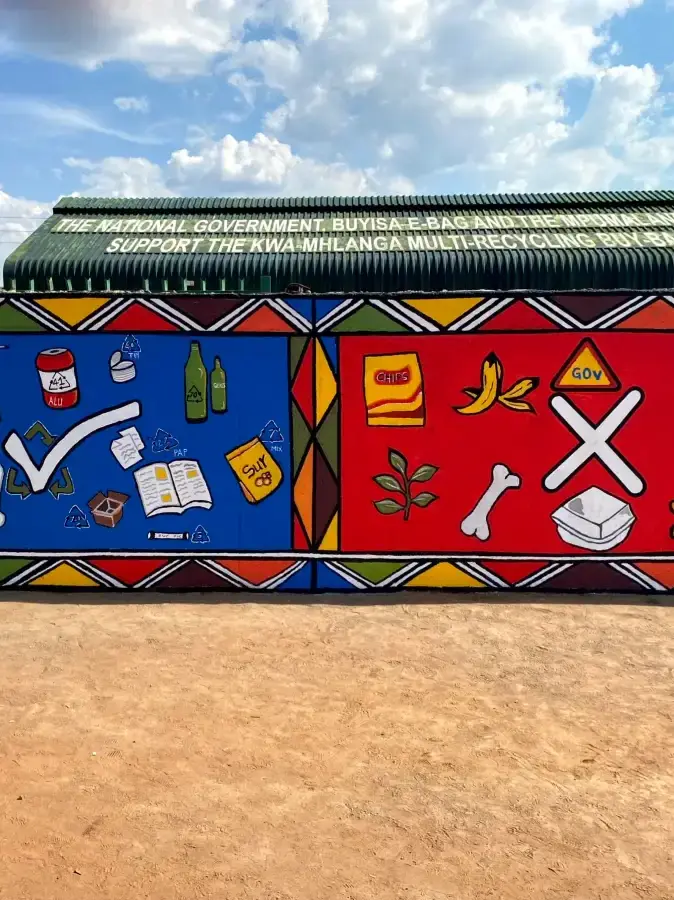
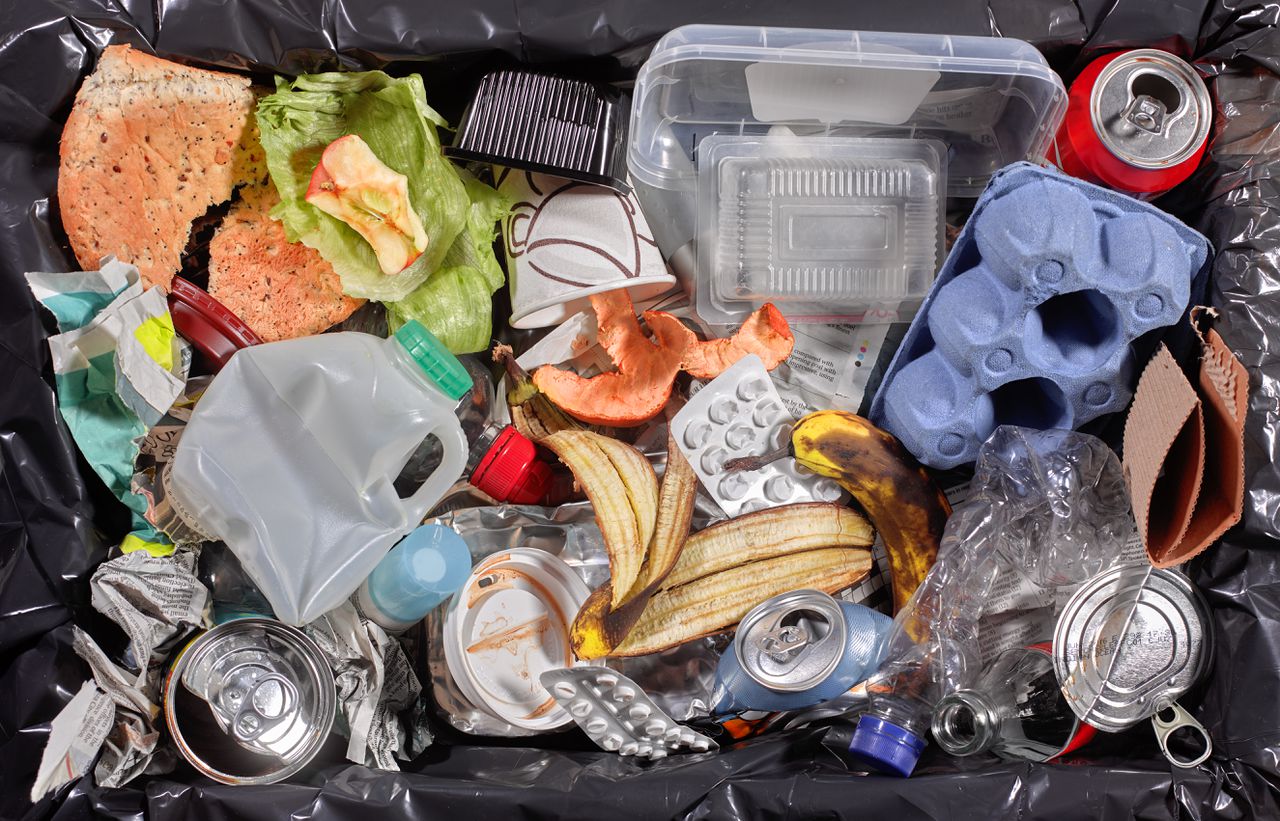
Acceptable organic waste includes most plant-based materials, food scraps, and uncoated paper products. However, certain organic materials can create problems in recycling processes and should be excluded from organic waste streams to maintain system efficiency and product quality.
Materials suitable for organic recycling include:
- Fruit and vegetable scraps, including peels and cores
- Coffee grounds, tea bags, and loose tea leaves
- Bread, pasta, rice, and other grain products
- Yard waste such as grass clippings, leaves, and small branches
- Unbleached paper towels and napkins
- Eggshells and nutshells
Materials to avoid include meat, fish, dairy products, and oily foods because they attract pests, create odours, and can introduce harmful bacteria into composting systems. Coated paper, synthetic materials, and chemically treated items can disrupt biological processes and contaminate finished compost.
Understanding these distinctions helps maintain healthy recycling systems and ensures high-quality end products that benefit soil health and plant growth.
How do you set up an effective organic waste recycling system?
Setting up an effective organic waste recycling system begins with an assessment of waste generation patterns, the selection of appropriate collection containers, and the establishment of regular collection schedules. Success depends on matching system capacity to actual waste volumes while ensuring convenient access for all participants.
Implementation follows these essential steps:
- Conduct a waste audit to understand the volumes and types of organic waste generated
- Select appropriate containers with tight-fitting lids and adequate capacity
- Establish collection points that are convenient while maintaining hygiene standards
- Arrange processing services through local composting facilities or on-site systems
- Train participants on acceptable materials and proper separation techniques
- Monitor and adjust the system based on participation rates and contamination levels
Storage solutions must balance convenience with odour control and pest prevention. Indoor collection containers should be emptied frequently, while outdoor storage requires secure, ventilated containers that protect materials from weather and animals.
For office environments, positioning collection points near kitchen areas and break rooms encourages participation while maintaining professional appearance standards.
What happens to organic waste after it's collected for recycling?
Collected organic waste is transported to processing facilities, where it undergoes controlled decomposition through composting or anaerobic digestion. These biological processes transform waste materials into valuable products, including compost, biogas, and liquid fertilisers that support agricultural and energy applications.
The composting process involves mixing organic materials with carbon-rich materials such as wood chips or paper, maintaining proper moisture levels, and managing temperature through regular turning. Beneficial microorganisms break down materials over several months, creating nutrient-rich compost that improves soil structure and fertility.
Anaerobic digestion facilities process organic waste in sealed containers without oxygen, producing biogas that can generate electricity or heat. The remaining digestate becomes a nutrient-rich liquid fertiliser that plants readily absorb.
Quality control measures ensure finished products meet safety standards for agricultural use. Testing verifies nutrient content, screens for contaminants, and confirms that harmful pathogens have been eliminated through proper processing temperatures and timeframes.
End products return to the economy through sales to farmers, landscapers, and gardeners, completing the circular economy loop by transforming waste into resources that support food production and environmental restoration.
How BINBIN helps with organic waste recycling solutions
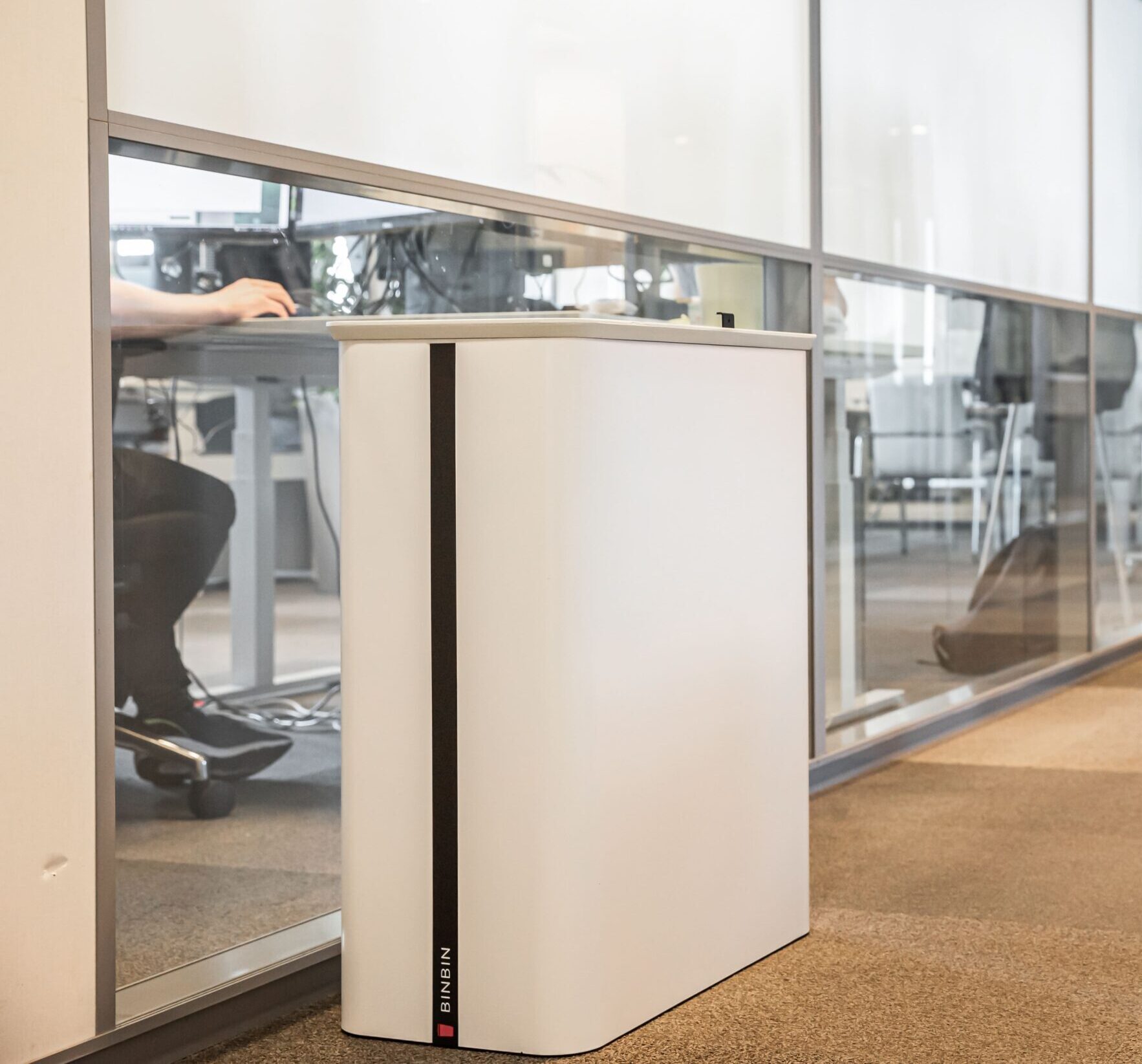
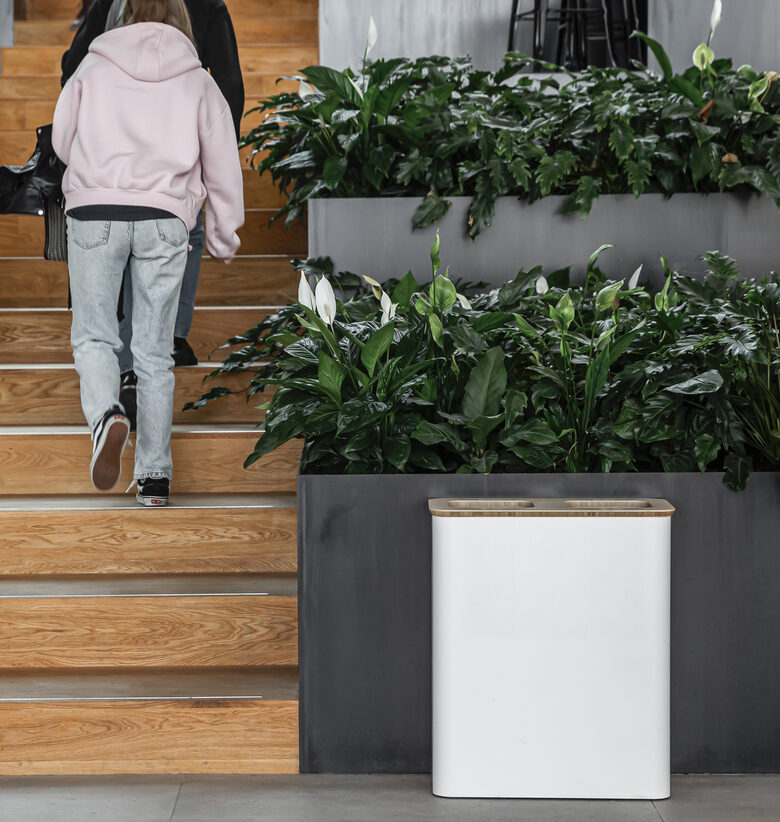
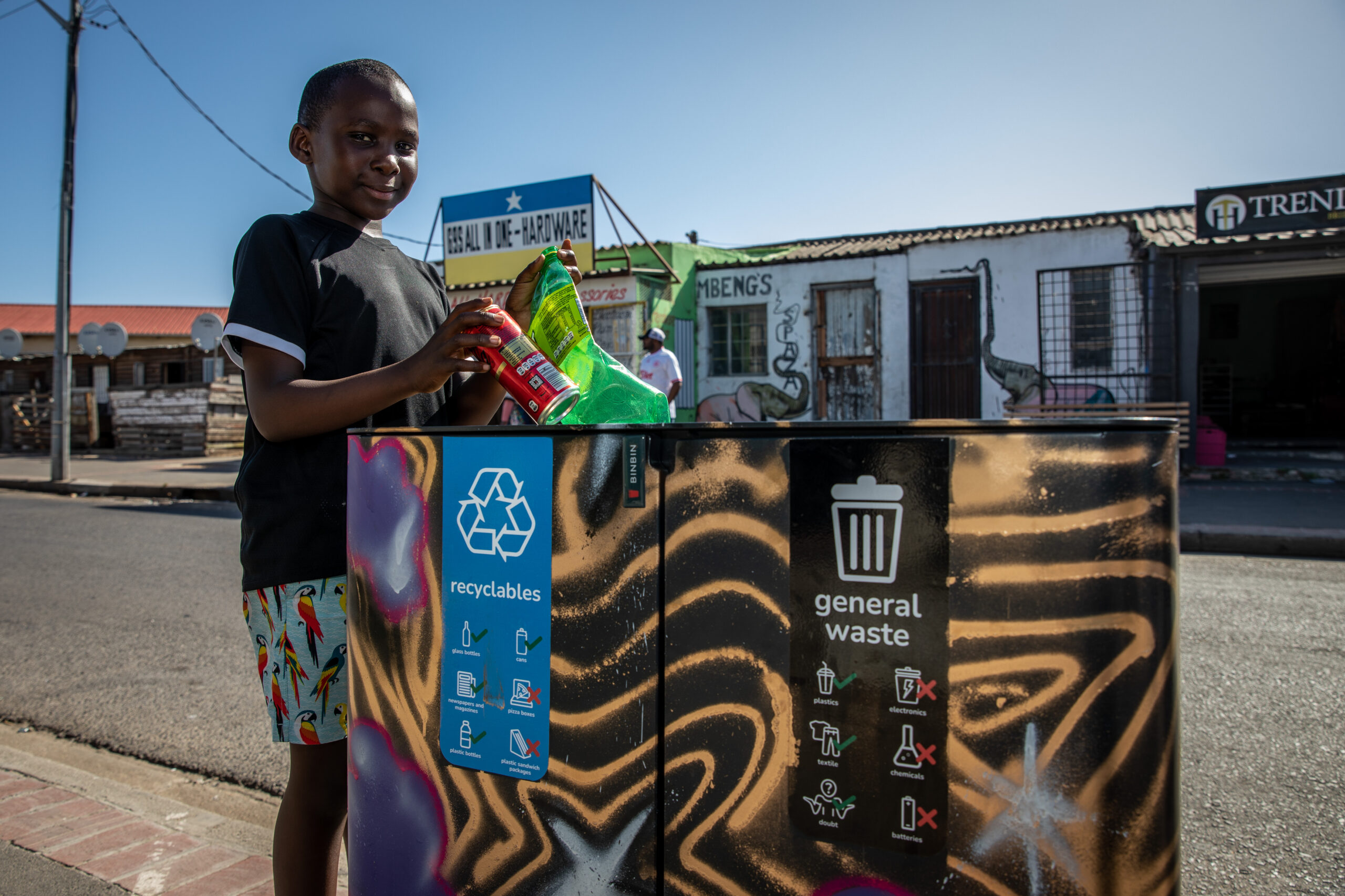
BINBIN's modular waste separation systems provide comprehensive solutions for effective organic waste collection across diverse environments. Our 99% circular design principles align perfectly with organic recycling goals, offering fully customisable separation systems that adapt to changing waste stream requirements while maintaining professional aesthetics.
Our Globular series enables organisations to separate 1 to 8 different waste streams, including dedicated organic waste collection. Key features include:
- Internal compartment splitting that eliminates the need for additional containers as programmes expand
- Modular design that allows easy reconfiguration when waste separation needs change
- Professional appearance that encourages participation without compromising workplace aesthetics
- Durable construction from recycled and recyclable materials that supports circular economy principles
Whether you're implementing organic waste separation in offices, educational institutions, or public spaces, our solutions facilitate proper waste separation while supporting your sustainability objectives. The systems grow with your programme, ensuring long-term value and environmental impact.
Ready to improve your organic waste recycling capabilities? Request a trial placement to experience how our modular systems can transform your waste management approach while supporting your circular economy goals.