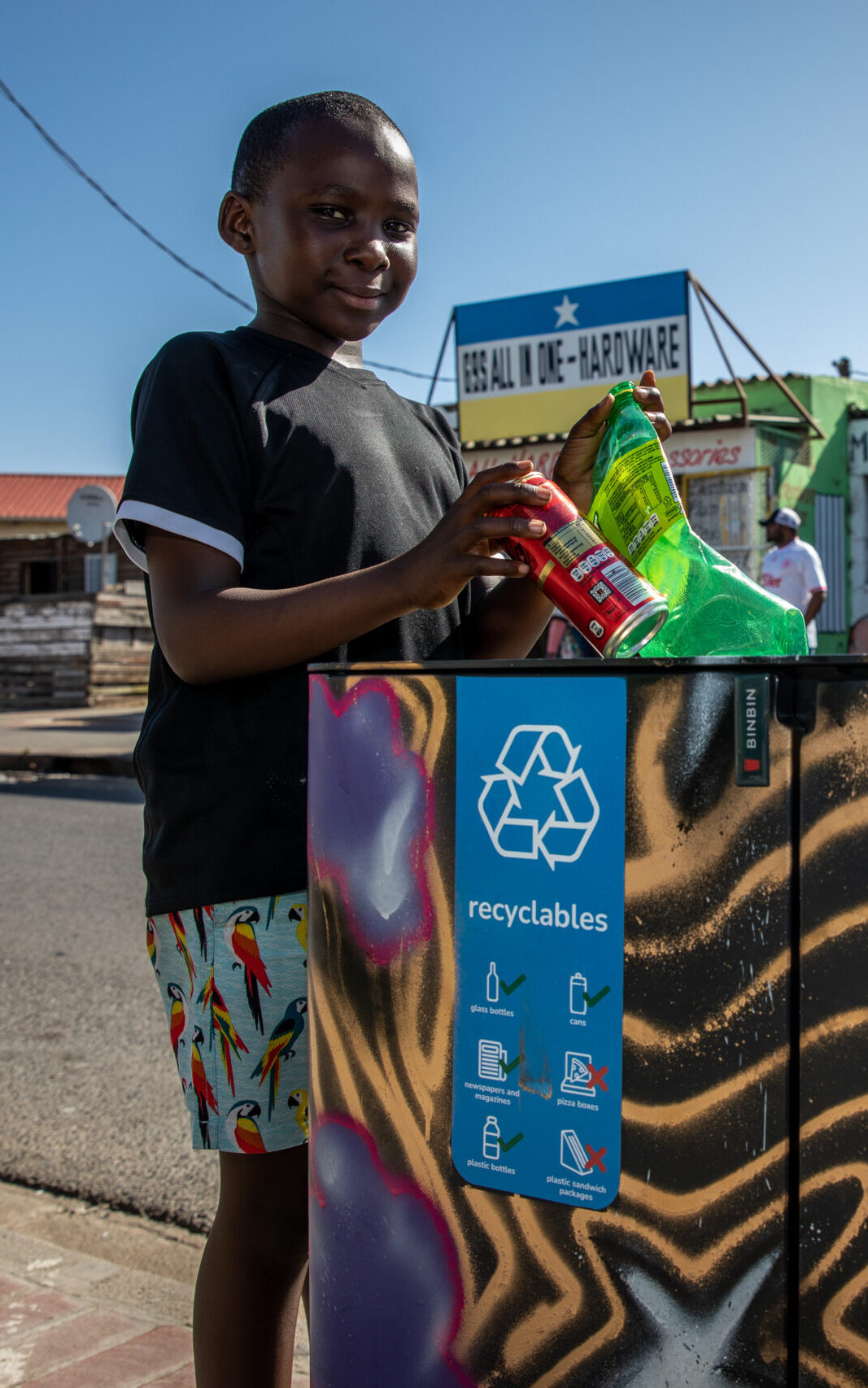
Proper waste disposal delivers significant environmental, financial, and health benefits while supporting community sustainability goals. Effective waste management reduces pollution, conserves natural resources, prevents disease transmission, and creates economic opportunities. Separating different waste types maximises recycling success and supports circular economy principles that benefit entire communities.
What are the environmental benefits of proper waste disposal?
Proper waste disposal reduces pollution by preventing harmful substances from contaminating soil, water sources, and air quality. When waste is correctly sorted and processed, fewer materials end up in landfills, where they generate methane emissions and leach toxic chemicals into groundwater systems.
Effective waste management protects ecosystems by reducing the volume of materials sent to landfills and incineration facilities. This approach conserves natural habitats that might otherwise be disrupted by expanding waste disposal sites. Additionally, proper recycling practices reduce the need to extract raw materials from the environment, preserving forests, mineral deposits, and other natural resources.
Climate change mitigation occurs through reduced greenhouse gas emissions from waste processing. When organic materials are properly composted rather than sent to landfills, methane production decreases significantly. Similarly, recycling materials requires less energy than producing new items from virgin resources, contributing to lower carbon footprints across manufacturing processes.
How does effective waste management save money for businesses and communities?
Businesses and communities reduce waste processing fees through effective separation and recycling programmes. Many waste management companies charge less for properly sorted recyclable materials than for mixed waste streams that require additional processing. Well-implemented waste segregation can reduce overall disposal costs by 20-40%.
Revenue opportunities emerge from selling recyclable materials such as paper, cardboard, metals, and plastics. These materials have market value when properly separated and clean. Some businesses generate enough recyclable waste to create meaningful revenue streams that offset other operational costs.
Lower raw material costs benefit organisations that can reuse or repurpose their own waste materials. Manufacturing companies often find ways to incorporate recycled content back into their production processes, reducing the need to purchase new materials. This circular approach creates cost savings while supporting environmental goals.
Reduced environmental cleanup expenses protect communities from costly remediation projects. Proper waste disposal prevents contamination incidents that can cost thousands or millions to address. Prevention through effective waste management is significantly more affordable than environmental restoration after contamination occurs.
What health benefits come from proper waste disposal practices?
Proper waste management prevents disease transmission by eliminating breeding grounds for bacteria, viruses, and parasites. When organic waste is promptly removed and correctly processed, it cannot attract disease-carrying pests or create conditions in which harmful microorganisms multiply and spread to human populations.
Exposure to air and water pollution decreases significantly with effective waste disposal systems. Improperly managed waste releases toxins, particulates, and chemical compounds that can cause respiratory problems, skin conditions, and other health issues. Proper disposal prevents these contaminants from entering the environment where people live and work.
Cleaner living environments result from systematic waste management that maintains hygiene standards in residential, commercial, and public spaces. Regular waste removal and proper containment eliminate odours, reduce pest populations, and create more pleasant surroundings for daily activities.
Public health protection extends beyond immediate communities through reduced contamination of shared resources such as water supplies and agricultural areas. Effective waste management systems prevent pollutants from entering food chains or water sources that serve larger populations.
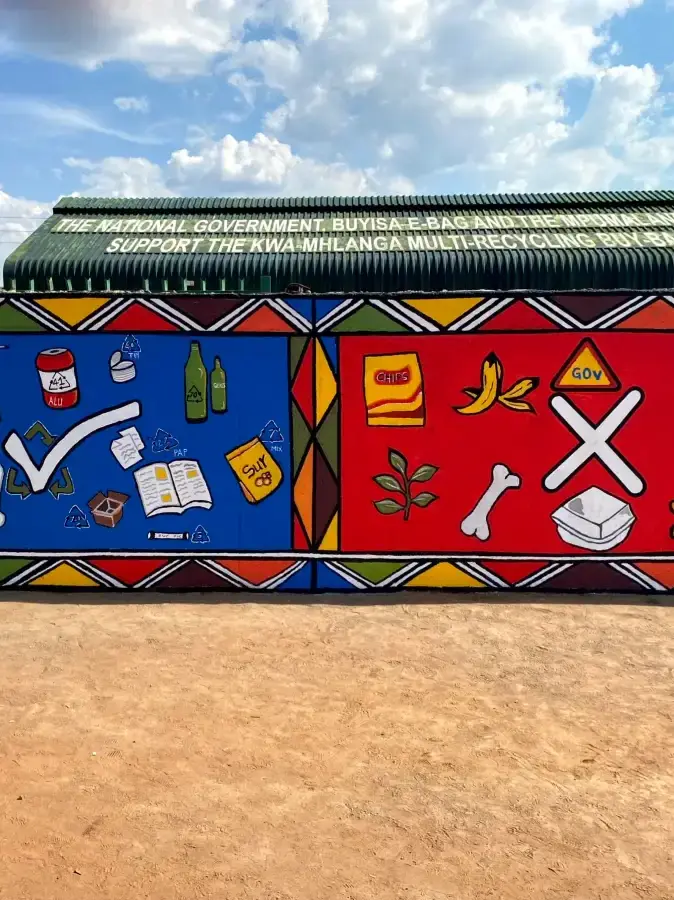
Why is waste segregation important for recycling success?
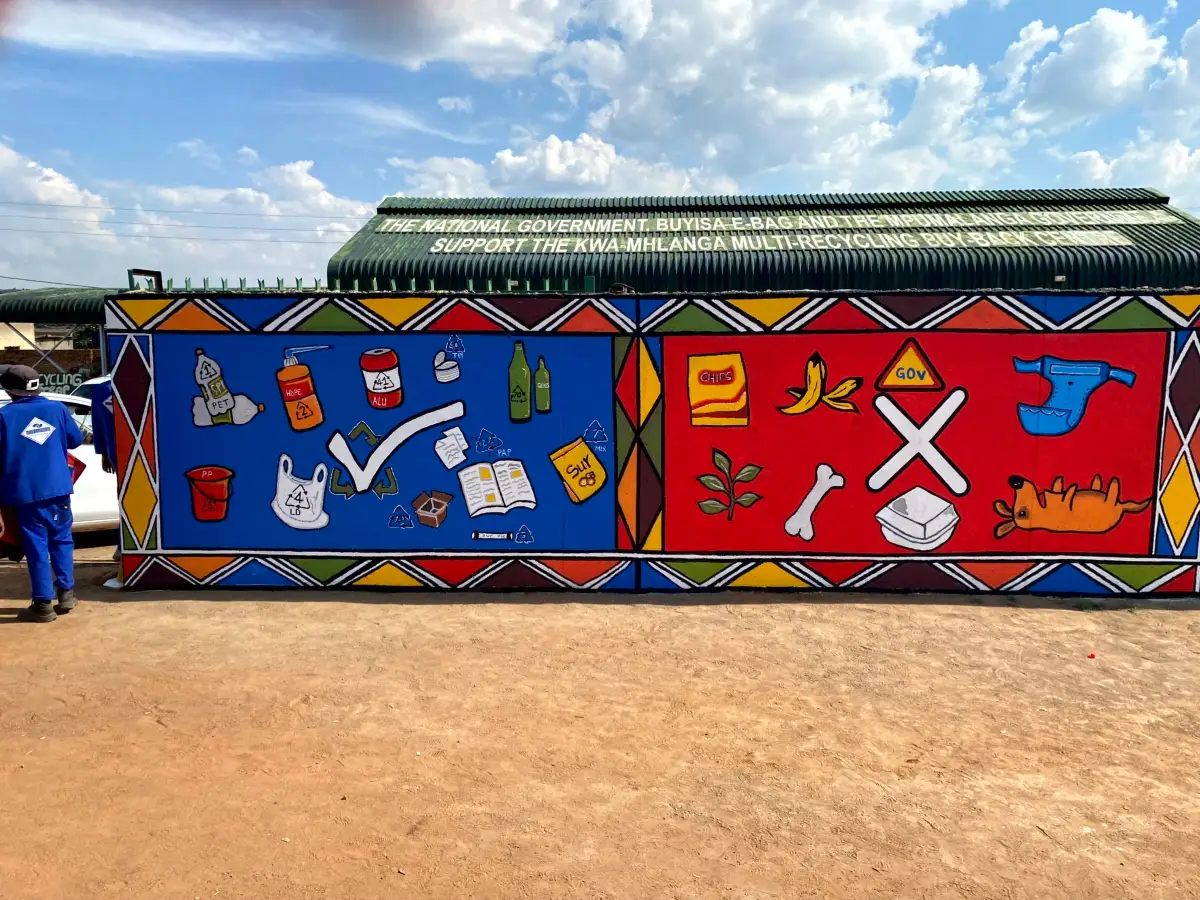
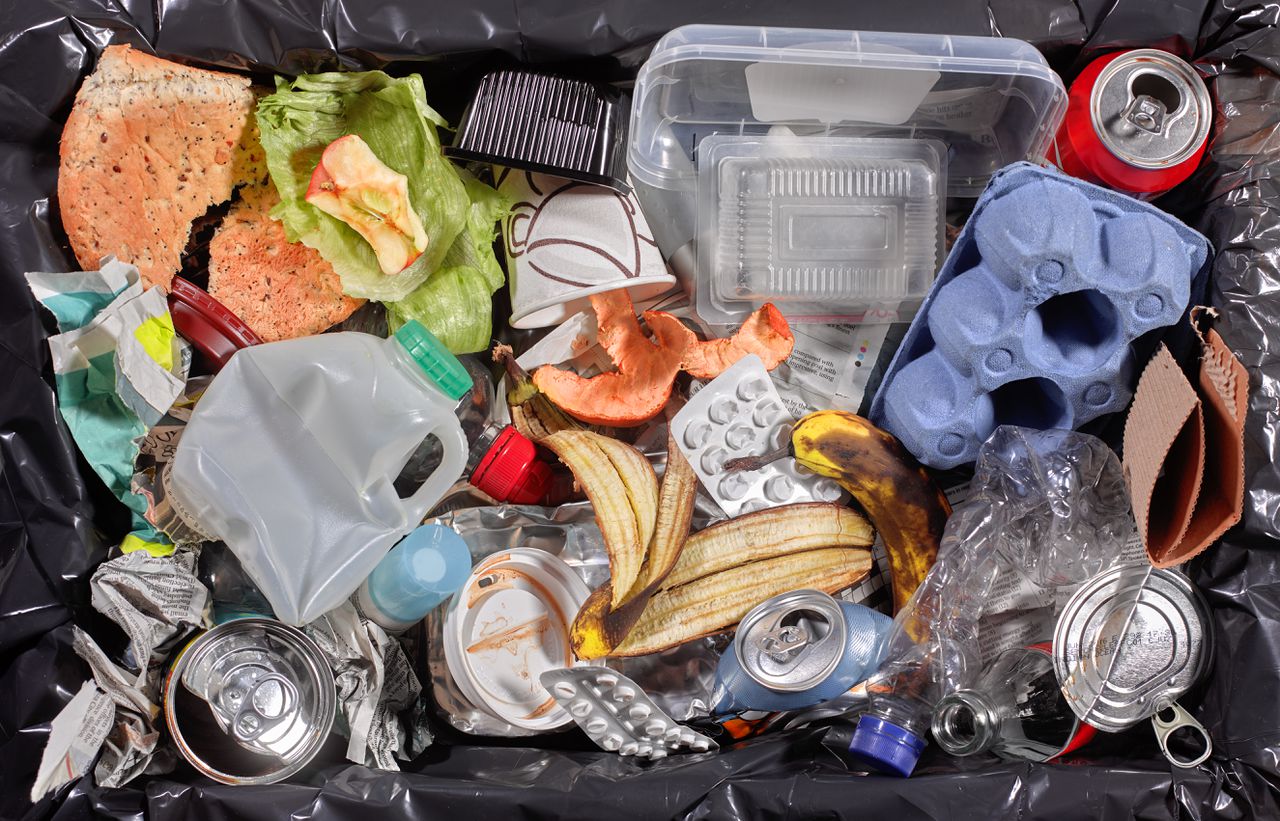
Separating different waste types improves recycling efficiency by ensuring materials arrive at processing facilities in usable condition. Mixed waste streams require expensive sorting processes that reduce the quality and value of recoverable materials. Pre-sorted waste can be processed more quickly and cost-effectively.
Contamination is reduced when materials are properly separated at the source. Paper contaminated with food waste becomes difficult to recycle, while clean paper maintains its value and recyclability. Similarly, different types of plastics must be separated to maintain material integrity during reprocessing.
Material recovery rates increase significantly with effective segregation systems. Processing facilities can recover 60-80% of materials from well-sorted waste streams, compared to only 20-40% from mixed waste. This higher recovery rate maximises the environmental and economic benefits of recycling programmes.
The following waste streams should be separated for optimal recycling:
- Paper and cardboard materials
- Glass containers and bottles
- Metal cans and containers
- Various plastic types by recycling code
- Organic waste for composting
- Electronic waste requiring special handling
What are the long-term community benefits of sustainable waste practices?
Sustainable waste management creates employment opportunities across collection, processing, manufacturing, and support services. The recycling industry generates jobs at multiple skill levels, from collection drivers to facility technicians to administrative roles. These positions often provide stable, local employment that supports community economic development.
Property values improve in areas with effective waste management systems and clean public spaces. Well-maintained neighbourhoods with proper waste disposal attract residents and businesses, creating positive economic cycles that benefit property owners and local commerce. Communities known for environmental responsibility often see increased interest from environmentally conscious residents and organisations.
An enhanced community reputation develops when areas demonstrate a commitment to environmental stewardship through effective waste practices. This positive image can attract tourism, business investment, and government support for additional sustainability initiatives. Communities with strong environmental programmes often receive recognition and funding opportunities.
Sustainable infrastructure development creates long-term benefits through:
- Reduced need for new landfill sites
- Extended lifespan of existing waste facilities
- Development of local recycling and processing capabilities
- Creation of circular economy systems that support local businesses
- Investment in green technologies and sustainable practices
How BINBIN helps with proper waste disposal
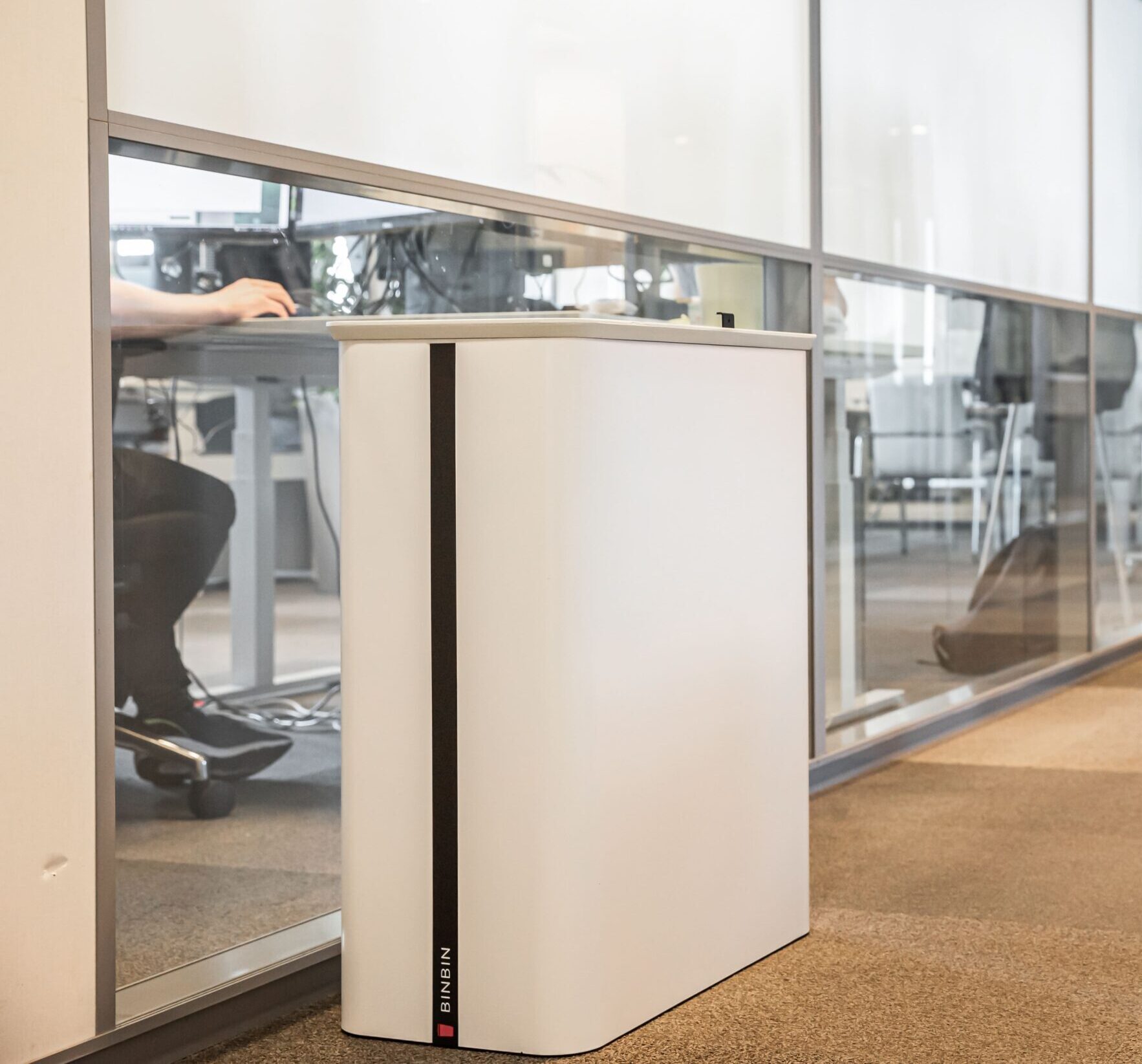
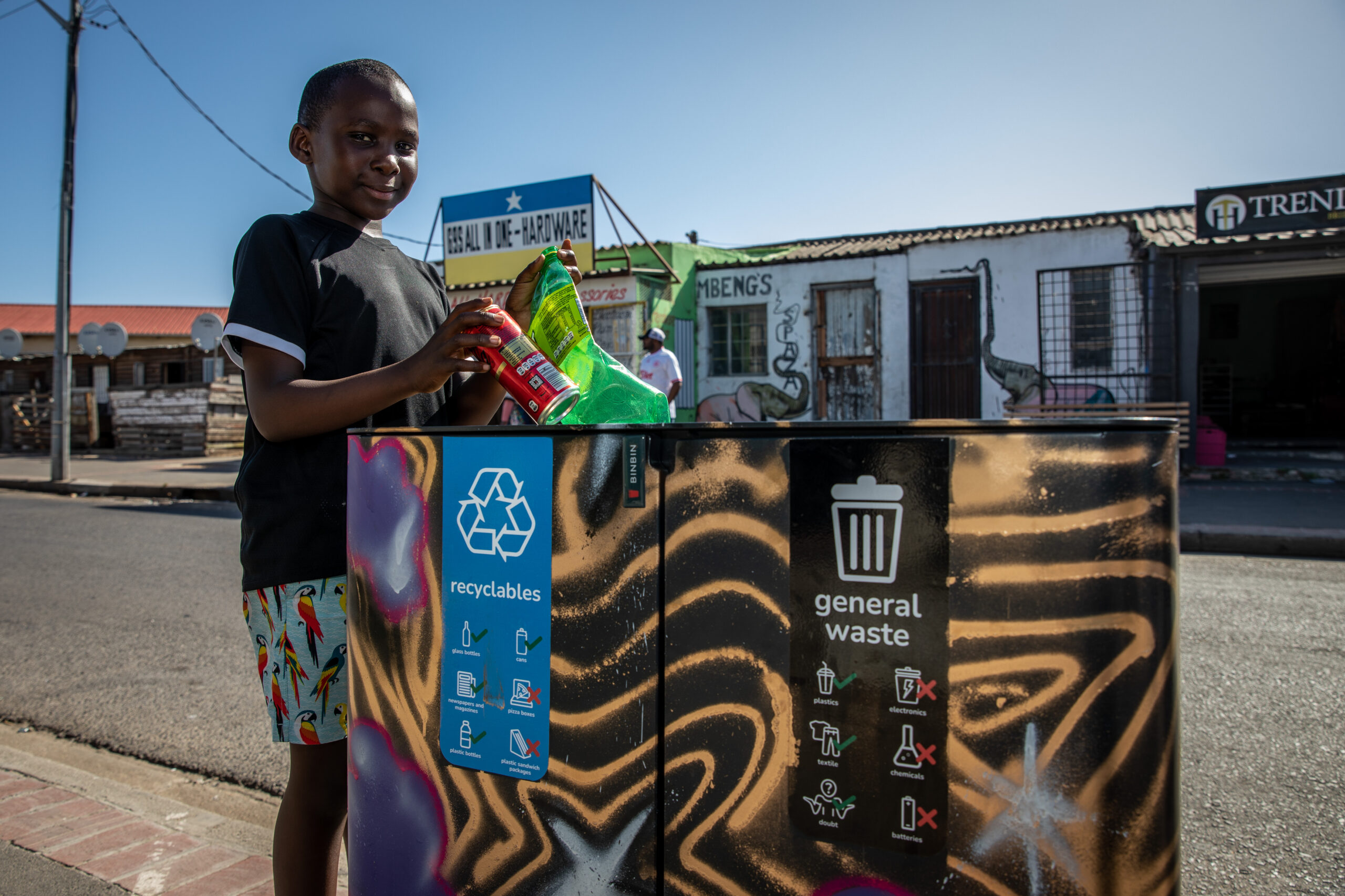
BINBIN provides modular waste separation solutions that enable organisations to implement effective waste management systems tailored to their specific needs. Our 99% circular waste bins are designed for infinite reuse, supporting sustainable waste practices while maintaining professional aesthetics in any environment.
Our Globular series allows separation of 1 to 8 different waste streams, with internal compartments that can be adjusted as requirements change. This flexibility ensures organisations can adapt their waste management approach without purchasing new equipment, supporting both environmental and financial sustainability goals.
Key benefits of BINBIN waste separation systems include:
- Modular design that grows with your organisation's needs
- 99% circular materials that support environmental commitments
- Professional appearance that maintains workplace aesthetics
- Easy reconfiguration for changing waste stream requirements
- Comprehensive support including office waste management guidance
Our experienced team provides personalised advice and implementation support to help organisations find optimal waste separation solutions. We offer free business scans and digital waste assessments to identify specific requirements, plus communication materials to support employee engagement with new waste management systems.
Ready to improve your organisation's waste management practices? Request a trial placement to experience how BINBIN's modular solutions can transform your waste disposal approach while supporting your sustainability goals.