Proper waste management involves systematically handling waste through reduction, reuse, and recycling to minimise environmental impact while protecting public health and generating economic value. It encompasses strategic waste separation, appropriate disposal methods, and circular economy principles that transform waste streams into valuable resources. Understanding these benefits helps organisations make informed decisions about implementing effective waste management systems.
What exactly is proper waste management, and why does it matter?
Proper waste management is a systematic approach to handling waste materials through the established hierarchy of reduce, reuse, and recycle. This framework prioritises waste prevention first, followed by reusing materials where possible, then recycling what cannot be reused, and finally disposing of remaining waste through environmentally sound methods.
This system matters because it addresses three critical areas simultaneously. Environmental protection occurs through reduced pollution and resource conservation. Public health benefits emerge from decreased contamination and reduced risks of disease transmission. Economic sustainability develops through cost savings and resource recovery opportunities.
Modern waste management extends beyond simple disposal to embrace circular economy principles. This approach views waste as a resource, creating closed-loop systems in which materials continuously cycle back into productive use rather than ending up in landfills.
How does proper waste management benefit the environment?
Environmental benefits of proper waste management include significantly reduced landfill use, lower greenhouse gas emissions, and conservation of natural resources. When waste is properly sorted and processed, materials that would otherwise decompose in landfills and release methane are diverted to recycling facilities or composting operations.
Resource conservation represents one of the most substantial environmental advantages. Recycling paper reduces the need for virgin timber harvesting. Processing metal waste decreases mining requirements. Recycling plastic reduces petroleum consumption for new plastic production.
Ecosystem protection occurs when hazardous materials are properly handled rather than contaminating soil and water systems. Proper waste management prevents toxic substances from entering food chains and damaging wildlife habitats. This systematic approach contributes directly to climate change mitigation by reducing carbon emissions associated with manufacturing new products.
What are the economic benefits of implementing proper waste management?
Economic benefits include direct cost savings from reduced disposal fees, revenue generation through recycling programmes, and improved operational efficiency. Businesses that implement comprehensive waste management often see significant reductions in waste disposal costs within the first year.
Revenue opportunities emerge when recyclable materials are sold rather than discarded. Metal, paper, and certain plastics retain market value, transforming waste streams from cost centres into profit generators. Some organisations develop entire revenue streams from their waste management programmes.
Long-term economic sustainability develops through:
- Reduced raw material purchasing costs
- Lower waste collection and disposal fees
- Reduced regulatory compliance costs
- Enhanced corporate reputation leading to business opportunities
- Improved employee productivity in cleaner, more organised environments
How does effective waste management improve public health and safety?
Effective waste management dramatically reduces disease transmission by eliminating breeding grounds for pests and preventing contamination of air and water supplies. Proper waste handling prevents the spread of bacteria, viruses, and other pathogens that thrive in poorly managed waste environments.
Air quality improves when organic waste is properly composted rather than left to decompose in open areas. This reduces harmful emissions and unpleasant odours that can cause respiratory problems and general discomfort in communities and workplaces.
Water quality protection results from preventing leachate from improperly stored waste from entering groundwater systems. This is particularly crucial in healthcare settings, where medical waste requires specialised handling to prevent contamination. Safer working environments develop when waste is systematically managed, reducing injury risks from sharp objects, toxic substances, and unstable waste piles.
What role does waste separation play in maximising these benefits?
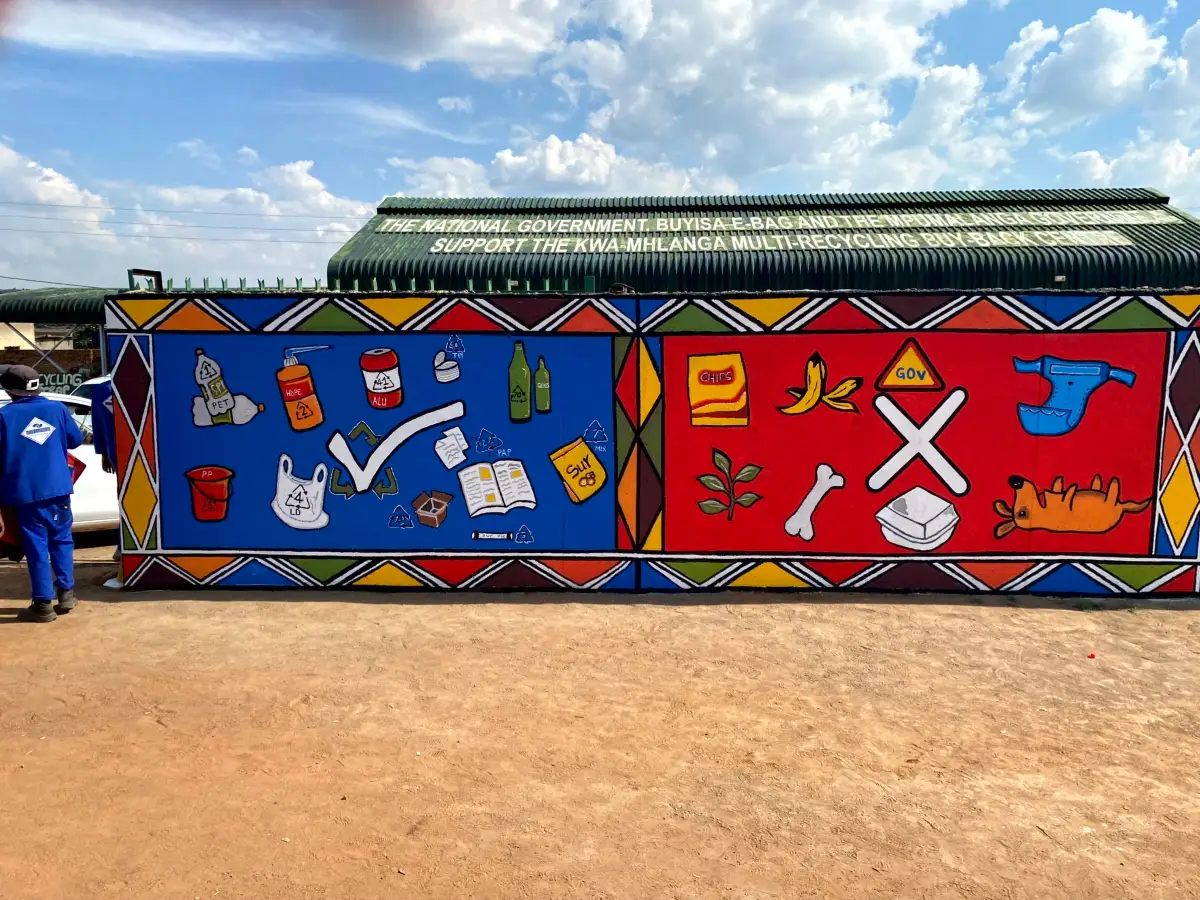
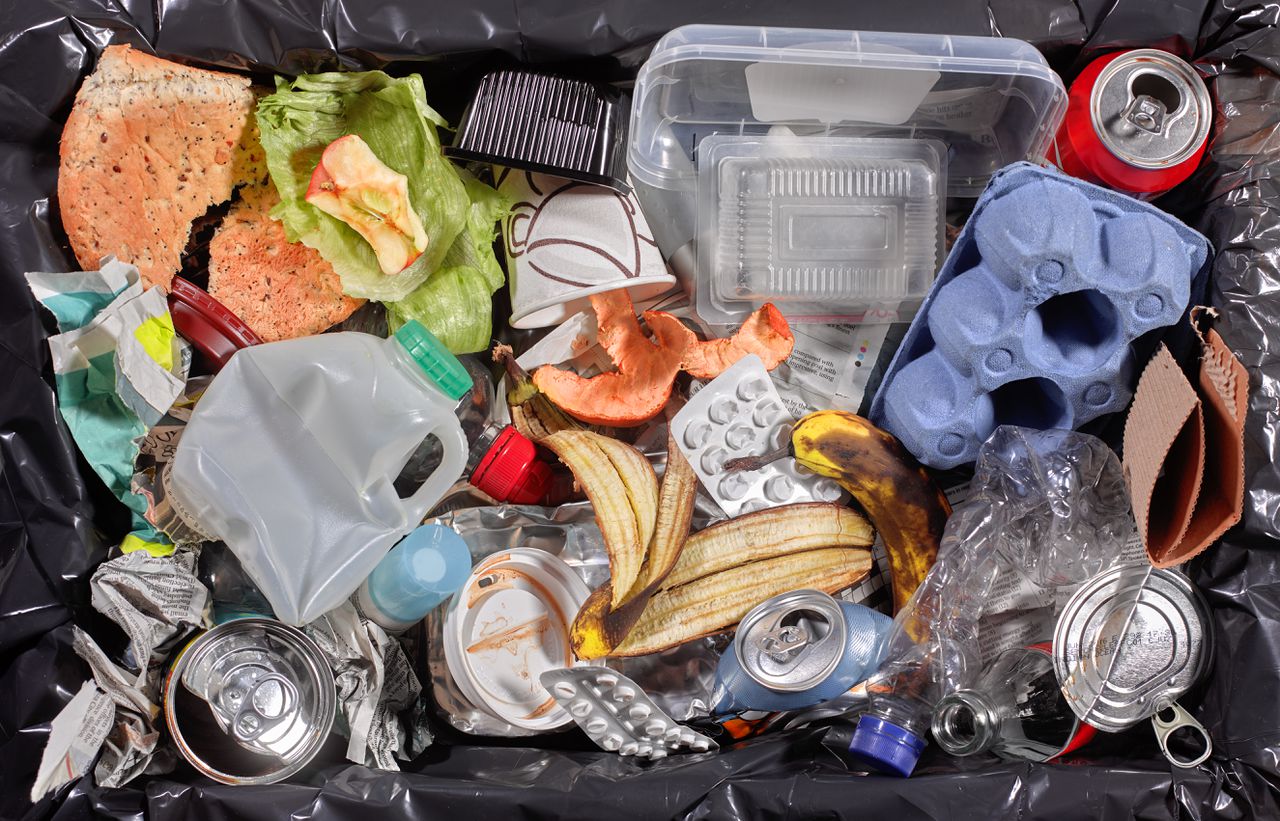
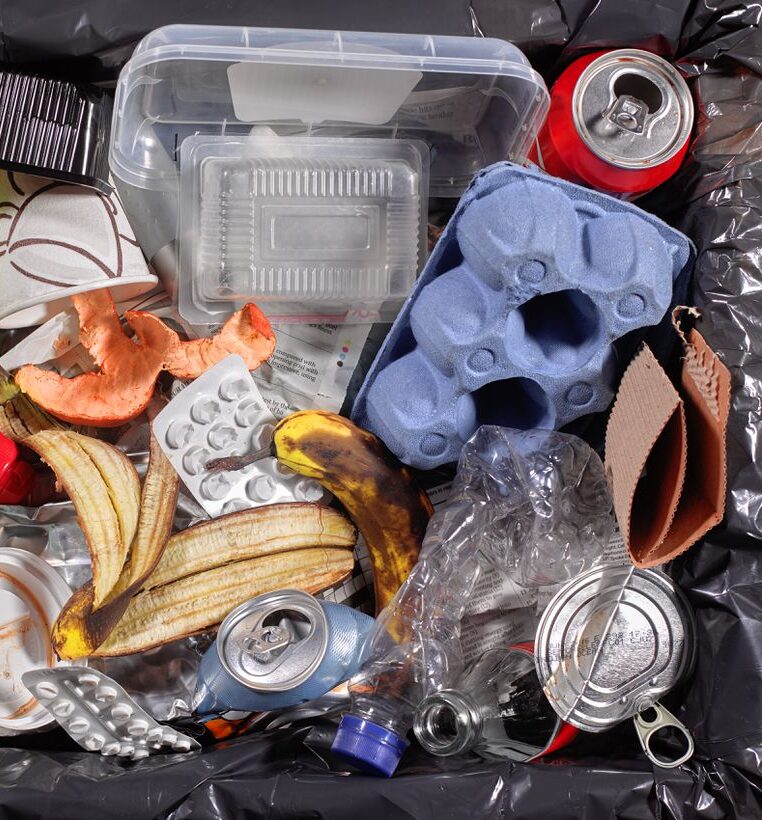
Waste separation forms the foundation of effective waste management by ensuring different waste streams receive appropriate treatment methods. Organic waste requires composting facilities, metals require recycling processes, and hazardous materials demand specialised disposal methods.
Different waste types require distinct handling approaches to maximise recovery value. Paper and cardboard retain higher recycling value when kept dry and uncontaminated. Glass recycling efficiency increases when colours are separated. Electronic waste contains valuable metals that can be recovered through specialised processing.
Implementation strategies for effective separation include:
- Clear labelling systems that eliminate confusion
- Strategic placement of separation containers
- Regular training programmes for all users
- Consistent monitoring and feedback systems
- Flexible systems that adapt to changing waste streams
How can businesses implement proper waste management practices effectively?
Successful implementation begins with conducting comprehensive waste audits to understand current waste generation patterns and identify opportunities for improvement. This baseline assessment reveals which waste streams generate the highest volumes and costs, enabling targeted intervention strategies.
Employee training programmes are essential for sustainable success. Staff members need clear guidance on proper sorting techniques, an understanding of why separation matters, and regular updates on system changes. Training should be practical, demonstrating correct procedures rather than simply explaining policies.
Choosing appropriate waste management systems requires matching solutions to specific organisational needs. Office environments require different approaches than manufacturing facilities or healthcare institutions. System selection should consider waste volumes, available space, staff capabilities, and budget constraints.
Monitoring processes ensure continued effectiveness through regular measurement of waste diversion rates, cost savings, and employee compliance. Establishing clear metrics enables organisations to track progress and identify areas that require additional attention.
How BINBIN helps with proper waste management implementation
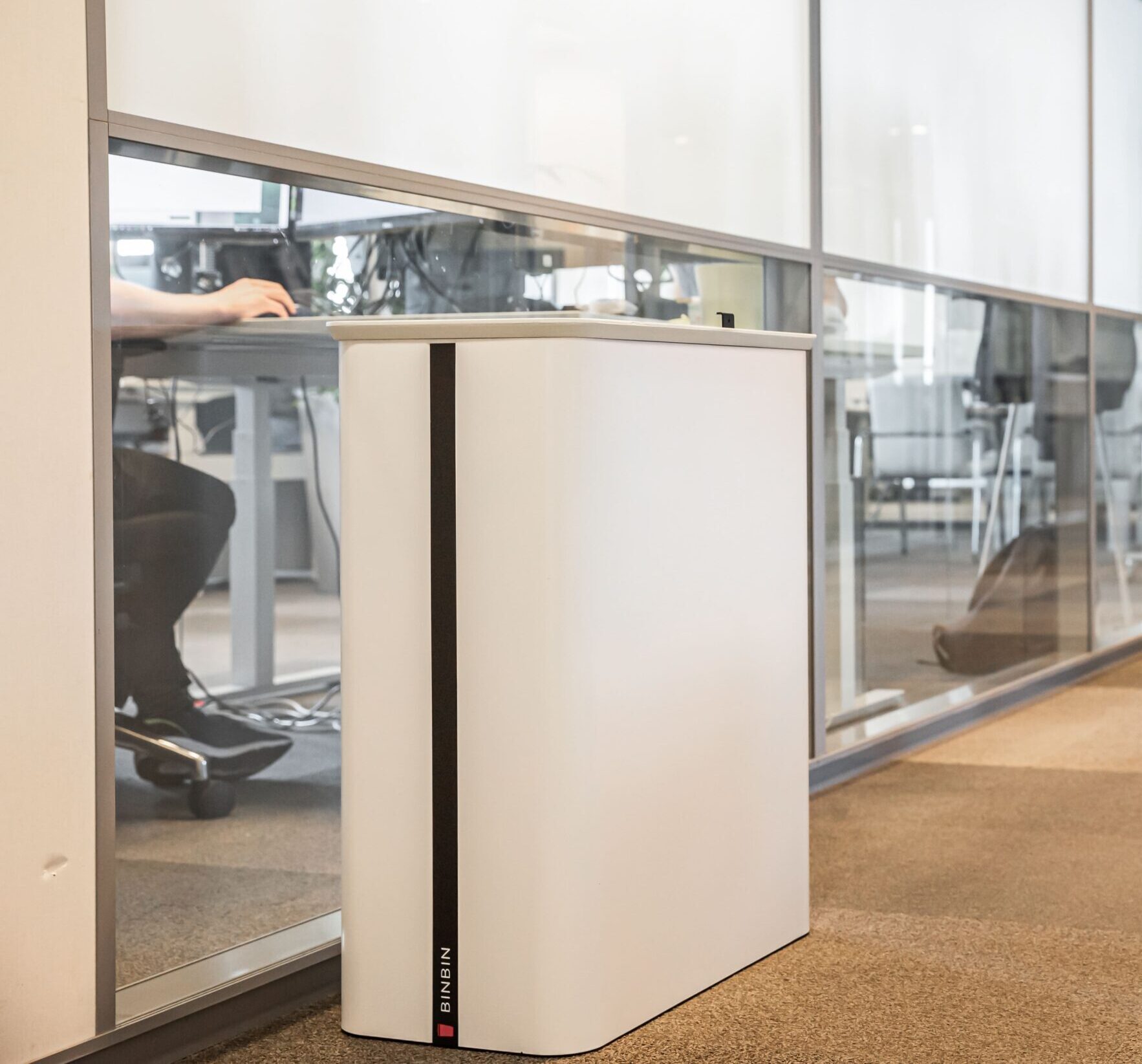
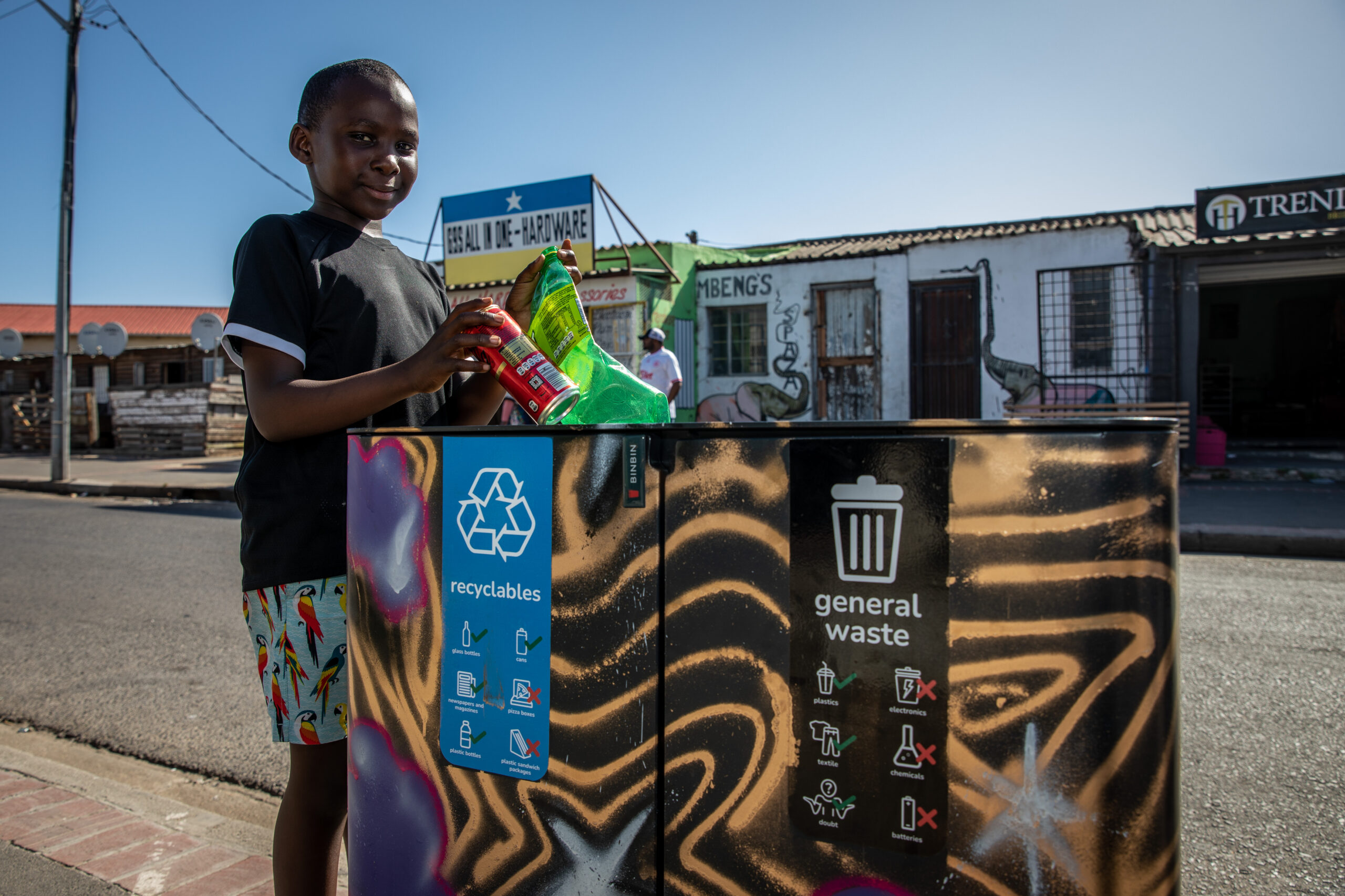
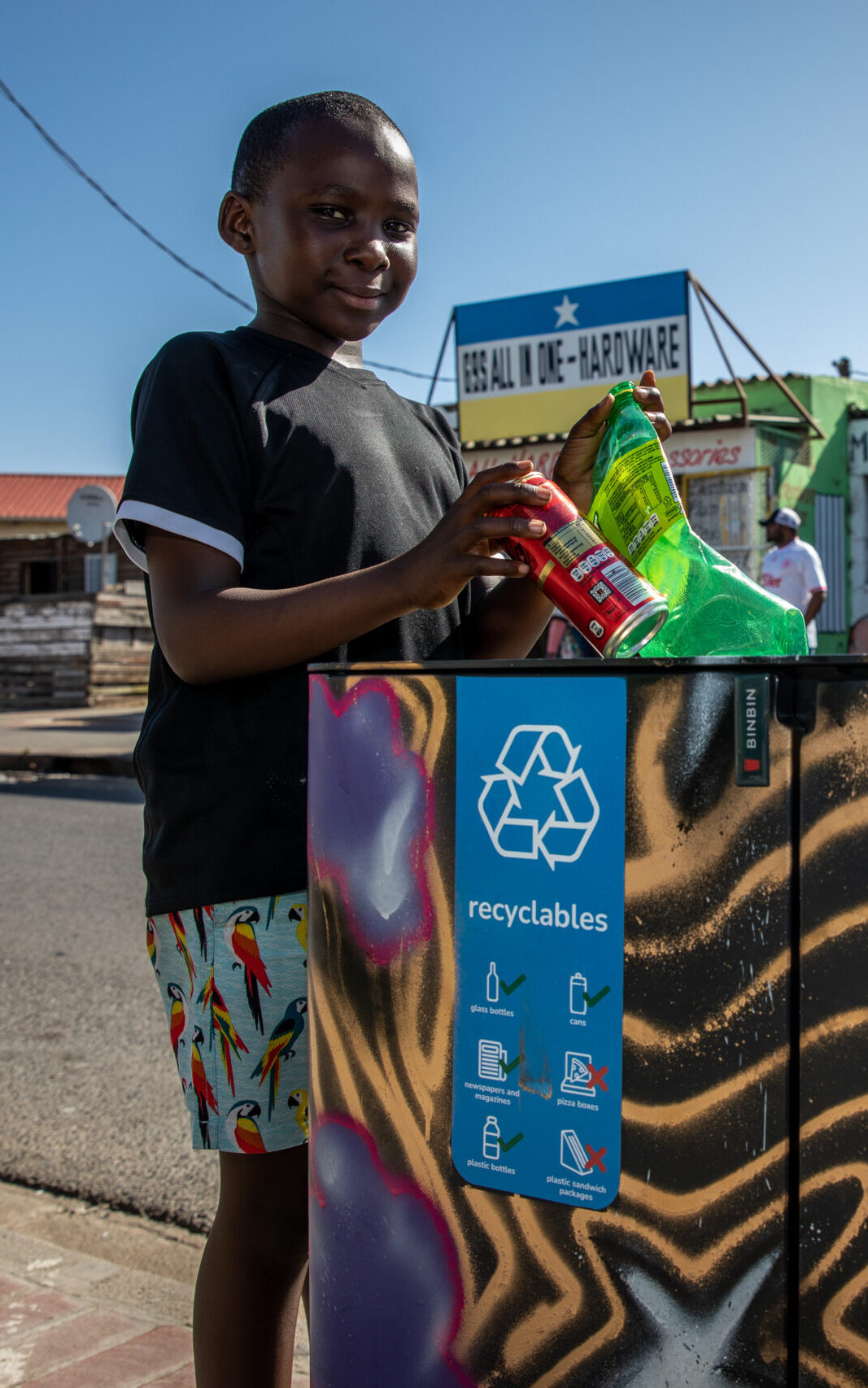
BINBIN provides comprehensive, modular waste separation solutions designed specifically for organisations transitioning to circular economy principles. Our systems address the practical challenges of implementing effective waste management through innovative, adaptable designs that evolve with changing organisational needs.
Our modular approach offers several key advantages:
- Flexible configuration: Systems accommodate 1 to 8 different waste streams
- Adaptable design: Compartments can be combined or separated as requirements change
- Internal splitting capability: Each sorting compartment can be subdivided without purchasing new equipment
- Circular construction: 99% circular materials ensure environmental alignment
- Professional appearance: Clean, functional designs complement any environment
Our solutions serve diverse sectors, including offices, educational institutions, hospitality venues, and public spaces. Each system can be customised with organisational branding while maintaining optimal functionality for waste separation requirements.
Ready to transform your waste management approach? Contact us for a trial placement to experience how BINBIN's modular solutions can streamline your waste separation processes while supporting your sustainability objectives.