Waste management advice provides professional guidance to help businesses navigate complex regulations, reduce costs, and implement sustainable waste practices. Expert consultation addresses compliance requirements, optimises disposal processes, and creates customised solutions that improve operational efficiency while supporting environmental goals. This comprehensive approach transforms waste handling from a regulatory burden into a strategic advantage.
What is waste management advice, and why do businesses need it?
Waste management advice is professional consultation that helps organisations develop effective strategies for handling, processing, and disposing of waste materials. This specialised guidance addresses regulatory compliance, cost optimisation, and sustainability goals through customised solutions tailored to specific business needs.
Modern businesses require expert guidance because waste management has evolved from simple disposal into complex regulatory frameworks that require careful navigation. In South Africa, the National Environmental Management: Waste Act, 2008 mandates waste separation at source, with metropolitan municipalities required to implement comprehensive separation programmes. Businesses must comply with municipal by-laws while managing multiple waste streams effectively.
Professional consultation becomes essential when organisations face mounting pressure to reduce environmental impact while controlling operational costs. Expert advisors help businesses understand which materials require separation, how to implement efficient collection systems, and how to transform waste handling from a compliance burden into a competitive advantage.
How does professional waste management advice reduce operational costs?
Professional waste management advice reduces operational costs through strategic waste-stream optimisation, disposal-fee reduction, and the identification of revenue opportunities from recyclable materials. Expert guidance eliminates inefficient practices that drain budgets while maximising value recovery from waste streams.
Cost savings occur through several key mechanisms:
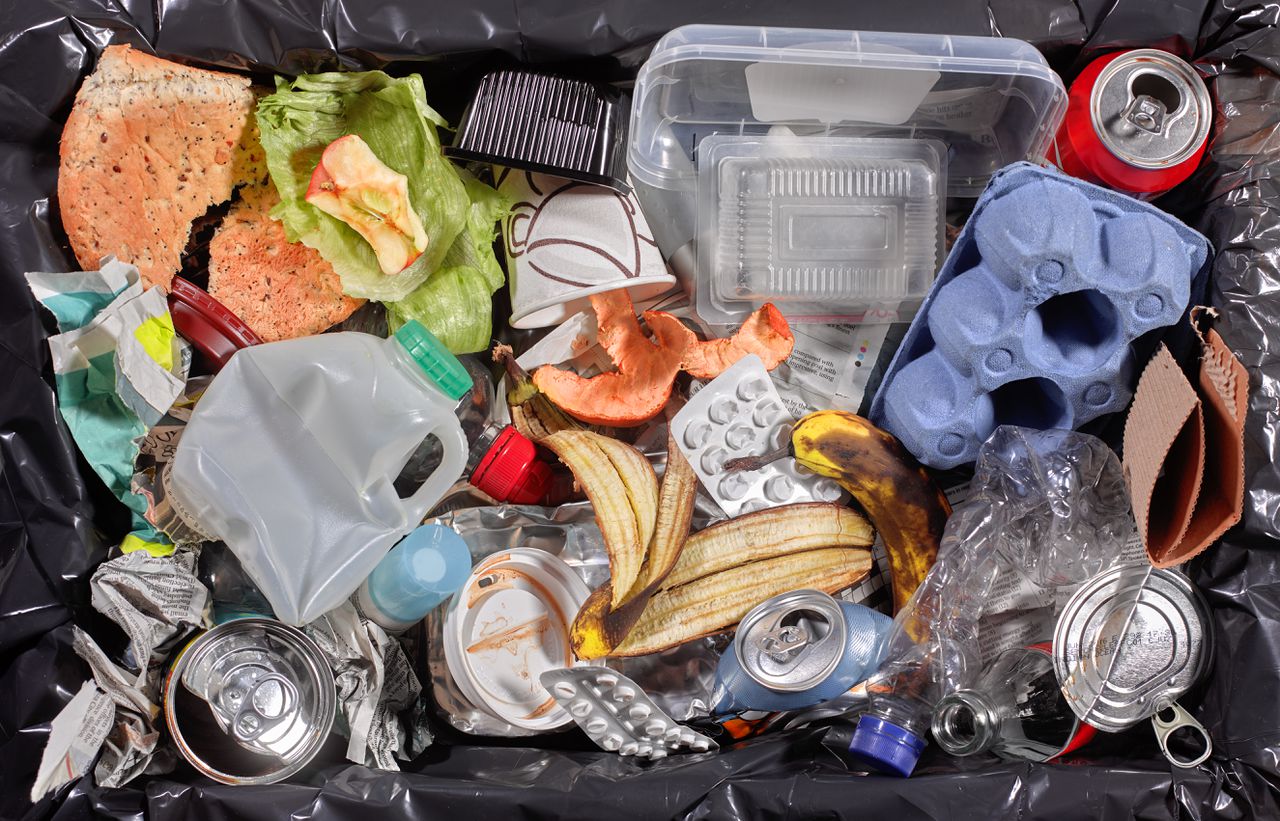
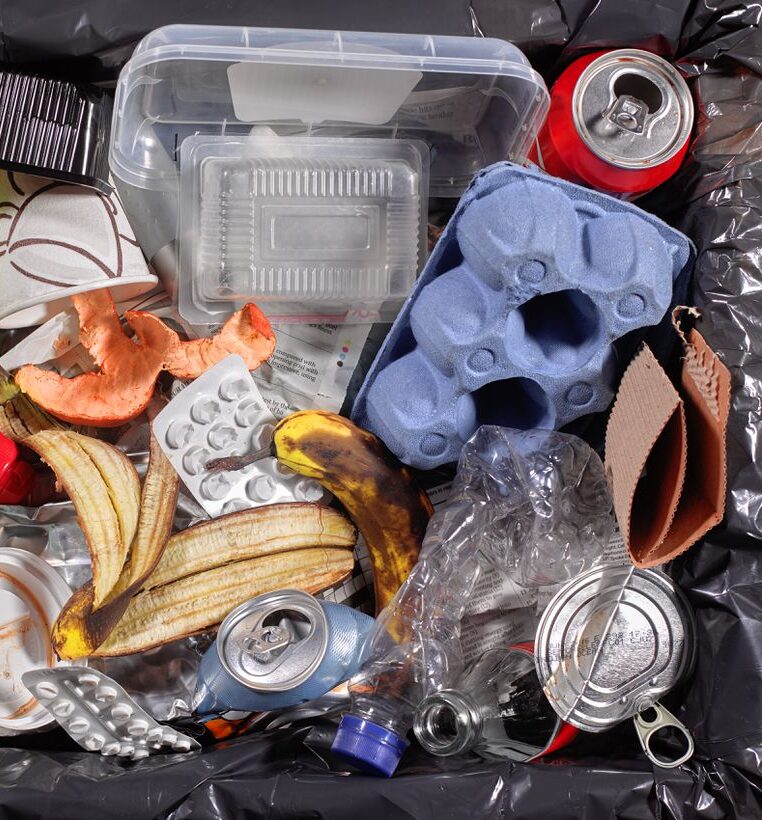
- Waste-stream analysis identifies materials currently sent to expensive general waste that could be recycled at lower cost
- Volume-reduction strategies through proper separation decrease overall disposal fees
- Vendor negotiations secure better rates for collection and processing services
- Employee training reduces contamination that leads to penalty charges
- Equipment optimisation ensures appropriate container sizes and collection frequencies
Revenue-generation opportunities emerge when advisors identify valuable recyclable materials within current waste streams. Many businesses discover they have been paying disposal fees for materials that actually have market value, such as high-grade paper, metals, or specific plastics. Professional guidance helps establish collection partnerships that transform waste costs into potential income streams.
What compliance benefits come from waste management consultation?
Waste management consultation ensures adherence to local separation laws, environmental regulations, and reporting requirements while providing risk-mitigation strategies that protect businesses from penalties. Professional guidance helps navigate a complex regulatory landscape that varies across municipal boundaries and industry sectors.
Compliance advantages include a comprehensive understanding of the National Environmental Management: Waste Act requirements, which promote integrated waste management based on the waste hierarchy. This legislation prioritises waste avoidance, reduction, reuse, recycling, recovery, treatment, and safe disposal as a last resort. Municipal by-laws add further layers of requirements that vary significantly between jurisdictions.
Risk mitigation becomes crucial, as non-compliance can result in substantial penalties and operational disruptions. Professional advisors help businesses establish proper documentation systems, ensure appropriate waste-storage practices, and maintain required separation standards. They also provide ongoing monitoring to identify potential compliance issues before they become costly violations.
For specialised sectors like healthcare, consultation becomes even more critical. Health establishments must comply with specific regulations covering the treatment, storage, collection, transport, and disposal of medical waste, including requirements for proper segregation using colour-coded containers at the point of generation.
How does waste management advice improve workplace efficiency?
Waste management advice improves workplace efficiency through streamlined processes, strategic equipment placement, comprehensive employee training, and workflow optimisation that eliminates bottlenecks while reducing time spent on waste-related activities. Professional guidance creates systems that work seamlessly within existing operations.
Operational improvements result from careful analysis of waste-generation patterns and employee behaviour. Advisors identify optimal locations for collection points, determine appropriate container sizes, and establish collection schedules that minimise disruption to daily activities. This strategic approach reduces the time employees spend managing waste while ensuring consistent compliance.
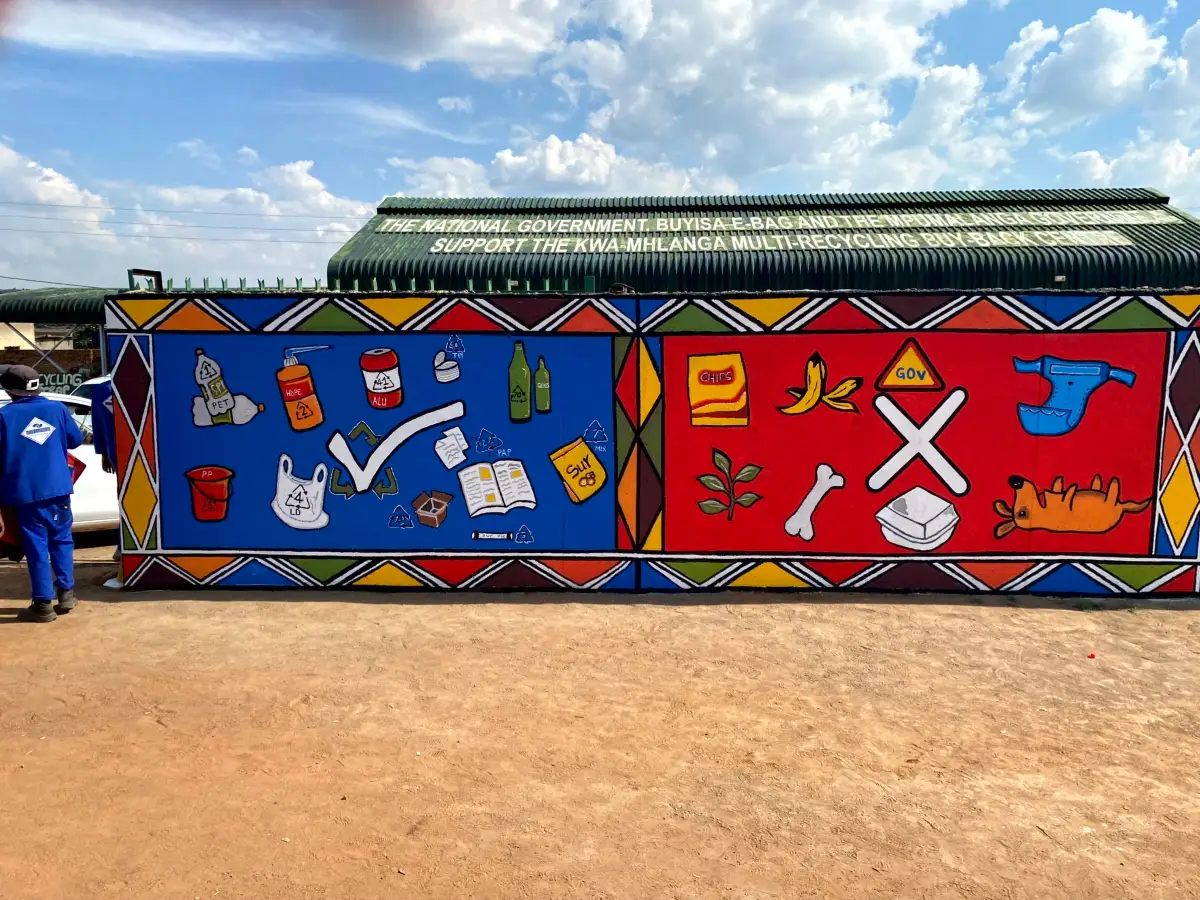
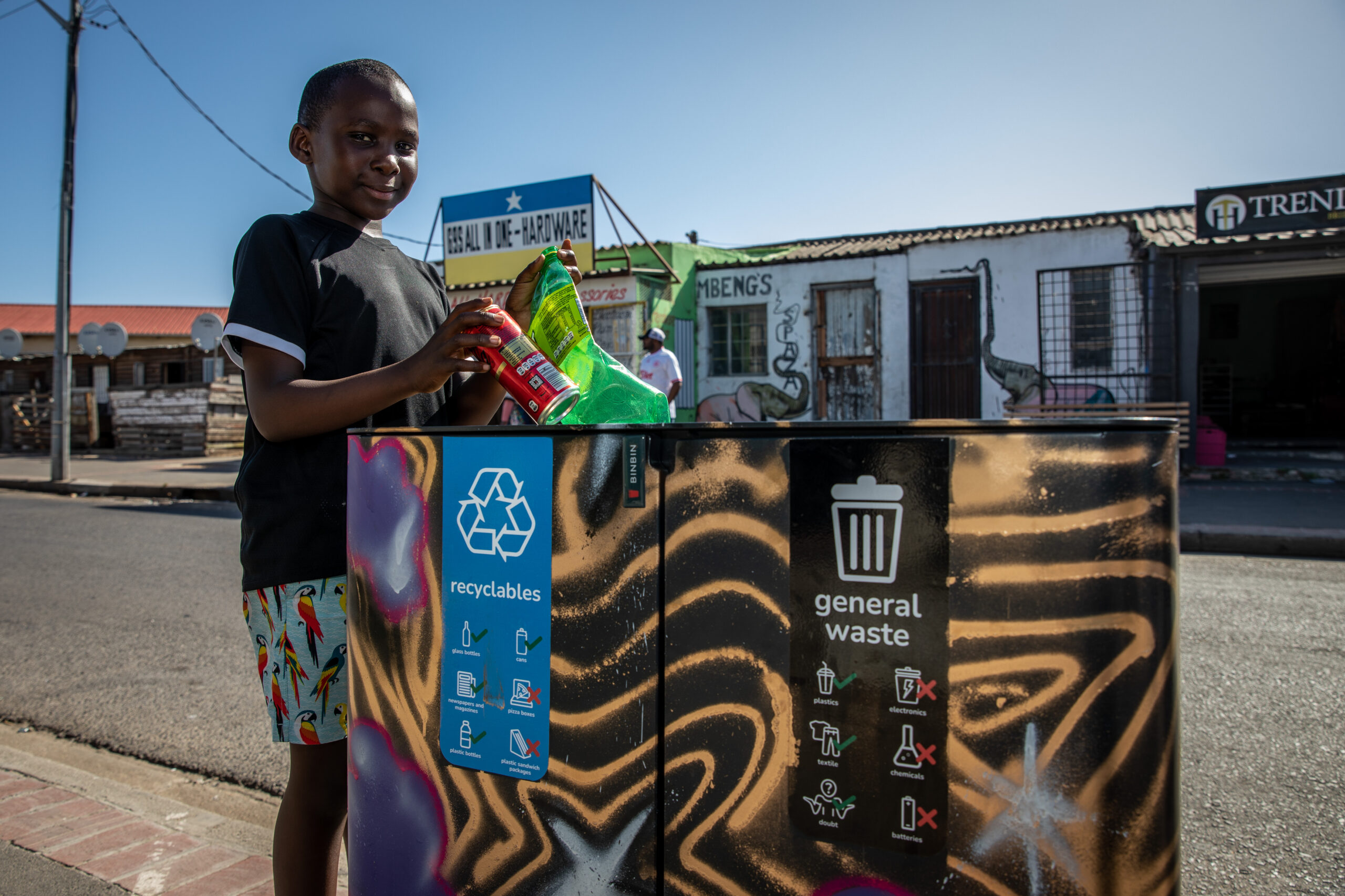
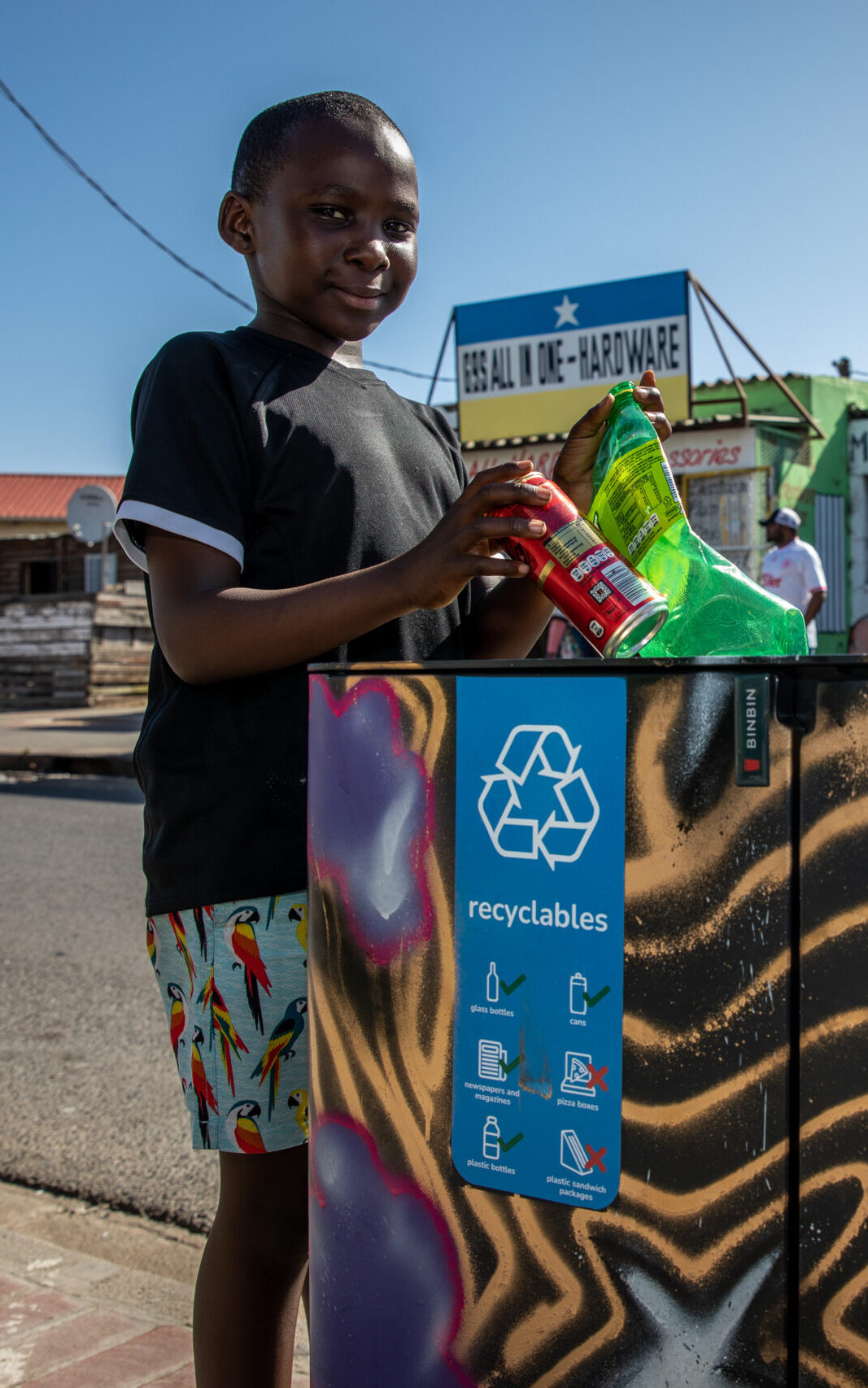
Training programmes developed through professional consultation address common inefficiencies such as improper sorting, overfilled containers, and confusion about separation requirements. Clear communication strategies, including visual aids and simplified guidelines, help employees make correct disposal decisions quickly and confidently.
The following workflow enhancements typically result from expert guidance:
- Centralised collection points reduce travel time for waste disposal
- Standardised labelling systems eliminate sorting confusion
- Optimised collection schedules prevent overflow situations
- Clear responsibility assignments ensure consistent maintenance
- Regular monitoring systems identify and address issues promptly
What environmental benefits result from professional waste guidance?
Professional waste guidance delivers significant environmental benefits, including a reduced carbon footprint, increased recycling rates, diversion of waste from landfills, and meaningful contributions to circular-economy principles. Expert strategies transform waste management from an environmental liability into a positive sustainability impact.
Carbon-footprint reduction occurs through multiple pathways when businesses implement professional recommendations. Proper separation increases recycling rates, which requires less energy than producing new materials from raw resources. Reduced transportation needs through optimised collection schedules lower fuel consumption, while local processing partnerships minimise transport distances.
Waste-diversion achievements become substantial when businesses implement comprehensive separation programmes. Currently, South Africa generates approximately 111 megatons of waste annually, with 75% ending up in landfills. Professional guidance helps businesses significantly reduce their contribution to this statistic through improved separation and recovery practices.
Circular-economy contributions emerge when expert advice helps businesses identify opportunities for material reuse, component recovery, and resource-loop closure. This approach keeps valuable materials in productive use rather than sending them to disposal, supporting broader sustainability goals while often generating cost savings through reduced purchasing needs.
How BINBIN helps with waste management advice
BINBIN provides comprehensive waste management consultation through customised assessments, modular solutions, and ongoing implementation support that transforms waste-handling challenges into streamlined, compliant, and cost-effective operations. Our approach combines expert analysis with practical, scalable solutions.
Our consultation services include:
- Free business scans and digital waste assessments to identify specific needs and opportunities
- Customised implementation strategies with communication materials, including pictograms and stickers
- Modular office waste management systems that adapt as requirements change
- Ongoing optimisation support to ensure continued effectiveness and compliance
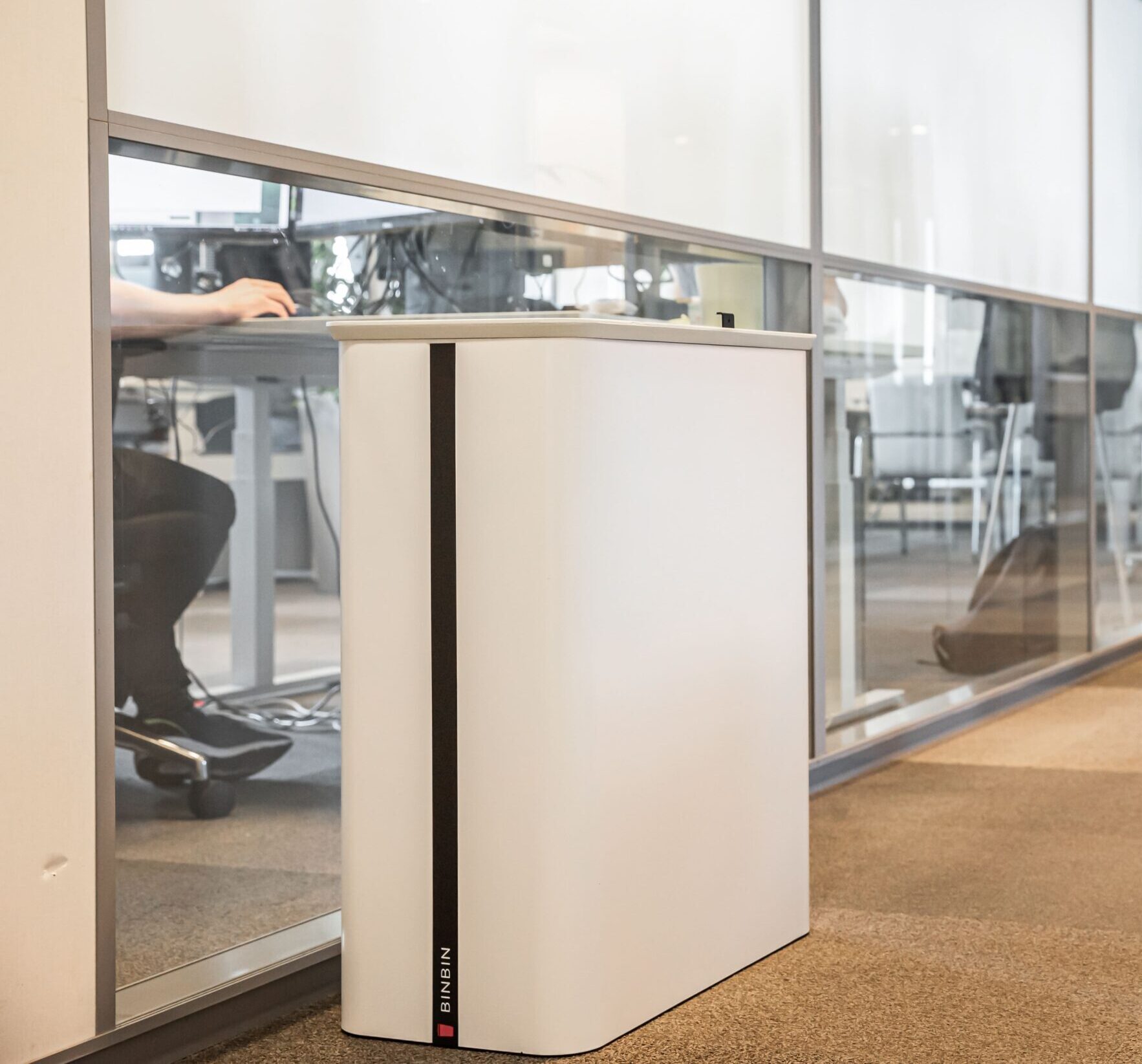
Our modular approach allows businesses to start with essential separation requirements and expand capabilities as needs evolve. The Globular series accommodates 1 to 8 waste streams, with internal splitting options that eliminate the need for new containers when requirements change. This flexibility ensures your investment grows with your sustainability journey.
Ready to transform your waste management approach? Request a trial placement to experience how professional guidance and modular solutions can reduce costs, ensure compliance, and support your environmental goals while seamlessly integrating with your workplace operations.