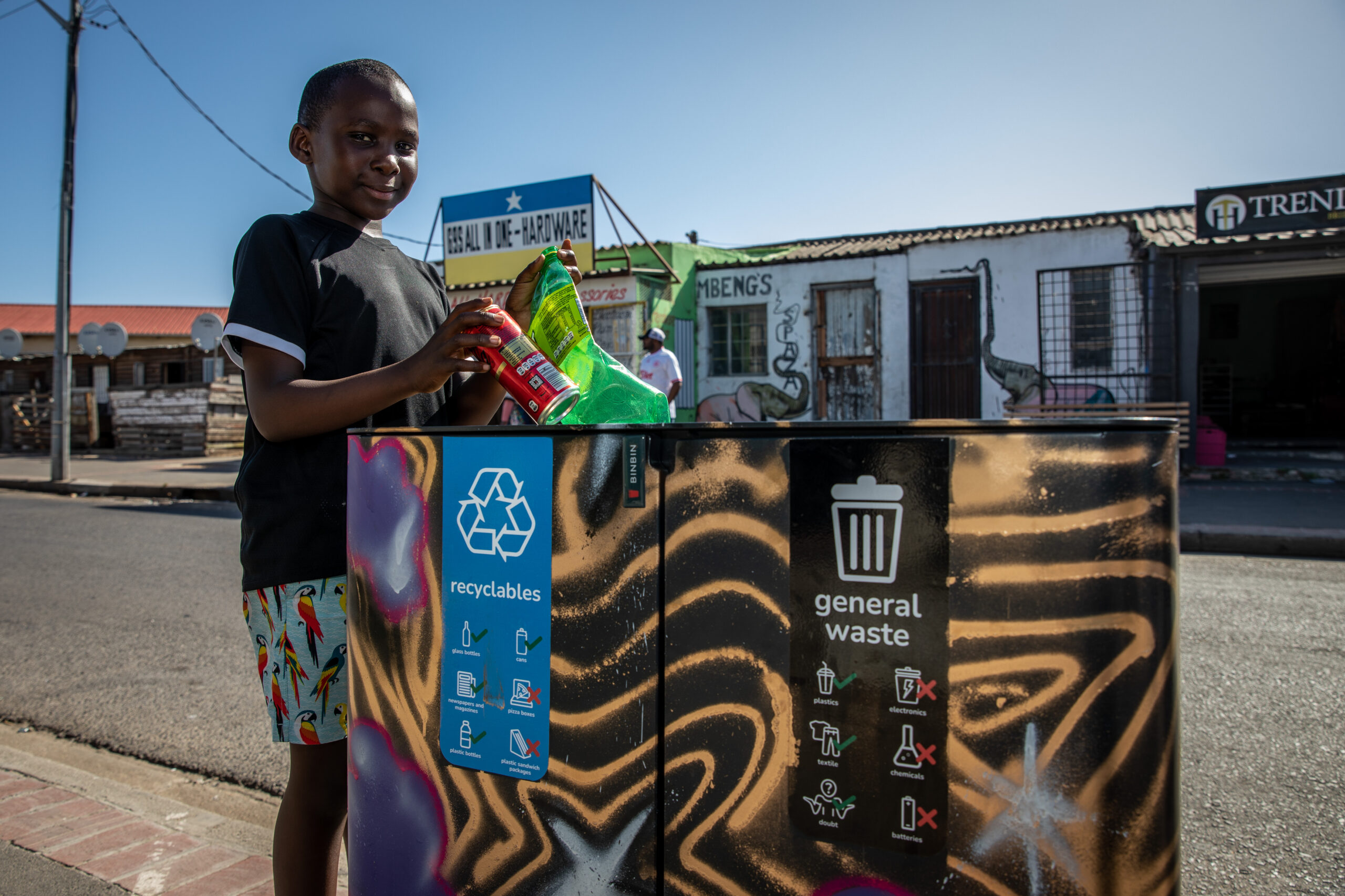
A waste bin serves as a fundamental collection point for different types of waste materials, enabling proper disposal and recycling processes. Modern waste bins have evolved beyond simple containers to become strategic tools for environmental responsibility, featuring multiple compartments and smart design elements that encourage proper waste separation. Understanding how waste bins function in today’s circular economy helps organisations make informed decisions about their waste management systems.
What is the primary purpose of a waste bin in modern waste management?
The primary purpose of a waste bin in modern waste management is to facilitate proper waste separation at the point of disposal, transforming waste collection from a simple disposal process into an active recycling and resource recovery system. Contemporary waste bins serve as the first critical step in the circular economy chain.
Traditional waste bins were designed simply to contain rubbish until collection. Today’s waste management systems require bins that actively support environmental goals through intelligent design and strategic placement. Modern waste bins incorporate multiple compartments, clear labelling systems, and user-friendly features that make waste separation intuitive and effective.
This evolution reflects changing environmental priorities and regulatory requirements. In South Africa, the National Environmental Management: Waste Act, 2008 mandates waste separation at source, requiring organisations to implement proper waste segregation systems. This legislative framework has transformed waste bins from passive containers into active components of environmental compliance strategies.
Professional environments particularly benefit from advanced waste bin systems that maintain aesthetic appeal while delivering functional performance. The most effective modern waste bins combine environmental responsibility with practical usability, ensuring that proper waste separation becomes a natural part of daily routines rather than an additional burden.
How do different types of waste bins improve recycling efficiency?
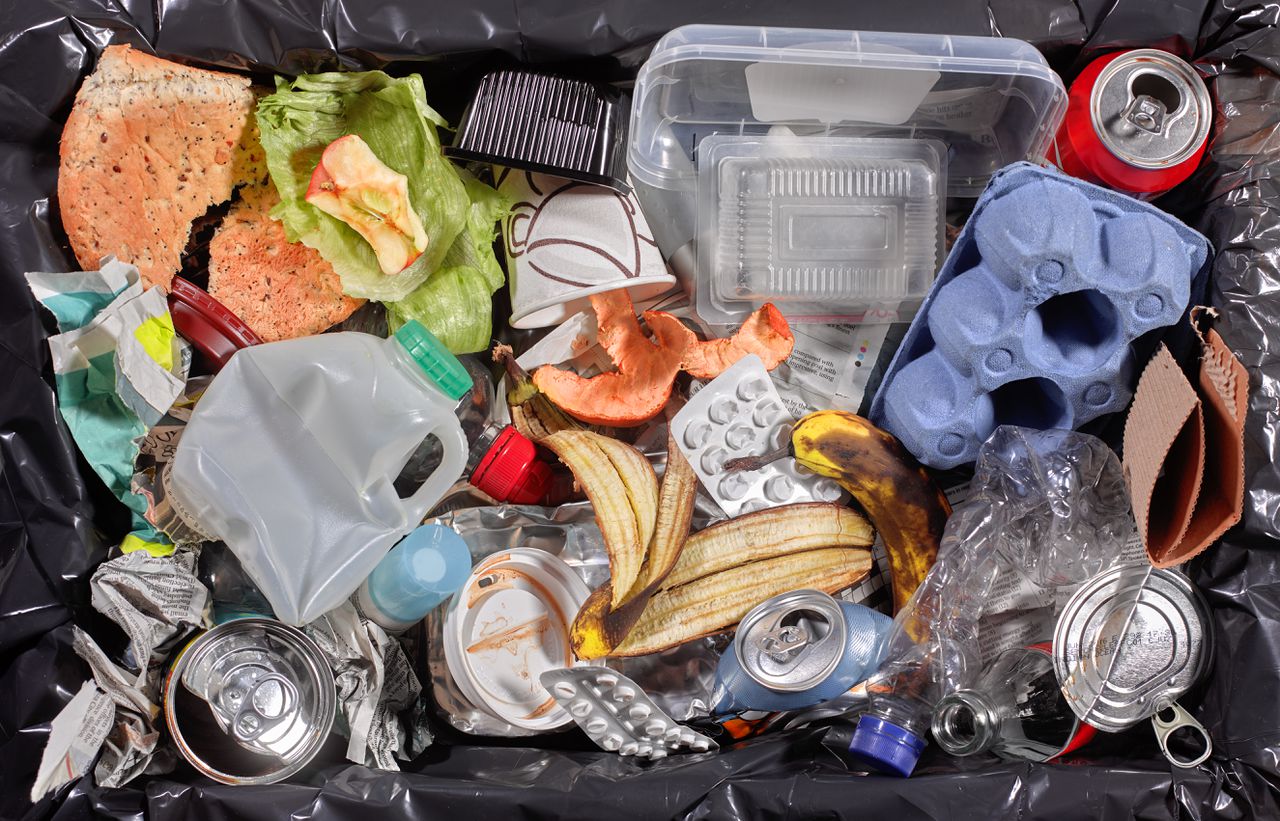
Different types of waste bins improve recycling efficiency by providing clear separation pathways that eliminate contamination and streamline processing for recycling facilities. Multi-compartment systems, colour-coded bins, and modular solutions make waste sorting intuitive while reducing the labour required for post-collection separation.
Specialised waste bins address specific recycling challenges through targeted design features. Single-stream recycling bins simplify the process for users while maintaining separation integrity. Multi-compartment systems allow the simultaneous disposal of different waste types, reducing the time and effort required for proper sorting.
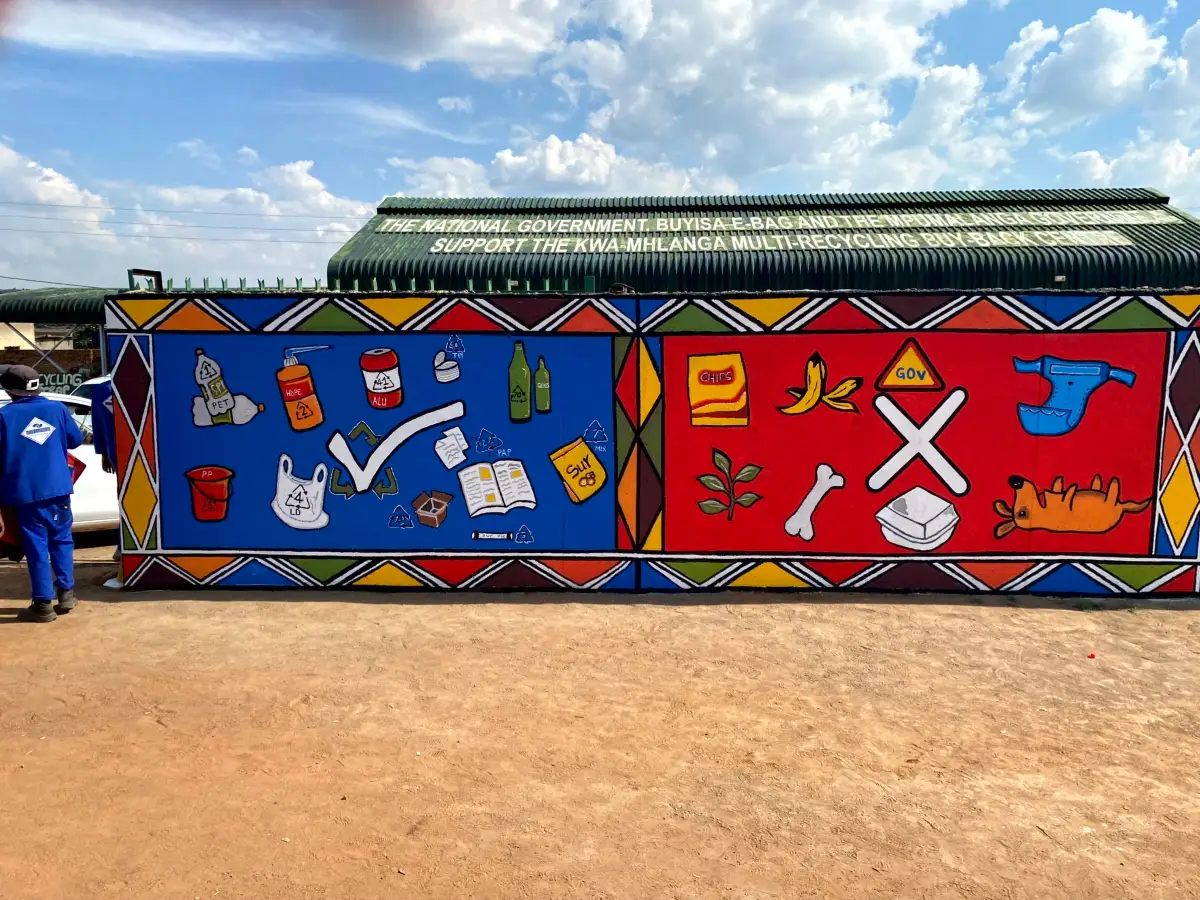
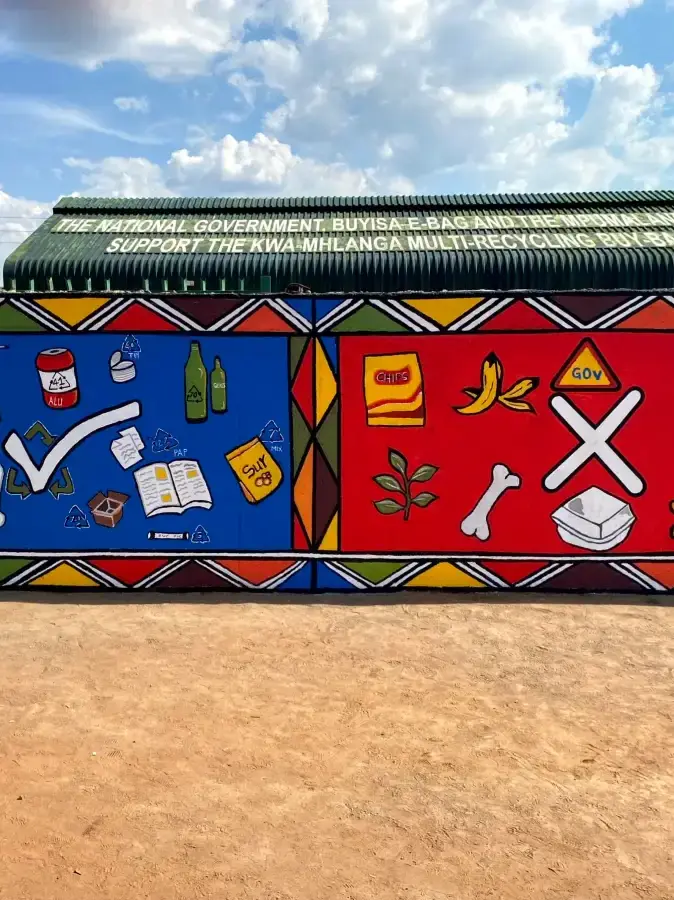
Colour-coding systems provide immediate visual guidance that transcends language barriers and educational levels. Universal colour schemes help maintain consistency across different locations, making proper waste disposal instinctive for users regardless of their familiarity with specific facilities.
Modular waste bin systems offer particular advantages in dynamic environments where waste streams change over time. These systems allow organisations to reconfigure compartments, adjust volumes, and modify separation categories without replacing entire units. This flexibility ensures that recycling efficiency can be maintained even as operational requirements evolve.
The key to improved recycling efficiency lies in matching bin design to user behaviour patterns. Successful waste bin systems consider factors such as disposal frequency, waste volume variations, and the physical characteristics of different waste types to create solutions that work effectively in real-world conditions.
What role do waste bins play in creating a circular economy?
Waste bins play a crucial role in creating a circular economy by enabling material recovery at the source, ensuring that valuable resources remain in productive use rather than becoming environmental waste. Properly designed waste separation systems capture materials at their highest-quality point, maximising their potential for reprocessing and reuse.
The circular economy depends on maintaining material quality throughout the recovery process. When waste bins effectively separate different material streams, recycling facilities receive cleaner inputs that require less processing and yield higher-quality outputs. This efficiency improvement makes recycling economically viable and environmentally beneficial.
Resource conservation becomes achievable when waste bins support systematic material recovery. Instead of treating waste as a disposal problem, circular economy principles view discarded materials as inputs for new production cycles. Effective waste bin systems make this transition possible by capturing materials before contamination reduces their value.
Closed-loop manufacturing processes rely on consistent, clean material inputs that can only be achieved through proper source separation. Waste bins that successfully encourage correct sorting behaviour create the foundation for circular supply chains where today’s waste becomes tomorrow’s raw materials.
The integration of waste bins into circular economy systems requires consideration of the entire material lifecycle. This holistic approach ensures that disposal decisions made at waste bins align with broader sustainability goals and contribute meaningfully to resource conservation objectives.
Why are modular waste bin systems becoming popular in offices?
Modular waste bin systems are becoming popular in offices because they adapt to changing needs without requiring complete replacement, offering flexibility that matches the dynamic nature of modern workplace environments. These systems can be reconfigured as waste streams evolve, space requirements change, or sustainability goals develop.
Office environments face unique waste management challenges, including limited space, aesthetic considerations, and varying waste generation patterns. Modular systems address these challenges by allowing precise customisation of capacity and separation options. Individual compartments can be adjusted to match actual waste volumes rather than forcing offices to work within fixed configurations.
The financial benefits of modular systems appeal to cost-conscious organisations. Rather than purchasing new bins when requirements change, offices can reconfigure existing systems by adding, removing, or rearranging components. This approach reduces capital expenditure while maintaining optimal functionality.
Professional appearance requirements in office settings demand waste management solutions that integrate seamlessly with interior design. Modular systems offer consistent aesthetic appeal across different configurations, ensuring that waste bins enhance rather than detract from professional environments.
Space optimisation becomes critical in expensive office real estate. Modular waste bin systems maximise efficiency by allowing precise matching of bin capacity to available space while maintaining separation effectiveness. This flexibility proves particularly valuable in open-plan offices where space allocation frequently changes.
How do smart waste bins contribute to environmental sustainability?
Smart waste bins contribute to environmental sustainability by incorporating sustainable materials and durability-focused design that minimises environmental impact throughout their entire lifecycle. These systems reduce resource consumption through longevity, repairability, and end-of-life recyclability.
Sustainable material selection forms the foundation of environmentally responsible waste bin design. Recycled and recyclable materials ensure that the bins themselves contribute to circular economy principles. High-quality construction extends product lifespans, reducing the frequency of replacement and associated environmental costs.
Durability-focused design principles ensure that waste bins maintain functionality over extended periods despite heavy use. This longevity reduces manufacturing demand and associated environmental impacts while providing better value for organisations investing in waste management infrastructure.
Energy efficiency considerations influence smart waste bin features such as sensor-activated lids and compaction systems. These technologies reduce operational energy consumption while improving user experience and waste processing efficiency.
The lifecycle approach to sustainability considers environmental impacts from material extraction through manufacturing, use, and disposal. Smart waste bins designed with this comprehensive perspective minimise environmental burden at every stage while maximising functional performance and user satisfaction.
What makes a waste bin effective in encouraging proper waste sorting?
A waste bin becomes effective in encouraging proper waste sorting through intuitive design elements that make correct disposal decisions obvious and convenient. Clear labelling, appropriate opening sizes, and strategic placement work together to guide user behaviour towards proper separation practices.
User psychology plays a crucial role in waste sorting behaviour. Effective waste bins consider cognitive load and decision-making processes, presenting sorting options in ways that feel natural and effortless. Visual cues such as colour coding and pictorial labels transcend literacy levels and language barriers.
Physical design features significantly influence sorting accuracy. Opening shapes that correspond to specific waste types provide immediate feedback about correct disposal choices. For example, circular openings for bottles and slot openings for paper create physical guidance that reinforces proper sorting behaviour.
The following design elements improve sorting effectiveness:
- Clear, multilingual labelling with visual symbols
- Appropriate opening sizes that prevent incorrect disposal
- Consistent colour schemes across all locations
- Strategic placement near waste generation points
- Easy access that doesn’t require awkward positioning
Consistency across environments builds user confidence and reduces confusion. When waste bins maintain a similar appearance and functionality across different locations, users develop reliable sorting habits that transfer between settings. This consistency proves particularly important in organisations with multiple facilities or public spaces with diverse user populations.
How BINBIN helps with intelligent waste separation solutions
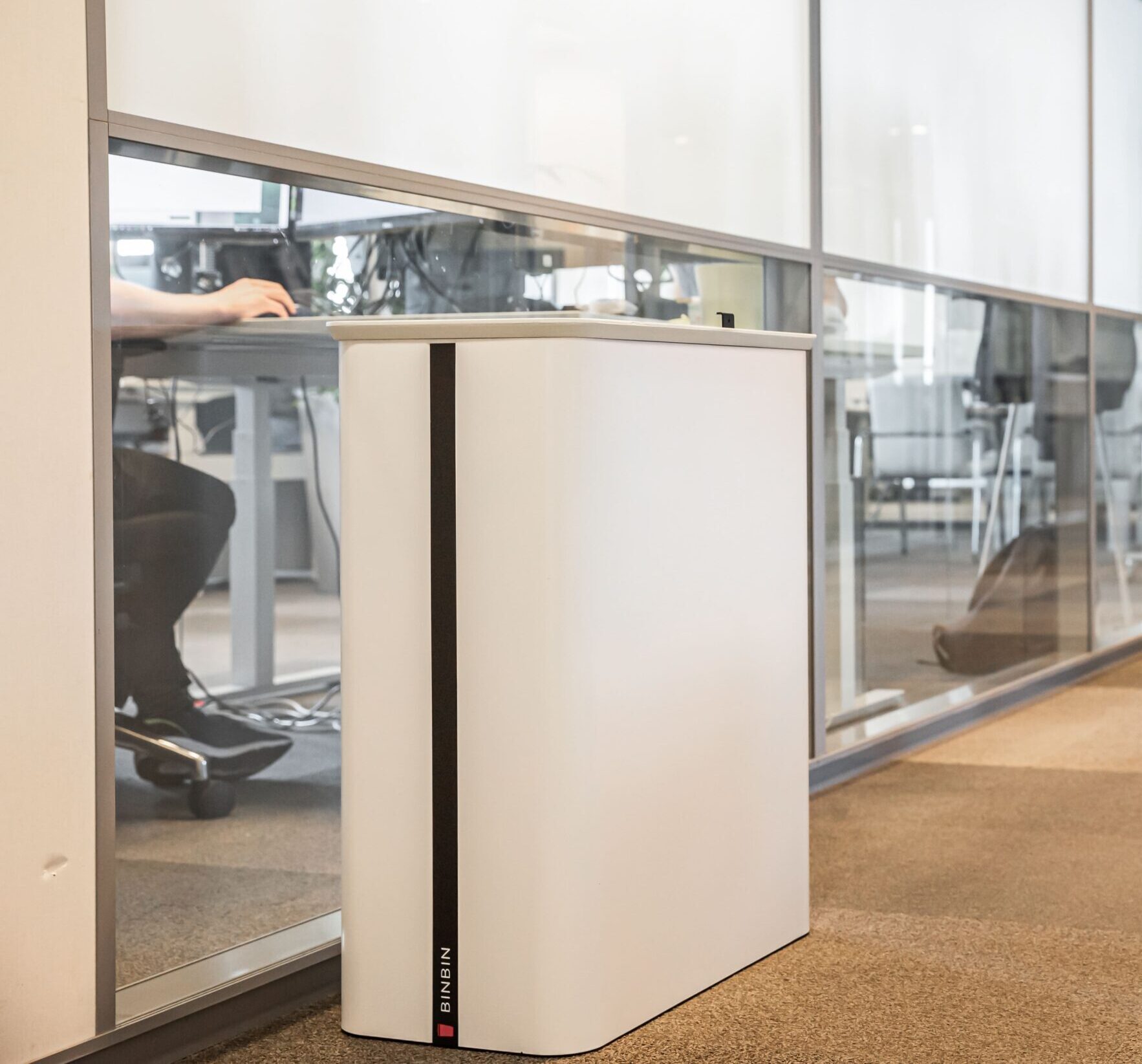
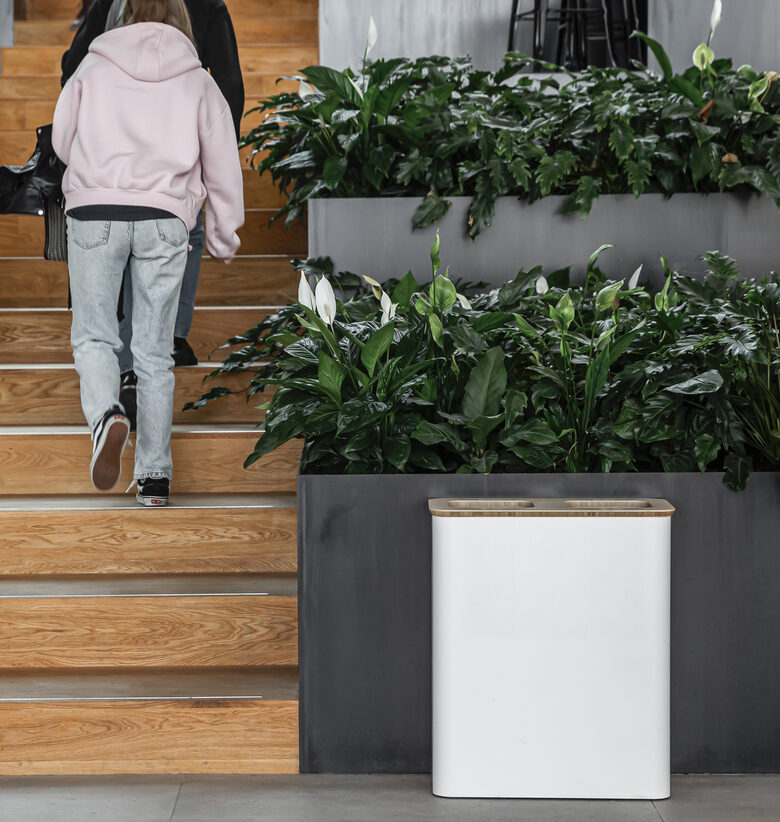
BINBIN provides intelligent waste separation solutions through modular waste management systems that adapt to changing organisational needs while maintaining circular design principles. Our Globular series enables organisations to configure systems for 1 to 8 waste streams, with compartments that can be combined, divided, or internally split without requiring new equipment.
Our approach addresses real-world waste separation challenges through:
- 99% circular design using recycled and recyclable materials
- Flexible configuration that adapts as waste streams evolve
- Professional aesthetics suitable for office environments
- Modular components that extend product lifespan indefinitely
- Easy reconfiguration that takes minutes rather than major investments
The modular office systems we provide eliminate the need for complete replacement when requirements change. Internal splitters can be added or removed to create new separation options, while individual compartments can be combined or divided to match evolving waste patterns.
Our circular economy commitment ensures that materials remain in productive use throughout the product lifecycle. When components eventually reach end of life, they can be reprocessed into new materials rather than becoming waste themselves.
Ready to transform your waste management approach? Explore our trial placement options to experience how BINBIN’s intelligent separation solutions can improve your organisation’s environmental performance while maintaining operational efficiency. Our comprehensive range ensures the perfect match for your specific requirements and sustainability goals.