Effective waste disposal encompasses proper waste separation, regulatory compliance, cost efficiency, and circular economy principles. It involves systematic approaches to minimise environmental impact whilst maximising resource recovery and maintaining operational efficiency. This comprehensive guide addresses the most important questions about implementing successful waste management systems in various environments.
What does effective waste disposal actually mean in practice?
Effective waste disposal is a comprehensive approach that combines proper waste separation, environmental compliance, cost efficiency, and circular economy principles to minimise environmental impact whilst maximising resource recovery. It goes beyond simply discarding waste by creating sustainable systems that turn waste streams into valuable resources.
In practical terms, effective waste disposal requires organisations to implement systematic approaches that address every stage of the waste lifecycle. This includes reducing waste generation at source, separating materials into appropriate categories, ensuring proper storage and collection, and partnering with accredited service providers for processing and recovery.
The foundation of effective waste disposal lies in understanding that different waste streams require different handling approaches. Proper categorisation and separation enable maximum material recovery whilst preventing contamination that renders recyclable materials unusable. This systematic approach reduces disposal costs, ensures regulatory compliance, and supports environmental sustainability goals.
Why is proper waste separation the foundation of effective disposal?
Proper waste separation prevents contamination between different waste streams, maximises recycling efficiency, reduces processing costs, and ensures regulatory compliance. Without effective separation at source, even the most advanced waste processing facilities cannot recover valuable materials from contaminated waste streams.
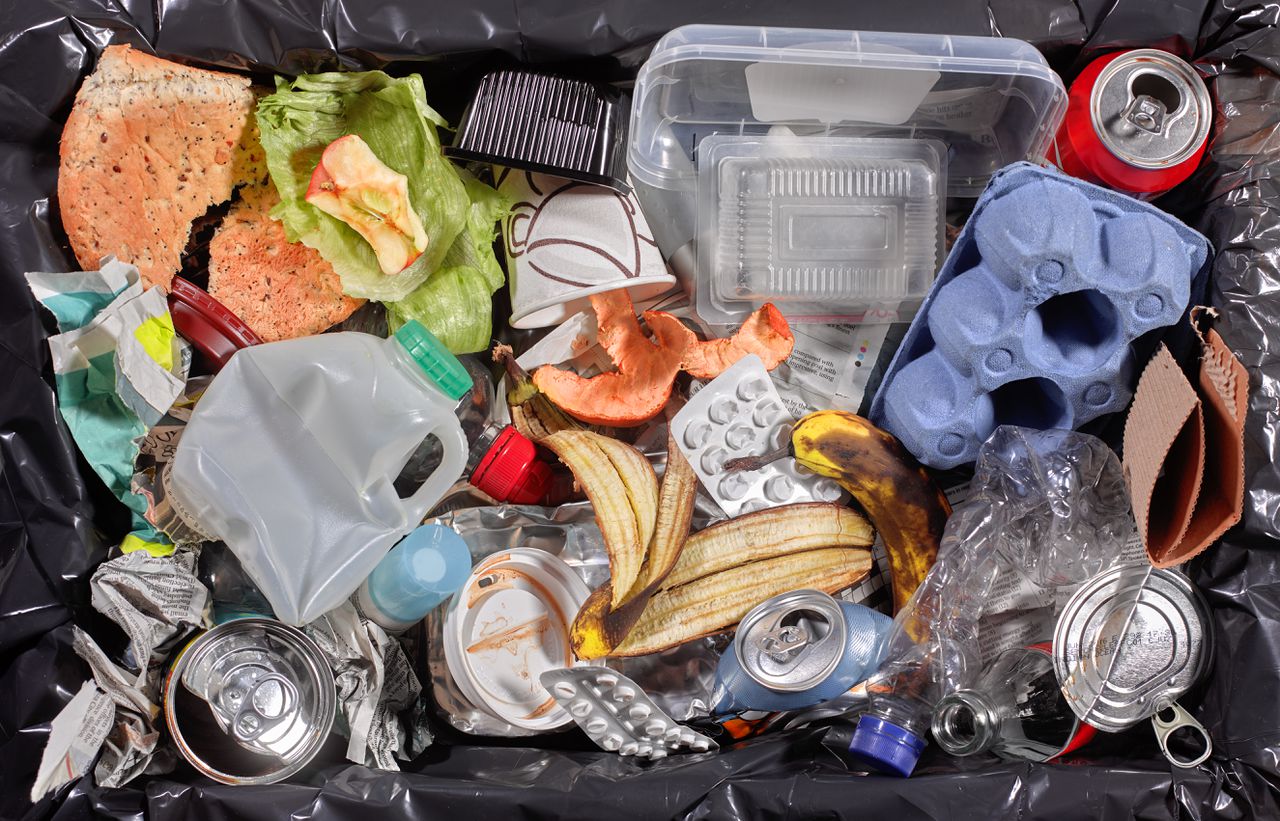
Contamination is one of the most significant challenges in waste management. When recyclable materials become contaminated with organic waste or hazardous substances, they often become unsuitable for recycling and must be sent to landfill instead. This contamination most commonly occurs when different waste types are mixed together in single containers.
Effective separation also dramatically improves the economics of waste management. Clean, separated materials command higher prices in recycling markets, whilst contaminated waste incurs higher processing and disposal costs. High-quality separation at source reduces the need for expensive sorting processes downstream and increases the overall value recovered from waste streams.
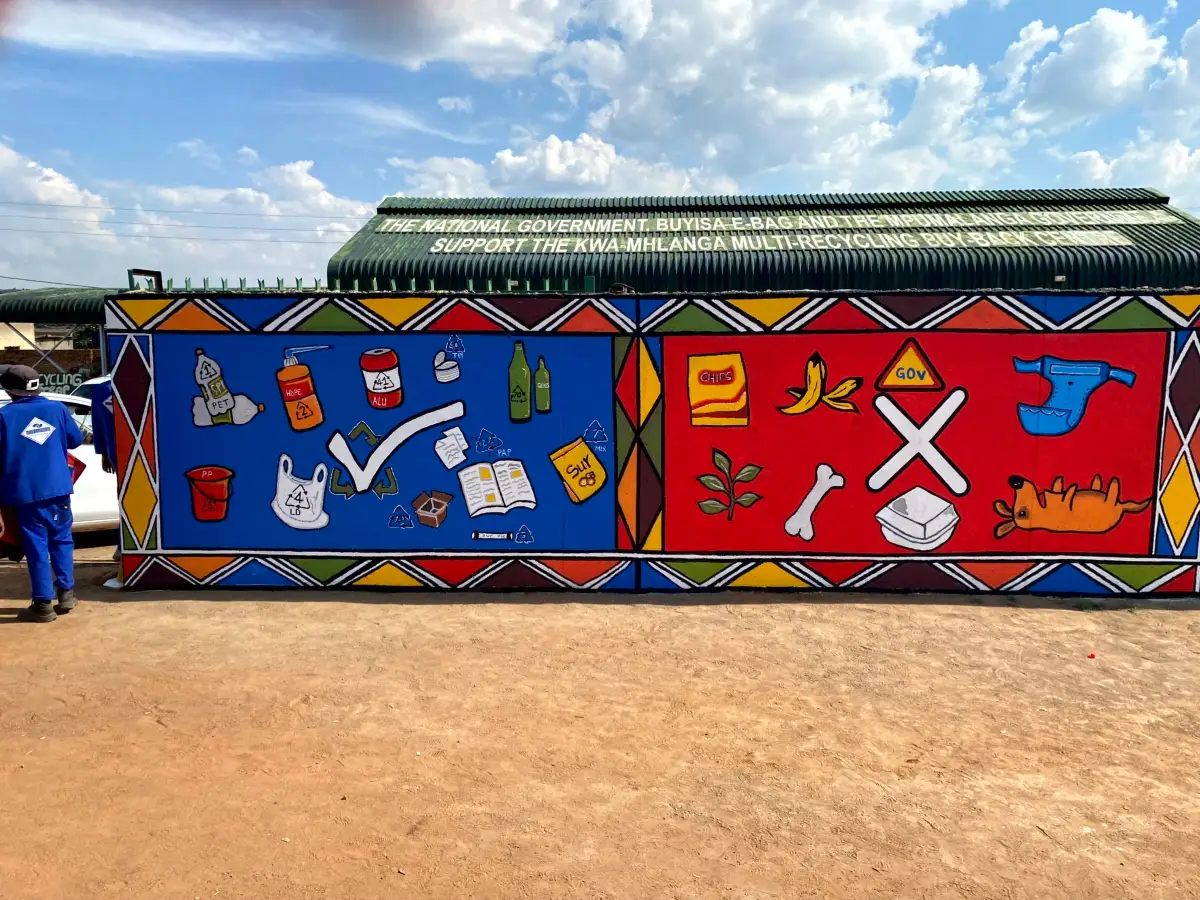
Different environments require tailored separation approaches. Office environments typically generate paper, plastic, glass, and organic waste streams, whilst healthcare facilities must manage additional categories, including pharmaceutical and clinical waste, according to specific regulatory requirements.
What are the key components of a successful waste management system?
A successful waste management system requires integrated infrastructure, comprehensive training programmes, monitoring systems, and continuous improvement processes. These components work together to ensure consistent performance, regulatory compliance, and optimal resource recovery across all operational areas.
The essential components include:
- Appropriate infrastructure - Properly sized containers, strategic placement, and clear labelling systems
- Employee training programmes - Regular education on separation requirements and environmental benefits
- Monitoring and measurement systems - Tracking waste volumes, contamination rates, and cost performance
- Clear policies and procedures - Documented processes for different waste types and emergency situations
- Partnerships with accredited service providers - Reliable collection, processing, and reporting services
- Regular auditing and optimisation - Continuous assessment and improvement of system performance
- Communication and engagement tools - Ongoing awareness campaigns and feedback mechanisms
These components must be tailored to specific organisational needs and regulatory requirements. Healthcare facilities, for example, require additional protocols for managing pharmaceutical and clinical waste streams, whilst manufacturing environments may need specialised handling for industrial waste categories.
How do you implement effective waste disposal in different environments?
Implementation follows a systematic approach beginning with a comprehensive assessment, followed by strategic planning, system selection, staff training, and ongoing monitoring. Each phase builds upon the previous one to ensure sustainable adoption and optimal performance across diverse operational environments.
The implementation process includes:
- Conduct a comprehensive waste assessment - Analyse current waste streams, volumes, and disposal costs to establish baseline performance
- Develop a tailored separation strategy - Design a system based on specific waste types, regulatory requirements, and operational constraints
- Select appropriate infrastructure - Choose containers, signage, and collection systems that match organisational needs and space limitations
- Implement a comprehensive training programme - Educate all staff on proper separation techniques, environmental benefits, and compliance requirements
- Launch with pilot areas - Begin implementation in selected areas to test systems and refine processes before full rollout
- Monitor performance and adjust - Track key metrics, including separation rates, contamination levels, and cost performance
- Expand and optimise - Scale successful approaches across the organisation whilst continuously improving system effectiveness
Different environments require adapted approaches. Office environments benefit from modular systems that can evolve with changing needs, whilst public spaces require robust, intuitive designs that encourage proper use without extensive training or supervision.
What challenges prevent organisations from achieving effective waste disposal?
Common obstacles include employee resistance to behavioural change, inadequate infrastructure design, cost concerns, and compliance complexity. These challenges often interact with each other, creating systemic barriers that require comprehensive solutions rather than isolated interventions.
Employee resistance typically stems from inconvenience, lack of understanding, or insufficient motivation. When waste separation systems are poorly designed or inadequately explained, staff may default to existing habits rather than adopting new practices. This resistance can undermine even well-designed systems.
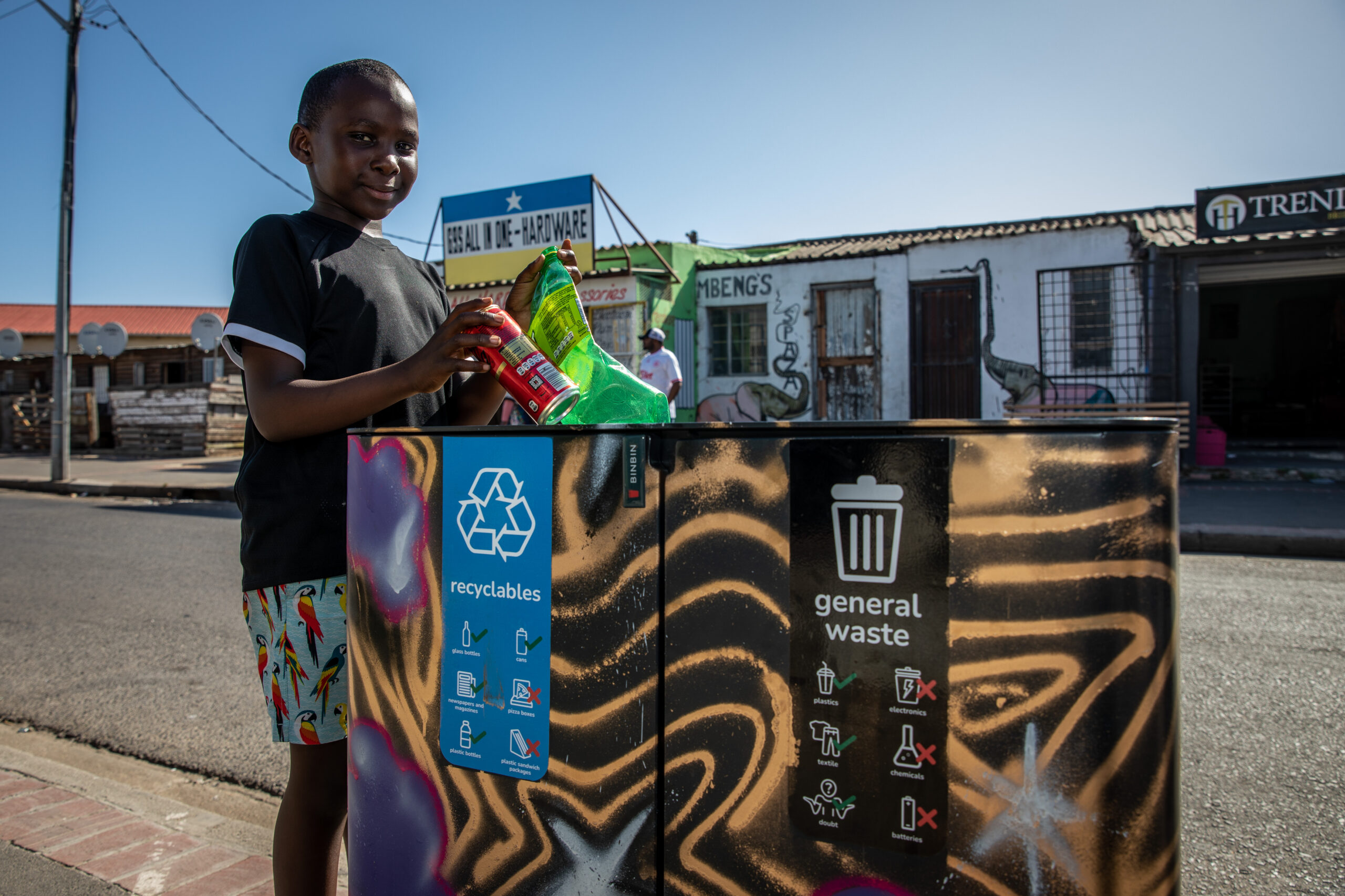
Infrastructure inadequacies create practical barriers to effective separation. Poorly located containers, confusing labelling, or insufficient capacity lead to contamination and non-compliance. System design must balance operational efficiency with user convenience to achieve sustainable adoption rates.
Cost concerns often focus on initial investment rather than long-term savings. Organisations may hesitate to invest in comprehensive systems without understanding the potential for reduced disposal costs, regulatory compliance benefits, and enhanced corporate sustainability credentials.
Regulatory complexity adds another layer of challenge, particularly for organisations operating across multiple jurisdictions or managing specialised waste streams. Keeping current with evolving requirements whilst maintaining operational efficiency requires ongoing attention and expertise.
How BINBIN helps with effective waste disposal
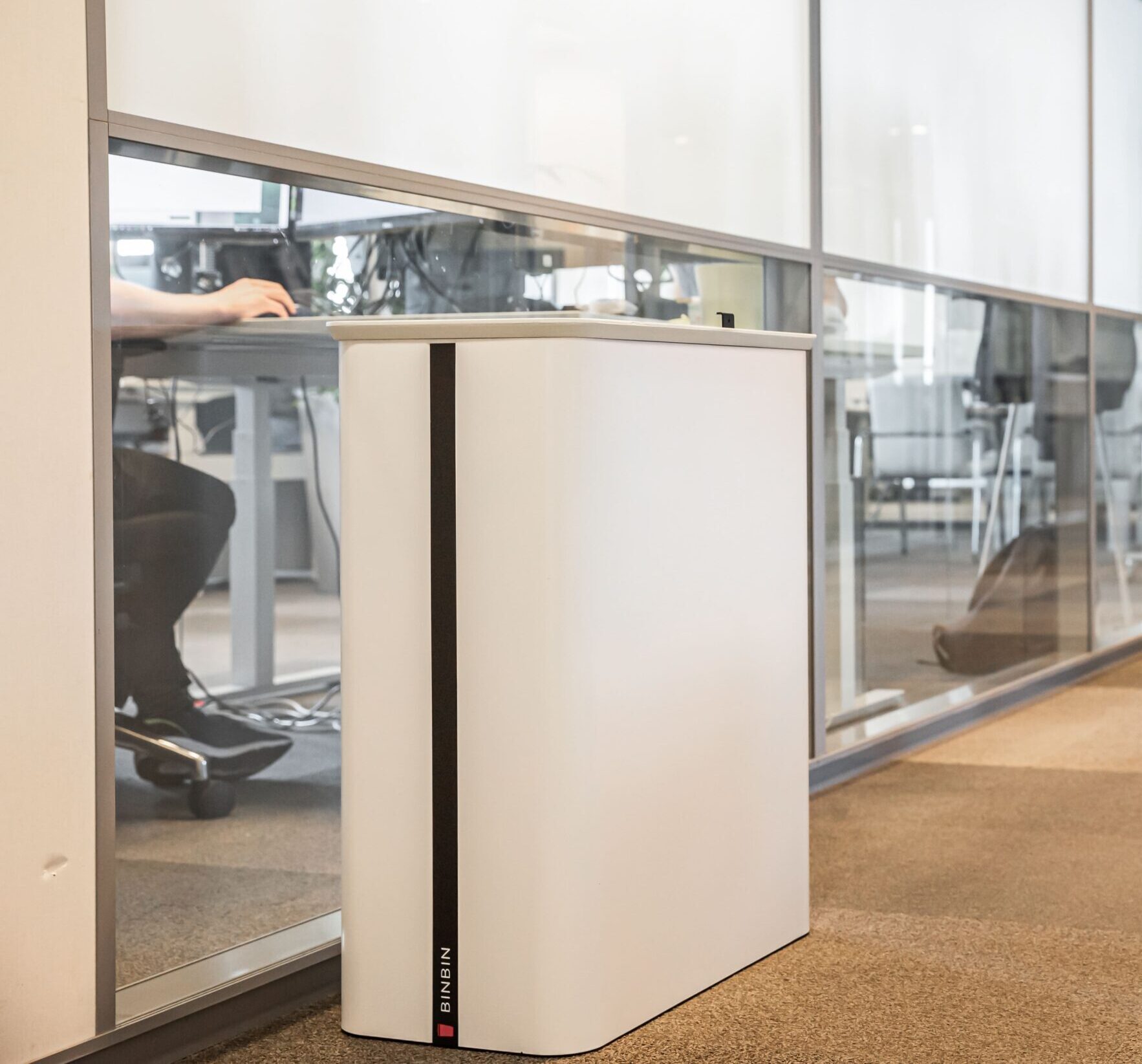
BINBIN provides comprehensive modular waste separation solutions designed around circular economy principles, combining innovative infrastructure with expert implementation support. Our 99% circular waste bins are engineered for infinite adaptability, allowing organisations to configure and reconfigure systems as needs evolve without requiring new equipment.
Our approach includes:
- Modular flexibility - The Globular series accommodates 1-8 waste streams with unlimited reconfiguration possibilities
- Circular design principles - 99% circular materials that extend product life whilst maintaining resource loops
- Comprehensive implementation support - Personalised guidance including waste assessments, system design, and communication strategies
- Professional aesthetics - Clean, functional designs that integrate seamlessly into any professional environment
- Ongoing optimisation - Regular performance reviews and system adjustments to maintain optimal effectiveness
Ready to transform your organisation's waste management approach? Request a trial placement to experience how BINBIN's modular solutions can deliver effective waste disposal whilst supporting your sustainability goals and regulatory compliance requirements.