Failing to comply with Extended Producer Responsibility (EPR) regulations in South Africa can result in significant financial penalties, suspension of business operations, and even criminal liability for company directors. The consequences are real and escalating, as the Department of Forestry, Fisheries and the Environment (DFFE) continues to strengthen enforcement across the paper, packaging, electrical, and lighting sectors. This article unpacks the key questions businesses are asking about EPR compliance in 2026.
What are the penalties for EPR non-compliance in South Africa?
Businesses that fail to meet their EPR obligations under the National Environmental Management: Waste Act (NEMWA) can face fines of up to R10 million, imprisonment of up to ten years for responsible individuals, or both. These penalties apply to producers, importers, and brand owners who do not register with an approved Producer Responsibility Organisation (PRO) or fail to meet their annual targets.
Beyond the headline figures, non-compliant businesses may also face:
- Compliance notices requiring immediate corrective action
- Administrative fines issued by the DFFE
- Suspension or revocation of business licences
- Civil liability for environmental damage caused by poor waste management
- Reputational damage that affects investor and customer relationships
The severity of the penalty typically reflects the scale and duration of the non-compliance. A first-time procedural failure may attract a compliance notice, while deliberate or repeated violations are far more likely to result in criminal prosecution.
Who is legally required to comply with EPR regulations in South Africa?
EPR compliance is legally required for any business that manufactures, imports, or sells products in the paper and packaging, electrical and electronic equipment, or lighting sectors. This includes large retailers, brand owners, and importers who place these product types on the South African market, regardless of whether they physically handle the waste themselves.
The EPR regulations, which came into effect in November 2021 and have been progressively enforced since, cast a wide net. Even businesses that outsource their production are still considered producers if they own the brand or import the goods. Small businesses below certain thresholds may be exempt, but any organisation operating at a meaningful commercial scale should assume the regulations apply and seek formal confirmation from a registered PRO.
How does DFFE enforce EPR compliance against businesses?
The DFFE enforces EPR compliance through a combination of registration audits, annual reporting requirements, and on-site inspections. Businesses are required to submit performance data through their PRO each year, and the DFFE cross-references this data against import records, production volumes, and licensing information to identify gaps.
Environmental Management Inspectors (EMIs), sometimes referred to as Green Scorpions, are authorised to enter premises, request documentation, and issue compliance notices. Where businesses cannot demonstrate registration with an approved PRO or provide evidence of meeting their collection and recycling targets, enforcement action can follow swiftly. The DFFE has also signalled its intent to increase inspection frequency as the regulatory framework matures through 2026.
Can a business lose contracts or tenders for being EPR non-compliant?
Yes. EPR non-compliance can directly disqualify a business from public sector tenders and damage relationships with private sector clients who have their own sustainability commitments. Government procurement processes increasingly require suppliers to demonstrate environmental compliance, and EPR registration is becoming a standard checklist item for larger corporate supply chains.
Beyond formal disqualification, many multinational companies operating in South Africa now conduct supplier due diligence that includes waste management and environmental compliance checks. A business that cannot confirm its EPR status risks being removed from preferred supplier lists entirely. For companies in the office and commercial sector, this exposure is particularly relevant given the volume of packaging waste generated in day-to-day operations.
What is the difference between registering with a PRO and being EPR compliant?
Registering with a Producer Responsibility Organisation is a necessary step toward EPR compliance, but it is not sufficient on its own. A PRO manages the collection, sorting, and recycling infrastructure on behalf of its members, but compliance is only achieved when a business has registered, paid the applicable fees, and demonstrably met its annual recovery and recycling targets.
Think of it this way: registration is the entry point, and compliance is the ongoing outcome. A business that registers but does not report accurately, does not pay its levies, or whose PRO fails to meet sector-wide targets may still be found non-compliant. It is the business's responsibility to verify that its chosen PRO is approved by the DFFE and that its own reporting obligations are being fulfilled correctly each year.
How can a business become EPR compliant in South Africa?
Becoming EPR compliant in South Africa involves a clear sequence of steps. Businesses that act early reduce their risk exposure and avoid the administrative burden of catching up under pressure.
- Determine whether you are a producer under the relevant EPR regulations by reviewing your product categories against the definitions in NEMWA.
- Identify an approved PRO for your sector. The DFFE maintains a list of registered PROs for paper and packaging, e-waste, and lighting.
- Register with your chosen PRO and complete the required membership documentation, including a declaration of your product volumes.
- Pay your annual PRO levy, which is calculated based on the weight or volume of products you place on the market.
- Submit accurate annual reports through your PRO to demonstrate that collection and recycling targets are being met.
- Review your internal waste management practices to ensure that your operations support the recovery targets your PRO is working toward.
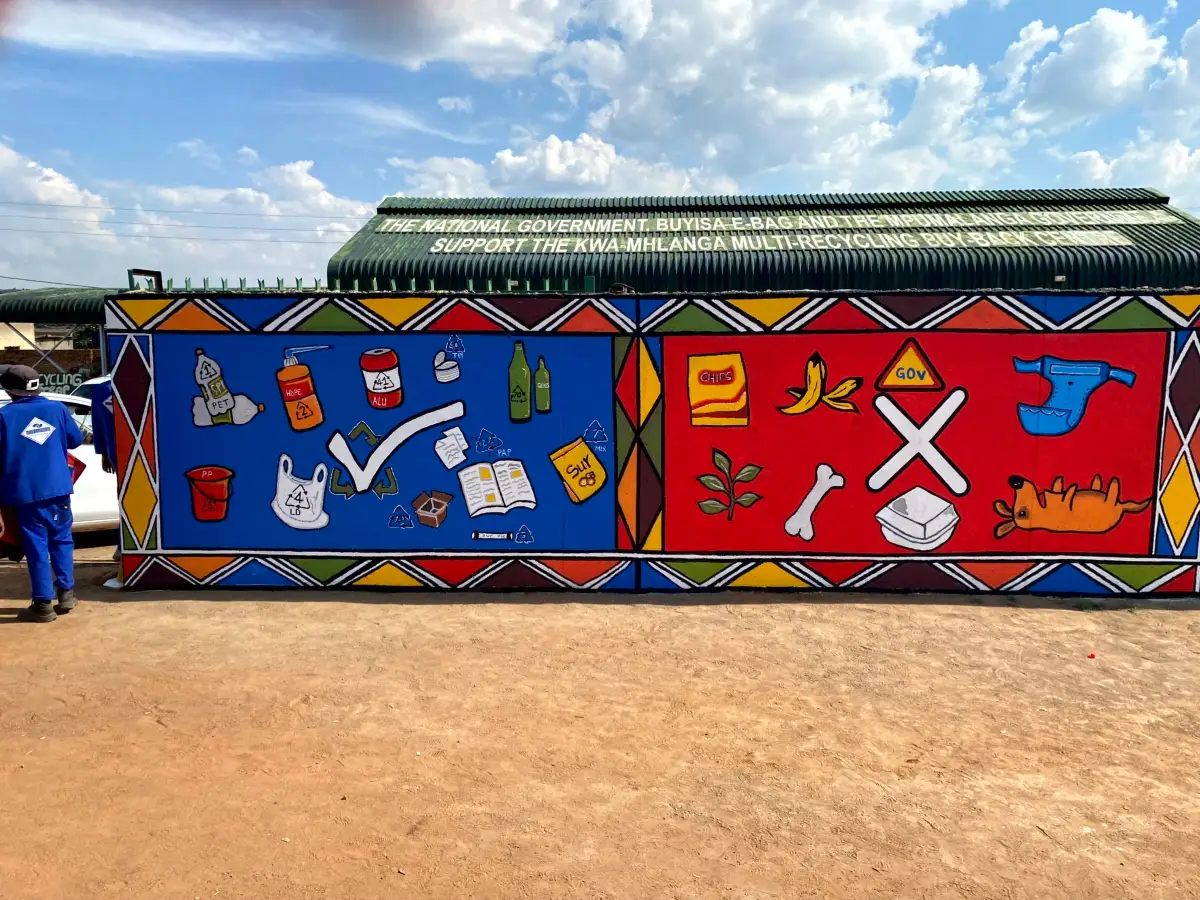
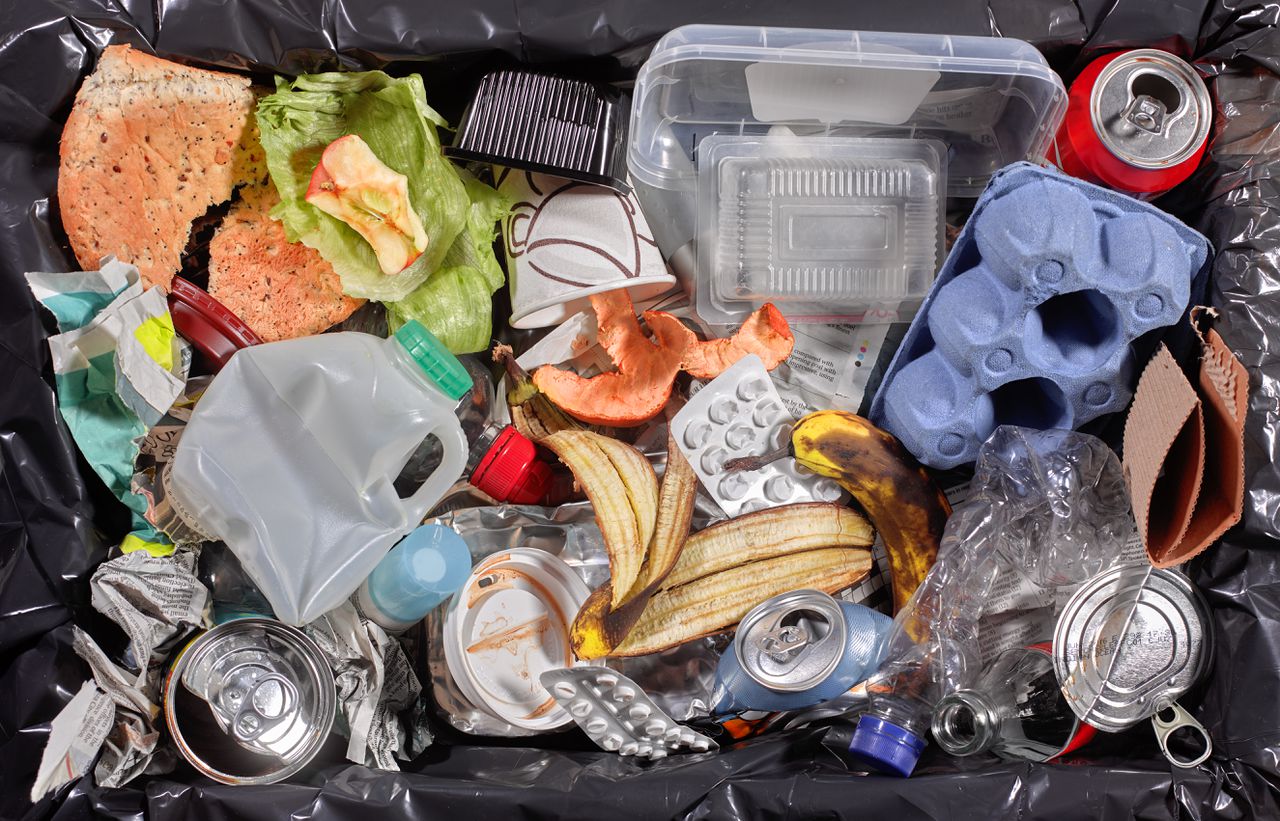
Businesses that generate significant packaging waste on-site, such as offices and distribution centres, often find that improving their waste separation at source makes it easier to meet PRO targets and demonstrate compliance to auditors.
How BINBIN supports your EPR compliance journey
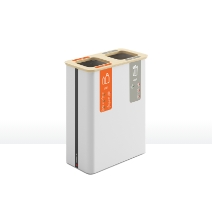
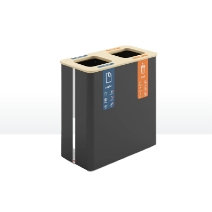
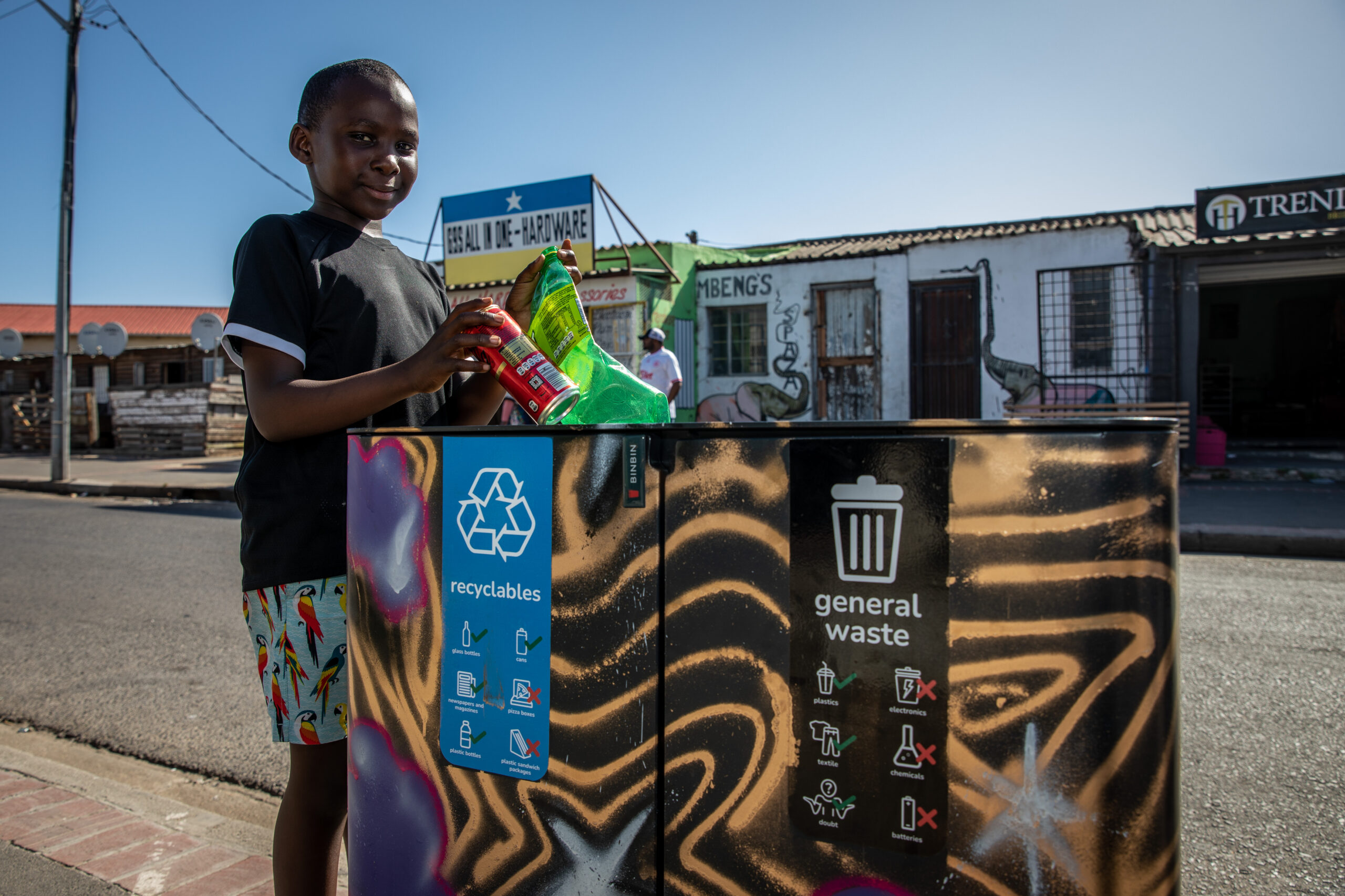
Meeting your EPR obligations starts with getting waste separation right at the source, and that is exactly where we come in. Our modular waste separation systems are designed to make correct sorting simple, visible, and consistent across your entire operation. When waste is properly separated from the moment it is discarded, your recyclable streams stay clean, your PRO reporting becomes more accurate, and your compliance position is easier to defend.
Here is what we offer businesses working toward EPR compliance:
- Configurable systems for 1 to 8 waste streams, so your bins match the exact categories your PRO requires
- Modular design that adapts as your waste streams or office layout change, without replacing the entire system
- Clear labelling and intuitive design that encourages consistent behaviour from staff and visitors
- Solutions scaled for offices, warehouses, and public spaces across South Africa
Getting your on-site waste management in order is one of the most practical steps you can take toward full EPR compliance. Try a trial placement in your facility, or request a quote to find the right configuration for your organisation.