Effective waste separation significantly enhances a company’s image by demonstrating environmental responsibility, regulatory compliance, and a commitment to sustainable business practices. Companies with robust waste management systems enjoy greater stakeholder trust, stronger employee pride, and competitive advantages in increasingly eco-conscious markets. This comprehensive approach to waste disposal delivers measurable benefits across reputation, recruitment, and customer loyalty.
Why does waste separation matter for modern businesses?
Waste separation has become essential for modern businesses due to regulatory compliance requirements and evolving stakeholder expectations around environmental responsibility. Companies must now demonstrate their commitment to sustainable practices through measurable actions rather than policy statements alone.
The business landscape increasingly rewards organisations that prioritise environmental stewardship. Regulatory frameworks across various jurisdictions mandate proper waste management, with penalties for non-compliance affecting both finances and reputation. Beyond legal requirements, investors, customers, and employees actively seek partnerships with environmentally responsible companies.
Sustainable waste management practices also create operational efficiencies. Proper separation reduces waste disposal costs, creates opportunities for material recovery, and streamlines facility management. These practical benefits complement the reputational advantages, making waste separation both a moral imperative and a business necessity.
How does poor waste management damage company reputation?
Poor waste management creates significant reputational risks through regulatory violations, stakeholder disappointment, and negative media coverage. Companies with inadequate waste practices face penalties, employee dissatisfaction, and erosion of customer trust that can permanently damage brand perception.
Regulatory non-compliance often becomes public knowledge through government reporting requirements or media investigations. These incidents create lasting negative associations with the company’s brand, particularly in industries where environmental responsibility is expected. Social media amplifies these issues, allowing negative stories to spread rapidly across professional networks.
Employee morale suffers when staff witness poor environmental practices daily. This internal disappointment translates into reduced engagement, higher turnover, and difficulty attracting high-quality candidates. Customers increasingly research company practices before making purchasing decisions, with poor waste management becoming a decisive factor against partnerships.
The cumulative effect creates a downward spiral in which reputational damage leads to talent loss, customer defection, and increased regulatory scrutiny, making recovery increasingly difficult and expensive.
What are the positive brand benefits of effective waste separation?
Effective waste separation enhances corporate image through improved sustainability credentials, increased employee pride, and stronger customer loyalty. Companies with visible environmental initiatives enjoy competitive advantages in recruitment, partnerships, and market positioning within their industries.
Proper waste management demonstrates organisational values in action, creating authentic sustainability stories that resonate with stakeholders. These initiatives provide concrete evidence of environmental commitment, supporting marketing messages and corporate social responsibility reporting with measurable outcomes.
The benefits extend beyond external perception to internal cultural transformation. Employees feel proud to work for environmentally responsible organisations, leading to increased engagement and advocacy. This internal enthusiasm becomes external marketing through employee social sharing and word-of-mouth recommendations.
Media coverage of sustainability initiatives creates positive brand associations and thought leadership opportunities. Companies with exemplary office waste management practices often become case studies and industry examples, further enhancing their reputation and market position.
How do employees respond to company sustainability initiatives?
Employees respond extremely positively to company sustainability initiatives, showing increased job satisfaction, improved loyalty, and enhanced recruitment appeal. Environmental responsibility programmes create a sense of purpose and pride that translates into measurable improvements in workplace engagement and retention rates.
Modern workforce demographics particularly value environmental responsibility, with younger professionals actively seeking employers who demonstrate a genuine commitment to sustainability. These initiatives become powerful recruitment tools, helping companies attract top talent who might otherwise choose competitors with stronger environmental credentials.
Workplace sustainability programmes create opportunities for employee participation and ownership. Staff members enjoy contributing to meaningful environmental goals, whether through proper waste separation, reduction initiatives, or improvement suggestions. This participation fosters team building and a shared purpose beyond traditional work responsibilities.
The psychological benefits include reduced cognitive dissonance between personal environmental values and workplace practices. Employees who care about environmental issues experience greater job satisfaction when their employer shares these values through concrete actions rather than empty rhetoric.
What do customers expect from environmentally responsible companies?
Customers expect environmentally responsible companies to demonstrate genuine commitment through visible actions, transparent reporting, and continuous improvement in waste management and sustainability practices. Modern consumers research a company’s environmental practices and factor their findings into purchasing and partnership decisions.
Transparency has become crucial, with customers expecting detailed information about waste reduction efforts, recycling programmes, and environmental impact measurements. Companies must provide evidence of their claims through third-party certifications, regular reporting, and facility tours when appropriate.
The expectations include:
- Visible waste separation systems in customer-facing areas
- Clear communication about environmental initiatives and results
- Continuous improvement rather than static compliance
- Integration of sustainability into core business operations
- Employee training and engagement in environmental programmes
Customer loyalty increasingly depends on alignment between company values and environmental responsibility. Businesses that meet these expectations enjoy stronger customer relationships, while those that fall short face potential boycotts and negative reviews that damage long-term growth prospects.
How BINBIN helps with sustainable company image transformation
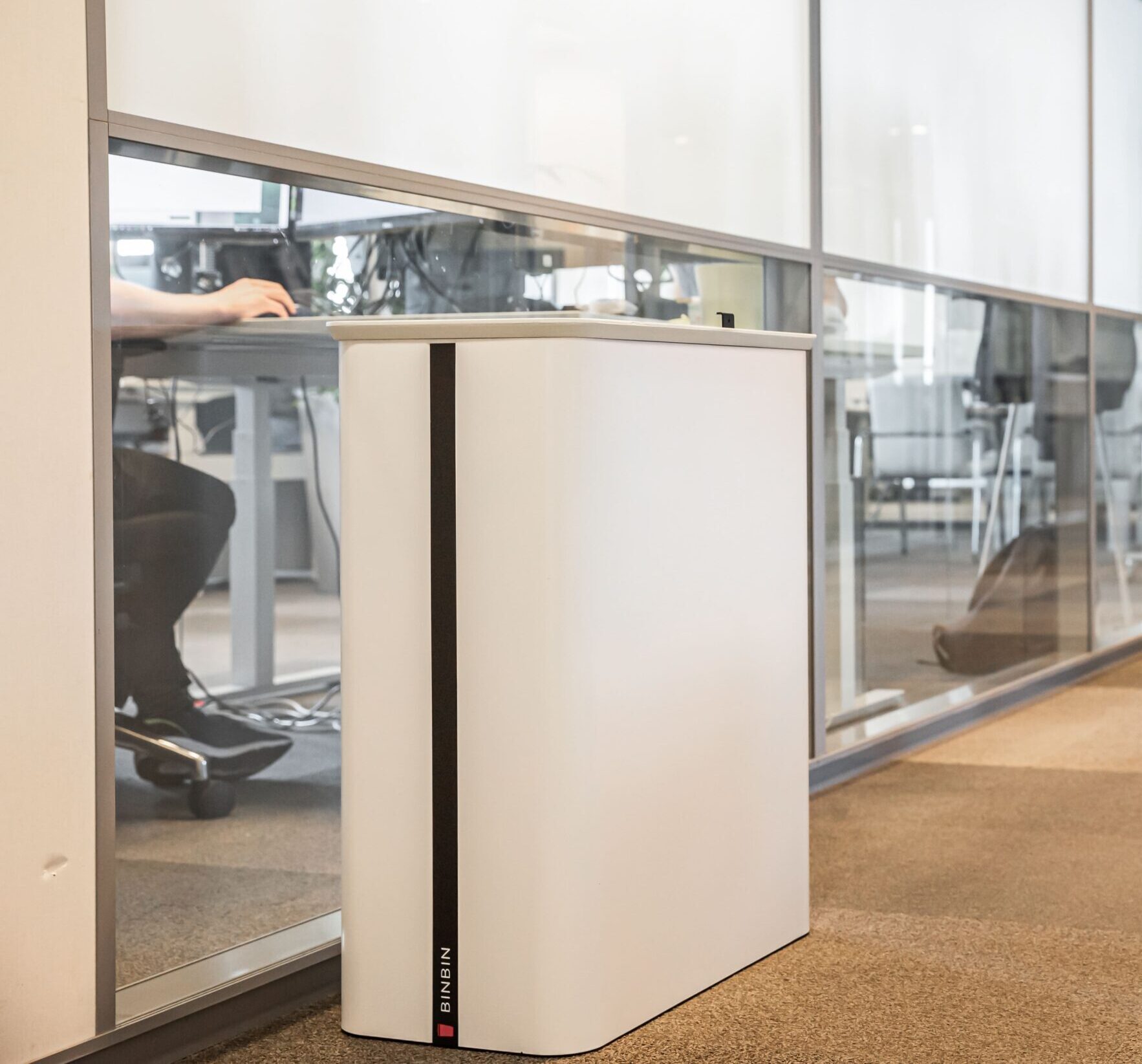
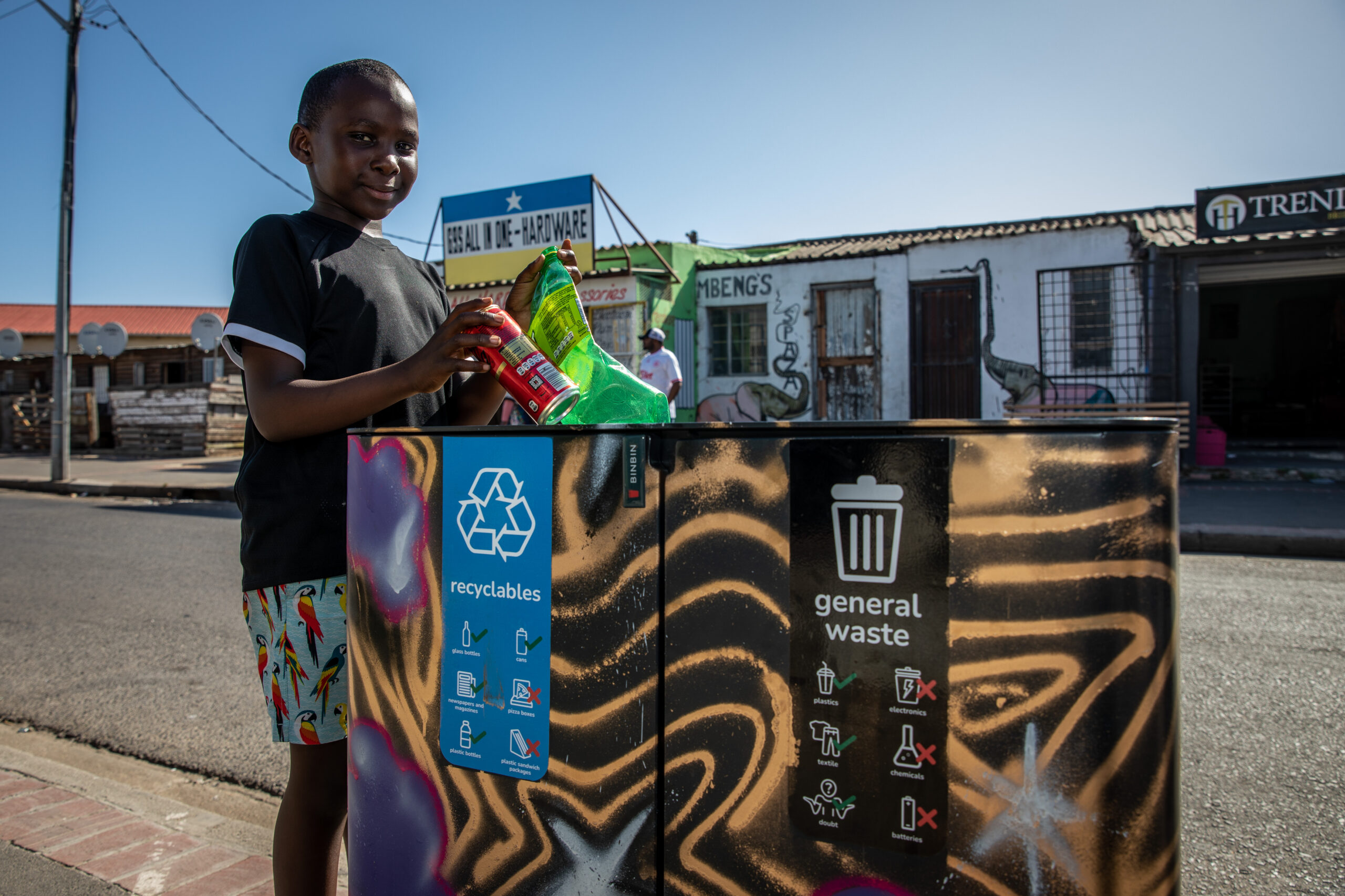
BINBIN transforms a company’s sustainability image through comprehensive waste separation solutions that combine aesthetic appeal with practical functionality. Our modular systems create visible environmental commitment while ensuring regulatory compliance and operational efficiency in professional environments.
Our approach includes:
- Customised waste separation systems that integrate seamlessly with existing office design
- Professional consultation to identify optimal separation strategies for specific business needs
- Implementation support, including employee training and communication materials
- Ongoing optimisation to maximise environmental impact and cost savings
The modular design allows companies to adapt their waste management as needs evolve, demonstrating a commitment to continuous improvement that stakeholders value. Our systems create talking points for sustainability reporting and provide concrete evidence of environmental responsibility.
Ready to transform your company’s environmental image through effective waste separation? Contact us today to discuss how BINBIN’s solutions can enhance your sustainability credentials while improving operational efficiency and stakeholder satisfaction.