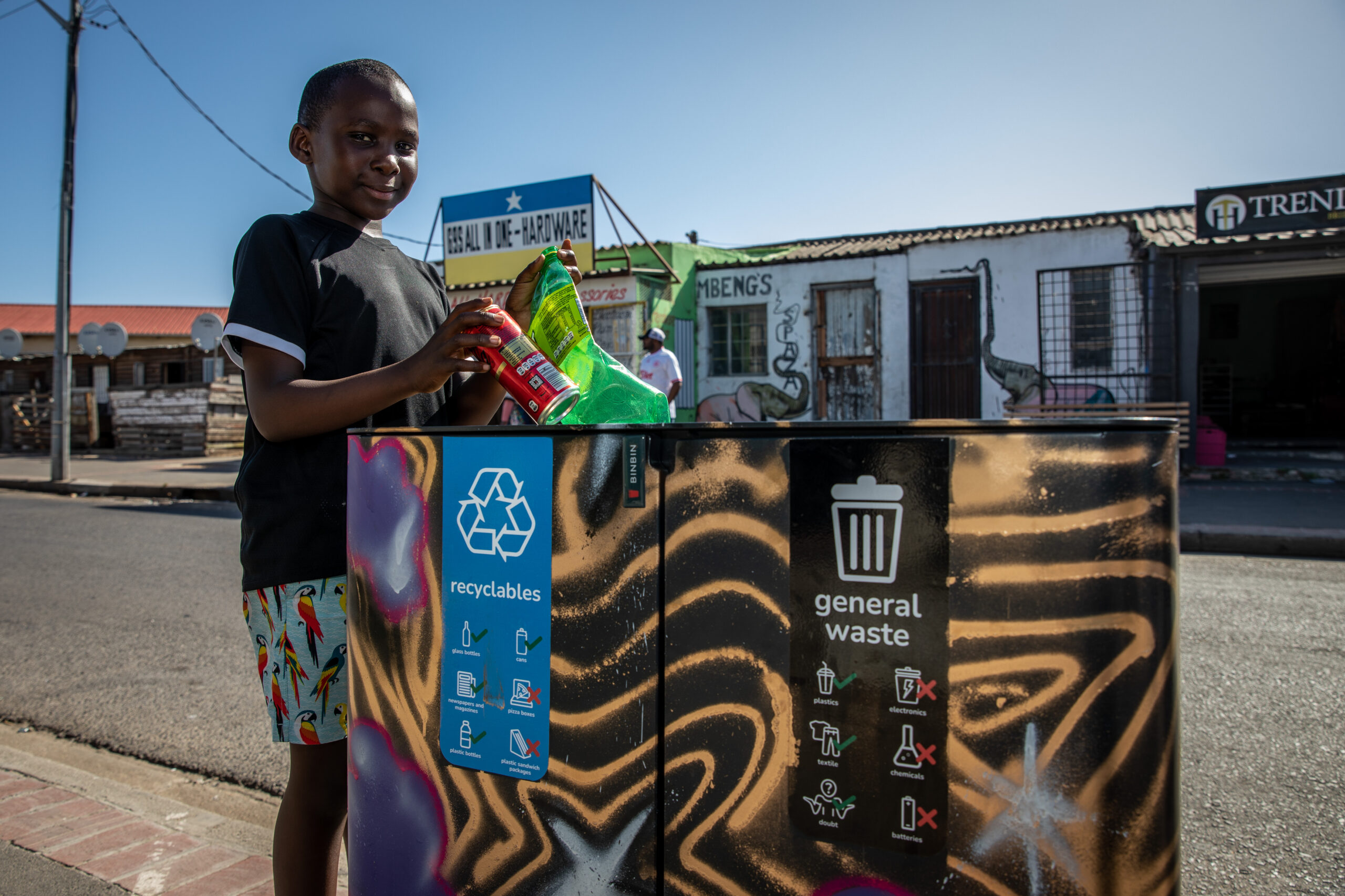
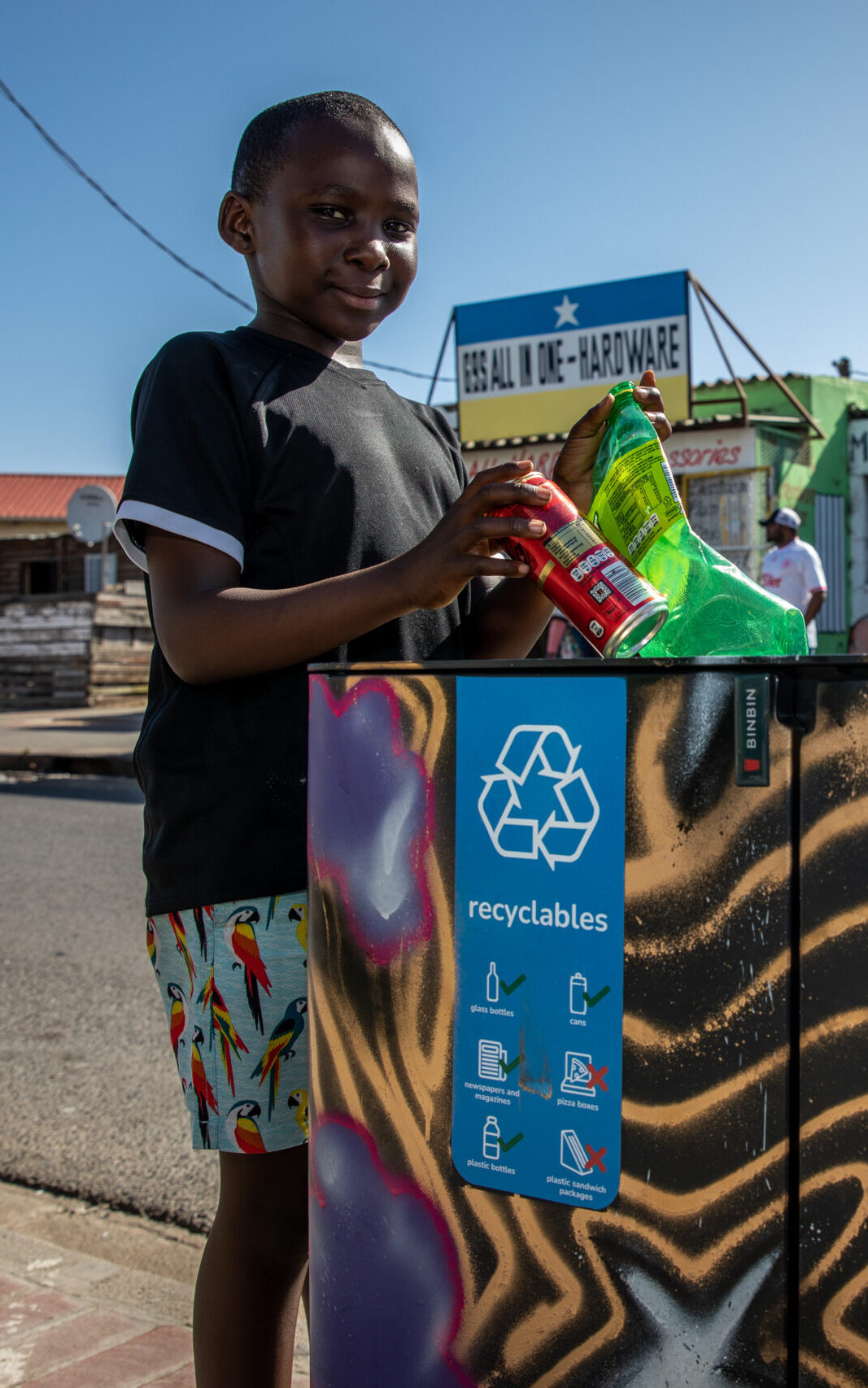
Sustainable waste management is an approach that minimises environmental impact whilst maximising resource recovery through circular systems. It focuses on reducing waste generation, reusing materials, and recycling resources rather than simply disposing of them. This comprehensive approach helps businesses comply with regulations, reduce costs, and contribute to environmental protection whilst addressing key questions about implementation and benefits.
What exactly does sustainable waste management mean?
Sustainable waste management is a comprehensive approach that prioritises environmental protection and resource conservation through circular systems designed to minimise waste generation whilst maximising material recovery and reuse. Unlike traditional waste disposal methods, this approach treats waste as a valuable resource rather than something to be discarded.
The core principle revolves around creating closed-loop systems in which materials continuously cycle through use, recovery, and reprocessing phases. This means designing processes that generate less waste from the outset, finding new applications for materials that would otherwise be discarded, and ensuring that unavoidable waste is processed in environmentally responsible ways.
Sustainable waste management encompasses everything from initial product design considerations to end-of-life material processing. It requires organisations to think holistically about their resource consumption patterns and waste streams, considering not just immediate disposal needs but also the long-term environmental and economic implications of their waste management choices.
Why is sustainable waste management becoming so important for businesses?
Businesses face increasing pressure from environmental regulations and stakeholder expectations that make sustainable waste management essential for operational compliance and competitive advantage. South African organisations must navigate evolving waste legislation whilst meeting growing consumer demands for environmentally responsible practices.
Regulatory compliance represents a significant driving factor, as governments worldwide implement stricter waste management requirements. The National Environmental Management: Waste Act in South Africa mandates integrated waste management based on waste hierarchy principles, requiring businesses to prioritise waste avoidance, reduction, reuse, and recycling before considering disposal options.
Economic benefits provide equally compelling reasons for adoption. Sustainable waste management often reduces disposal costs, creates revenue streams through material recovery, and improves operational efficiency. Companies that implement effective waste reduction strategies frequently discover significant cost savings through reduced raw material purchases and lower waste processing fees.
Corporate reputation and stakeholder relationships increasingly depend on demonstrated environmental responsibility. Customers, investors, and employees expect businesses to contribute positively to environmental sustainability, making waste management practices a crucial component of brand positioning and talent retention strategies.
What are the key principles of sustainable waste management?
The waste hierarchy forms the foundation of sustainable waste management, prioritising prevention, reuse, recycling, recovery, and disposal in that specific order. This framework guides decision-making by emphasising upstream solutions that prevent waste generation over downstream disposal methods.
Prevention represents the most effective approach, involving strategies that reduce waste generation at source. This includes designing products for longevity, optimising packaging, and implementing processes that minimise material waste during production and consumption phases.
The following principles guide sustainable waste management implementation:
- Source reduction through improved design and process optimisation
- Material reuse through creative repurposing and redistribution systems
- Recycling programmes that maintain material quality and value
- Energy recovery from materials that cannot be recycled
- Responsible disposal as the final option for truly unusable materials
Circular economy thinking underpins these principles by viewing waste as an input for other processes. This approach requires collaboration across supply chains and industries to create interconnected systems in which one organisation's waste becomes another's raw material.
How does sustainable waste management differ from traditional waste disposal?
Traditional waste disposal follows a linear "take-make-dispose" model in which materials flow in one direction from extraction to landfill, whilst sustainable waste management creates circular systems that keep materials in productive use for as long as possible.
The fundamental mindset difference lies in how waste is perceived. Traditional approaches view waste as an inevitable by-product requiring removal, whilst sustainable approaches see waste as a design flaw and a valuable resource that indicates system inefficiency.
Methodological differences are equally significant:
- Traditional disposal focuses on efficient removal and containment
- Sustainable management emphasises prevention and value retention
- Linear systems optimise for cost-effective disposal
- Circular systems optimise for resource recovery and reuse
- Conventional approaches treat symptoms
- Sustainable approaches address root causes
Environmental impact varies dramatically between these approaches. Traditional disposal often creates long-term environmental liabilities through landfill accumulation and resource depletion, whilst sustainable management reduces environmental pressure through decreased extraction needs and pollution prevention.
Economic outcomes also differ substantially. Traditional disposal represents a pure cost with no return on investment, whilst sustainable management creates value through material recovery, cost avoidance, and operational efficiency improvements.
What are the main benefits of implementing sustainable waste management practices?
Organisations implementing sustainable waste management practices experience significant environmental and economic benefits including reduced disposal costs, lower carbon emissions, improved regulatory compliance, and enhanced corporate reputation amongst stakeholders and customers.
Environmental benefits extend beyond immediate waste reduction. Sustainable practices decrease pressure on natural resources by reducing raw material extraction needs, minimise pollution through better material handling, and contribute to climate change mitigation through reduced methane emissions from landfills.
Economic advantages often exceed initial implementation costs. Many organisations discover that waste reduction strategies generate immediate savings through lower disposal fees, reduced raw material purchases, and improved operational efficiency. Some materials previously considered waste become revenue sources through recycling or resale programmes.
Social and competitive benefits include improved employee engagement through meaningful environmental initiatives, enhanced customer loyalty amongst environmentally conscious consumers, and better positioning for contracts with organisations prioritising sustainable suppliers.
Risk management improvements represent another significant benefit. Sustainable waste management reduces regulatory compliance risks, minimises environmental liability exposure, and creates more resilient operations through reduced dependence on disposal infrastructure.
How can organisations get started with sustainable waste management?
Organisations should begin with a comprehensive waste audit to understand current waste streams, identify improvement opportunities, and establish baseline measurements for tracking progress towards sustainability goals.
The implementation process involves several critical steps. Start by conducting a thorough assessment of existing waste generation patterns, including types, quantities, and disposal methods currently used. This baseline information guides strategy development and helps prioritise improvement areas.
Setting realistic targets provides direction and motivation for implementation efforts. Establish specific, measurable goals for waste reduction, recycling rates, and cost savings that align with organisational capabilities and resources.
Employee education and engagement are crucial for success. Develop training programmes that help staff understand new procedures, provide clear guidance on waste separation requirements, and communicate the environmental and business benefits of improved practices.
Choosing appropriate systems and partners requires careful evaluation of available options. Consider factors such as space requirements, aesthetic considerations, maintenance needs, and scalability when selecting [waste separation solutions for office environments](https://binbingroup.com/sa/industries/office-waste-management/).
Regular monitoring and adjustment ensure continued improvement. Establish measurement systems that track key performance indicators, identify areas needing attention, and demonstrate progress towards sustainability objectives.
How BINBIN helps with sustainable waste management
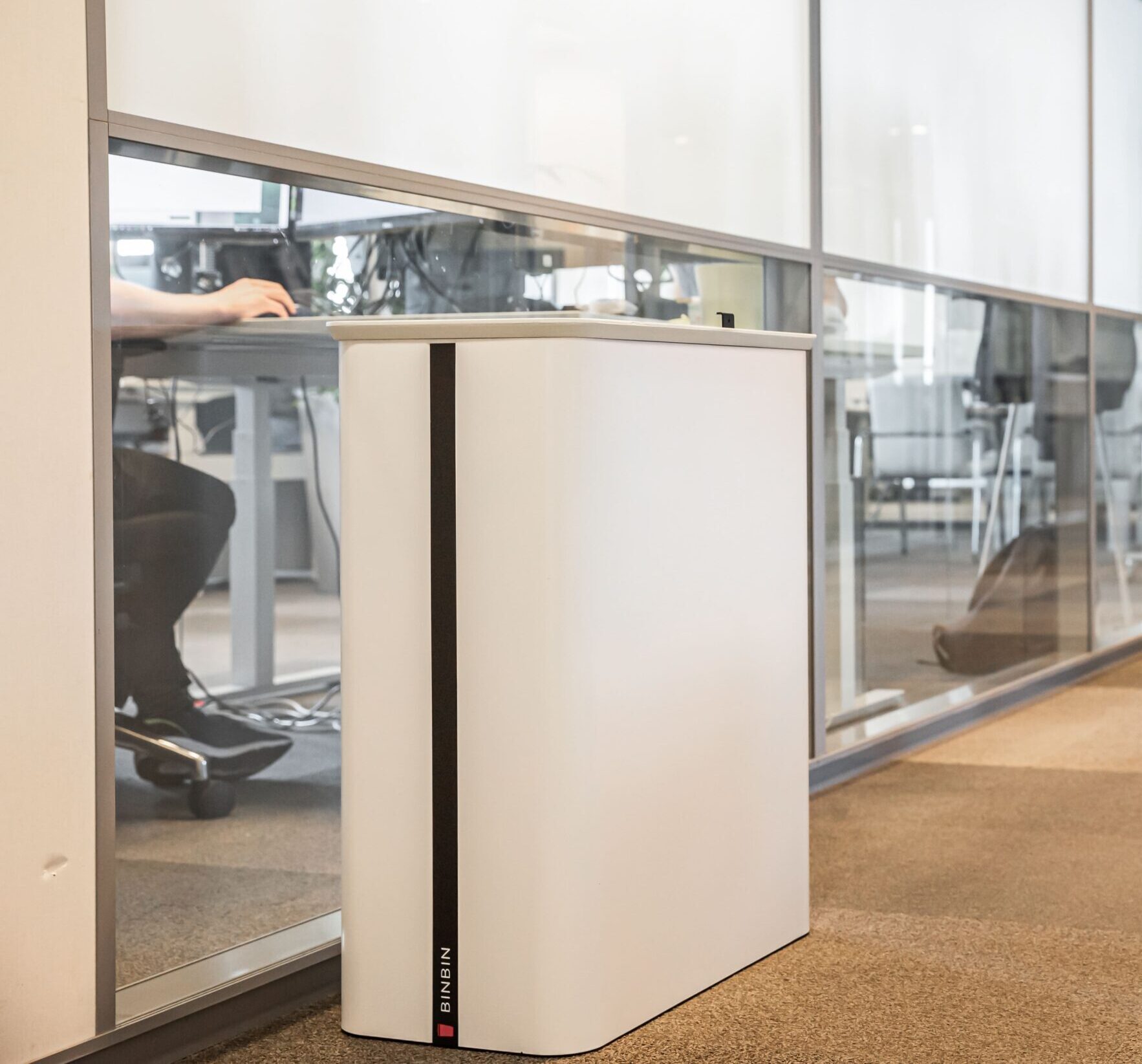
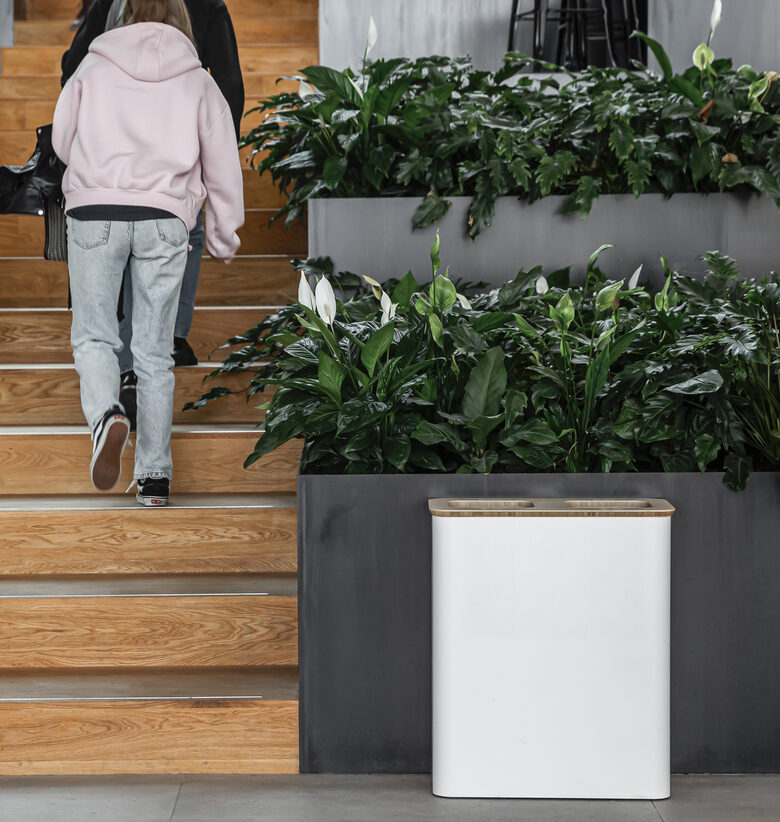
BINBIN provides comprehensive sustainable waste management solutions through modular, circularly designed systems that enable organisations to implement effective waste separation whilst maintaining aesthetic appeal and operational flexibility. Our approach addresses the complete journey from initial assessment to ongoing optimisation.
Our solutions directly support sustainable waste management through:
- 99% circular design using recycled materials that can be fully reprocessed at end-of-life
- Modular systems accommodating 1-8 waste streams with infinite reconfiguration possibilities
- Customised implementation guidance including waste audits and communication strategies
- Aesthetic integration that encourages employee participation in recycling programmes
- Scalable solutions that grow with changing organisational needs
We offer personalised consultation services to help organisations identify optimal waste separation strategies for their specific contexts. This includes comprehensive business scans, digital waste assessments, and ongoing support for implementation and optimisation.
Our [modular waste separation systems](https://binbingroup.com/sa/brands/) enable organisations to start small and expand their sustainable waste management capabilities as needs evolve, ensuring long-term success and maximum return on investment.
Ready to transform your organisation's waste management approach? [Contact us for a complimentary consultation](https://binbingroup.com/sa/trial-placement/) to discover how BINBIN can help you achieve your sustainability goals whilst improving operational efficiency and reducing costs.