Organic waste consists of biodegradable materials that come from living organisms, including food scraps, yard trimmings, paper products, and other naturally decomposing materials. Unlike inorganic waste, such as plastics or metals, organic waste breaks down naturally through biological processes. Understanding organic waste is crucial for proper separation, environmental protection, and creating sustainable waste management systems that reduce the burden on landfills while supporting circular economy principles.
What exactly is organic waste?
Organic waste refers to any biodegradable material that originates from living organisms and can decompose naturally through biological processes. This includes food scraps, garden clippings, paper products, and other materials that break down when exposed to bacteria, fungi, and other microorganisms in the environment.
The key characteristic that distinguishes organic from inorganic waste is its ability to decompose. While inorganic materials like plastic, glass, and metals remain unchanged for decades or centuries, organic waste breaks down into basic nutrients that can enrich soil and support new plant growth. This natural cycle makes organic waste a valuable resource rather than simply rubbish to dispose of.
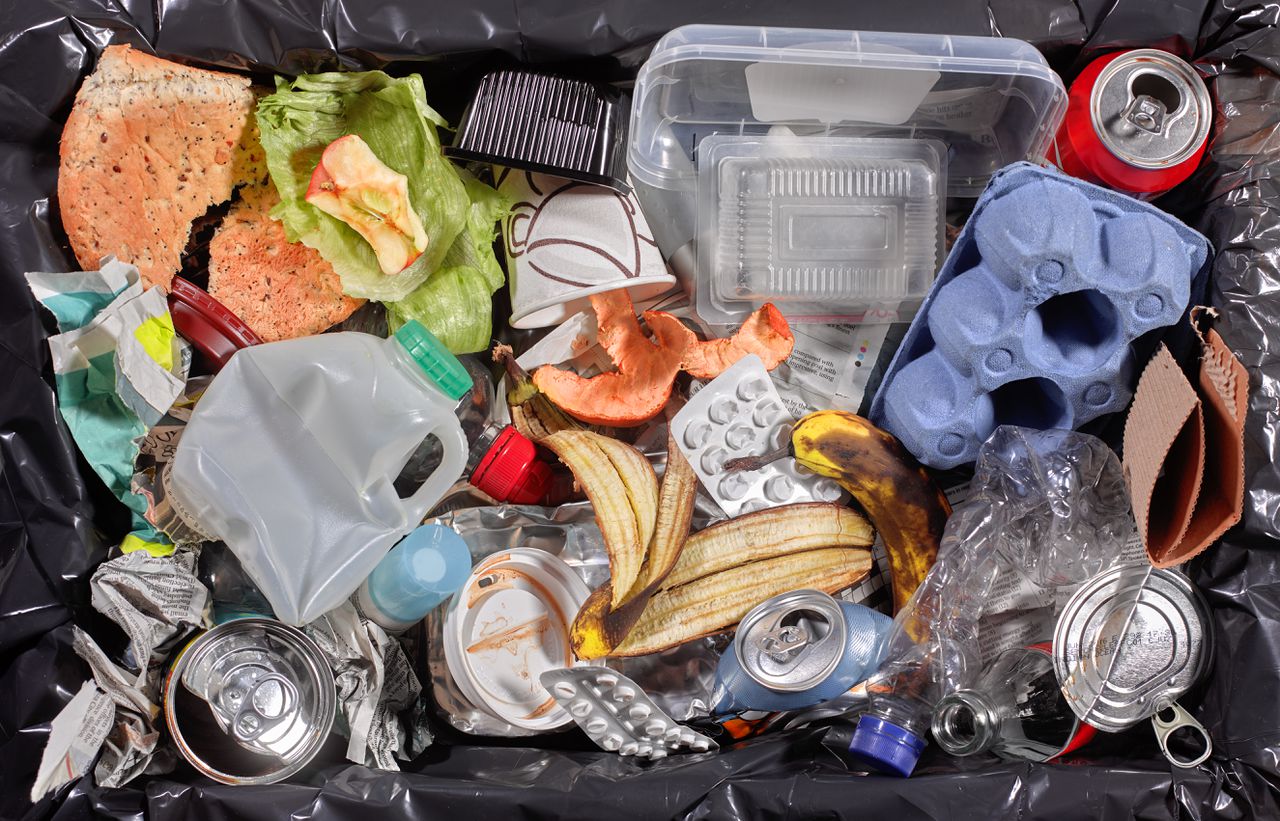
Common examples include fruit and vegetable peels, coffee grounds, eggshells, grass cuttings, fallen leaves, cardboard, and untreated wood. These materials contain carbon and nitrogen compounds that microorganisms can process, converting them into compost, biogas, or other useful products when managed properly.
What types of waste count as organic waste?
Organic waste encompasses several distinct categories, each requiring specific handling methods for optimal processing. Kitchen scraps represent the largest portion of household organic waste, while garden materials contribute significantly to seasonal waste volumes.
Kitchen and food waste includes:
- Fruit and vegetable scraps, peels, and cores
- Coffee grounds and tea bags (without synthetic materials)
- Eggshells and nutshells
- Bread, pasta, and grain products
- Dairy products and meat scraps (where accepted)
Garden and yard waste comprises:
- Grass clippings and hedge trimmings
- Fallen leaves and small branches
- Dead plants and flowers
- Untreated wood chips and sawdust
Paper and cardboard products that qualify include unbleached paper, cardboard packaging, paper towels, and napkins. However, glossy magazines, waxed cardboard, and chemically treated papers typically don't belong in organic waste streams due to processing additives.
Why does organic waste separation matter for the environment?
Separating organic waste prevents methane emissions from landfills while creating valuable resources through composting and biogas production. When organic materials decompose in oxygen-poor landfill conditions, they produce methane, a greenhouse gas 25 times more potent than carbon dioxide.
Proper organic waste separation supports circular economy principles by transforming waste into resources. Composted organic waste enriches soil, reducing the need for chemical fertilisers and supporting healthier plant growth. This process returns nutrients to the earth rather than losing them to landfill burial.
The environmental benefits extend beyond emission reduction. Diverting organic waste from landfills reduces the volume of waste requiring disposal, extending landfill lifespan and reducing the need for new disposal sites. Additionally, biogas production from organic waste can generate renewable energy, displacing fossil fuel consumption.
Water quality improvements also result from proper organic waste management. When organic waste decomposes in landfills, it creates leachate that can contaminate groundwater. Controlled composting and anaerobic digestion processes prevent this contamination while creating beneficial end products.
How can you identify organic waste in your daily life?
Identifying organic waste requires understanding which materials will naturally decompose and which processing systems can handle them. Simple observation and basic knowledge about material origins help determine proper classification.
Follow these steps for accurate identification:
- Apply the decomposition test: Ask whether the material would break down if buried in soil within a year. Natural materials like food scraps and paper typically pass this test.
- Check the origin: Materials from plants or animals generally qualify as organic waste, while synthetic or heavily processed items usually don't.
- Consider contamination: Food packaging, plastic bags, and items with chemical coatings shouldn't go in organic waste, even if the base material is biodegradable.
- Verify local guidelines: Different waste management systems accept different materials, so confirm which items your local programme processes.
- Look for obvious non-organic elements: Remove plastic stickers from fruit, metal staples from tea bags, and synthetic strings from packaging before disposal.
Visual cues include natural colours, fibrous textures, and materials that show signs of ageing or decomposition. Items that feel synthetic, have artificial colours, or contain obvious chemical treatments typically belong in other waste streams.
What happens to organic waste after it's collected?
Collected organic waste is processed through composting, anaerobic digestion, or other biological treatment methods that transform waste into valuable products. The specific process depends on local infrastructure, waste composition, and the intended end products.
Composting is the most common processing method, in which microorganisms break down organic materials in oxygen-rich environments. This process produces nutrient-rich compost that improves soil structure and fertility. Industrial composting facilities can process large volumes efficiently while maintaining optimal temperature and moisture conditions.
Anaerobic digestion occurs in sealed environments without oxygen, producing biogas and digestate. The biogas can generate electricity or heat, while digestate serves as a soil conditioner. This method works particularly well for food waste and other high-moisture organic materials.
Some facilities combine multiple processing approaches, using anaerobic digestion for initial biogas production followed by composting of the remaining materials. This maximises resource recovery while ensuring complete processing. The resulting products support agriculture, landscaping, and renewable energy production.
What are the most common organic waste separation mistakes?
Contamination is the biggest challenge in organic waste separation. It occurs when non-organic materials mix with biodegradable waste. Common contaminants include plastic bags, food packaging, and items with synthetic coatings that disrupt processing systems.
Many people incorrectly assume all food-related items belong in organic waste. However, heavily processed foods with preservatives, items in non-biodegradable packaging, and materials treated with chemicals can cause processing problems. Meat and dairy products, while organic, aren't accepted by all composting programmes due to odour and pest concerns.
Packaging confusion causes frequent mistakes. Biodegradable packaging isn't always suitable for municipal organic waste systems, which may lack the specific conditions needed for proper decomposition. Similarly, compostable plastics require industrial composting facilities and won't break down in home compost systems.
Timing errors also affect separation quality. Allowing organic waste to decompose for too long before collection can create odours and attract pests, while overly wet materials can cause processing difficulties. Proper storage in breathable containers and regular collection schedules prevent these issues.
How BINBIN helps with organic waste separation
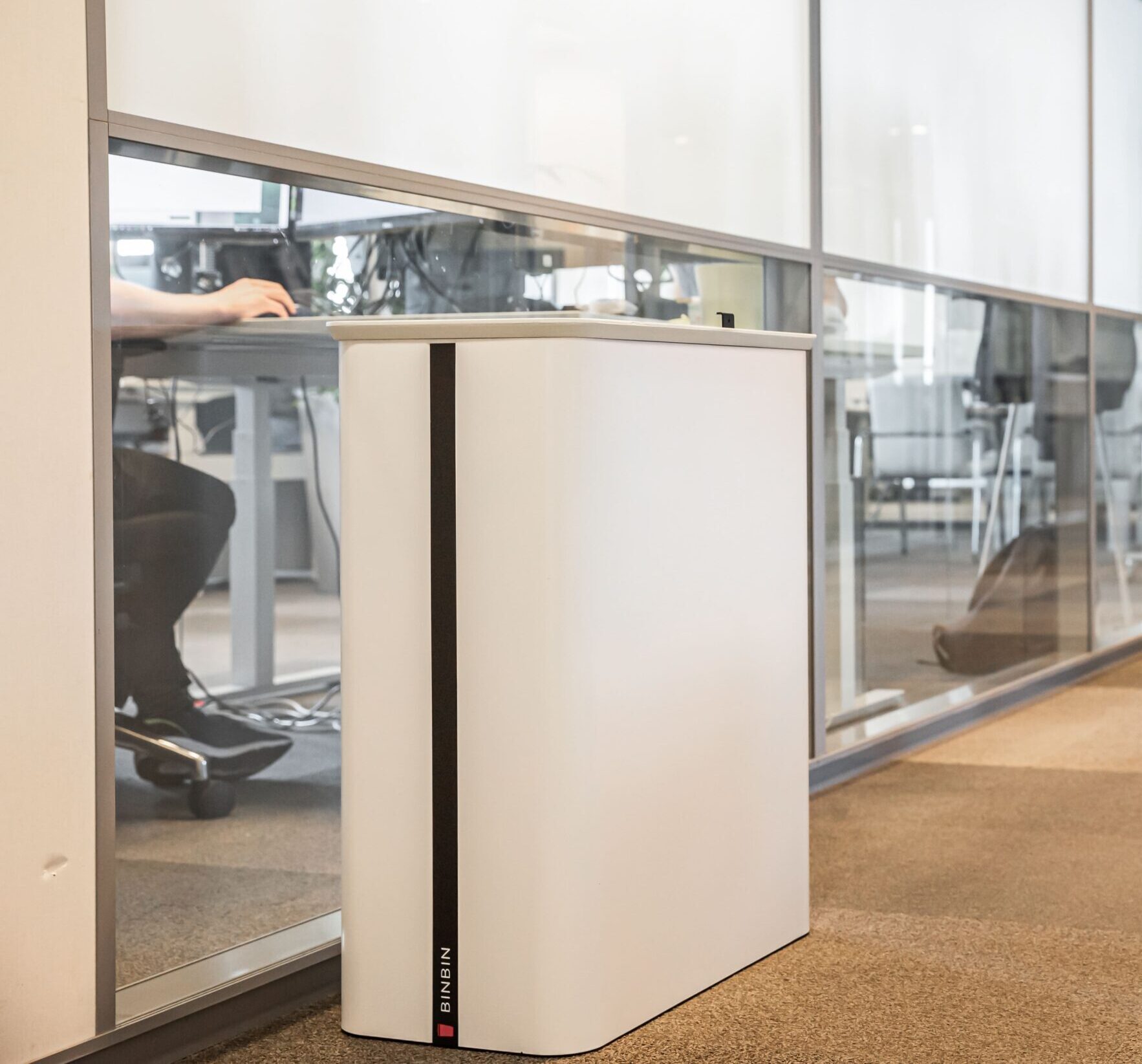
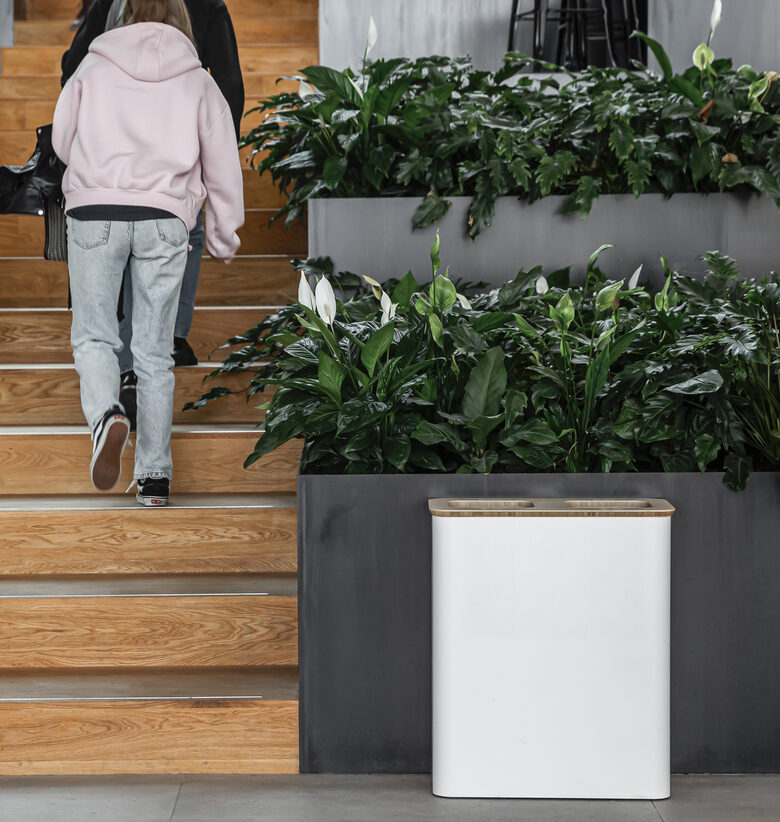
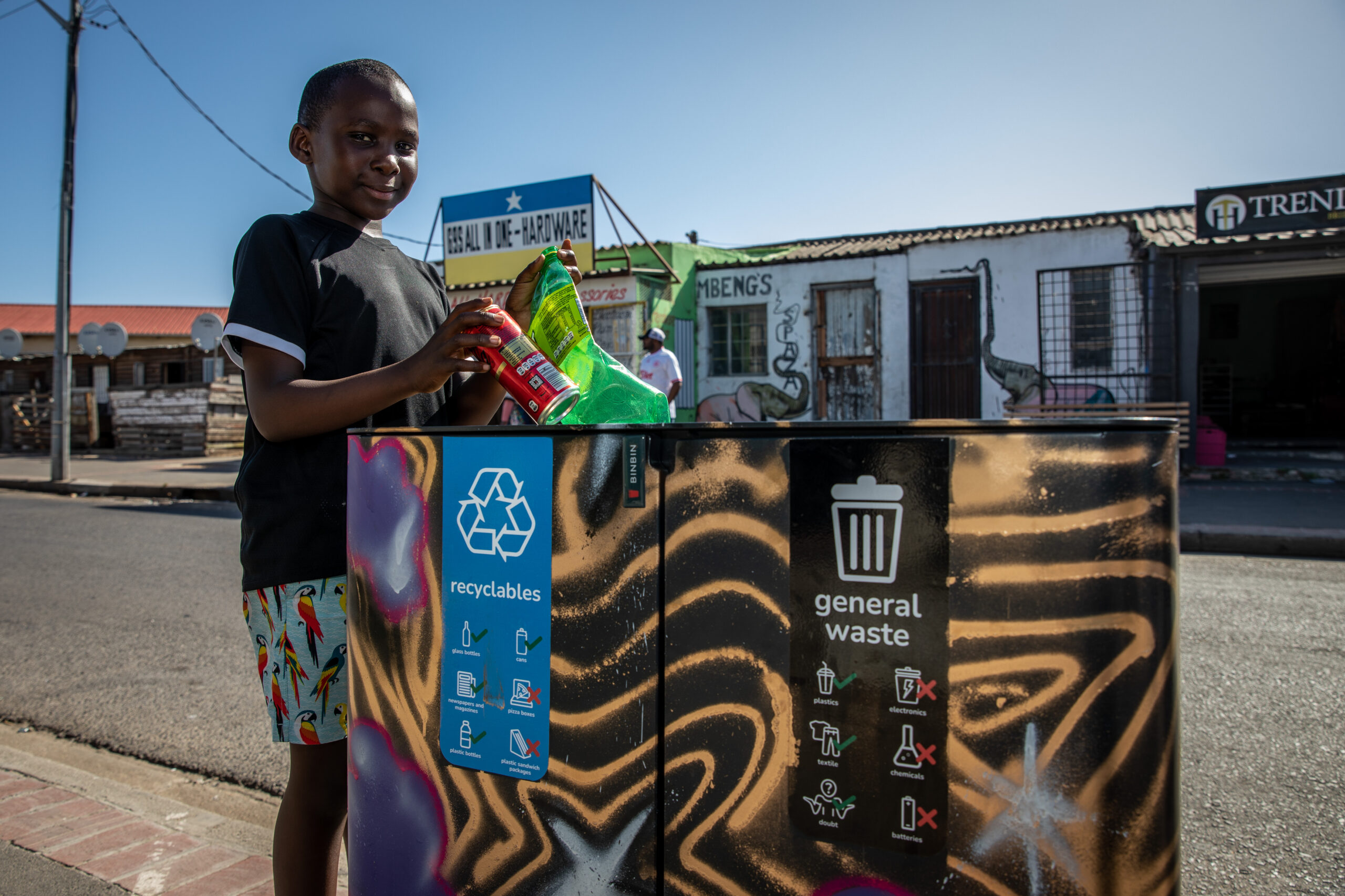
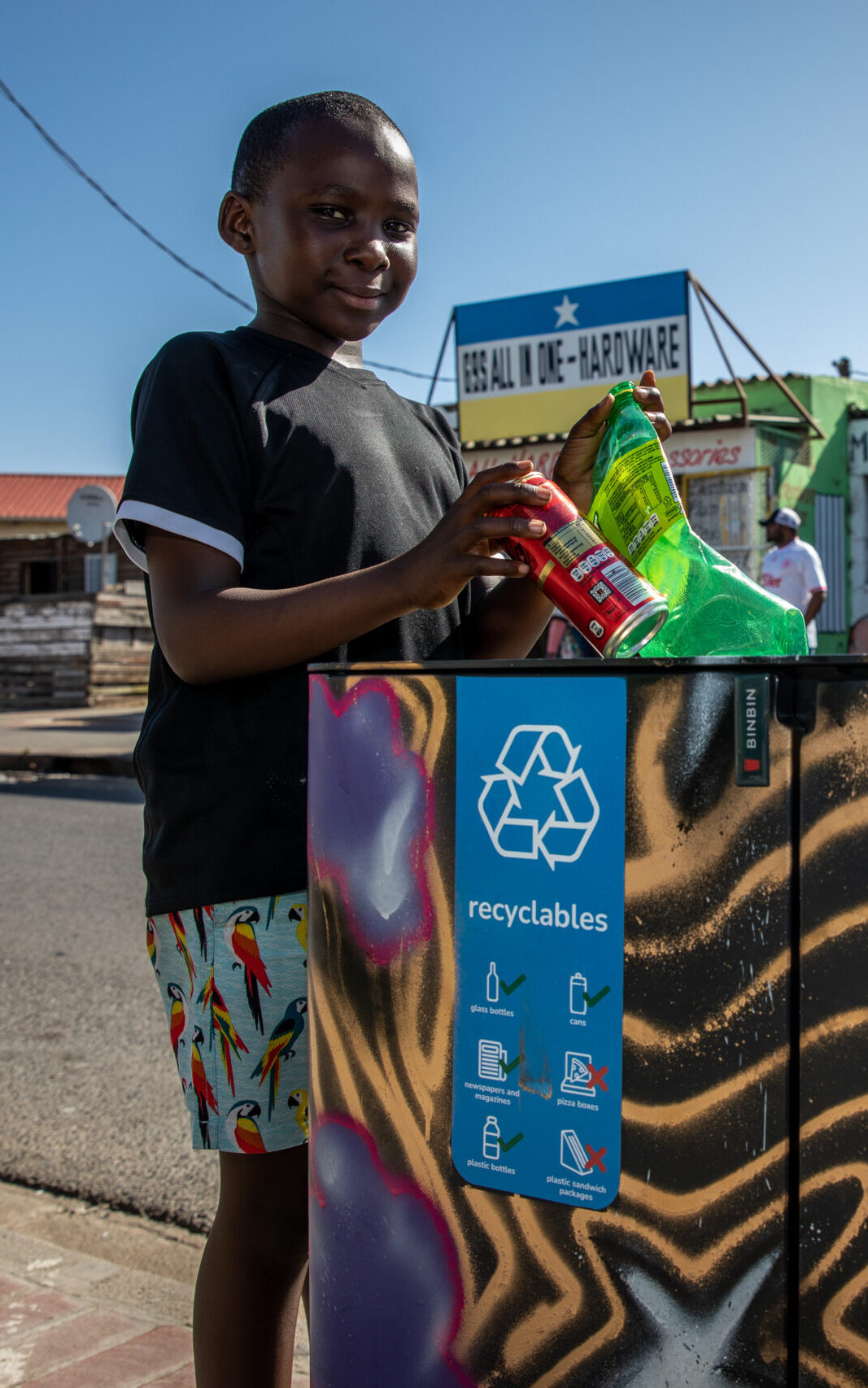
BINBIN's modular waste separation systems make organic waste collection efficient and hygienic through customisable compartment configurations that adapt to different waste streams. Our solutions address the specific challenges of organic waste management while supporting broader sustainability goals.
Key benefits for organic waste separation include:
- Dedicated compartments with proper ventilation to prevent odours and moisture buildup
- Easy-clean surfaces that maintain hygiene standards essential for food waste handling
- Flexible sizing options that accommodate varying organic waste volumes
- Clear labelling systems that reduce contamination and improve separation accuracy
- Modular design that allows the addition of organic waste streams as programmes expand
Our systems work effectively in office environments, where food waste from kitchens and dining areas requires separate collection from other waste streams. The intuitive design encourages proper separation while maintaining professional aesthetics that complement workplace environments.
Ready to improve your organic waste separation? Request a trial placement to experience how BINBIN's modular solutions can enhance your waste management programme. Our team will configure the optimal setup for your specific organic waste requirements, ensuring maximum separation efficiency and environmental benefit.