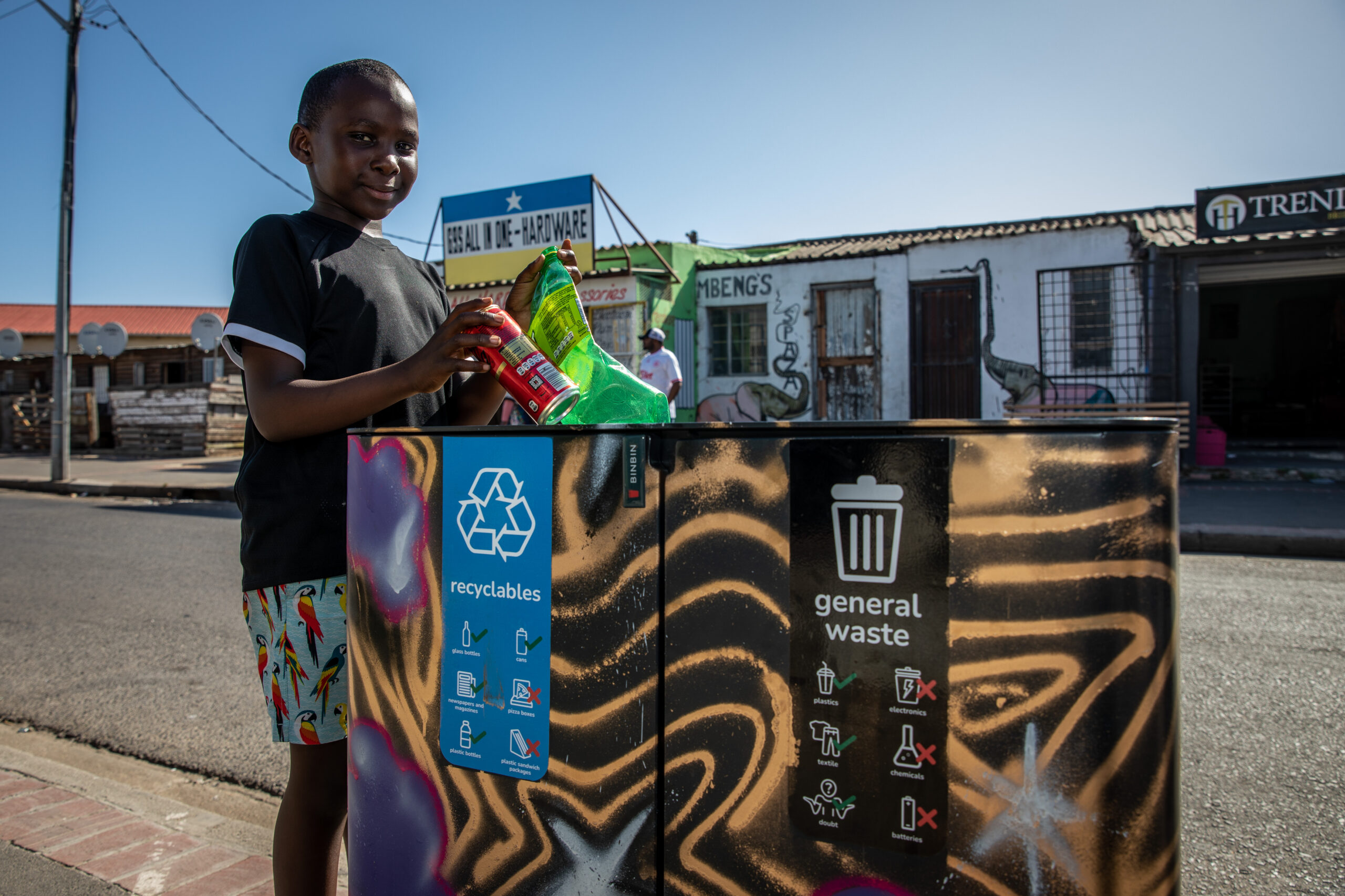
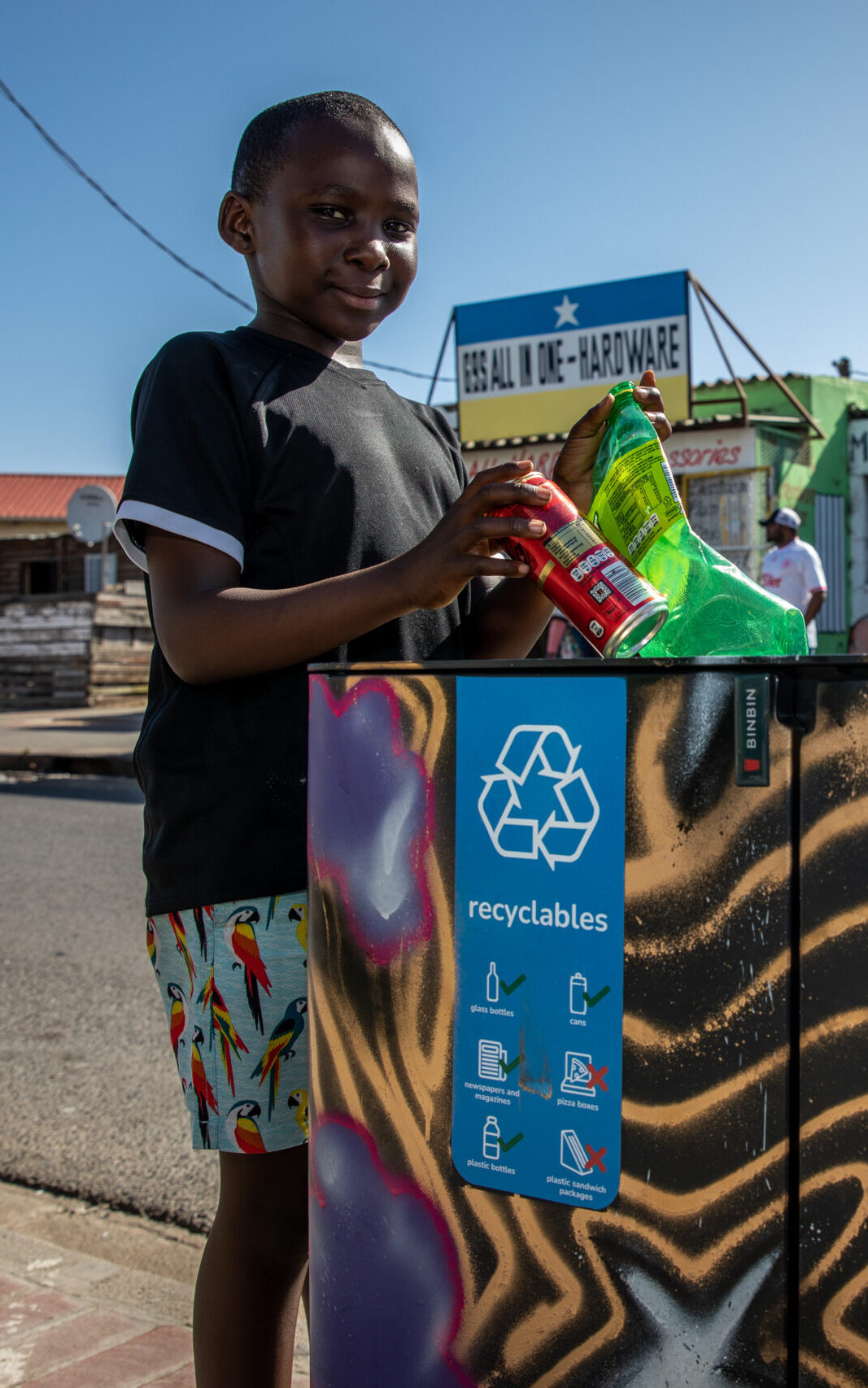
Recycling is the process of converting waste materials into new products to prevent waste disposal and reduce the consumption of fresh raw materials. It plays a crucial role in creating a circular economy in which materials continuously cycle through production, use, and reprocessing rather than following a linear path to landfills. Understanding recycling helps individuals and organisations make informed decisions about waste management and environmental responsibility.
What is recycling and why does it matter for our planet?
Recycling transforms used materials into new products through collection, processing, and manufacturing. This fundamental practice reduces the need for virgin raw materials, conserves natural resources, and significantly decreases the environmental impact of waste disposal whilst supporting circular economy principles.
The environmental importance of recycling cannot be overstated. When materials are recycled instead of discarded, we prevent valuable resources from ending up in landfills, where they contribute to soil and water contamination. Recycling also reduces energy consumption compared with producing items from raw materials, which directly decreases greenhouse gas emissions and helps combat climate change.
Beyond environmental benefits, recycling creates a foundation for sustainable development. It transforms waste from a disposal problem into a valuable resource, supporting the circular economy model in which nothing is truly wasted. This approach helps preserve finite natural resources for future generations whilst reducing pressure on ecosystems that would otherwise be exploited for raw material extraction.
How does the recycling process actually work from start to finish?
The recycling process follows a systematic journey from initial waste separation to the creation of new products. It begins with proper waste separation at the source, continues through collection and sorting, then processing and manufacturing, before returning to consumers as recycled products.
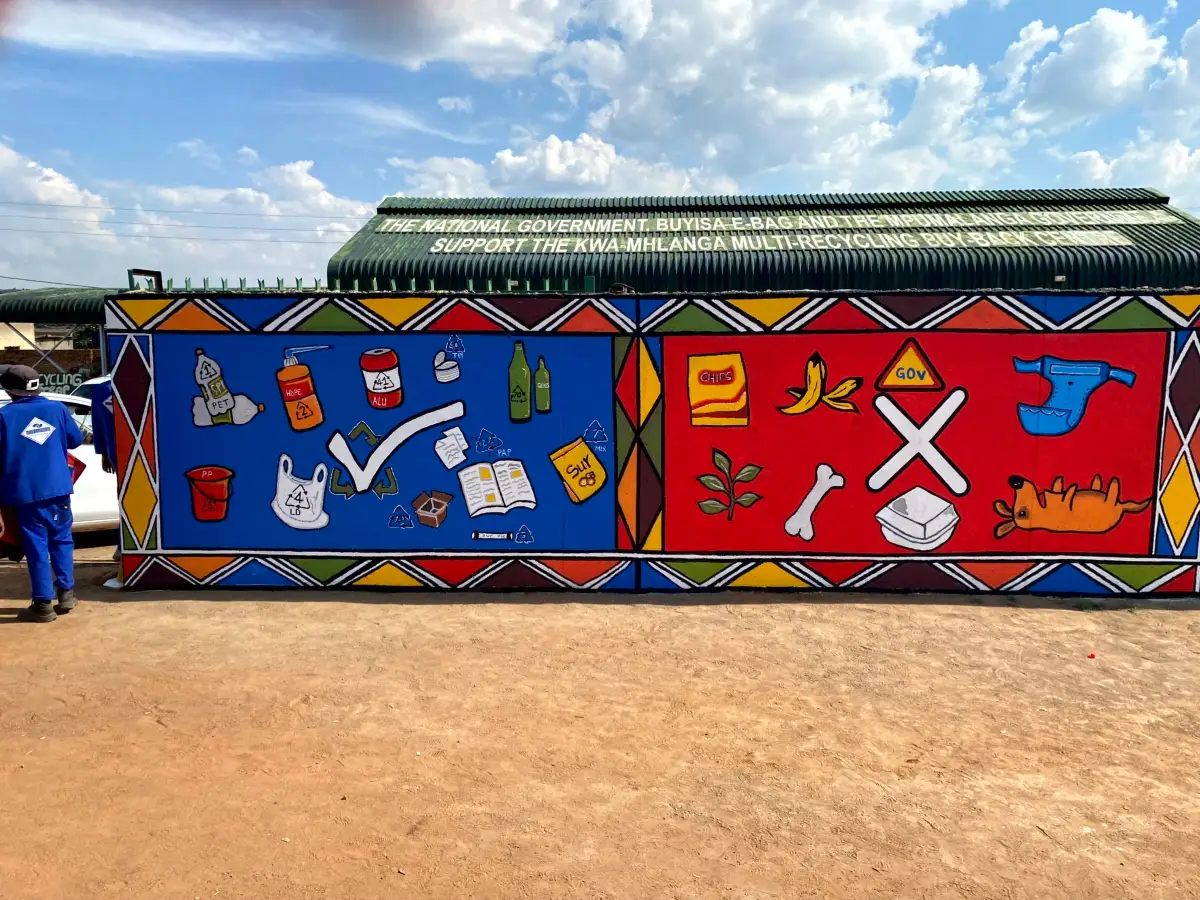
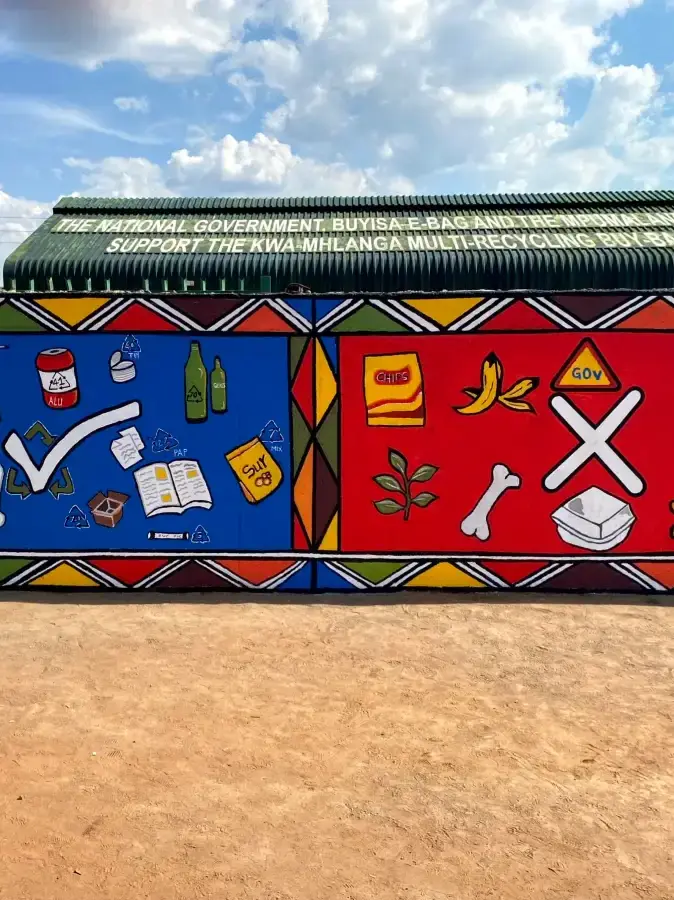
The process starts with waste separation at homes, offices, and public spaces, where different materials are sorted into appropriate streams. Effective separation at this stage is crucial because contamination can render entire batches of recyclable materials unusable. Materials are then collected by waste management services and transported to sorting facilities.
At processing facilities, materials undergo detailed sorting using both manual labour and automated systems. Plastics are separated by type, metals are sorted magnetically, and paper products are graded by quality. The sorted materials are then cleaned, processed, and transformed into raw materials ready for manufacturing.
The final stage involves manufacturing new products from these processed materials. Recycled plastics become new containers, processed paper becomes new paper products, and melted metals form new metal goods. These products then enter the marketplace, completing the circular cycle.
What are the different types of recycling methods available today?
Three primary recycling methods exist: mechanical recycling, chemical recycling, and biological recycling. Each method suits different materials and offers varying levels of effectiveness in transforming waste into usable resources, with mechanical recycling being the most common for everyday materials.
Mechanical recycling involves physically processing materials without changing their chemical structure. This method works well for plastics, paper, metals, and glass. Materials are cleaned, shredded, melted, or pulped before being reformed into new products. It is the most energy-efficient method and handles the majority of household recyclables.
Chemical recycling breaks down materials at the molecular level, allowing for more complex transformations. This method is particularly valuable for plastics that cannot be mechanically recycled or that have been contaminated. The process creates new raw materials that can be used to manufacture products with the same quality as virgin materials.
Biological recycling, including composting and anaerobic digestion, handles organic waste materials. Food scraps, garden waste, and biodegradable packaging break down naturally with the help of microorganisms, creating nutrient-rich compost or biogas that can be used for energy production.
Which materials can and cannot be recycled in most programmes?
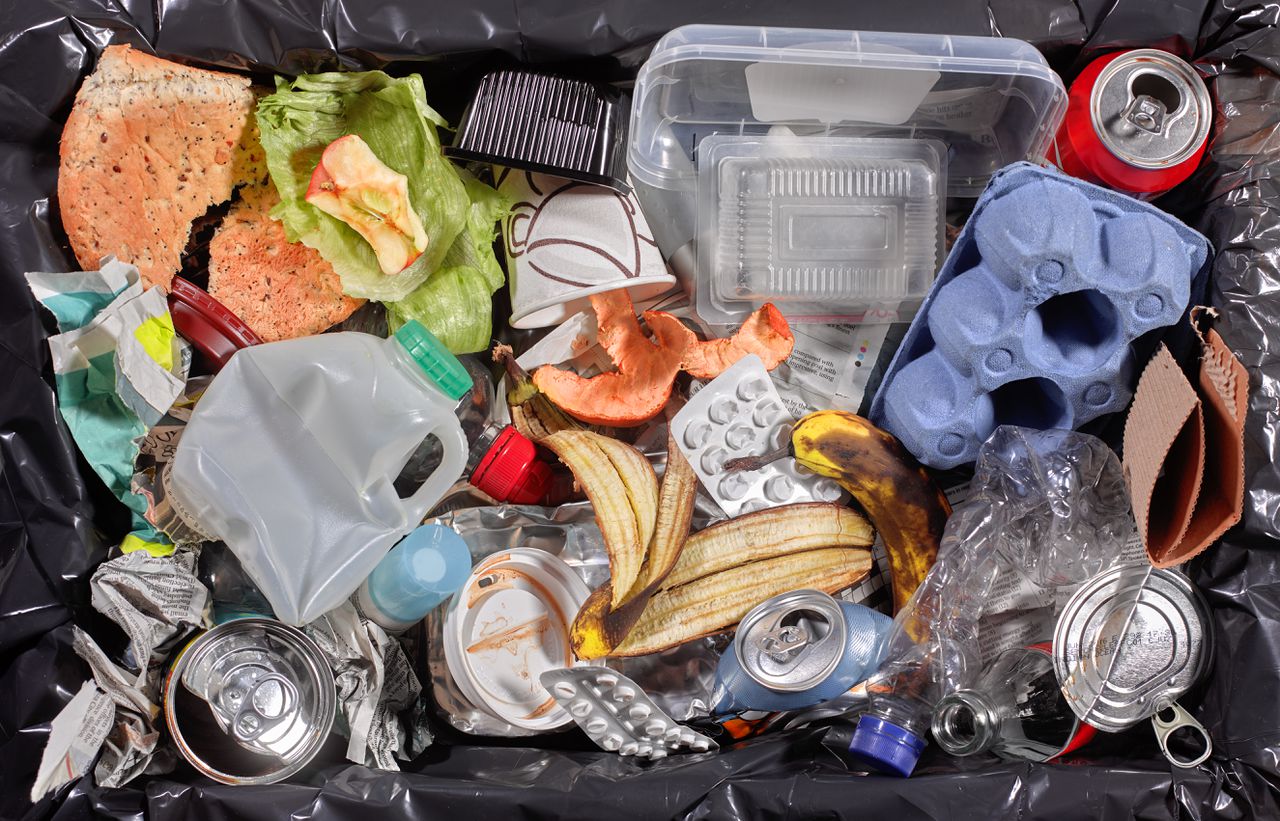
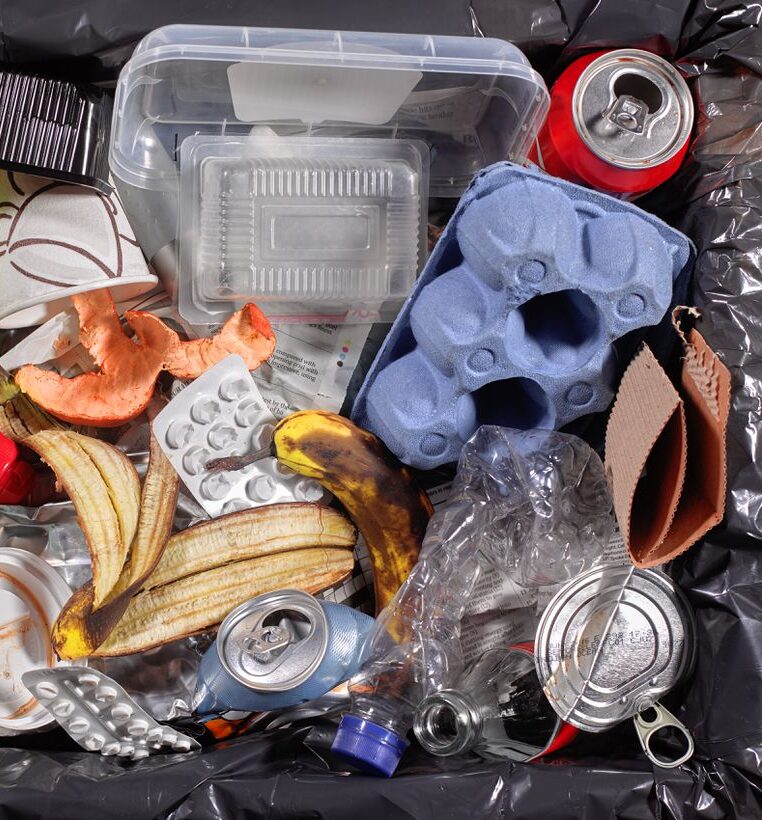
Common recyclable materials include paper, cardboard, glass bottles, aluminium cans, steel cans, and many plastic containers marked with recycling symbols. However, contaminated materials, certain plastics, electronics, and hazardous waste typically cannot be processed through standard recycling programmes and require specialised handling.
Easily recyclable materials include:
- Clean paper and cardboard
- Glass bottles and jars
- Aluminium and steel cans
- Plastic bottles and containers (types 1–7)
- Newspapers and magazines
Materials that cause problems in recycling include food-contaminated packaging, broken glass, electronics, batteries, and mixed-material items such as coffee cups with plastic linings. Proper waste separation dramatically improves recycling success rates by preventing contamination that can spoil entire batches of otherwise recyclable materials.
Understanding local recycling guidelines is essential because capabilities vary between regions. What is recyclable in one area might not be accepted elsewhere due to differences in processing facilities and market demand for recycled materials.
What are the main benefits of recycling for businesses and communities?
Recycling delivers significant economic, environmental, and social benefits, including reduced waste disposal costs, job creation in the recycling industry, decreased landfill use, and enhanced corporate sustainability credentials. These advantages make recycling programmes valuable investments for organisations and communities.
Economic benefits include substantial cost savings on waste disposal fees, as recycling often costs less than landfill disposal. Businesses can also generate revenue by selling valuable recyclable materials such as metals, high-grade paper, and certain plastics. The recycling industry creates numerous employment opportunities, from collection and sorting to processing and manufacturing.
Environmental advantages extend beyond waste reduction. Recycling conserves natural resources, reduces energy consumption in manufacturing, and decreases pollution from both extraction and disposal processes. For businesses, robust recycling programmes demonstrate environmental responsibility, which increasingly influences customer loyalty and stakeholder relationships.
Social benefits include community engagement around environmental issues, educational opportunities about sustainability, and improved local environments through reduced littering and better waste management practices.
How can organisations improve their recycling and waste separation practices?
Successful recycling programmes require clear systems, employee education, appropriate infrastructure, and regular monitoring. Organisations should start by conducting waste audits, implementing proper separation systems, training staff, and establishing feedback mechanisms to track progress and identify improvements.
Begin with a comprehensive waste audit to understand what materials your organisation generates and in what quantities. This information guides decisions about office waste management systems and helps identify the most impactful recycling opportunities.
Effective implementation includes:
- Installing clearly labelled separation systems throughout the facility
- Providing comprehensive training to all staff members
- Establishing partnerships with reliable waste collection services
- Creating feedback systems to monitor progress and address challenges
- Regularly reviewing and updating practices based on results
Success depends on making recycling convenient and intuitive. Place recycling stations in high-traffic areas, ensure clear signage, and provide ongoing education about proper separation techniques. Regular communication about achievements helps maintain engagement and demonstrates the programme's value.
How BINBIN helps with recycling and waste separation
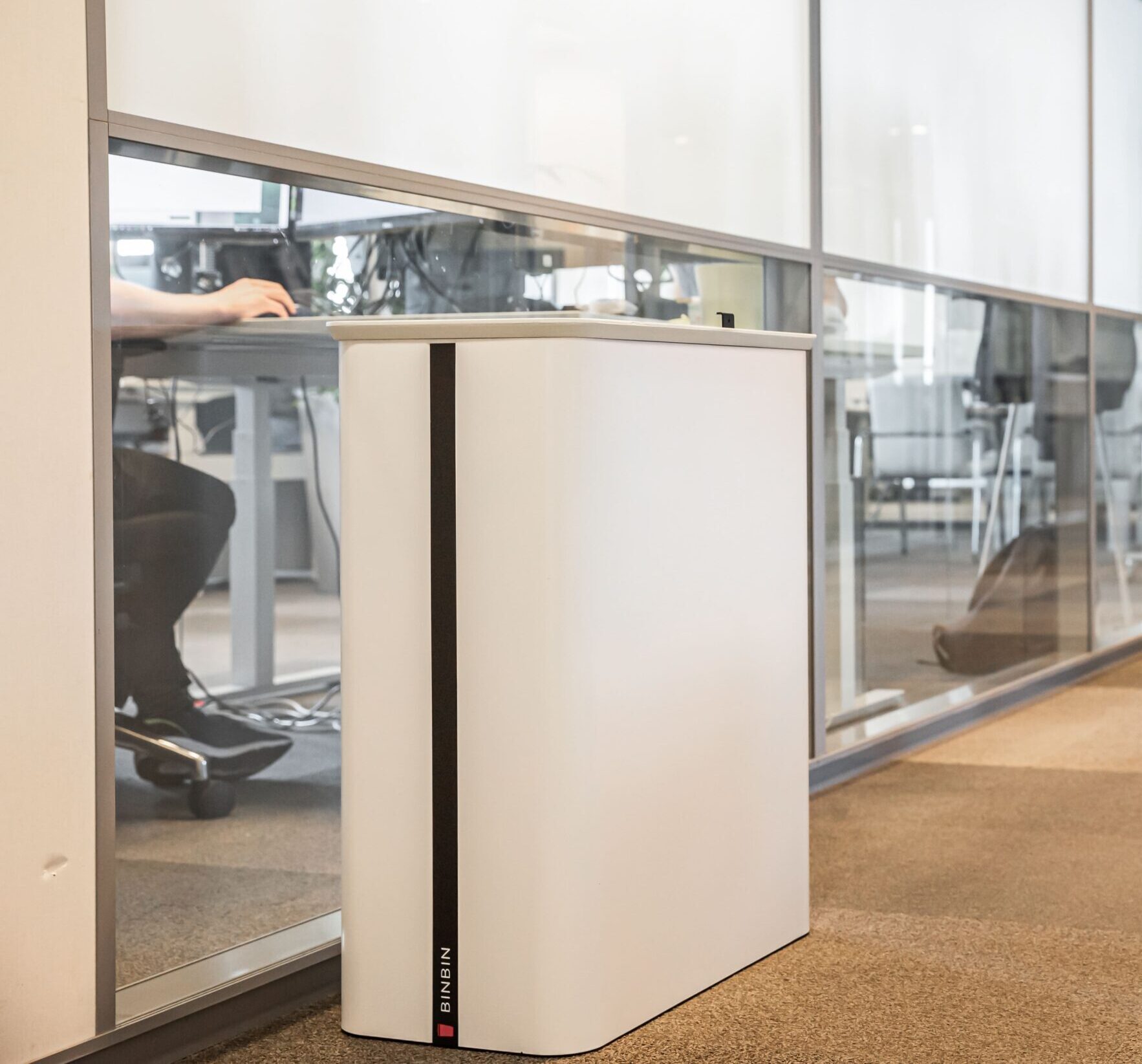
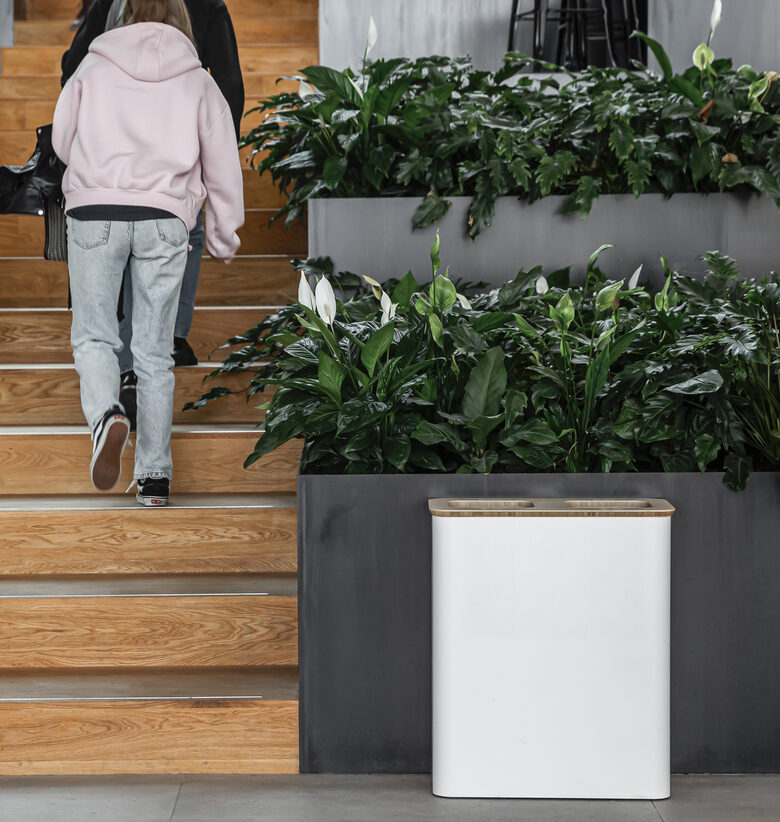
We provide comprehensive modular waste separation solutions designed specifically for effective recycling programmes. Our systems support the entire recycling process by ensuring proper waste separation at the source, which is crucial for successful material recovery and processing.
Our modular approach offers several key advantages for organisations serious about recycling:
- Configurable systems accommodating 1 to 8 different waste streams
- Adaptable compartments that can be split or combined as needs change
- 99% circular design using recycled and recyclable materials
- Clean, intuitive design that encourages proper use
- Customisable branding options for consistent workplace aesthetics
Whether you need solutions for offices, educational institutions, hospitality venues, or public spaces, our waste separation systems are designed to make recycling straightforward and effective. The modular design means your investment adapts as your organisation's needs evolve, supporting long-term sustainability goals.
Ready to improve your recycling success rates? Explore our trial placement options to see how proper waste separation can transform your organisation's environmental impact and discover our complete range of sustainable waste management solutions.