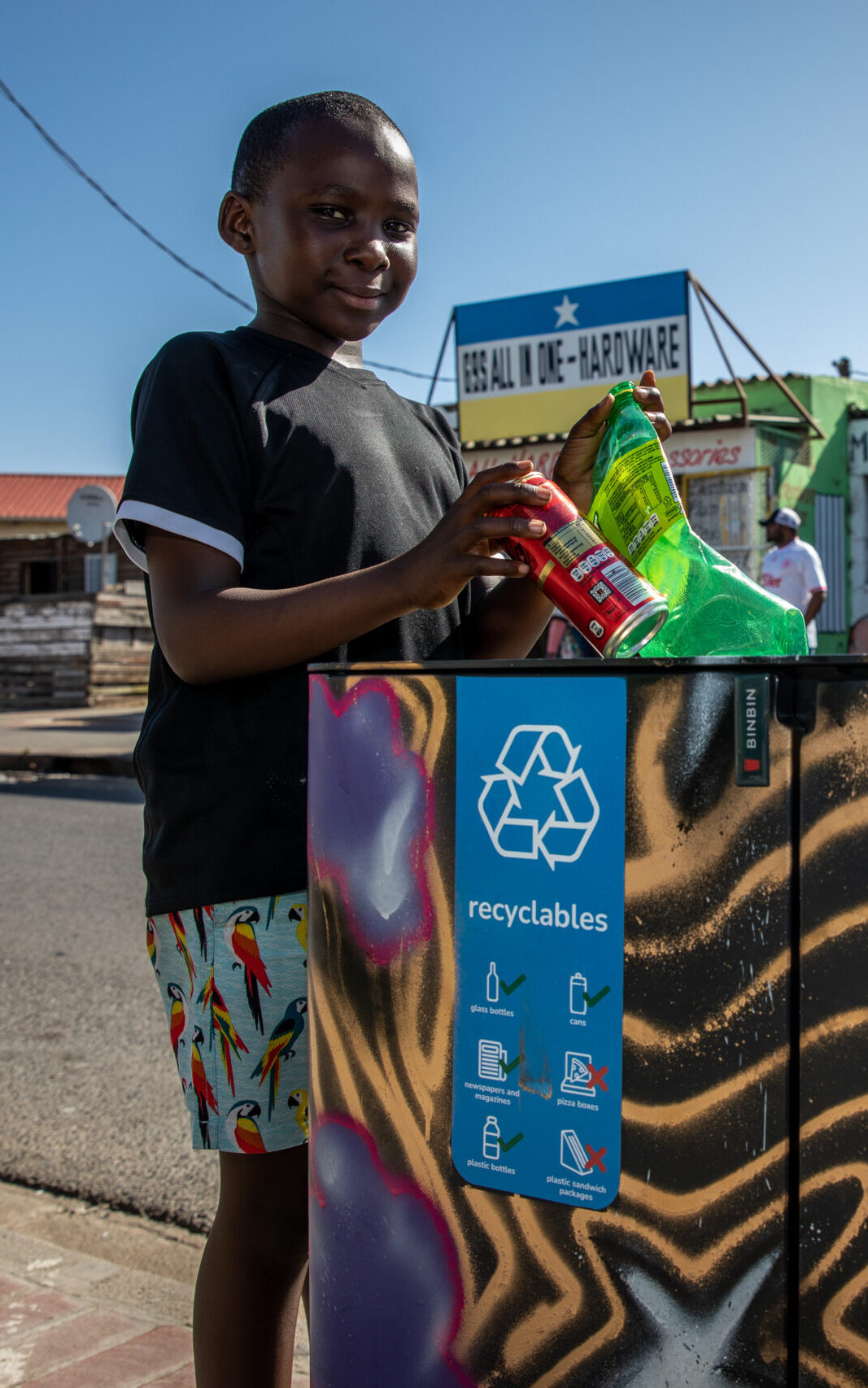
Waste reduction prevents waste at the source, while recycling processes existing waste into new materials. Waste reduction sits at the top of the waste hierarchy as the most effective environmental strategy, focusing on eliminating waste before it is generated. Recycling operates lower in the hierarchy, transforming discarded materials into useful products. Both approaches are essential for sustainable waste management, but they serve different purposes in building a circular economy.
What is the fundamental difference between waste reduction and recycling?
Waste reduction focuses on preventing waste generation before it occurs, while recycling transforms existing waste materials into new products. Waste reduction addresses the root cause by eliminating unnecessary consumption, improving product design, and optimising processes. Recycling addresses the aftermath by collecting, processing, and remanufacturing discarded materials.
The waste hierarchy positions these strategies differently. Waste reduction occupies the top tier alongside prevention and reuse, representing the most environmentally beneficial approaches. Recycling sits in the middle tier, serving as an important but secondary solution when waste cannot be prevented.
Consider packaging decisions: waste reduction might involve eliminating unnecessary packaging layers or switching to digital receipts. Recycling would process discarded packaging materials into new containers or products. Both approaches contribute to environmental protection, but waste reduction prevents environmental impacts entirely rather than managing them after the fact.
Why is waste reduction considered more effective than recycling?
Waste reduction requires less energy and fewer resources than recycling while delivering greater environmental benefits. Prevention eliminates the entire lifecycle impact of materials, including extraction, manufacturing, transportation, and disposal. Recycling, while valuable, still consumes energy for collection, sorting, cleaning, and reprocessing.
The economic advantages are equally compelling. Waste reduction saves money by eliminating purchase costs, disposal fees, and handling expenses. Recycling generates some value from waste materials but requires ongoing operational costs for processing infrastructure and logistics.
Environmental impact studies consistently show that waste reduction delivers superior outcomes. Preventing one tonne of waste eliminates all associated carbon emissions, water use, and resource depletion. Recycling one tonne of waste reduces these impacts but cannot eliminate them entirely due to processing requirements.
Quality degradation also limits recycling effectiveness. Many materials lose properties during recycling and eventually require virgin inputs. Waste reduction maintains material integrity by keeping products in use longer or eliminating them altogether.
How can organisations implement effective waste reduction strategies?
Organisations can reduce waste through systematic process improvements and changes in consumption patterns. Digital transformation offers immediate opportunities: electronic documents replace paper, virtual meetings reduce travel-related waste, and cloud storage eliminates the need for physical media. Design improvements create lasting impact by addressing waste generation at the source.
Practical implementation strategies include:
- Conducting waste audits to identify major waste streams and reduction opportunities
- Implementing double-sided printing and digital-first policies for office communications
- Optimising inventory management to reduce expired products and overstocking
- Choosing suppliers with minimal packaging and take-back programmes
- Training staff in waste-conscious behaviours and decision-making
Process optimisation delivers significant results. Manufacturing organisations can redesign production methods to minimise offcuts and defective products. Service businesses can streamline operations to reduce consumable use. Procurement policies should prioritise durable, repairable products over disposable alternatives.
Regular monitoring and feedback systems help maintain momentum. Track waste volumes, cost savings, and environmental benefits to demonstrate progress and identify additional opportunities for improvement.
What are the main types of recycling and how do they work?
Mechanical recycling physically processes materials without changing their chemical structure, while chemical and biological recycling break down materials at the molecular level. Each method suits different materials and quality requirements, offering various pathways for recovering waste materials.
Mechanical recycling involves sorting, cleaning, shredding, and melting materials such as plastics, metals, and paper. The process maintains basic material properties while accepting some quality degradation. Common examples include turning plastic bottles into fleece clothing or aluminium cans into new containers.
Chemical recycling breaks molecular bonds to create base chemicals for new products. This process handles contaminated or mixed materials that mechanical recycling cannot process effectively. Chemical recycling produces higher-quality outputs but requires more energy and sophisticated technology.
Biological recycling uses natural decomposition processes for organic materials. Composting and anaerobic digestion transform food waste, garden clippings, and biodegradable materials into soil amendments or biogas. These processes work with natural biological systems to recover nutrients and energy.
Each recycling type has specific infrastructure requirements, processing capabilities, and output qualities. Understanding these differences helps organisations choose appropriate recycling partners and design effective waste management systems.
Which materials can be recycled and which should be reduced instead?
High-quality materials such as aluminium, steel, and glass recycle effectively with minimal quality loss, while complex composites, contaminated materials, and single-use items benefit more from reduction strategies. Material composition, contamination levels, and local processing capabilities determine the most appropriate approach.
Materials well suited to recycling maintain structural integrity through multiple processing cycles. Aluminium cans retain their properties indefinitely, making recycling highly effective. Glass containers can be reprocessed repeatedly without quality degradation. High-grade paper and cardboard recycle successfully when uncontaminated.
Materials better addressed through reduction include:
- Multi-layer packaging with different material types bonded together
- Contaminated items that require extensive cleaning or cannot be adequately cleaned
- Products with short useful lives that generate frequent waste streams
- Materials with limited local recycling infrastructure or markets
- Items containing hazardous substances that complicate processing
Plastic recycling presents particular challenges. While some plastics recycle well, many degrade during processing or lack viable recycling markets. Single-use plastics often benefit more from elimination than recycling due to contamination and collection difficulties.
Local infrastructure significantly influences material suitability. Materials with robust local recycling systems should be recycled when reduction is not possible. Materials without local processing capabilities require reduction strategies or alternative disposal methods.
How do waste reduction and recycling work together in a circular economy?
Waste reduction and recycling create complementary closed-loop systems that maximise resource efficiency and minimise environmental impact. Waste reduction extends product lifecycles and reduces material demand, while recycling captures value from unavoidable waste streams. Together, they create circular material flows that eliminate waste as a concept.
The circular economy model integrates both strategies hierarchically. Waste reduction operates at the design and consumption stages, creating products that last longer, use fewer materials, and generate less waste. Recycling provides a safety net, ensuring materials that do become waste return to productive use rather than being disposed of.
Successful circular systems require both approaches to work in coordination. Product designers incorporate recyclable materials and design for disassembly while minimising material use. Consumers extend product lifecycles through proper maintenance and repair while participating in recycling programmes for end-of-life products.
Industrial symbiosis exemplifies this integration. Manufacturing facilities reduce waste through process improvements while using recycled materials as inputs. Waste from one process becomes feedstock for another, creating interconnected systems that eliminate disposal needs.
Digital technologies enable circular economy coordination. Tracking systems monitor material flows, identify reduction opportunities, and optimise recycling logistics. Data analytics reveal patterns that inform both waste reduction strategies and recycling system improvements.
How BINBIN helps with waste reduction and recycling optimisation
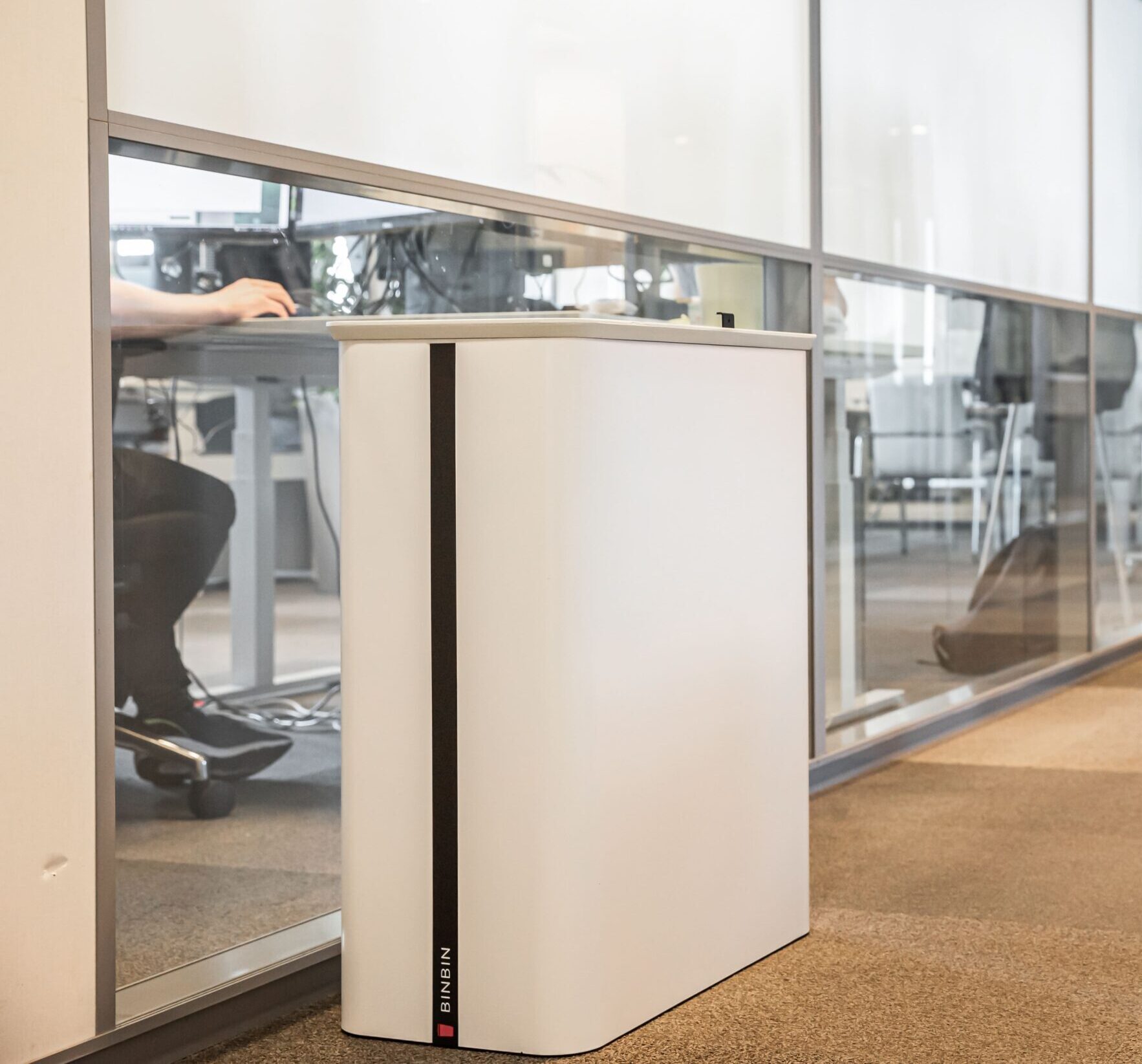
Our modular waste separation solutions support both waste reduction and recycling optimisation through intelligent design and flexible configuration. The Globular series enables organisations to adapt their waste management systems as needs change, preventing the waste associated with replacing entire systems when requirements evolve.
Key features that support integrated waste management include:
- Modular design that eliminates system replacement waste by allowing configuration changes
- Internal compartment splitting that accommodates new waste streams without additional bins
- 99% circular construction using recycled materials that return to the supply chain
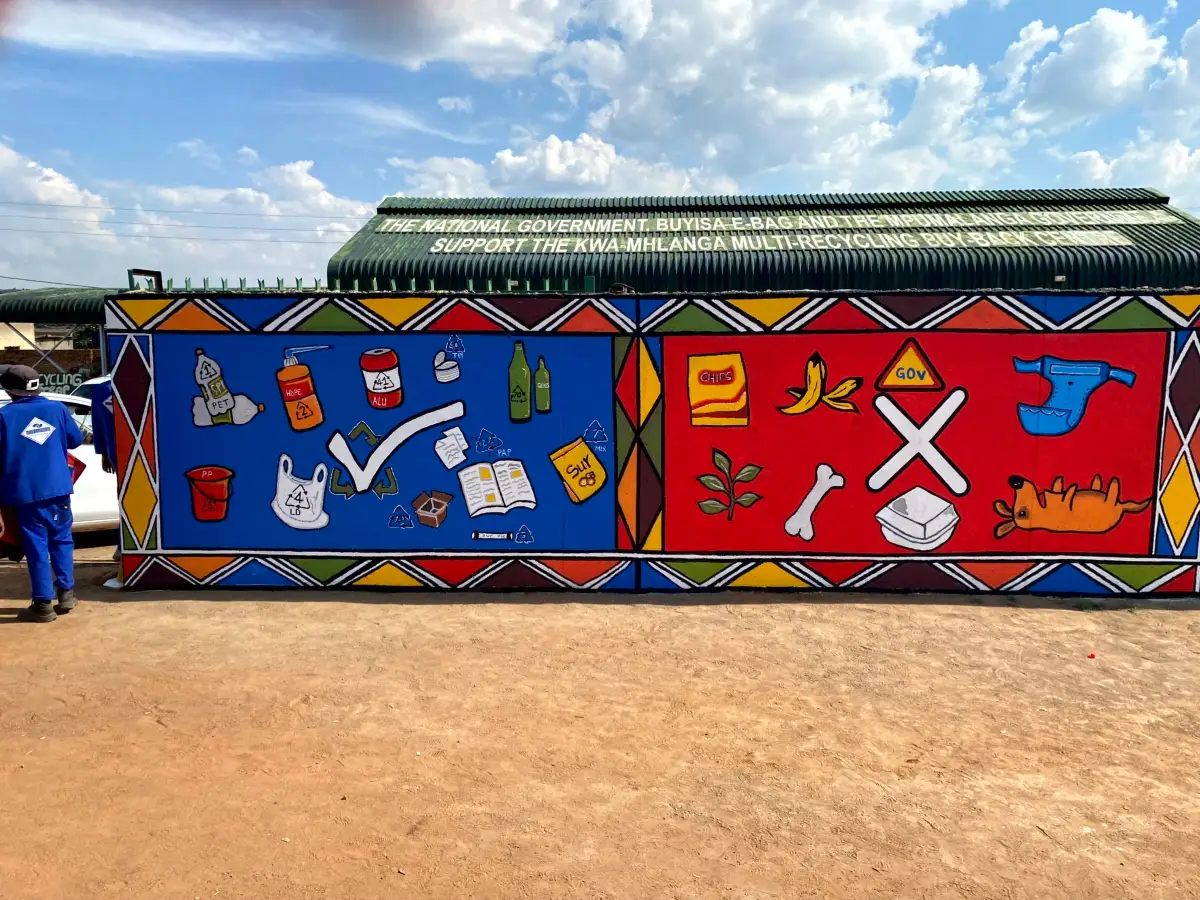
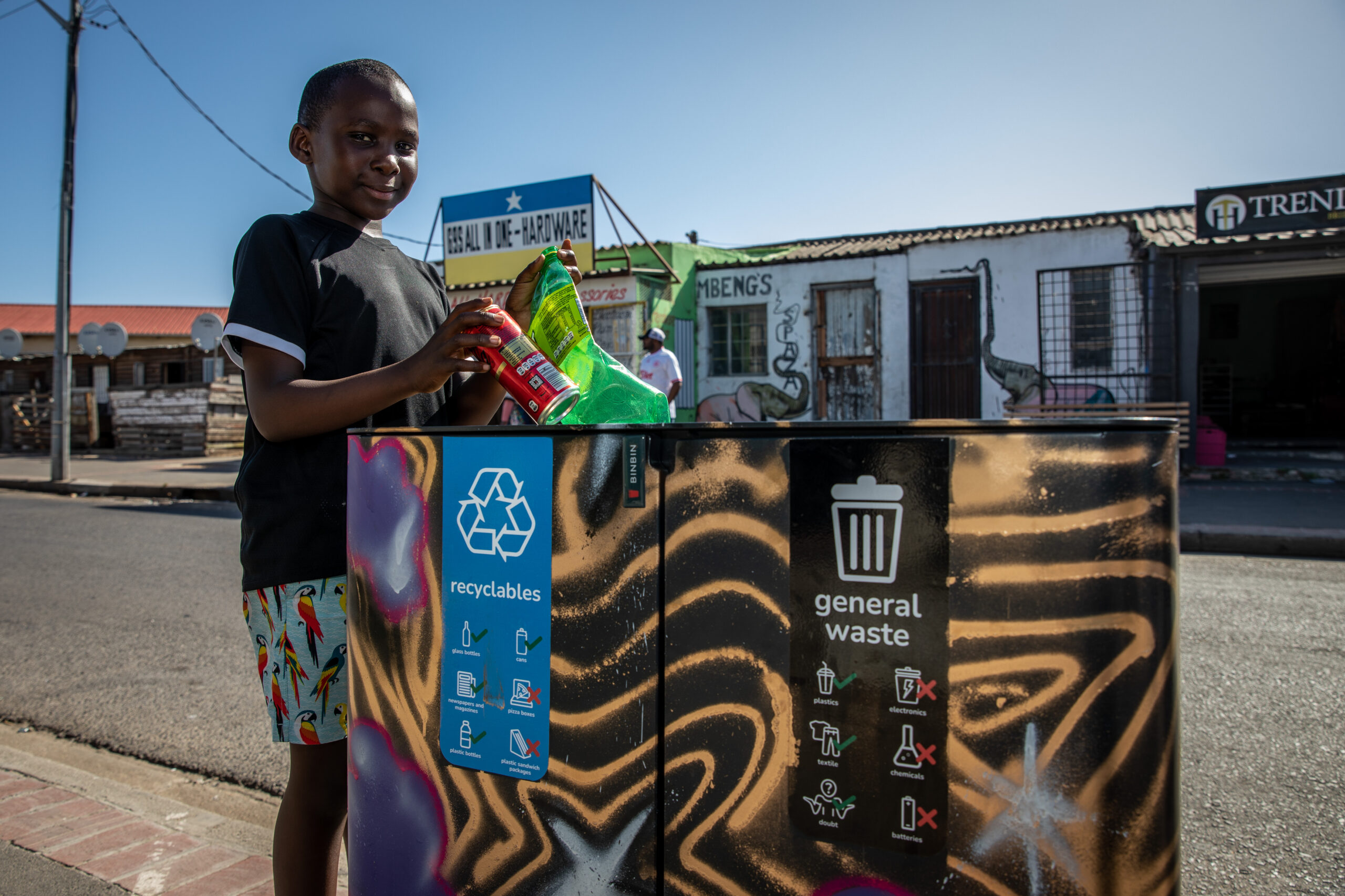
- Clear stream separation that improves recycling quality and reduces contamination
- Customisable configurations for office environments and other organisational contexts
Our approach addresses both waste hierarchy priorities simultaneously. The modular system reduces waste by lasting longer and adapting rather than requiring replacement. Effective stream separation optimises recycling by maintaining material purity and reducing contamination that renders materials non-recyclable.
Ready to implement comprehensive waste reduction and recycling optimisation? Contact us for a trial placement to experience how modular waste separation systems can transform your organisation's circular economy performance while reducing environmental impact and operational costs.