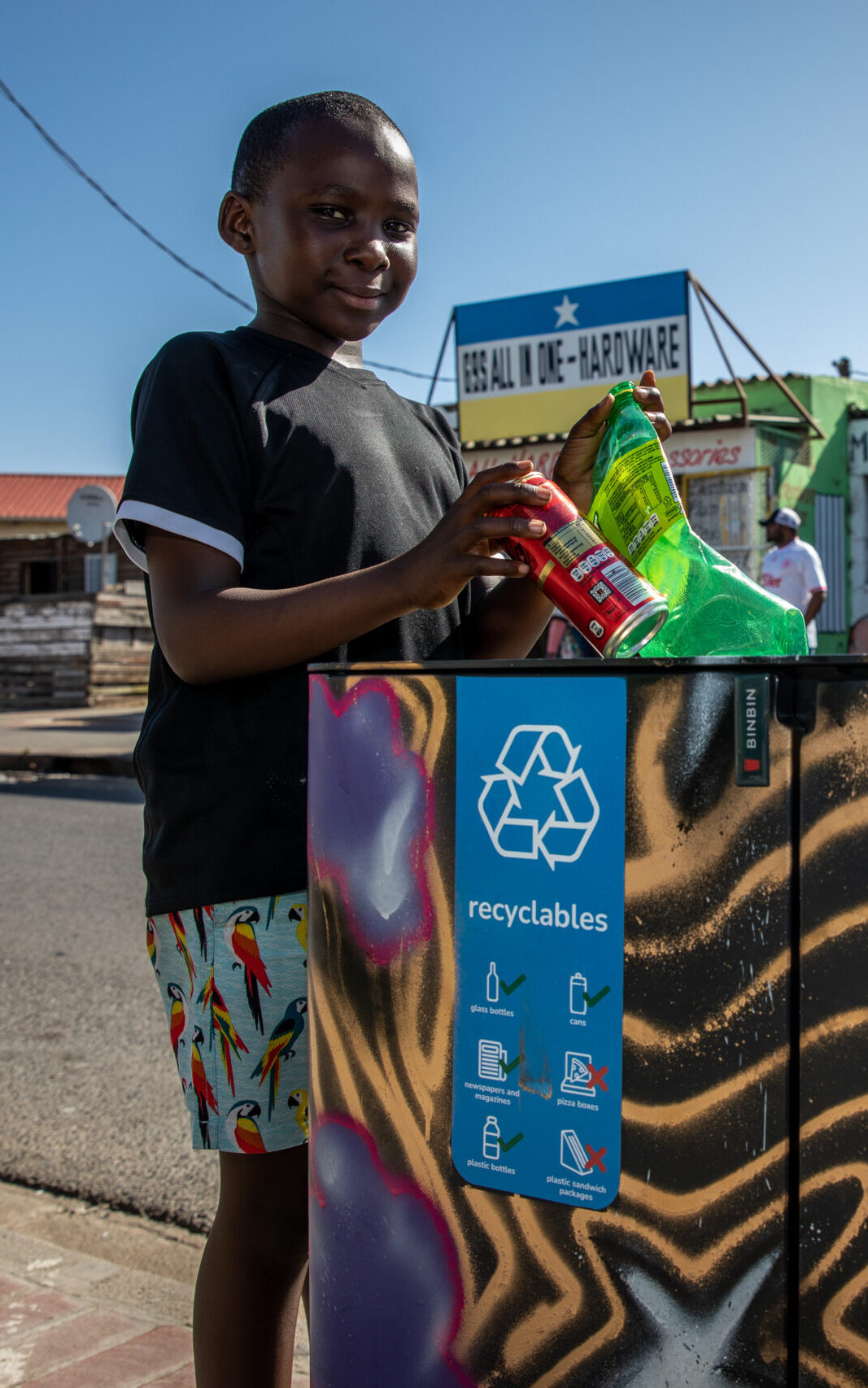
The National Environmental Management: Waste Act (NEMWA), Act 59 of 2008, is South Africa's primary legislation governing how waste is managed, reduced, and disposed of across the country. It sets out the legal framework for waste prevention, minimisation, re-use, recycling, recovery, and safe disposal. NEMWA applies to individuals, businesses, municipalities, and government bodies, making it the cornerstone of South Africa's waste management law. The sections below unpack the most common questions businesses ask about what NEMWA actually means in practice.
What does NEMWA actually require businesses to do?
NEMWA requires businesses to manage waste in a way that protects human health and the environment. At its core, the Act obliges organisations to avoid or minimise waste generation, separate waste at the point of origin where reasonably practicable, and ensure that any waste that is generated is handled, stored, transported, and disposed of responsibly and lawfully.
Businesses that generate significant volumes of waste may also be required to register as waste generators and, in some cases, submit waste management plans. The Act grants the Department of Forestry, Fisheries and the Environment (DFFE) the authority to publish regulations, norms, and standards that add further specific obligations on top of the Act's general requirements.
Who does NEMWA apply to in South Africa?
NEMWA applies to any person or organisation that generates, stores, collects, transports, treats, or disposes of waste in South Africa. This includes private companies, public institutions, municipalities, and individuals. In practical terms, if your organisation produces waste as part of its daily operations, NEMWA applies to you.
Certain categories of waste generators face stricter obligations. Organisations dealing with hazardous waste, industrial waste, or large volumes of general waste are subject to additional licensing, registration, and reporting requirements. Smaller businesses generating only general waste in low volumes face lighter regulatory burdens, but the underlying duty of care established by the Act still applies to everyone.
What is the waste management hierarchy under NEMWA?
The waste management hierarchy under NEMWA is a priority order that guides how waste should be addressed, starting with the most preferred approach and ending with the least preferred. South Africa's waste legislation follows the same internationally recognised sequence used in many jurisdictions.
- Waste avoidance and reduction — preventing waste from being generated in the first place
- Re-use — using a product or material again for its original or another purpose
- Recycling — processing waste materials into new products or raw materials
- Recovery — extracting value from waste through energy recovery or other means
- Treatment — processing waste to reduce its volume or hazardous nature
- Disposal — landfilling or other final disposal, used only as a last resort
This hierarchy is not just a guideline. NEMWA embeds it as a legal principle, meaning that businesses are expected to demonstrate that they have considered options higher up the hierarchy before resorting to disposal.
What happens if a business doesn't comply with NEMWA?
Non-compliance with NEMWA can result in significant legal and financial consequences. Enforcement authorities have the power to issue compliance notices, impose administrative fines, and, in serious cases, pursue criminal prosecution. Individuals found guilty of certain offences under the Act can face imprisonment.
Beyond formal penalties, non-compliant businesses risk reputational damage, loss of operating licences, and increased scrutiny from regulators. As South Africa's environmental enforcement capacity has grown, the likelihood of inspections and enforcement action has increased. For organisations working with corporate clients or operating in regulated sectors, demonstrating NEMWA compliance is increasingly a commercial requirement as well as a legal one.
How does NEMWA relate to waste separation at source?
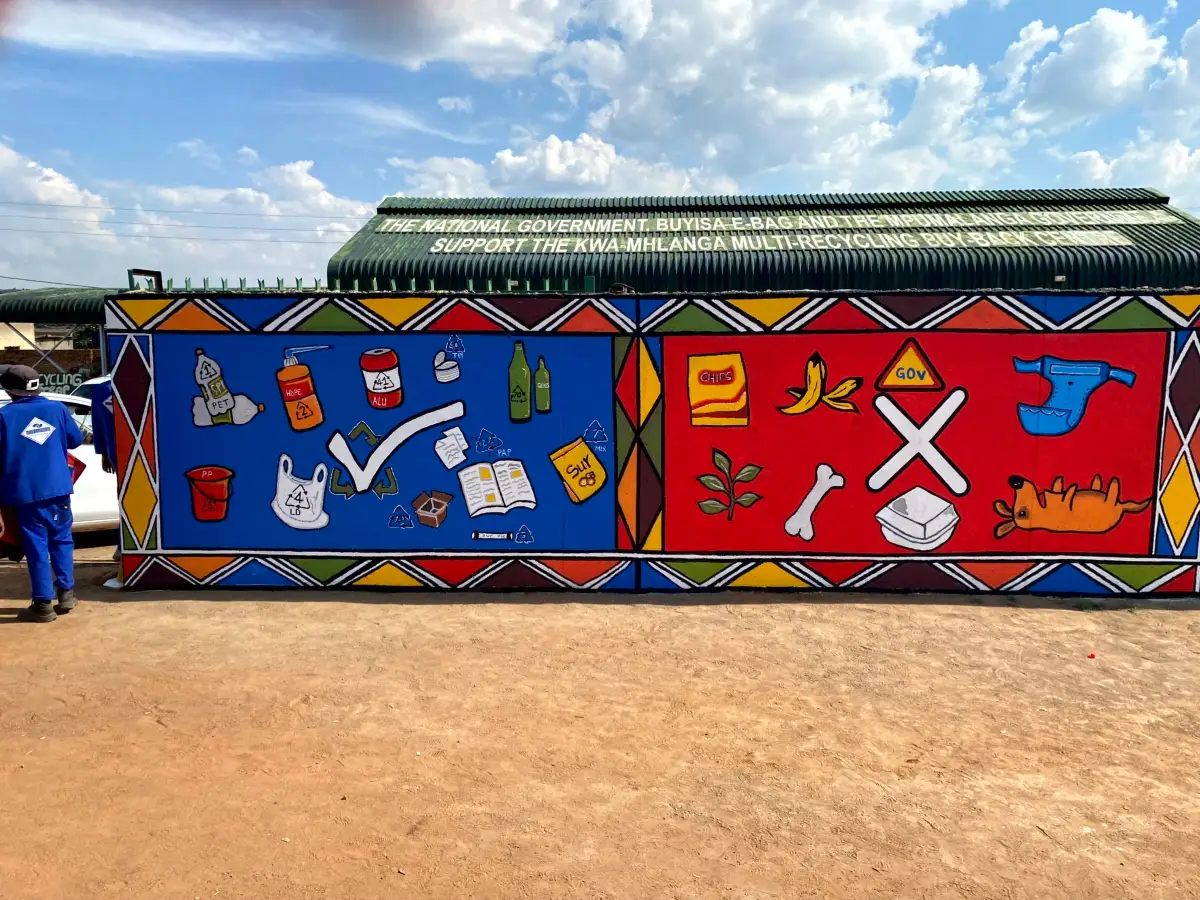
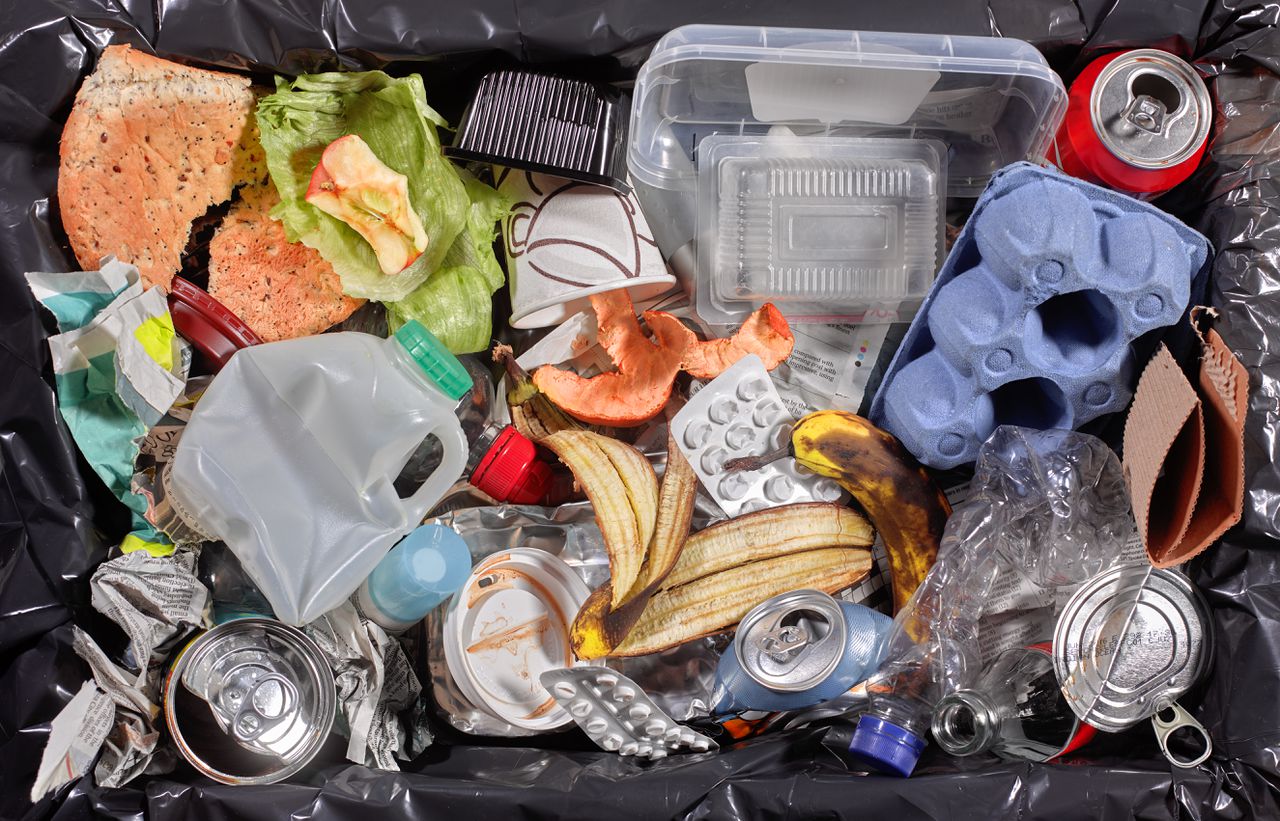
Waste separation at source is directly supported by NEMWA and is one of the most practical ways organisations can give effect to the Act's requirements. Separation at source means sorting waste into distinct streams, such as recyclables, organic waste, and general waste, at the point where it is generated rather than mixing everything together for disposal.
By separating waste at source, businesses divert recyclable and recoverable materials away from landfill, which aligns directly with NEMWA's hierarchy. South Africa's National Waste Management Strategy reinforces this approach, and municipalities in several provinces have introduced by-laws that make separation at source a specific local requirement. Office waste management practices that include proper separation systems make compliance far more straightforward and reduce overall waste disposal costs.
What's the difference between NEMWA and NEMA?
NEMA, the National Environmental Management Act of 1998, is the overarching environmental framework legislation in South Africa. NEMWA is a specific act that falls under the NEMA umbrella and deals exclusively with waste. Think of NEMA as the parent legislation and NEMWA as one of several sector-specific acts that give detailed effect to NEMA's broader environmental principles.
NEMA establishes general principles such as the polluter pays principle, environmental justice, and the duty of care. NEMWA takes those principles and translates them into concrete obligations, definitions, and enforcement mechanisms specifically for waste management. Other sector-specific acts under NEMA cover areas such as air quality, biodiversity, and integrated coastal management. When it comes to waste, NEMWA is the primary legal instrument a business needs to understand.
How can organisations start meeting NEMWA requirements?
Meeting NEMWA requirements does not require a complete operational overhaul. Most organisations can make meaningful progress by taking a structured, step-by-step approach that starts with understanding what waste they generate and then putting systems in place to manage it responsibly.
- Conduct a waste audit — identify what types of waste your organisation generates and in what volumes
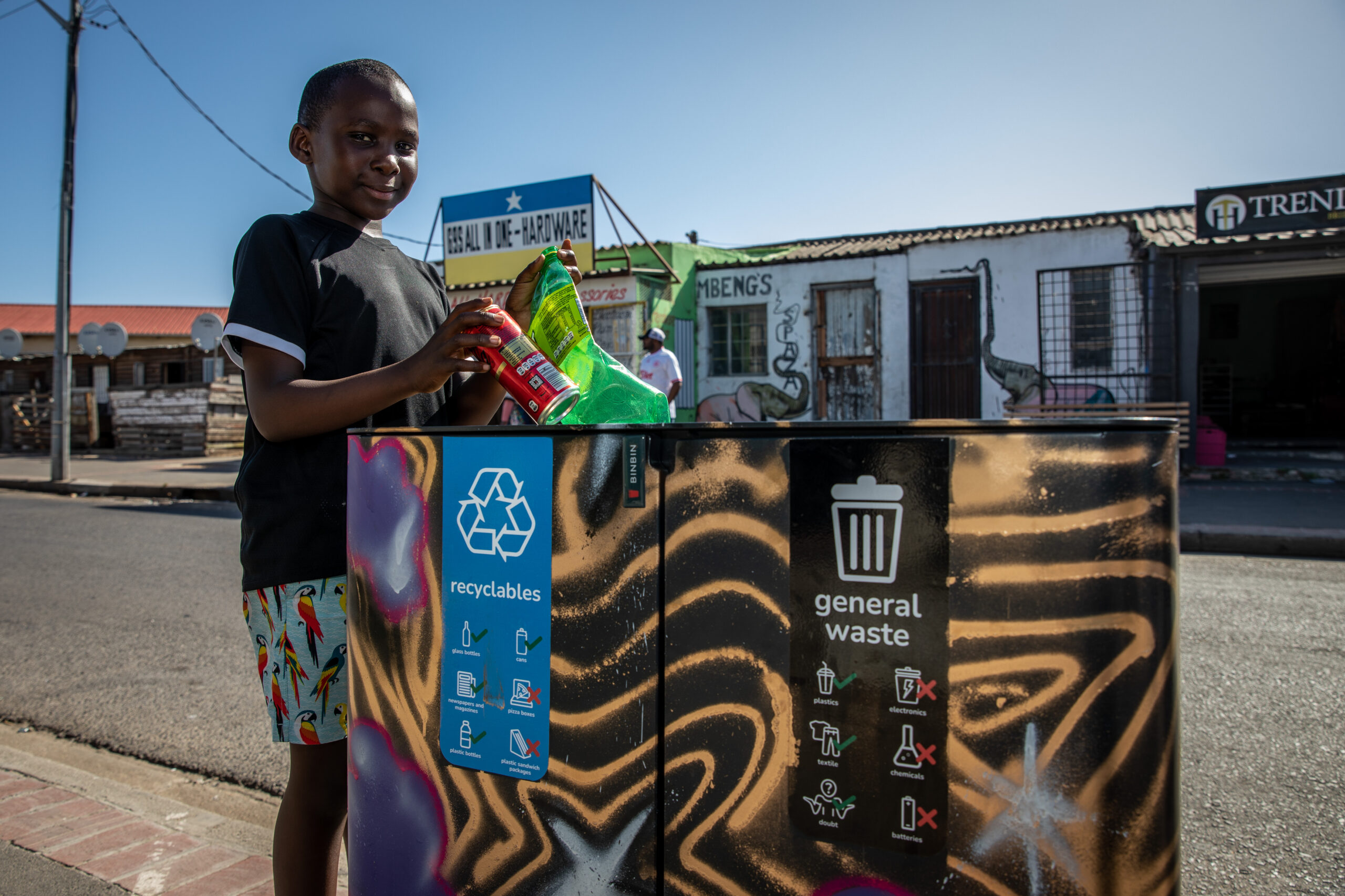
- Implement separation at source — introduce clearly labelled, purpose-built waste separation systems so employees can sort waste correctly at the point of disposal
- Engage a registered waste collector — ensure your waste is collected and processed by a service provider registered under NEMWA
- Document your waste management activities — keep records of waste volumes, collection frequencies, and disposal routes to demonstrate compliance if required
- Train staff — compliance depends on consistent behaviour across the organisation, so staff awareness is essential
- Review regularly — waste streams change as operations evolve, so revisit your approach at least annually
Starting with a reliable separation system is often the most impactful first step, because it simultaneously addresses the hierarchy requirement, reduces disposal costs, and creates a visible signal of compliance throughout the workplace. You can request a trial placement to see how a structured system works in your specific environment before committing fully.
How BINBIN supports NEMWA compliance
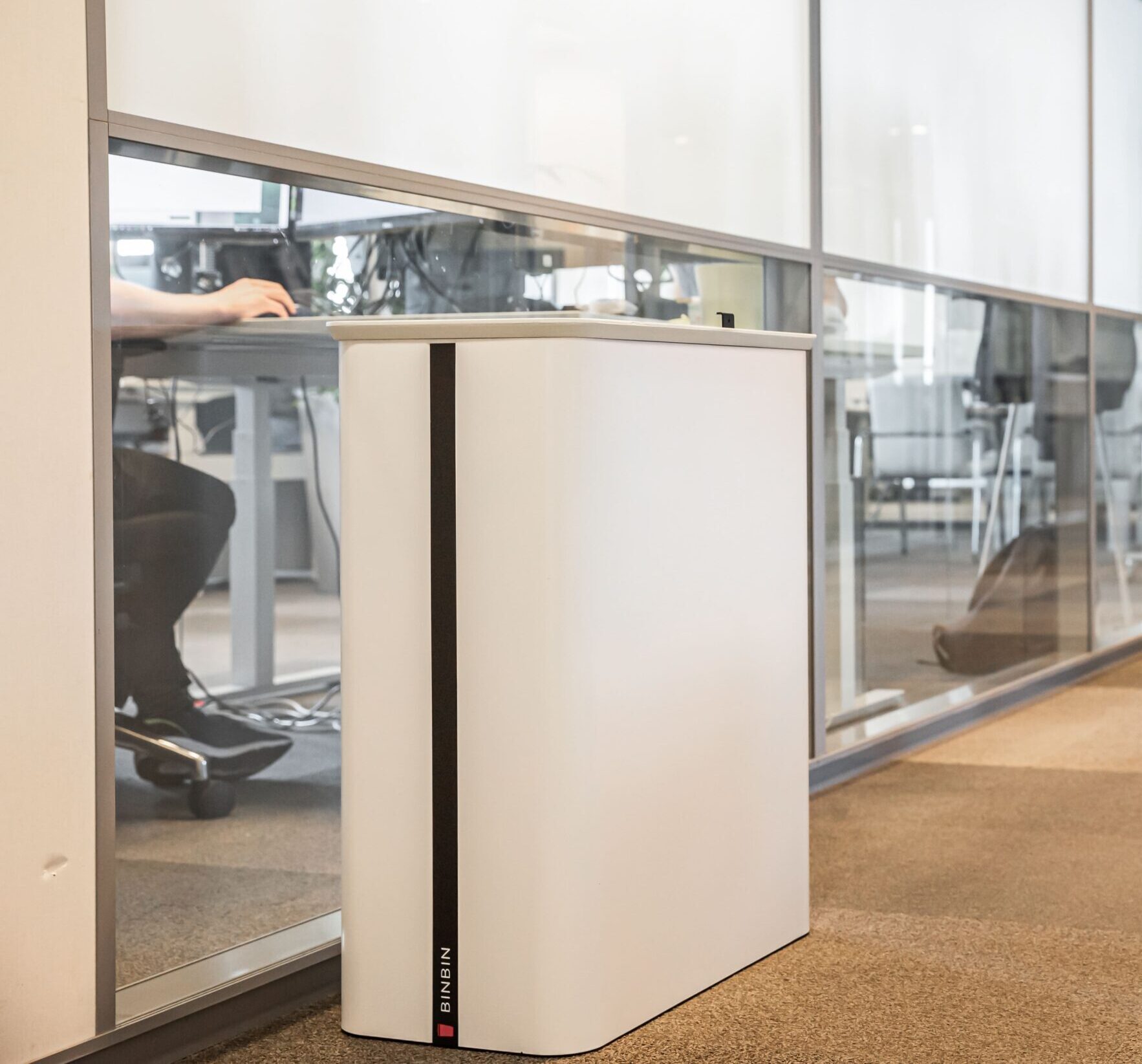
We help South African organisations translate NEMWA's requirements into practical, day-to-day systems that actually work. Our modular waste separation solutions are designed to make separation at source simple, consistent, and scalable, whether you are managing a single office floor or a multi-site facility.
- Configurable for 1 to 8 waste streams — match your separation system exactly to the waste types your organisation generates
- Modular design — add, remove, or reconfigure compartments as your needs change, without replacing the entire unit
- Clear stream labelling — intuitive labelling reduces contamination and supports consistent employee behaviour
- Suitable for all environments — from corporate offices to public-facing spaces, our solutions integrate cleanly into any setting
- 99% circular materials — our bins are made from recycled and recyclable materials, supporting your broader sustainability commitments
If you are ready to put a compliant waste separation system in place, get a quote tailored to your organisation's needs, or explore our full range of products to find the right fit for your spaces.