Waste management consulting is a specialised service that helps organisations optimise their waste disposal processes, achieve regulatory compliance, and implement sustainable practices. These consultants analyse current waste systems, identify inefficiencies, and develop strategies to reduce costs while improving environmental performance. This comprehensive guide addresses the most common questions about waste management consulting services and their practical applications.
What exactly is waste management consulting?
Waste management consulting involves professional advisory services that help organisations develop and implement effective waste disposal strategies. Consultants assess current practices, identify opportunities for improvement, and create customised solutions that balance cost efficiency with environmental responsibility and regulatory compliance.
These specialists bring deep knowledge of waste regulations, industry best practices, and emerging technologies to organisations dealing with complex waste challenges. They work across various sectors, from healthcare facilities managing medical waste to office buildings implementing recycling programmes.
The scope of waste management consulting extends beyond simple waste disposal advice. Consultants evaluate entire waste streams, analyse disposal costs, assess regulatory requirements, and develop comprehensive strategies that align with organisational goals. They also provide ongoing support during implementation, ensuring that new systems operate effectively and deliver the expected results.
Why do businesses hire waste management consultants?
Businesses engage waste management consultants primarily to address regulatory compliance pressures, reduce operational costs, and achieve sustainability objectives. Many organisations lack the internal expertise to navigate complex waste regulations or optimise their disposal processes effectively.
Regulatory compliance is a significant driver for consulting services. In South Africa, the National Environmental Management: Waste Act, 2008 requires organisations to implement proper waste separation and management practices. Non-compliance can result in substantial penalties and operational disruptions, making expert guidance essential.
Cost reduction opportunities motivate many consulting engagements. Organisations often discover they are overpaying for waste services or missing opportunities to generate revenue from recycling. Consultants identify these inefficiencies and negotiate better contracts with service providers.
Sustainability goals increasingly influence consulting decisions. Companies seeking to improve their environmental credentials require expert guidance to implement meaningful waste reduction programmes that deliver measurable results while supporting broader corporate responsibility objectives.
What services do waste management consultants typically provide?
Waste management consultants offer comprehensive services including waste audits, compliance assessments, strategy development, implementation support, and ongoing monitoring. These services address the full spectrum of waste management challenges organisations face.
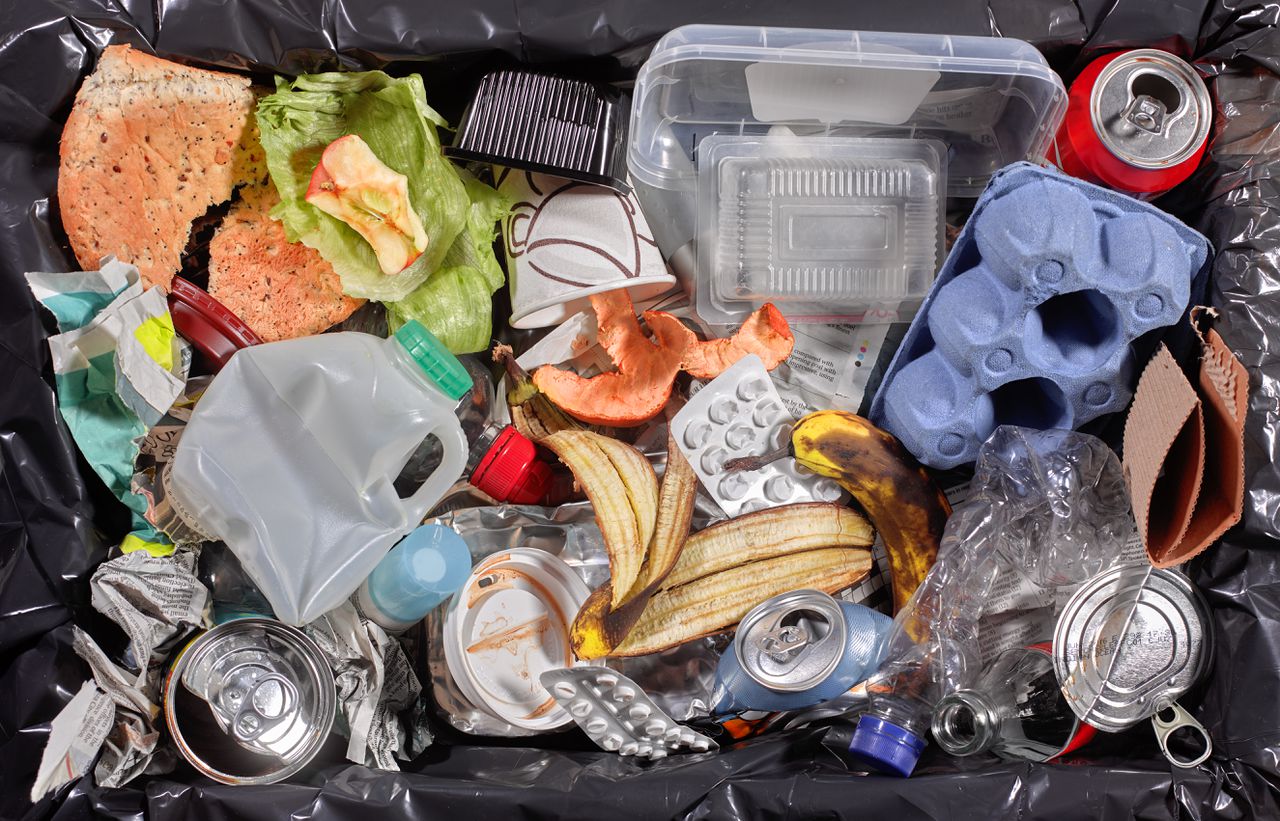
Waste audits form the foundation of most consulting engagements. Consultants analyse waste streams, measure volumes, identify composition patterns, and assess current disposal methods. This detailed analysis reveals opportunities for improvement and provides baseline data for measuring progress.
Compliance assessments ensure organisations meet all relevant regulatory requirements. Consultants review current practices against applicable legislation, identify compliance gaps, and develop corrective action plans. They also provide ongoing monitoring to maintain compliance as regulations evolve.
Strategy development involves creating customised waste management plans that align with organisational objectives. These strategies typically include:
- Waste reduction targets and timelines
- Recycling programme implementation
- Vendor selection and contract negotiation
- Staff training and engagement programmes
- Performance monitoring and reporting systems
How do waste management consultants help reduce costs?
Waste management consultants reduce costs through systematic waste stream analysis, vendor contract optimisation, process improvements, and efficiency enhancements. They identify hidden expenses and revenue opportunities that organisations typically overlook.
Vendor negotiations often yield immediate savings. Consultants leverage industry knowledge and relationships to secure better rates for waste collection, disposal, and recycling services. They also ensure contracts include appropriate service levels and performance guarantees.
Process optimisation addresses operational inefficiencies that increase waste management costs. This includes:
- Right-sizing container volumes to match actual waste generation
- Optimising collection frequencies to reduce service costs
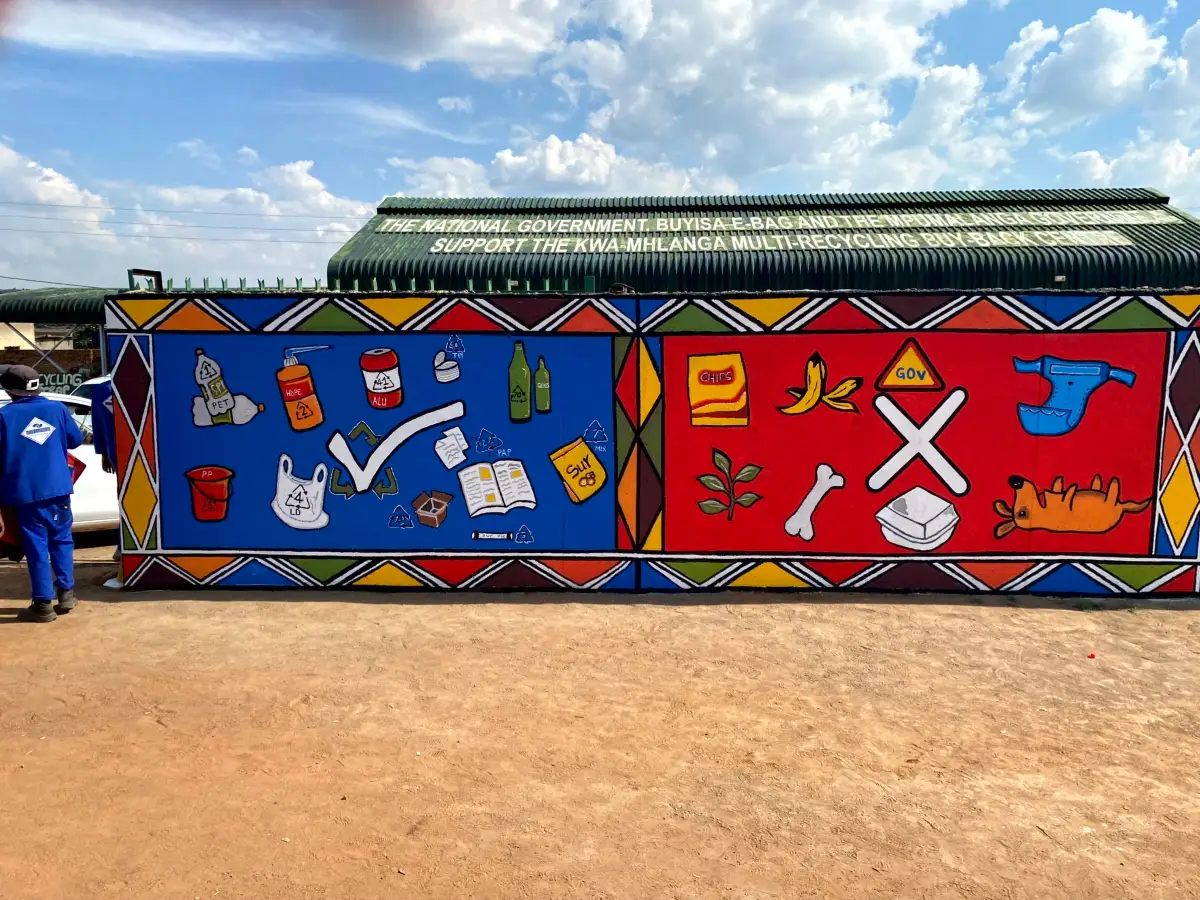
- Implementing waste segregation systems to maximise recycling revenue
- Training staff to reduce contamination and improve sorting accuracy
- Installing monitoring systems to track performance and identify issues
Generating revenue through improved recycling represents another cost-reduction opportunity. Consultants identify valuable materials in waste streams and develop systems to capture and sell these commodities, offsetting disposal costs.
What's the difference between waste management consulting and environmental consulting?
Waste management consulting focuses specifically on waste disposal, recycling, and related regulatory compliance, while environmental consulting addresses broader environmental challenges, including air quality, water management, and overall environmental impact assessments.
Waste management consultants possess deep expertise in waste regulations, disposal technologies, and industry-specific challenges. They understand the intricacies of different waste streams, from general office waste to specialised materials requiring specific handling protocols.
Environmental consultants typically work on larger-scale projects such as environmental impact studies, contamination assessments, and comprehensive sustainability programmes. Their scope encompasses multiple environmental factors beyond waste management.
The choice between these consulting types depends on your specific needs. Organisations requiring focused waste system improvements should engage waste management specialists, while those pursuing comprehensive environmental programmes may benefit from broader environmental consulting services. Some consultants offer both services, providing integrated solutions for complex environmental challenges.
How BINBIN helps with waste management optimisation
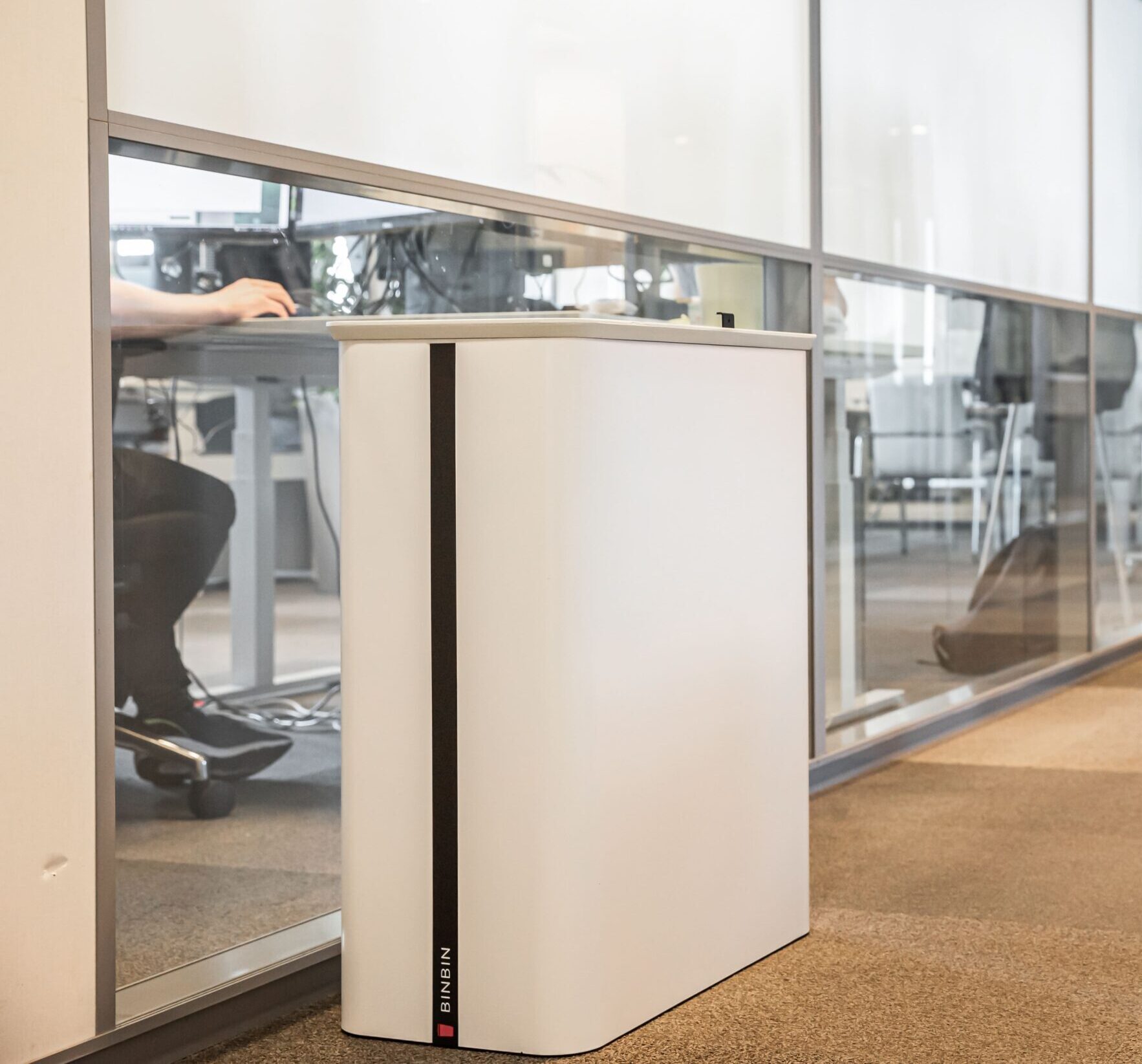
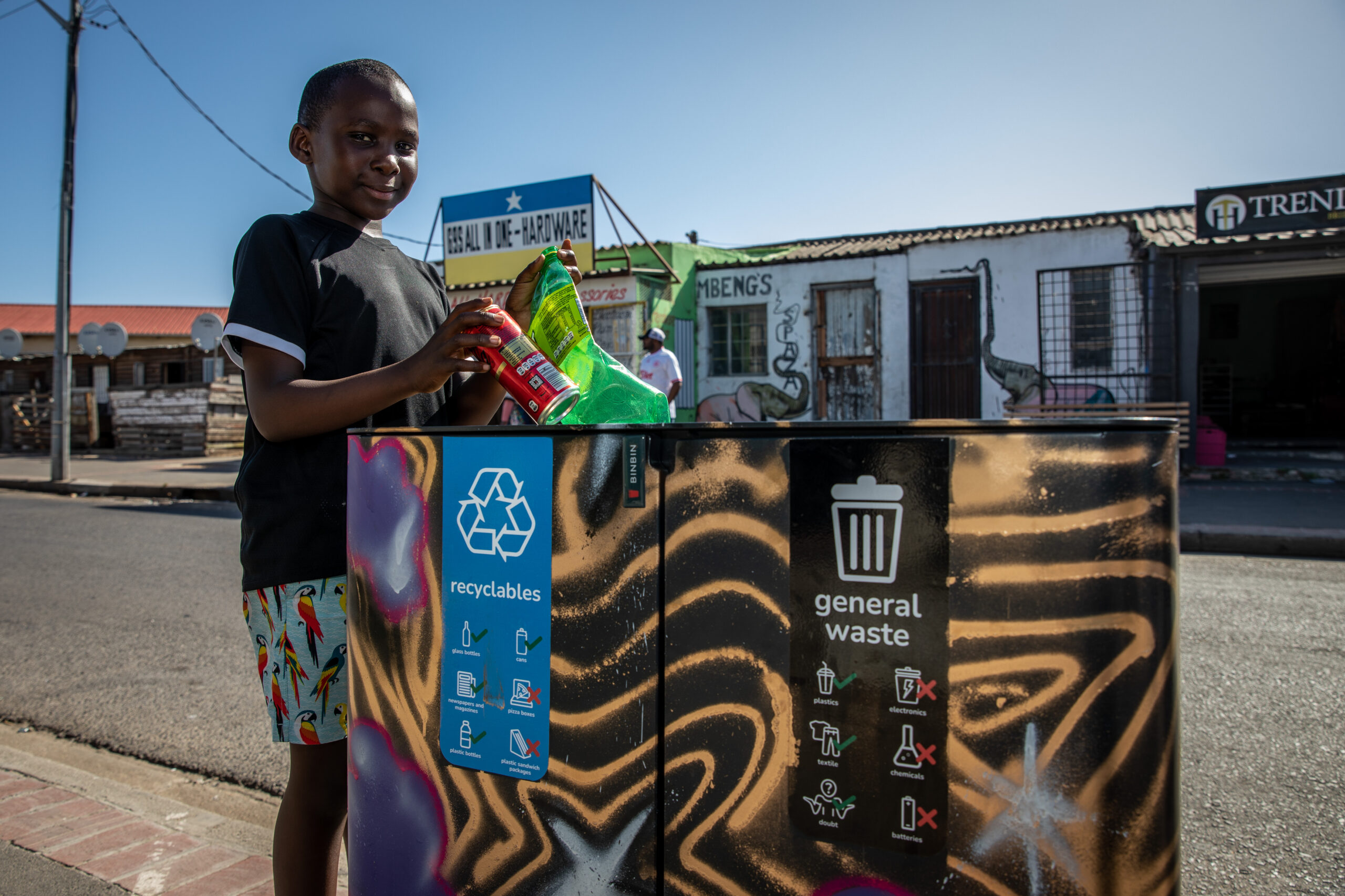
We provide comprehensive waste management solutions through our modular separation systems and expert consulting services. Our approach combines innovative product design with personalised implementation support to help organisations achieve their waste management objectives.
Our waste management optimisation services include:
- Free digital waste assessments to analyse current practices and identify opportunities for improvement
- Customised system design using our modular Globular series that accommodates 1-8 waste streams
- Implementation support including staff training and communication materials
- Ongoing monitoring and optimisation to ensure sustained performance
Our 99% circular office waste management systems are designed for indefinite use in the circular economy, ensuring your investment delivers long-term value while supporting your sustainability goals.
Ready to optimise your waste management system? Contact us for a free consultation and discover how our modular solutions can transform your organisation's approach to waste separation and disposal.