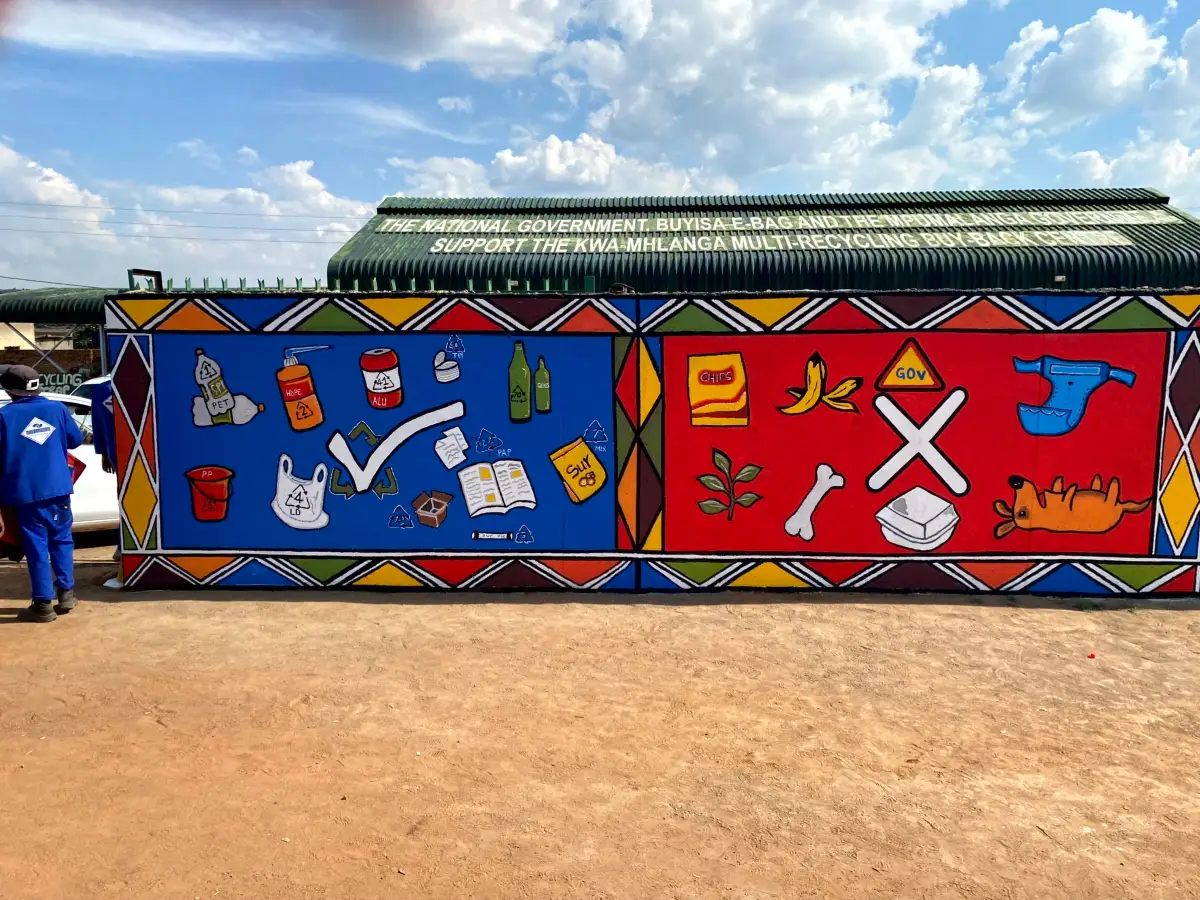
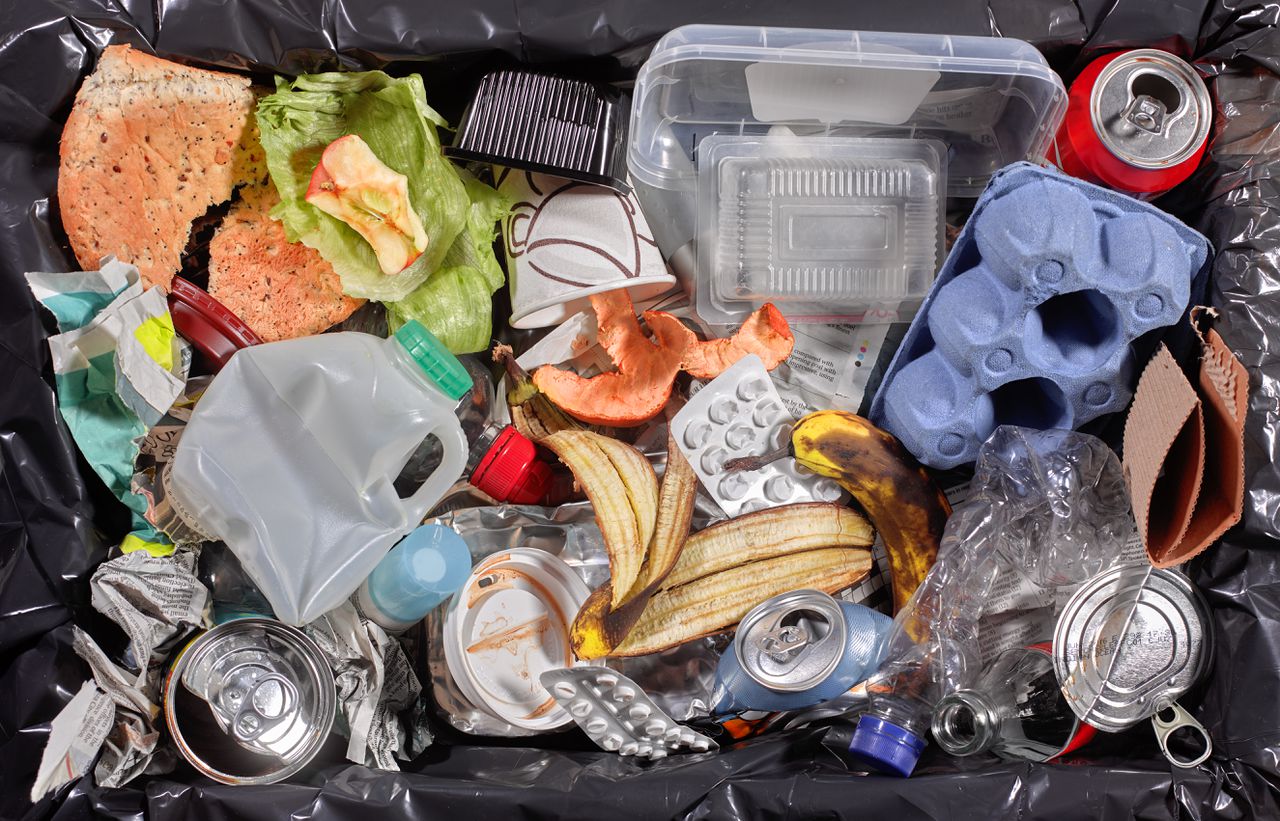
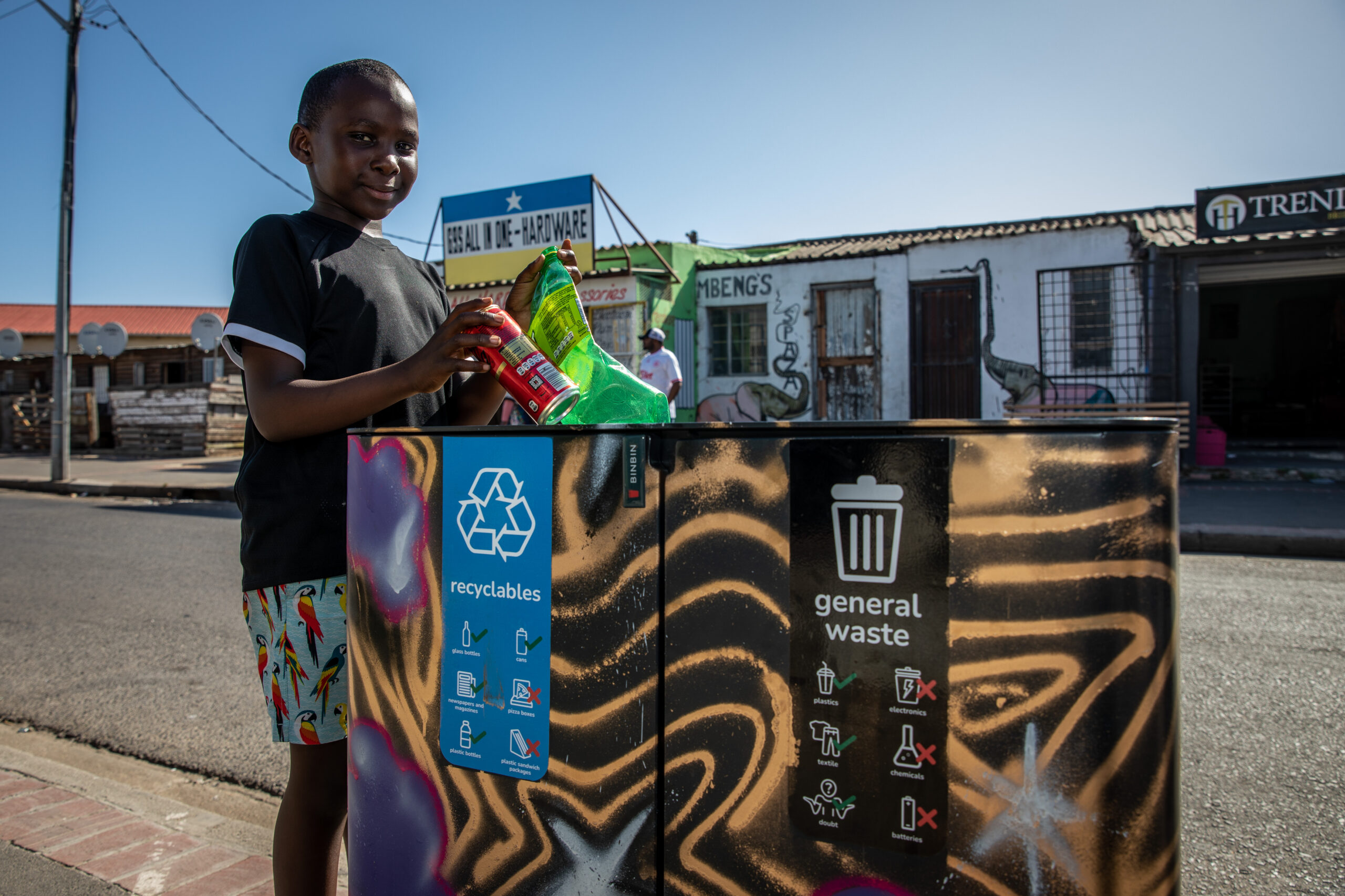
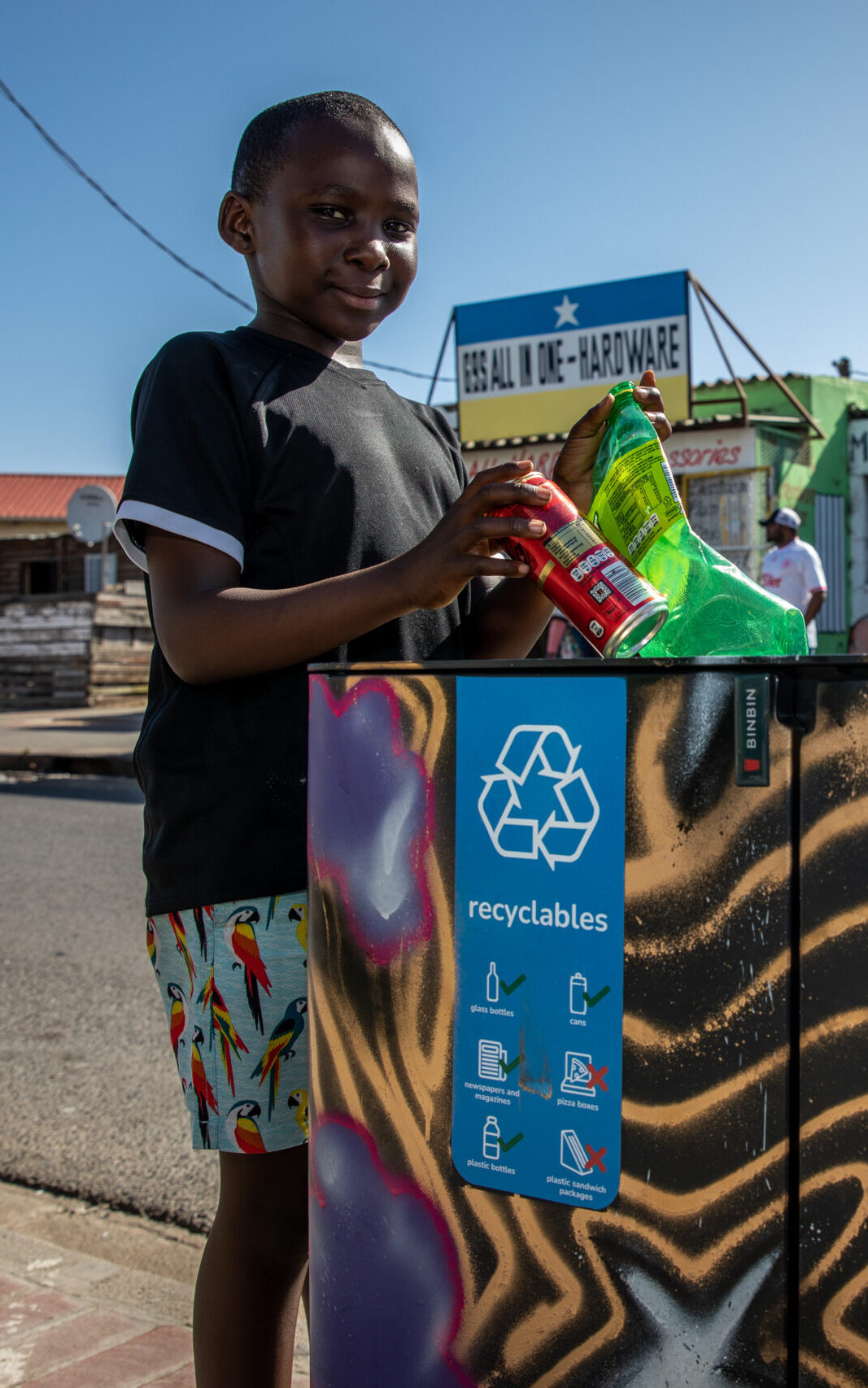
Waste management is a comprehensive system for collecting, treating, and disposing of waste materials to protect public health and the environment. It involves the systematic handling of refuse from homes, businesses, and industries through various processes, including reduction, reuse, recycling, and safe disposal. This essential service prevents pollution, conserves natural resources, and supports sustainable development across communities.
What is waste management, and why does it matter for our environment?
Waste management encompasses the entire lifecycle of waste materials, from initial collection through final disposal or recovery. This systematic approach includes planning, collection, transport, processing, and disposal of waste materials generated by human activities. The process aims to minimise environmental impact while protecting public health and recovering valuable resources wherever possible.
The environmental significance of proper waste management cannot be overstated. Poor waste handling leads to soil contamination, water pollution, and greenhouse gas emissions that contribute to climate change. When waste decomposes in landfills, it produces methane, a potent greenhouse gas that is 25 times more harmful than carbon dioxide.
Effective waste management systems reduce the strain on natural resources by enabling material recovery and reuse. They prevent toxic substances from entering ecosystems, protect groundwater sources, and maintain air quality. Additionally, proper waste management supports biodiversity by preventing habitat destruction and reducing the need for raw material extraction.
What are the main types of waste that need different management approaches?
Different waste categories require specific handling methods due to their unique properties and environmental impacts. Organic waste includes food scraps, garden trimmings, and biodegradable materials that can be composted or processed through anaerobic digestion to create valuable soil amendments or biogas.
Recyclable materials such as paper, cardboard, glass, metals, and certain plastics need careful sorting and processing to maintain their quality for remanufacturing. These materials retain value when properly separated and can significantly reduce the demand for virgin resources.
Hazardous waste presents particular challenges because it contains substances harmful to human health or the environment. This category includes chemicals, batteries, electronic waste, and medical waste, all of which require specialised treatment facilities and trained personnel for safe handling.
Electronic waste deserves special attention due to its rapid growth and complex composition. E-waste contains valuable metals like gold and silver alongside toxic substances such as lead and mercury, necessitating sophisticated processing techniques to recover materials safely while preventing environmental contamination.
How does proper waste separation impact recycling effectiveness?
Waste separation at source dramatically improves recycling rates by reducing contamination and maintaining material quality. When materials are sorted correctly at the point of generation, recycling facilities can process them more efficiently, leading to higher recovery rates and better-quality recycled products.
Contamination represents one of the biggest challenges in recycling operations. When different waste types mix, valuable materials become unusable—for example, food waste contaminating paper makes it unsuitable for recycling. Proper separation prevents this cross-contamination and ensures maximum material recovery.
Source separation also reduces processing costs at recycling facilities. Pre-sorted materials require less energy and labour to process, making recycling operations more economically viable. This cost reduction often translates into better collection services and expanded recycling programmes.
The connection between proper sorting and office waste management demonstrates how systematic separation creates a foundation for successful circular economy practices. When organisations implement comprehensive sorting systems, they contribute to closed-loop material cycles that keep resources in productive use.
What are the key steps in an effective waste management process?
The waste management hierarchy provides a structured approach that prioritises environmental protection and resource conservation. This framework follows five key steps: reduce, reuse, recycle, recover, and dispose, with each step representing a decreasing preference from an environmental perspective.
Reduction sits at the top of the hierarchy, focusing on preventing waste generation through improved product design, conscious consumption, and efficient processes. This approach delivers the greatest environmental benefits by eliminating waste before it is created.
- Reduce - Minimise waste generation through better planning and consumption habits
- Reuse - Find new purposes for items before discarding them
- Recycle - Process materials into new products
- Recover - Extract energy or materials from waste through advanced processing
- Dispose - Safe disposal as the last-resort option
Recovery involves extracting energy or materials from waste that cannot be recycled through traditional methods. This includes waste-to-energy processes and advanced material recovery techniques. Disposal, the final step, should occur only when all other options are exhausted, using properly engineered facilities to minimise environmental impact.
Why is the circular economy approach transforming modern waste management?
The circular economy fundamentally reshapes waste management by eliminating the concept of waste itself. Instead of the traditional linear "take-make-dispose" model, circular approaches keep materials in productive use for as long as possible, extracting maximum value before safely returning them to natural systems.
This transformation occurs through design thinking that considers entire product lifecycles. Products are designed for durability, repairability, and eventual material recovery. Manufacturing processes incorporate recycled content, and business models shift towards service provision rather than product ownership.
Industries are adopting circular practices across sectors. Construction companies increasingly use recycled aggregates and design buildings for disassembly. Fashion brands implement take-back programmes and use recycled fibres. Technology companies design modular products and offer refurbishment services.
The circular approach reduces pressure on natural resources while creating economic opportunities. It generates employment in repair, refurbishment, and recycling sectors while reducing material costs for manufacturers. This economic incentive drives widespread adoption beyond environmental considerations.
What challenges do organisations face when implementing waste management systems?
Employee engagement represents the most significant challenge in waste management implementation. Success depends on consistent participation from all staff members, yet changing established behaviours requires sustained effort and clear communication. Without proper training and motivation, even well-designed systems fail to achieve their potential.
Space constraints frequently limit waste management options, particularly in urban environments where real estate costs are high. Organisations must balance adequate storage capacity for different waste streams with operational efficiency and aesthetic considerations.
Implementation costs present both immediate and ongoing challenges. Initial setup requires investment in containers, signage, and training, while ongoing costs include collection services and monitoring. However, these investments often generate returns through reduced waste disposal fees and potential revenue from recyclable materials.
- Regulatory compliance complexity across different waste types and jurisdictions
- Limited availability of specialised collection services in some areas
- Difficulty measuring and reporting waste management performance
- Integration challenges with existing operational processes
Regulatory compliance adds complexity, particularly for organisations generating hazardous or specialised waste streams. Requirements vary by location and waste type, necessitating ongoing attention to changing regulations and proper documentation procedures.
How BINBIN helps with waste management solutions
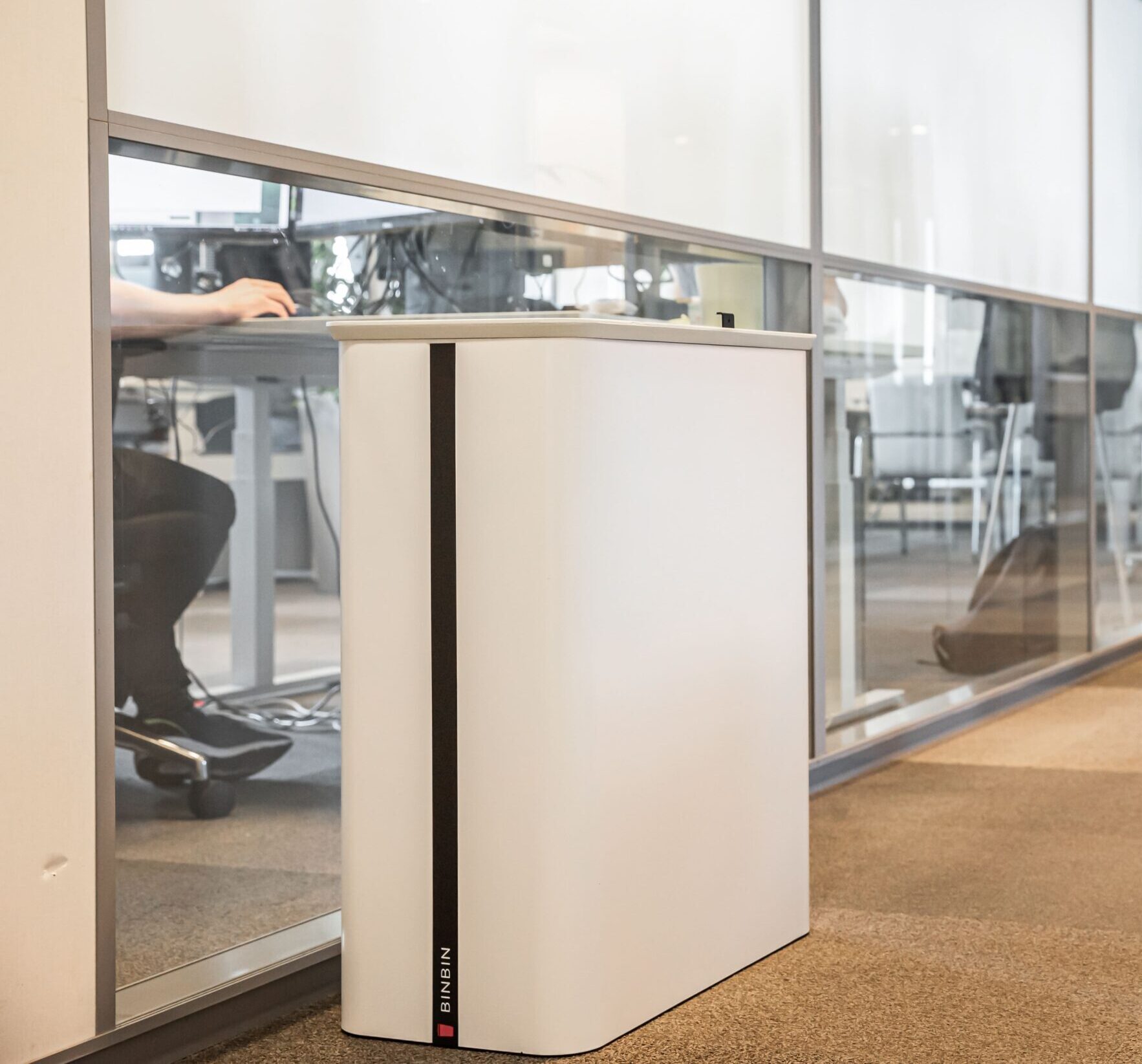
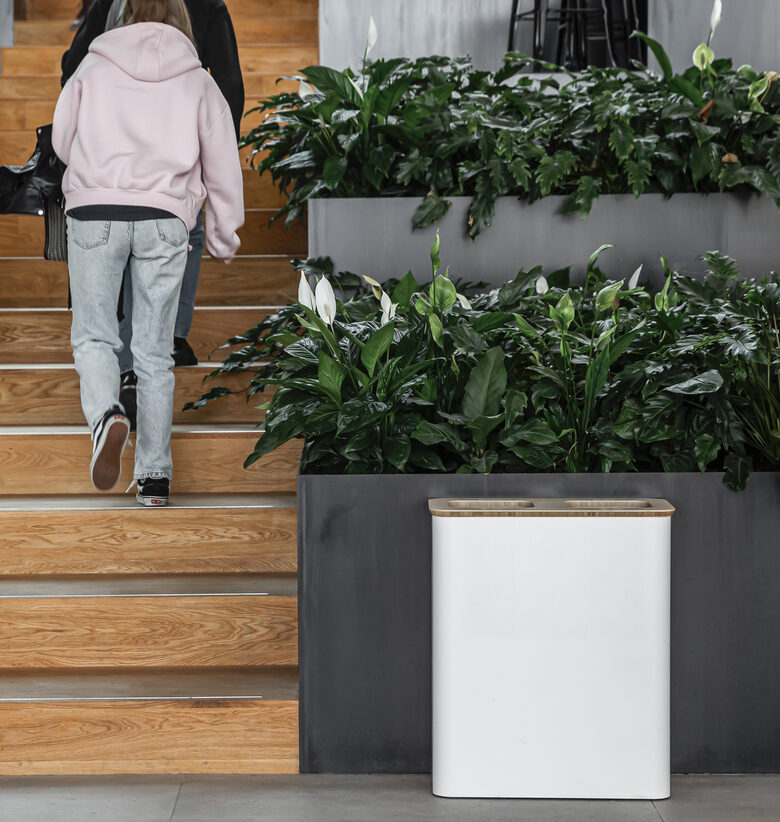
BINBIN transforms organisational waste management through innovative modular separation systems that adapt to changing needs while supporting circular economy principles. Our Globular series enables organisations to separate 1 to 8 different waste streams using fully customisable configurations that can be modified as requirements evolve.
The modular design eliminates common implementation barriers by providing flexible solutions that fit any space constraint. Compartments can be combined or divided instantly, and internal splitting allows for more refined sorting without purchasing additional units. This adaptability ensures your waste separation system grows with your organisation's needs.
Key benefits of BINBIN's approach include:
- 99% circular construction using recycled and recyclable materials
- Modular flexibility allowing instant reconfiguration without tools
- Professional aesthetics that enhance rather than detract from workspace design
- Comprehensive customisation, including branding and colour options
- Proven effectiveness across office, education, hospitality, and public sectors
Ready to transform your waste management approach? Discover our trial placement programme and experience firsthand how BINBIN's modular solutions can optimise your organisation's waste separation while supporting your sustainability goals.