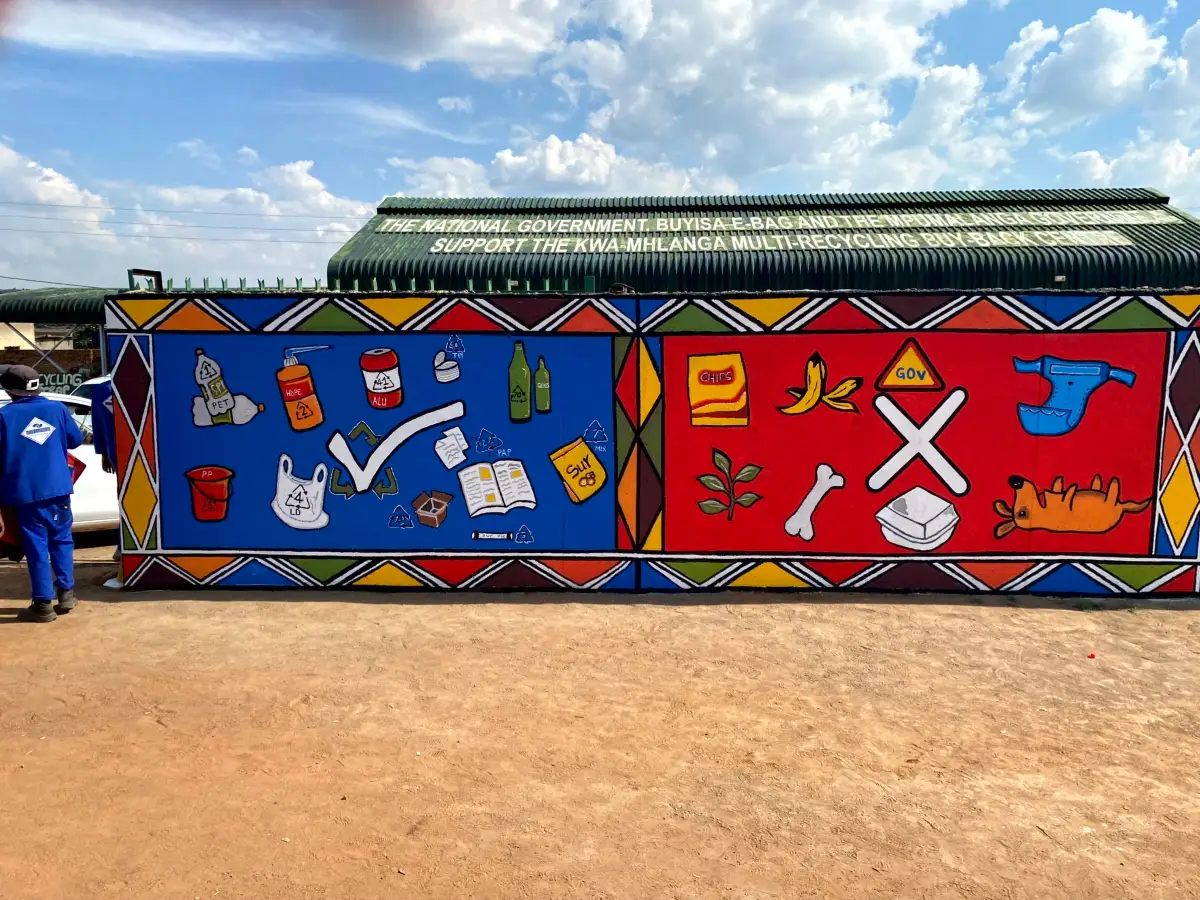
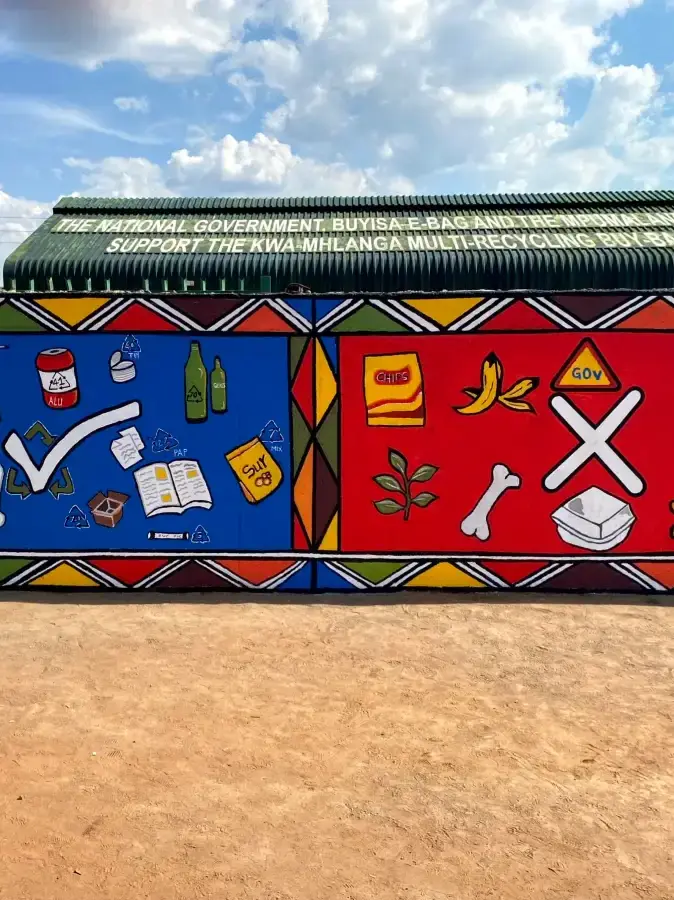
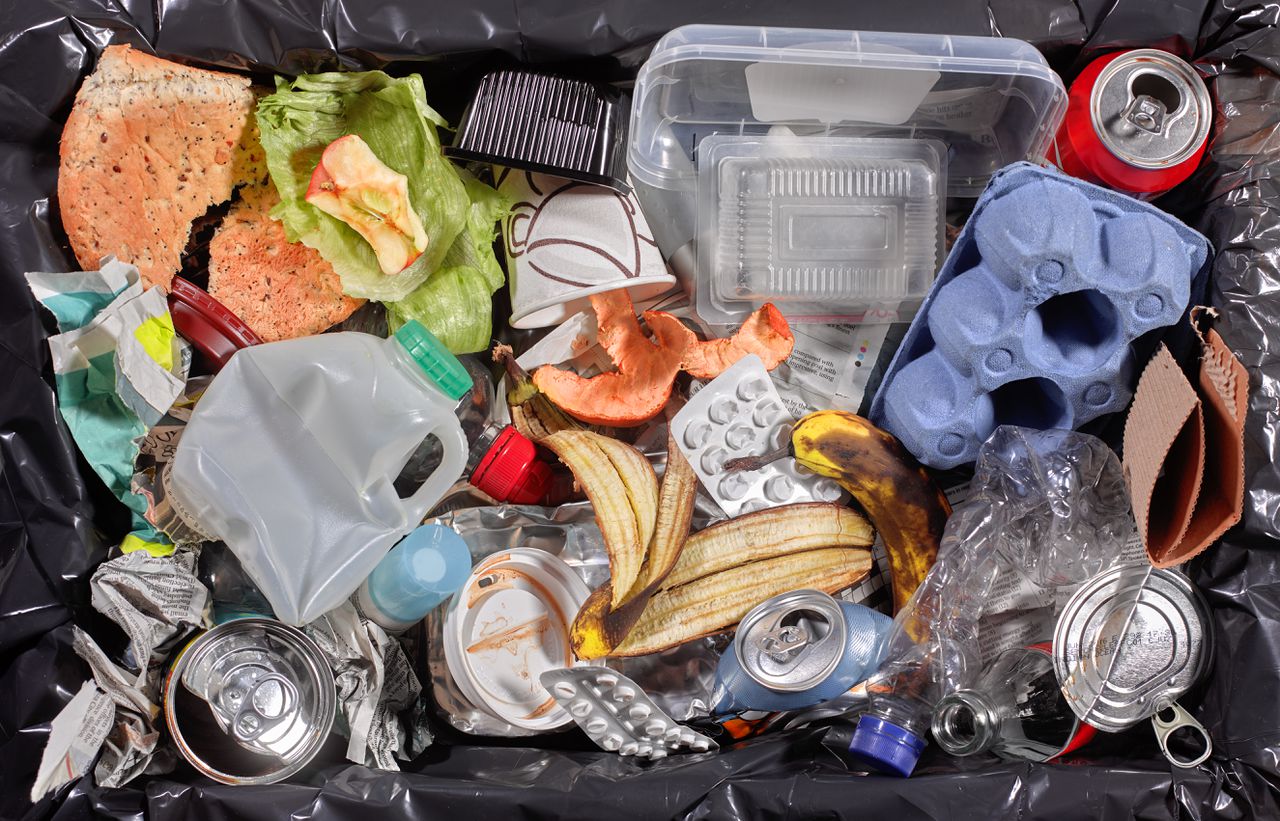
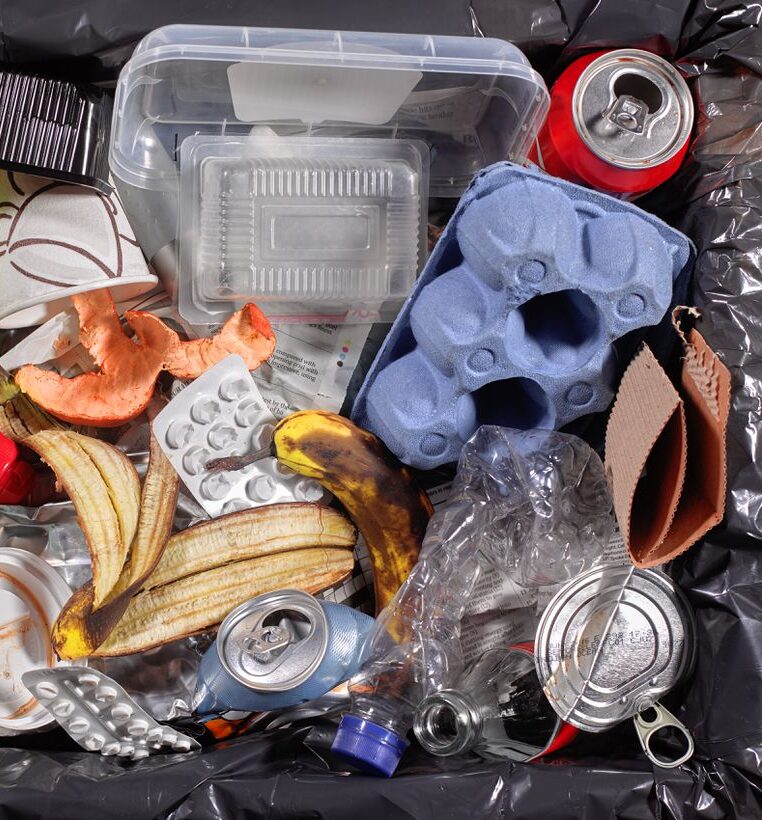
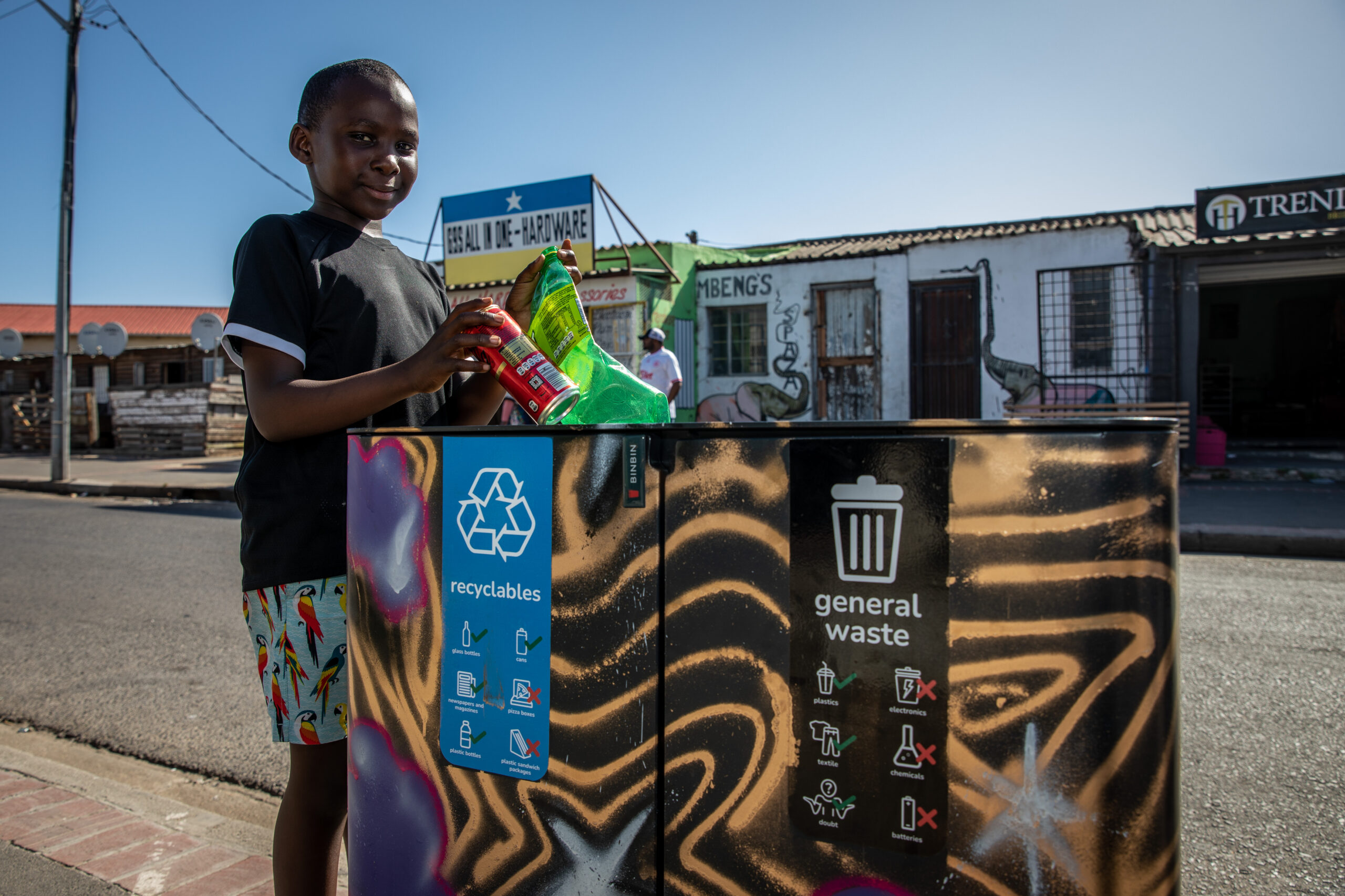
Office waste separation is the practice of sorting different types of waste materials at the source before disposal or collection. It involves categorising waste streams—such as paper, plastic, organic waste, and general refuse—into designated containers, enabling proper recycling and reducing environmental impact. This systematic approach has become essential for modern workplaces pursuing sustainability goals, regulatory compliance, and cost-effective waste management solutions.
What exactly is waste separation, and why do offices need it?
Waste separation is the process of sorting different waste materials into distinct categories at the point of generation, rather than mixing everything together. In office environments, this means employees place paper in one container, plastic bottles in another, food waste in a separate container, and general refuse in its designated bin.
Modern offices need waste separation for several compelling reasons. Environmental regulations increasingly require businesses to demonstrate responsible waste management practices. South Africa’s National Environmental Management: Waste Act mandates that property owners separate recyclable waste from non-recyclable waste, with specific requirements for different building types.
Beyond compliance, waste separation addresses practical business needs. Offices generate substantial amounts of recyclable materials daily, from paper documents to packaging materials. Without proper separation, these valuable resources end up in landfills, representing both environmental harm and economic waste. Additionally, many corporate clients and stakeholders now expect businesses to demonstrate environmental responsibility through measurable sustainability practices.
What are the main benefits of implementing waste separation in office environments?
Implementing waste separation in offices delivers environmental, financial, and operational advantages that benefit both the organisation and the broader community. The primary benefits include reduced environmental impact, significant cost savings, enhanced corporate reputation, and improved employee engagement in sustainability initiatives.
Environmental benefits are substantial. Proper waste separation dramatically reduces the amount of recyclable materials sent to landfills, conserving natural resources and reducing greenhouse gas emissions. When paper, plastic, and other materials are correctly separated, they can be processed into new products rather than requiring virgin materials for manufacturing.
Financial advantages include:
- Lower waste disposal fees through reduced general waste volumes
- Potential revenue from selling recyclable materials
- Decreased costs for raw materials when implementing circular practices
- Reduced risk of regulatory fines for non-compliance
Corporate benefits extend to improved sustainability credentials, which increasingly influence client relationships, employee recruitment, and business partnerships. Many organisations find that a visible commitment to waste separation enhances their reputation and demonstrates genuine environmental stewardship to stakeholders.
Which types of waste should offices separate, and how?
Offices should separate waste into five primary categories: paper and cardboard, plastic containers, organic waste, electronic waste, and general refuse. Each category requires specific handling methods and designated containers to ensure proper processing and recycling.
Paper and cardboard represent the largest recyclable waste stream in most offices. This includes office paper, newspapers, magazines, cardboard packaging, and paper cups. These materials should be kept dry and free from food contamination. Remove any plastic components, such as spiral bindings or laminated covers, before disposal.
Plastic waste includes bottles, containers, packaging materials, and disposable cups marked with recycling symbols. Rinse containers lightly to remove food residue, but avoid excessive water use. Different plastic types may require separate collection depending on local recycling capabilities.
Organic waste encompasses food scraps, coffee grounds, fruit peels, and other biodegradable materials from office kitchens and lunch areas. This waste stream requires covered containers and frequent collection to prevent odours and pest issues.
Electronic waste includes batteries, printer cartridges, old equipment, and small electronics. These materials often contain hazardous substances, require specialised handling, and should never be mixed with general waste streams.
How do you successfully implement a waste separation system in your workplace?
Successful implementation requires systematic planning, clear communication, and ongoing support to ensure employee adoption and maintain separation quality. The process involves assessing current waste patterns, selecting appropriate systems, training staff, and monitoring progress for continuous improvement.
Begin with a waste audit to understand your office’s specific waste streams and volumes. Track the types of waste your workplace generates, peak disposal times, and current disposal costs. This baseline information guides system design and helps measure improvement.
Implementation steps include:
- Select appropriate containers for each waste stream, ensuring clear labelling and adequate capacity
- Position containers strategically near waste-generation points, such as printers, kitchens, and workstations
- Develop clear guidelines explaining what goes in each container
- Train all employees on proper sorting techniques and the system’s benefits
- Establish collection schedules that prevent overflow and contamination
- Monitor separation quality and provide ongoing feedback to staff
Success depends on making separation as convenient as possible. Place containers where people naturally dispose of waste, provide clear visual guides, and ensure the system does not significantly disrupt daily workflows.
What challenges do offices face when starting waste separation programmes?
Common implementation challenges include employee resistance, space constraints, initial costs, and contamination issues. However, each obstacle can be overcome with proper planning, clear communication, and gradual system refinement based on actual workplace needs.
Employee resistance often stems from perceived inconvenience or a lack of understanding about the programme’s benefits. Address this through comprehensive training that explains both the environmental and business reasons for waste separation. Demonstrate how proper separation actually simplifies waste disposal once people understand the system.
Space limitations in office environments can make it difficult to accommodate multiple containers. Solve this through modular systems that maximise space efficiency, strategic placement near natural disposal points, and containers designed specifically for office aesthetics and functionality.
Initial setup costs concern many organisations, but the focus should be on long-term savings through reduced disposal fees and potential revenue from recyclable materials. Many businesses find that waste separation pays for itself within the first year through lower waste management costs.
Contamination occurs when materials are placed in the wrong containers, potentially compromising entire batches of recyclables. Prevent this through clear labelling, regular reminders, and periodic quality checks. Consider appointing sustainability champions who can provide peer support and encouragement.
How does office waste separation contribute to circular economy principles?
Office waste separation directly supports circular economy principles by keeping materials in productive use rather than allowing them to become waste. This approach transforms the traditional linear “take-make-dispose” model into a regenerative system in which materials continuously cycle through production and use phases.
When offices properly separate materials such as paper, plastic, and metals, these resources can be reprocessed into new products rather than requiring virgin materials. This reduces demand for natural resources, decreases manufacturing energy requirements, and minimises environmental impact from extraction and processing.
The circular approach creates value loops in which today’s office waste becomes tomorrow’s raw materials. Paper separated in offices can become new paper products, plastic containers can be reprocessed into new packaging, and organic waste can be composted to support food production.
This system generates economic benefits through reduced material costs, new revenue streams from waste materials, and decreased disposal expenses. Organisations participating in circular economy practices often find improved resilience against resource price volatility and an enhanced reputation among environmentally conscious clients and partners.
How BINBIN helps with office waste separation solutions
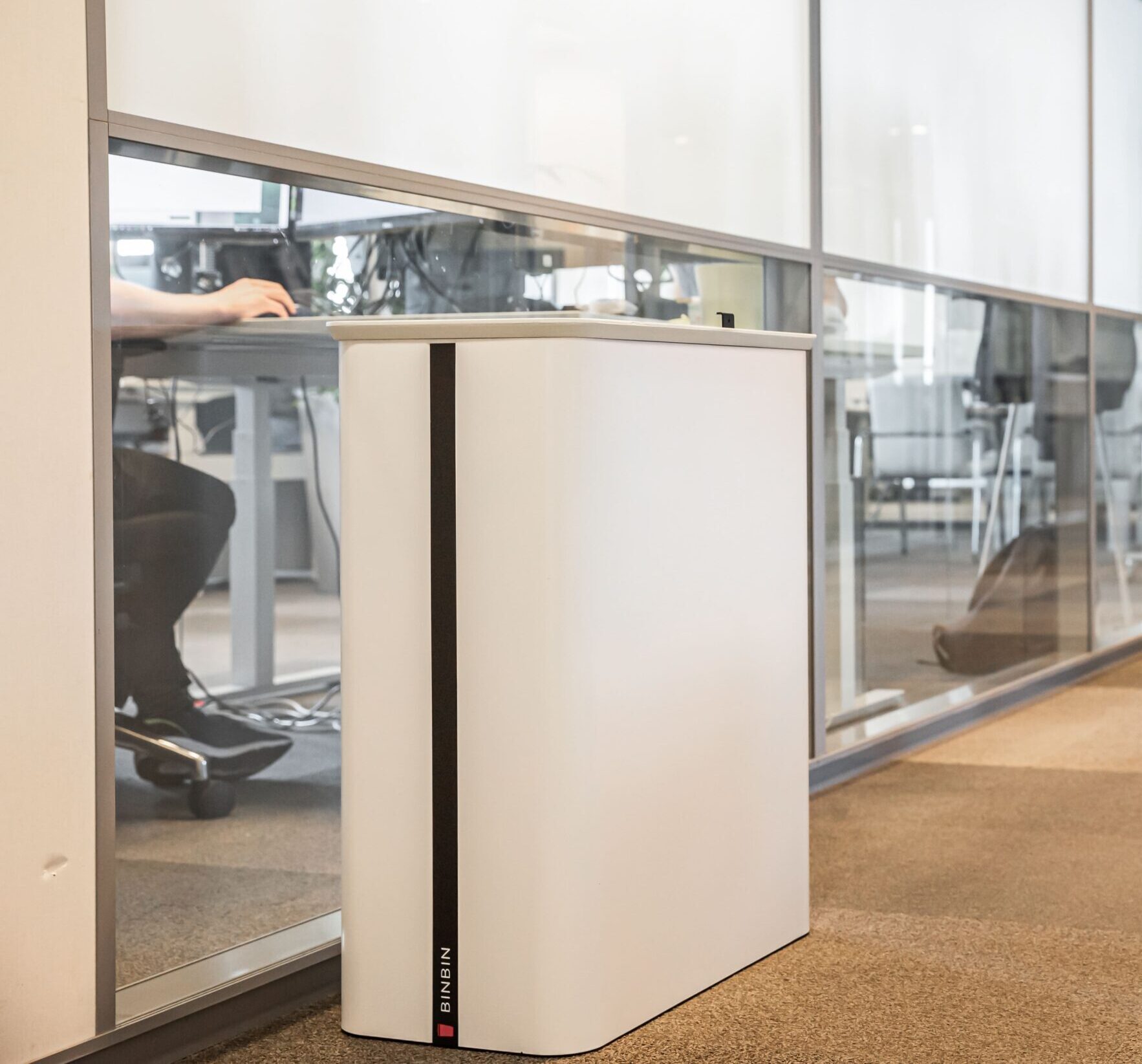
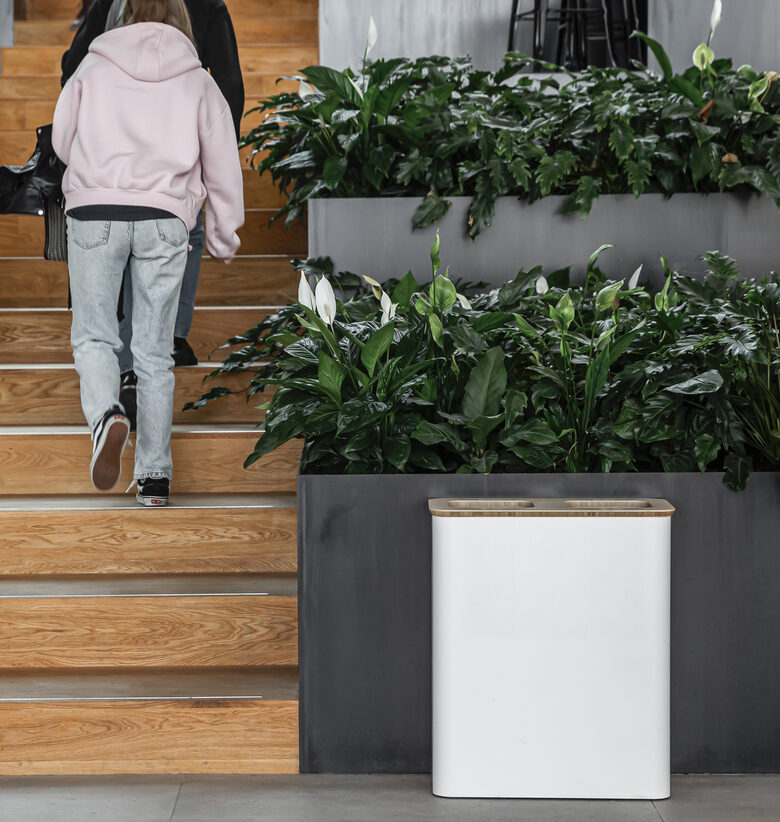
BINBIN provides comprehensive modular office waste separation systems designed specifically for South African workplaces seeking efficient, sustainable waste management solutions. Our office waste management approach combines innovative design with practical functionality to make waste separation simple and effective.
Our modular solutions offer:
- Configurable systems accommodating 1 to 8 different waste streams based on your office’s needs
- A 99% circular design using recycled materials that can be fully reprocessed at end of life
- Flexible compartments that can be split, combined, or reconfigured as requirements change
- Clean, professional aesthetics that complement modern office environments
- Custom branding options to align with your corporate identity
We support successful implementation through comprehensive guidance covering system selection, staff training, and ongoing optimisation. Our local production ensures quality standards while minimising environmental impact through reduced transportation.
Ready to transform your office waste management? Contact us for a trial placement to experience how our modular systems can streamline your waste separation while supporting your sustainability goals.