Staff motivation for proper waste separation depends primarily on environmental awareness, workplace culture, and practical incentives. Employees are most motivated when they understand the environmental impact, feel supported by management, and receive clear guidance and positive reinforcement. Successful waste separation programmes combine intrinsic motivation through purpose-driven messaging with extrinsic rewards such as recognition and feedback systems.
What psychological factors drive employees to separate waste properly?
Environmental consciousness and personal values are the strongest psychological drivers of proper waste separation behaviour. Employees who understand the environmental impact of their actions and feel personally responsible for sustainability outcomes are naturally more motivated to sort waste correctly.
Social responsibility plays a crucial role, as staff members want to contribute positively to their organisation's environmental goals. When employees see waste separation as part of their professional identity and workplace contribution, compliance increases significantly.
Peer influence creates powerful motivation through social proof. When colleagues consistently separate waste properly, it establishes positive behavioural norms that encourage others to follow suit. This social dynamic works particularly well in team-oriented environments where collective responsibility is emphasised.
Personal satisfaction from doing the right thing provides intrinsic motivation that sustains long-term behaviour change. Employees feel good about making environmentally responsible choices, especially when they understand how their individual actions contribute to broader sustainability objectives.
How does workplace culture influence waste separation behaviour?
Leadership commitment sets the tone for successful waste separation programmes. When management actively demonstrates and supports proper waste sorting, employees view it as a genuine organisational priority rather than an optional activity.
Team dynamics significantly impact participation rates through shared accountability and mutual encouragement. Departments that discuss sustainability goals and celebrate waste reduction achievements create supportive environments where proper sorting becomes part of the daily routine.
Environmental messaging throughout the workplace reinforces the importance of waste separation. Clear communication about organisational sustainability commitments helps employees understand why their participation matters and how it aligns with company values.
Shared values around environmental responsibility create cultural cohesion that supports consistent behaviour. When sustainability becomes part of the organisation's identity, waste separation feels natural rather than burdensome to staff members.
What practical incentives encourage staff to sort waste correctly?
Recognition programmes that celebrate proper waste separation create positive reinforcement loops. Public acknowledgement of departments or individuals who demonstrate excellent sorting practices encourages continued participation and motivates others to improve their efforts.
Effective incentive systems include:
- Monthly sustainability awards for departments with the highest separation rates
- Visual feedback displays showing waste diversion progress
- Team challenges with small rewards for meeting sorting targets
- Integration of environmental goals into performance discussions
- Gamification elements that make waste sorting engaging and competitive
Feedback mechanisms that show the impact of proper sorting help maintain motivation over time. When employees can see how their efforts translate into reduced waste disposal costs or environmental benefits, they feel more connected to the programme's success.
Why do some employees resist waste separation efforts?
Time constraints are the most common barrier to proper waste separation. Employees who feel rushed or overwhelmed may view sorting as an additional burden that slows their productivity, especially when bins are inconveniently located.
Confusion about sorting rules creates frustration and leads to non-compliance. When guidelines are unclear, inconsistent, or too complex, staff members often default to throwing everything into general waste rather than risk making mistakes.
Common resistance factors include:
- Lack of clear, accessible sorting instructions
- Insufficient training on what materials go where
- Inconsistent messaging from different departments
- No visible consequences for non-compliance
- The perception that individual efforts don't matter
- Inadequate bin placement requiring extra walking
Insufficient feedback about programme effectiveness can lead to apathy. Without understanding the results of their efforts, employees may lose motivation and question whether proper sorting actually makes a difference.
How can managers create effective waste separation training programmes?
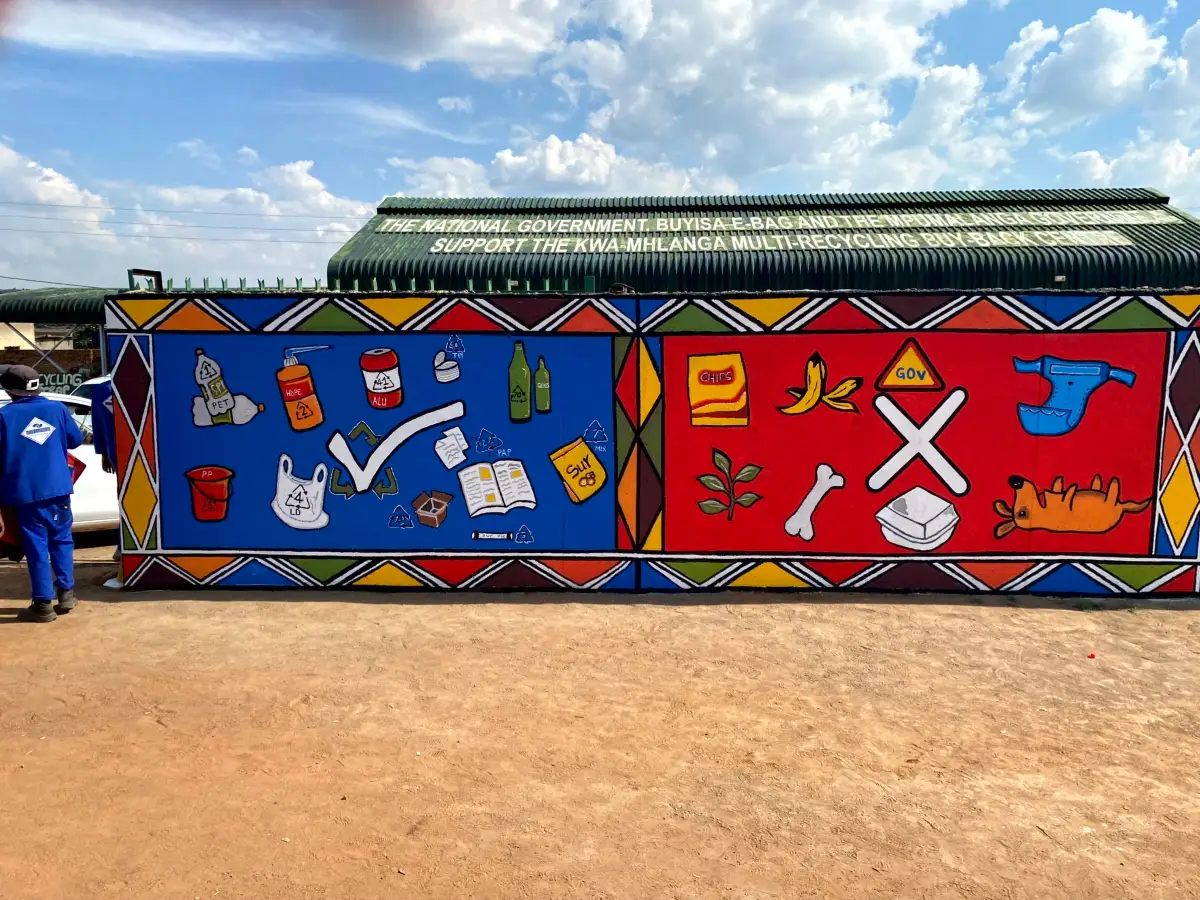
Visual aids and hands-on demonstrations are essential for effective waste separation training. Clear, colourful posters showing exactly which items belong in each bin eliminate confusion and provide quick reference points for daily decision-making.
Interactive training sessions in which employees practise sorting common workplace items ensure understanding and build confidence. This practical approach helps staff members internalise the guidelines rather than simply read about them.
Regular refresher communications maintain awareness and address new challenges as they arise. Brief email reminders, team meeting discussions, and updated signage keep waste separation top of mind without overwhelming staff with information.
Clear communication strategies should include simple language, consistent messaging across all departments, and easy-to-access resources for questions. Training materials must be practical and relevant to the specific types of waste generated in each workplace area.
How BINBIN helps with staff waste separation motivation
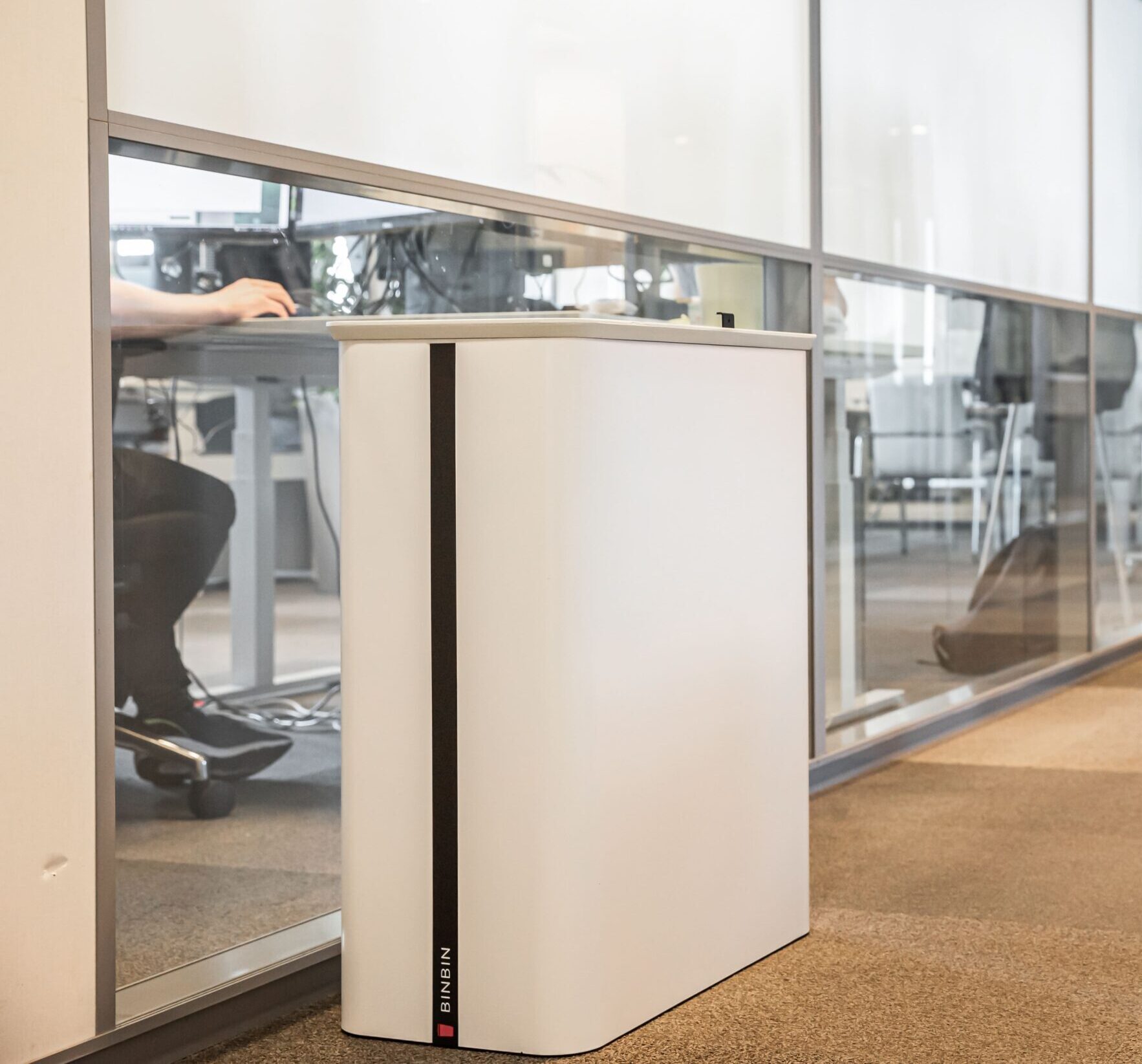
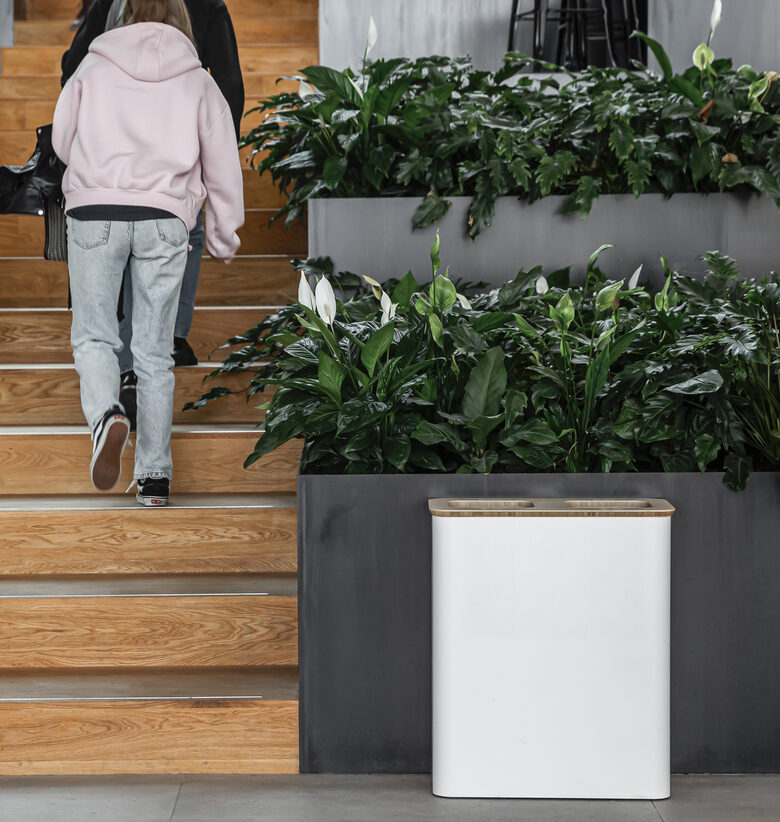
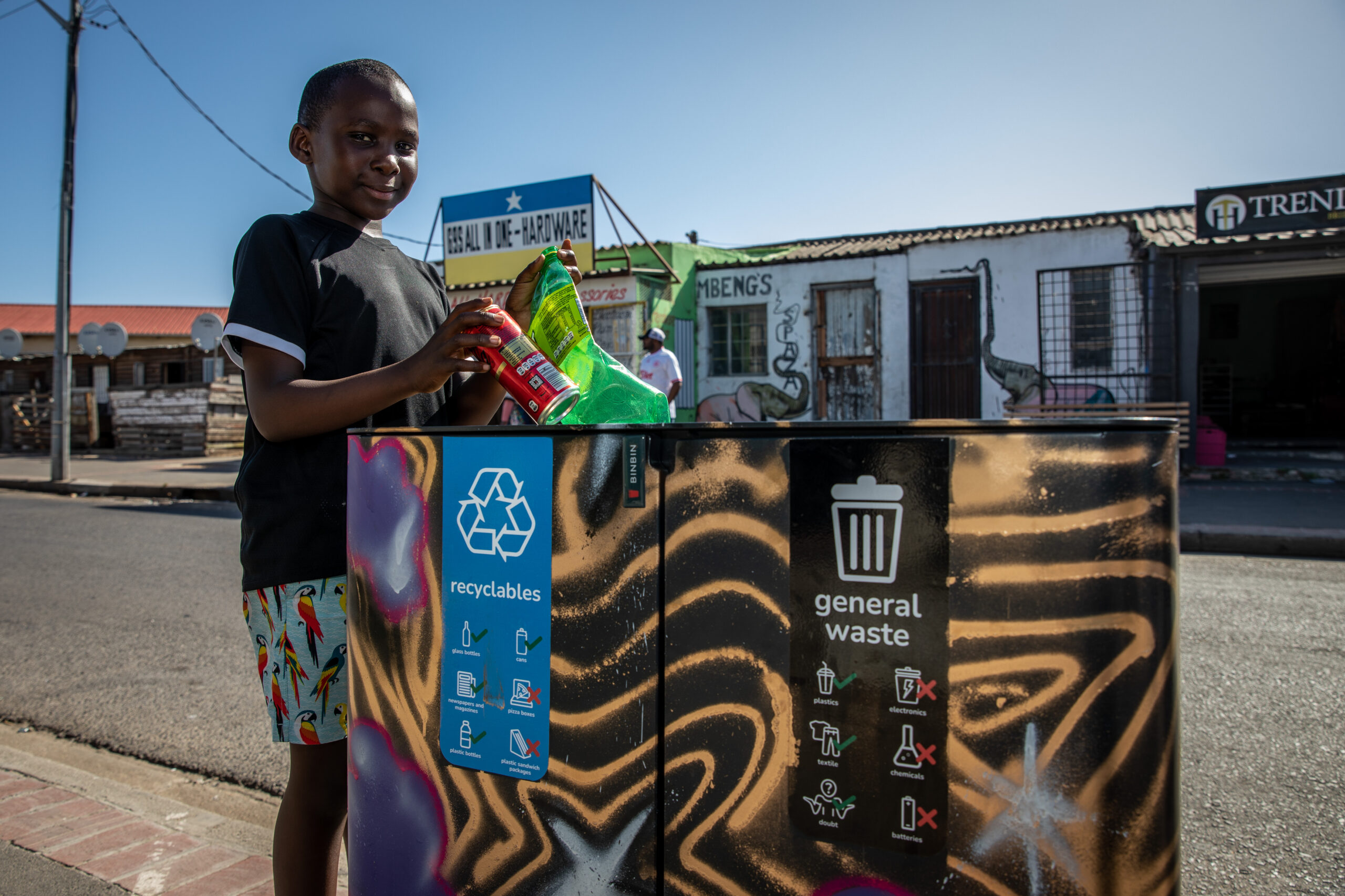
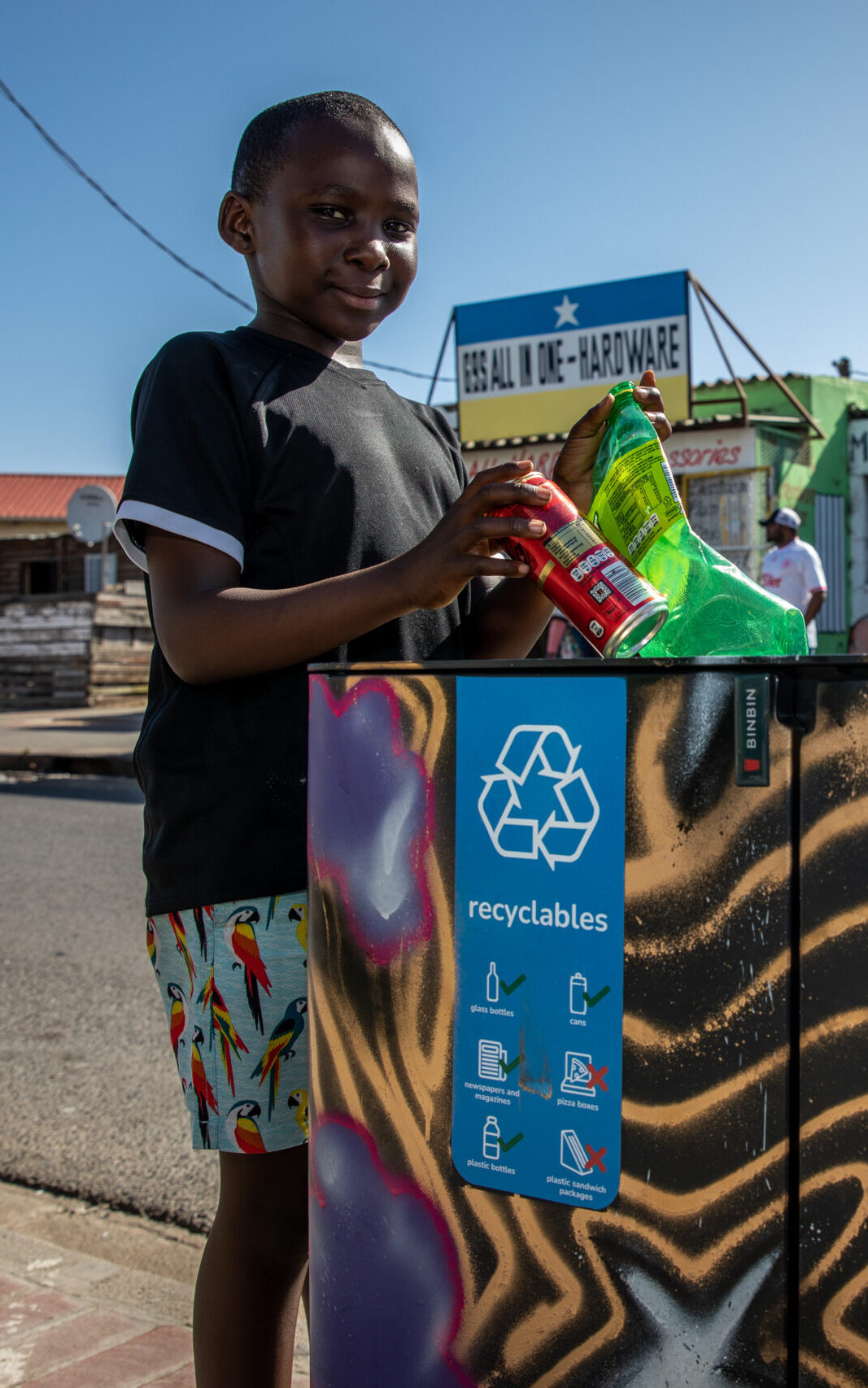
BINBIN's intuitive modular design naturally encourages proper waste separation by making sorting simple and visually clear for all staff members. Our office waste management solutions address the most common barriers to employee participation through thoughtful design and practical functionality.
Our waste separation systems motivate staff through:
- Clear visual indicators that eliminate sorting confusion
- Modular flexibility that allows easy reconfiguration as needs change
- Stylish design that employees feel proud to use
- Strategic placement options that don't disrupt workflow
- Customisable branding that reinforces your sustainability message
The BINBIN approach includes comprehensive implementation support, including communication materials, pictograms, and staff guidance, to ensure successful adoption. Our solutions transform waste separation from a burden into a natural part of the daily office routine.
Ready to motivate your staff with effective waste separation solutions? Contact us for a personalised consultation and discover how BINBIN can help create a culture of successful waste separation in your workplace.