Office recycling methods are most effective when they address the unique challenges of workplace environments through systematic waste separation, employee engagement, and proper infrastructure. The most successful approaches combine clear sorting systems, strategic bin placement, and regular performance monitoring. Understanding common office waste streams—such as paper, electronics, and packaging—helps prioritise recycling efforts for maximum environmental impact.
What makes office recycling different from home recycling?
Office recycling operates on a much larger scale, with significantly higher waste volumes and more complex contamination challenges than home recycling. Workplace environments generate diverse waste streams from multiple users with varying levels of environmental awareness, requiring systematic approaches that accommodate different behaviours and knowledge levels across the organisation.
The volume difference alone creates unique logistical challenges. A typical office building may generate the equivalent waste of dozens of households each day, requiring robust collection systems and greater storage capacity. Unlike home recycling, where one person controls the process, offices must coordinate efforts across departments and shifts, with varying levels of environmental commitment.
Employee behaviour patterns present another distinct challenge. In home settings, people directly benefit from proper recycling through reduced bin collections and lower waste fees. Office workers often lack this direct connection to waste costs, requiring different motivational approaches. Additionally, the transient nature of office spaces means items are frequently discarded hastily, leading to higher contamination rates.
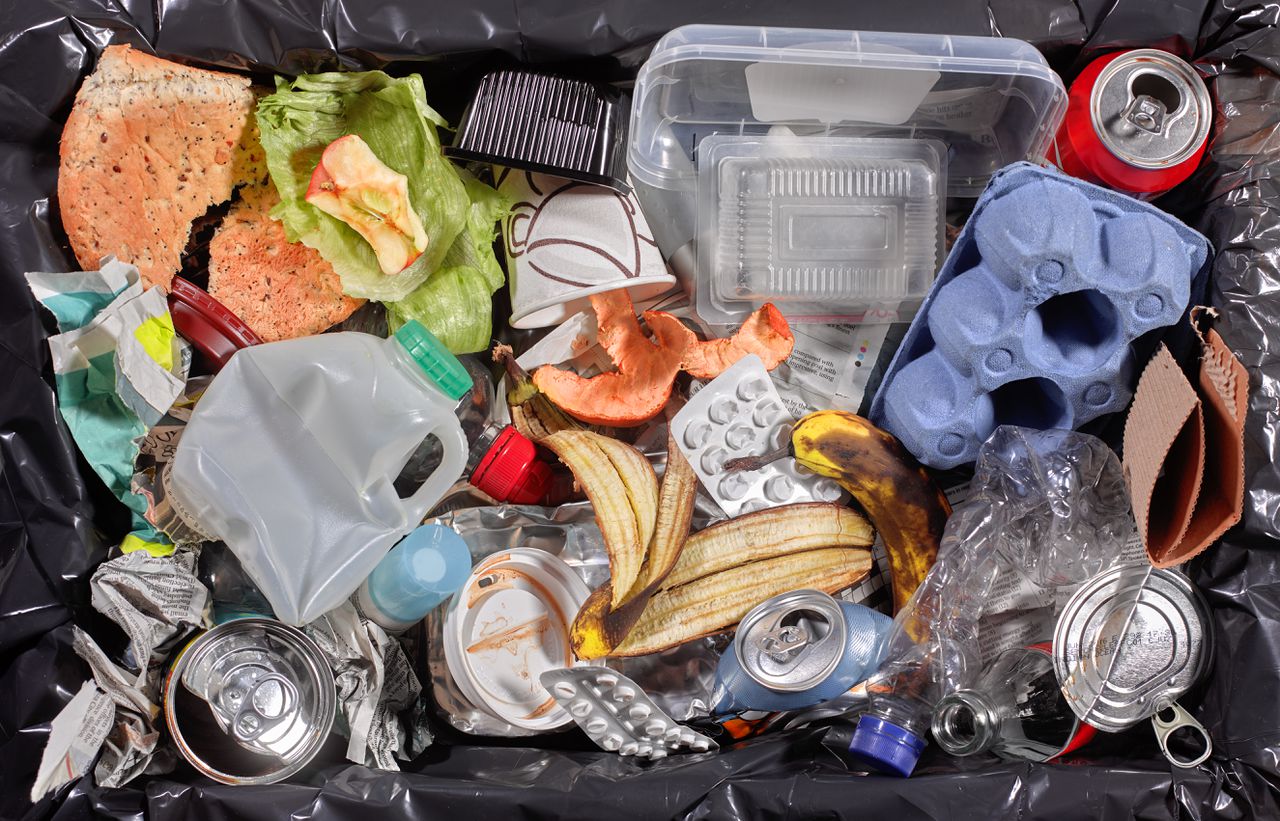
Contamination issues multiply in office environments due to shared responsibility and time pressures. Food waste mixed with paper, liquid spills in recycling bins, and incorrect sorting happen more frequently when multiple people use the same systems without clear ownership or immediate consequences.
Which waste streams should offices prioritise for maximum impact?
Paper waste should be the top priority for office recycling programmes, as it typically represents 70–80% of office waste by volume and offers the highest recycling success rates. Electronic waste ranks second due to its environmental toxicity and valuable material recovery potential, followed by packaging materials and organic waste from break areas.
Paper waste includes everything from copy paper and newspapers to cardboard packaging and magazines. This stream offers excellent recycling rates when properly separated, with clean office paper being one of the most valuable recyclable materials. The sheer volume makes paper recycling the most impactful starting point for any office programme.
Electronic waste presents the greatest environmental risk despite lower volumes. Items such as batteries, printer cartridges, old computers, and mobile phones contain hazardous materials that require specialised handling. However, they also contain valuable metals, making proper e-waste recycling economically beneficial.
Packaging waste from deliveries, supplies, and food services creates another significant stream. This includes:
- Cardboard boxes from office supplies and equipment
- Plastic packaging from food deliveries and catering
- Bubble wrap and protective materials from shipments
- Glass bottles and jars from break room supplies
Organic waste from kitchens and break areas offers composting opportunities but requires careful management to prevent odours and pest issues. While smaller in volume, organic waste recycling demonstrates environmental commitment and can reduce overall waste disposal costs.
How do you implement effective waste separation systems in workplaces?
Effective workplace waste separation begins with strategic bin placement in high-traffic areas such as copy centres, break rooms, and main entrances, combined with clear visual labelling that shows exactly what belongs in each container. The key is making proper disposal more convenient than throwing everything into general waste bins.
Start by conducting a waste audit to understand your specific waste streams and volumes. This reveals which materials your office generates most and where contamination problems occur. Place recycling stations where waste is generated rather than expecting people to walk across the office to dispose of items properly.
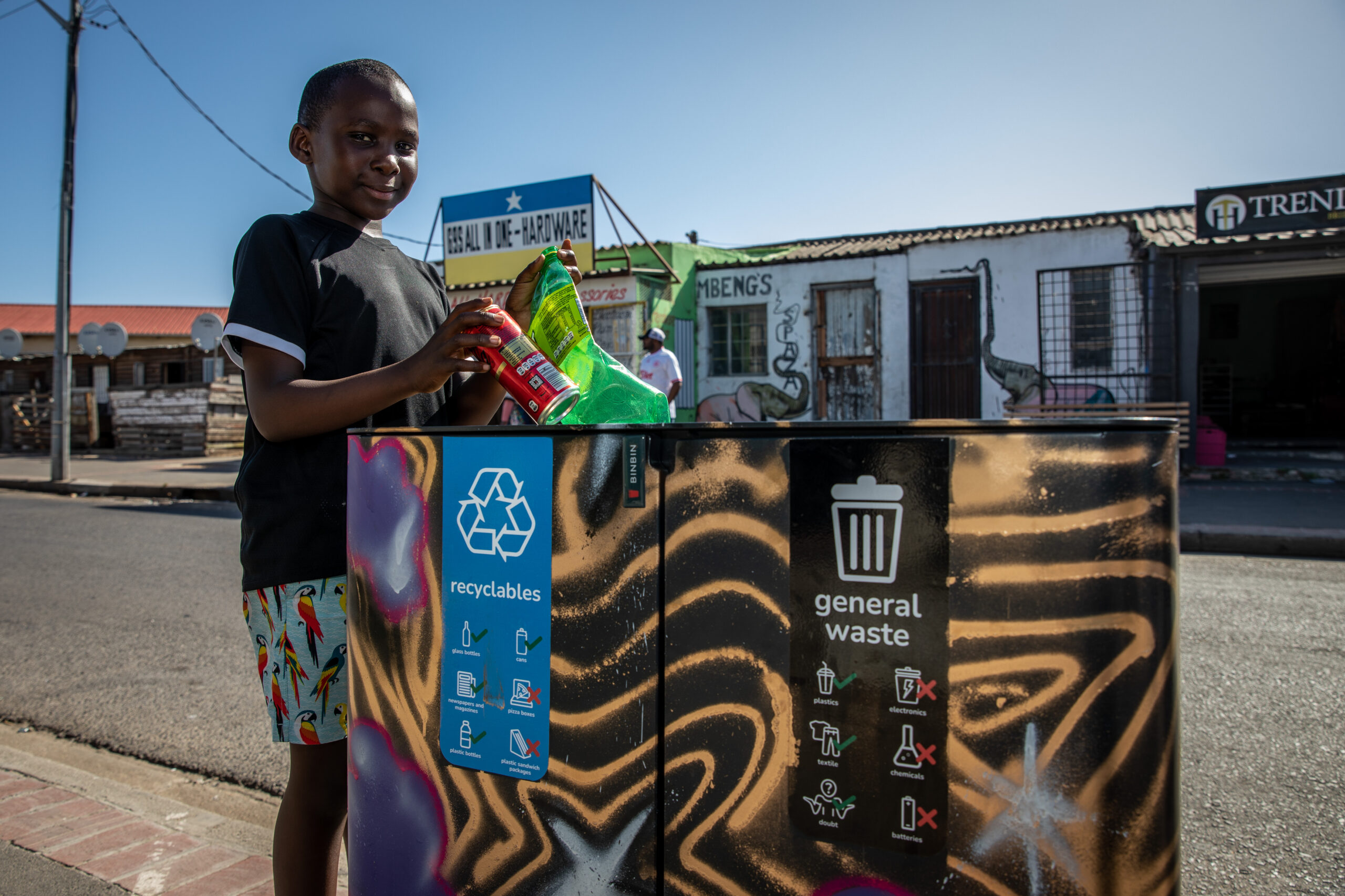
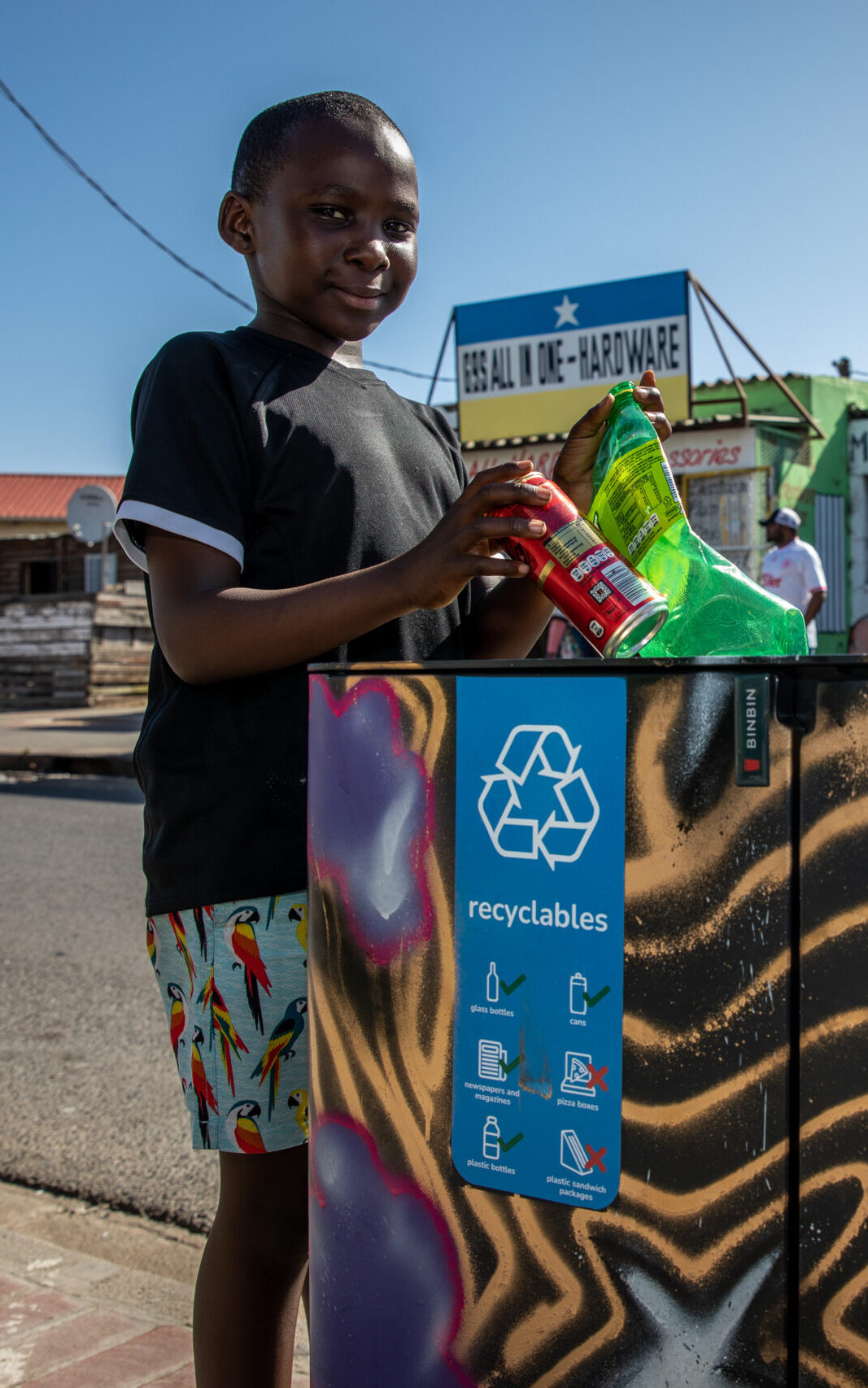
Visual communication makes the difference between success and failure. Use colour-coded bins with clear pictorial labels showing acceptable items. Avoid text-heavy instructions that people won’t read under time pressure. Consider multilingual labels if your workforce is diverse.
The implementation process should follow these steps:
- Remove individual desk bins to encourage use of central recycling stations
- Install clearly marked separation systems near printers, kitchens, and meeting rooms
- Train cleaning staff on proper waste handling and contamination identification
- Launch with staff education sessions and ongoing reminder communications
- Monitor and adjust bin locations based on actual usage patterns
Employee engagement requires ongoing effort beyond the initial setup. Regular communications, feedback on recycling performance, and recognition of good practices help maintain momentum. Consider appointing recycling champions in different departments to answer questions and encourage participation.
What are the most common office recycling mistakes and how to avoid them?
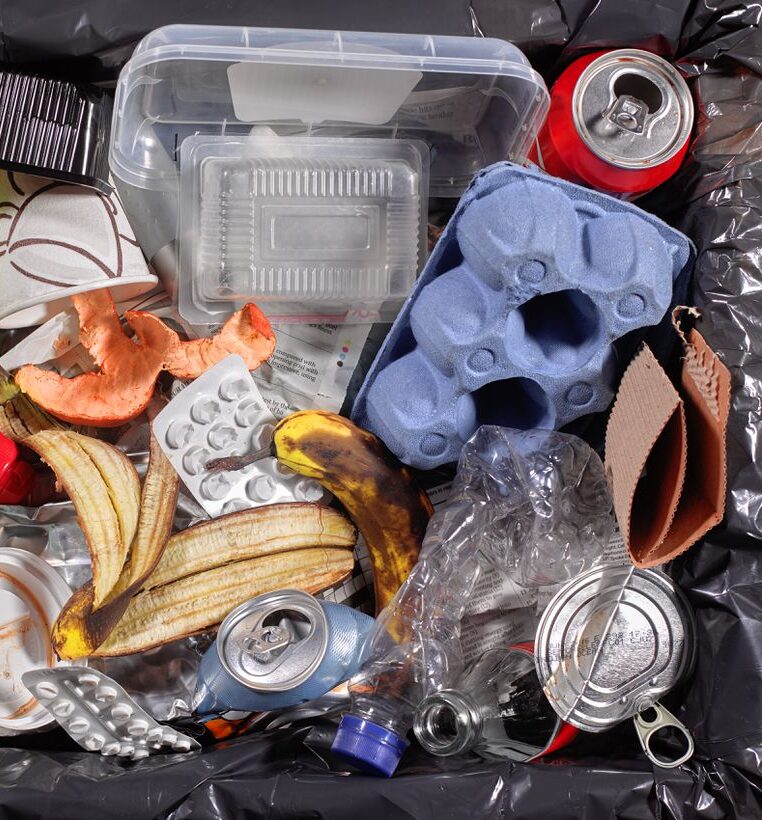
The most frequent office recycling mistake is contamination through wishful recycling, where people place non-recyclable items in recycling bins in the hope that they can be processed. This includes food-soiled paper, plastic bags, and electronics mixed with regular recyclables, which can contaminate entire batches and make them unsuitable for processing.
Food contamination represents the biggest single problem in office recycling. Pizza boxes with grease stains, coffee cups with liquid residue, and paper towels with food waste regularly contaminate paper recycling streams. Even small amounts of food waste can make large quantities of otherwise clean recyclables unusable.
Improper electronics disposal creates both environmental and security risks. Placing batteries in regular recycling bins can cause fires during processing, while disposing of hard drives without proper data destruction creates information security vulnerabilities. These items require specialised collection and processing.
System failures often stem from inadequate infrastructure or poor placement decisions. Common problems include:
- Bins that are too small for actual waste volumes, leading to overflow and contamination
- Unclear labelling that confuses users about proper sorting
- Recycling stations placed inconveniently, encouraging general waste disposal
- Lack of cleaning protocols that allow contamination to build up over time
Prevention strategies focus on making correct disposal easier than incorrect disposal. This means larger bins for high-volume streams, clearer signage with visual examples, and regular monitoring to identify and address problems quickly. Regular audits of bin contents help identify recurring contamination sources and target additional education efforts.
How do you measure and improve office recycling performance?
Measuring office recycling performance requires tracking both diversion rates and contamination levels through regular waste audits and weight measurements. The most effective approach combines monthly data collection with quarterly detailed analysis to identify trends and improvement opportunities, while creating feedback loops that drive continuous enhancement.
Start by establishing baseline measurements before implementing changes. Track total waste generated, amounts diverted to recycling, and contamination rates for each waste stream. This provides clear benchmarks for measuring improvement and identifying which streams need attention.
Key performance indicators should include:
- Overall diversion rate (percentage of waste recycled vs. sent to landfill)
- Contamination rates for each recycling stream
- Cost per kilogram for waste disposal vs. recycling
- Employee participation rates in different areas of the building
Data collection methods vary in complexity and cost. Simple approaches include weighing bins before collection or working with waste contractors to provide detailed reports. More sophisticated systems use smart bins with sensors that track fill levels and contamination in real time.
Creating effective feedback loops means sharing results with employees regularly and celebrating improvements. Monthly updates showing recycling rates, cost savings, and environmental impact help maintain engagement. When problems are identified, communicate both the issue and the solution clearly.
Continuous improvement comes from treating recycling as an ongoing process rather than a one-time implementation. Regular reviews of bin placement, signage effectiveness, and collection schedules help optimise the system based on actual usage patterns and changing office needs.
How BINBIN helps with office recycling effectiveness
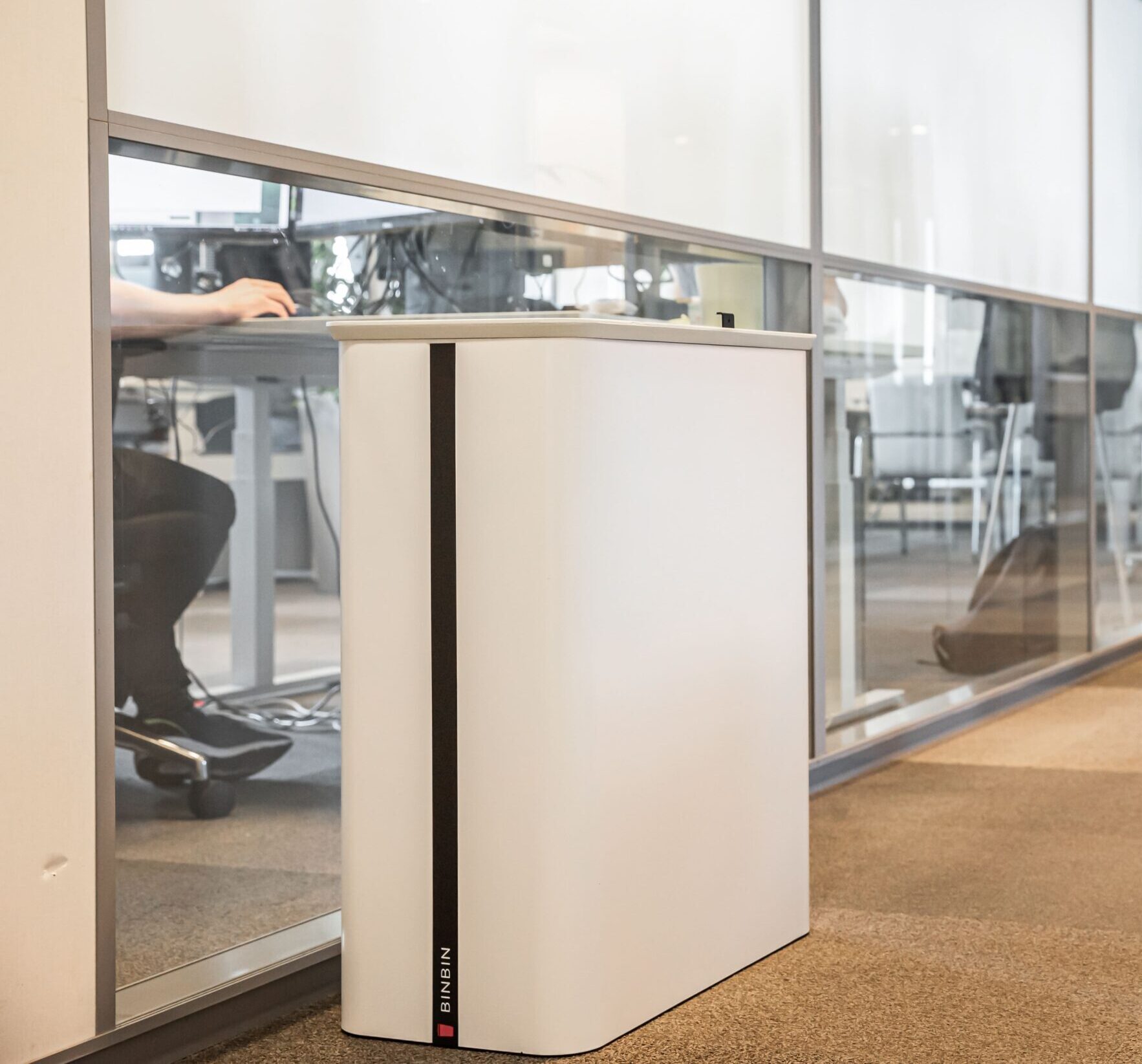
BINBIN transforms office recycling effectiveness through our modular waste separation solutions that adapt to changing workplace needs while maintaining the clean, professional aesthetic that modern offices require. Our Globular series enables offices to separate 1 to 8 different waste streams using a single system that can be reconfigured in minutes as requirements evolve.
Our approach addresses the key challenges of office recycling through:
- Flexible configuration: Internal compartment splitting means you never need new bins as waste streams change
- Professional design: Clean, intuitive styling that enhances rather than detracts from office environments
- Circular materials: 99% circular construction using recycled materials that can be reprocessed at end of life
- Customisable branding: Options for company logos and colours that reinforce corporate sustainability messaging
- Scalable systems: Easy expansion as offices grow or recycling programmes develop
The modular design eliminates the common problem of inadequate bin capacity by allowing instant volume adjustments. When your office generates more packaging waste during busy periods, simply reconfigure compartments without purchasing additional equipment. This flexibility ensures your recycling infrastructure remains effective as workplace patterns change.
Ready to improve your office recycling effectiveness? Contact us for a trial placement to experience how BINBIN’s modular solutions can transform your workplace waste management while supporting your organisation’s circular transition goals.