Healthcare facilities require specialised waste management systems that handle infectious materials, pharmaceuticals, and sharps while ensuring regulatory compliance. Unlike standard waste disposal, medical facilities must segregate multiple waste streams, maintain strict documentation, and follow specific handling protocols to protect public health and the environment.
What makes healthcare waste management different from regular waste disposal?
Healthcare waste management differs fundamentally from regular waste disposal due to the infectious and hazardous nature of medical materials. Healthcare facilities generate waste that poses significant risks to human health and the environment, requiring specialised handling, storage, and disposal methods that go far beyond standard waste management practices.
Medical facilities must manage infectious materials that can transmit diseases, pharmaceutical waste that can contaminate water systems, and sharps that pose immediate injury risks. These materials cannot be disposed of through regular municipal waste streams and require specialised treatment facilities and transport methods.
The regulatory framework for healthcare waste is also much more stringent. Facilities must comply with multiple regulatory bodies and maintain detailed documentation for every step of the waste management process. This includes tracking waste from generation to final disposal, ensuring proper labelling, and maintaining chain-of-custody records that are not required for general waste.
Additionally, healthcare waste requires immediate segregation at the point of generation, colour-coded containers, and specific storage conditions to prevent contamination or exposure. Staff handling medical waste need specialised training and personal protective equipment, making the entire process more complex and costly than regular waste management.
What are the main types of waste generated in healthcare facilities?
Healthcare facilities generate six primary categories of waste, each requiring specific handling and disposal methods. Understanding these categories is essential for proper segregation and compliance with safety regulations.
Infectious waste includes materials contaminated with blood, body fluids, or potentially infectious substances. This category encompasses used bandages, surgical gloves, culture dishes, and any items that have come into contact with patients. These materials must be treated to eliminate pathogens before disposal.
Pathological waste consists of human tissues, organs, body parts, and anatomical remains from surgeries, autopsies, or medical procedures. This waste requires incineration or other approved treatment methods and often involves specific religious or cultural considerations for handling.
Sharps waste includes needles, scalpels, broken glass, and any items that can cause cuts or puncture wounds. These materials pose immediate injury risks and potential disease transmission, requiring puncture-resistant containers and careful handling protocols.
Pharmaceutical waste encompasses expired medications, unused drugs, and chemotherapy agents. Different types of pharmaceutical waste require different disposal methods, with some needing high-temperature incineration and others requiring secure landfill disposal to prevent environmental contamination.
Chemotherapy waste is a specialised category requiring extra precautions due to its cytotoxic properties. This includes any materials that have come into contact with chemotherapy drugs and requires specific treatment to neutralise the hazardous compounds.
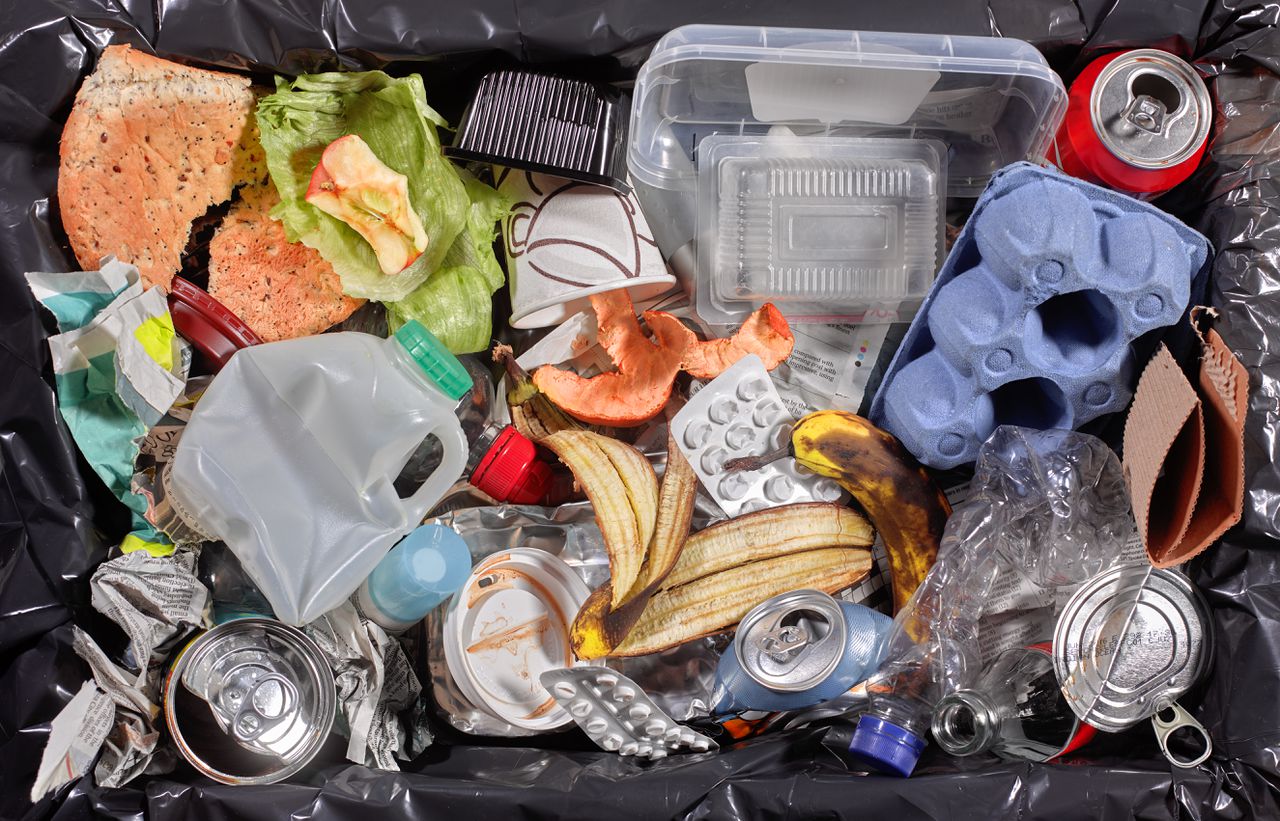
General non-hazardous waste includes regular office waste, food packaging, and materials that have not been contaminated. While this resembles regular waste, it still requires proper segregation to ensure no cross-contamination occurs.
How do you choose the right waste segregation system for a medical facility?
Selecting the appropriate waste segregation system requires careful assessment of facility size, waste volume, and operational requirements. The right system ensures compliance while optimising efficiency and cost-effectiveness for your specific medical environment.
Begin by conducting a waste audit to determine the types and volumes of waste your facility generates daily. Larger hospitals may need systems that handle multiple waste streams simultaneously, while smaller clinics might require simpler solutions focused on the most common waste types they produce.
Consider your staff training requirements and operational workflow. Systems should be intuitive enough that healthcare workers can use them correctly under pressure while maintaining sterility protocols. The segregation system must integrate seamlessly into existing medical procedures without disrupting patient care.
Colour-coding standards are crucial for proper segregation. Most healthcare systems follow international colour-coding conventions: red for infectious waste, yellow for pathological waste, and puncture-resistant containers for sharps. Ensure your chosen system aligns with local regulatory requirements and staff familiarity.
Accessibility needs must also be considered. Containers should be positioned in convenient locations throughout the facility, at appropriate heights for wheelchair users, and with clear sightlines for proper waste identification. The system should accommodate high-traffic areas while maintaining infection control standards.
Space constraints often determine system design. Evaluate available floor space, storage areas, and collection points to ensure the segregation system fits your facility layout without creating bottlenecks or safety hazards.
What compliance requirements must healthcare facilities meet for waste management?
Healthcare facilities must navigate a complex regulatory landscape that includes multiple overlapping requirements from different authorities. In South Africa, this includes regulations under the National Health Act, environmental legislation, and local municipal bylaws that govern every aspect of medical waste handling.
The National Environmental Management: Waste Act forms the primary legal framework, requiring healthcare facilities to register with relevant environmental and health authorities. This legislation promotes integrated waste management based on the waste hierarchy, prioritising waste avoidance, reduction, reuse, and recycling before disposal.
Healthcare facilities that generate medical waste must obtain the appropriate licences and ensure that waste transporters and treatment facilities are also properly licensed. Regulations under the National Health Act specifically address healthcare waste management in both private and public health establishments providing inpatient or outpatient care.
Documentation requirements are extensive, including:
- Waste generation records and manifests
- Chain-of-custody documentation
- Treatment and disposal certificates
- Staff training records
- Incident reports and corrective actions
Provincial departments responsible for environmental matters may have standards that are stricter than national requirements. Facilities must ensure compliance with the most stringent applicable regulations, which can vary by location and facility type.
Municipal regulations also apply, with metropolitan and local municipalities required to issue bylaws specifying waste management services and residents’ requirements. Healthcare facilities must coordinate with local authorities to ensure proper waste collection and disposal services.
How can healthcare facilities reduce waste costs while maintaining safety standards?
Healthcare facilities can significantly reduce waste management costs through strategic segregation and waste minimisation without compromising safety or regulatory compliance. Proper segregation alone can reduce costs by ensuring that only truly hazardous materials receive expensive specialised treatment.
Staff training is the most cost-effective investment facilities can make. Properly trained staff segregate waste correctly, reducing the volume of materials requiring expensive treatment. Training also prevents costly violations and reduces the risk of exposure incidents that can result in significant liability costs.
Implementing reusable container systems, where appropriate, can substantially reduce ongoing costs. Many sharps containers and some infectious-waste containers can be safely cleaned and reused, reducing the need for constant replacement of single-use containers.
Waste stream optimisation involves regular auditing to identify opportunities for reduction. This might include:
- Reviewing purchasing practices to reduce packaging waste
- Implementing just-in-time inventory to reduce pharmaceutical waste
- Segregating general waste more effectively to avoid treating it as medical waste
- Negotiating better rates with waste management providers based on accurate volume data
- Exploring regional partnerships for waste treatment to achieve economies of scale
Technology solutions can also reduce costs through better tracking and inventory management. Digital systems can help monitor waste generation patterns, identify inefficiencies, and ensure optimal container sizing and collection schedules.
Sustainable practices that do not compromise safety include choosing products with less packaging, implementing recycling programmes for appropriate materials, and working with suppliers who take back used equipment for refurbishment.
What training do healthcare staff need for proper waste management?
Healthcare staff require comprehensive training covering waste identification, segregation techniques, and safety protocols to ensure proper handling and regulatory compliance. This training must be ongoing and tailored to specific roles within the healthcare facility.
Waste identification training helps staff recognise different types of medical waste and understand which materials require special handling. This includes understanding the difference between infectious and non-infectious materials, recognising pharmaceutical waste, and properly identifying sharps and pathological waste.
Proper segregation techniques form the core of waste management training. Staff must learn colour-coding systems, understand container specifications, and know how to properly fill and seal waste containers. This training should include hands-on practice with actual containers and waste materials.
Container handling procedures ensure staff safety and prevent exposure incidents. Training covers proper lifting techniques, how to avoid overfilling containers, and the importance of never compacting waste manually. Staff learn when containers should be sealed and how to safely transport them to collection points.
Spill procedures are critical for maintaining safety when accidents occur. Staff need clear protocols for different types of spills, appropriate cleanup materials, and when to seek additional help. This training includes proper use of spill kits and decontamination procedures.
Personal protective equipment training ensures staff understand what protection is required for different waste handling activities. This includes proper donning and doffing procedures, equipment limitations, and when additional protection might be necessary.
Ongoing education requirements keep staff current with changing regulations and best practices. Regular refresher training, updates on new waste streams, and feedback on facility performance help maintain high standards over time.
How BINBIN helps with healthcare waste management solutions
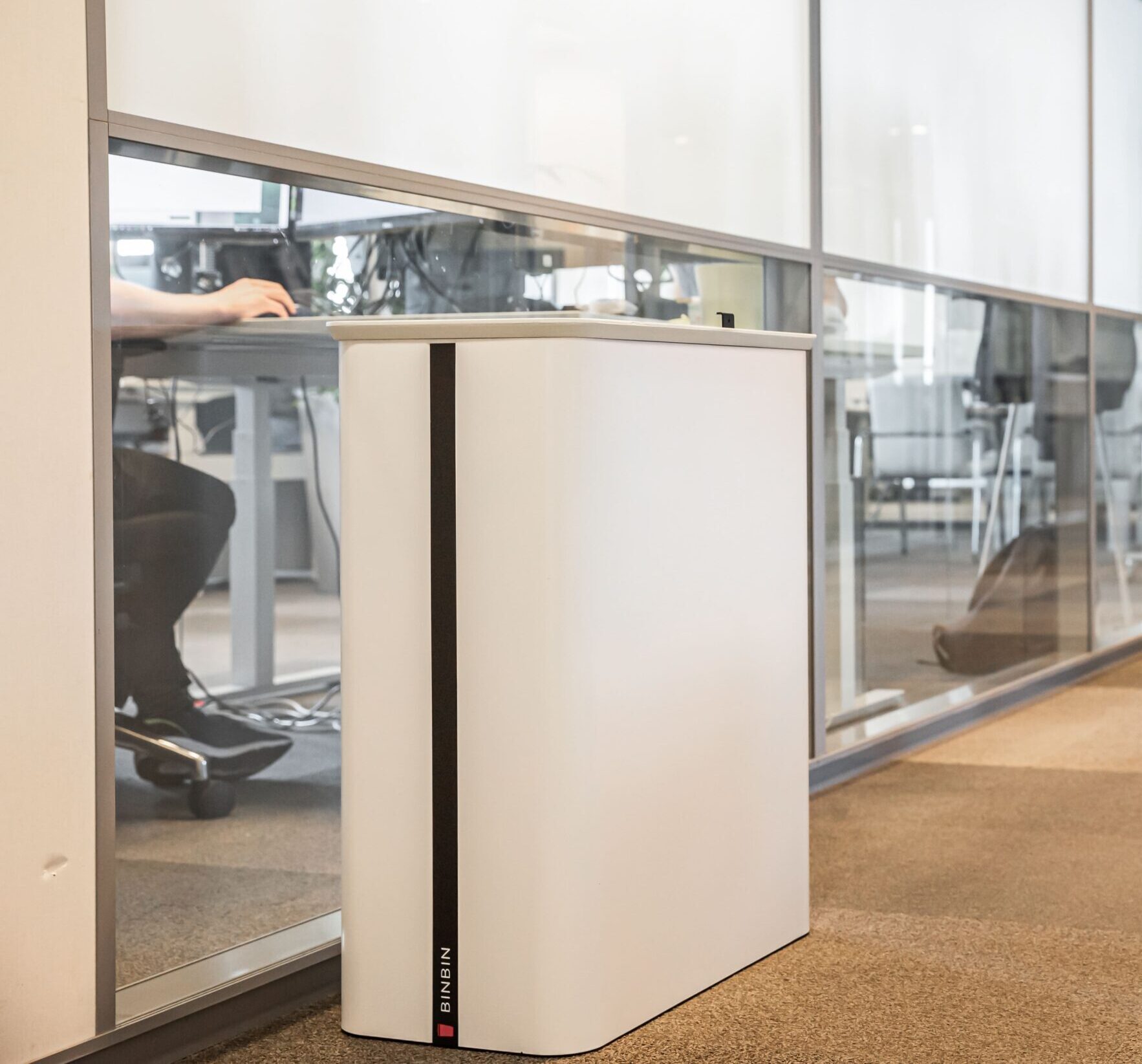
BINBIN's modular waste systems provide healthcare facilities with adaptable and hygienic solutions that address the unique challenges of medical waste segregation. Our systems are designed specifically for environments where infection control, regulatory compliance, and operational efficiency are paramount.
Our healthcare waste management solutions include:
- Customisable compartments that can be configured for different waste streams and easily reconfigured as needs change
- Easy-to-clean surfaces and materials that support strict hygiene protocols
- Colour-coded options that align with international medical waste standards
- Modular design allowing facilities to scale their waste management systems as they grow
- Durable construction suitable for high-traffic medical environments
The modular nature of BINBIN systems means healthcare facilities can start with basic configurations and expand or modify their waste segregation setup without replacing entire systems. This flexibility is particularly valuable for medical facilities that may add new services or change their waste generation patterns over time.
Ready to improve your healthcare facility's waste management? Contact us for a trial placement to see how our modular solutions can enhance your waste segregation efficiency while maintaining the highest safety standards.