The most effective office waste solutions combine proper waste stream separation, strategically placed collection points, and systems that adapt to changing workplace needs. Modern offices generate diverse waste types that require different handling approaches, from recyclable paper and plastics to electronic waste and organic materials. The key lies in choosing modular systems that balance functionality with aesthetics while encouraging consistent employee participation through clear labeling and convenient placement.
What types of waste do offices typically generate?
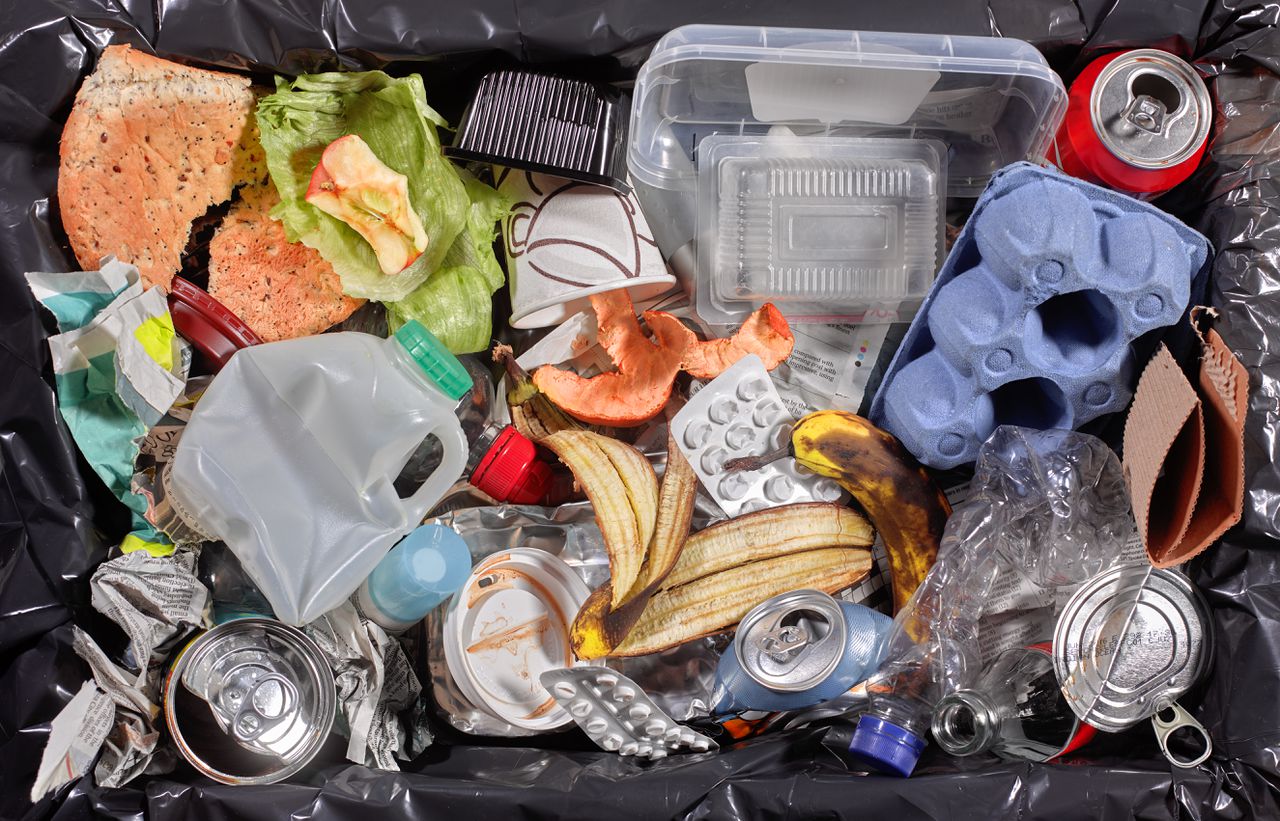
Office environments produce five primary waste streams that require different collection and disposal methods. Paper waste typically represents the largest volume, including documents, packaging, and cardboard. Plastic waste encompasses bottles, food containers, and packaging materials, while electronic waste includes batteries, printer cartridges, and obsolete equipment that requires specialized handling.
Food waste from staff kitchens and lunch areas creates unique challenges due to hygiene requirements and rapid decomposition. General refuse includes non-recyclable materials like tissues, broken items, and contaminated packaging. Understanding these waste patterns helps determine the appropriate number of collection points and container sizes needed throughout your workspace.
Volume patterns fluctuate based on office activities, with higher paper waste during busy periods and increased food waste around mealtimes. Electronic waste accumulates more slowly but requires secure storage until proper disposal. This variation makes flexible waste systems essential for maintaining efficiency without overflow issues.
How do you choose the right waste separation system for your office?
Selecting appropriate waste separation systems requires assessing your office space, employee count, and daily waste volumes. Start by conducting a waste audit to identify which streams generate the most volume and where waste is typically produced. This data guides decisions about container sizes, placement locations, and the number of separation compartments needed.
Consider your office layout and workflow patterns when positioning collection points. High-traffic areas like kitchens, printer stations, and break rooms require higher-capacity systems, while individual workstations may need smaller desktop solutions. The aesthetic impact matters too—choose systems that complement your office design rather than detract from the professional environment.
Space constraints often dictate system configuration. Compact offices benefit from vertical solutions or wall-mounted options, while open-plan spaces can accommodate larger modular systems. Factor in cleaning access, emptying frequency, and maintenance requirements when making final selections. The goal is seamless integration that supports rather than disrupts daily operations.
What are the most effective ways to encourage employee participation in office recycling?
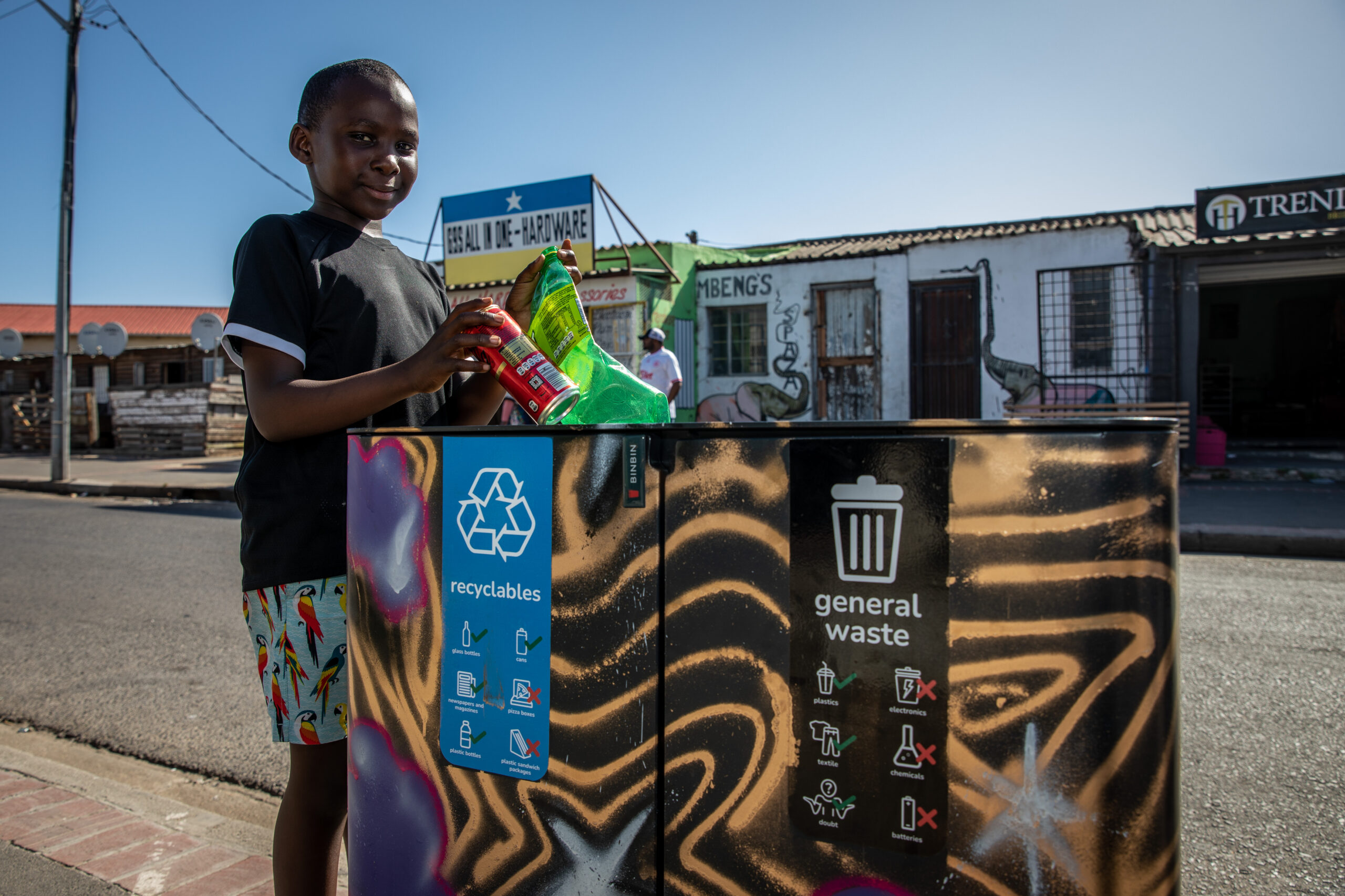
Building a strong recycling culture requires clear communication, convenient systems, and ongoing engagement rather than one-time training sessions. Visual clarity is most effective—use color-coded containers with picture guides showing exactly what belongs in each compartment. Ambiguous labeling leads to contamination and employee frustration.
Strategic placement encourages participation by making correct disposal easier than incorrect disposal. Position recycling stations near waste generation points like printers, kitchens, and meeting rooms. Ensure general waste and recycling options are equally accessible to prevent convenience-based poor choices.
Regular feedback helps maintain momentum through waste reduction metrics, contamination rates, and environmental impact measurements. Share successes and address challenges transparently. Consider appointing office waste champions who can answer questions and maintain enthusiasm for proper separation practices.
Why do traditional office bins fail at proper waste separation?
Standard office bins create contamination problems because they're designed for single-stream collection rather than waste separation. Inadequate capacity in individual bins leads to overflow, causing employees to use whatever container has space available. This convenience-based disposal undermines separation efforts and creates sorting problems downstream.
Poor labeling contributes significantly to separation failures. Generic terms like "recycling" don't provide enough guidance for proper sorting, especially with complex items like composite packaging or electronic components. Employees facing uncertainty often default to general waste rather than risk contamination.
Fixed configurations can't adapt to changing office needs, seasonal variations, or evolving waste streams. Traditional systems lack flexibility for office relocations, team size changes, or new recycling programs. This rigidity forces compromises that reduce effectiveness over time.
Location limitations compound these issues when bins are positioned for cleaning convenience rather than user accessibility. Employees won't walk across the office to dispose of items correctly, leading to improper disposal in the nearest available container.
How can modular waste systems adapt to changing office needs?
Modular waste systems offer unmatched flexibility through reconfigurable components that can be combined, separated, or internally divided based on current requirements. Individual compartments can be adjusted for different waste streams without purchasing entirely new systems. This adaptability is essential as offices evolve their sustainability practices and waste generation patterns.
Office layout changes become manageable when waste systems can be quickly reconfigured rather than replaced. Moving departments, changing team sizes, or redesigning workspaces simply requires rearranging existing components. Internal splitters allow fine-tuning of compartment sizes to match actual waste volumes rather than predetermined configurations.
Seasonal variations and special projects can be accommodated by temporarily combining or separating units. During high-activity periods, increase capacity by linking multiple units. When waste streams change, remove splitters to merge compartments or add dividers to create new categories.
This flexibility extends to pilot programs and gradual implementation. Start with basic separation and add complexity as employees become comfortable with new practices. Trial placements help determine optimal configurations before committing to permanent solutions.
What should you consider when implementing a new office waste system?
Successful implementation requires careful planning across multiple areas, starting with a comprehensive space assessment and employee preparation. Map waste generation patterns, measure available spaces, and identify optimal placement locations before selecting specific systems. This groundwork prevents costly mistakes and ensures smooth adoption.
Staff training should occur in phases rather than single sessions. Begin with simple concepts and gradually introduce complexity as habits develop. Key considerations include:
- Conducting baseline waste audits to measure current performance
- Developing clear communication materials with visual guides
- Establishing maintenance schedules and responsibility assignments
- Creating feedback mechanisms to track progress and address issues
- Planning for system adjustments based on real-world usage patterns
Budget for ongoing support beyond initial purchase costs, including training materials, maintenance supplies, and potential system modifications. Monitor contamination rates, employee satisfaction, and waste reduction metrics to measure success and identify opportunities for improvement.
Implementation timing matters significantly. Avoid busy periods or major office changes that might overshadow new systems. Allow adequate time for habit formation before making judgments about system effectiveness or needed modifications.
How BINBIN helps with office waste management solutions
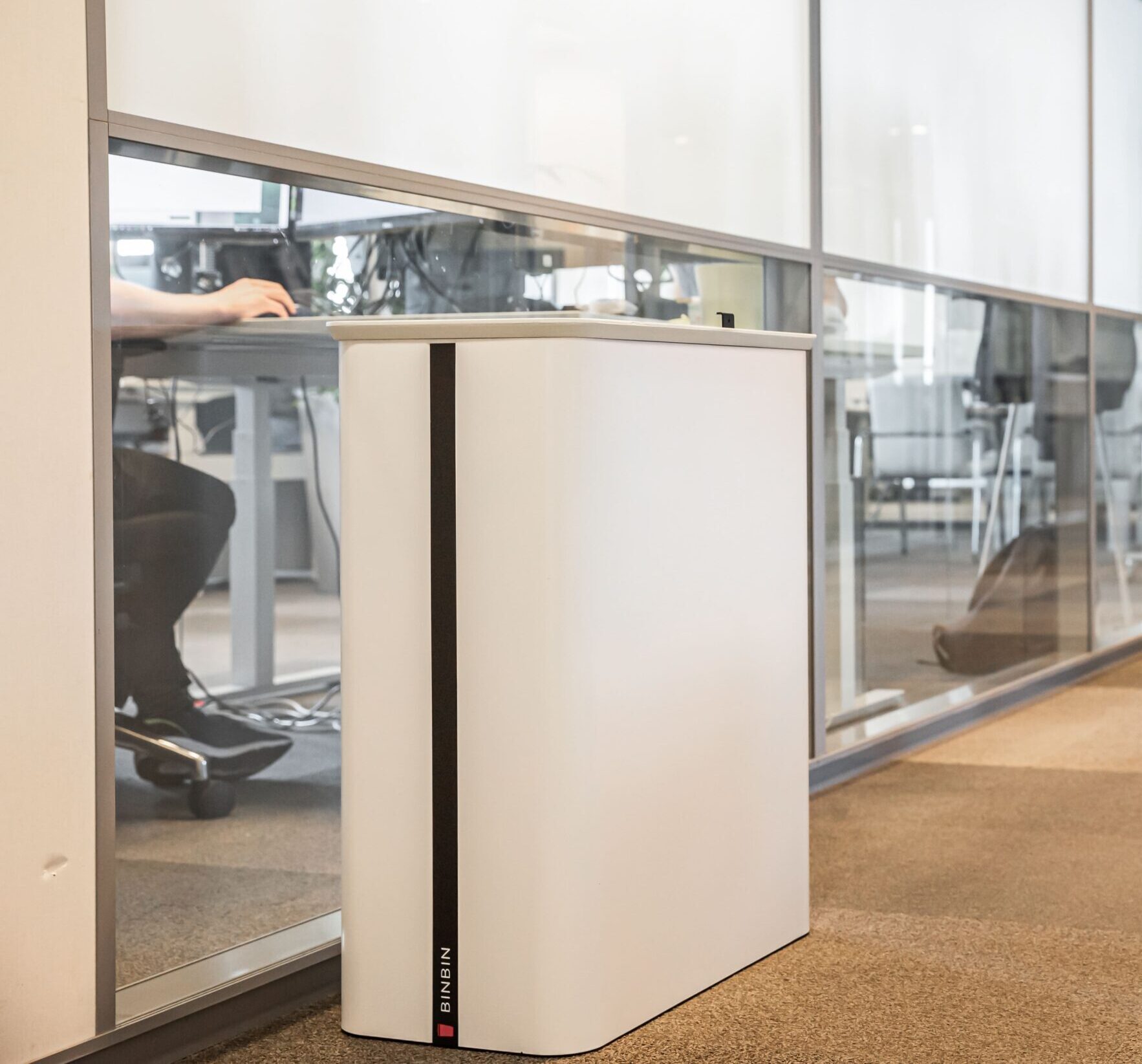
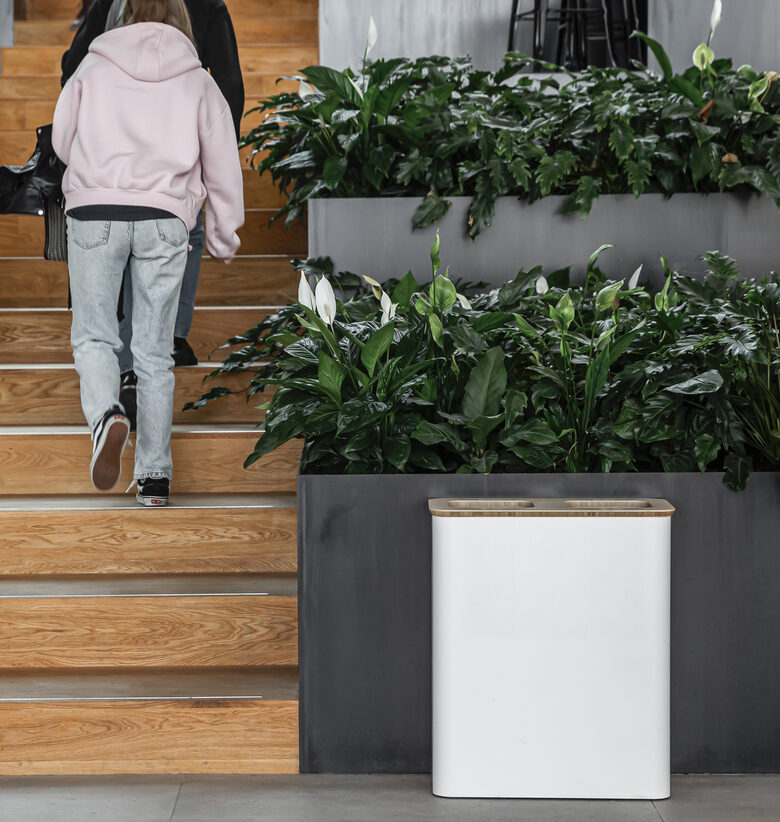
BINBIN transforms office waste management through modular systems designed specifically for workplace environments that prioritize both functionality and aesthetics. Our Globular series enables separation of 1 to 8 different waste streams in configurations that can be modified instantly as your office needs evolve.
Our approach addresses common office challenges through:
- Flexible configurations - Combine or separate units and adjust internal compartments without purchasing new equipment
- Professional aesthetics - Clean, modern designs that enhance rather than detract from office environments
- Circular materials - 99% circular construction using recycled and recyclable components that support your sustainability goals
- Custom branding - Personalization options that integrate seamlessly with your office design and corporate identity
- Comprehensive support - From initial assessment through implementation and ongoing optimization
Whether you're starting with basic paper and plastic separation or implementing comprehensive waste reduction programs, our modular approach grows with your needs. Each system component works independently or together, ensuring your investment adapts rather than becomes obsolete as requirements change.
Ready to transform your office waste management? Explore our modular solutions and discover how BINBIN can create the perfect waste separation system for your workplace environment.