Offices should upgrade their waste systems when current practices create inefficiencies, compliance issues, or missed sustainability goals. Key indicators include overflowing bins, contaminated recycling streams, employee complaints about confusing systems, and rising waste management costs. Modern waste separation systems can reduce collection fees by 20–40% while improving recycling rates and meeting regulatory requirements. This guide addresses the most common questions about timing, benefits, and how to implement effective office waste upgrades.
What are the clear signs your office waste system needs upgrading?
Your office waste system needs immediate attention when bins consistently overflow, recycling contamination rates exceed 30%, or employees regularly express frustration about confusing waste sorting. Additional warning signs include missed collections due to overfilled containers, unpleasant odours in common areas, and difficulty meeting municipal waste separation requirements.
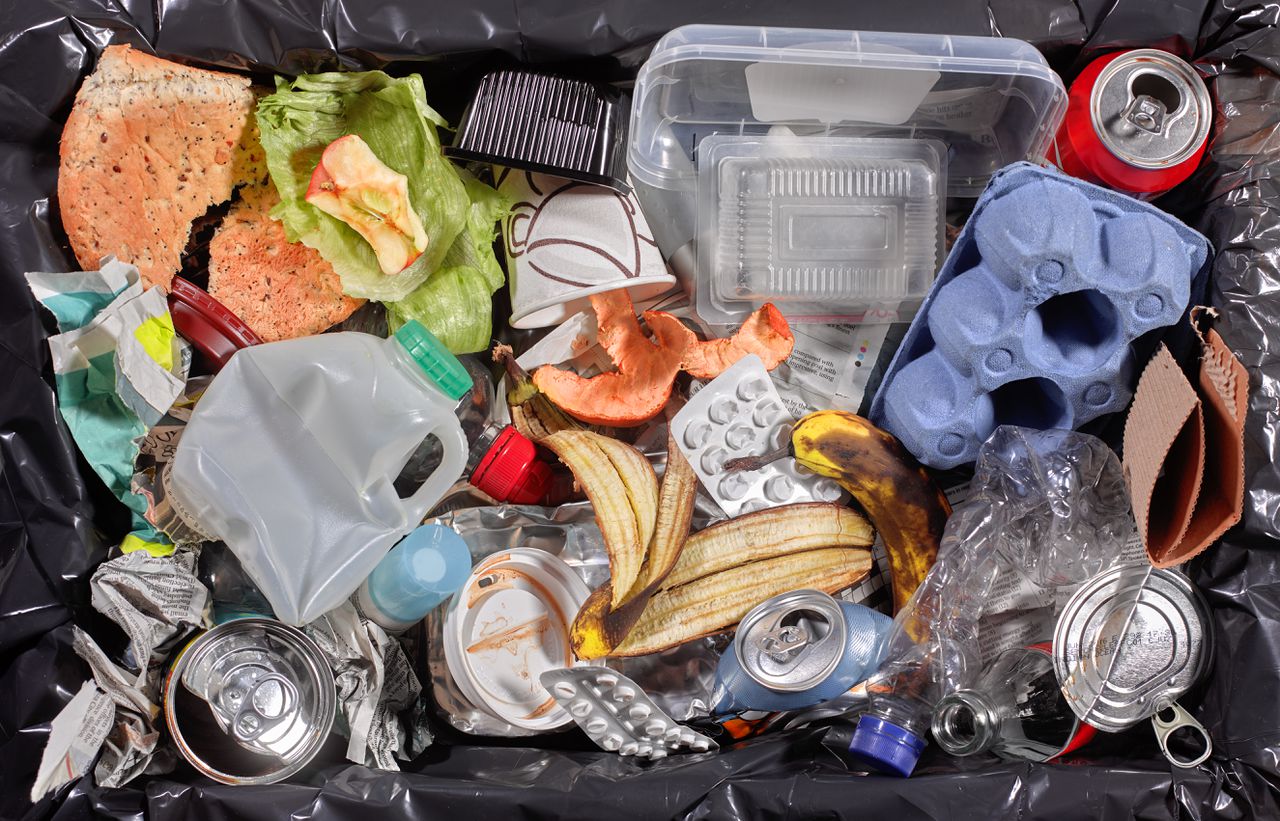
Overflowing bins indicate insufficient capacity or a poor placement strategy. When general waste containers fill faster than recycling bins, it may suggest that employees are not separating materials properly due to system complexity or unclear labelling. Contamination issues become apparent when recycling services reject loads or impose additional fees to sort or clean mixed materials.
Employee complaints often centre on inconvenient bin locations, confusing sorting categories, or inadequate capacity during peak periods. These issues reduce participation rates and create workplace dissatisfaction. Compliance gaps emerge when local regulations require specific separation practices that current systems cannot accommodate effectively.
Financial indicators include rising waste collection costs, penalties for contaminated recycling, and increased cleaning expenses due to spills or odour issues. Regular monitoring of these factors helps identify when system upgrades become cost-effective investments rather than optional improvements.
How much money can offices save with modern waste management systems?
Modern office waste management systems typically reduce total waste costs by 25–45% through decreased collection frequency, lower contamination penalties, and potential recycling revenue. Offices with 50+ employees often save £2,000–£5,000 annually by implementing efficient separation systems that optimise bin capacity and reduce general waste volumes.
Collection fee reductions occur when proper separation increases recycling volumes while decreasing general waste that requires more expensive disposal. Many waste management companies charge significantly less for recyclable materials than for landfill-bound waste. Contamination penalties disappear when clear separation systems prevent mixed materials from reaching recycling streams.
Operational efficiency gains include reduced cleaning time, fewer emergency collections, and improved workplace organisation. Staff spend less time managing overflowing bins or dealing with waste-related complaints when systems match actual usage patterns and capacity needs.
Long-term savings accumulate through:
- Reduced insurance premiums due to improved health and safety compliance
- Lower facilities management costs through streamlined waste handling
- Potential tax benefits from demonstrable environmental improvements
- Enhanced corporate reputation that supports business development opportunities
Revenue opportunities emerge when offices generate sufficient high-quality recyclables to negotiate collection rebates or direct sales to processing facilities. Some organisations achieve cost-neutral waste management through comprehensive separation and volume-optimisation strategies.
What's the difference between traditional and smart waste separation systems?
Traditional waste systems use fixed bins with basic labelling, while smart separation systems feature modular designs, clear visual guidance, and adaptable configurations. Smart systems can reduce contamination rates by 60–80% through intuitive sorting mechanisms, and they can be reconfigured quickly as office needs change without purchasing new equipment.
Conventional office bins typically offer limited separation options, with confusing or outdated labels that lead to high contamination rates. Fixed designs cannot adapt to changing waste streams or office layouts, requiring complete replacement when needs evolve. Space efficiency suffers when multiple individual bins create clutter and maintenance challenges.
Modern modular systems allow organisations to configure 1–8 waste streams within compact footprints. Internal compartments can be split or combined without additional purchases, adapting to seasonal variations or changing recycling requirements. Visual sorting aids reduce employee confusion and improve participation rates.
Key advantages of smart systems include:
- Flexible capacity allocation that matches actual waste generation patterns
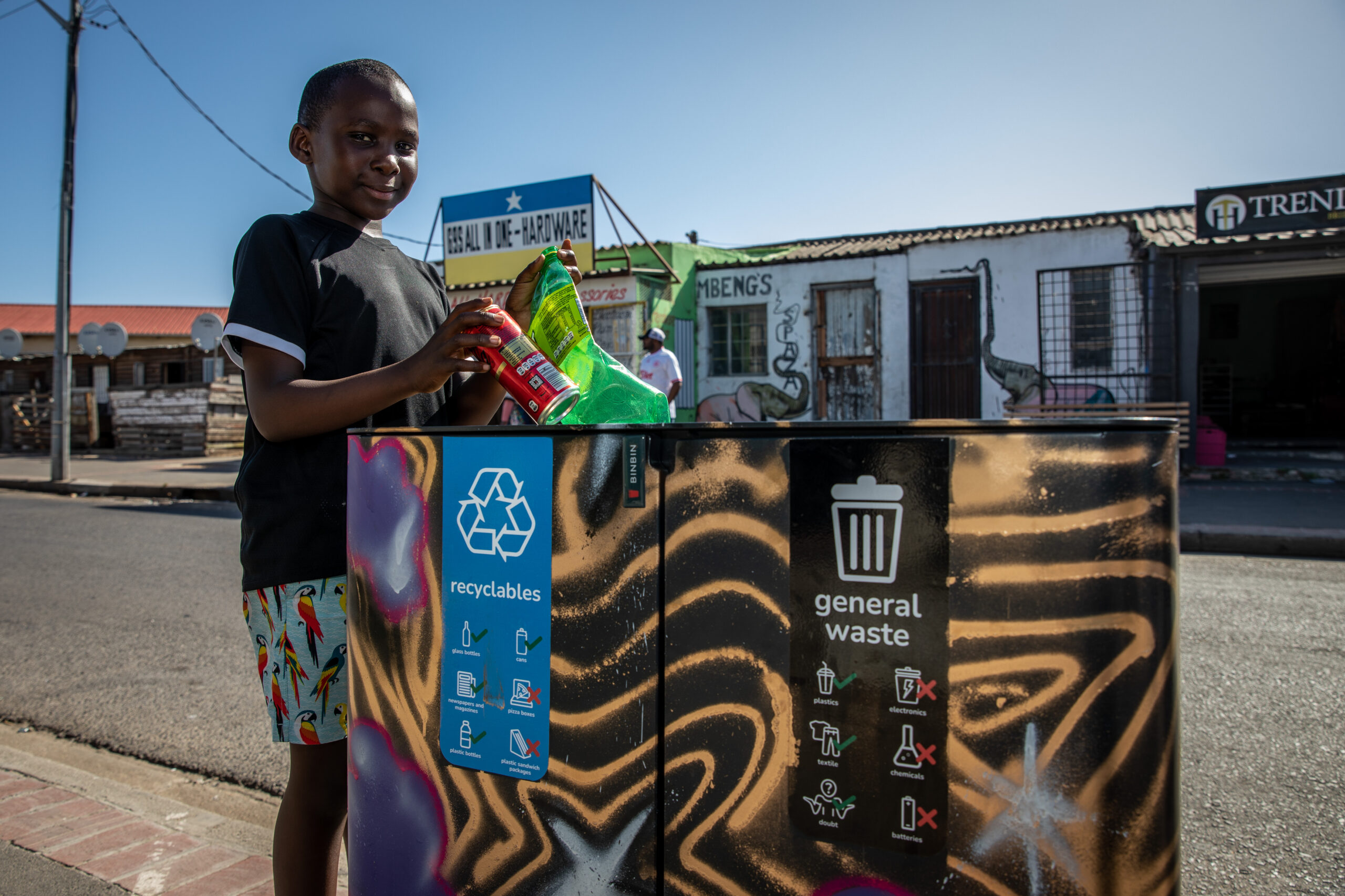
- Clear labelling with pictorial guidance that reduces sorting errors
- Compact designs that maximise floor-space efficiency
- Modular components that extend system lifespan through adaptability
- Professional appearance that maintains office aesthetics
- Easy maintenance with accessible compartments and replaceable components
Smart systems also provide better data-collection opportunities, enabling offices to track waste generation patterns and optimise collection schedules. This data-driven approach supports continuous improvement and demonstrates environmental progress to stakeholders.
Why do employees struggle with current office recycling practices?
Employees struggle with office recycling due to confusing labelling, inconvenient bin placement, and a lack of clear guidance on sorting requirements. Studies show that unclear visual cues and complex categorisation systems can reduce participation rates by up to 70%, while poor bin accessibility leads to contamination when employees choose convenience over correct sorting.
Confusing labelling is the primary barrier to effective workplace recycling. Generic terms like "mixed recycling" or "general waste" leave employees uncertain about specific items, leading to contamination or avoidance. Inconsistent systems across office areas create additional confusion when different floors or departments use varying approaches.
Inconvenient placement forces employees to choose between proper sorting and workflow efficiency. When recycling bins are located far from workstations or break areas, convenience typically wins over environmental responsibility. Limited capacity in recycling containers compared with general waste bins sends mixed messages about organisational priorities.
Common participation barriers include:
- Uncertainty about cleaning requirements for food containers
- Confusion over composite materials such as coffee cups or packaging
- Lack of feedback on recycling success or contamination issues
- Insufficient training during onboarding or after system changes
- The perception that individual actions do not matter in a larger context
System complexity overwhelms employees who want to participate but lack confidence in their sorting decisions. Without clear guidance and convenient options, even environmentally conscious staff may default to general waste disposal rather than risk contaminating recycling streams.
When is the best time to implement new waste management solutions?
The optimal time to implement new waste management solutions is during office relocations, major renovations, or at the start of the financial year when budgets are refreshed. Implementation success rates increase by 40–60% when changes coincide with other workplace transitions, as employees expect adjustments and adapt more readily to new systems.
Office relocations provide ideal opportunities for waste system upgrades without disrupting established routines. New spaces allow optimal bin placement from the outset, while relocation budgets often include facilities improvements. Change management becomes easier when waste system improvements are part of broader workplace enhancements.
Aligning with the budget cycle ensures adequate funding and allows proper planning for staff training and system integration. Many organisations find Q1 implementations most successful, as employees return from holidays ready to embrace new practices and sustainability resolutions.
Strategic timing considerations include:
- Avoiding peak business periods when employee attention is divided
- Coordinating with cleaning service contract renewals for integrated solutions
- Aligning with sustainability reporting cycles to capture immediate benefits
- Planning around major office events or client visits to minimise disruption
- Considering seasonal waste-pattern changes that affect system requirements
Sustainability initiative launches create natural implementation opportunities when organisations commit to environmental improvements. Employee engagement peaks during these periods, supporting successful adoption and long-term compliance with new practices.
How do you measure success after upgrading office waste systems?
Success measurement focuses on diversion rates, contamination levels, cost savings, and employee satisfaction metrics. Effective office waste systems typically achieve 60–80% diversion from landfill, reduce contamination to below 10%, and generate measurable cost savings within six months of implementation through improved efficiency and reduced collection fees.
Diversion rates track the percentage of waste redirected from landfill through recycling, composting, or reuse programmes. Baseline measurements before system upgrades provide comparison data to demonstrate improvement. Monthly tracking reveals trends and seasonal variations that affect performance.
Contamination monitoring involves regular audits of recycling streams to identify sorting errors and training needs. Waste management companies often provide contamination reports, while internal spot checks help maintain quality standards. Reduced contamination indicates improved employee understanding and system effectiveness.
Key performance indicators include:
- Total waste volume reduction compared with previous periods
- Recycling participation rates across different office areas
- Collection frequency changes indicating improved capacity utilisation
- Employee feedback scores on system usability and satisfaction
- Cost per employee for waste management services
- Environmental impact metrics that support sustainability reporting
Employee satisfaction surveys reveal system usability and identify areas for improvement. Regular feedback collection helps maintain engagement and addresses emerging issues before they affect overall performance. Successful systems show increasing participation rates and positive employee sentiment over time.
How BINBIN helps with office waste system upgrades
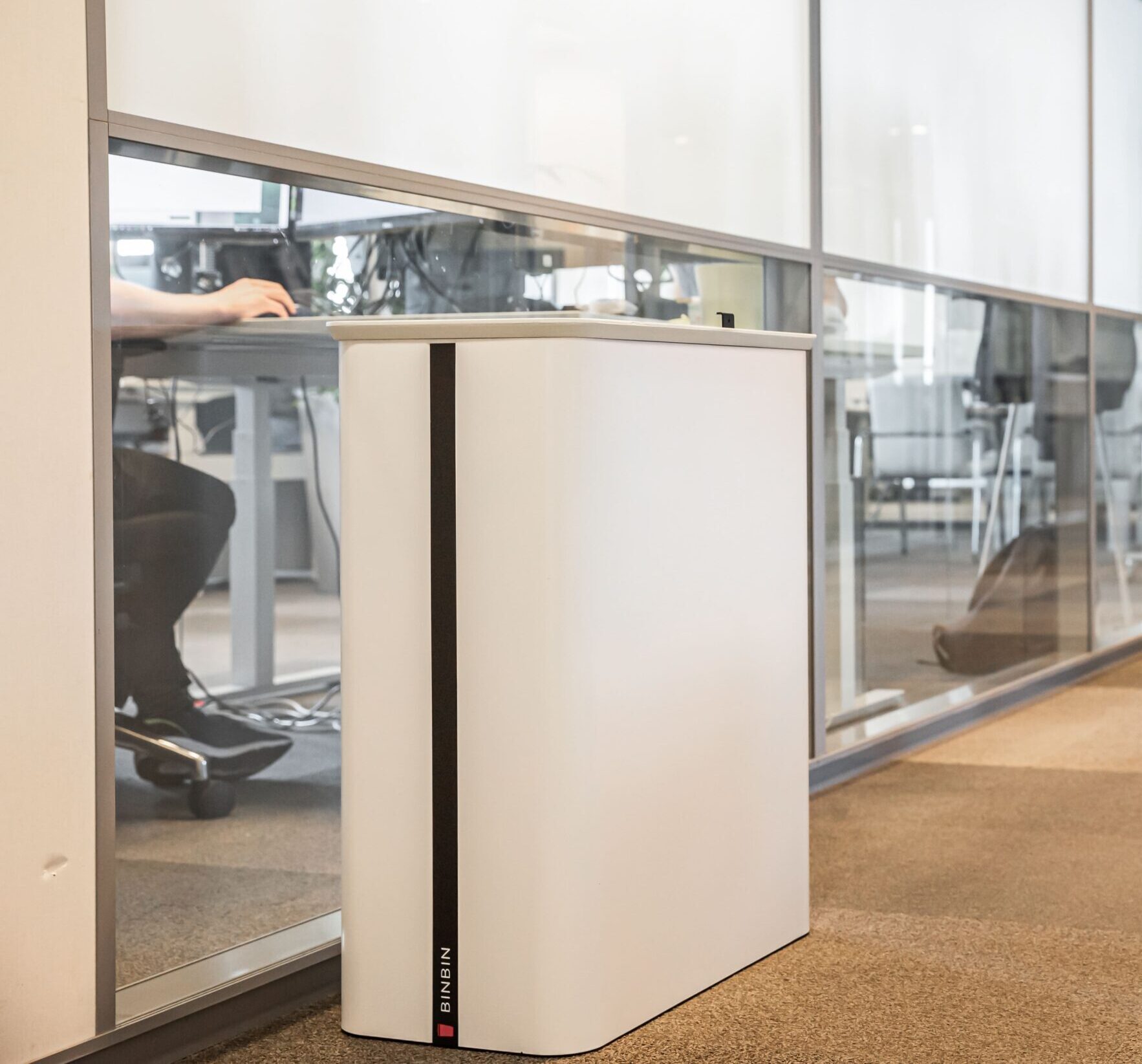
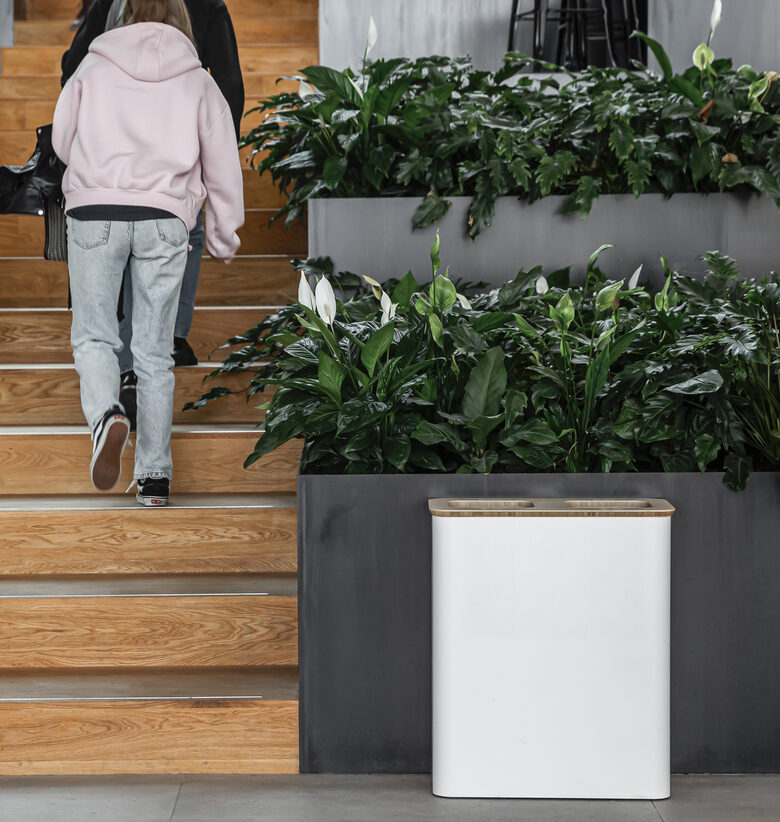
BINBIN provides comprehensive office waste management solutions through modular systems that adapt to changing needs without requiring complete replacement. Our Globular series enables offices to configure 1–8 waste streams within compact, professional designs that integrate seamlessly into any workplace environment while retaining the flexibility to evolve with organisational requirements.
Our modular approach eliminates the waste and expense of traditional bin replacement when needs change. Internal compartments can be split or combined in minutes, allowing offices to respond to seasonal variations, regulatory changes, or shifting waste-stream priorities without additional purchases.
BINBIN office solutions include:
- Customisable configurations that match specific waste generation patterns
- Professional aesthetics that maintain workplace appearance standards
- Clear visual guidance that reduces employee sorting confusion
- Compact designs that maximise valuable office floor space
- 99% circular construction that supports sustainability objectives
We offer trial placement programmes that allow offices to test systems before committing to full implementation. This approach ensures optimal configuration and employee acceptance while providing measurable performance data to support investment decisions.
Ready to upgrade your office waste management? Contact our team to discuss your specific requirements and arrange a consultation. We'll help you design a system that improves efficiency, reduces costs, and supports your sustainability goals while ensuring seamless employee adoption.