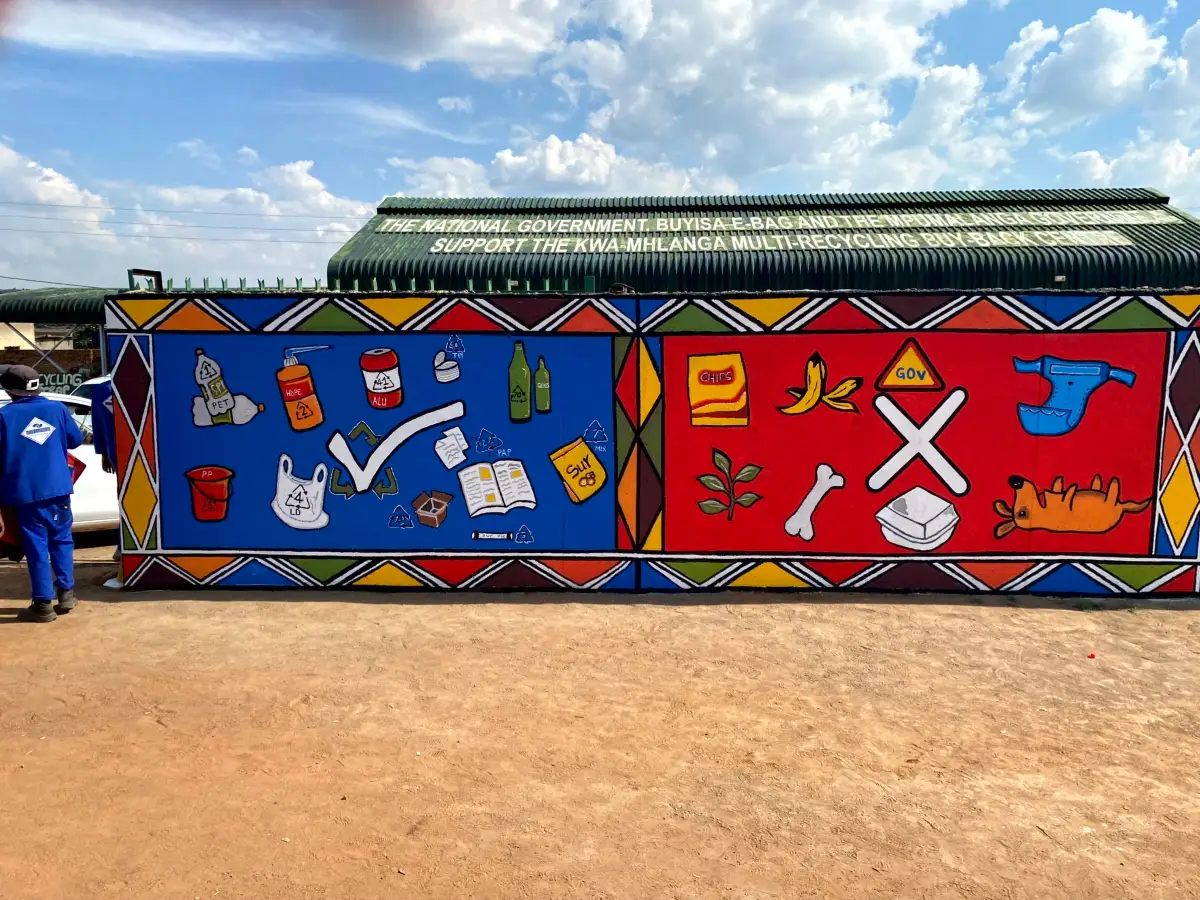
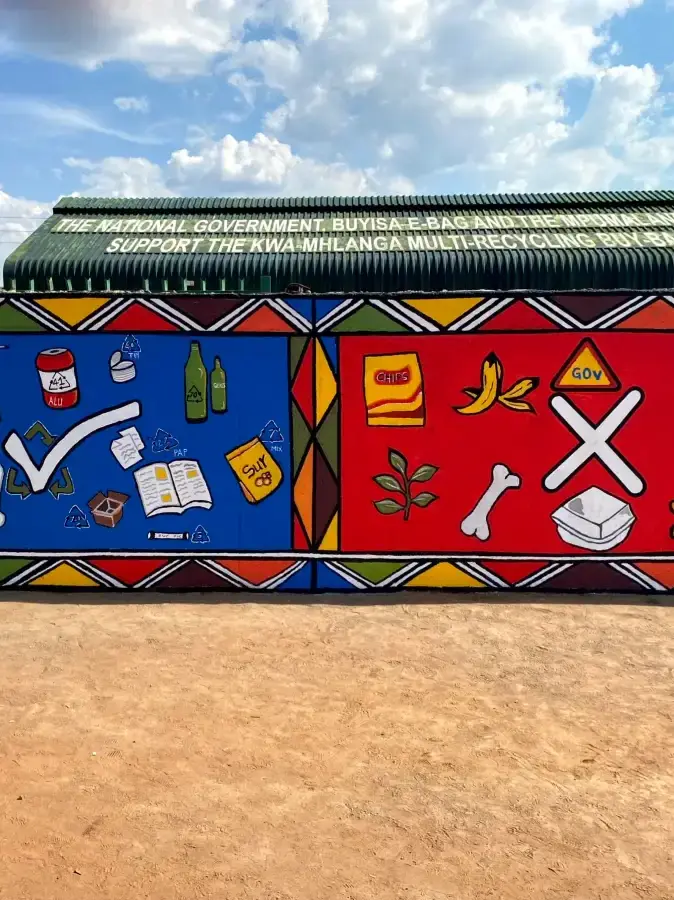
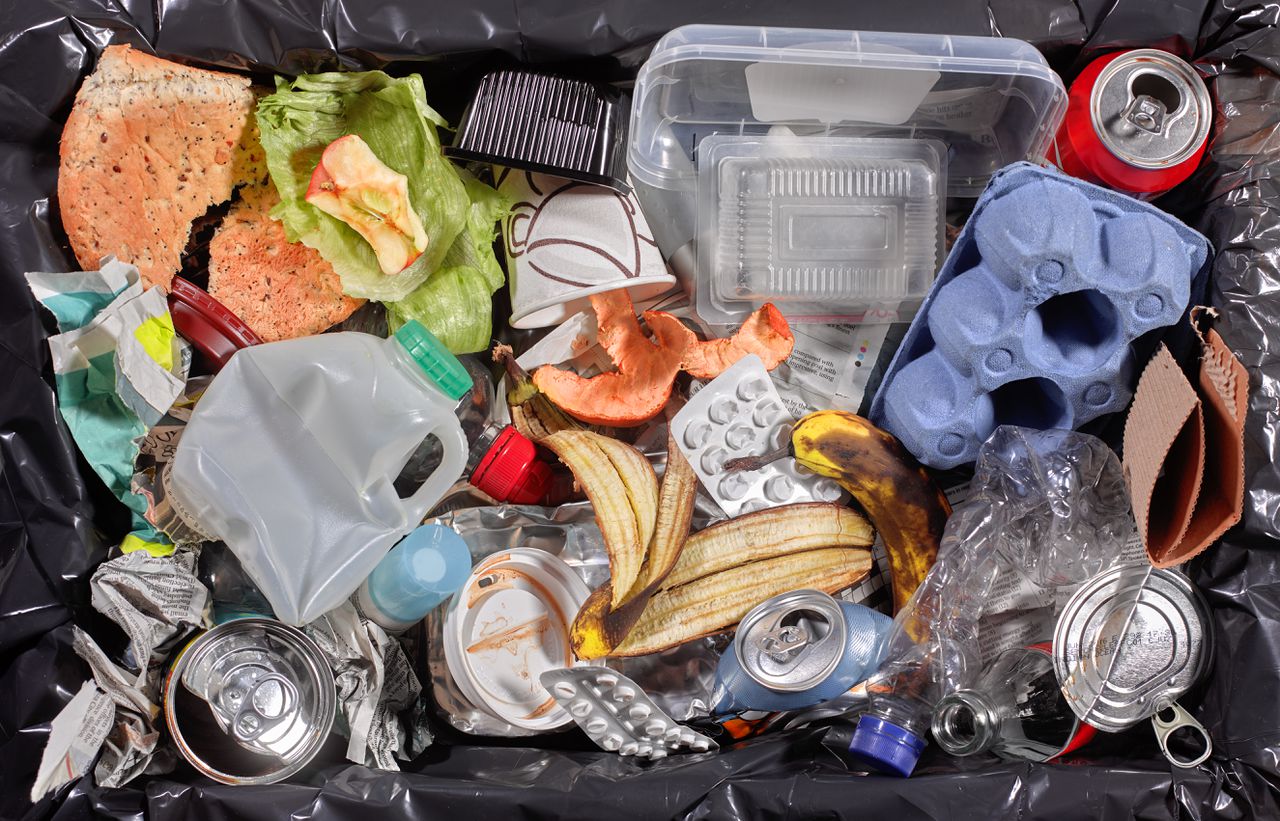
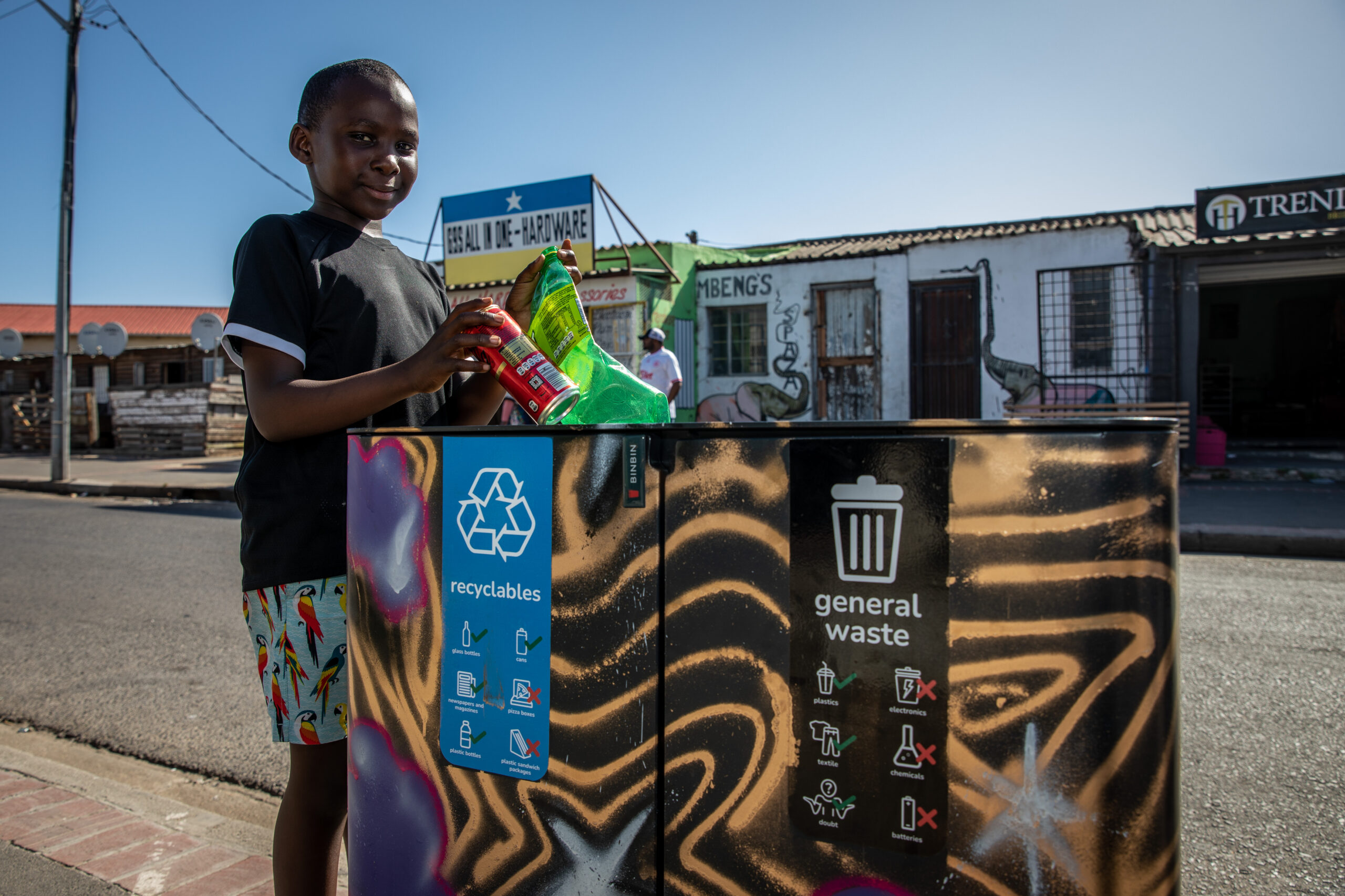
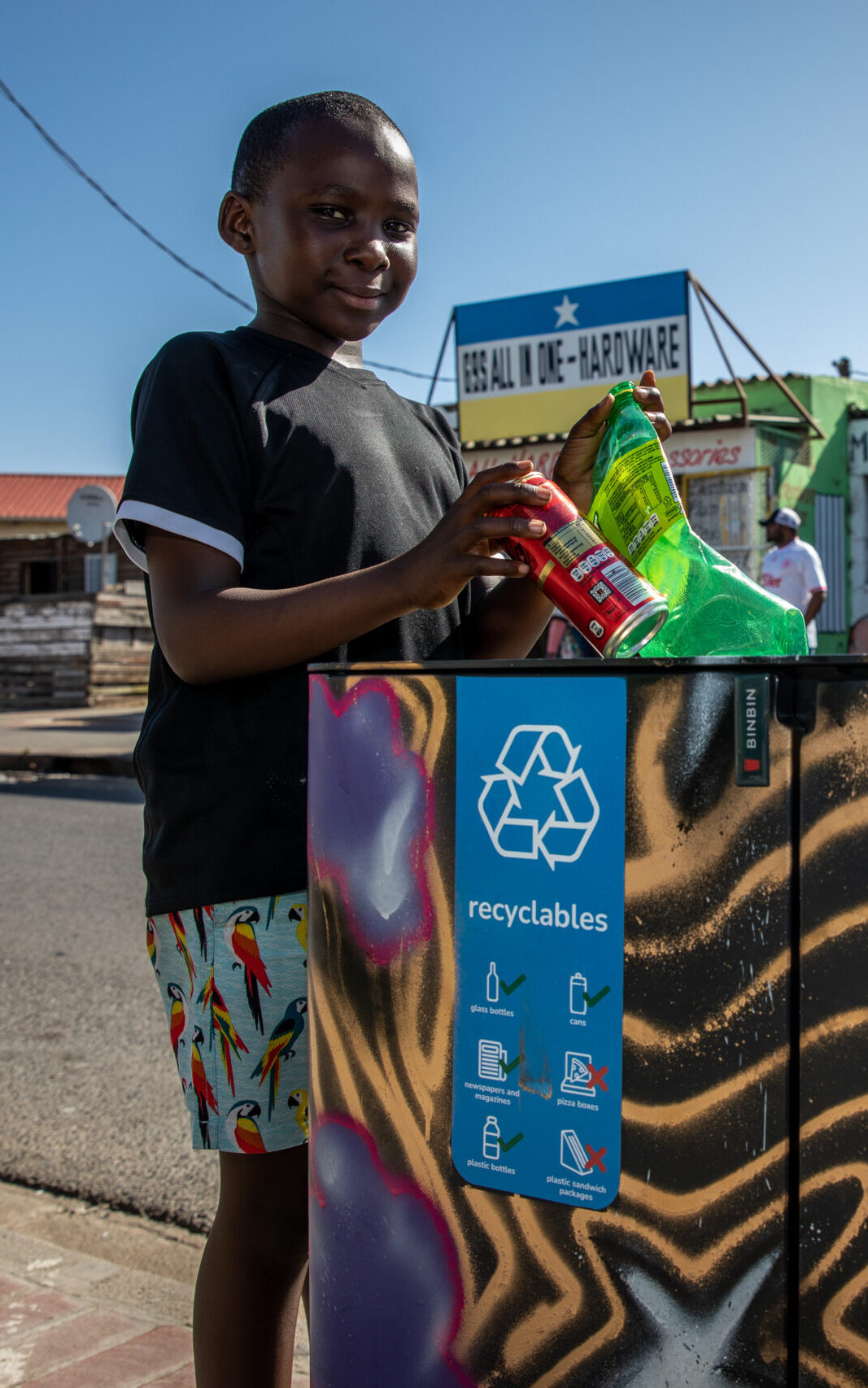
Sustainable waste disposal represents a fundamental shift from traditional linear waste management to circular systems that prioritise resource recovery and environmental protection. This approach reduces reliance on landfills, conserves natural resources, and helps businesses comply with evolving regulations whilst achieving significant cost savings. Understanding proper waste management practices has become essential for organisations seeking operational efficiency and environmental responsibility.
What is sustainable waste disposal and why does it matter?
Sustainable waste disposal is a comprehensive approach that prioritises waste reduction, reuse, recycling, and resource recovery over traditional disposal methods. Unlike linear systems that follow a “take-make-dispose” model, sustainable waste management embraces circular principles in which materials retain their value through multiple lifecycles.
This approach matters because traditional waste disposal methods are becoming increasingly unsustainable. In South Africa alone, 111 megatons of waste are generated annually, with 75% ending up in landfills. This linear approach depletes natural resources, contributes to environmental degradation, and creates unnecessary costs for businesses and communities.
Modern sustainable waste disposal focuses on the waste hierarchy: prevention, minimisation, reuse, recycling, recovery, treatment, and disposal as a last resort. This systematic approach helps organisations reduce their environmental footprint whilst creating economic opportunities through resource recovery and improved operational efficiency.
What are the main environmental benefits of proper waste management?
Proper waste management delivers significant environmental benefits by reducing pollution, conserving natural resources, and minimising ecosystem disruption. The most immediate benefit is reduced pressure on landfills, which decreases methane emissions and prevents groundwater contamination from leachate.
Resource conservation represents another major advantage. When materials are recycled or recovered, fewer virgin resources need to be extracted. This reduces mining activity, deforestation, and the energy consumption associated with raw material processing. For example, recycling paper reduces the need for tree harvesting, whilst metal recycling requires significantly less energy than producing new metals from ore.
Sustainable waste disposal also contributes to climate change mitigation through reduced greenhouse gas emissions. Proper organic waste management through composting prevents methane generation in landfills, whilst recycling programmes reduce the carbon footprint associated with manufacturing new products from virgin materials.
How does sustainable waste disposal save businesses money?
Sustainable waste disposal creates multiple cost-saving opportunities through reduced disposal fees, revenue from resource recovery, and improved operational efficiency. Many organisations discover that effective waste segregation significantly reduces their general waste volumes, leading to lower collection and disposal costs.
Resource recovery programmes can generate revenue streams from materials previously considered waste. Recyclable materials such as paper, cardboard, metals, and plastics often have market value, particularly when properly segregated and clean. Some businesses also benefit from reduced purchasing costs when implementing reuse programmes for suitable materials.
Avoiding compliance costs represents another significant financial benefit. With South Africa’s National Environmental Management: Waste Act requiring metro municipalities to implement source separation, businesses that proactively adopt sustainable practices avoid potential penalties and benefit from streamlined regulatory compliance.
Operational efficiency improvements also contribute to cost savings. Well-designed waste management systems reduce staff time spent handling waste, minimise collection frequency requirements, and create cleaner, more organised work environments that support productivity.
What are the biggest challenges businesses face with waste management?
Employee compliance represents the most common challenge businesses encounter when implementing waste management systems. Many organisations struggle with staff members continuing to dispose of all waste in general bins despite segregation systems being available, often due to ingrained habits or an insufficient understanding of proper procedures.
Space constraints frequently complicate waste management efforts, particularly in office environments where aesthetics and functionality must be balanced. Traditional waste segregation systems often require significant floor space and may not integrate well with modern workplace designs, creating resistance from facility managers and employees.
Cost concerns, both real and perceived, create barriers to implementation. Whilst sustainable waste disposal typically delivers long-term savings, the initial investment in equipment, training, and system changes can appear daunting without a proper cost-benefit analysis.
Regulatory complexity adds another layer of difficulty. Understanding compliance requirements, particularly for organisations operating across multiple municipalities with varying by-laws, requires dedicated attention and expertise that many businesses lack internally.
How do you implement an effective waste segregation system?
Implementing effective waste segregation begins with conducting a comprehensive waste audit to understand your organisation’s specific waste streams, volumes, and current disposal patterns. This assessment identifies opportunities for improvement and helps determine appropriate segregation categories and equipment requirements.
The implementation process follows these key steps:
- Planning phase: Define waste categories relevant to your operations, select appropriate locations for segregation stations, and develop clear procedures for staff
- Equipment selection: Choose segregation systems that balance functionality with space requirements and aesthetic considerations
- Staff training: Provide comprehensive education on proper segregation techniques, including visual aids and regular reinforcement sessions
- Monitoring system: Establish regular auditing procedures to measure compliance rates and identify areas for improvement
- Continuous improvement: Regularly review and adjust the system based on performance data and changing organisational needs
Success depends on making segregation as convenient as possible for users whilst maintaining clear visual and procedural guidance throughout the facility.
What role does employee engagement play in sustainable waste disposal?
Employee engagement is the foundation of successful sustainable waste disposal programmes. Without active staff participation, even the most sophisticated segregation systems fail to deliver the expected results. Research consistently shows that technical solutions alone cannot overcome behavioural barriers to proper waste management.
Effective engagement strategies include comprehensive training programmes that explain not only how to segregate waste but also why it matters for environmental and business outcomes. Visual communication tools, such as clear signage and colour-coded systems, support behaviour change by making correct choices obvious and convenient.
Creating a culture of sustainability requires ongoing reinforcement through:
- Regular communication about programme successes and environmental impact
- Recognition programmes for departments or individuals demonstrating excellent compliance
- Feedback mechanisms allowing employees to suggest improvements
- Leadership modelling of proper waste disposal behaviours
- Integration of sustainability goals into broader organisational values
Successful programmes also address practical concerns by ensuring segregation systems are convenient, clearly marked, and regularly maintained to prevent user frustration.
How BINBIN helps with sustainable waste disposal
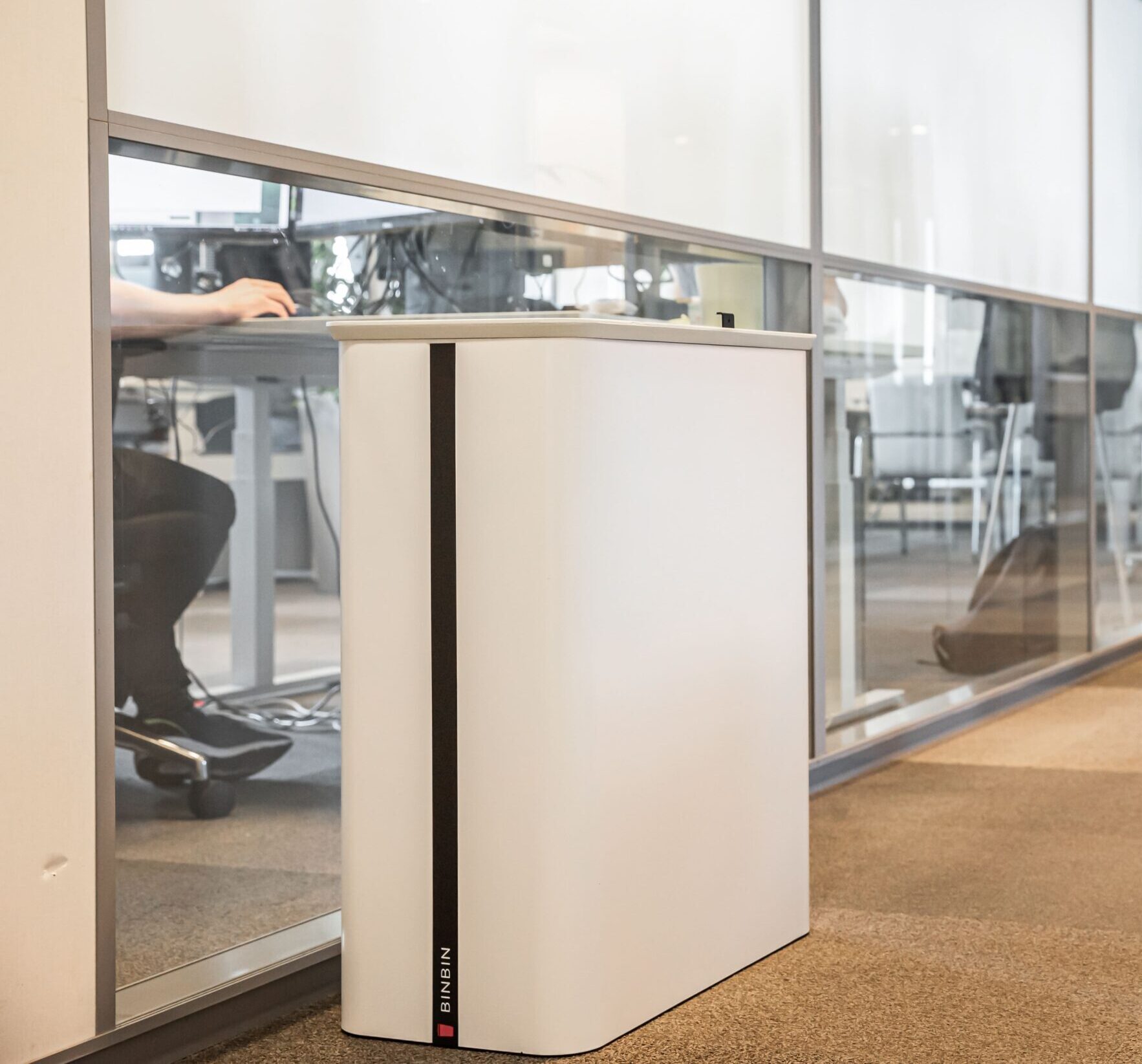
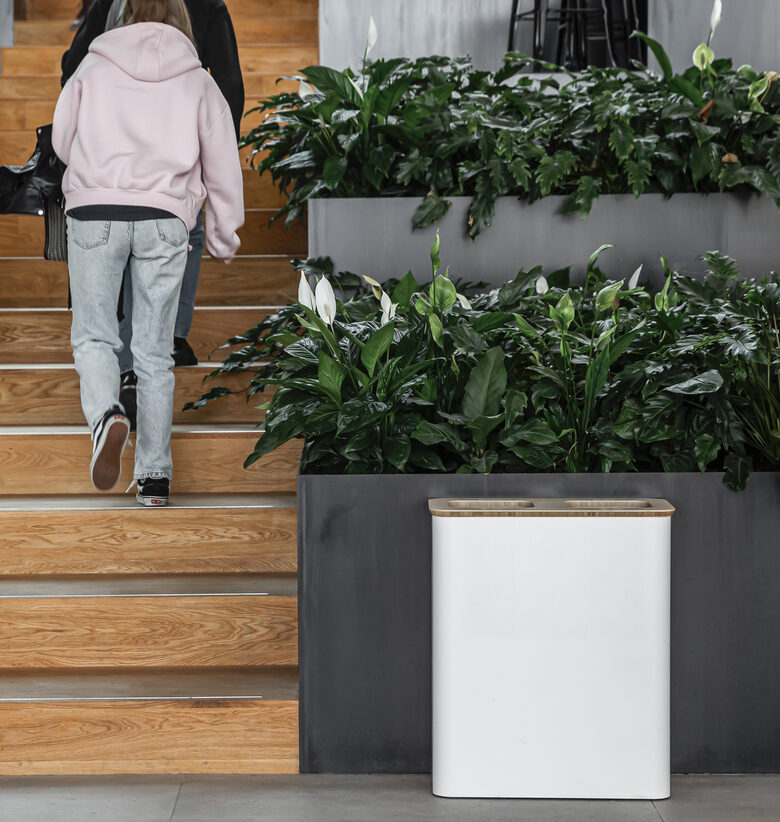
BINBIN transforms sustainable waste disposal challenges into opportunities through our modular, circularly designed waste segregation systems. Our solutions address the most common implementation barriers businesses face whilst supporting comprehensive office waste management strategies.
Our approach delivers practical benefits:
- Modular flexibility: Systems accommodate 1 to 8 waste streams and adapt as your needs change, eliminating the need for complete replacements
- Space efficiency: Clean, functional designs integrate seamlessly into modern work environments without compromising aesthetics
- Circular sustainability: 99% circular construction means our products embody the sustainability principles they help you implement
- Implementation support: Comprehensive guidance including waste audits, system configuration, and employee training materials
We understand that successful waste management requires more than equipment. That’s why we provide personalised consultation to identify your specific needs, develop tailored implementation strategies, and supply communication materials that support employee engagement. Our proven systems help organisations achieve compliance, reduce costs, and contribute meaningfully to environmental protection.
Ready to transform your waste management approach? Contact us for a trial placement and discover how sustainable waste disposal can benefit your organisation.