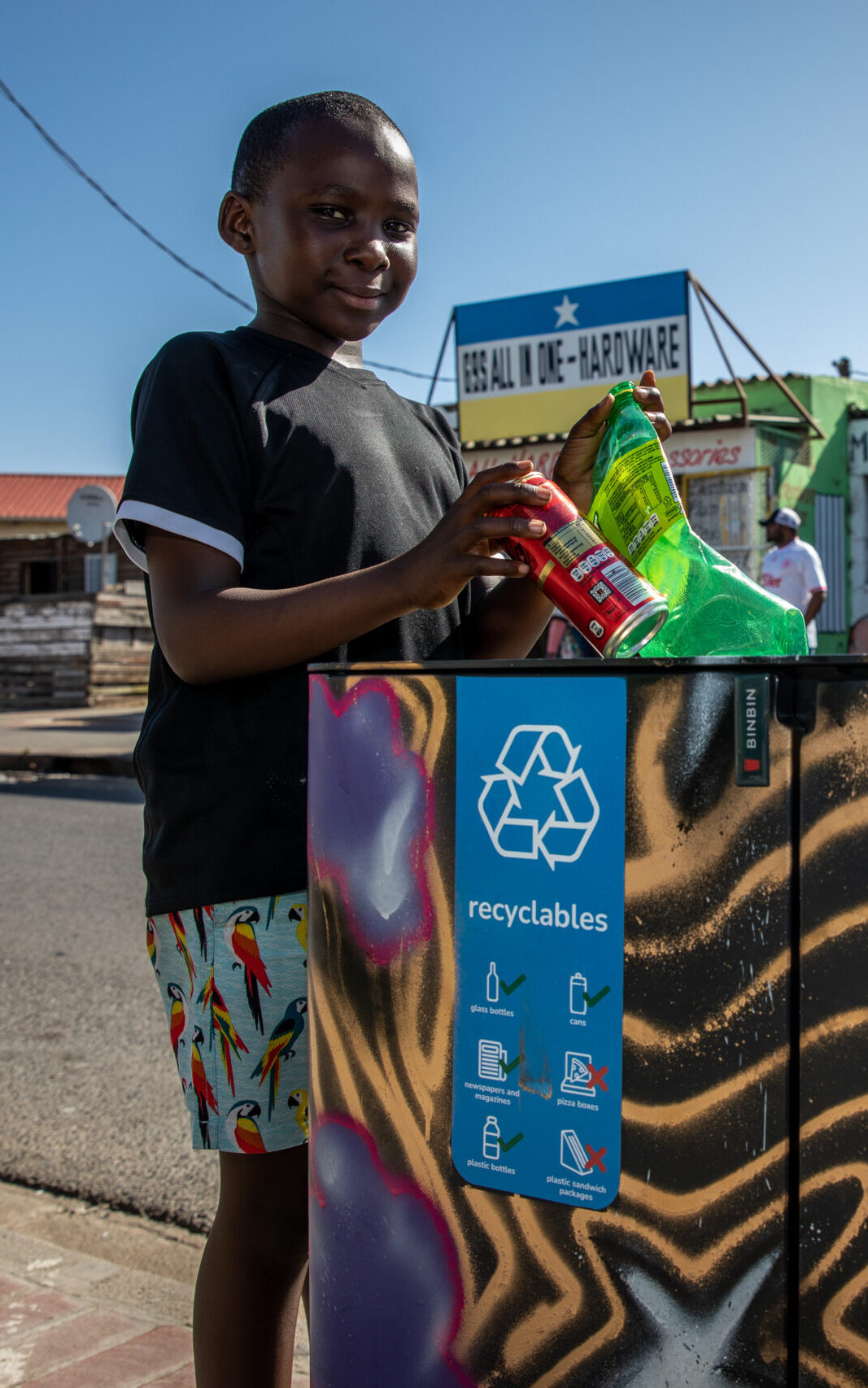
Waste reduction is crucial for schools because educational institutions generate substantial amounts of waste daily, affecting the environment, student health, and school budgets. Effective waste reduction creates cleaner learning environments, teaches valuable life skills, and provides significant financial benefits. Schools that implement comprehensive waste reduction programs see improvements in air quality, reduced disposal costs, and enhanced environmental education that helps shape responsible future citizens.
What environmental impact do schools actually have on waste generation?
Schools generate enormous amounts of waste daily, creating a significant environmental footprint through paper consumption, food waste, packaging materials, and general refuse. A typical primary school can produce several tonnes of waste each week, with much of it ending up in landfills rather than being recycled or composted.
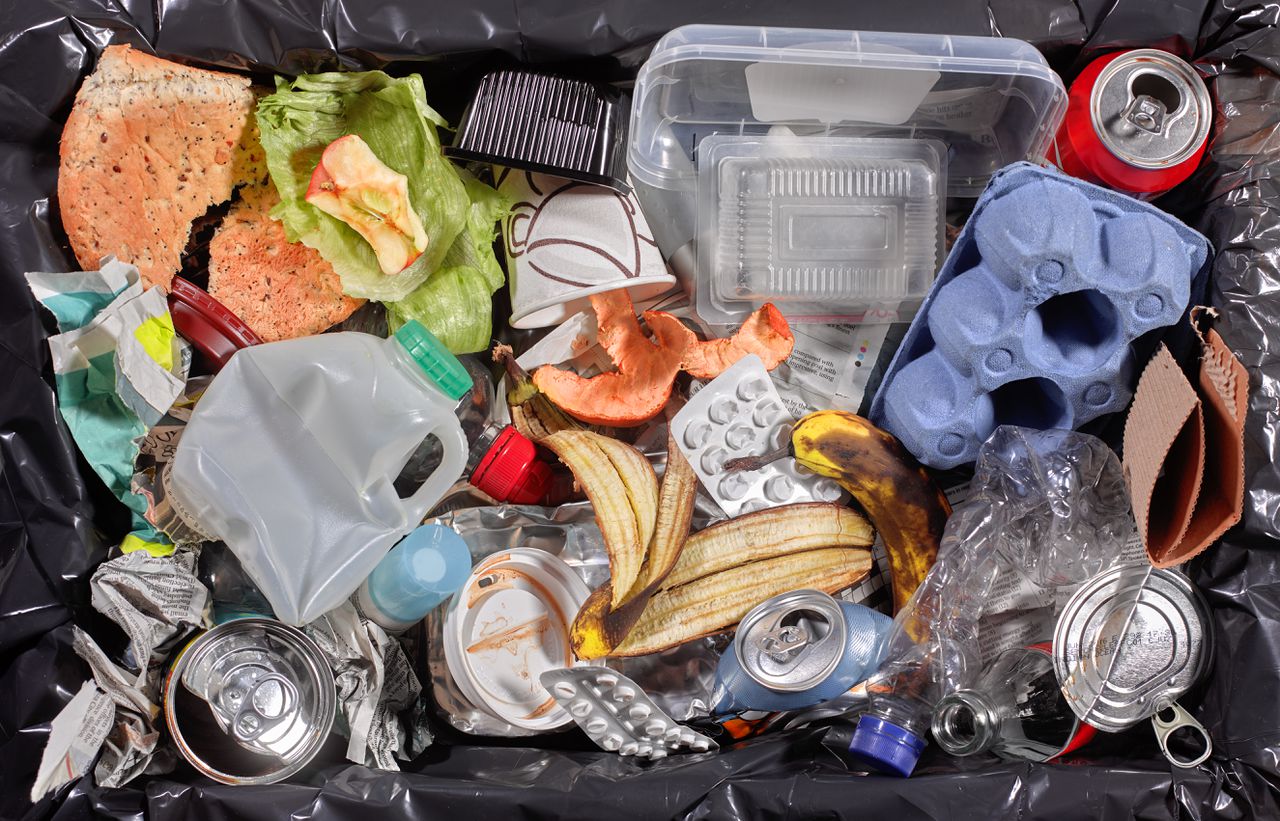
The scale of educational waste becomes clear when considering the various sources within schools. Paper consumption remains one of the largest contributors, with worksheets, administrative documents, and craft materials creating substantial daily waste streams. Food services generate considerable organic waste through meal preparation, uneaten portions, and packaging from suppliers.
Beyond obvious waste sources, schools produce significant amounts of plastic waste from educational supplies, broken equipment, and maintenance materials. This diverse waste stream makes schools critical players in waste reduction efforts, as changes in educational institutions directly affect community waste management systems and environmental outcomes.
How does waste reduction benefit student health and learning environments?
Proper waste reduction directly improves student health by improving air quality, reducing pest problems, and maintaining hygienic facilities that support optimal learning conditions. Well-managed waste systems prevent the accumulation of materials that can harbour bacteria, attract insects, or create unpleasant odours that affect concentration.
Effective waste management systems contribute to healthier indoor environments by preventing the buildup of organic matter that can affect air quality. Students in schools with comprehensive waste reduction programs report fewer distractions from unpleasant smells and cleaner, more organised learning spaces that enhance focus.
The psychological benefits of clean, well-maintained environments cannot be overstated. Students develop pride in their school environment when waste is properly managed, leading to increased respect for facilities and improved behaviour. This positive cycle creates learning environments where students can concentrate on education rather than being distracted by poor waste management.
Why is teaching waste reduction essential for developing responsible citizens?
Teaching waste reduction in schools fosters lifelong environmental awareness and develops critical thinking skills about consumption patterns that students carry into adulthood. Schools serve as a primary venue for environmental education, making waste reduction programs essential for developing environmentally conscious citizens.
Students who participate in school waste reduction programs learn to evaluate their consumption choices, understand the environmental impact of their decisions, and develop problem-solving skills to address sustainability challenges. These practical life skills extend beyond environmental awareness to include resource management, planning, and responsibility.
The ripple effect of school-based environmental education extends into families and communities. Students often become advocates for waste reduction at home, sharing knowledge and encouraging family members to adopt more sustainable practices. This multiplier effect makes school waste reduction programs powerful tools for community-wide environmental improvement.
What financial benefits can schools achieve through effective waste reduction?
Schools can achieve substantial cost savings through reduced waste disposal fees, lower purchasing costs through mindful consumption, and potential revenue from recycling programs. Many educational institutions see immediate budget improvements when implementing comprehensive waste reduction strategies.
The most immediate financial benefit comes from reduced disposal costs. Schools that pay for waste collection by volume or weight see direct savings when waste streams are reduced through recycling, composting, and consumption reduction. These savings can be redirected to educational resources and facility improvements.
Long-term financial benefits include:
- Lower supply costs through reduced consumption and bulk purchasing
- Decreased maintenance costs from cleaner facilities
- Potential revenue from recyclable materials
- Reduced replacement costs through better care of resources
- Energy savings from efficient waste management systems
How do successful school waste reduction programs actually work?
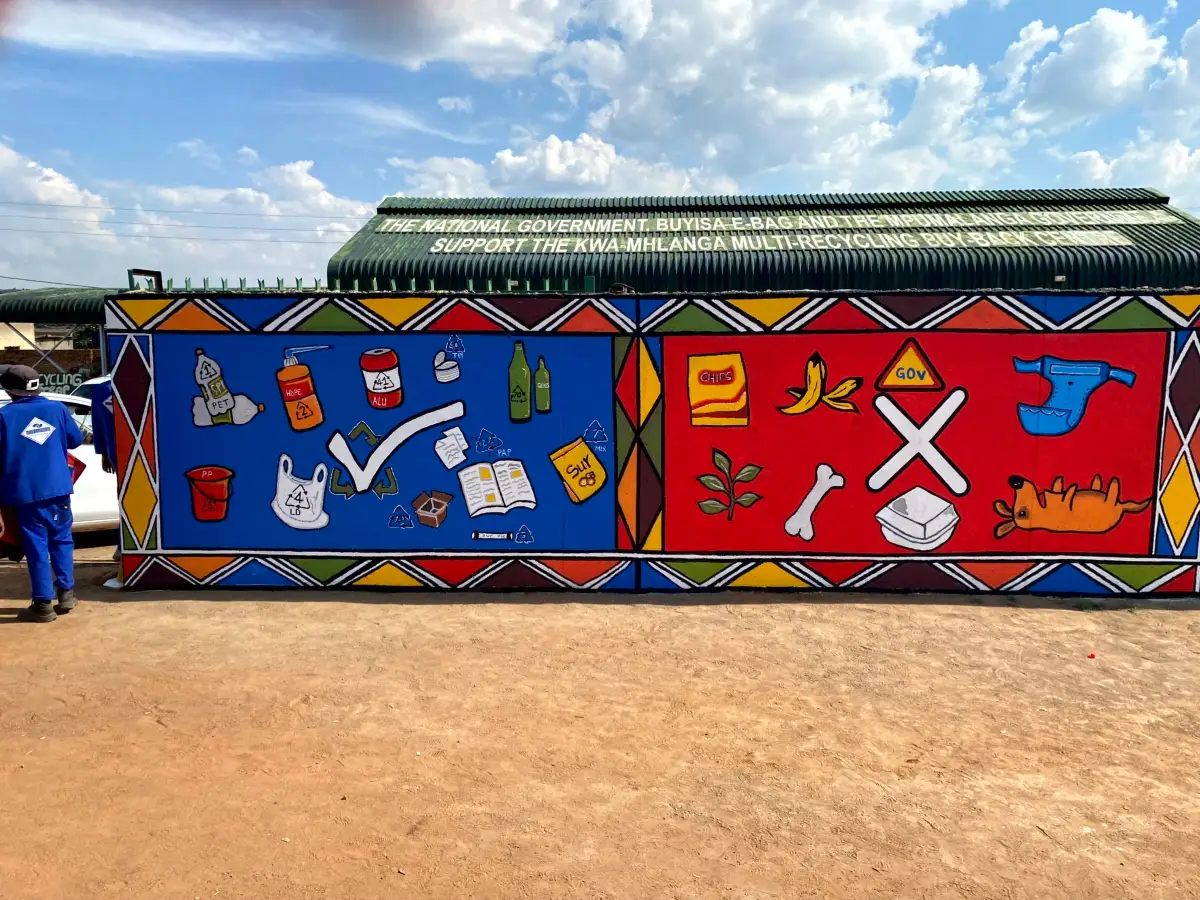
Successful school waste reduction programs combine practical implementation strategies, including waste audits, separation systems, student involvement programs, and curriculum integration. These programs work best when they engage the entire school community and make waste reduction part of daily routines.
Effective programs begin with comprehensive waste audits to understand current waste streams and identify reduction opportunities. This data-driven approach helps schools prioritise efforts and measure progress over time. Student involvement is crucial, as peer education and student-led initiatives create lasting behavioural changes.
Implementation typically follows these key steps:
- Conduct a baseline waste audit to identify the main waste streams
- Install appropriate separation and collection systems
- Train staff and students on proper waste-sorting procedures
- Integrate waste reduction into the curriculum across subjects
- Establish monitoring and feedback systems
- Celebrate successes and adjust strategies based on results
What challenges do schools face when implementing waste reduction initiatives?
Schools encounter several obstacles when implementing waste reduction initiatives, including budget constraints, staff training requirements, student engagement issues, and infrastructure limitations. However, practical solutions exist to overcome these common barriers through strategic planning and community support.
Budget constraints often represent the primary challenge, as schools may lack funding for new waste separation systems or staff training. Infrastructure limitations in older buildings can make it difficult to accommodate multiple waste streams or install appropriate collection points. Staff training requirements can seem overwhelming, given the need to educate teachers, administrators, and support staff.
Student engagement can vary significantly, with some students embracing waste reduction while others remain indifferent. Ensuring consistency across different areas of the school and maintaining momentum over time requires ongoing effort and leadership commitment. Solutions include starting with pilot programs, seeking community partnerships, applying for environmental grants, and focusing on simple changes that build momentum for larger initiatives.
How BINBIN helps schools achieve effective waste reduction
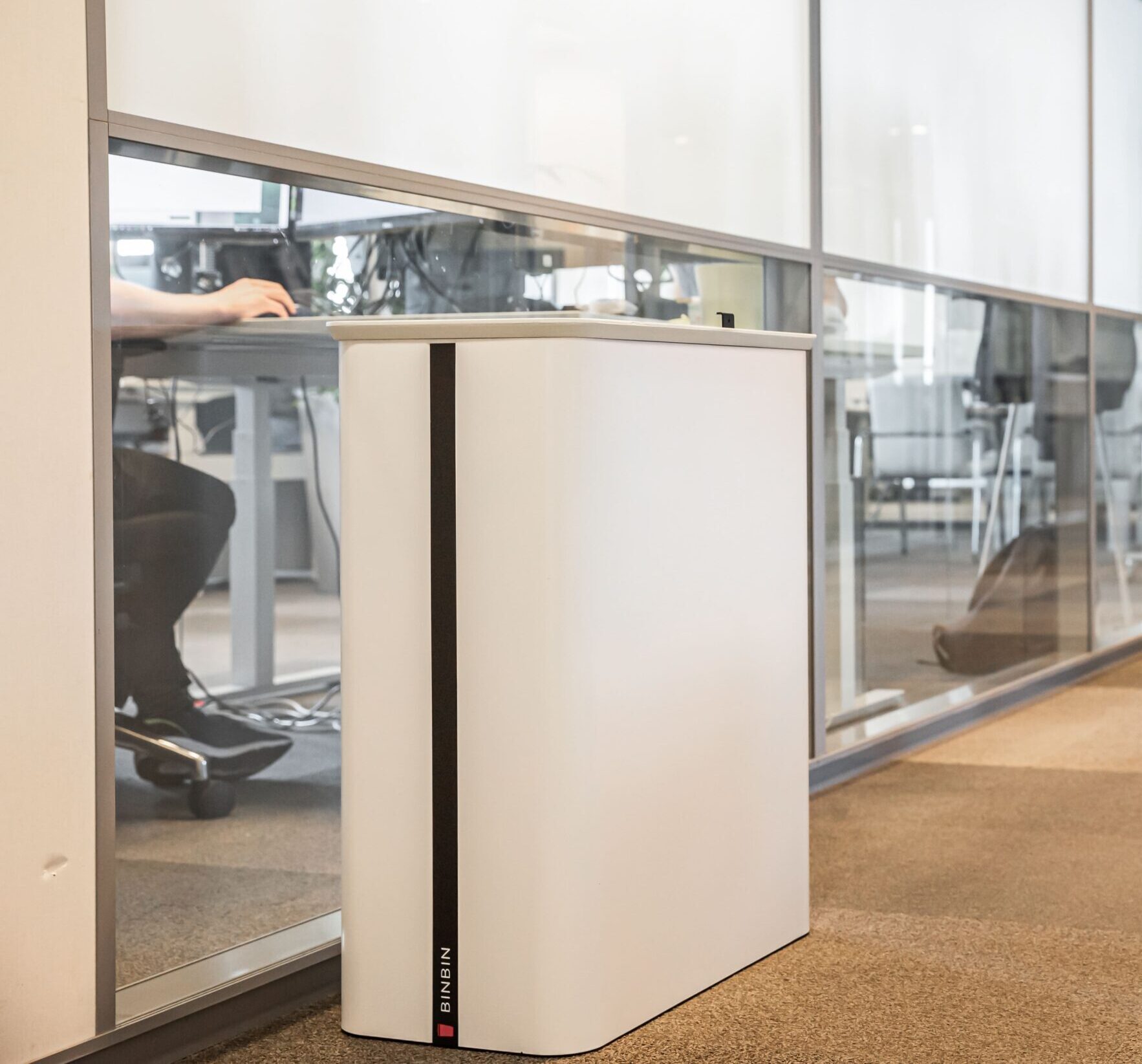
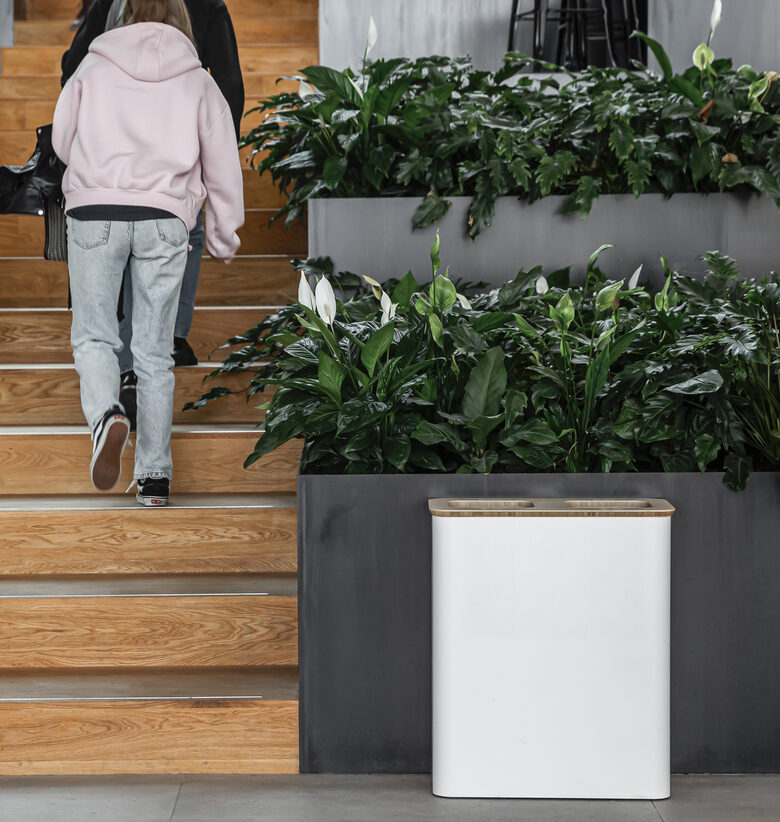
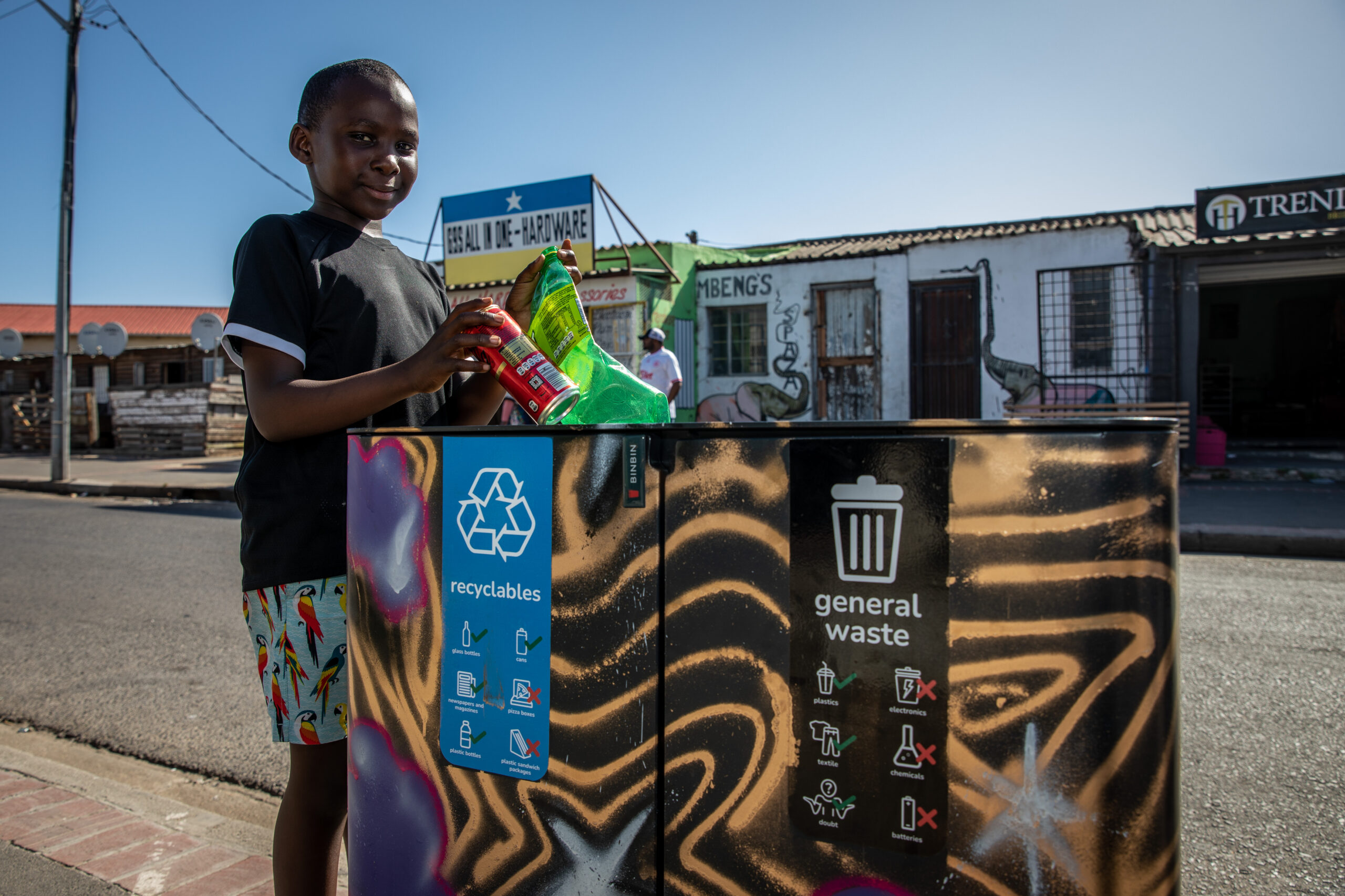
BINBIN provides modular waste separation solutions specifically designed for educational environments, making waste sorting simple and effective for both students and staff. Our systems adapt to changing school needs while supporting comprehensive waste reduction programs that deliver both environmental and educational benefits.
Our educational waste management solutions include:
- Modular systems that grow from 1 to 8 waste streams as programs develop
- Child-friendly designs that encourage proper waste sorting
- Durable construction suitable for high-traffic school environments
- Easy reconfiguration as waste reduction needs change
- Educational labelling and colour coding for clear waste stream identification
The modular design allows schools to start small and expand their waste reduction programs gradually, making implementation affordable and manageable. Schools can easily adapt their systems as they develop new waste streams or change their environmental focus areas.
Ready to transform your school's waste management? Contact us for a trial placement to see how our solutions can support your educational and environmental goals while creating cleaner, healthier learning environments for your students.